These are arguably nature's funniest, creepiest, or strangest creations. The chances of scuba divers encountering most of them are virtually zero, as nearly all inhabit extreme depths. 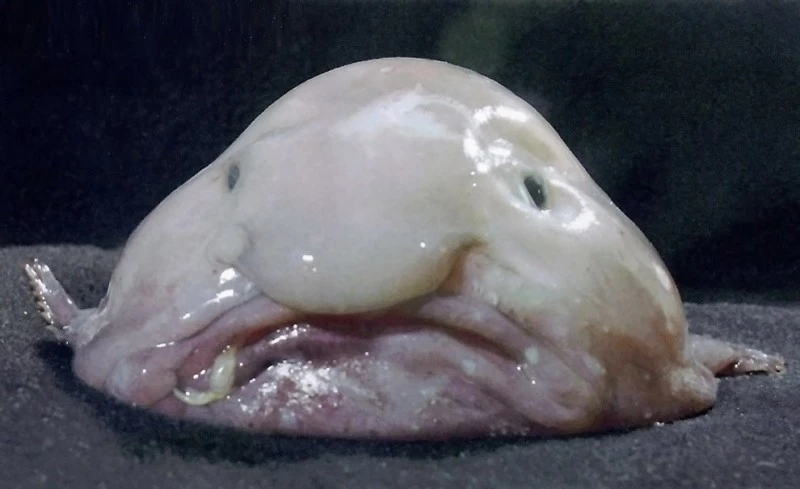
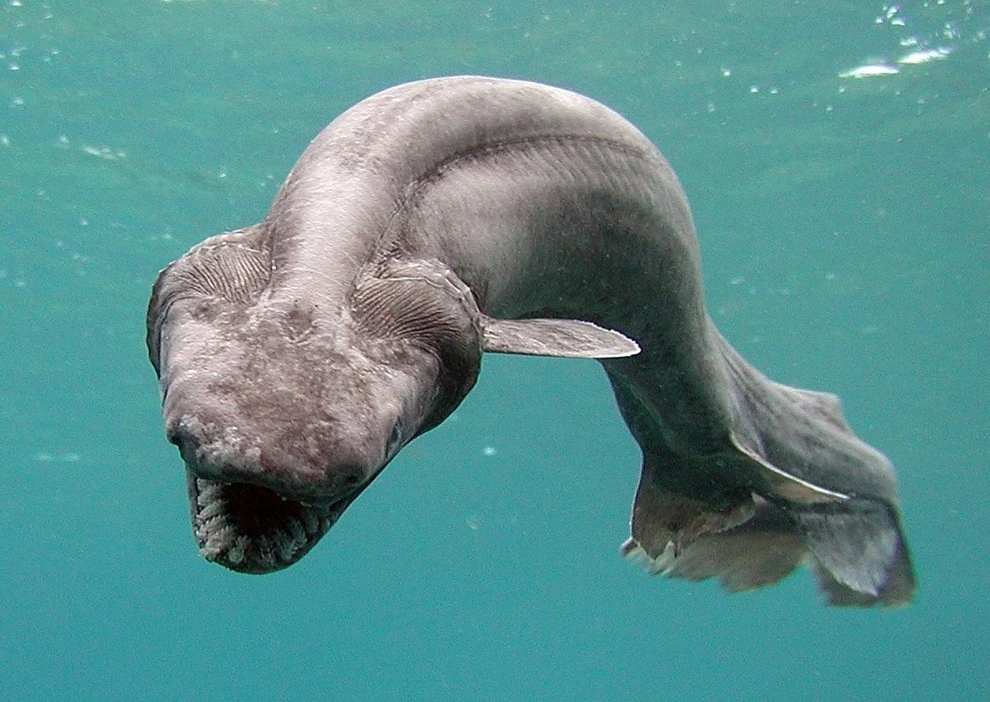
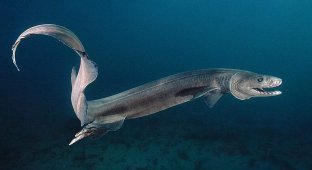
Believe it or not, this is a shark. Known as the frilled shark, this species was first described in 1884 by American zoologist Samuel Garman. It is believed to have remained virtually unchanged since the Cretaceous period. The frilled shark typically inhabits the warm waters of the Atlantic Ocean, though it occasionally strays into the Barents Sea. 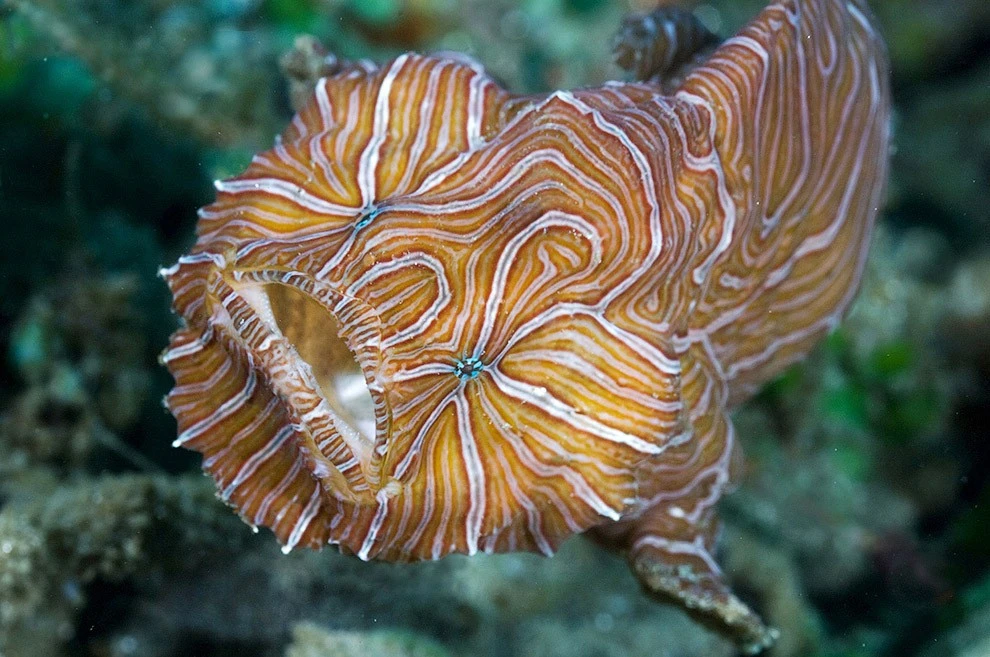
The frogfish was discovered in 2009. Unlike most fish, it propels itself off the ocean floor using its pectoral fins or crawls along the seabed as if walking on legs. 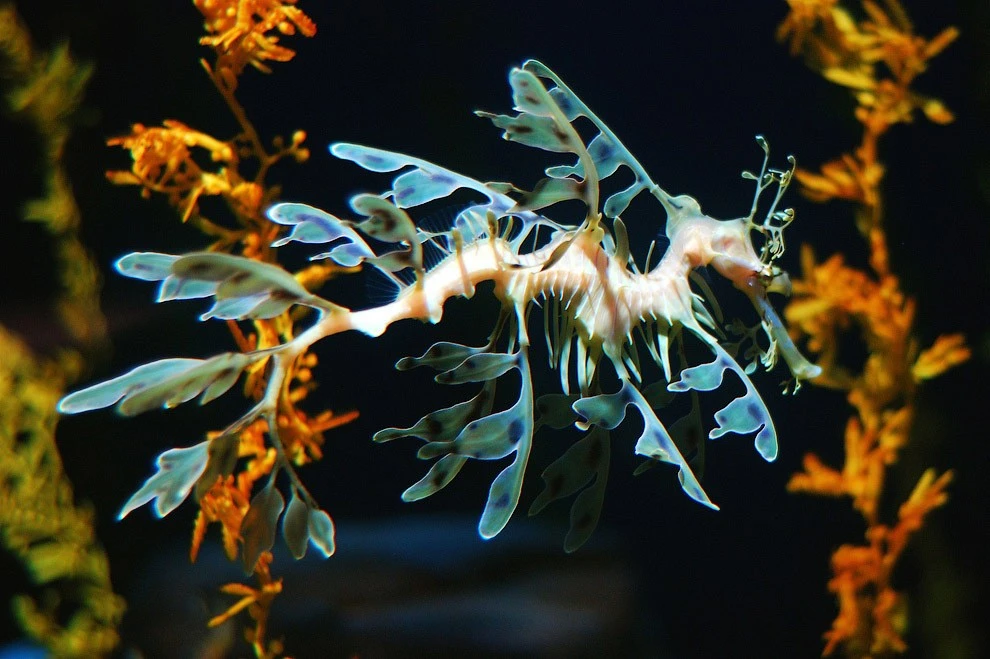
The leafy seadragon blends so seamlessly into seaweed that it is nearly impossible to spot. It was discovered in the Indian Ocean in 1865. 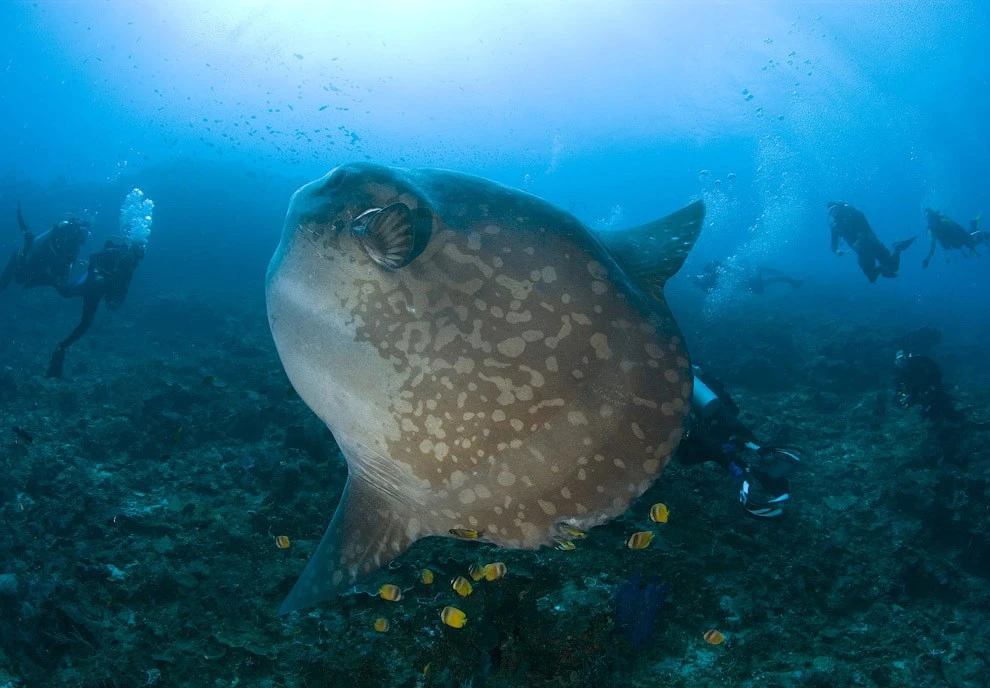
First described in 1758, the ocean sunfish can grow to several meters in length and weigh up to two tons. A notoriously poor swimmer, it is often seen floating lazily on its side at the water's surface. 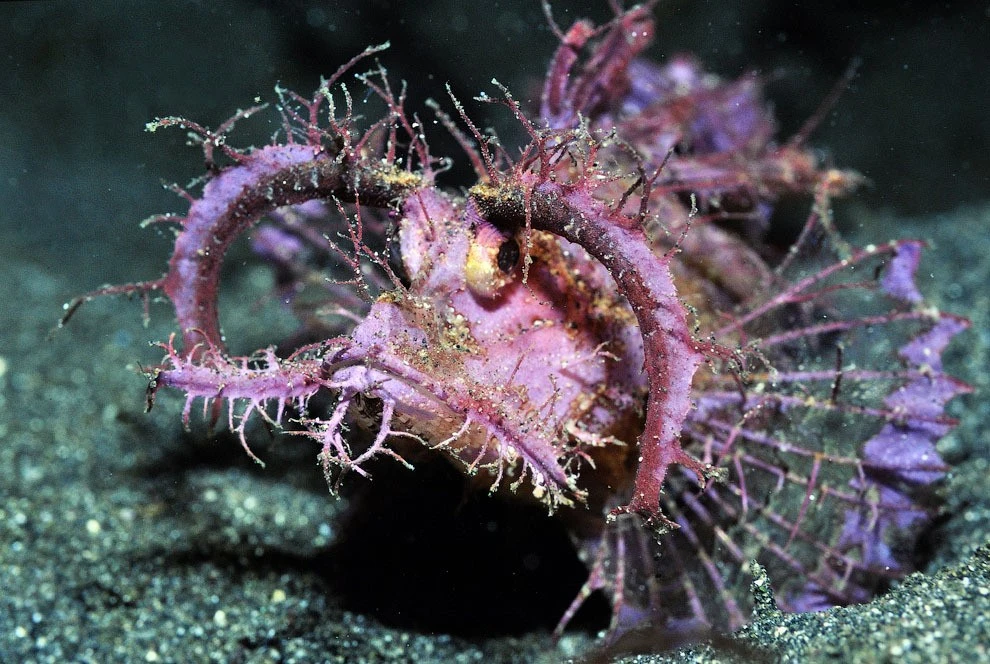
Discovered in 1856, the Ambon scorpionfish can change color and shed its skin. Unlike most of the exotic creatures on this list, it is relatively well-studied and lives in shallow waters—rarely diving deeper than 35 meters—in the Indian and Pacific Oceans near Indonesia and the Philippines. 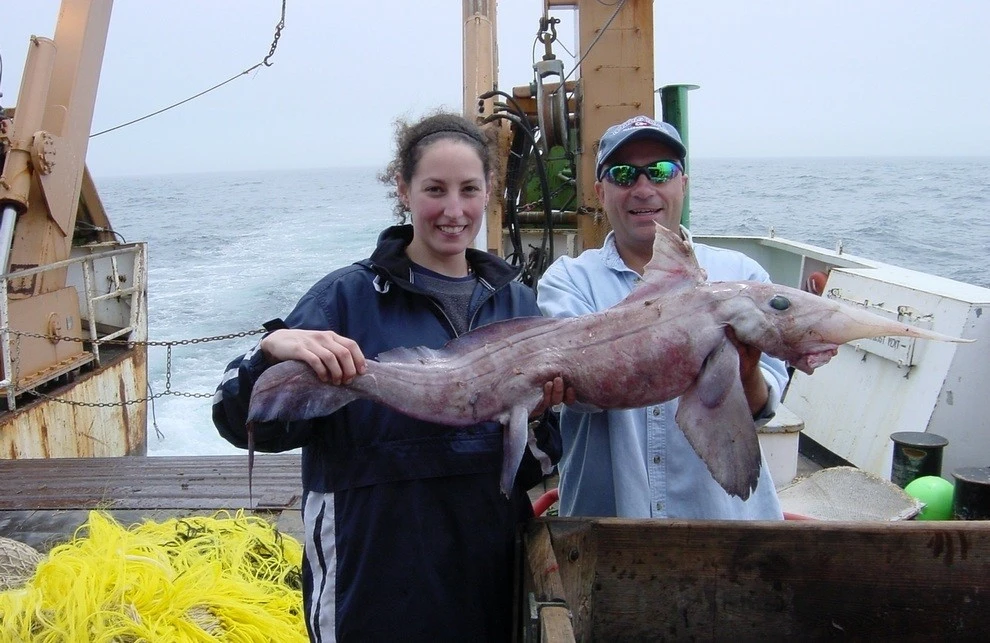
Unusually repulsive in appearance, the chimaera feeds on mollusks and lives along the bottom of the Atlantic Ocean. It was discovered in 1909. 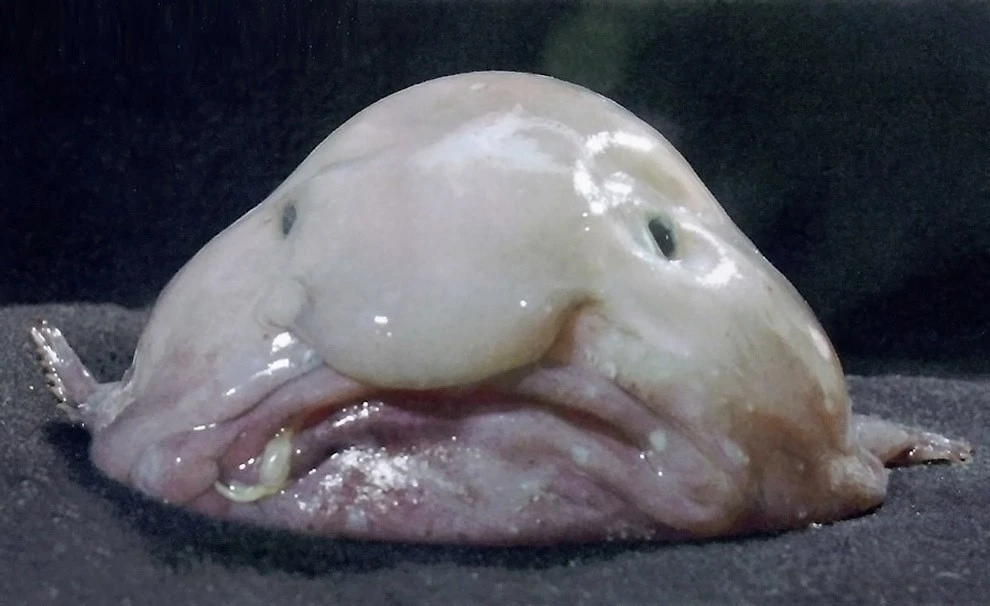
Discovered in 1926, the blobfish is native exclusively to the waters off Australia and Tasmania, living at depths of up to 1,200 meters. 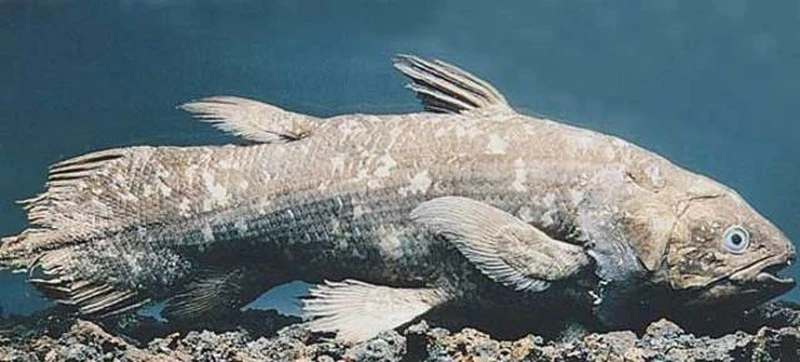
There are two known species of coelacanth: Latimeria chalumnae, found off the eastern and southern coasts of Africa, and Latimeria menadoensis, discovered off Indonesia's Sulawesi Island in 1997–1999. They are quite possibly the oldest living fish species on Earth, having first appeared 400 million years ago. Up until the mid-20th century, coelacanths were caught in large numbers due to a misconception that their flesh—which is completely inedible—had antimalarial properties. 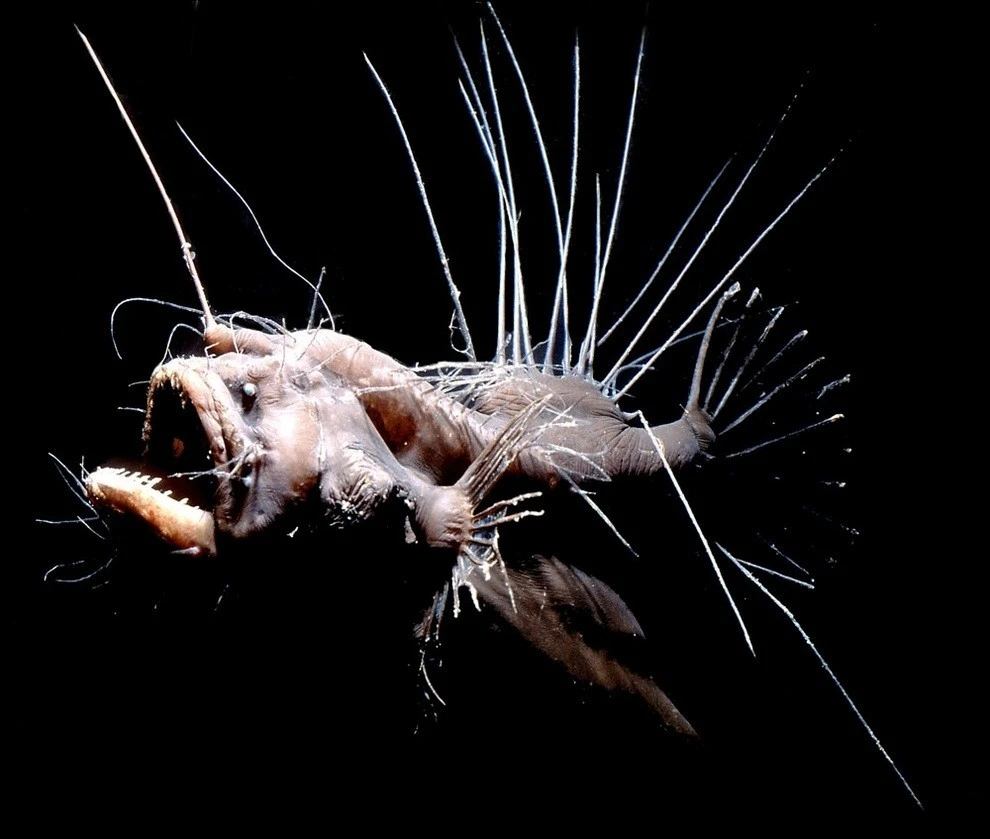
The hairy anglerfish was discovered in 1930. It lives exclusively at depths below 1 kilometer. 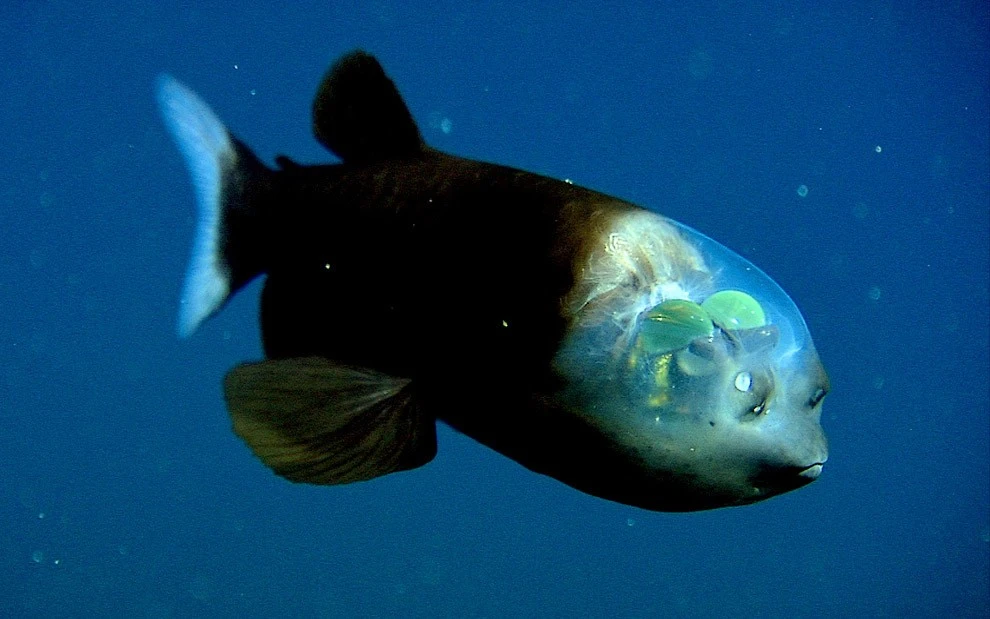
The barreleye fish, famous for its transparent head and large, upward-pointing eyes, was discovered in 1939. It inhabits the subarctic and temperate waters of the North Pacific, ranging from northern Japan and the Kuril Islands to the Bering Sea and the western coasts of Canada and the United States.
Add your comment
You might be interested in:














17 Photos That Will Stop You in Your Tracks (18 Photos)

Behind the Camera on 'Back to the Future' (45 Photos)

What Would Happen to a Human on Every Planet in the Solar

22 Examples of Pure Design Genius That Deserve a Huge

The Sexual Customs of the Vikings: Why an Older Partner Was
Stunning Views of the Martian Horizon from 400 Kilometers

20+ Fascinating Photos of Rare and Unusual Sightings (40

50 Incredible Treasures People Rescued From the Trash (51

Hard to Believe Your Eyes: 20 Unreal Photos With
