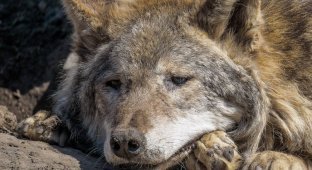
The Tundra Wolf: Predator at the Edge of the World (10 Photos)
What we simply call the "gray wolf" actually encompasses a wide array of subspecies and local populations, each vastly different from the next in both appearance and behavior. 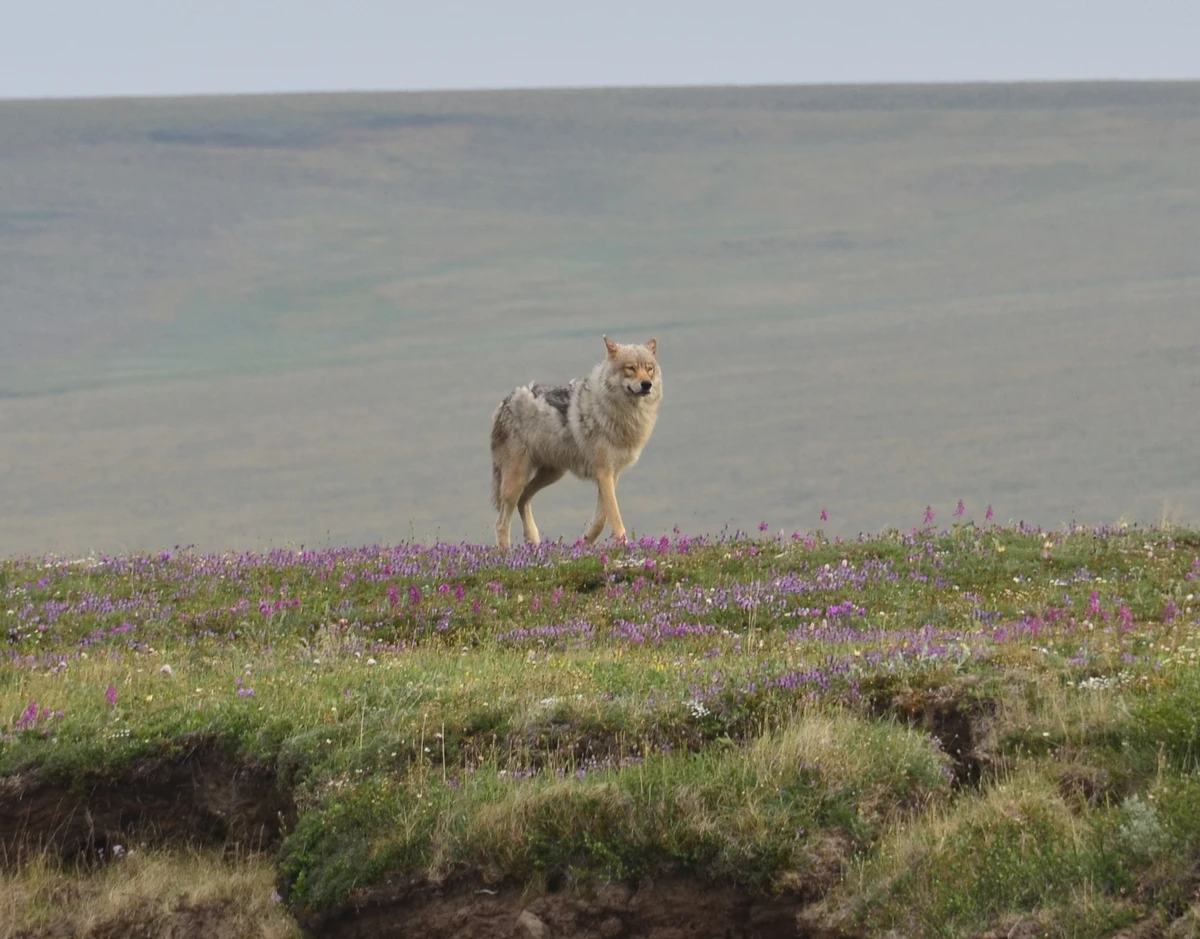
Tundra wolves, for instance, traded a settled, territorial life for a nomadic existence, wandering the vast wilderness in pursuit of massive reindeer herds. Naturally, local herders aren't big fans. 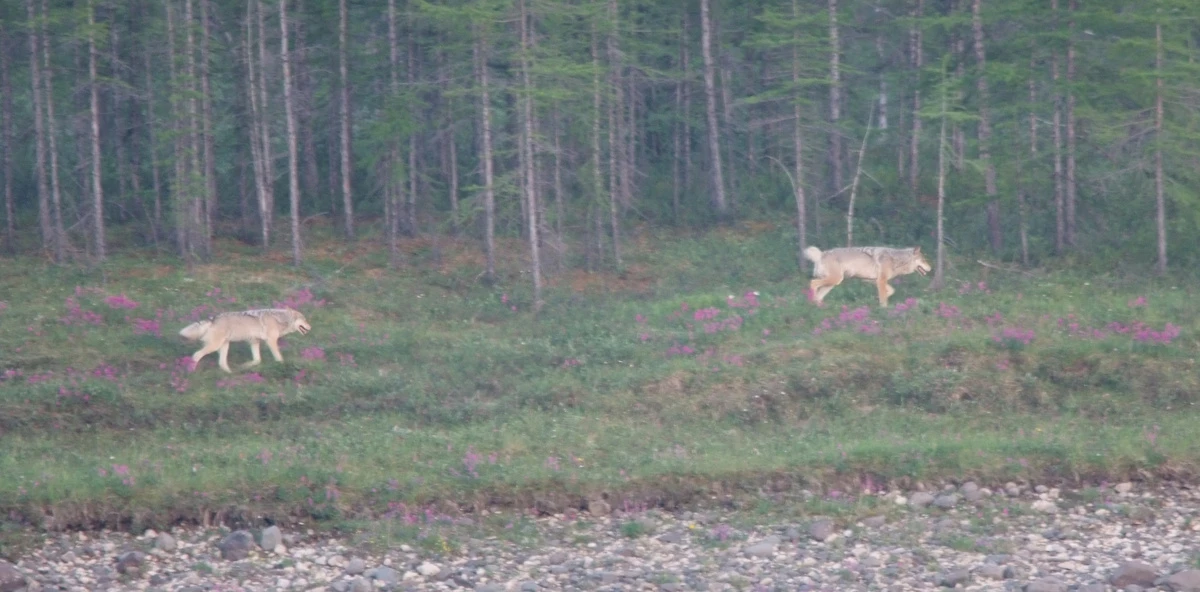
About to cause some serious chaos at the campsite...
Tundra wolves range across the Old World tundra, from Scandinavia all the way to Kamchatka. They steer clear only of the northernmost reaches, where Arctic wolves reign supreme—a completely different gray wolf subspecies with its own strategy for surviving the brutal climate. 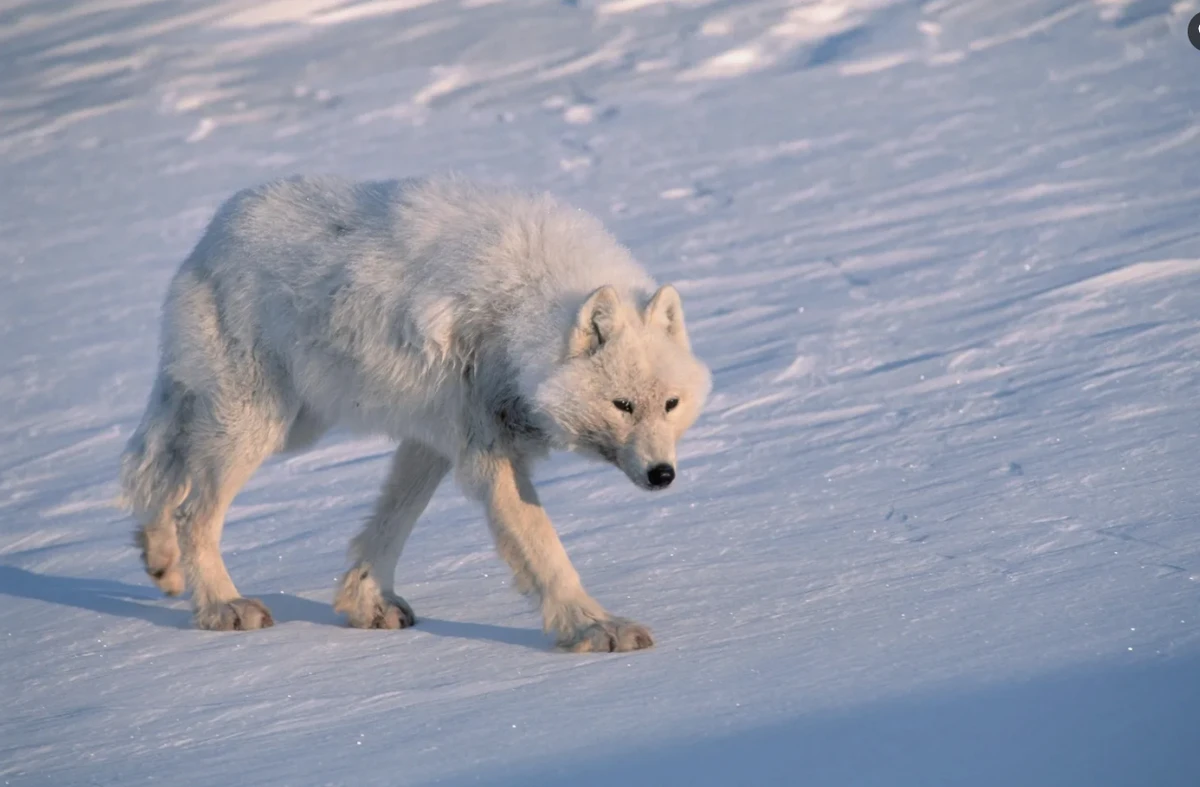
The Arctic wolf is a whole other story—we'll get to them a bit later. 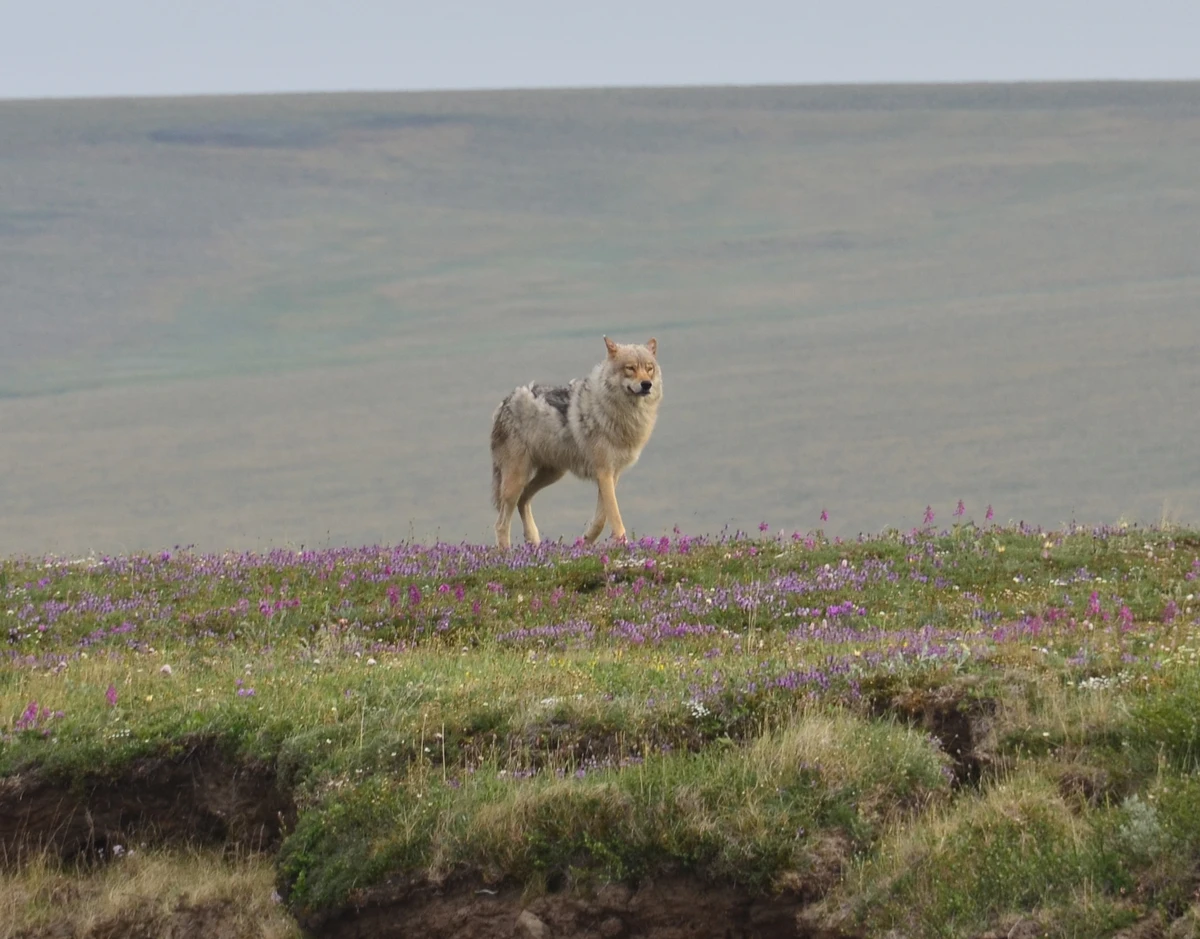
Looks a bit empty out here... The tundra wolf.
You probably know the basics: like all wolves, tundra wolves are large, resilient predators living in family packs. But their departures from typical wolf behavior are just as striking as their similarities. 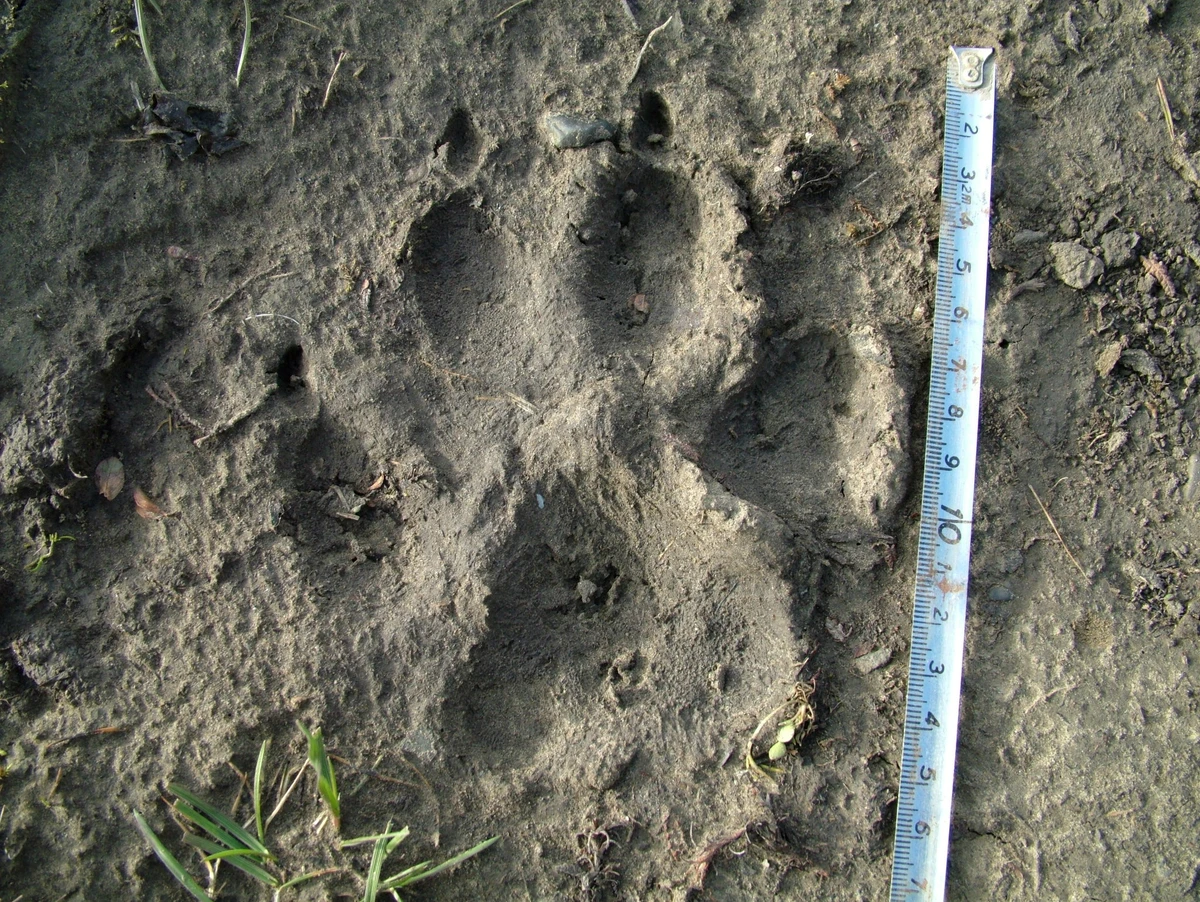
Catching a glimpse of a wolf is no easy task. Usually, hunters, rangers, and researchers only ever spot their tracks.
First off, tundra wolves couldn't care less about strict territory lines or marked hunting grounds. A pack carries its hunting territory with it, easily migrating 200 to 300 kilometers north or west in just over a week—helped along by that legendary wolf endurance. When it comes to resting, though, they prefer a bit of shelter: a pack’s home base is typically a deep ravine, a river mouth, or a stunted grove of trees to break the tundra's biting winds. 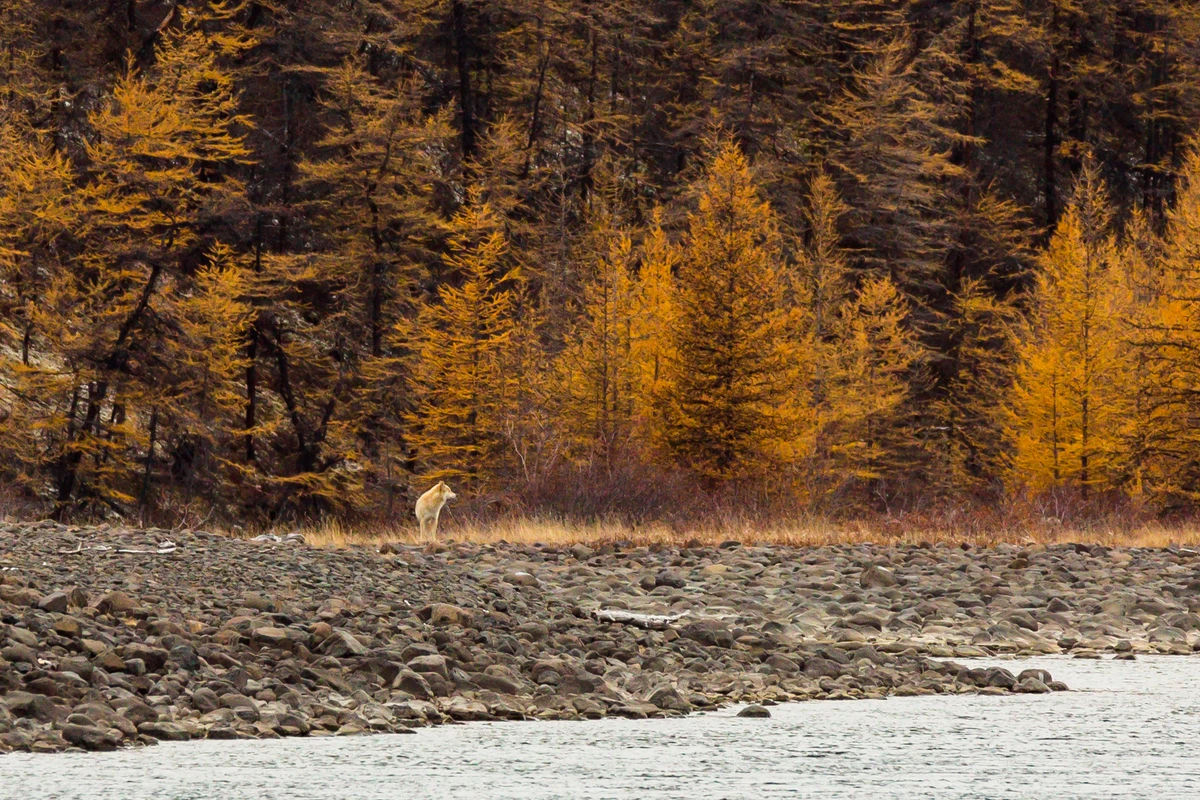
Distance is no obstacle for a tundra wolf! 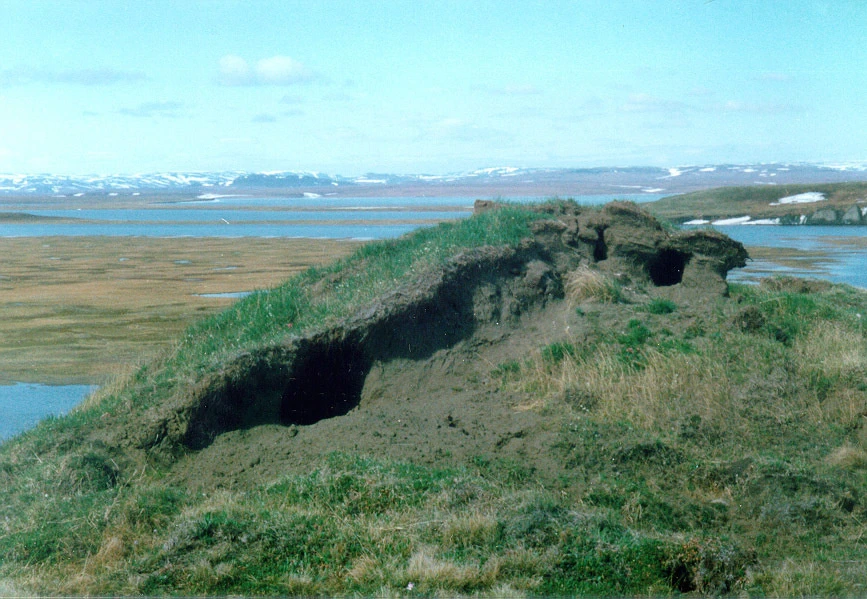
And if the permafrost allows for digging, they carve out neat little dens like this—or hijack them from Arctic foxes.
There is one primary reason for this shift to a nomadic lifestyle: reindeer. As the main ungulates of the tundra, numbering in the millions, they are the wolves' primary food source—reindeer meat makes up to 93% of their diet. As a result, indigenous northern communities that rely on reindeer herding despise wolves perhaps more than anyone else on Earth. 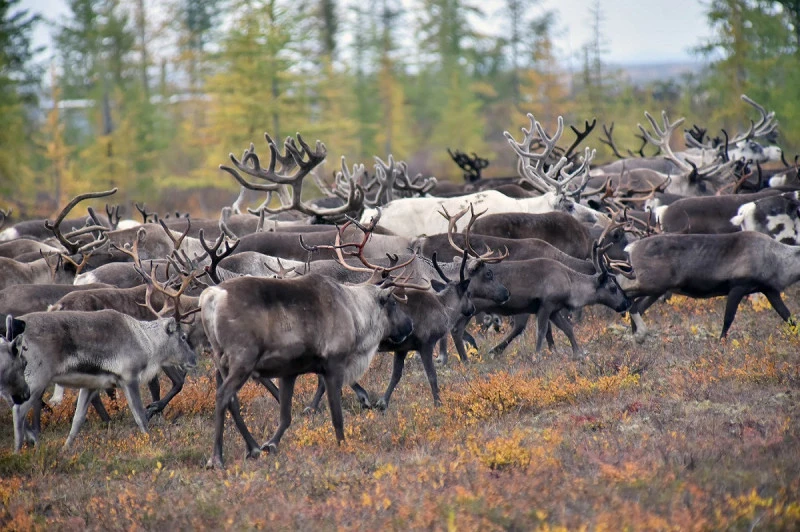
Every year, managed herds lose hundreds of reindeer to wolf attacks.
You might expect a creature specialized in hunting reindeer to be massive, but that isn't entirely true. The average tundra wolf weighs around 40 kilograms—roughly 5 to 7 kilos lighter than its southern forest-dwelling counterparts. The largest recorded specimen, found in the mid-1960s, weighed 52 kilograms: impressive, but nowhere near a record breaker. 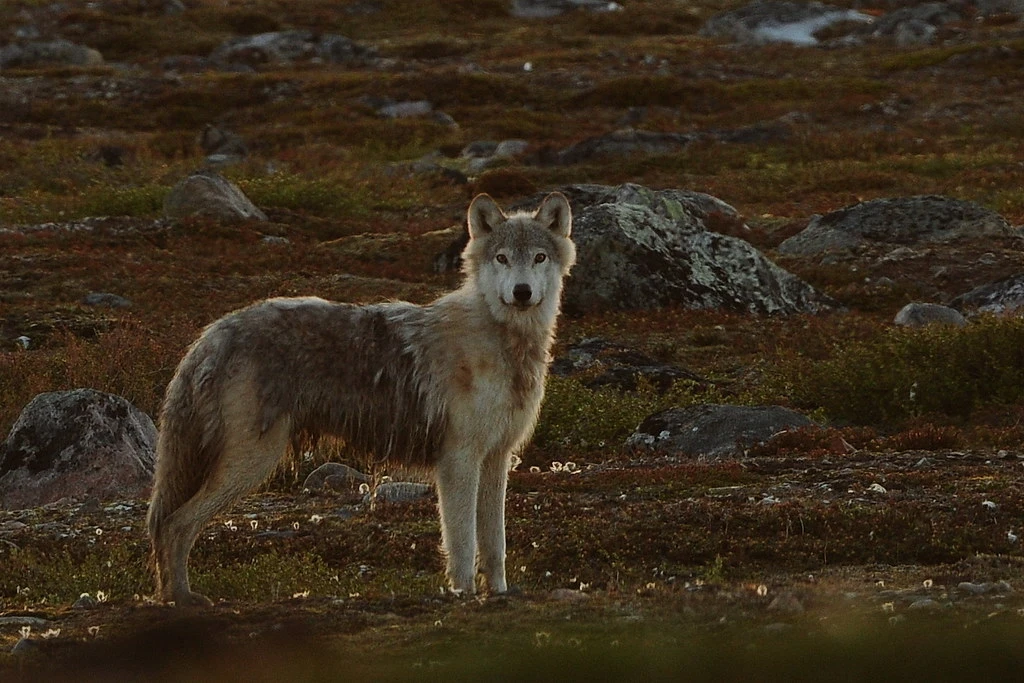
"I'm big and scary!"
Here's the trick, though: while not physically the largest, they look bigger and stronger than timber wolves due to their extra-fluffy coats. Though coarse to the touch, their fur boasts a dense undercoat and long guard hairs reaching up to 15 centimeters. This extra bulk gives them an imposing, wild appearance—and keeps them warm through the long polar night. 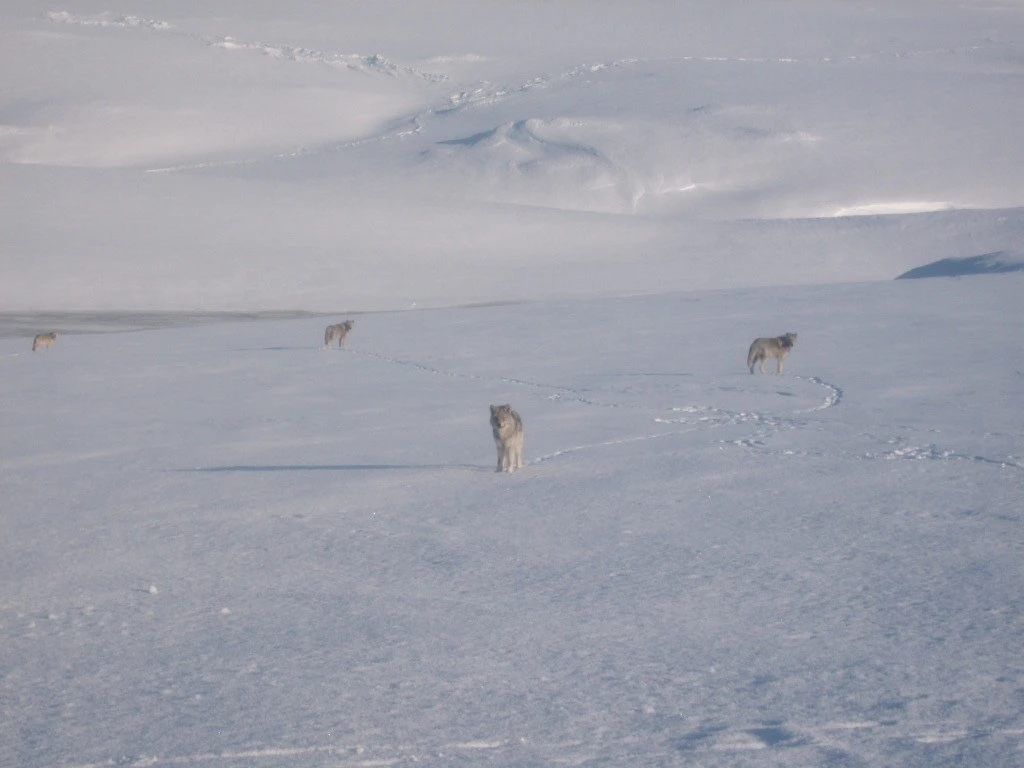
Surprisingly, tundra wolves are among the least photographed wolves. Even specialized wildlife sites have only a few dozen mid-quality shots.
Despite occupying a vast range—most of it stretching across Russia's northern expanse—these animals remain largely unstudied. We still know very little about their habits, and in some regions, population estimates don't even exist. Living in the Far North is tough, field work is grueling, and even basic research is prohibitively expensive. But the wolves don't care: the tundra is their home, and it's the only world they know.