The History of a Monument, or How the British Executed a Monkey for Spying (5 photos)
On the northeast coast of Great Britain lies the small port town of Hartlepool. It's a boring rural town with absolutely nothing to do for tourists. But if travelers find themselves in Hartlepool, they're sure to head to the port. The town's main attraction is located here: the monkey monument. Its origins are linked to an urban legend. Allegedly, 200 years ago, local fishermen hanged a monkey on the beach, accusing it of spying for enemy France. 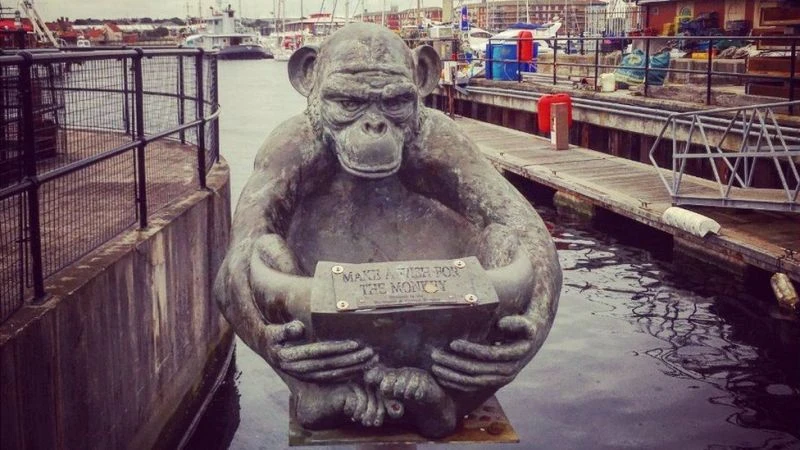
England and France, despite their close proximity, rarely lived in peace. Wars between the countries occurred almost every century, with varying degrees of success. In the early 19th century, during the Napoleonic Wars, the inhabitants of Foggy Albion rightly feared a French invasion. This forced the islanders to spend enormous sums on strengthening their coastal defenses. 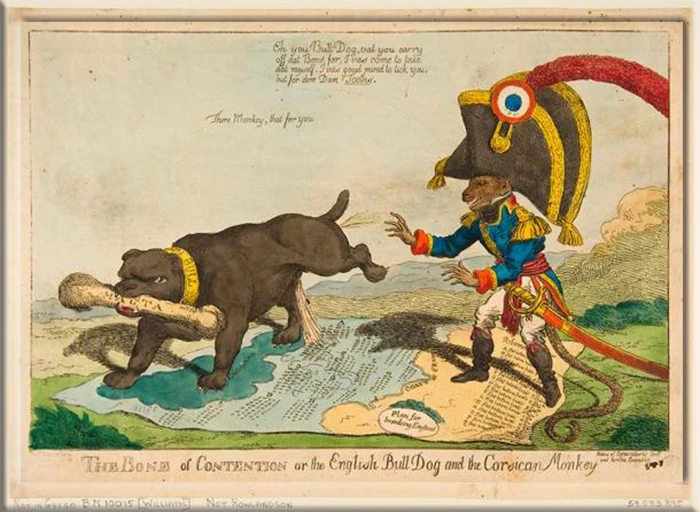
"The Apple of Discord, or the English Bulldog and the Corsican Monkey" is a satirical engraving from 1803 that plays on the English fear of a French invasion. Corsican-born Napoleon was depicted as a Corsican monkey.
The forts and artillery batteries were costing the kingdom dearly, and the country gradually sank into economic crisis. The French, who were the cause of all this, were viewed with contempt. It's no wonder that English newspapers of the time depicted Emperor Napoleon Bonaparte as a monkey in uniform.
It was against this backdrop that a colorful urban legend about a monkey emerged. No one knows whether this incident was real or invented by the locals. But in neighboring towns, residents of Hartpool are teased as "monkey hangers." It's not a particularly pleasant nickname, but some are even proud of it.
An Unusual Captive
One day, near Hartpool, a French ship was wrecked on the rocks during a storm. Locals, armed with whatever weapons they could, went to the wreckage to capture the surviving enemy. But the raging seas left the French no chance—they all drowned. While searching the flooded frigate, the British finally found one survivor. 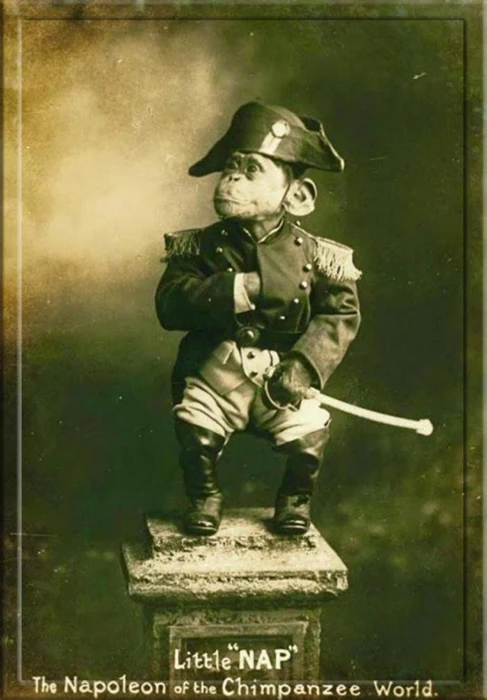
At first, the fishermen thought they saw a short, old man in a military uniform thrashing about in the darkness of the hold. But it was a monkey, dressed as a French naval officer. They treated it like a prisoner of war. The animal was bound with ropes and taken to Hartlepool. There, it underwent a thorough interrogation.
It's hard to say whether the townspeople actually mistook the primate for a Frenchman. After all, only the blind have not seen cartoons in the press depicting monkeys in cocked hats and carrying sabres. Legend has it that the interrogation was serious, according to all wartime regulations. Naturally, the monkey couldn't answer the questions posed to it. It only babbled, but no one in Hartlepool spoke French, so everyone assumed the prisoner was mocking them. 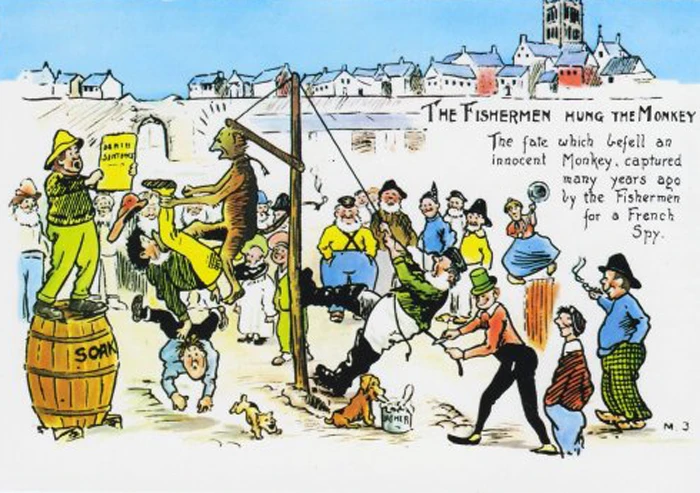
So a small military tribunal was held immediately. The monkey was found guilty of espionage and sentenced to hang. It was executed right there on the beach, in the presence of a large crowd of locals. The monkey incident became an important part of Hartlepool's image. The townspeople were constantly teased about this legend, but they quickly lost their resentment. In fact, they began to consider the story part of their identity and take pride in it. Even the town's rugby team is called the Monkeyhangers.
True or Fiction?
This legend is over 200 years old, and Hartlepool has been debating its truth ever since. Many don't accept the idea that local fishermen at the time were so ignorant that they mistook the monkey for a Frenchman. There's another version that makes the participants in this story even less sympathetic. 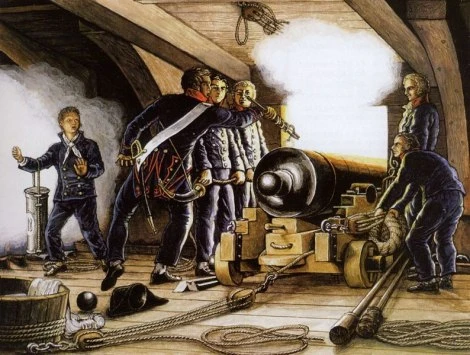
Some researchers believe there was no monkey. But there was a "powder monkey"—a term used in the 19th-century navy for teenagers who loaded gunpowder into cannons. In other words, the townspeople executed not an animal, but a French cabin boy. However, this is also just a hypothesis, impossible to verify. And was the boy from the wrecked ship even real? The city's archives, which contain records of less significant events, contain no mention of either the shipwreck or the spy's execution.
Whatever the truth, the story of the hanged monkey remains popular. It influenced locals and shaped a negative attitude toward the French that persists in the region to this day. In 2017, a British theater staged a play about Hartpool's monkey. It satirizes irrational xenophobia, which, unfortunately, the world has yet to overcome.