Seven Things Common in the US, But Almost Unknown Here (8 photos)
Blogger minskblog, who was born and raised in Minsk but spent most of his life traveling, shares his thoughts on American peculiarities: "Our lives are full of things we take for granted. Many details surround us from childhood, and we can't even imagine that familiar things could look completely different. When you first arrive in the US, you begin to be genuinely surprised by many details and habits that locals pay no attention to." 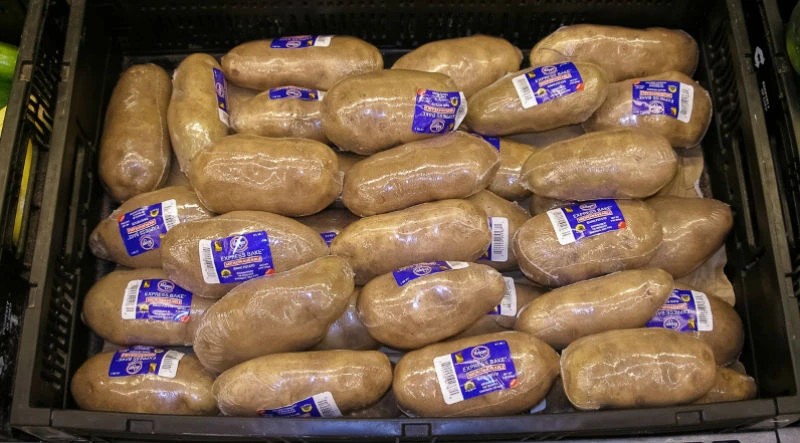
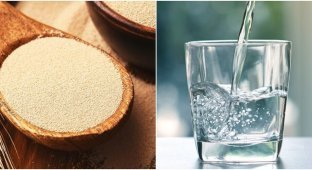
Fluoridated Water
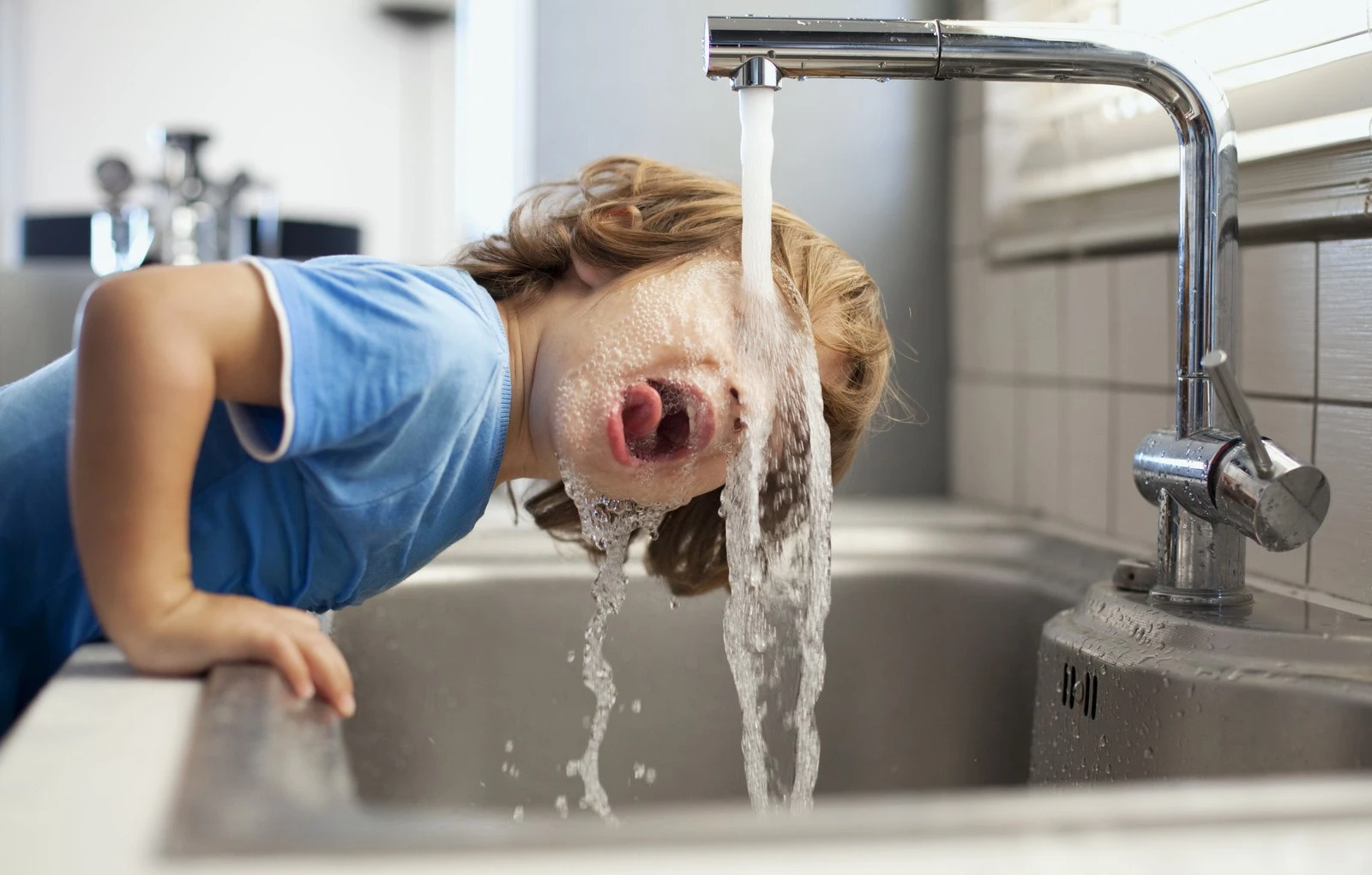
In the mid-20th century, scientists discovered that fluoride prevents tooth decay by reducing the leaching of mineral salts from tooth enamel. Since then, water in the United States has been fluoridated to prevent tooth decay. The effect is noticeable after just a month of using this water: teeth become whiter and stronger. This practice is sorely needed in our country. 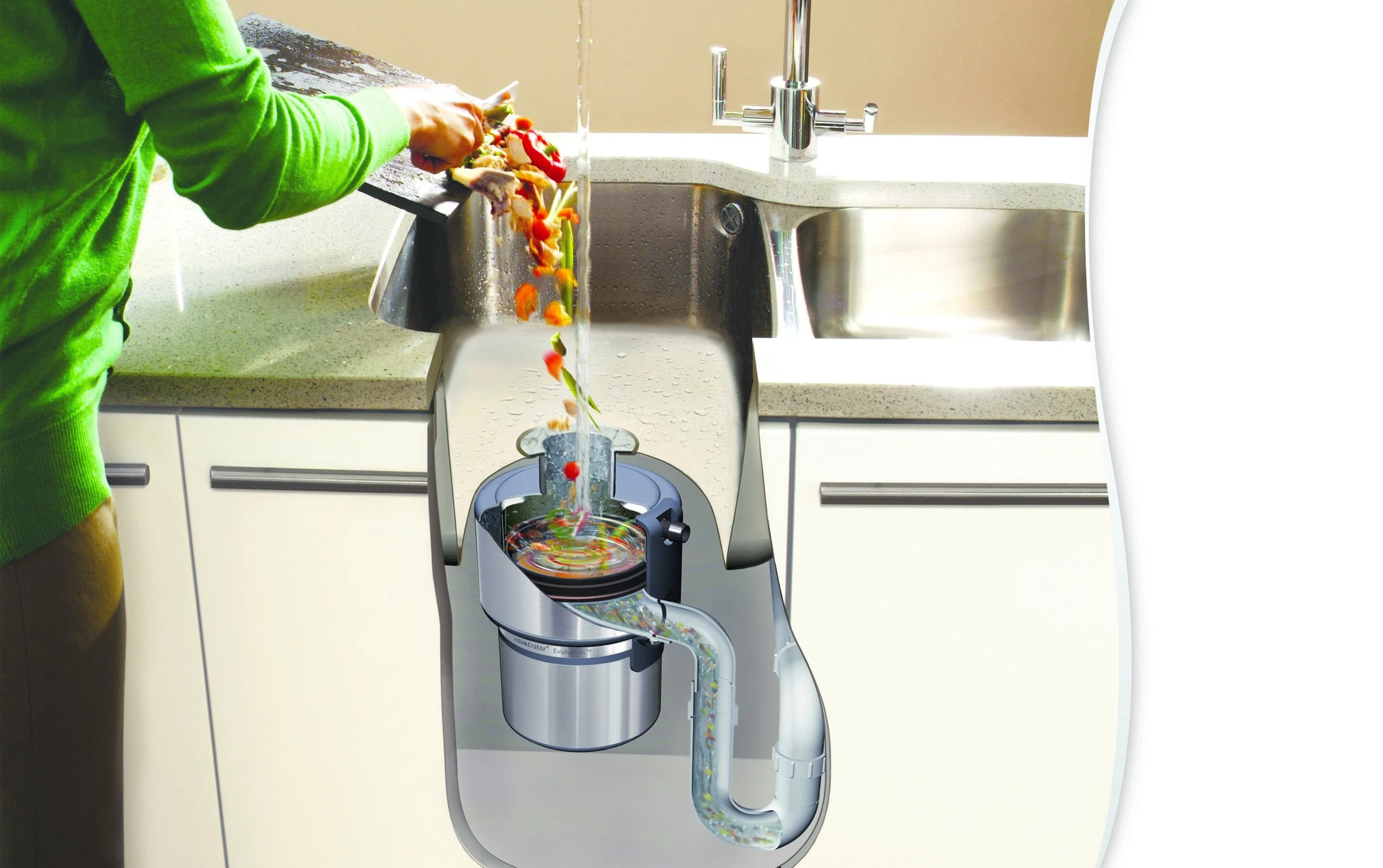
Food Disposers
Over 20 million food disposers are manufactured and sold in the United States every year. The average American can't imagine life without this appliance, while the average person in the former Soviet Union is unaware of its existence. A food disposer allows you to grind absolutely all organic kitchen waste and flush it down the drain. As a result, there's no odor from the kitchen bin, and only dry, inorganic waste ends up in the trash. 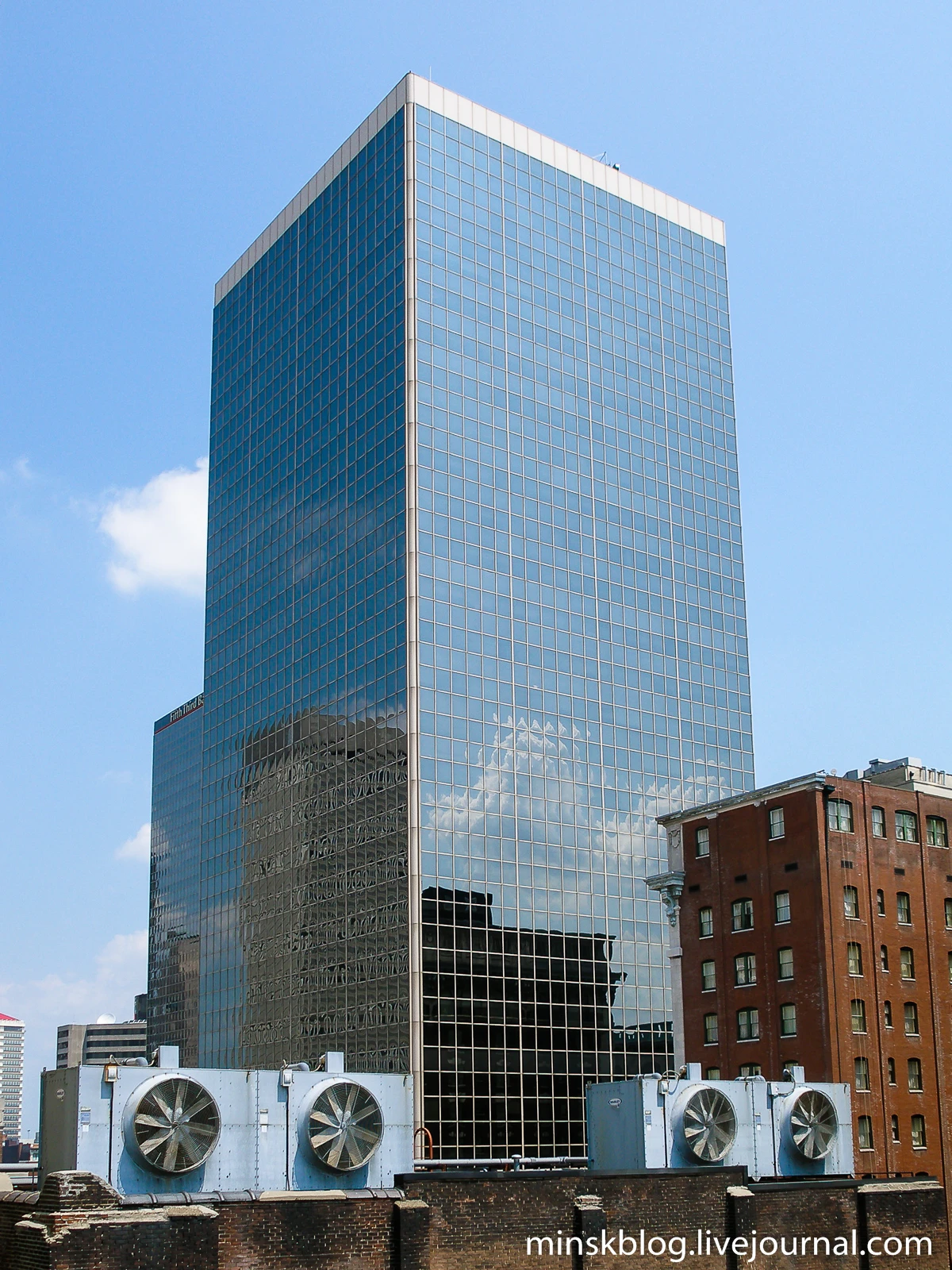
Duct-Type Air Conditioners
Almost every home in the US is equipped with air conditioners, often during construction. Unlike individual split systems, duct-type air conditioners don't cool stagnant air in the apartment, but draw in and simultaneously cool fresh air from outside. A comfortable temperature and humidity are maintained indoors, while the air remains fresh. 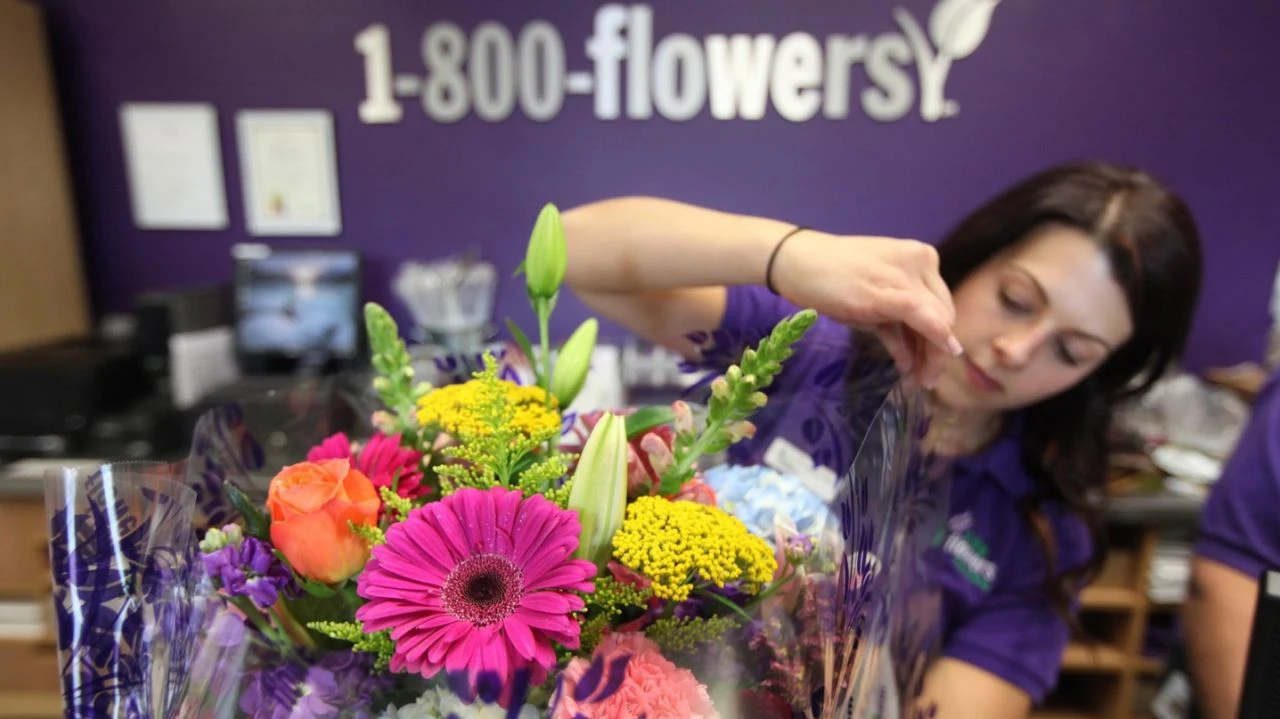
Phone Numbers with Letters
A brilliant invention of American marketers, completely unknown in our country. Instead of memorizing a bunch of phone numbers for dozens of companies, Americans simply memorize their names, and commercial numbers look like 1-800-ABC-DEFG. You can choose any word instead of letters—for example, a law firm's number might look like 1-800-JUSTICE. Calls to 1-800 are always free for the subscriber. 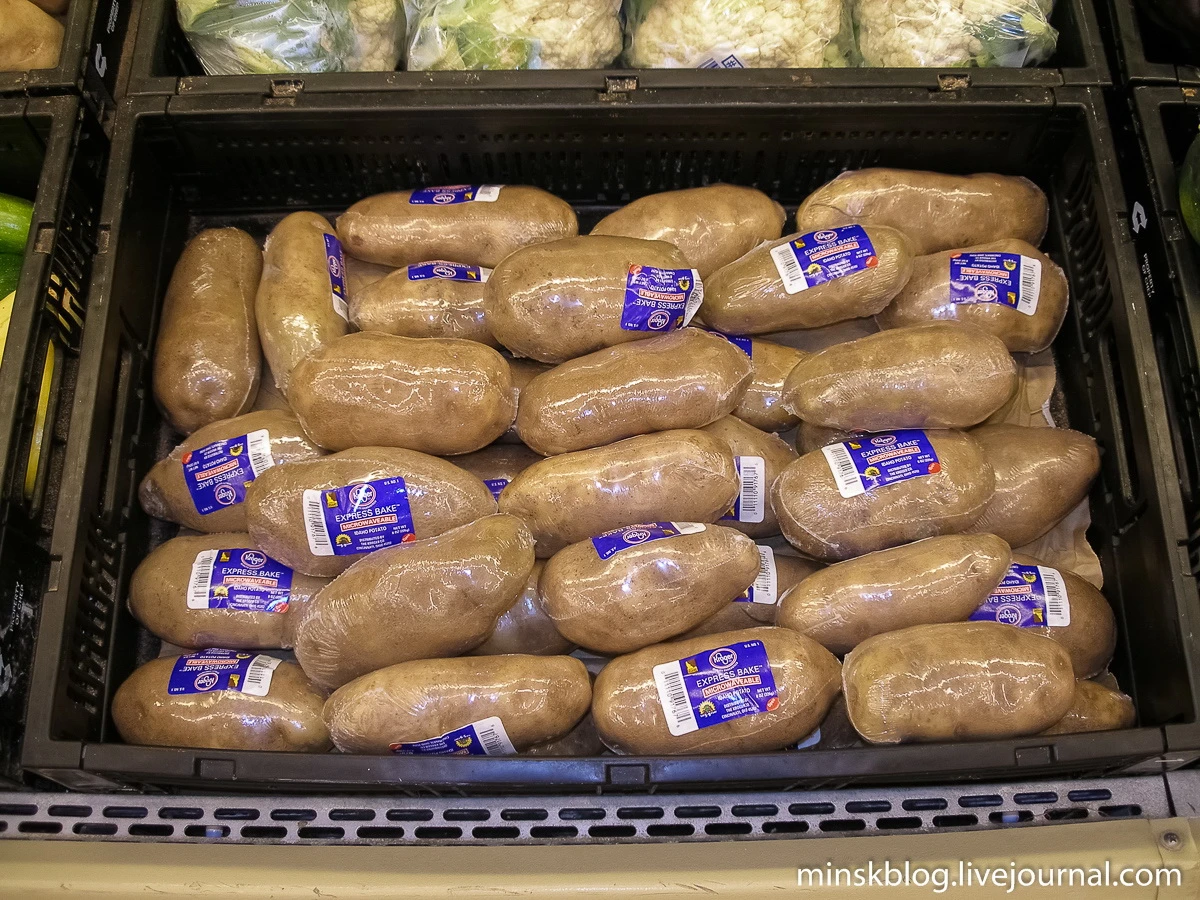
Potatoes in Plastic
In former Soviet countries, potatoes were traditionally bought by the bag or bucket from old women at the market. With the advent of large chain stores, it became possible to buy washed potatoes by the pound. In the US, however, people have been buying potatoes individually for several decades, each wrapped in plastic and marked with a barcode. 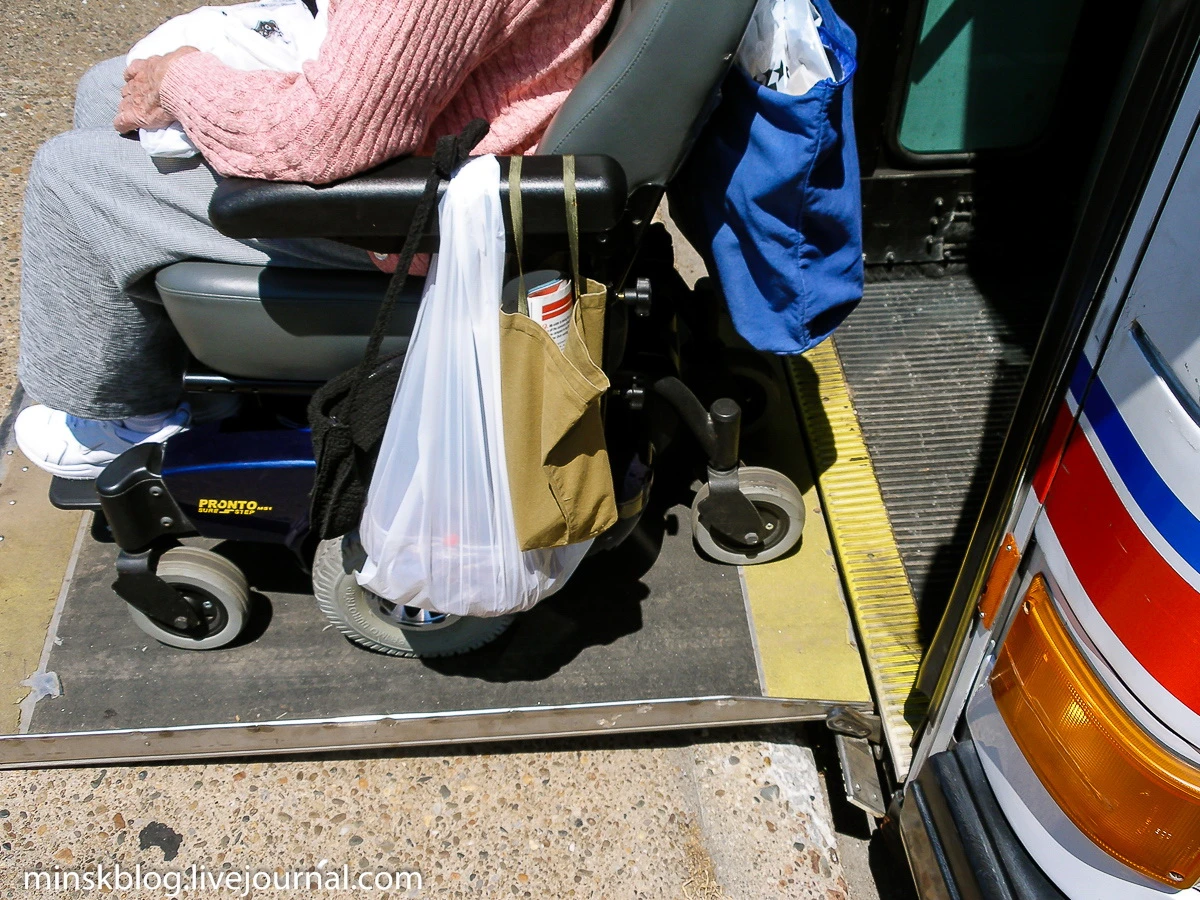
Tilting Buses
People with disabilities in the United States are considered full members of society, and all necessary infrastructure has been created for them: level sidewalks, lowered ramps, lowered buttons in elevators and traffic lights. Public transportation is equipped with air suspension, allowing the bus to tilt to sidewalk level. As a result, a person with disabilities can easily enter without assistance. 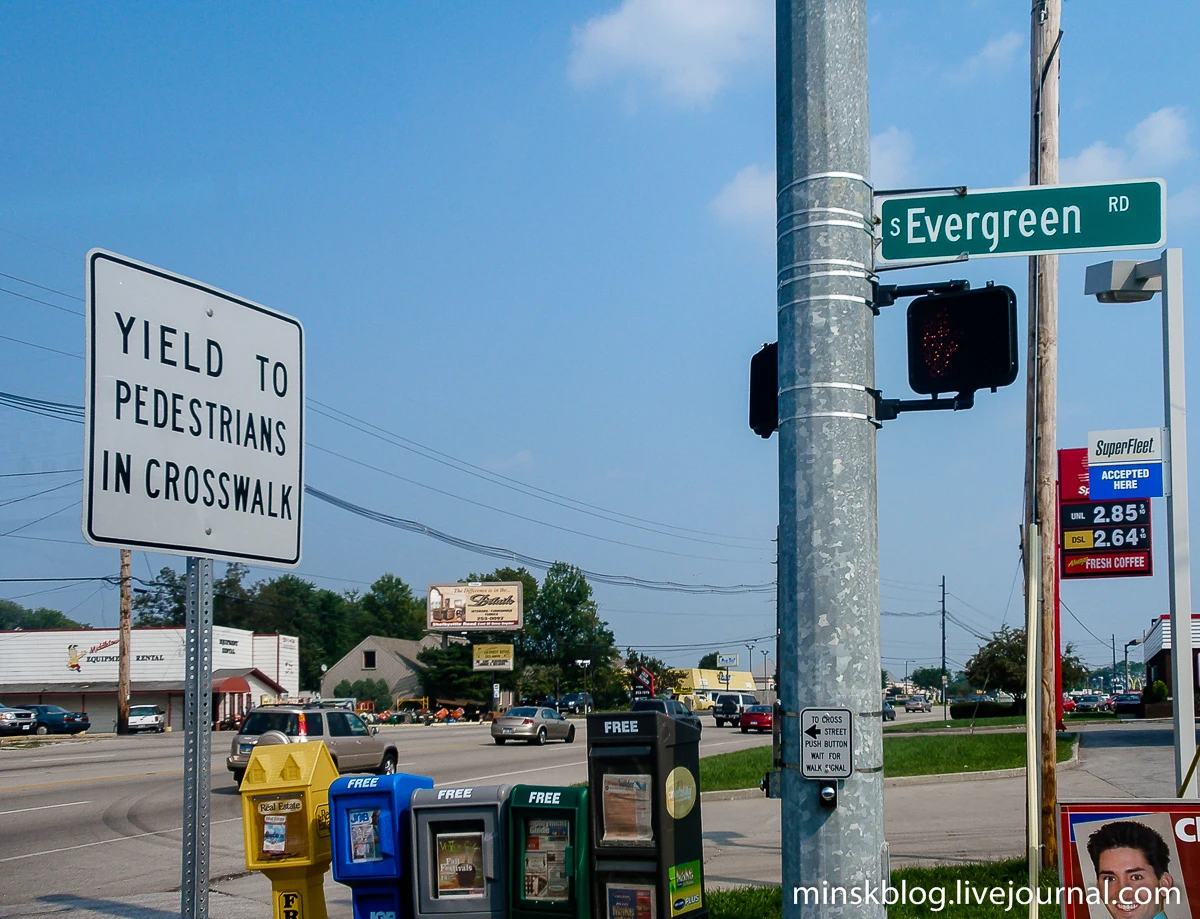
Lack of Road Signs
Road signs as we know them are virtually nonexistent in the United States. Almost all road signs are written in letters, so any idiot who has mastered the Latin alphabet can understand them. No brick signs, yellow diamonds with white borders, or red triangles—everything is written in words: "yield to pedestrians," "speed limit 50 mph," "pedestrian crossing," and so on.