If you've been diagnosed with dental caries, you're joining the ranks of the 99% of people on our planet who suffer from this problem. Interestingly, this dental disease is more common in Europe today than it was in the Middle Ages. It's hard to imagine, but a few centuries ago, when dentistry was virtually unknown and oral hygiene was a minority concern, caries suffered from a third as many people. The main reason for this widespread prevalence lies in our diet and daily habits. 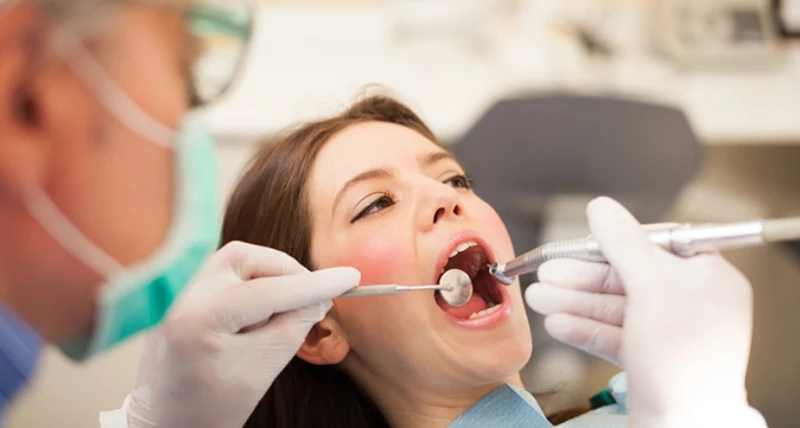
How a Change in Diet Triggered Cavities
People themselves created the conditions for the development of cavities, an infection that destroys teeth and is difficult to treat. It's hard to imagine, but at one time, people were completely unaware of this problem. Scientists believe that the bacterium Streptococcus mutans, which causes cavities, entered the oral cavity from the stomach only 10,000-15,000 years ago. 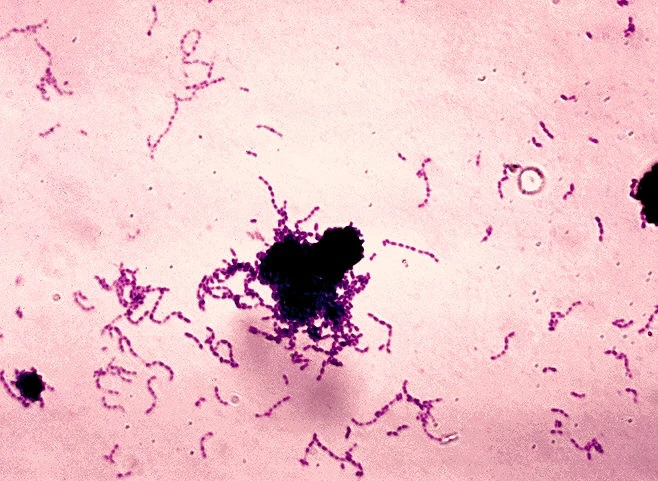
Streptococcus mutans
The situation changed when our ancestors switched from hunting to agriculture. Their diet gradually became more dominated by carbohydrates—grains, fruits, vegetables, and dairy products—instead of animal proteins from meat. For centuries, scientists puzzled over the causes of the tooth decay epidemic. It was only half a century ago that an answer was found.
The bacteria that cause tooth decay were discovered in the early 20th century. It was later discovered that Streptococcus mutans isn't the only one responsible for tooth decay. Several species of streptococci and lactobacilli actively contribute to it, accelerating the process. In addition, there are actinomycetes—microorganisms that cause root caries.
Civilization—An Ally of Caries
Streptococci have lived harmlessly in the digestive systems of humans and some mammals for centuries. These bacteria require carbohydrates to survive, which they obtain from food by quickly breaking it down. Their activity leaves behind alcohols, aldehydes, or acids. It is these waste products that begin to destroy teeth if proper oral hygiene is not maintained. 
When people's diets changed and refined sugar, sodas, and other high-sucrose foods became a staple, it became much easier for bacteria to obtain carbohydrates. All of these foods are ideal for rapid carbohydrate fermentation. Moreover, they are extremely accessible to modern humans.
Therefore, it's safe to say that the development of dental caries is directly linked to industrialization and other social processes. These processes not only make our lives easier, but also facilitate the existence of streptococci. With the advent of modern foods, dental plaque has become an ideal environment for bacteria.
Acid Attack: How Dental Armor Destroys
To understand how tooth decay affects our teeth, we need to delve a little deeper into chemistry. Dental enamel is 95% calcium hydroxyapatite, a substance with the formula Ca10(PO4)6(OH)2. The crystals of this mineral are hexagonal and arranged into prisms. These structures are what provide the strength of teeth. A single incisor can contain over 5 million of these prisms. 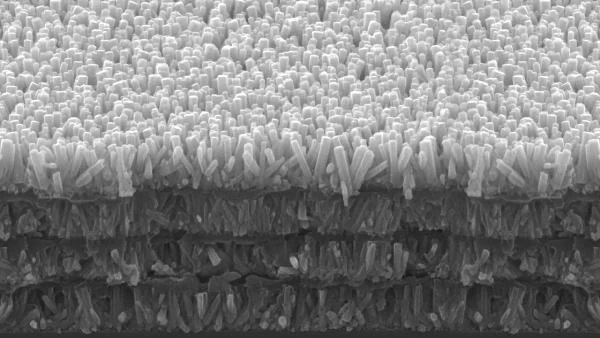
Tooth enamel under a microscope
Calcium hydroxyapatite gives teeth strength, but it is also one of the main causes of tooth decay. It is a hydroxyl, or alkaline, mineral that breaks down when exposed to acids. This occurs primarily due to an imbalance in the acid-base balance, which everyone knows about thanks to the persistent advertising of chewing gum.
When acid, for example from wine, enters the mouth, the body begins to fight it. Calcium from the enamel reacts and is released into saliva. But crystalline prisms cannot exist without calcium, and the strong structure of calcium hydroxyapatite collapses like a house of cards. 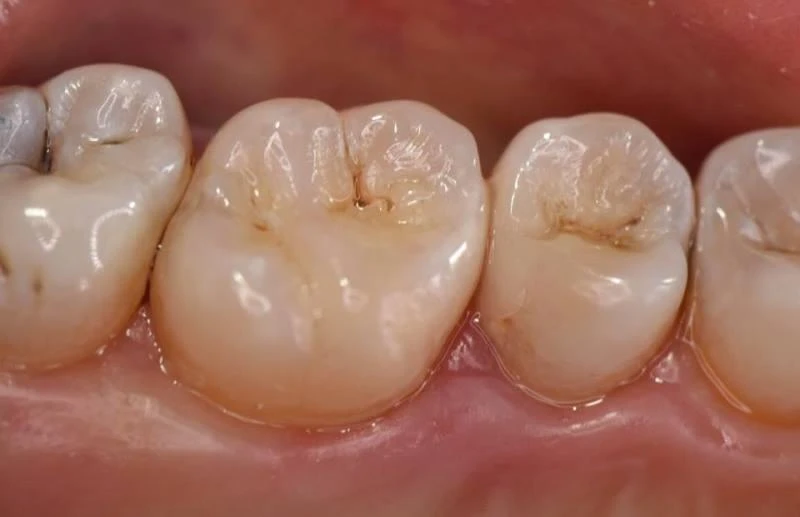
Initial Stage of Caries
Over time, enamel loses its reliable protection, and acids reach the dentin—the soft tissue underneath. As a result, a cavity forms in the tooth, which grows and gradually destroys it. The main cause of caries is the acids we consume with food. "Simple" acids—acetic, lactic, and citric—are especially dangerous.
Destruction Formula
But acids still form in the mouth even if we don't drink wine and avoid citrus fruits. Streptococci in dental plaque feed on the carbohydrates we eat. During fermentation, the bacteria release several compounds, including aggressive acids. The simpler the carbohydrate, the easier it is for microorganisms to break it down and produce acid. 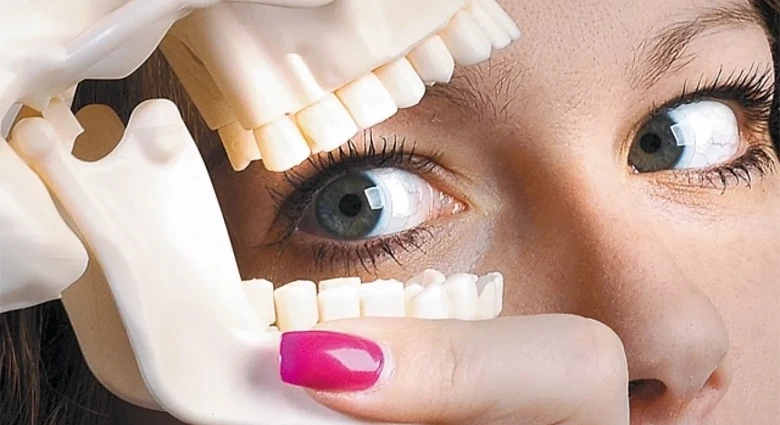
By actively consuming simple carbohydrates—glucose, fructose, and sucrose—we contribute to the development of dental caries by providing streptococci with easy and nutritious food. It seems that if science understands the cause of dental caries, it should be easy to find ways to combat it. But in reality, things are not as simple as they seem.
At the end of the 19th century, dental scientist Willoughby Miller first seriously studied dental caries. He proposed that dental disease had a chemical-parasitic nature, as discussed above. Miller discovered that caries is a chemical process, but without the help of bacteria, its destructive effects would not be as severe. 
Modern science has confirmed Miller's theory. Tooth decay is caused by plaque containing bacteria, carbohydrate-rich foods, and weak tooth enamel. This means there are only three ways to combat tooth decay: reducing the consumption of simple carbohydrates, strengthening or protecting tooth enamel, and eliminating plaque, which harbors streptococci.
The Sweet Trap: Why Frequent Snacking Is Dangerous
Everyone has been taught since childhood that sweets ruin teeth. But it wasn't until 1970 that Danish professor Frederik von der Veer of the Royal Dental College in Aarhus was the first to prove the culprit. He conducted an experiment with volunteers. He selected people with healthy teeth and asked them to completely stop all oral hygiene. 
The experiment participants did not brush or rinse their teeth after eating. Half of them additionally rinsed their mouths with a 50% sucrose solution several times a day. Due to poor hygiene, the number of bacteria in the oral cavity increased significantly. And the sugary solution triggered the first signs of tooth decay: enamel demineralization and stains.
In the 18th century, sugar and sweets were so expensive that only the wealthy could afford them. Today, most people eat sweets every day. Research has shown that for dental health, it's not the amount of sugar consumed at one time, but the frequency of consumption. In other words, a single box of chocolates once a month is less harmful to teeth than one chocolate every day.
Sweeteners and Fluoride: Modern Helpers in the Fight Against Cavities
Today, experts offer a variety of scientifically proven tips to help protect teeth from tooth decay. Dentists recommend replacing easily digestible sugars—glucose, sucrose, and fructose—with sorbitol, mannitol, and xylitol. These sugar substitutes are based on polyhydric alcohols. They're often sweeter than regular sugar, but bacteria are practically intolerant of them. 
Not all sweeteners are artificial. For example, xylitol is found in popular foods like strawberries and carrots. Even if giving up sweets is difficult, you can minimize their harm to your teeth. Doctors recommend eating simple carbohydrates not on their own, but with other foods. This approach reduces their ability to cause cavities.
Yes, pulling yourself together and giving up your usual sweets is not easy. It's much easier to follow the second rule of protection—strengthening tooth enamel. This can be done with fluoride. Fluoride was first used to protect teeth over 70 years ago. In 1953, schools and kindergartens in Switzerland began fluoridating milk. In the United States, drinking water has been fluoridated for many years. 
Today, 95% of toothpastes contain fluoride. Manufacturers add sodium fluoride, monofluorophosphate, or aminofluoride. These substances don't cure tooth decay, but they help prevent it. The process works like this: fluoride ions penetrate the crystal lattice of the enamel's mineral prisms, significantly reducing their solubility in acids. However, moderation is important—doctors advise using fluoride-containing toothpastes in moderation, as excess fluoride can be harmful to the body.
Will there be a vaccination against tooth decay?
The dream of many generations of doctors is to create a vaccine against dental caries. While this remains elusive, active research continues in various countries. Scientists from the Wuhan Institute of Virology have demonstrated the greatest progress. Back in 2011, they published a paper on successful rat trials of a combination DNA vaccine. However, developing such a vaccine takes time, and research is still ongoing. 
It's interesting how a simple change in our ancestors' diet and lifestyle led to the widespread prevalence of dental caries, which we are still struggling with today. What is your attitude toward sweets in everyday life? Have you tried to limit your consumption for the sake of dental health—and were you successful? Share your experiences in the comments!
Add your comment
You might be interested in:















Persistence in achieving a goal

A biker prevented a hit-and-run driver from escaping

Not everyone is having fun on the amusement ride

The cutest lunch delivery ever

A book titled "A Guide to Rebuilding

Young women, Dancing and George Michael: nothing superfluous

An apology delivered with a running start

A steam locomotive for "big boys"

Bollywood never ceases to amaze
