Why you don't feel like eating in the heat and is it dangerous to your health (4 photos)
With the arrival of summer, many notice a significant decrease in appetite. On particularly hot days, we don't feel like eating at all, so we just drink a lot. But isn't this harmful to the body, since food provides us with vital nutrients and energy? What do scientists and healthy eating experts say about this? 
In hot weather, appetite decreases because the body strives to lower its body temperature. To reduce heat production, it is necessary to reduce the amount of energy produced by slowing down the metabolism. The easiest way to do this is to limit digestive functions. Scientists have calculated that in hot weather, calorie needs decrease by an average of 5 percent. 
How to eat when it's hot
Overeating in the summer is especially unpleasant. The body switches to energy-saving mode, and digestion slows down. Therefore, nutritionists recommend temporarily avoiding heavy foods such as meat and fatty foods. Some are even advised to temporarily switch to a vegetarian diet.
This advice can be helpful, but not everyone is ready to give up animal protein. Fish and seafood can be chosen as an alternative to fatty and difficult-to-digest meat. Dairy products deserve special attention. Many are difficult to digest in hot weather, so it's best to temporarily eliminate them from your diet. Exceptions include ayran and low-fat kefir. 
In the summer, many people try to cool down with ice cream and eat large quantities. This results in nausea and a heavy stomach. This product contains a large amount of milk fat, and the temporary cooling effect is unlikely to bring joy when you're experiencing digestive problems. If you do eat ice cream in hot weather, make sure it's made with low-fat yogurt or popsicles.
Can you drink as much as you want?
When it's summer outside, you're constantly thirsty. You often hear advice to drink as much fluid as possible to compensate for the fluid lost through sweat. But everything is best in moderation. If you consume too much fluid, your kidneys may not be able to regulate electrolyte levels in the body. This is especially true for people with kidney problems. 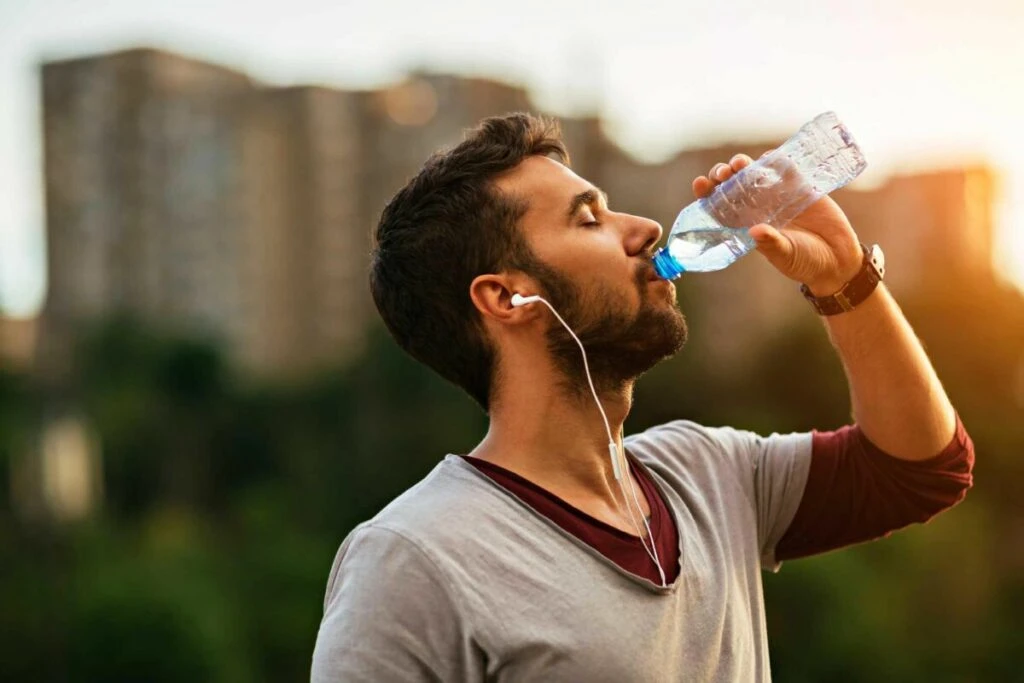
An electrolyte imbalance can lead to hyponatremia, a dangerous condition characterized by low sodium levels in the blood. This can cause dizziness, nausea, and headaches. Even healthy athletes who train outdoors in the summer are at risk. To avoid problems, experienced athletes drink small amounts of fluid and monitor their intake.
So, a loss of appetite during hot weather isn't a worrying symptom, but a natural response. If you eat properly, avoiding heavy foods, coffee, and alcohol, there's no health risk.