Dwarfs and Midgets: What's the Difference Between Little People? (6 photos)
Many people assume that "dwarf" and "midget" mean the exact same thing. When we spot extremely short individuals on the street, in a store, or on TV, it's easy to assume they all share the same medical condition. However, there is a major difference between the two. 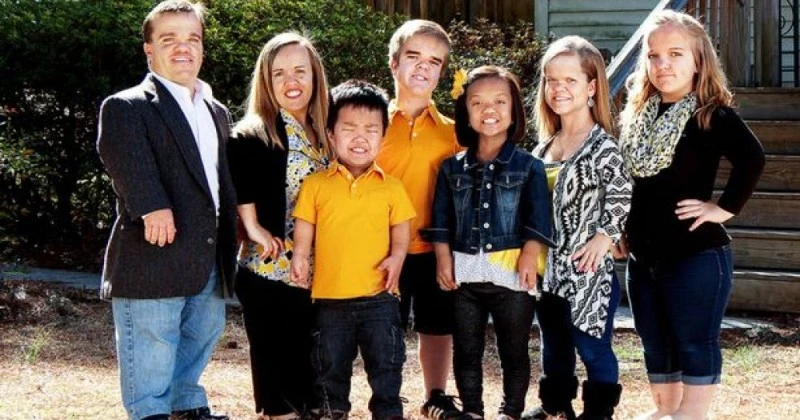
Midgets (historically referring to people with pituitary dwarfism) inherit a serious disorder affecting the pituitary gland in the brain. This gland regulates numerous bodily functions—most importantly growth, as it produces the essential human growth hormone. 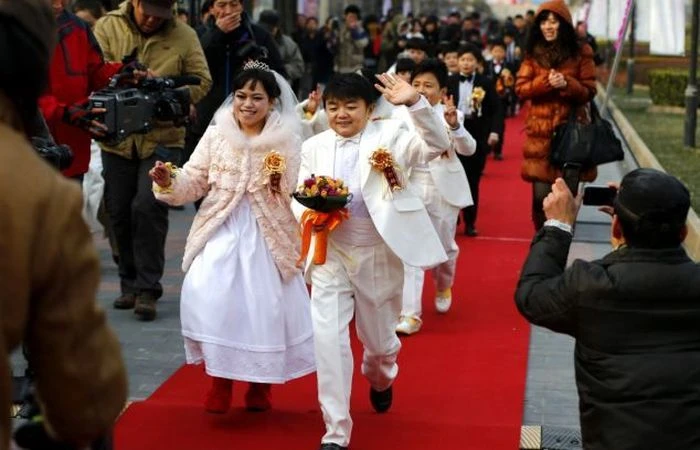
A wedding between two people with pituitary dwarfism
In medicine, this endocrine system dysfunction is known as pituitary dwarfism. People with this condition are extremely small, typically standing between 40 and 90 cm tall and weighing just 10 to 15 kg. Currently, around 800 individuals worldwide are officially registered with this condition, though the actual number is likely much higher.
A key defining feature of people with pituitary dwarfism is that their body proportions are completely balanced, giving them the appearance of miniature adults. 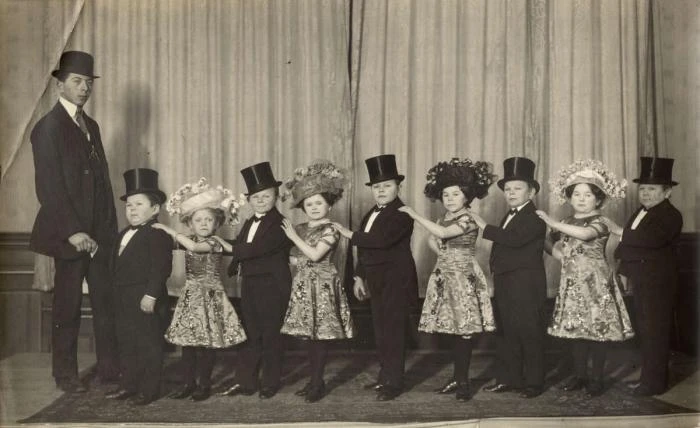
A theater troupe of little people in the early 20th century
With dwarfs, the situation is quite different. Their physical appearance stems from a variety of medical conditions that stunt growth during childhood. The most common type involves pituitary dysfunction where the gland stops producing sufficient growth hormone due to disease. 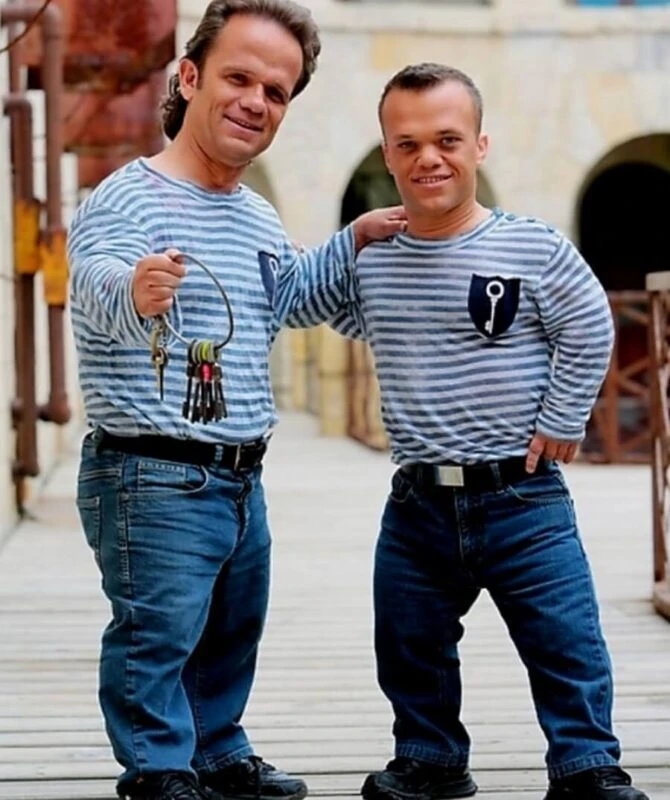
Passe-Partout and Passe-Muraille, stars of the TV show Fort Boyard
Typically, dwarfs have adult facial features combined with an underdeveloped and often disproportionate body structure. Their cognitive development is completely normal, and they often possess considerable physical strength. However, dwarfism is frequently accompanied by serious chronic health issues, including kidney failure, intestinal disorders, and rickets.
In many cases, dwarfism is caused by achondroplasia. People with this genetic condition are recognizable by an enlarged head and shortened limbs. Some individuals with this diagnosis are unable to walk unassisted and rely on motorized wheelchairs. 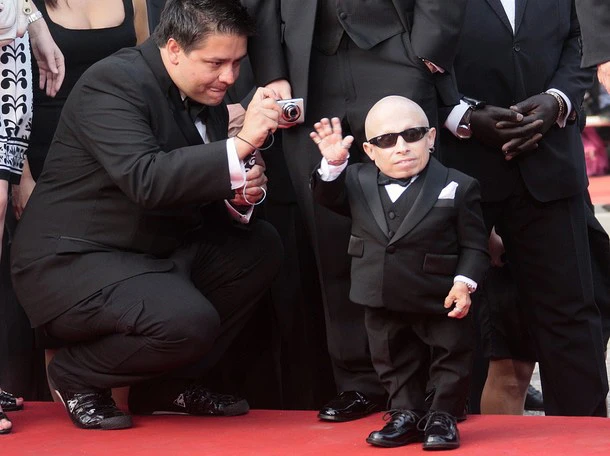
Actor Verne Troyer, who had achondroplasia
To sum up: little people with fully proportional bodies are medically defined as pituitary dwarfs (midgets), whereas those with an adult head and a disproportionate body are dwarfs. Pituitary dwarfism is an inherited genetic condition—even if the parents are of average height—while dwarfism in general often results from medical disorders manifesting in early childhood. 
The pituitary gland can play cruel tricks on the human body. The remarkable story of Adam Rainer, an Austrian man who managed to be both a dwarf and a giant during his lifetime, is a striking example.