The only ancient Roman aqueduct still in use (12 photos)
In the heart of Spain, in the city of Segovia, stands a structure that fascinates tourists and engineers alike. This is the Segovia Aqueduct, an ancient Roman aqueduct built almost two thousand years ago. Amazingly, it is still used for its intended purpose – delivering water to the city. How is this possible? Let's explore why the Segovia Aqueduct remains a unique monument of engineering and a vibrant part of city life. 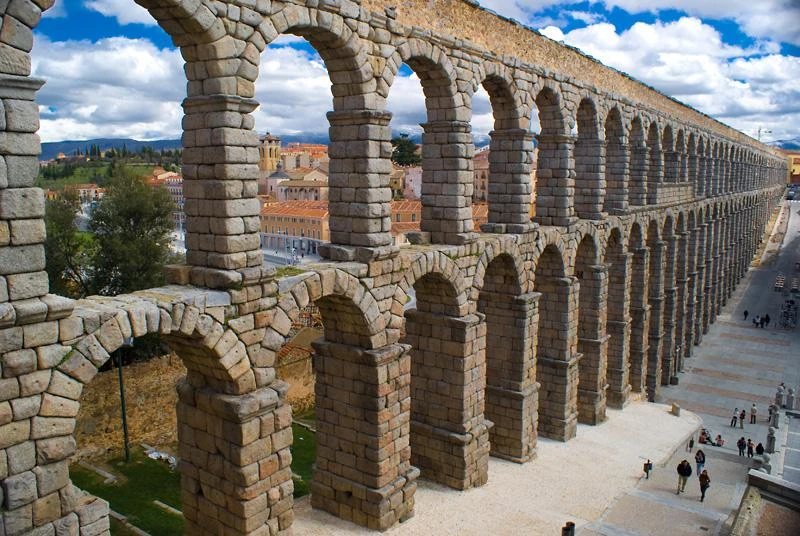
Ancient Roman Engineering: A Masterpiece Without Mortar
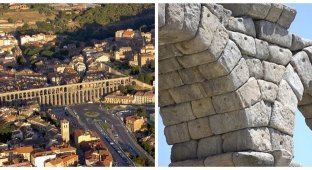
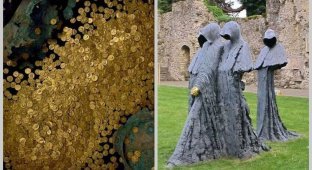
The Segovia Aqueduct was built in the first century AD, during the Roman Empire. This grandiose structure is made of granite blocks laid without a single drop of cement or mortar. The stones fit perfectly together, and their weight ensures the stability of the entire structure. The aqueduct reaches a height of 28 meters, and the visible section is approximately 800 meters long. But this is only part of the system: underground channels and reservoirs stretch for tens of kilometers. 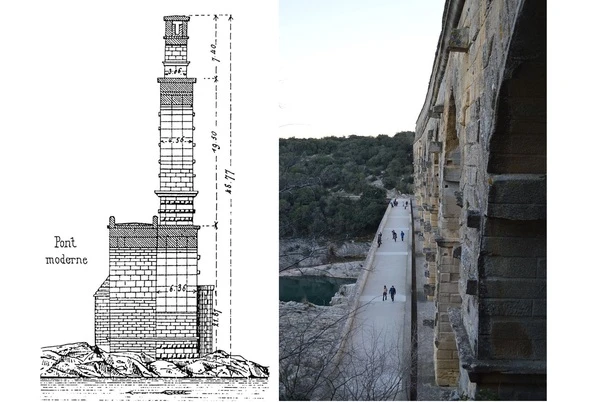
Another remarkable feature of the aqueduct is that it was built without any written drawings or detailed plans. This is truly astonishing, given the complexity and precision of its construction. The aqueduct not only served to supply water from the Frio River to the city of Segovia for many centuries, but also served as an important symbol of the architectural art and engineering of the Roman Empire. 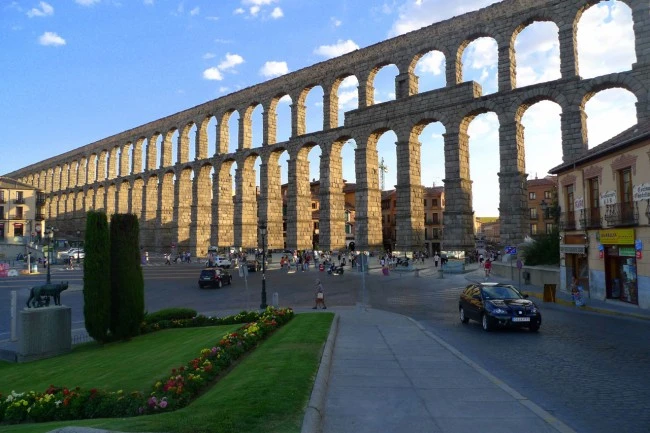
The Romans were masters of construction. They calculated the angle of the canals so that the water flowed evenly, without pumps, using only gravity. It was this precision that allowed the Segovia Aqueduct to survive the centuries and remain operational. The Segovia Aqueduct is not the largest surviving aqueduct. France boasts the tallest surviving aqueduct of ancient Rome, reaching a height of almost 50 meters.
Why is the aqueduct still operational?
Many ancient structures have long since fallen into ruin, but the Segovia Aqueduct continues to function. The secret to its longevity lies in its simplicity and quality. The granite used to construct the aqueduct is resistant to erosion and weather conditions. And the lack of mortar, oddly enough, is a plus: the stones don't crumble due to the deterioration of the binder. The 20,400 granite blocks are firmly supported by their own weight. 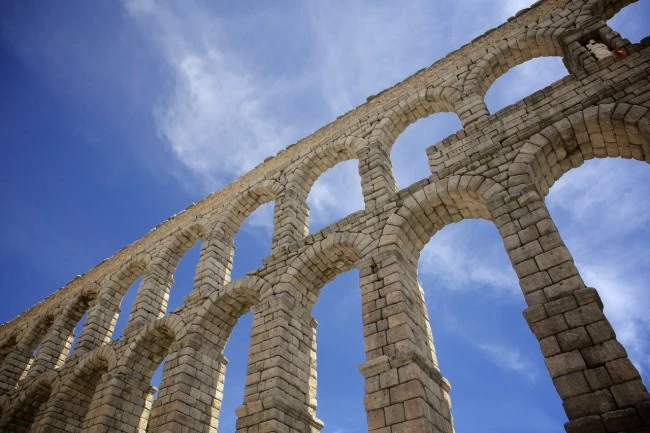
Furthermore, the people of Segovia have always cared for their aqueduct. Over the centuries, it has been cleaned, repaired, and maintained. Today, it delivers water to some areas of the city, although modern aqueducts now shoulder the brunt of the load. But the very fact that this ancient system still functions is remarkable. 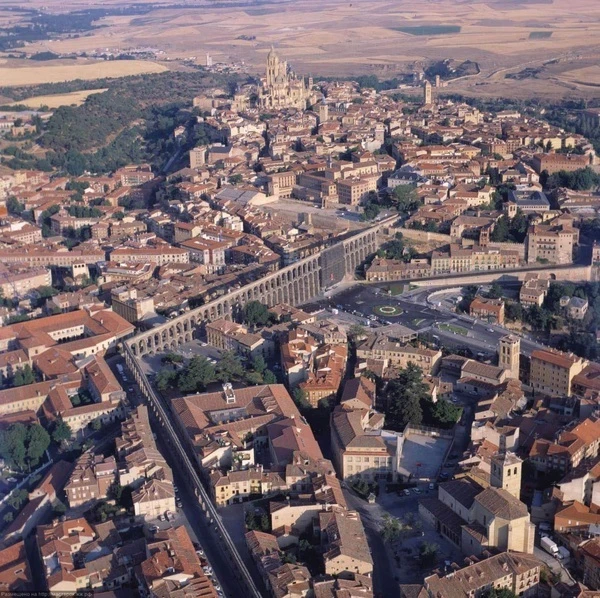
The Aqueduct as a Symbol of Segovia
The Aqueduct is more than just a water supply system; it is Segovia's calling card. It is depicted on the city's coat of arms and attracts thousands of tourists from all over the world. Strolling through the ancient streets, it is impossible not to notice its majestic arches towering over Plaza Azokegejo. In the evening, when illuminated, the aqueduct looks even more impressive. 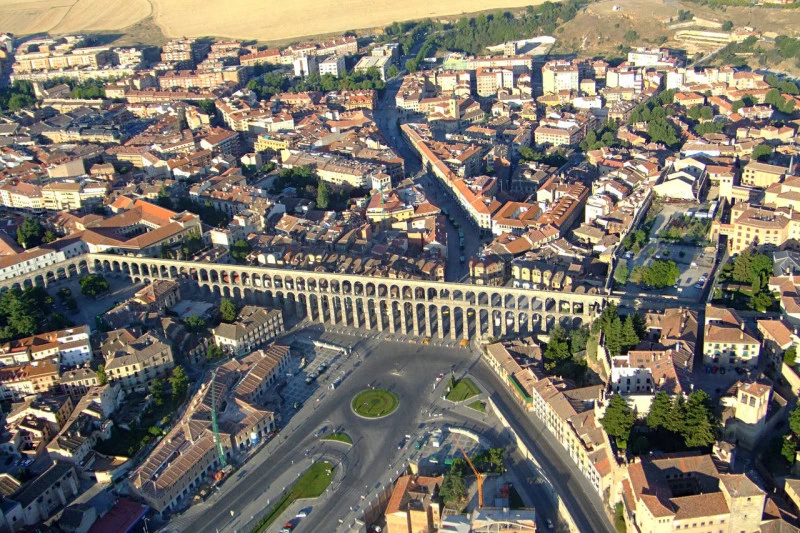
Locals are proud of their heritage. They call the aqueduct "the bridge that carries water" and tell legends about its construction. One of them says the aqueduct was built by the devil himself. Each of the aqueduct's granite blocks bears indentations. According to legend, these are the devil's fingerprints. Of course, this is just a fairy tale, but it adds to the mystery of the structure. 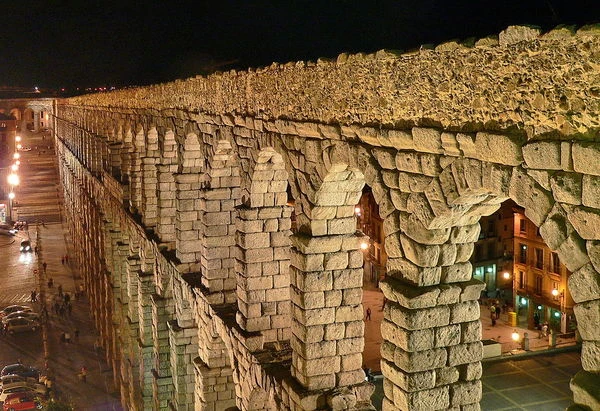
According to this legend, a girl once lived in the city who carried water from a mountain river every day. When she grew tired, she turned to the devil himself for help in exchange for her soul. But on one condition: everything had to be done before dawn. Before her very eyes, the aqueduct began to build itself, the girl repented and prayed for the salvation of her soul. The sun rose, the last stone of the aqueduct was not laid, and the girl's soul was saved.
How does the aqueduct fit into modern life?
Today, the Segovia Aqueduct is not only a historical monument but also part of the city's infrastructure. Although it is no longer the main source of water, its canals are still used to supply water to some areas. This makes the aqueduct unique: no other ancient Roman aqueduct in the world can boast such longevity and functionality. 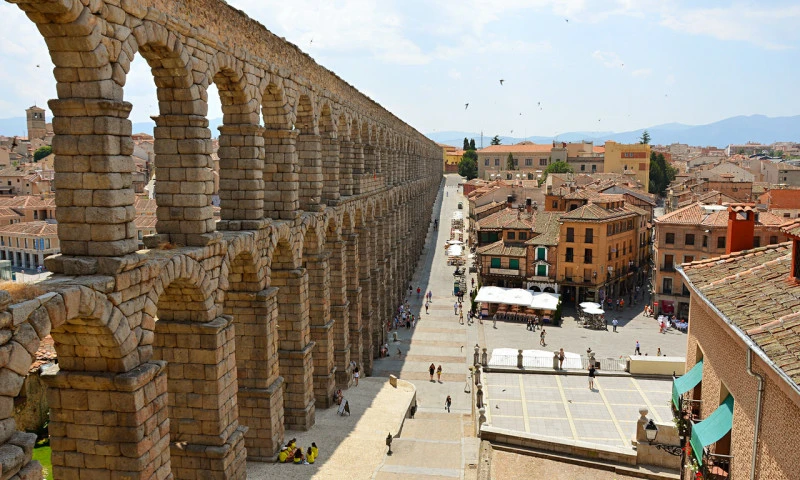
In 1985, the Segovia Aqueduct was inscribed on the UNESCO World Heritage List. This recognition not only highlights its historical and cultural value but also its splendor, which continues to amaze today. In 1997, major restoration work began on the structure, which lasted eight years. 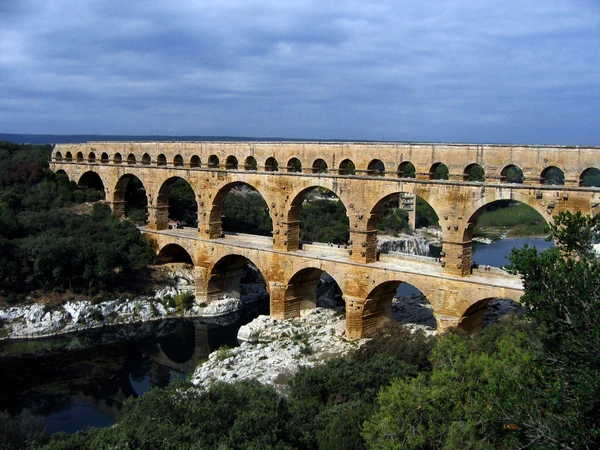
It's no wonder the aqueduct attracts thousands of tourists from around the world eager to see this architectural marvel with their own eyes. Standing in its shadow, you can truly feel the breath of history and the grandeur of ancient Roman engineering.
Why visit the Segovia Aqueduct?
If you find yourself in Spain, Segovia and its aqueduct are a must-see on your itinerary. These aren't just old stones, but living history that continues to flourish. A walk around the aqueduct allows you to feel the connection between times: from Roman legionaries to modern residents. The aqueduct's tallest arches are located in the very center of the city. 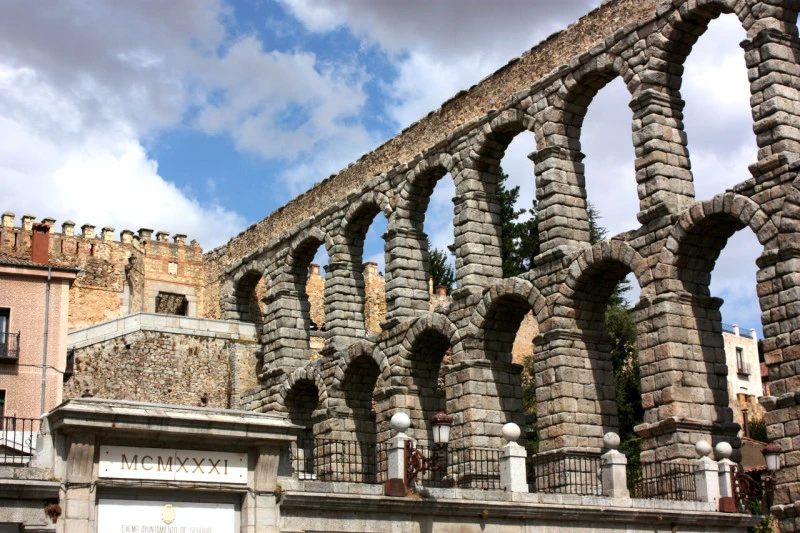
Moreover, Segovia is more than just an aqueduct. It boasts a medieval Alcazar castle, cozy streets, and delicious local cuisine. The aqueduct is the perfect starting point for exploring this charming city. 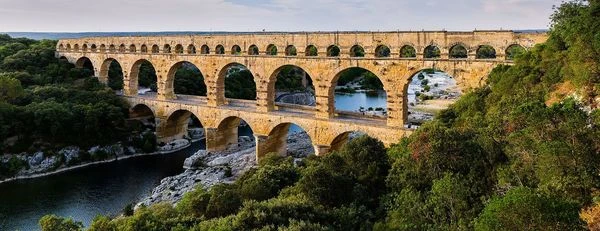
The Mystery of the Aqueduct: What Makes It Special?
The Aqueduct of Segovia is more than just a water supply. It is a symbol of human ingenuity, resilience, and respect for history. It reminds us that even after millennia, some things remain constant: the need for water, the pursuit of beauty, and the ability to create enduring masterpieces. 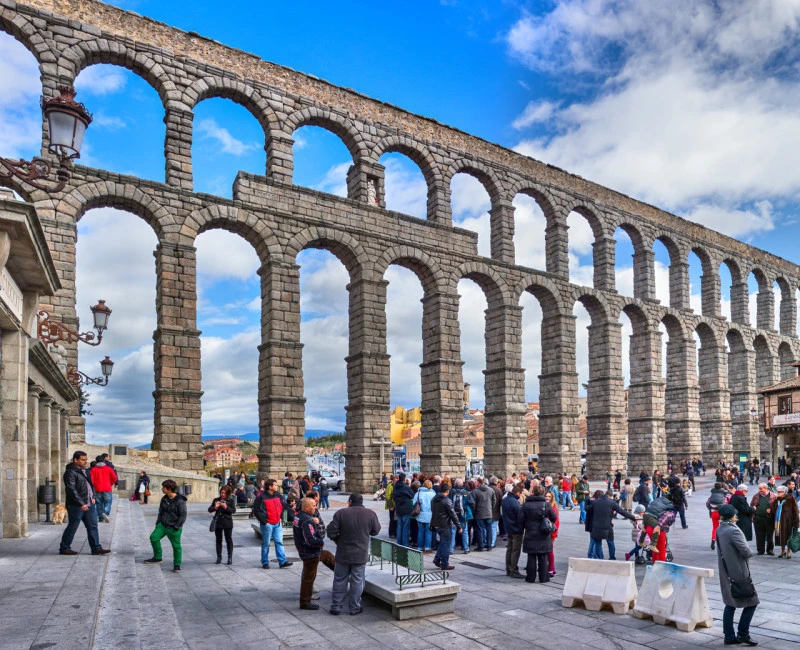
What do you think of this unique structure? Have you been to Segovia or are you planning a trip? Share your thoughts in the comments!