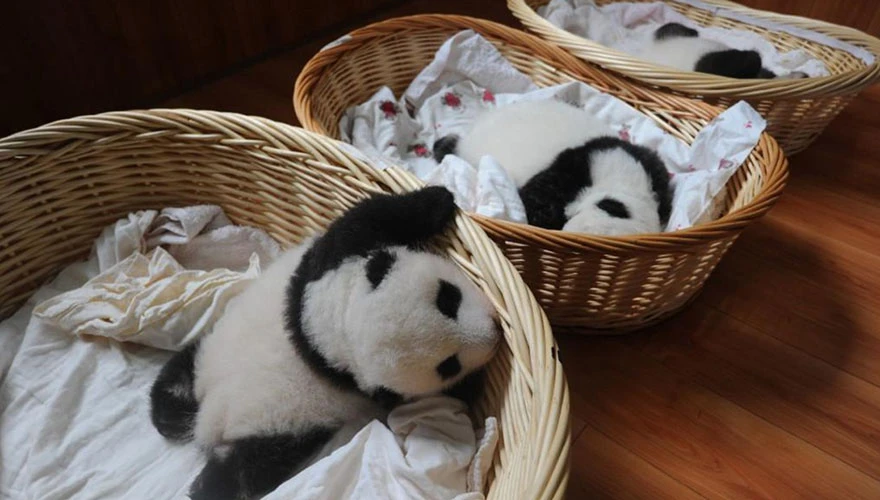
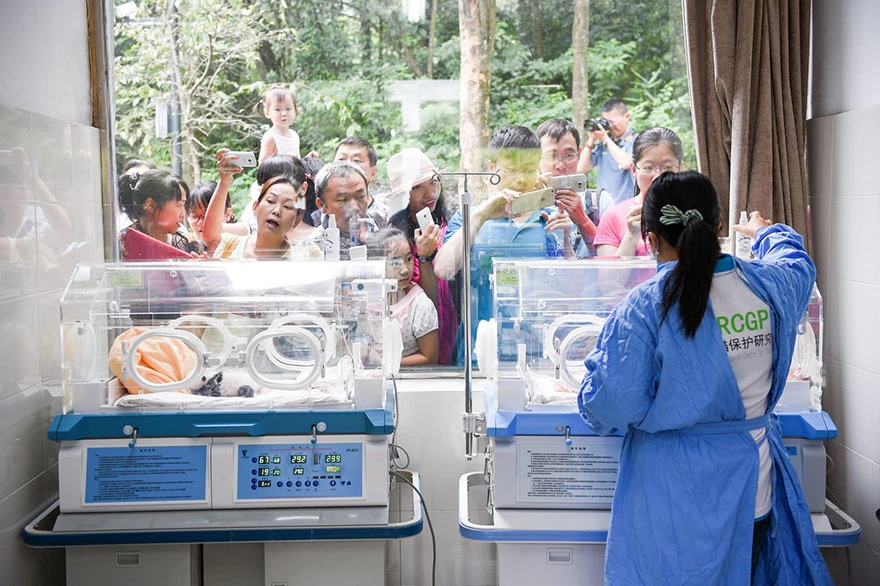
A Touching Sight - Cute Little Panda Bears in Baskets (16 photos)
The birth of each new panda is a cause for celebration, as female pandas only give birth once every two years, and only one cub at a time. 
Panda cubs are born in late summer, between July and September. The mother giant panda carries her cubs for 3 to 5 months. Giant panda cubs are usually very small at birth. 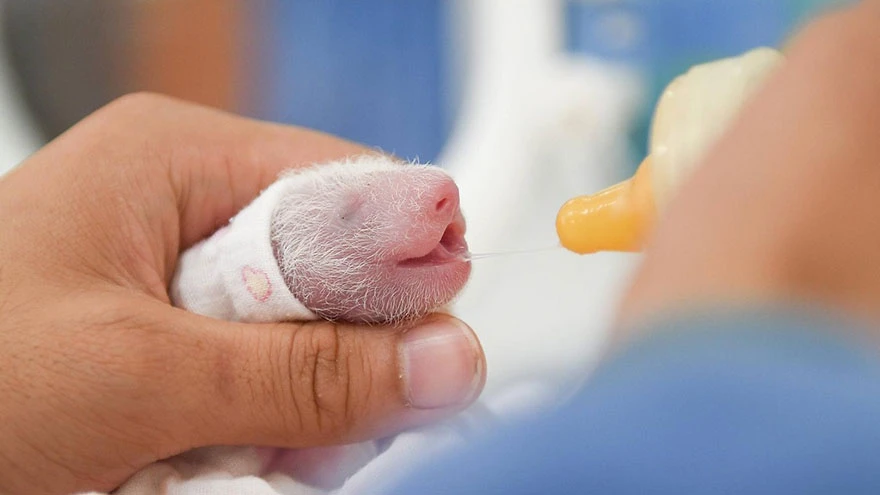
When giant pandas are born, they look completely different from adults. A baby panda is tiny, blind, pink, and practically furless. The average birth weight of a baby panda is only 100 grams—one nine-hundredth of its mother's weight! The lightest panda cub at birth weighed only 36 g, while the heaviest weighed 210 g. 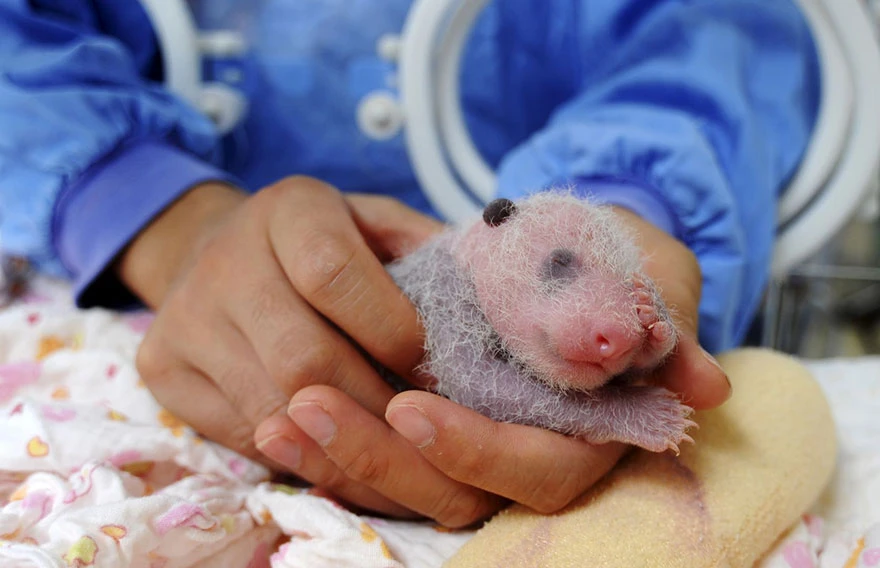
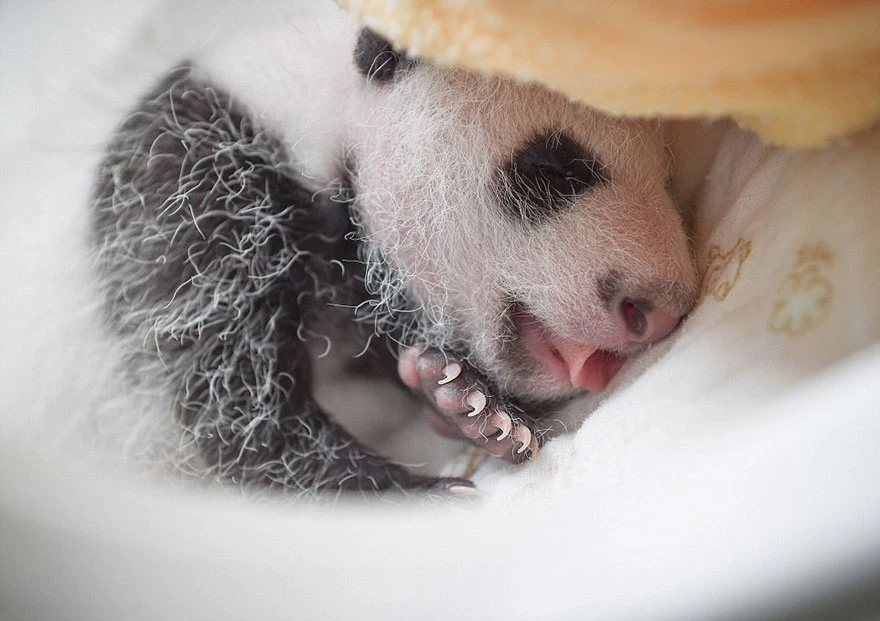
A newborn panda cub's paws are so weak that it can't stand upright. For two months after birth, panda cubs only nurse and sleep. 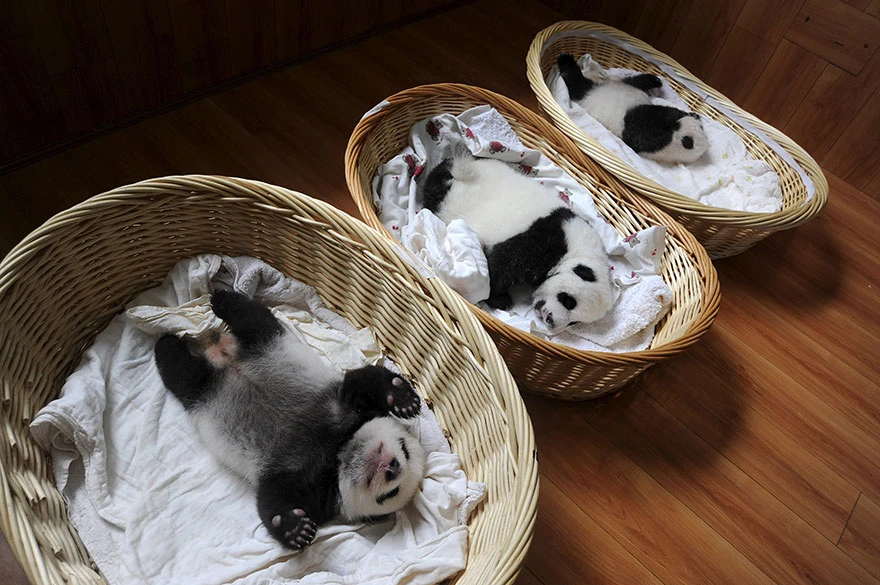
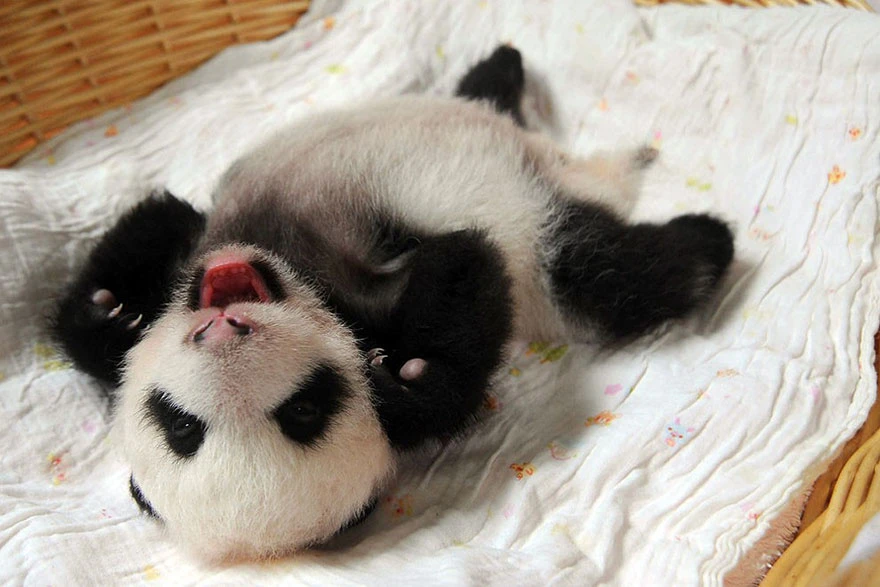
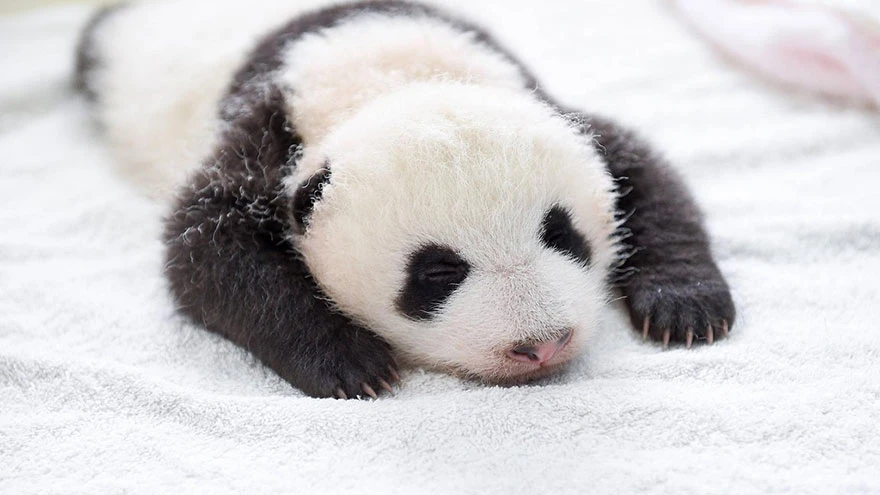
Twenty-five days after birth, the cub develops black fur on its neck and chest. The dark circles around its eyes become larger. At the same time, white fur begins to grow, and the giant panda cub gradually begins to acquire its familiar black and white appearance. A month after birth, the panda weighs about 2 kg. 
If a mother panda gives birth to more than one cub, she cares only for the first unborn cub, abandoning the second. Births occur approximately every two years. Slow reproduction slows population growth, likely to avoid competition for food resources. 
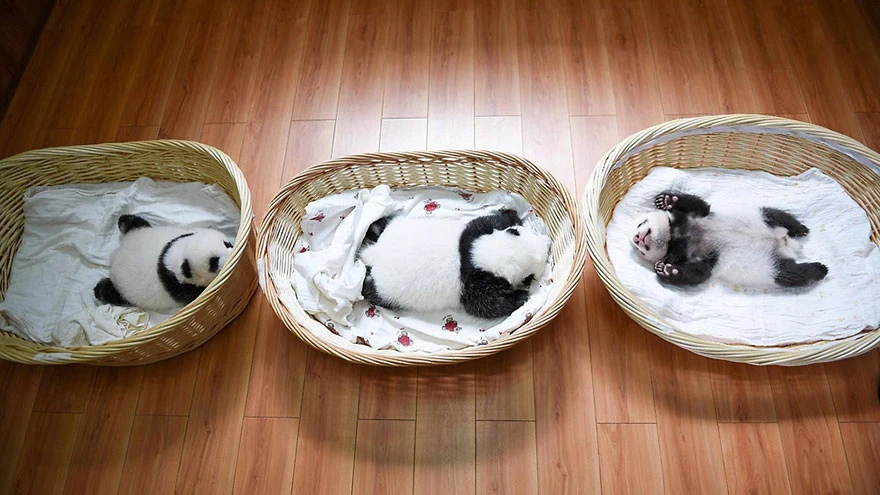
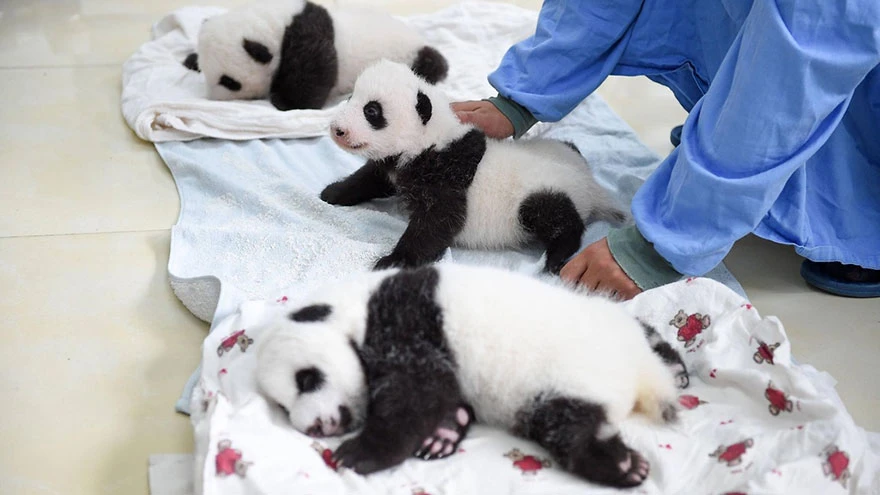
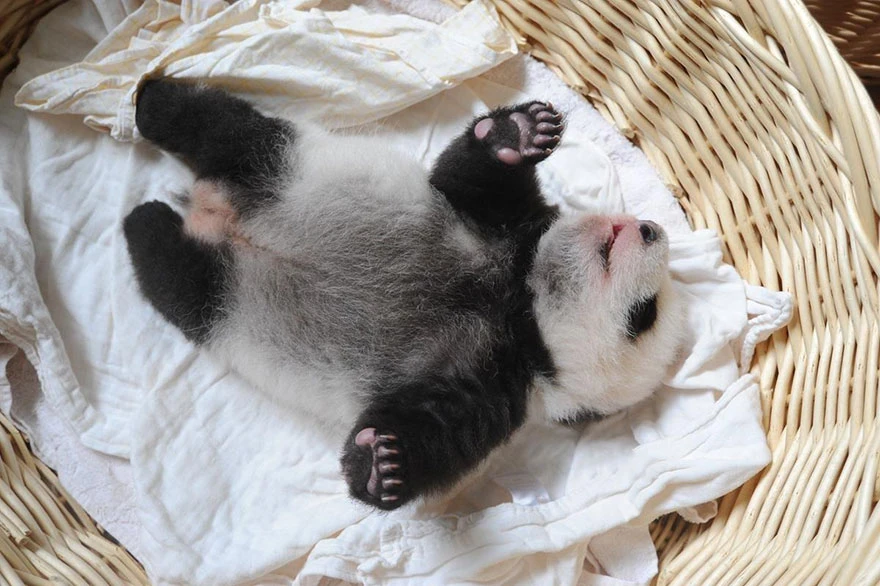
Until 2000, giant pandas did not breed in zoos at all, and now, panda breeding in captivity is extremely rare, so this is always a great joy.