There Will Never Be Another Like Us. Oliver Sacks on Life, Death, and Meaning (6 photos)
Oliver Sacks was one of the most renowned psychologists of our time. We are publishing his final column, written six months before his death. Believe me, it's worth reading.
"A month ago, I thought I was in good, even robust, health. I'm 81, but I still swim a mile a day. But my luck has run out. A few weeks ago, I learned I have multiple metastases in my liver. Nine years ago, I discovered I had a rare eye tumor. The radiation and laser treatments used to remove the tumor ultimately left me blind in one eye. In my case, the chances of the eye tumor metastasizing were slim—but I was unlucky." 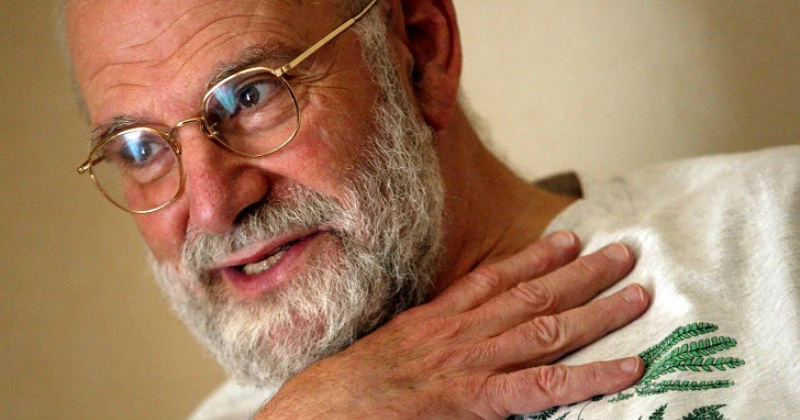
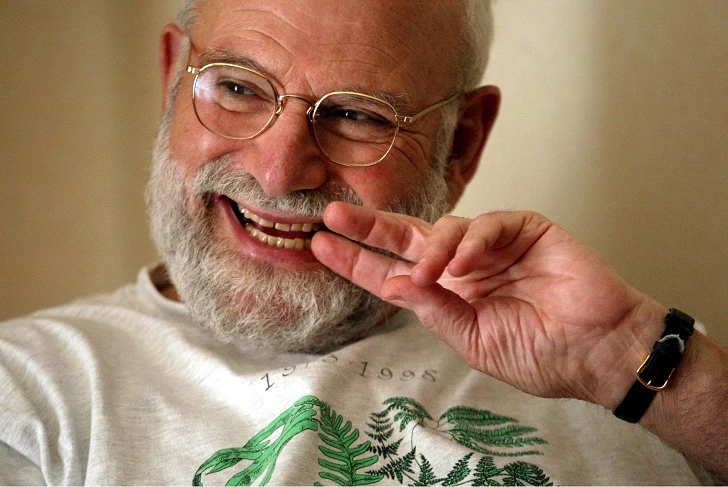
I'm grateful for nine years of healthy and productive life since that initial diagnosis, but today I face death. Cancer has consumed a third of my liver, and while its spread can be slowed, it can't be stopped.
I have to figure out how to live my remaining months. I must live them in the richest, deepest, most productive way. I'm inspired by the words of one of my favorite philosophers, David Hume, who, at 65, upon learning he was mortally ill, wrote a short autobiography. It took him just one day in April 1776. He called it "My Life."
"I suffered very little from my illness, and, what's more curious, notwithstanding the severe exhaustion of my body, my peace of mind never for a moment deserted me," Hume wrote. "I retained the same passion for science, the same vivacity in society, as before." 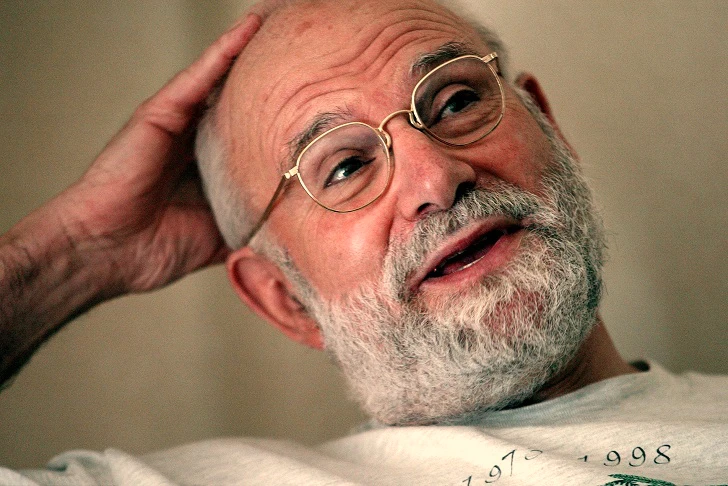
I'm fortunate to have lived over 80 years, 15 years longer than Hume, and those years have been just as rich in work and love. During that time, I've published five books and completed an autobiography (longer than a few pages of Hume's), which will be published this spring. And I'm almost finished with several more books.
"I," Hume continues, "was distinguished by a mild nature, self-control, an open, sociable, and cheerful disposition, a capacity for attachment, an inability to cherish enmity, and great moderation in all passions."
Here I differ from Hume. Although I have enjoyed warm relationships and friendships, and have no real enemies, I cannot say I am a meek person. On the contrary, I am quite combative, often seized by fits of violent enthusiasm and complete immoderation in all my passions. 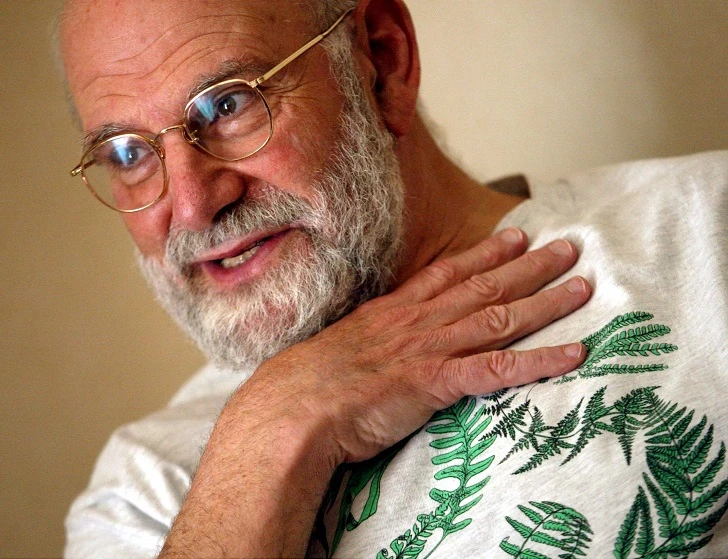
And yet, one line from Hume's essay seems strikingly true to me: "It is difficult to be less attached to life than I now am."
Over the past few days, I have been able to see my life from a great height, as if from a landscape, and a deepening sense of the interconnectedness of all its components has emerged within me. This does not mean that life is over for me. On the contrary, I feel incredibly alive, and I want and hope to use the time I have left to forge even deeper friendships, say goodbye to everyone I love, write more, travel if I have the strength, and achieve new levels of understanding and meaning.
This will require boldness, clarity, and directness of speech. I will have to achieve clarity in my relationships with the world. But I will also have time for fun (and even some silliness). 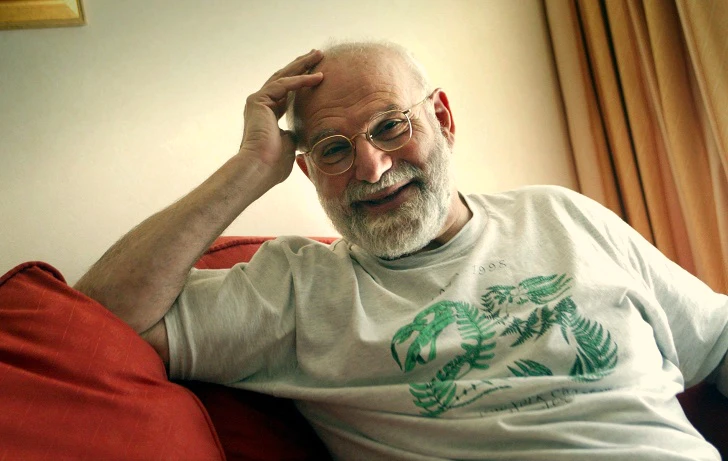
I suddenly feel focused and have a clear vision. There is no time for anything unimportant. I must focus on myself, my work, and my friends. I will no longer watch the news in the evenings. I will no longer waste my attention on politics or debates about global warming.
It's not indifference, but a lack of affection: I remain deeply concerned about the situation in the Middle East, global warming, and growing inequality. But that's no longer my concern—those things belong to the future. I'm thrilled when I meet gifted young people—even those who performed my biopsy and diagnosed me. I feel the future is in good hands.
Over the past ten years, I've become increasingly attentive to the deaths of my contemporaries. My generation is on its way out, and each death felt like a break, a severing of a part of myself. There will be no more like us. But there will never be anyone like you either. When people die, they can't be replaced. They leave holes that cannot be filled, because the destiny—both genetic and neural—of every human being is to become a unique individual, to find their own path, to live their own life, to die their own death. 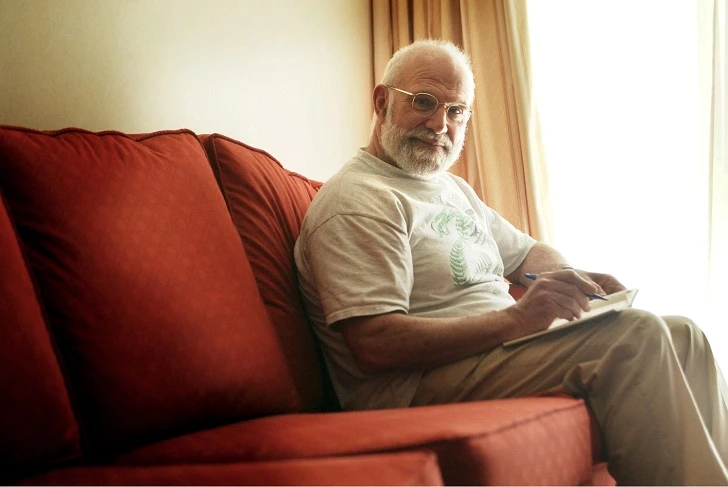
I can't pretend to be devoid of fear. But my primary feeling is gratitude. I have loved and been loved. I have been given much, and I have given something in return. I have read, traveled, thought, and written. I have communicated with the world as only writers and readers can.
And most importantly, I was a sentient being, a thinking animal, on this beautiful planet, and that in itself was a colossal privilege and a tremendous adventure.