From Buckingham Palace to Prison: How Sarah Ferguson's Personal Dresser Killed Her Boyfriend for Refusing to Marry Him (14 photos)
Jane Andrews was Sarah Ferguson's personal stylist for nine years, working alongside the Duchess of York at Buckingham Palace and at royal receptions around the world. A young woman from working-class Grimsby rose from fashion college to the backstage of the British monarchy. In September 2000, her boyfriend told her he wasn't going to marry her. That same night, she killed him with a cricket bat and a kitchen knife. Her story has now been adapted for the screen on ITVX. 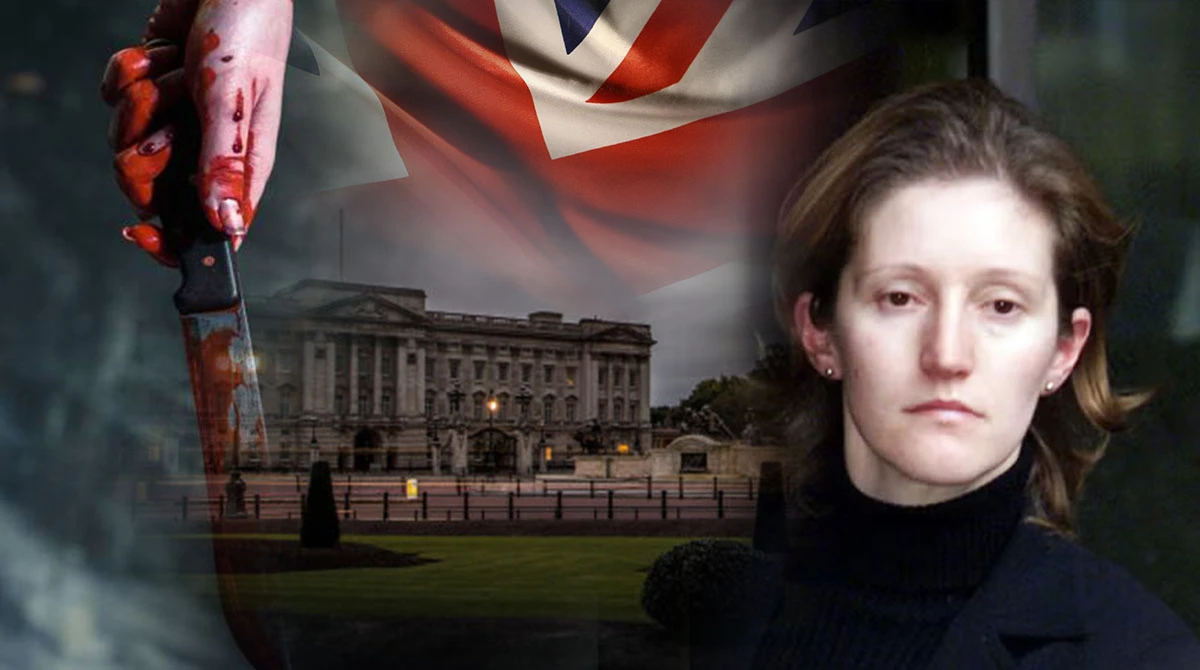
From Grimsby to Buckingham Palace
Jane Andrews was born on April 1, 1967, in Cleethorpes, Lincolnshire, to a working-class family. Constant debt and domestic conflicts between her parents marked her childhood. Later, the family moved to industrial Grimsby, and the situation became even more oppressive. Even as a child, she began to experience mental health issues. 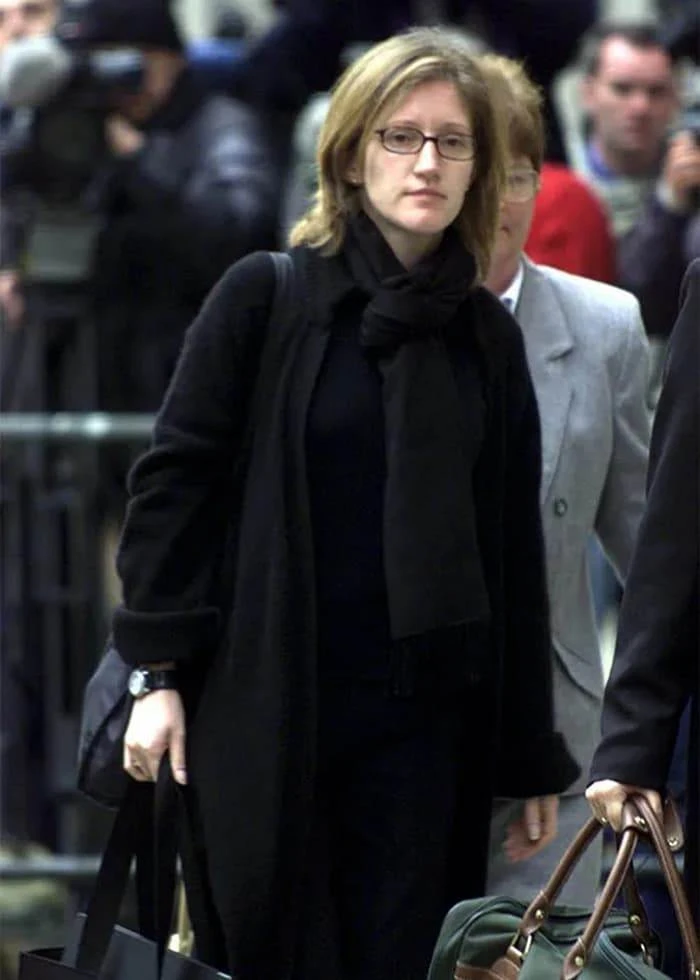
Jane Andrews
Depression, panic attacks, and anorexia became her constant companions. At 15, she attempted suicide for the first time. At 17, she had an unplanned pregnancy that ended in abortion. Jane would later call this the greatest trauma of her life. 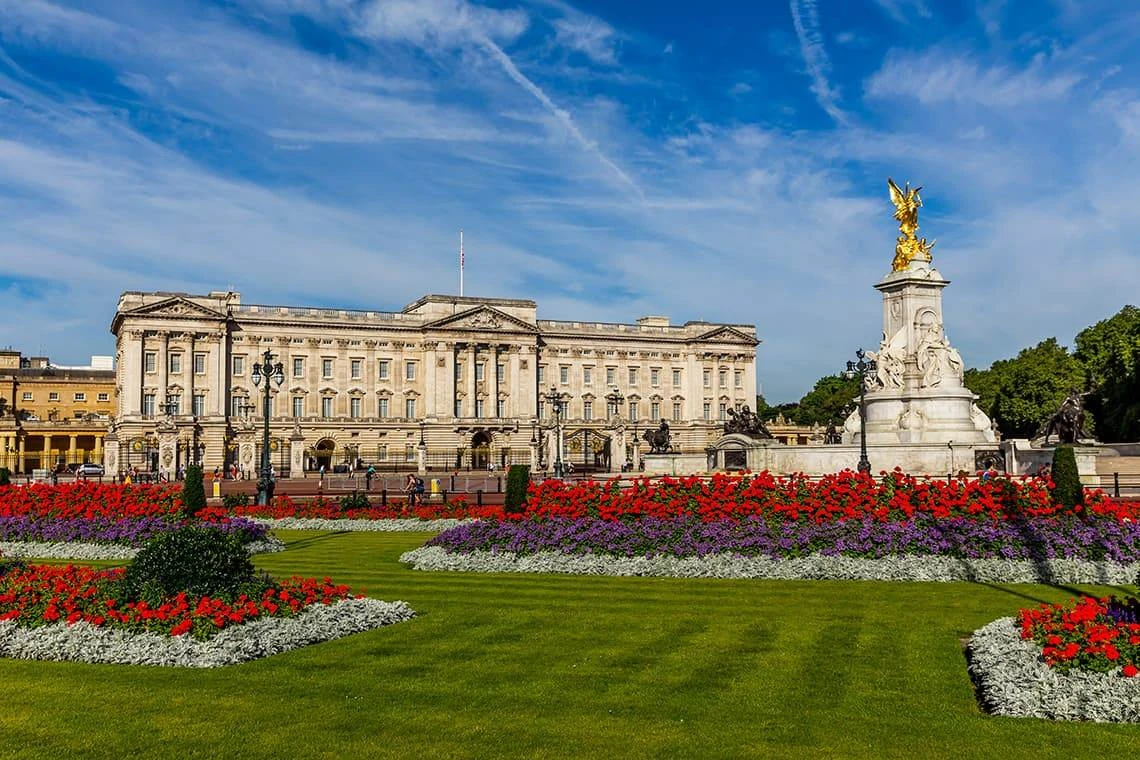
Buckingham Palace
She combined deep insecurity with a manic desire to be "somebody." After graduating from fashion college and working at Marks & Spencer, Jane waited for her moment of glory. And it came. At 21, an ad appeared in The Lady magazine: a costume designer was needed. No company name, no names – a completely anonymous offer. 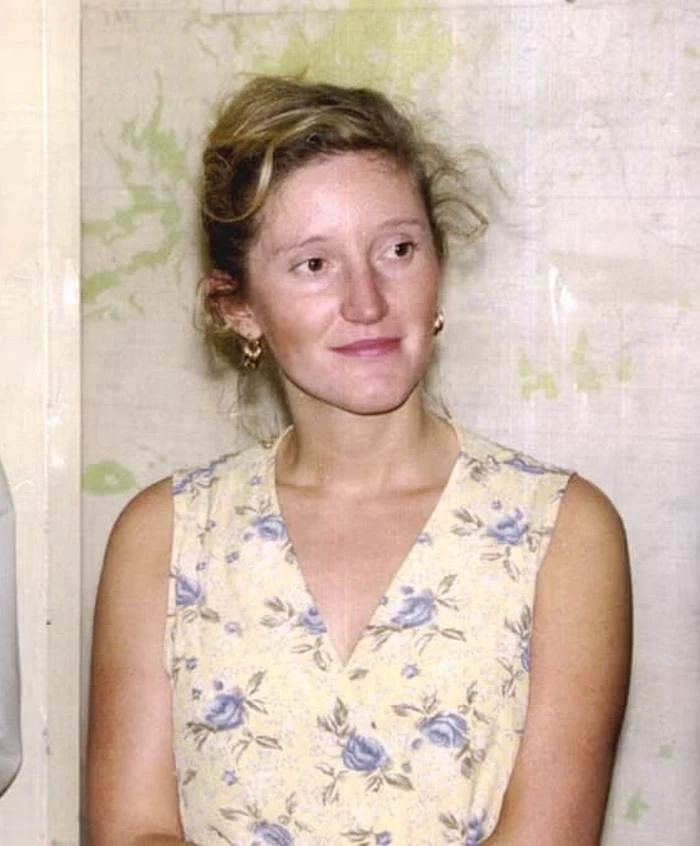
Jane Andrews at the beginning of her career
After six months of grueling selection, Jane was invited to a personal interview with Sarah Ferguson. Just four days later, she walked into Buckingham Palace. An 18,000-pound salary and an apartment in the prestigious Battersea Park area became a ticket to a completely different reality for the girl from Grimsby. 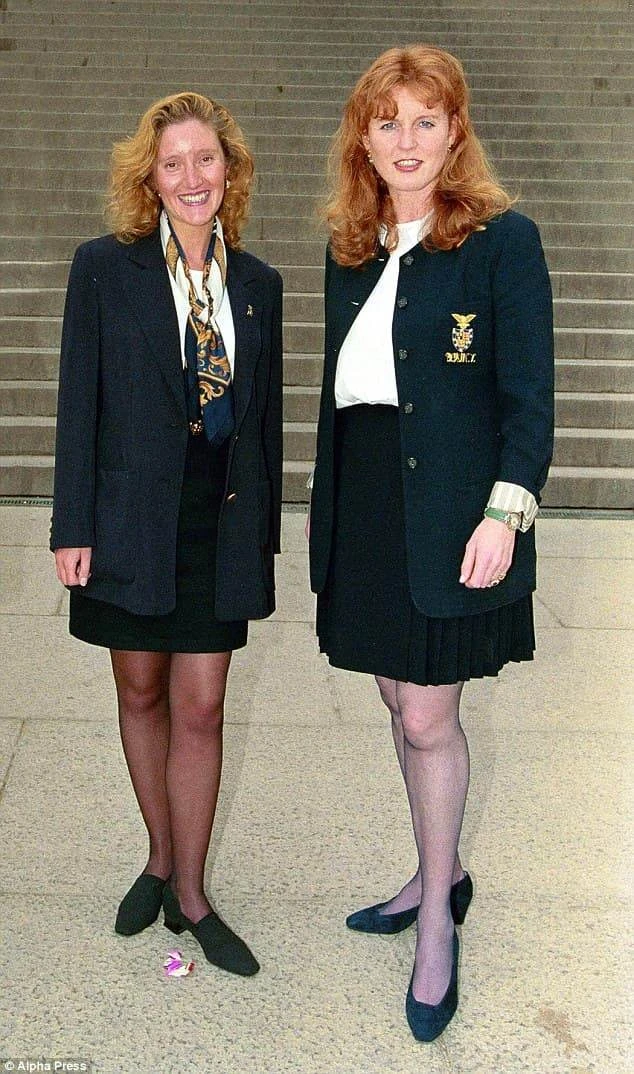
Jane Andrews and Sarah Ferguson. Early 1990s
9 Years Inside: A Royal Mirage
At Buckingham Palace, Jane didn't just work as a stylist. She became the Duchess's shadow: travel, receptions, social events, access to the world's most exclusive elite. She ceased to be a "Grimsby girl" – she became part of the system. 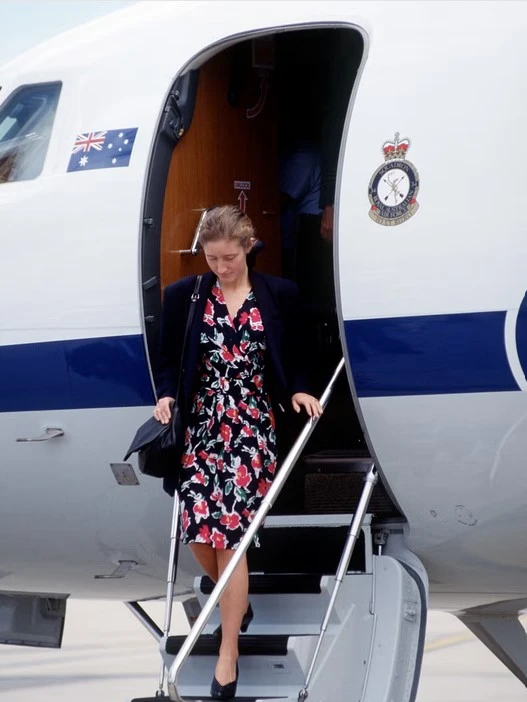
Jane Andrews during the Duchess of York's official visit to Australia. 1990
Her personal life was a rollercoaster. First, she married a top IBM executive, but divorced him five years later. Then followed a series of whirlwind romances with people from Ferguson's inner circle. Among them was even Allan Starkey, who wrote a scandalous biography of the Duchess. Psychologists note that Jane sought self-determination only through her proximity to power. 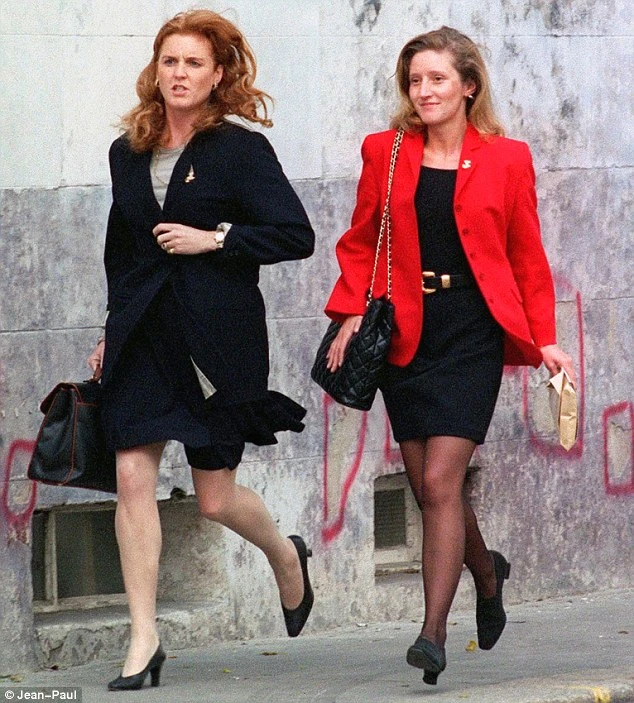
Sarah Ferguson and Jane Andrews. 1995
In 1997, Jane was fired. Officially, Buckingham Palace claimed it was due to cost cutting. But it was clear to everyone that Andrews's love affairs were to blame. When the doors of high society slammed in Jane's face, her world collapsed. She lost more than just her job—she lost the environment that had held her unstable self together.
Tom Cressman: The Final Point
After her dismissal, Jane was constantly searching for a new support system. In 1998, she met Tom Cressman, a wealthy and charismatic businessman. He seemed the perfect candidate to restore her status and confidence. Their relationship developed rapidly, and from the outside, the couple appeared flawless. But behind the closed doors of their home, tragedy was already brewing. 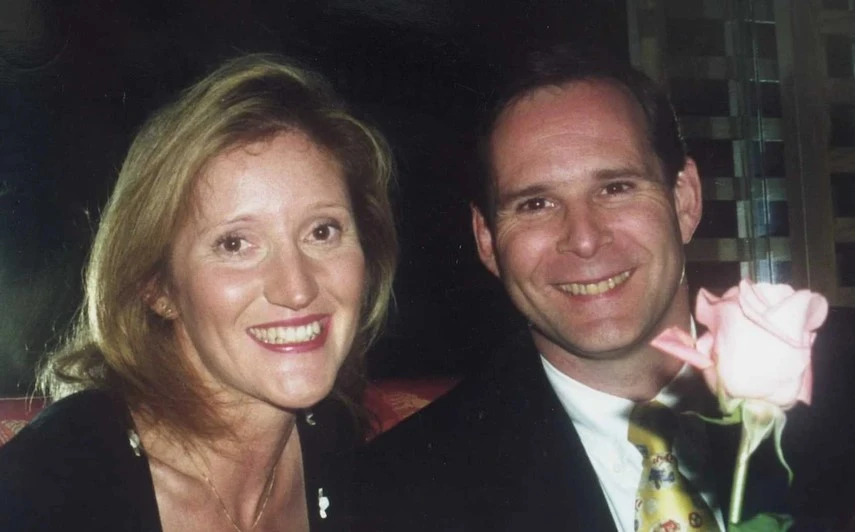
Jane Andrews and Tom Cressman
Jane claimed that Tom was cruel, humiliating, and forced sex on her. However, the court found no evidence to support these allegations. The prosecution, however, painted a completely different picture. Fearing loneliness, Jane became pathologically obsessed with control. She demanded absolute devotion and was suffocated by the lack of "legitimization"—a marriage that would cement her position in Cressman's life. 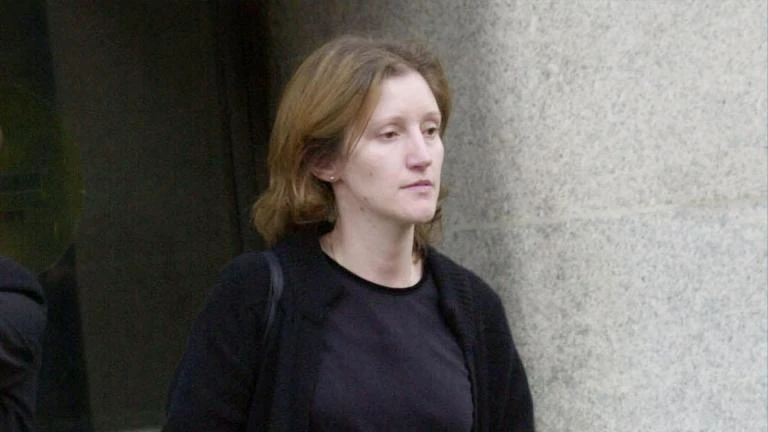
Jane Andrews. 2001
The turning point came in September 2000. Fed up with the emotional pressure, Tom made it clear: there would be no wedding. That same night, Jane committed what would later be called "an act of cold-blooded revenge." While the businessman slept, she stabbed him with a cricket bat and then plunged an 8-inch kitchen knife into his chest. The cold-bloodedness she displayed immediately after the murder—the escape, the phone calls, the attempts to create an alibi via text messages—is astounding in its calculation.
Escape, Arrest, and Trial
The days following the murder were like scenes from a thriller. Police searched for Jane across the UK and finally found her in a car in Cornwall. Police searched for Jane across the UK until they found her in a car in Cornwall. She was in a deep coma after an overdose of sleeping pills. Medics managed to revive her. In April 2001, the trial at the Old Bailey became a media sensation. 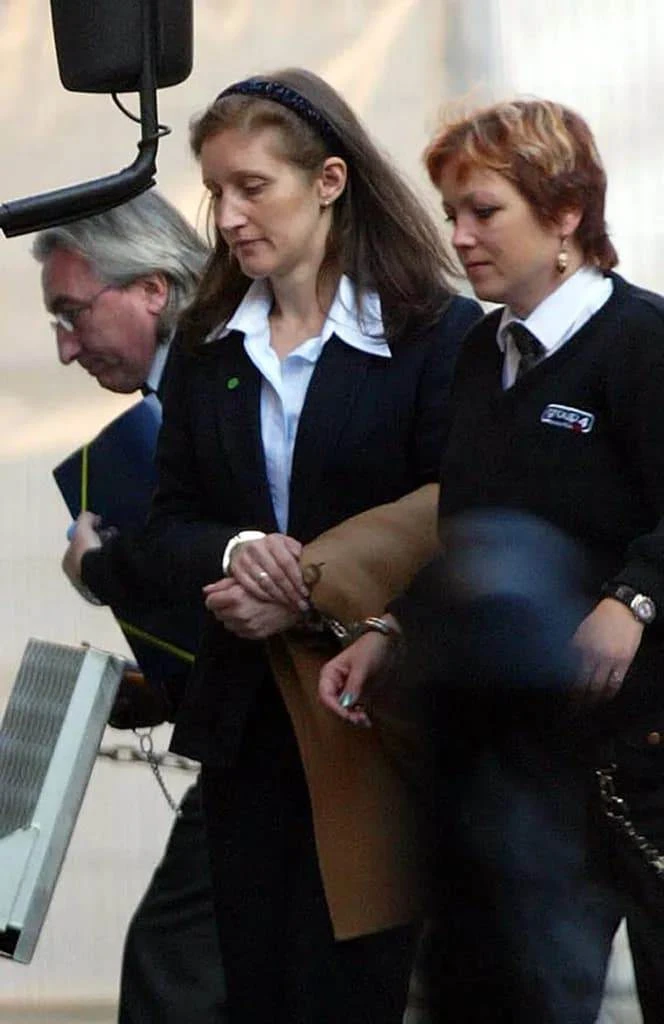
Jane Andrews with her lawyers in court. 2001
The defense, relying on the expert opinion of psychiatrist Trevor Turner, insisted on a diagnosis of borderline personality disorder, arguing that Jane was a victim of her own mental illness and Cressman's abusive behavior. The prosecution, however, insisted the opposite: it was a premeditated act, motivated by selfishness and an inability to accept rejection. 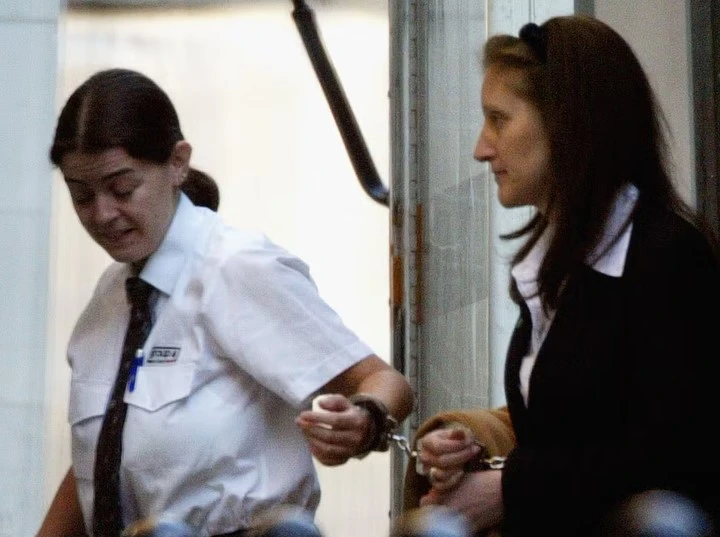
Jane Andrews at the High Court on September 24, 2003, in London
The court handed down a harsh sentence: life imprisonment with the possibility of parole. But the story didn't end there. In 2009, Jane escaped from East Sutton Park open prison. A three-day search led police to a Premier Inn hotel, where Jane was hiding with relatives. Authorities decided not to bring new charges for the escape, citing a "lack of public interest." This predictably sparked outrage among the family of the deceased, Tom Cressman.
Life After Prison
Jane's path to freedom was long. In 2015, she was released on parole, but briefly returned to prison in 2018. She was charged with stalking her new partner, but the charges were later dropped. In 2019, Andrews was finally released. Jane Andrews now leads an ordinary life and works at a charity clinic. 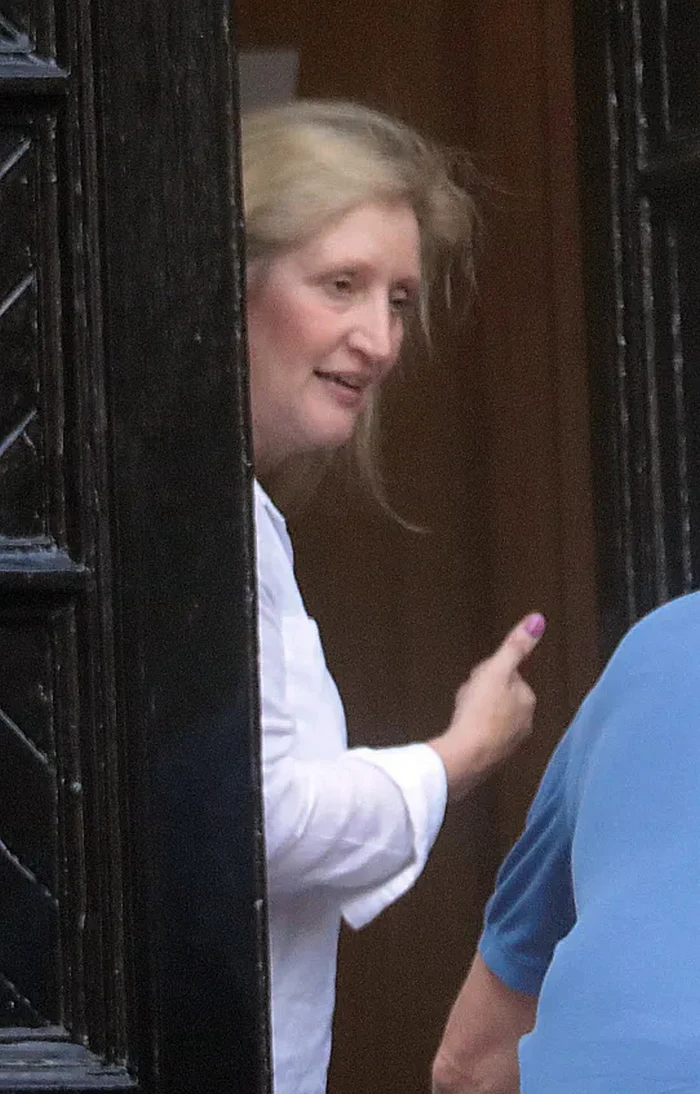
Andrews after parole. 2015
Those who see her now would hardly guess that this quiet woman has Buckingham Palace, murder, and a long prison sentence behind her. She seems to be trying to erase her past by working in an environment where others suffer, perhaps tacitly atoning for her own guilt. But Jane's story is unlikely to be forgotten, given its connection to the royal family. In 2026, the series "The Lady" was released, telling her story. 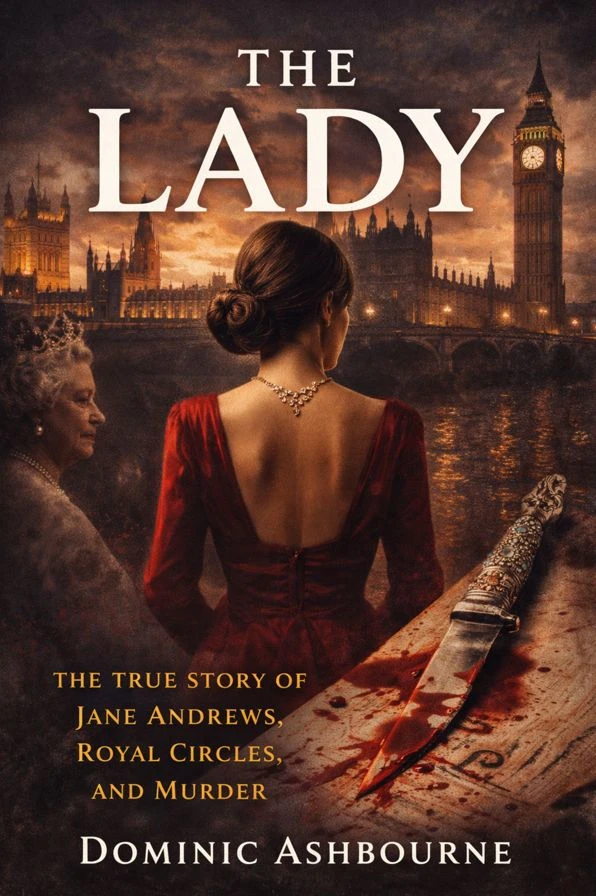
Poster for the series "The Lady"
The story of Jane Andrews is a lesson in the dangers of building one's identity on someone else's foundation. Without a royal wardrobe, without the status of "close friend of the Duchess," and without a marriage to a successful businessman, Jane has become a nobody. Her life is an endless attempt to fill an inner void with the external trappings of success. When these attributes disappeared, the psyche, lacking internal support, turned into a destructive force, sweeping away everything in its path. 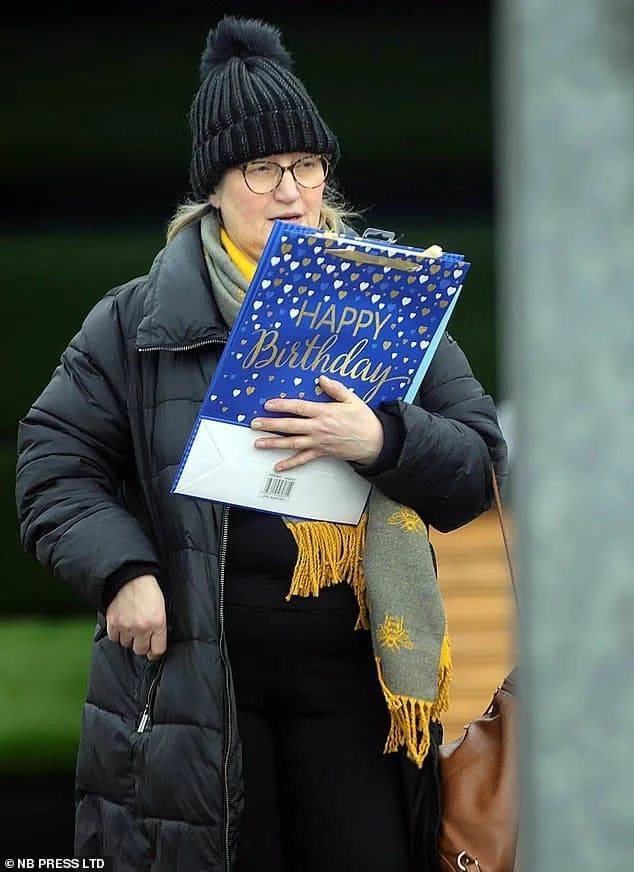
Jane Andrews in 2025
Do you think the prison system is a tool for correction for people like Jane Andrews, or does the "prison" of their own traumas remain with them forever, despite their release, making a full return to normal life impossible?