The shady underground world of the mafia has captivated the public imagination for years. The lavish yet criminal lifestyle of these gangs has become an ideal for many. But why are we so fascinated by these men and women, who are essentially just gangsters, living off those unable to defend themselves? 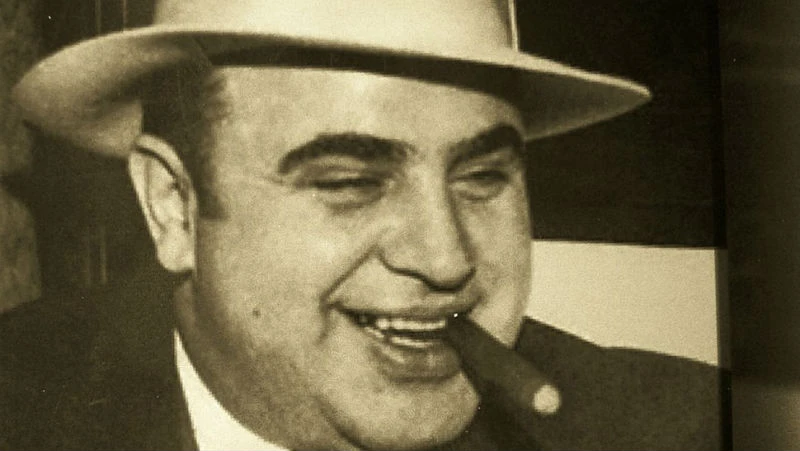
The fact is, the mafia isn't just any organized crime group. Gangsters are considered heroes, not the villains they actually are. The criminal lifestyle plays out like a Hollywood movie. And sometimes it is a Hollywood movie: many are based on real events from the mafia.
Crime is glorified in film, and audiences begin to see these gangsters as heroes who died in vain. As America gradually forgets the days of Prohibition, it also forgets that gangsters were seen as saviors who fought against an evil government. They were the Robin Hoods of the working class, standing up to unenforceable and strict laws. Furthermore, people tend to admire and idealize powerful, rich, and beautiful people.
However, not everyone is gifted with such charisma, and many major politicians are hated rather than revered. Gangsters know how to use their charm to make themselves more appealing to society. This charm is based on heritage, on a family history of emigration, poverty, and unemployment. The classic "rags to riches" story has captivated audiences for centuries. There are at least fifteen such heroes in the history of the mafia.
Frank Costello
Jack "Legs" Diamond was born in Philadelphia in 1897. He was a prominent figure during Prohibition and a leader of organized crime in the United States. Nicknamed "Legs" for his ability to quickly evade capture and his extravagant dancing style, Diamond was also known for his unprecedented cruelty and murders. His criminal escapades in New York City made history, as did his liquor smuggling operations in and around the city. 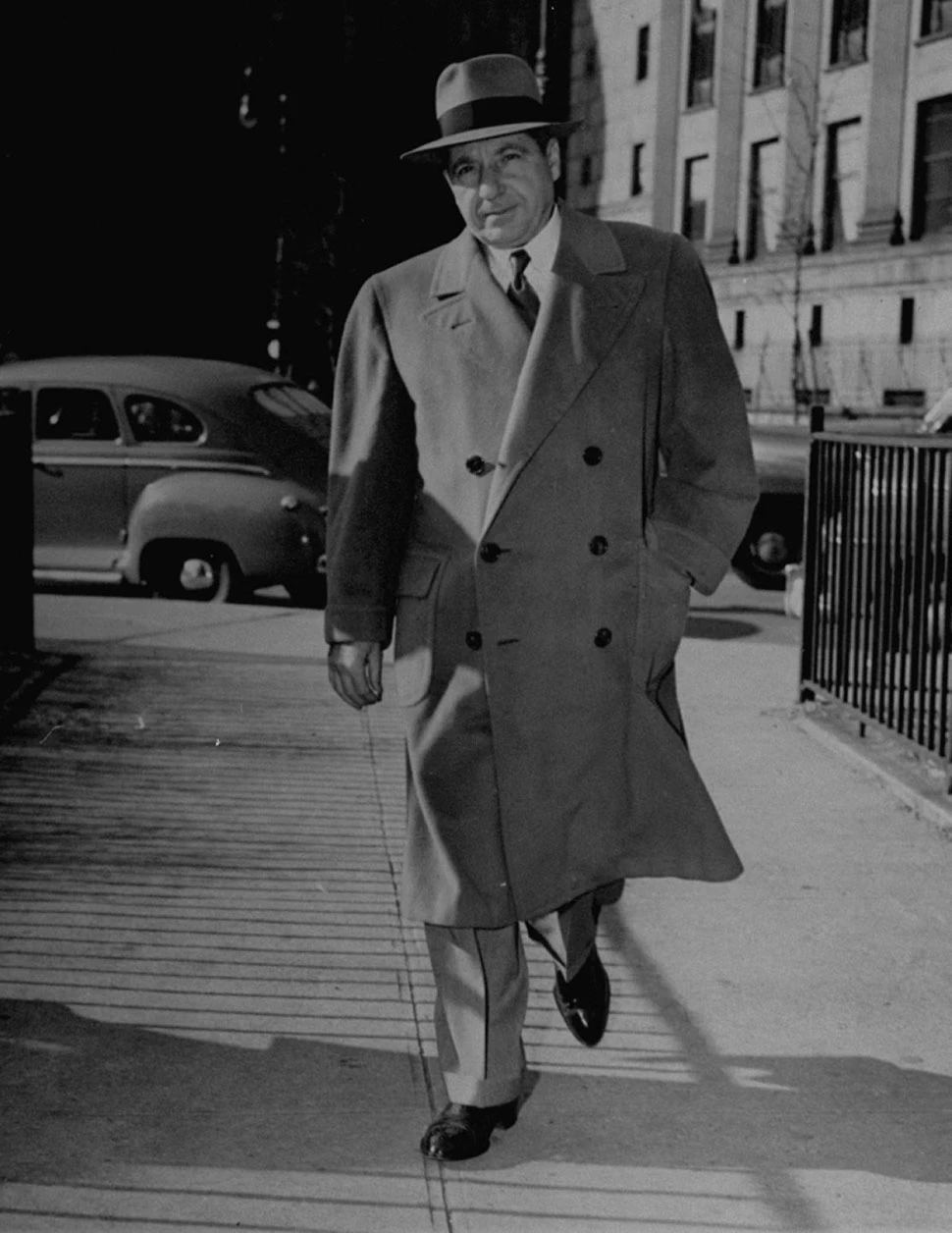
Realizing the lucrative nature of this business, Diamond moved on to larger-scale plunder, organizing truck robberies and opening bootleg liquor stands. But it was the contract killing of notorious gangster Nathan Kaplan that helped him cement his status in the criminal underworld, placing him alongside such notorious figures as Lucky Luciano and Dutch Schultz, who later crossed his path. Although feared, Diamond himself became a target several times, earning the nicknames "Skeet" and "The Unkillable Man" for his ability to escape unscathed. But his luck ran out, and in 1931, he was shot to death. Diamond's killer was never found.
Jack Diamond
Born in Philadelphia in 1897, Jack "Legs" Diamond was a prominent figure during the Prohibition era and the organized crime that raged across the United States. Earning the nickname "Legs" for his quick escapes and extravagant dance moves, Diamond also became known for being far from the passive gangster on the scene, engaging in extreme violence and murder. Better known for his criminal escapades in New York City, Diamond was known for his liquor smuggling operations in and around the city. 
Finding this extremely profitable, Diamond moved on to bigger and better things, eventually organizing truck robberies and owning high-profile establishments across the country. However, it was his assassination of notorious mob boss Nathan Kaplan that truly elevated his criminal status, aligning him with big shots like Lucky Luciano and Dutch Schultz, who, incidentally, later became a huge thorn in his side. Although Diamond was a man to be feared, he was also a target on numerous occasions, earning various nicknames like "Clay Pigeon" and "The Man Who Can't Be Killed," referring to the fact that he always emerged unscathed. But luck ran out on Diamond, and he was shot to death in 1931, and the identity of the killer remains a mystery to this day.
John Gotti
Known for leading the notorious and virtually untouchable Gambino crime family in New York during the late 1980s and early 1990s, John Joseph Gotti Jr. became one of the most powerful men in the mafia. He grew up in poverty, one of thirteen children. He quickly became immersed in the criminal underworld, becoming a sidekick to local gangster and mentor Aniello Dellacroce. In 1980, Gotti's 12-year-old son, Frank, was crushed to death by neighbor and family friend John Favara. Although the incident was ruled an accident, Favara received numerous threats and was later attacked with a baseball bat. Several months later, Favara disappeared under mysterious circumstances, and his body remains missing. 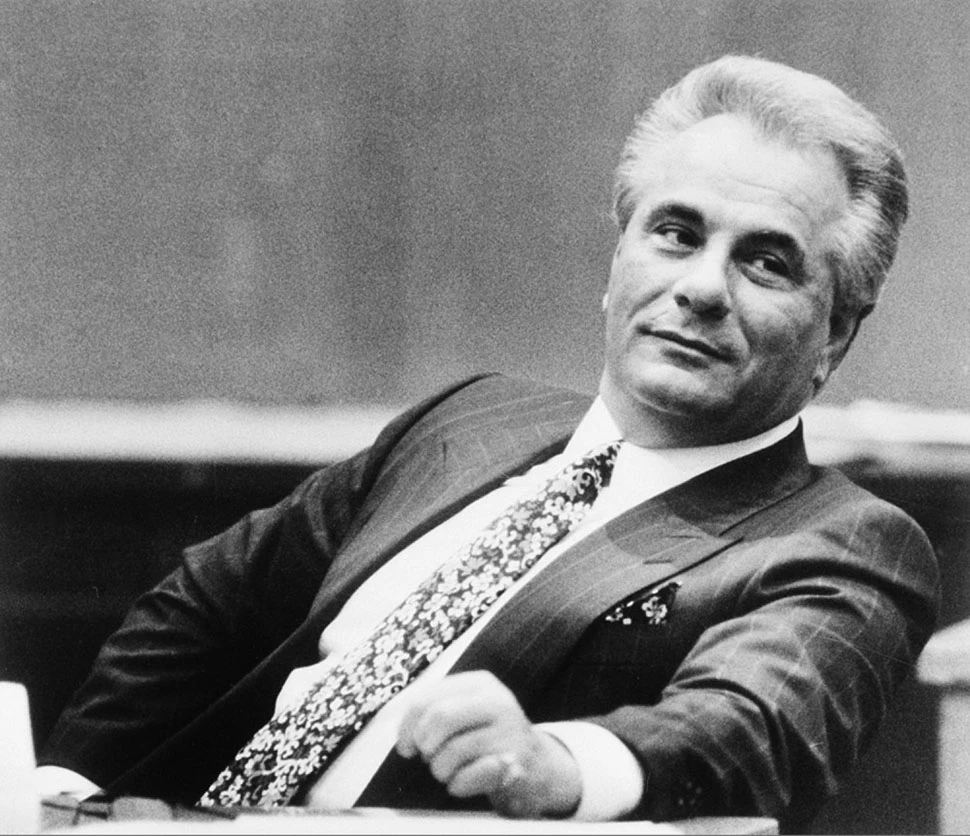
With his impeccable looks and stereotypical gangster style, Gotti quickly became a tabloid favorite, earning the nickname "The Teflon Don." He was in and out of prison, difficult to catch red-handed, and each time he ended up behind bars for short periods. However, in 1990, thanks to wiretaps and inside information, the FBI finally caught Gotti and charged him with murder and extortion. Gotti died in prison in 2002 from laryngeal cancer, and by the end of his life, he bore little resemblance to the Teflon Don who constantly appeared in the tabloids.
Frank Sinatra
Yes, Sinatra himself was once an alleged accomplice of gangster Sam Giancana and even the ubiquitous Lucky Luciano. He once stated, "If it weren't for my interest in music, I probably would have ended up in the criminal underworld." Sinatra was exposed as a mob figure when his participation in the so-called Havana Conference—a mob meeting in 1946—was revealed. Newspaper headlines screamed, "Shame on Sinatra!" Sinatra's double life became known not only to the press but also to the FBI, which had been monitoring the singer since the beginning of his career. His personal file contained 2,403 pages of information on his involvement with the mob. 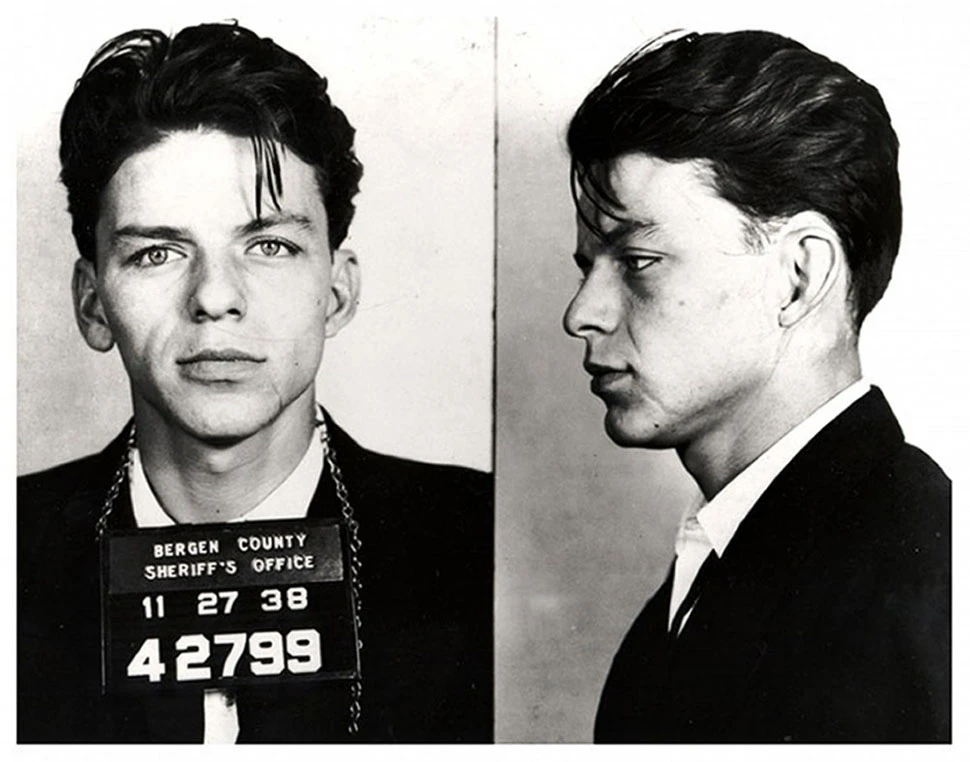
The public was most intrigued by his connection to John F. Kennedy before he became president. Sinatra allegedly used his contacts in the criminal underworld to help the future leader in his presidential campaign. The mafia lost faith in Sinatra because of his friendship with Robert Kennedy, who was fighting organized crime, and Giancana turned his back on the singer. The FBI then calmed down somewhat. Despite clear evidence and information linking Sinatra to such major mafia figures, the singer himself often denied any ties to gangsters, calling such claims lies.
Mickey Cohen
Myer Harris Cohen, nicknamed "Mickey," was a thorn in the side of the LAPD for years. He had a hand in all branches of organized crime in Los Angeles and several other states. Cohen was born in New York City but moved to Los Angeles with his family when he was six years old. After a promising career in boxing, Cohen abandoned the sport to pursue a life of crime, ending up in Chicago, where he worked for the infamous Al Capone. 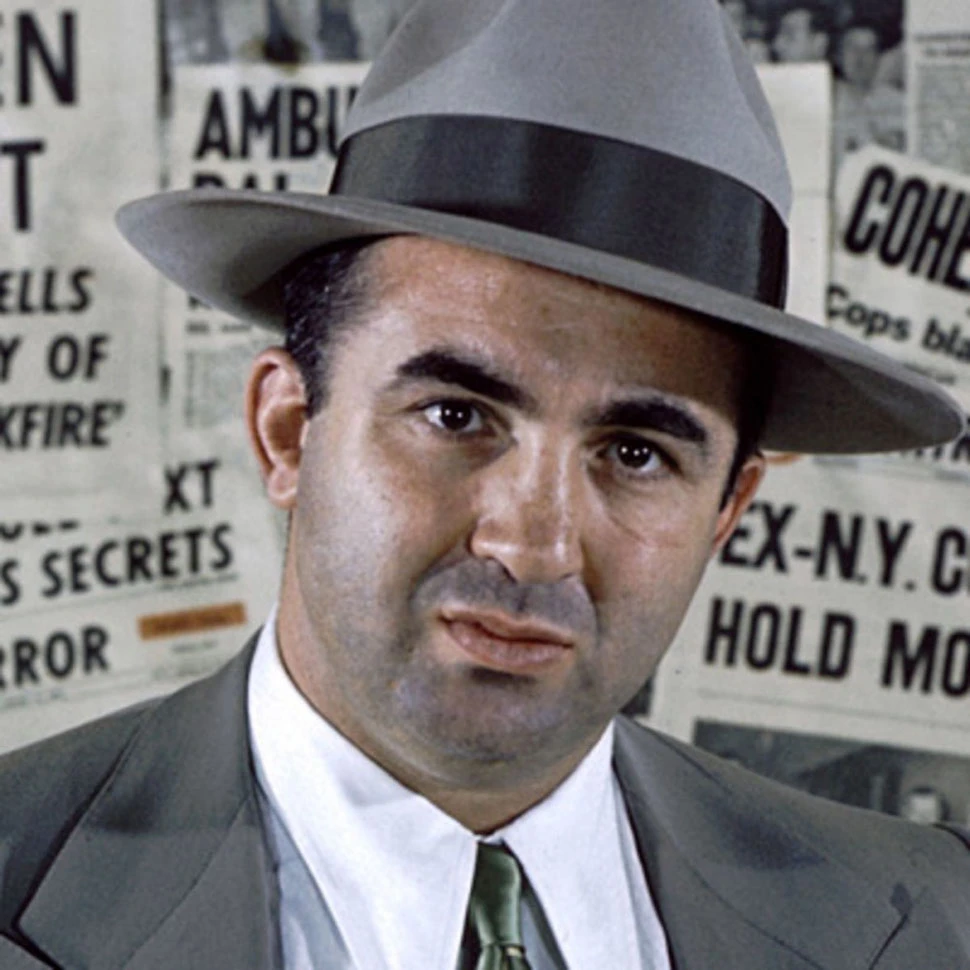
After several successful years during the Prohibition era, Cohen was sent to Los Angeles under the protection of notorious Las Vegas gangster Bugsy Siegel. Siegel's murder touched a raw nerve in the sensitive Cohen, and police began to notice the brutal and hot-tempered gangster. After several assassination attempts, Cohen transformed his home into a fortress, installing alarm systems, floodlights, and bulletproof gates, and hiring Johnny Stompanato, who was then dating Hollywood actress Lana Turner, as a bodyguard.
In 1961, when Cohen was still influential, he was convicted of tax evasion and sent to the notorious Alcatraz prison. He became the only inmate ever released on bail. Despite numerous assassination attempts and a constant manhunt, Cohen died in his sleep at the age of 62.
Henry Hill
Henry Hill inspired one of the best mob films, Goodfellas. It was he who said, "As far back as I can remember, I always wanted to be a gangster." Hill was born in New York City in 1943 to an honest, hard-working family with no mafia connections. However, as a youth, he joined the Lucchese clan due to the high number of mobsters in his area. He quickly rose through the ranks, but because he was of both Irish and Italian descent, he was unable to achieve a high position. 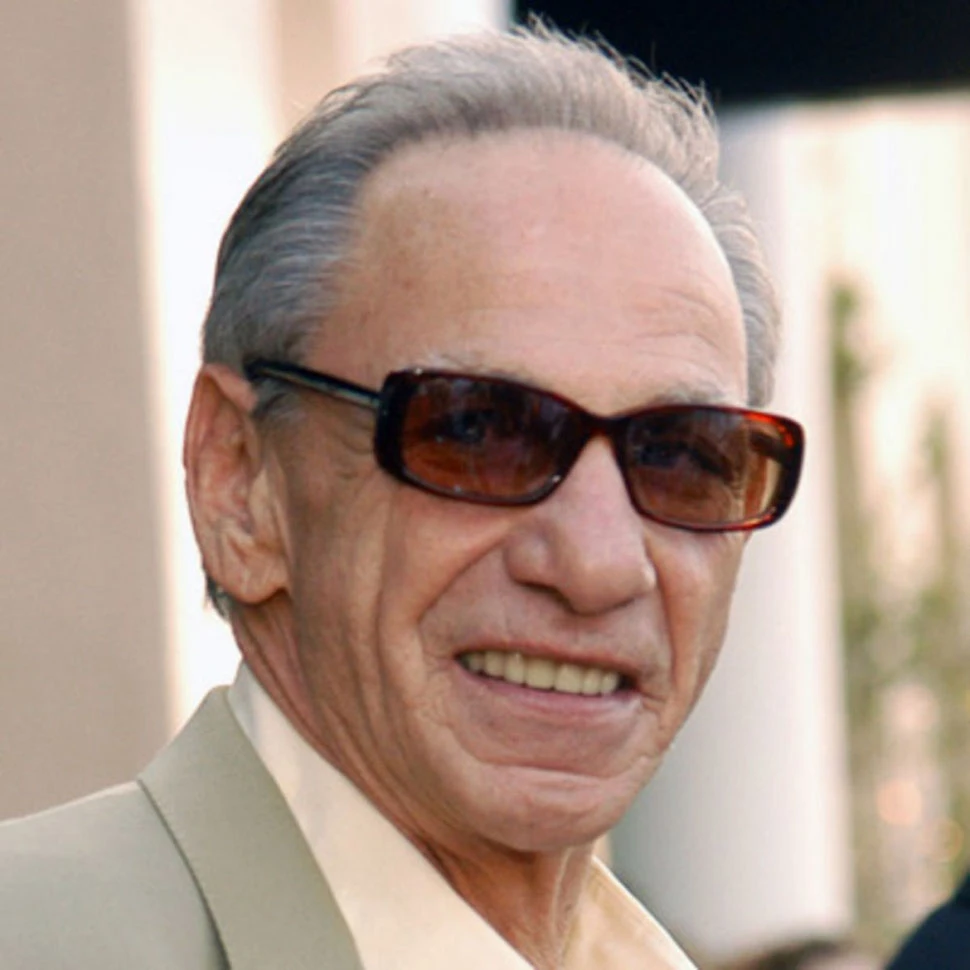
Hill was arrested for beating a gambler who refused to pay his losses and sentenced to ten years in prison. It was then that he realized that the lifestyle he had lived outside was essentially the same as behind bars, and he was constantly receiving preferential treatment. After his release, Hill became a serious drug dealer, which led to his arrest. He turned in his entire gang and brought down several very influential gangsters. He entered the federal witness protection program in 1980, but two years later, he blew his cover, and the program was terminated. Despite this, he managed to live to the age of 69. Hill died in 2012 from heart problems.
James Bulger
Another Alcatraz veteran was James "Whitey" Bulger. He earned this nickname because of his silky blond hair. Bulger grew up in Boston and caused trouble for his parents from the very beginning, running away from home several times and even joining a traveling circus. His first arrest occurred at age 14, but that didn't stop him, and by the late 1970s, he had entered the criminal underground. 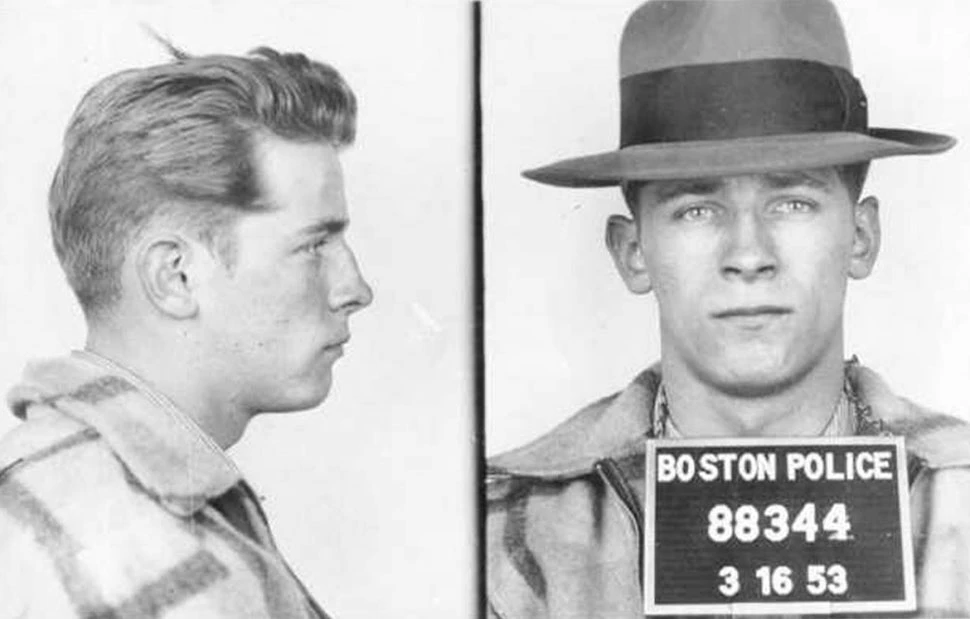
Bulger worked for a mafia family, but he also served as an FBI informant, providing police with information about the activities of the once-notorious Patriarca family. As Bulger expanded his own criminal network, the police began to focus more on him personally than on the information he provided. Ultimately, Bulger was forced to flee Boston and found himself on the FBI's most wanted list for fifteen years.
Bulger was captured in 2011 and charged with multiple crimes, including 19 murders, money laundering, extortion, and drug trafficking. After a two-month trial, the notorious gang leader was found guilty and sentenced to two life sentences plus five years in prison, and Boston could finally sleep soundly.
Bugsy Siegel
Known for his Las Vegas casinos and criminal empire, Benjamin Siegelbaum, known in the criminal world as Bugsy Siegel, is one of the most notorious gangsters in modern history. Starting out in a mediocre Brooklyn gang, young Bugsy met another aspiring mobster, Meyer Lansky, and formed Murder Inc., a gang specializing in contract killings. It included gangsters of Jewish descent. 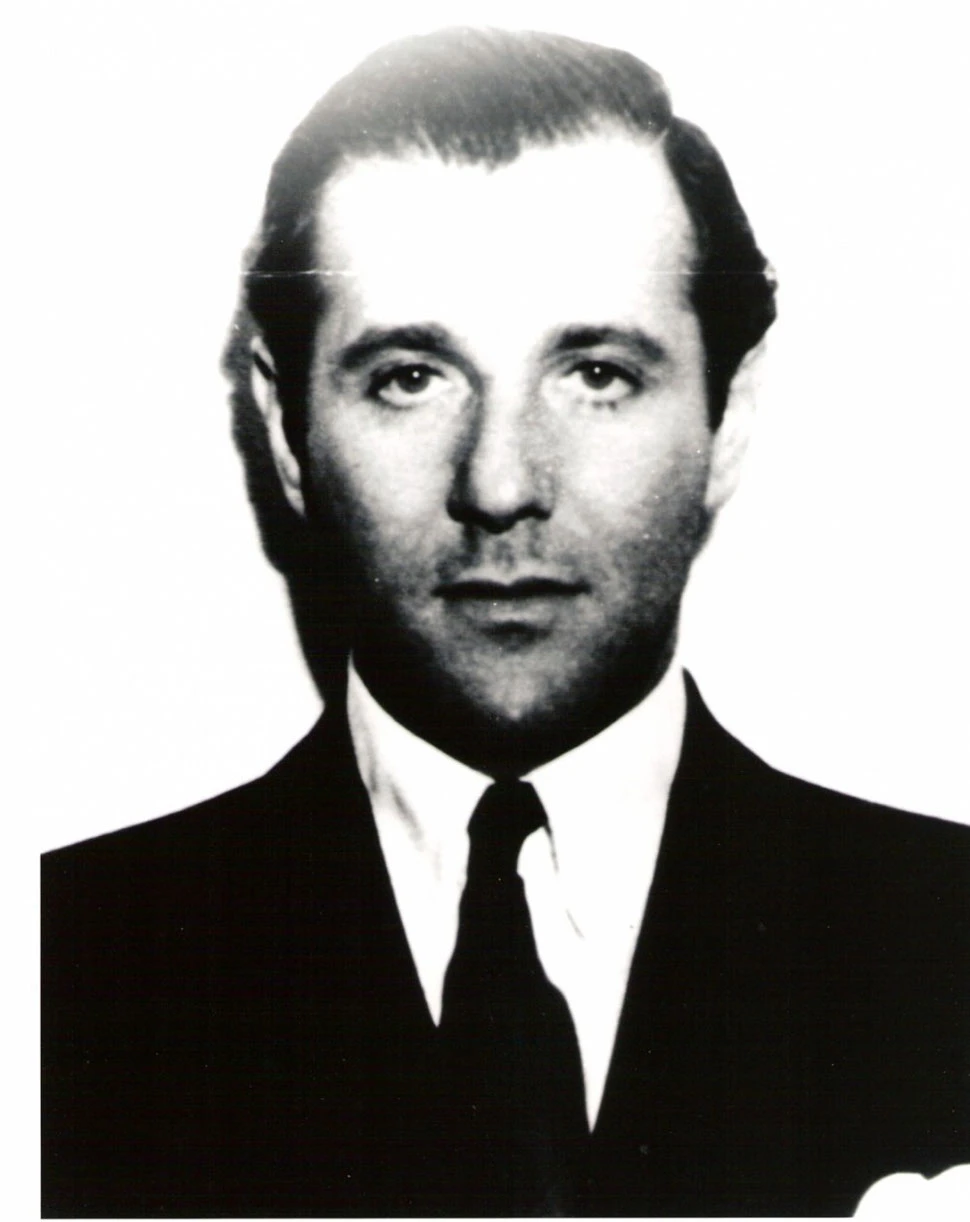
Becoming increasingly notorious in the criminal underworld, Siegel sought to kill veteran New York gangsters and even had a hand in the assassination of Joe "The Boss" Masseria. After several years of smuggling and shootouts on the West Coast, Siegel began earning large sums and made connections in Hollywood. He became a true star thanks to his Flamingo Hotel in Las Vegas. The $1.5 million project was financed by gangsters' coffers, but construction went significantly over budget. Siegel's old friend and partner, Lansky, believed Siegel was embezzling funds and partially investing in legitimate businesses. He was brutally murdered in his own home, riddled with bullets, and Lansky quickly took over the Flamingo Hotel, denying any involvement in the murder.
Vito Genovese
Vito Genovese, known as Don Vito, was an Italian-American gangster who rose to prominence during Prohibition and the years that followed. Also known as the Boss of Bosses, he led the infamous Genovese crime family. He is famous for making heroin a popular drug. 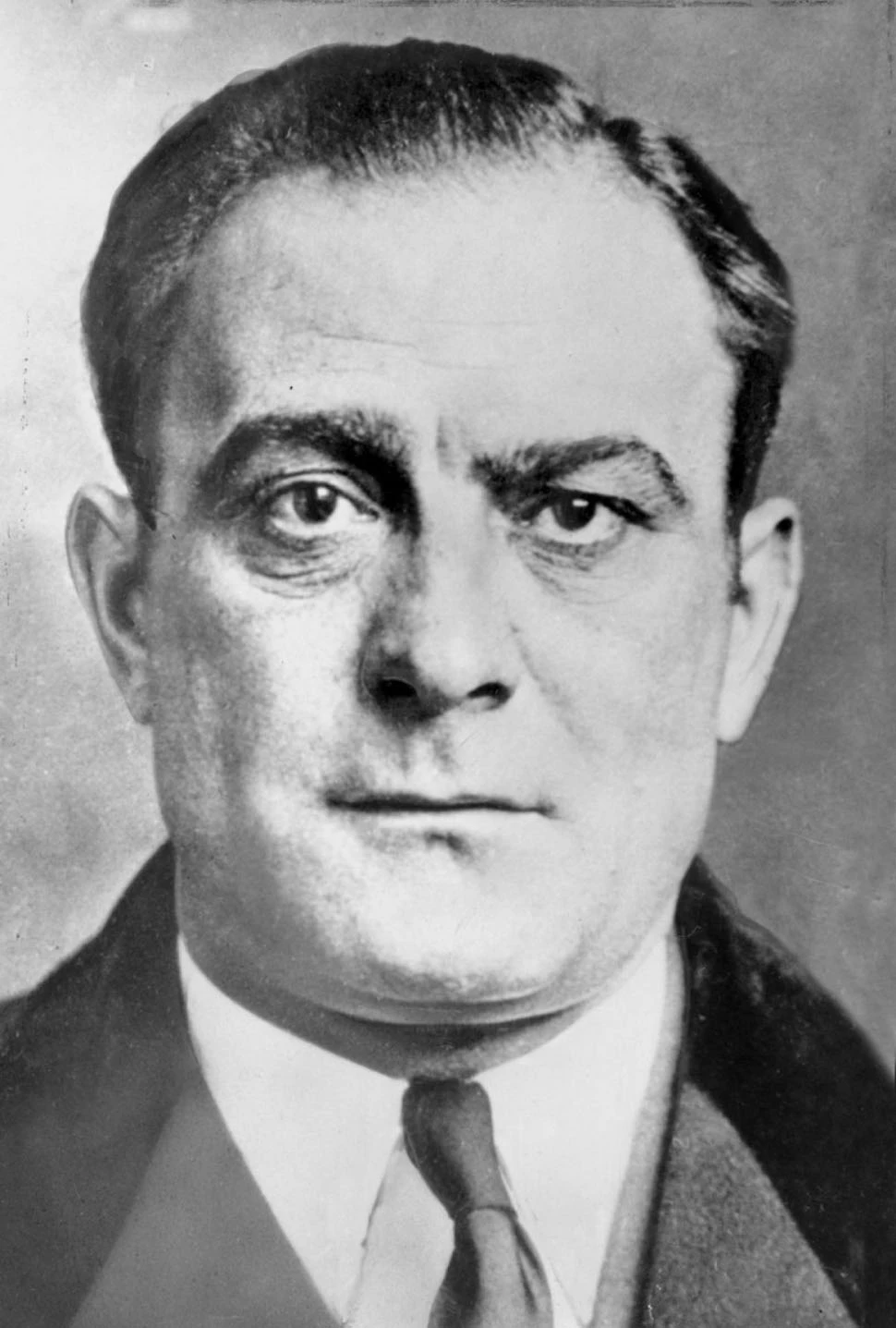
Genovese was born in Italy and moved to New York City in 1913. Quickly integrating into criminal circles, Genovese soon met "Lucky Luciano," and together they eliminated a rival, gangster Salvatore Maranzano. Fleeing the police, Genovese returned to his native Italy, where he remained until the end of World War II, befriending Benito Mussolini himself. Upon his return, he immediately resumed his old lifestyle, seizing power in the criminal underworld and once again becoming a feared figure. In 1959, he was accused of drug trafficking and sentenced to 15 years in prison. In 1969, Genovese died of a heart attack at the age of 71.
Lucky Luciano
Charles "Lucky" Luciano was repeatedly implicated in criminal adventures with other gangsters. Luciano earned his nickname after surviving a serious stab wound. He is considered the founder of the modern mafia. During his mafia career, he orchestrated the murders of two major bosses and created a completely new operating principle for organized crime. He played a role in the creation of New York's infamous Five Families and a national crime syndicate. 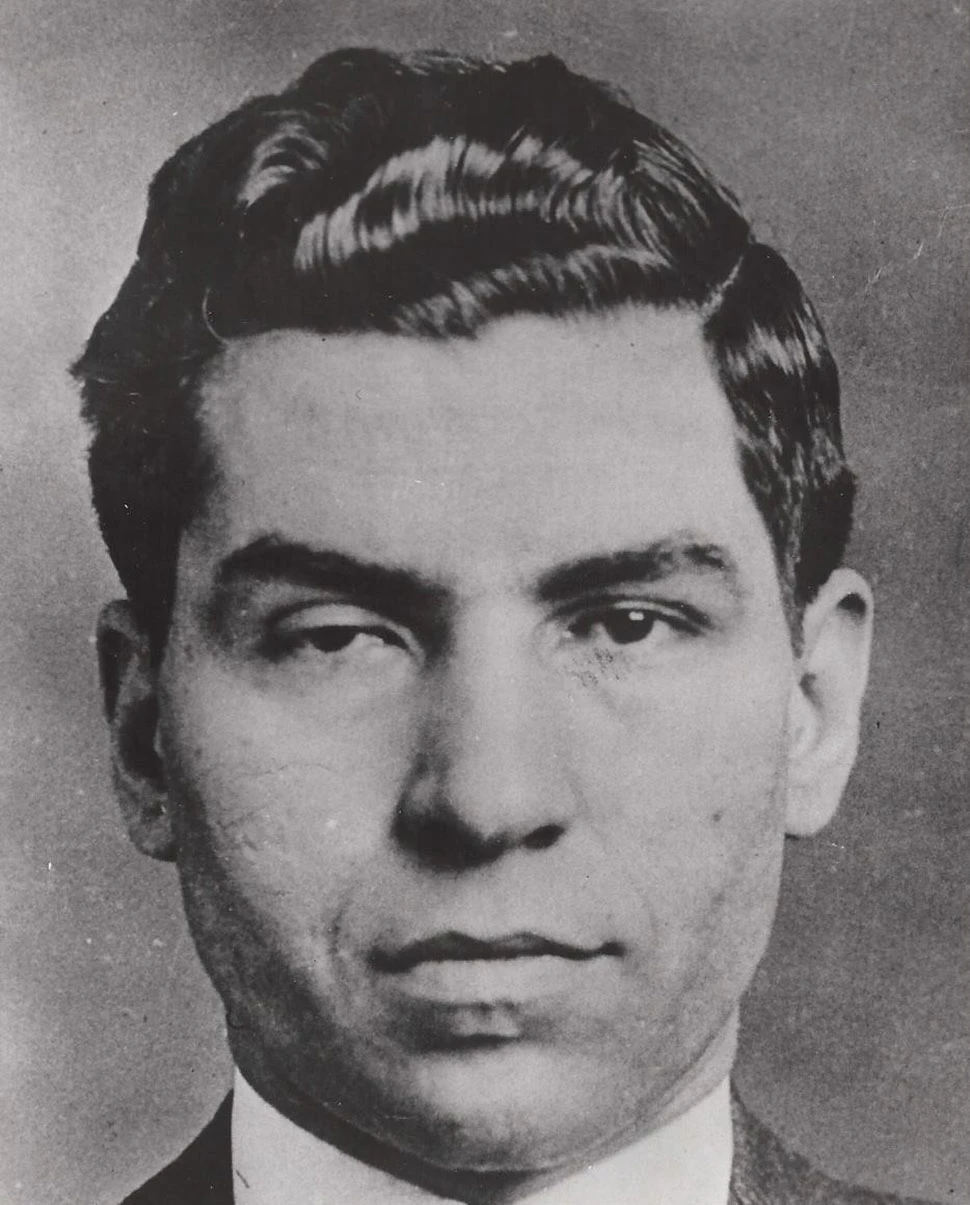
Having lived a social life for quite some time, Lucky became a popular figure among the public and the police. Maintaining a stylish image, Lucky attracted attention, eventually being charged with organizing prostitution. After being imprisoned, he continued to conduct business both outside and inside the prison system. It is believed he even had his own chef. After his release, he was deported to Italy but settled in Havana. Under pressure from the US authorities, the Cuban government was forced to get rid of him, and Lucky left for Italy permanently. He died of a heart attack in 1962 at the age of 64.
Maria Licciardi
While the mafia world is predominantly a man's world, it's not as if there were no women among the mafiosi. Maria Licciardi, born in Italy in 1951, led the Licciardi clan, a notorious Camorra, Neapolitan criminal organization. Nicknamed "The Godmother," Licciardi remains well-known in Italy, and much of her family is connected to the Neapolitan mafia. Licciardi specialized in drug trafficking and racketeering. She took over the clan after two of her brothers and her husband were arrested. Although many were dissatisfied with her position as the first female head of a mafia clan, she managed to quell unrest and successfully unite several city clans, expanding the drug trade. 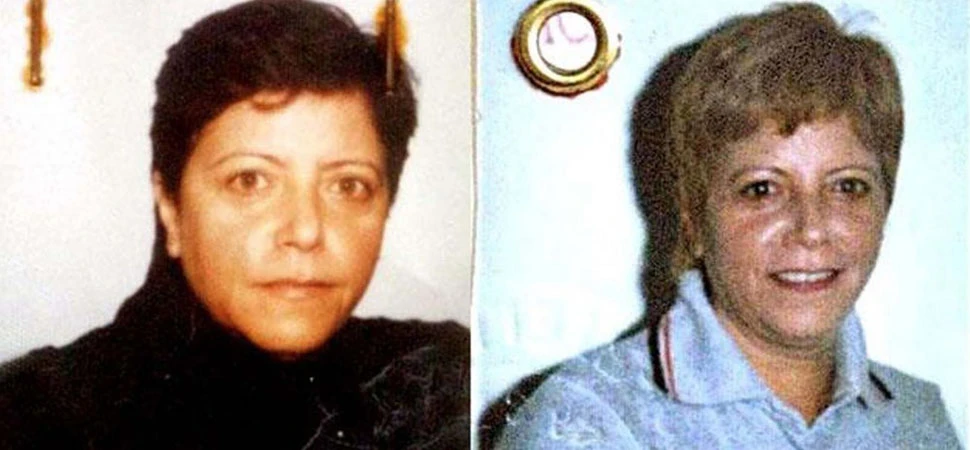
In addition to her drug trafficking activities, Licciardi is also known for her human trafficking. She exploited underage girls from neighboring countries, such as Albania, forcing them to work as prostitutes, thus violating the long-standing Neapolitan mafia code of honor, which forbade profit from prostitution. After a heroin deal went bad, Licciardi was placed on the most wanted list and arrested in 2001. She is currently behind bars, but rumor has it that Maria Licciardi continues to lead the clan, which shows no signs of slowing down.
Frank Nitti
Known as the face of Al Capone's Chicago crime syndicate, Frank Nitti, nicknamed "The Bouncer," became the number one man in the Italian-American mafia after Capone was incarcerated. Nitti was born in Italy and came to the United States when he was just seven years old. It wasn't long before he started getting into trouble, attracting the attention of Al Capone. Nitti quickly prospered in his criminal empire. 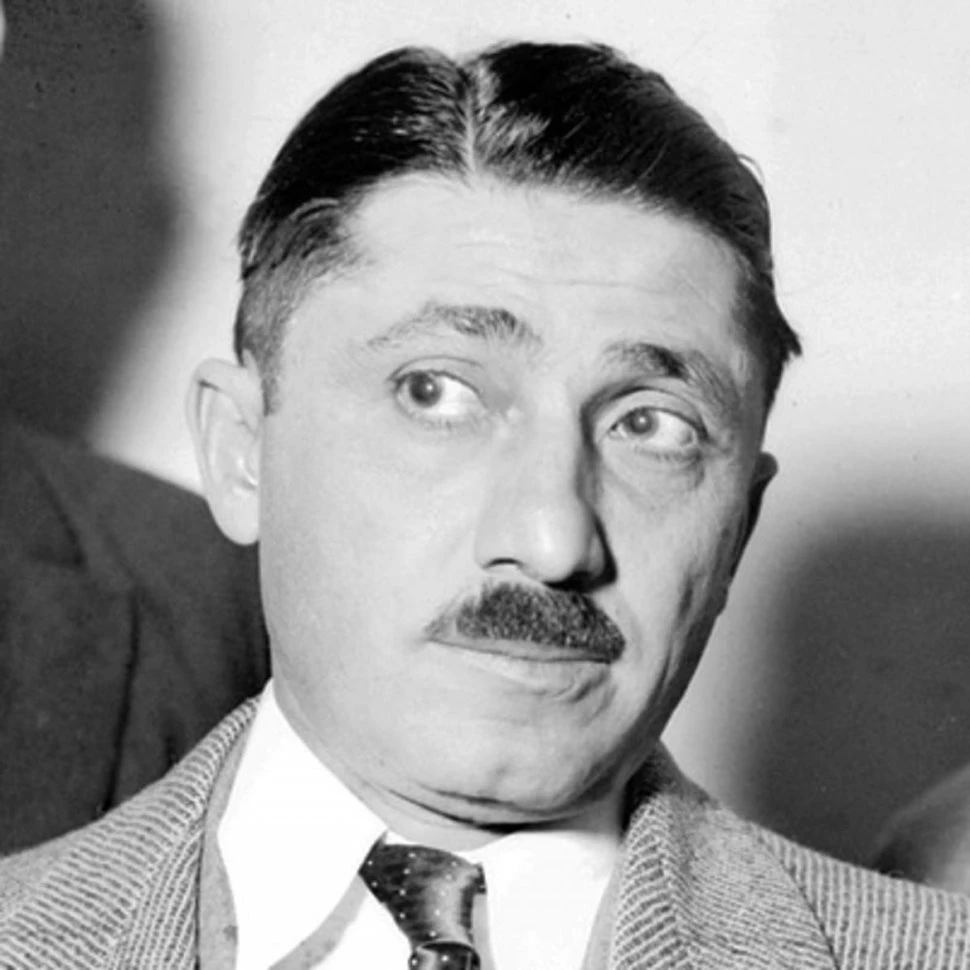
As a reward for his impressive success during Prohibition, Nitti became one of Al Capone's closest associates and solidified his position in the Chicago crime syndicate, also known as the Chicago Outfit. Although nicknamed "The Bouncer," Nitti delegated tasks rather than cracked bones himself, and often orchestrated multiple approaches during raids and hits. In 1931, Nitti and Capone were sent to prison for tax evasion, where Nitti suffered from terrible bouts of claustrophobia that haunted him for the rest of his life.
Upon his release, Nitti became the new leader of the Chicago Outfit, surviving assassination attempts by rival mafia groups and even the police. When things got really bad and Nitti realized he was going to be arrested, he shot himself in the head to avoid ever suffering from claustrophobia again.
Sam Giancana
Another respected gangster in the underworld was Sam Giancana, nicknamed "Mooney," who was once the most powerful gangster in Chicago. Starting out as a driver for Al Capone's inner circle, Giancana quickly worked his way up, establishing connections with several politicians, including the Kennedy clan. Giancana was even called to testify in the CIA's assassination attempt on Cuban leader Fidel Castro. Giancana was believed to have key information. 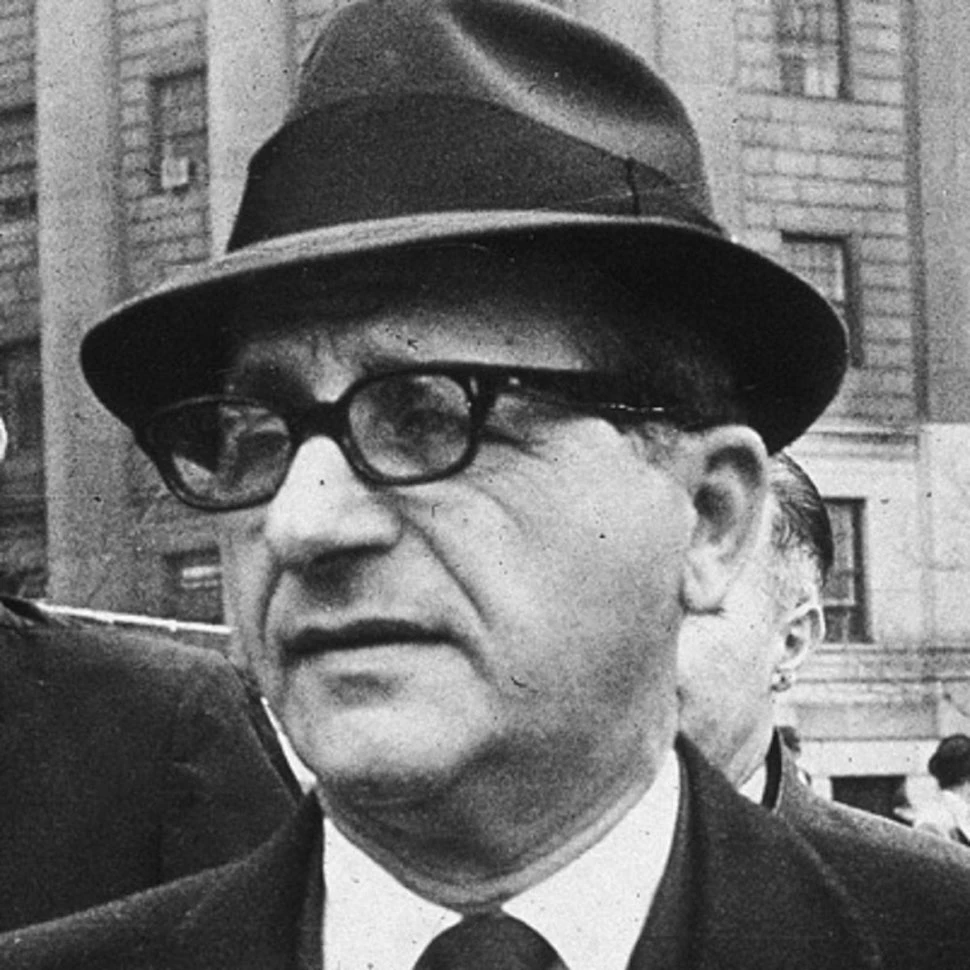
Not only did Giancana's name figure in the case, but rumors also circulated that the Mafia had made a significant contribution to John F. Kennedy's campaign, including ballot stuffing in Chicago. Giancana's connection to Kennedy was increasingly discussed, with many believing Frank Sinatra was an intermediary to deflect federal suspicion.
Things soon deteriorated due to speculation that the Mafia had a hand in John F. Kennedy's assassination. After spending the rest of his life on the wanted list of the CIA and rival clans, Giancana was shot in the back of the head while cooking in his basement. Numerous theories were circulated, but the perpetrator was never found.
Meer Lansky
Just as influential as Lucky Luciano, if not more so, Meyer Lansky, whose real name was Meyer Sukhomlyansky, was born in Grodno. Moving to America at a young age, Lansky learned the ropes of the street, fighting for money. Not only could Lansky hold his own, but he was also exceptionally intelligent. Having become an integral part of the emerging world of American organized crime, Lansky was at one point one of the most influential men in the United States, if not the world, with dealings in Cuba and several other countries. 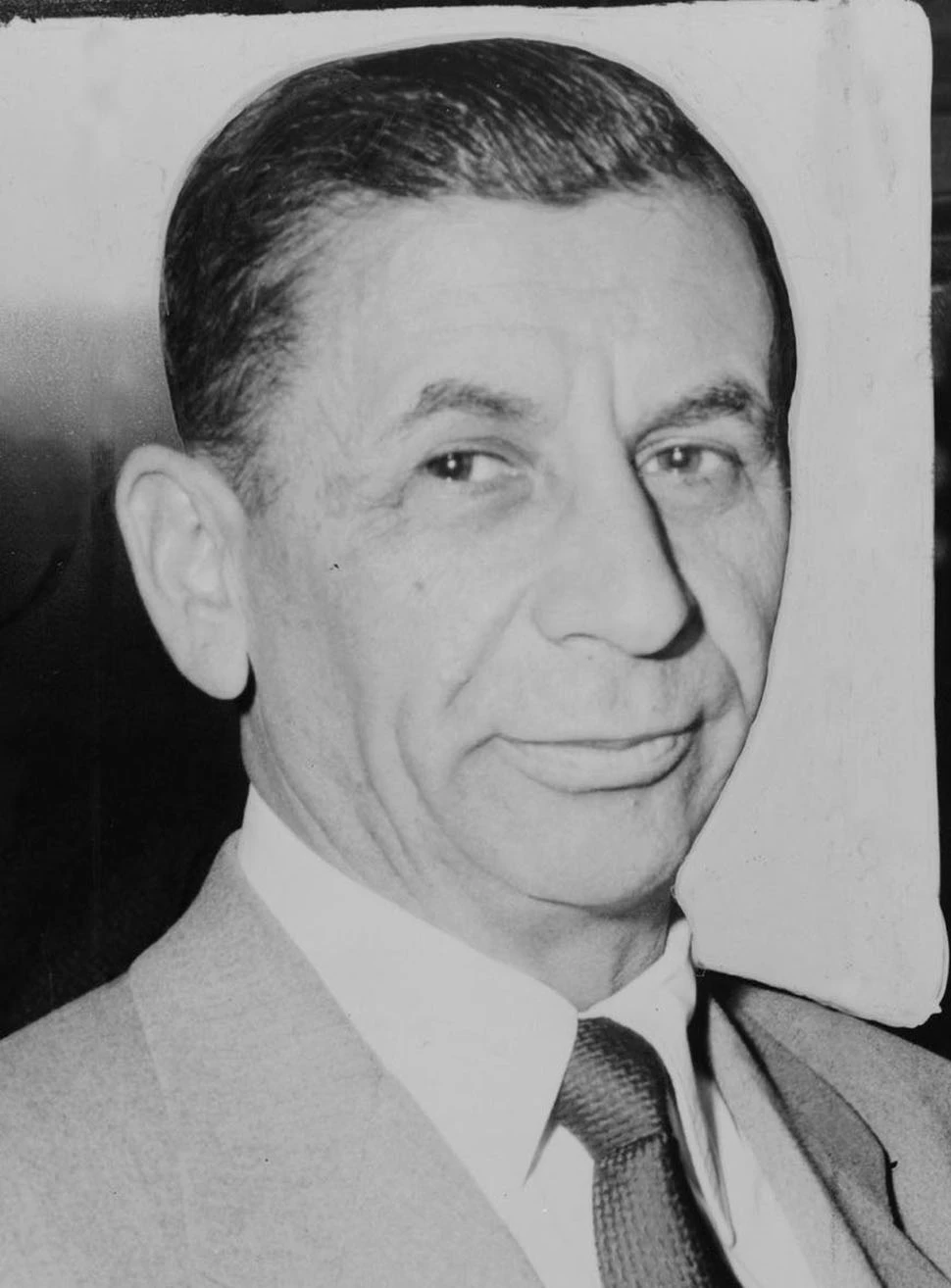
Lansky, who befriended such high-ranking mobsters as Bugsy Siegel and Lucky Luciano, was both feared and respected. He was a major player in the liquor smuggling market during Prohibition, running a very profitable business. When business improved beyond expectations, Lansky became nervous and decided to retire, emigrating to Israel. However, two years later, he was deported back to the United States, but he still managed to avoid prison, dying of lung cancer at the age of 80.
Al Capone
Alfonso Gabriel Capone, nicknamed "The Great Al," needs no introduction. Arguably the most famous gangster in history, he is known throughout the world. Capone came from a respected and prosperous family. At 14, he was expelled from school for hitting a teacher, and he decided to take a different path, plunging into the world of organized crime. 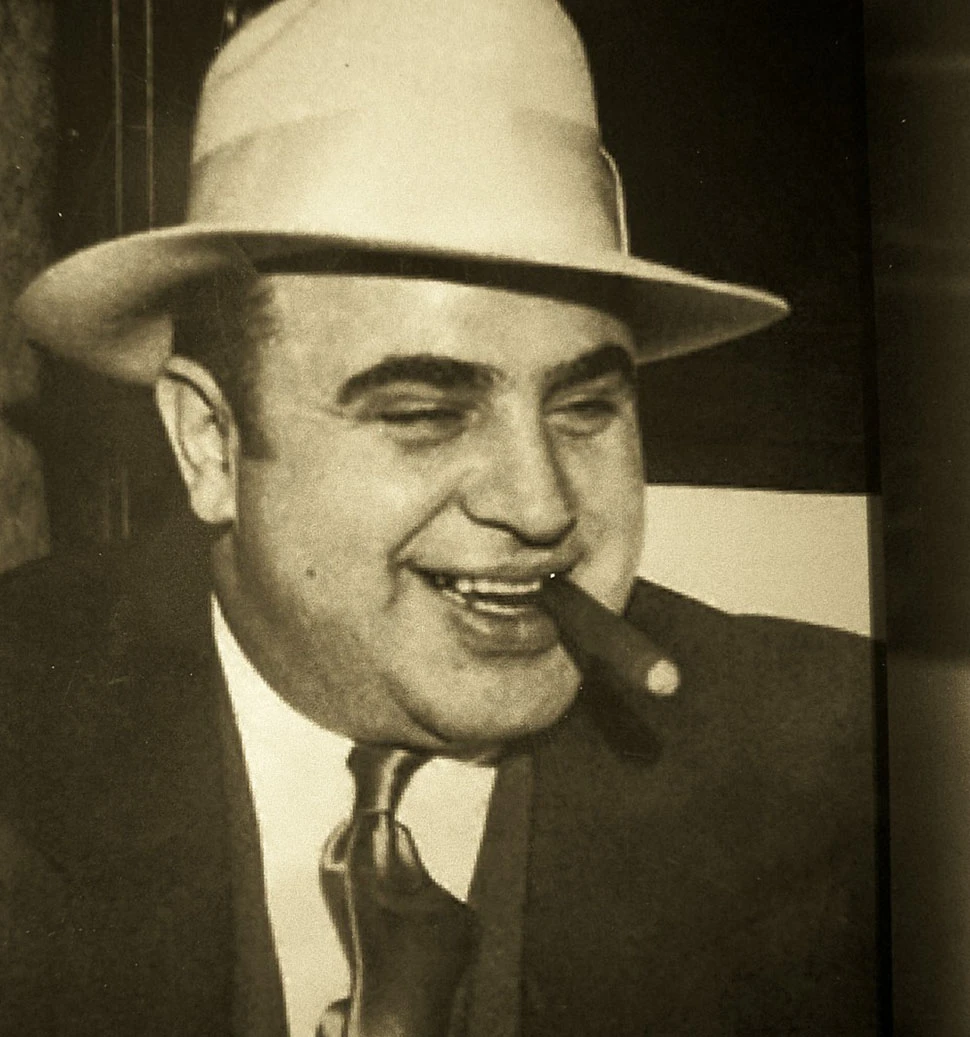
Under the influence of gangster Johnny Torrio, Capone began his rise to notoriety. He earned the scar that earned him the nickname Scarface. Engaging in everything from bootlegging alcohol to murder, Capone remained invulnerable to the police, free to move and do as he pleased.
The game ended when Al Capone's name became implicated in a brutal mass murder known as the St. Valentine's Day Massacre. Several gangsters from rival gangs were killed in the massacre. Police couldn't pin the crime on Capone himself, but they had other ideas: he was arrested for tax evasion and sentenced to eleven years in prison. Later, when the gangster's health deteriorated significantly due to illness, he was released on bail. He died of a heart attack in 1947, but the criminal world was changed forever.
Add your comment
You might be interested in:














Persistence in achieving a goal

A biker prevented a hit-and-run driver from escaping
17 Photos That Will Stop You in Your Tracks (18 Photos)

Not everyone is having fun on the amusement ride

The cutest lunch delivery ever

Stunning Views of the Martian Horizon from 400 Kilometers

A book titled "A Guide to Rebuilding

Young women, Dancing and George Michael: nothing superfluous

An apology delivered with a running start
