The Story of "Crazy Jenny" - a Fashion Model and the Most Beautiful Nazi Criminal (8 photos)
Jenny-Wanda Barkmann, the youngest guard at the Stutthof concentration camp, became notorious for her incredible cruelty. It's hard to believe that beneath the guise of a sweet student lurked a bloodthirsty monster. Prisoners nicknamed her "Mad Jenny" and "The Beautiful Ghost" and cursed her long after her death. 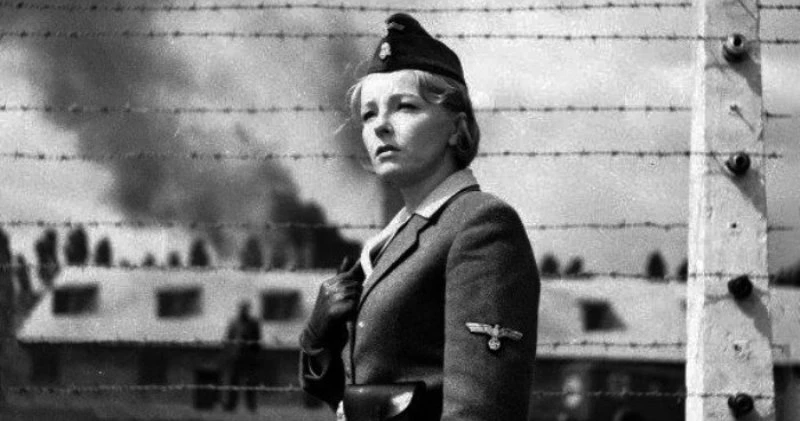
Very little is known about Jenny-Wanda Barkmann's life. She was born on May 22, 1922, in Hamburg to a poor German family. Her father was a simple dockworker, and her mother a housewife. As a child, Jenny was no different from her peers—she played with dolls and dreamed of becoming an actress. 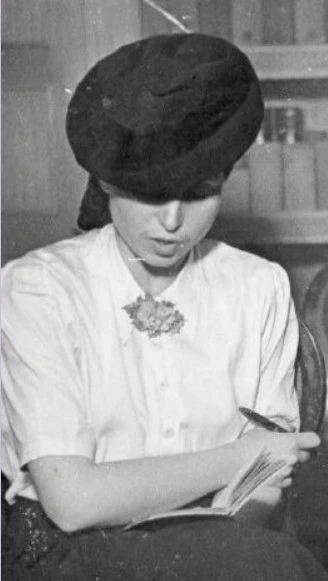
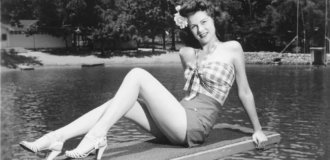
After school, the girl, blessed with a very attractive appearance, began a career as a fashion model. The outbreak of war did not change her plans, and Barkmann successfully posed for German magazines and advertisements. But in early 1944, something happened in the beauty's life. Jenny unexpectedly quit her modeling job and took a job as a guard at the Stutthof concentration camp, located near Danzig.
It's unclear exactly what prompted the 21-year-old woman to take a job in this hell. Perhaps she was attracted by the high salaries of the guards and the opportunity for career advancement. Or perhaps Barkmann's desire for power over others awakened within her. Either way, Jenny successfully passed the interview and was hired as a guard.
The Devil with the Face of an Angel
From her very first days on the job, the former model demonstrated a zeal for service and a particular cruelty. Stutthof's main inmates were Jewish and Polish women and children. Barkmann mercilessly beat prisoners and sent dozens of them to the gas chambers. Jenny displayed remarkable imagination in torturing her victims, sometimes shocking even her colleagues. 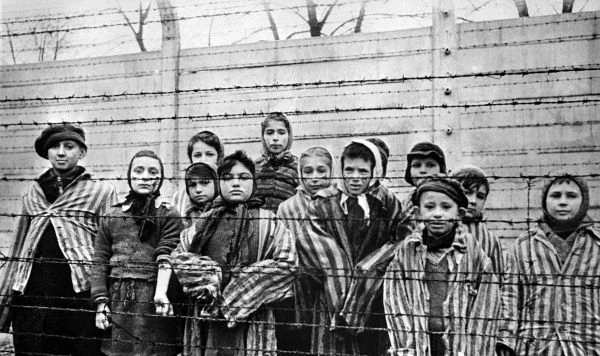
Prisoners of the Stutthof Concentration Camp
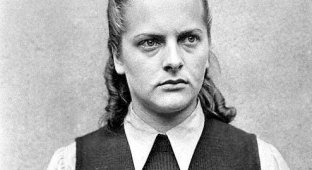
Outwardly, Warden Barkmann looked like a fragile, intelligent student, and this contrast made her even more terrifying. The exact number of "Crazy Jenny's" victims is unknown, but she is said to have been involved in the deaths of hundreds of prisoners and killed dozens more with her own hands. Such vigorous activity left the warden with no illusions, so in 1945, as soon as Soviet troops began to approach Stutthof, she fled.
Jenny-Wanda Barkmann became one of the most wanted Nazi war criminals. However, she managed to successfully evade justice for four months. Investigators were unable to determine where she spent this time or who assisted her. Fortunately, the concentration camp preserved the sadist's personal file with a photo, and prisoners remembered her well. Photos and a description of "Crazy Jenny" were sent throughout Europe, and she was soon captured.
Arrest of "Crazy Jenny"
Barkmann was captured by a military patrol at the Gdansk train station as she was preparing to leave Poland. During her first interrogation, Jenny stated that she had always treated Jews well and never abused prisoners. Moreover, she claimed to have secretly helped the unfortunate and even saved them from death. 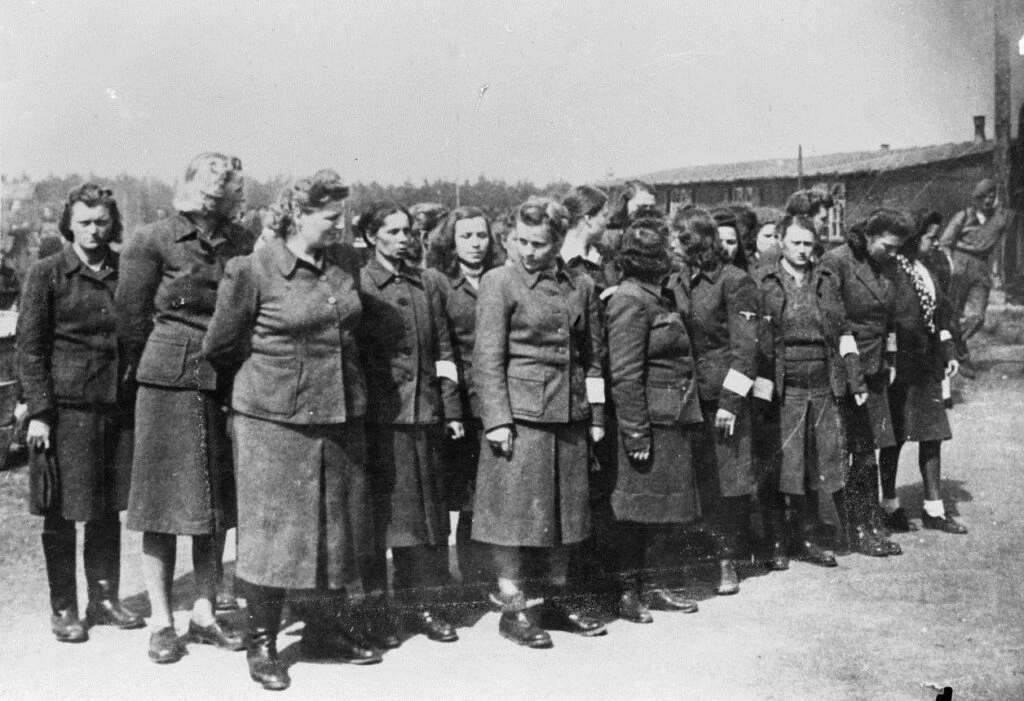
Arrested Wardens
The image of the Stutthof monster was completely at odds with the appearance and demeanor of the modest girl. Barkmann even managed to deceive one of the prison guards. Polish Army Corporal Jozef Las, a Jew, was so moved by the girl's stories that he began to sympathize with her.
The Nazi criminal begged Las to release her for just a few hours. According to the girl, this would have been enough time to gather evidence of her innocence. But the corporal saw Barkmann's case file, complete with horrific photographs of her victims, and avoided a fatal mistake. 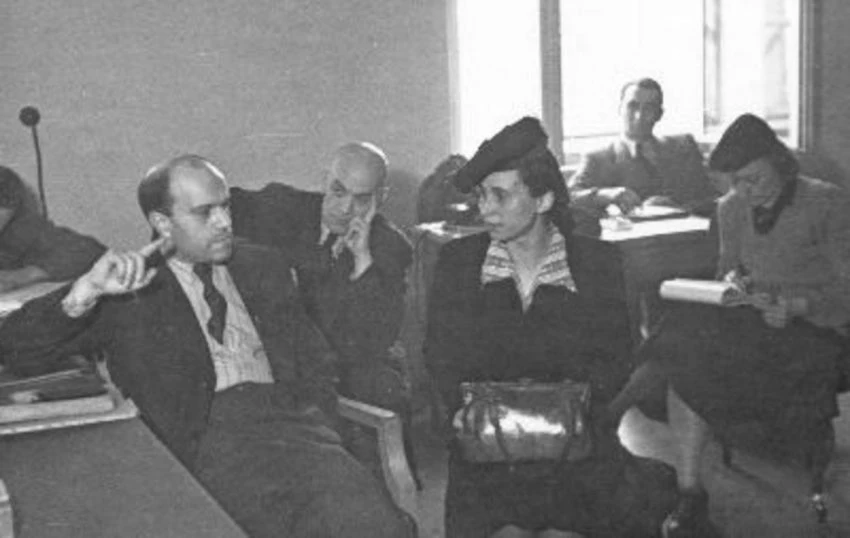
Jenny-Wanda Barkmann during interrogation
What he saw enraged Iosif Lyas, as his parents and many friends had died in German concentration camps. The corporal never spoke to Jenny again, and the villain's last chance for salvation vanished into thin air.
Trial and Just Punishment
Dozens of surviving Stutthof prisoners testified against Jenny Barkmann in court. Their accounts were corroborated by dozens of documents discovered in the camp's office. The lawyer tried to base his client's defense on her mental health, arguing that a normal person was incapable of the atrocities attributed to Barkmann. Especially since she had no reason to hate anyone. 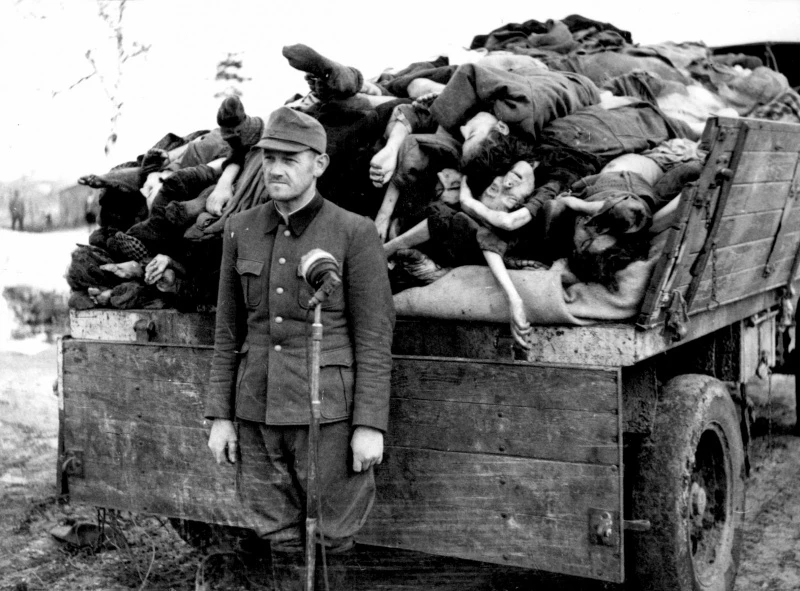
Victims of the Nazis
But Barkmann didn't seem insane. She responded to all her lawyer's arguments and the prosecutor's accusations with contemptuous laughter. When the death sentence was read, Jenny didn't cry or beg for mercy; she listened calmly. The criminal's final words in court were: "Life is truly a great pleasure, and pleasure, as a rule, doesn't last long."
Early in the morning of July 4, 1946, Barkmann, along with 10 other war criminals, was brought to the execution site at Biskupska Górka near Gdansk. More than 200,000 people gathered there to witness the death of the damned executioners. Many came from far and wide to witness the death of their tormentors and the executioners of their families and loved ones. Corporal Józef Las stood in the crowd of spectators. 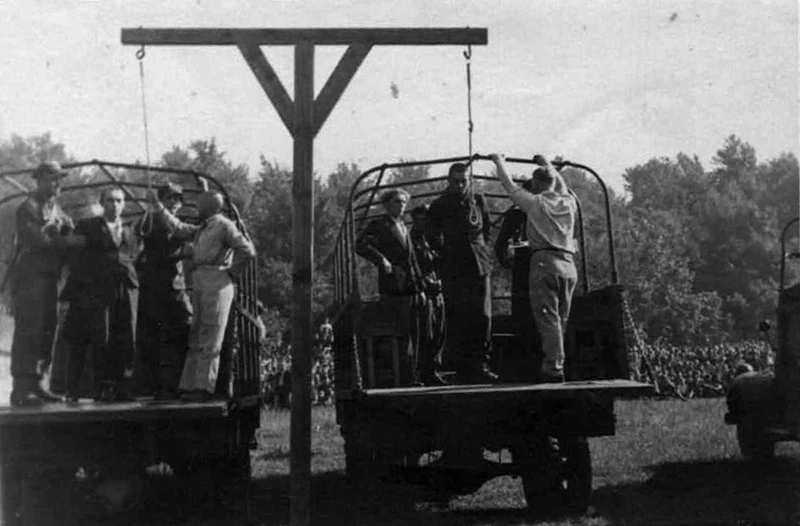
Execution of Nazi War Criminals in Poland
No one planned to handle the criminals in Gdansk like they did in Nuremberg. They didn't even bring in a professional executioner. The condemned were transported to the gallows in trucks, nooses were placed around their necks, and then the truck drove off. When Barkmann's turn came, the car wouldn't start. There was a delay, causing a murmur in the huge crowd. Then a former Stutthof prisoner ran up to the truck and simply pushed Jenny out of the back.
The Story of the Warden's Ashes
As soon as Barkmann died, dozens of people rushed to her dangling body. Everyone was desperate to get a button or a scrap of clothing from the executed woman as a souvenir. Considering what this woman had done, they couldn't be blamed. But even the death of "Mad Jenny" wasn't enough to atone for her horrific crimes. 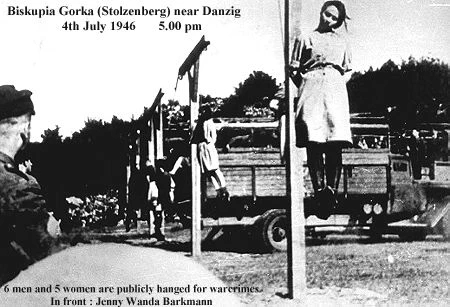
Barkmann's Body on the Gallows
After the warden's death, a story circulated about her shameful burial. Someone spread a rumor that Barkmann had been cremated and her ashes taken to Hamburg. There, it was allegedly dumped into the toilet of the apartment where this monster was born. Of course, this was just a story. At that time, no one would have bothered with the corpse of a villain, cremated it, and then transported the ashes somewhere.
Like the bodies of other executed people, Jenny's body was sent to the anatomical theater in Gdansk. There, they became visual aids for medical students, after which they were disposed of as biological waste. Thus, the dead scum at least brought some benefit to society.
The story of Jenny-Wanda Barkmann unwittingly echoes the fate of another infamous figure of the Nazi concentration camps—Ilse Koch, nicknamed the "Witch of Buchenwald." Jenny killed at Stutthof, striking with her composure and appearance, while Ilsa created "souvenirs" from the skins of her victims at Buchenwald. Their stories serve as a grim reminder of how ordinary people became embodiments of evil under the Nazi regime.