Burger - The History of the Dish That Conquered the World (11 photos)
July 27th is considered the birthday of the hamburger. The quintessential American sandwich owes its name to immigrants from Hamburg. However, to become the king of American, and then global, fast food, the German steak had to be convenient for eating on the go. 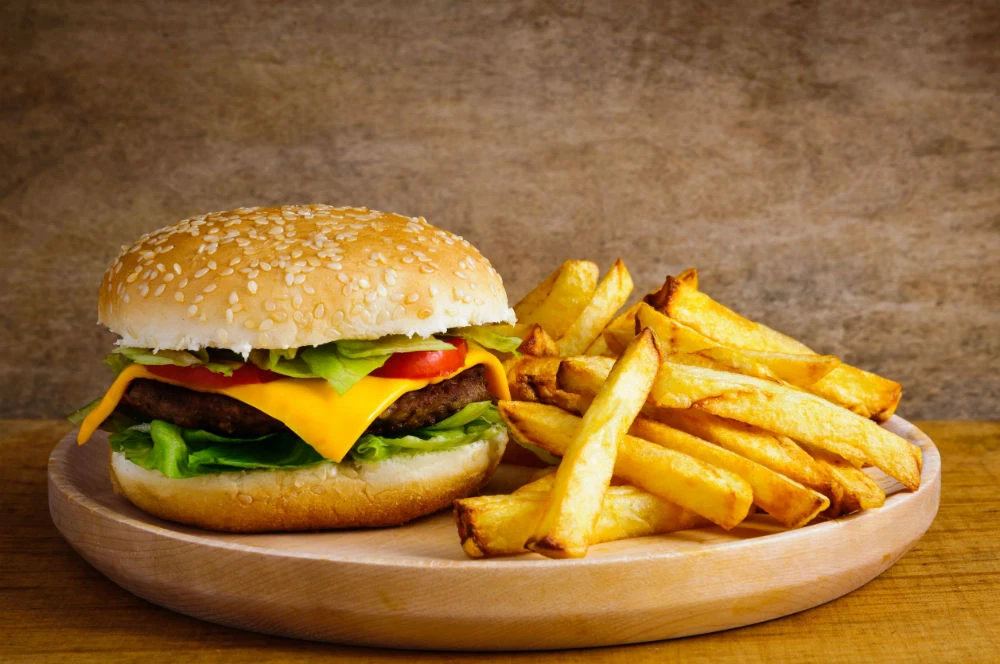
It's hard to believe now, but just over a hundred years ago, no one even suspected how delicious a dish consisting of a fried patty served between two buns could be. With its simplicity and flavor, this innovative culinary invention instantly gained wild popularity among people of all walks of life.
The dish's growing fame led to everyone wanting to be credited with its invention, one way or another. Many Americans, claiming to have made a fundamental contribution to the dish's creation, as well as chefs from other countries, laid claim to its origins. Ultimately, these attempts to claim a piece of the spotlight resulted in the hamburger becoming a dish with one of the most convoluted histories. We delved into historical archives and tried to discover who truly was the "father" of the burger. 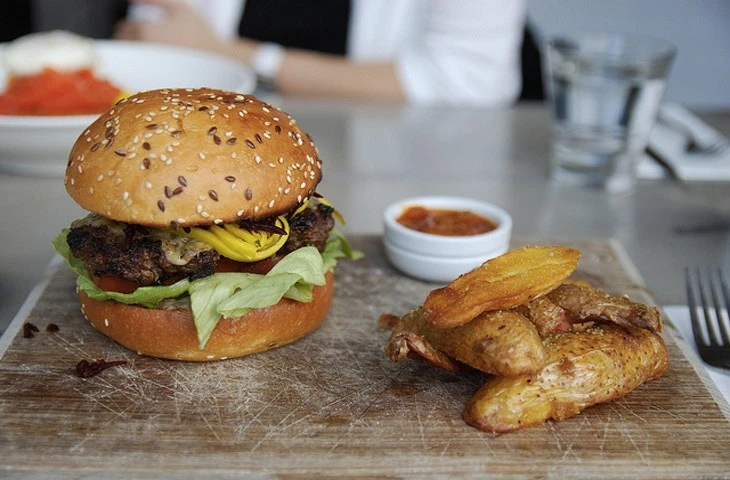
The word "hamburger" itself comes from the name of Germany's second-largest city, Hamburg. According to one theory, it was from there that the recipe came to America with German immigrants. At that time, a hamburger was a piece of fried pork wrapped in bread. 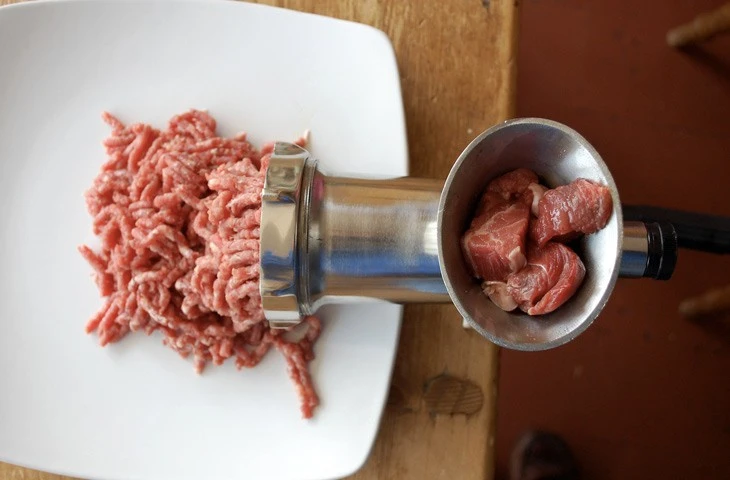
According to another version, the hamburger was named after the city of Hamburg, New York. In 1885, brothers Charles and Frank Menchis served a fried beef patty sandwiched between two buns at a fair held in Hamburg, New York. They allegedly ran out of the pork sausage they used for sandwiches and decided to substitute it with the beef they had on hand. 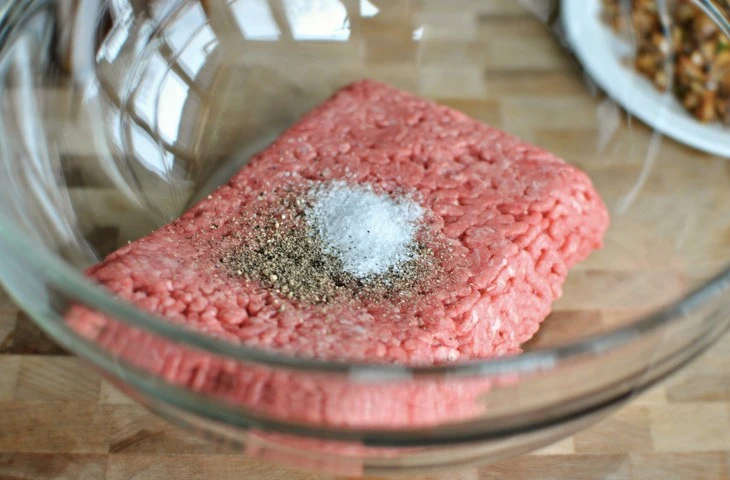
Also in 1885, at the Seymour Fair, Charlie Nagreen sold meatballs sandwiched between two slices of bread. He believed this dish was perfect for the event, as it could be eaten on the go. He called his culinary creation "Charlie's Hamburger." 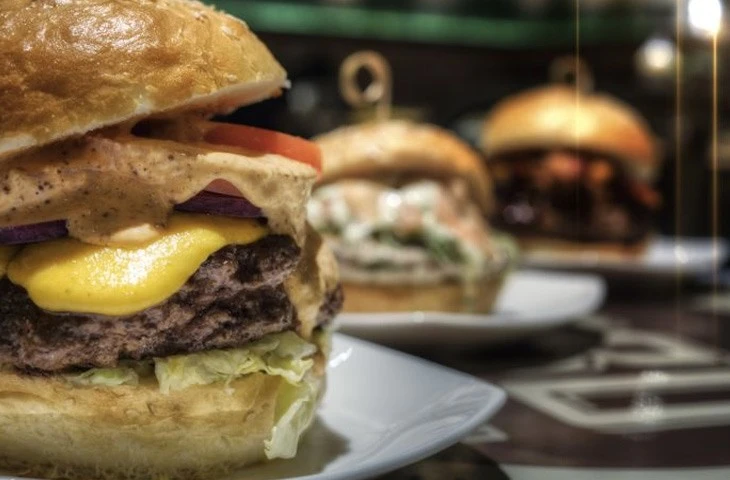
The term "hamburger" first appeared in New York restaurants in 1834. The first mention of the "Hamburg steak," which originated in Germany, appears in the magazine "Evening Boston" in 1884. 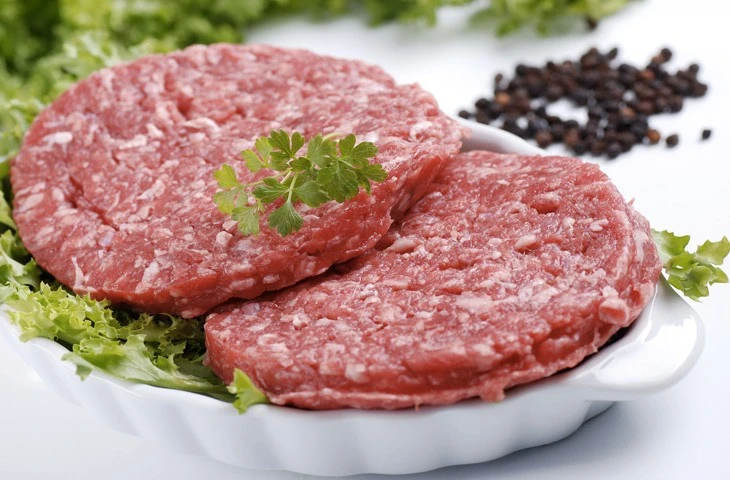
The Oscar Weber Bilby family of Tulsa claims their ancestor made the first hamburger. It happened in 1891. Oscar's great-grandfather made patties and stuffed them into yeast buns. In 1995, Governor Frank Keating called Tulsa "the true birthplace of the hamburger." 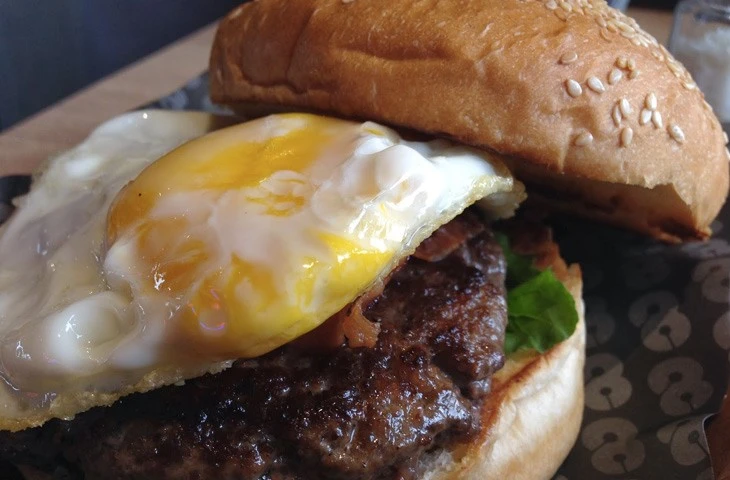
Otto Kuaswa is considered another chef who may have played a role in the development of the hamburger. In 1891, he prepared beef patties and topped them with a fried egg. Sailors visiting the cafe later removed the egg, leaving only the patty. 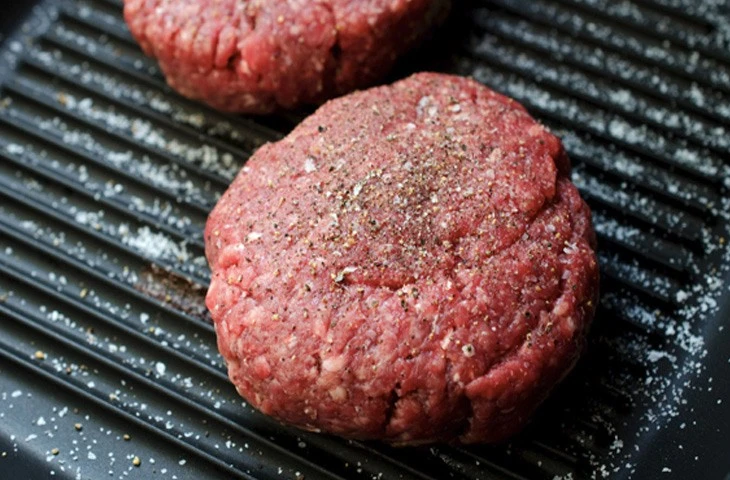
Another inventor of the hamburger was chef Fletcher Davis of Athens, Texas, who in 1880 placed a fried patty with mustard and onions between two slices of bread. In 1904, Fletcher and his wife opened a small stand at the St. Louis Fair where they sold their burgers. 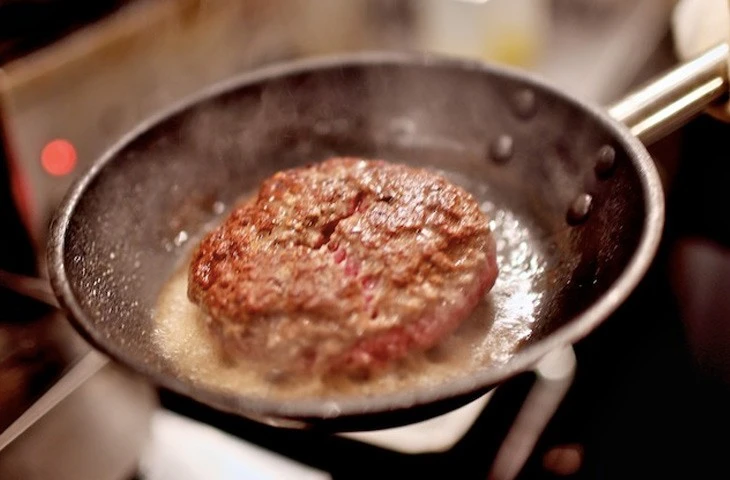
In 1900, Louis Lessing prepared his first hamburger in his hometown of New Haven. A customer asked for a quick and hot dish. Louis, busy with ground meat, formed a patty and grilled it. He served the meat between two slices of toast. Because of this detail, some food critics refuse to credit Louis with creating the first hamburger. However, in 2000, the Library of Congress named Lessing the man who created the first American hamburger. 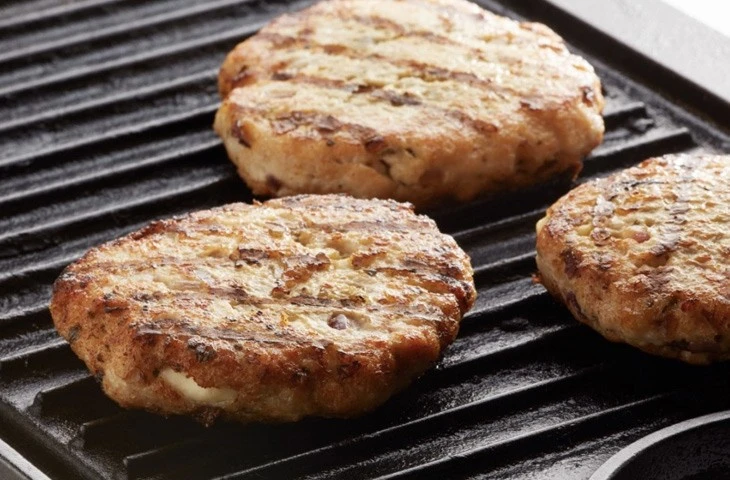
Hamburgers gained widespread popularity in 1904 at the St. Louis Fair, but the burger didn't become a gastronomic icon until nearly 30 years later, when Walter Anderson of Wichita, Kansas, founded the White Castle Hamburger chain, whose main dish was the hamburger. 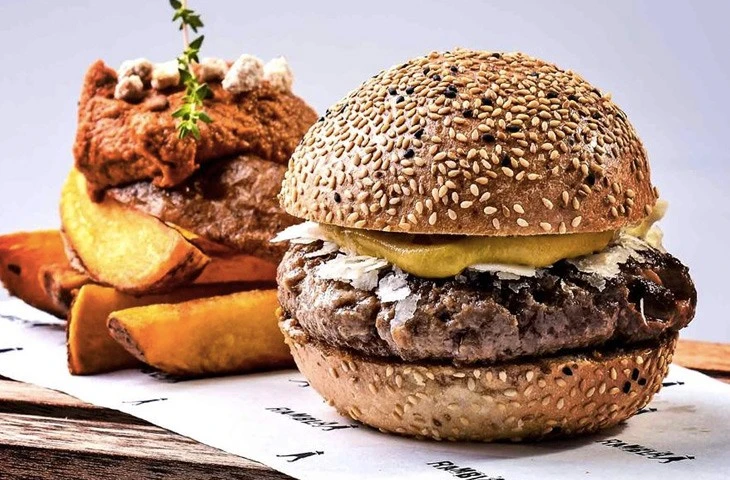
The modern burger comes in many varieties. Even Michelin-starred restaurants offer versions with a bun and a ground beef patty. Their dish shares little in common with the creations of fast food restaurants except the name. Instead of a rubbery patty and synthetic bun, chefs favor foie gras, black truffles, and Kobe beef.
The price for such a burger can reach $1,000. Steakhouse menus offer a more affordable version, based on a patty made from premium ground beef—a worthy alternative to the usual ribeye and filet mignon.