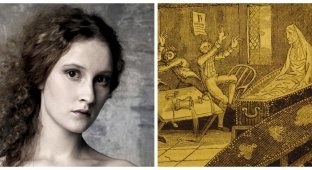
The Story of "Half-Hanged Maggie," Who Survived the Death Penalty (8 photos)
Nowadays, in countries that still practice the death penalty, the condemned are given no chance. If the criminal survives, the execution will be repeated until they die. But in the past, the rules were different, and if the executed managed to stay alive, they were considered to have been granted God's forgiveness. Thanks to this custom, Scottish woman Margaret Dixon, who was unsuccessfully hanged in 1724, escaped death. 
Margaret Dixon was born in 1702 to a family of poor peasants on a farm near Edinburgh. Maggie's exact childhood is unknown. Her biography is only detailed in court documents from the time she reached adulthood. She married at 21 and moved with her husband from her family home to the small town of Kelso. There, she found work as a maid at a hotel. 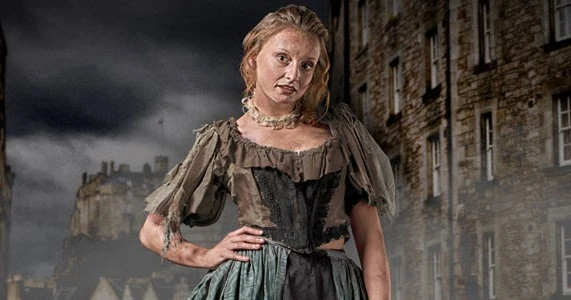
But when Dixon was 23, her husband abandoned her. Her employer immediately took advantage of this, cunningly seducing her. Maggie soon realized she was pregnant with the innkeeper's child. Giving birth out of wedlock was a terrible disgrace at the time, one that could ruin her entire life. 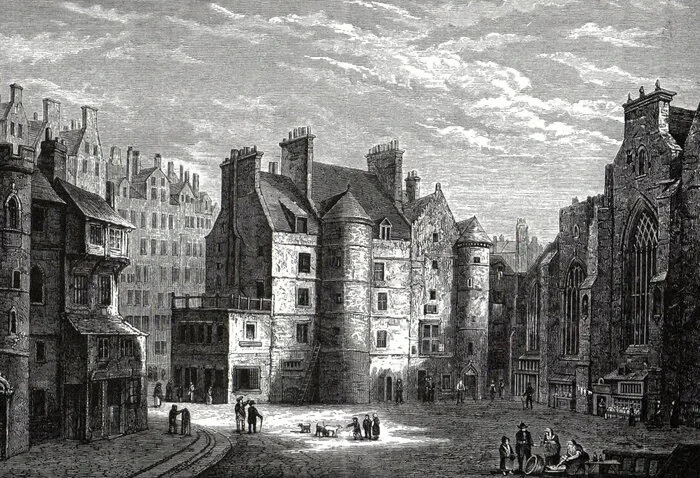
Edinburgh
So, after giving birth to the baby, Maggie wrapped it in rags and threw it into the river. But the girl couldn't hide her pregnancy from those around her. Soon, a neighbor wondered where the child was. The woman reported Maggie to the police, who arrested her and took her to Edinburgh. At first, Dixon denied everything, but when the baby's body was found on the shore, she confessed. However, she insisted that the baby was stillborn and that she had simply disposed of the body.
Forensic science in the 18th century could not determine with certainty whether Maggie was lying or not. But the doctor who performed the autopsy on the dead child declared that he had drowned. After this, the court's leniency was lost. After a brief hearing, the child killer was sentenced to death. 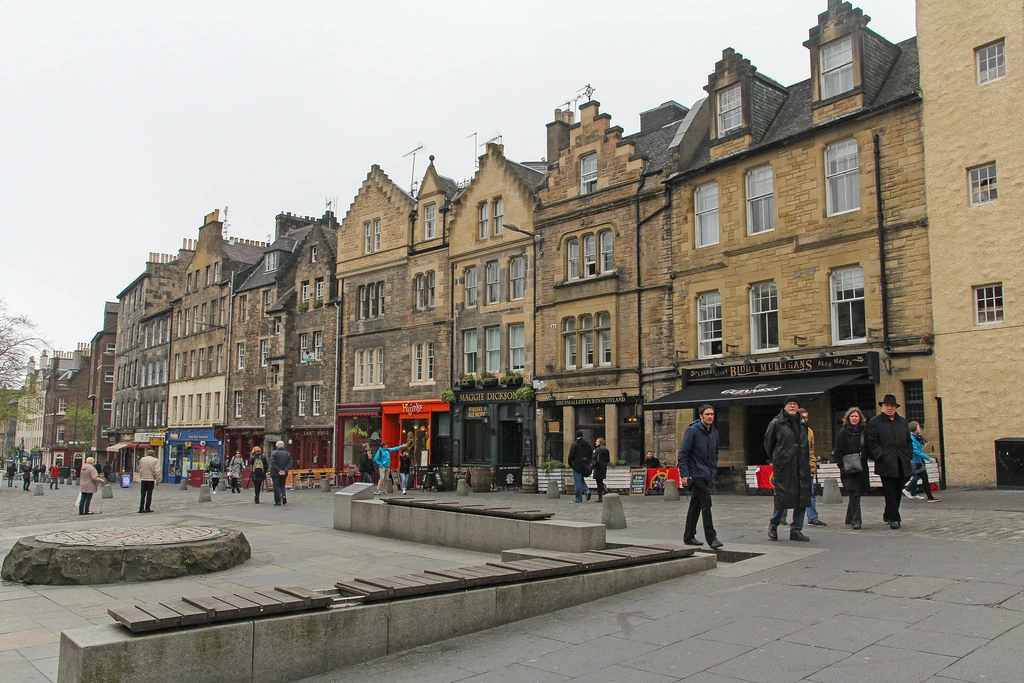
The site of the gallows in Edinburgh's town square is marked by a circular mound.
Miraculous Resurrection
On September 2, 1724, 23-year-old Margaret Dixon was hanged in Edinburgh's town square. When it became clear Maggie wasn't breathing, the executioner removed her from the noose and allowed the body to be taken. The town chronicles report that a veritable battle erupted around the hanged woman's corpse. Many bidders were eager to claim the body. Among the contenders were devotees of alternative medicine, medical students eager to obtain the corpse for an autopsy, and relatives of the executed woman. 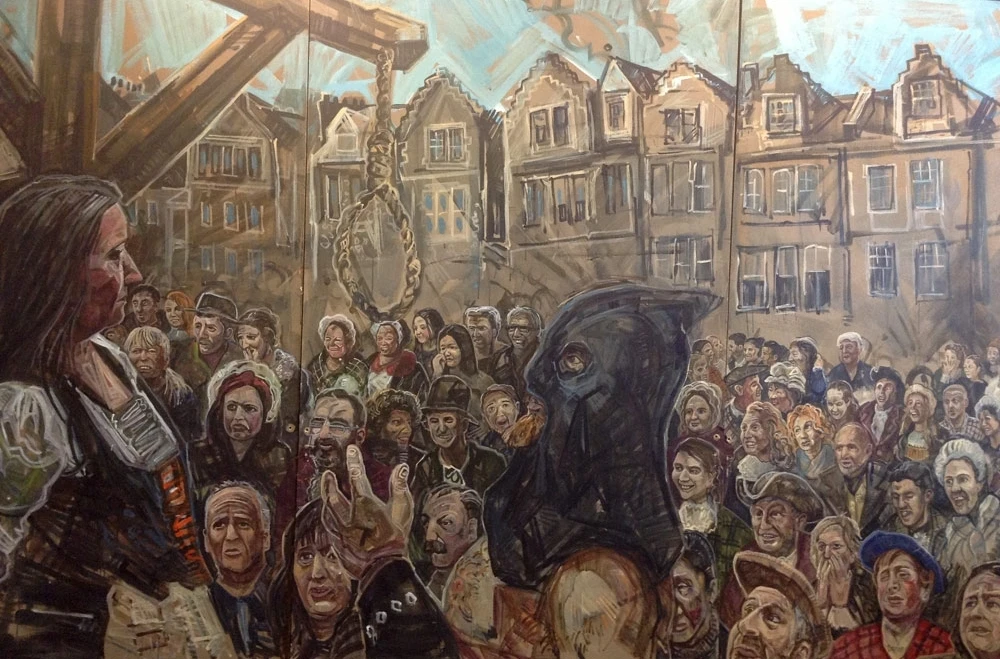
Ultimately, Maggie's family won. The girl's body was placed in a specially prepared coffin and taken by cart to her native village for burial. But halfway through the journey, something incredible happened. A thumping and groaning sound came from the wooden box. When the lid was opened, Maggie emerged from the coffin unassisted and stood before a shocked audience. She felt so well that she walked briskly beside the cart the rest of the way. 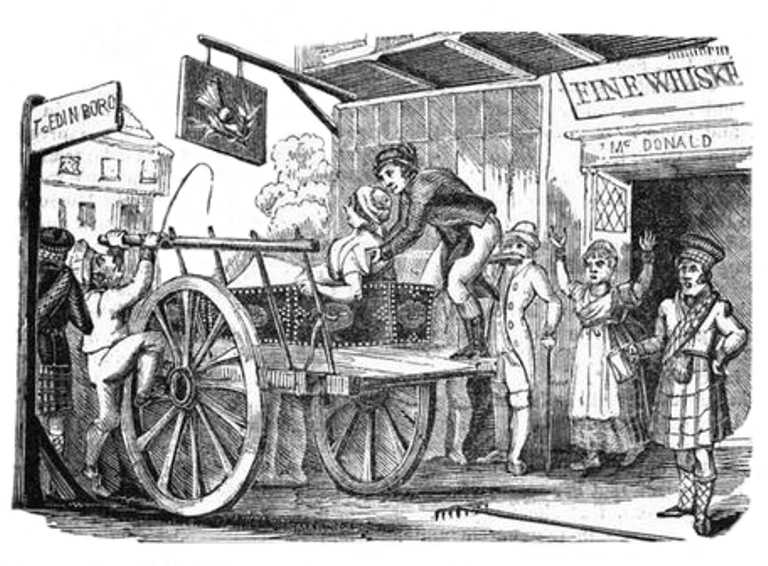
The resurrected Dixon was examined by a doctor and, aside from the rope mark on her neck, found no health problems. The incident was immediately reported to the authorities. But there was nothing they could do—Kingdom law prohibited double execution for the same crime. Because providence intervened in the child killer's fate, she was pardoned. Soon, Maggie resumed working at the inn. 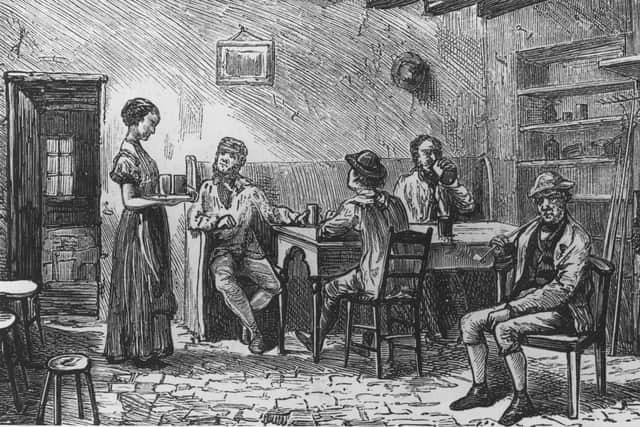
The innkeeper was delighted with "Half-Hanged Maggie," as she was nicknamed. People flocked to the inn in droves to see Margaret, who had miraculously survived. The rooms were never empty, and the tavern on the ground floor was always packed. 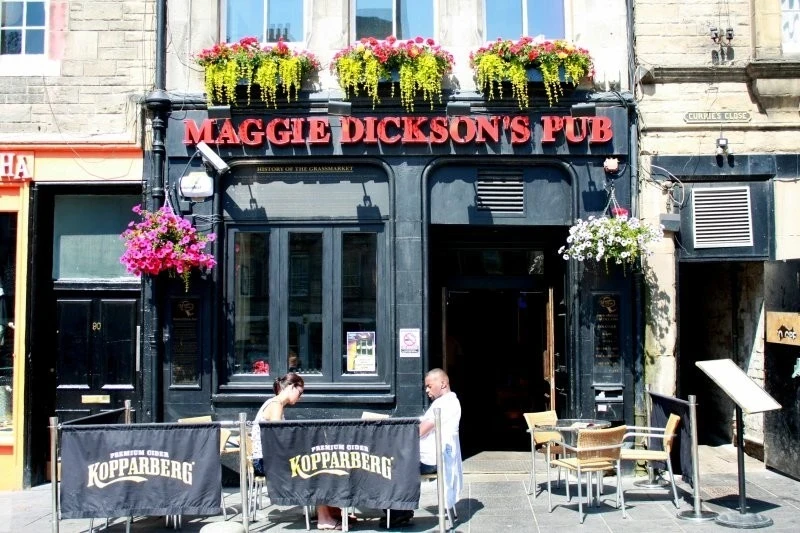
Margaret Dixon's subsequent life turned out well. She found a new love, married, and had children. "Half-Hanged Maggie" lived a long life by 18th-century standards. She died at the age of 60 in bed, surrounded by her family. This remarkable woman has not been forgotten. Her story is commemorated on a plaque outside the Edinburgh pub that bears her name—Maggie Dickson.