South Korea finds a way to turn coffee grounds into fuel (3 photos)
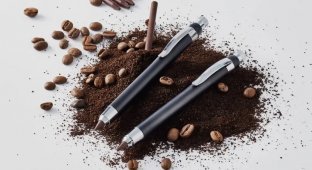
So, one morning, Korean scientists from the Korea Institute of Geoscience and Mineral Resources (KIGAM) were sitting in the lab, drinking their coffee and looking longingly at the pile of wet grounds in the trash. They were too lazy to throw them out, so they decided to conduct an experiment and turn this slop into proper fuel. And they did it. 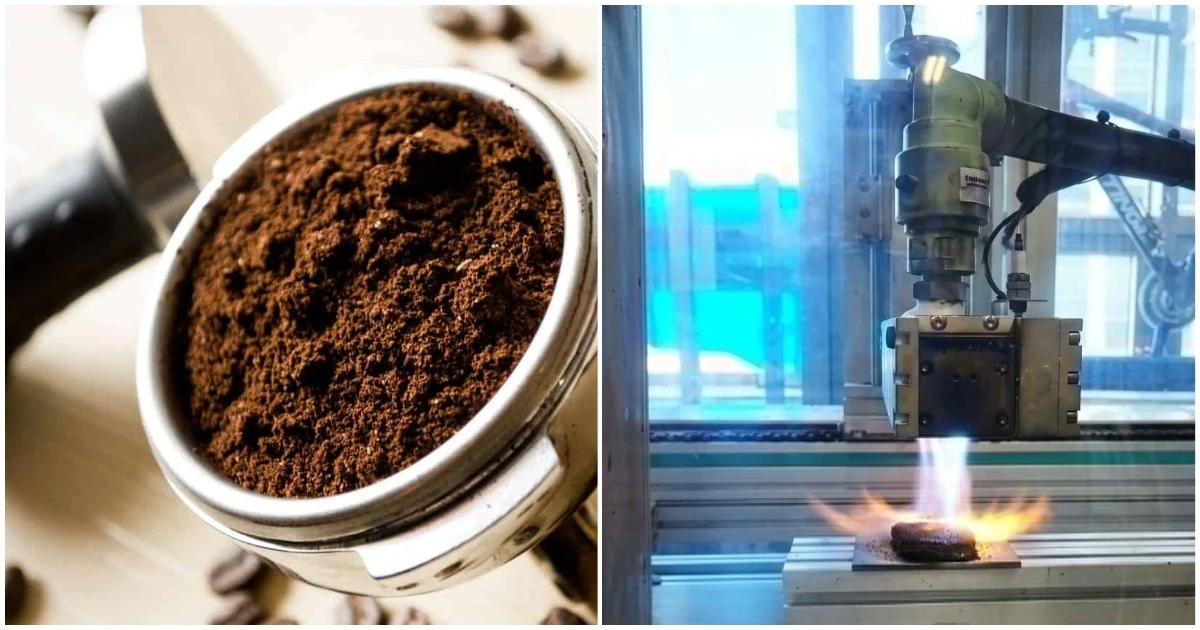
They developed a technology called Flame Plasma Pyrolysis. They take wet coffee grounds (straight from the coffee machine, with 55% water, without any pre-drying) and insert them into a setup where a plasma torch is heated to 800-900°C using ordinary liquefied gas.
The water inside the particles instantly boils, creating a veritable micro-explosive "popcorn effect." Drying and carbonization occur within 90 seconds. Ultimately, 83% of the mass disappears, leaving behind biochar with a calorific value of 29.0 MJ/kg—almost the same as anthracite, one of the most energy-dense types of coal.
By comparison, the wet grounds had only 21.8 MJ/kg. In other words, the scientists increased the energy content by 33% almost instantly. As a bonus, the sulfur is almost completely eliminated, meaning combustion produces virtually no harmful SOx emissions or excess smoke. 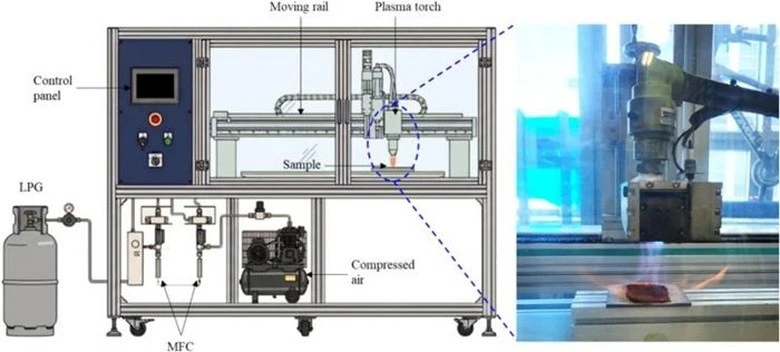
Every year, humanity produces about 10 million tons of coffee grounds. Previously, this was simply stinking, wet garbage that was difficult and expensive to dispose of. Now, in theory, it can be converted into a viable solid fuel.
Sounds like a perfect environmental solution? Almost. So far, this has been a laboratory success, using 30 grams of grounds from a university cafeteria. It's still a long way off from actual industrial scale production – we need to build facilities, calculate the economics, and prove that it's cheaper and more profitable than conventional methods.
But the idea itself is beautiful in a Korean way: while the world is talking about green energy, they took the waste from your morning coffee and turned it into something almost like anthracite. 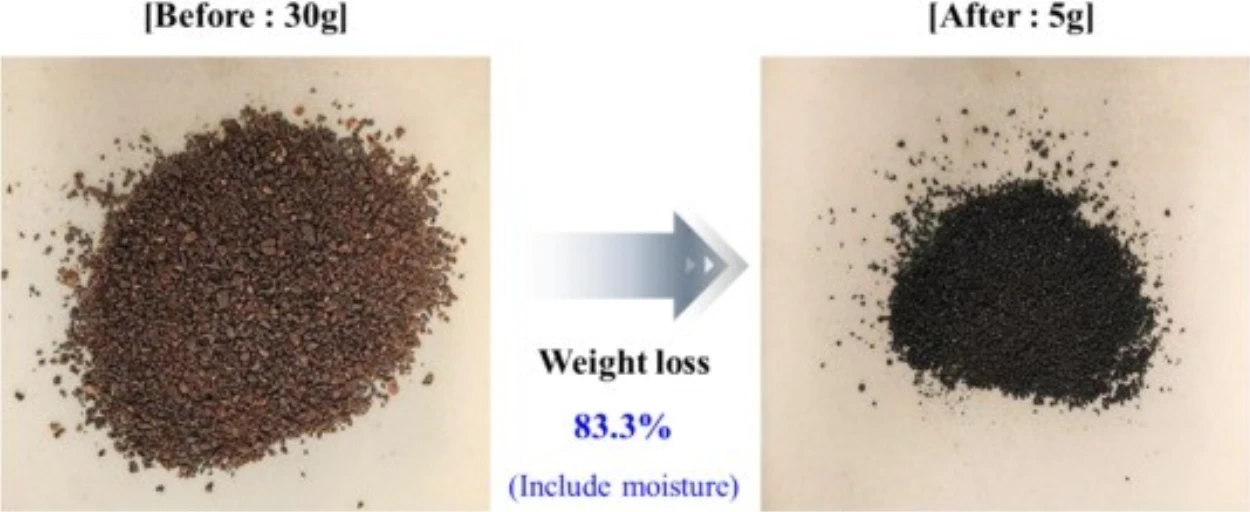
But let's be honest: this isn't a revolution, but rather a nice attempt to somehow deal with the mountains of waste we ourselves produce on an industrial scale. For now, this is a laboratory technology, and it will take a lot of time and money before coffee grounds can truly compete with coal or gas.
For now, you can continue drinking your morning coffee with the hope that a brighter coffee future will one day dawn.