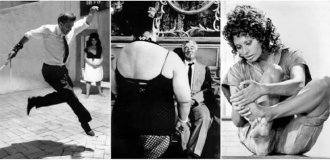
Orson Welles and his women: how his marriage to Rita Hayworth and massive debts ruined a genius's life (21 photos)
He went down in history as Hollywood's most brilliant wunderkind. He directed the legendary "Citizen Kane" at 25 and terrified America with the radio drama "War of the Worlds." But while the world admired his genius, a devastating drama was unfolding behind the scenes. Orson Welles's life devolved into a series of scandalous divorces, child support lawsuits, and financial ruin. Three official wives and one long-term lover left their mark not only on his heart but also on his wallet. These women transformed the triumphant actor into a fugitive debtor, forced in his twilight years to sell his great voice in cheap wine commercials. 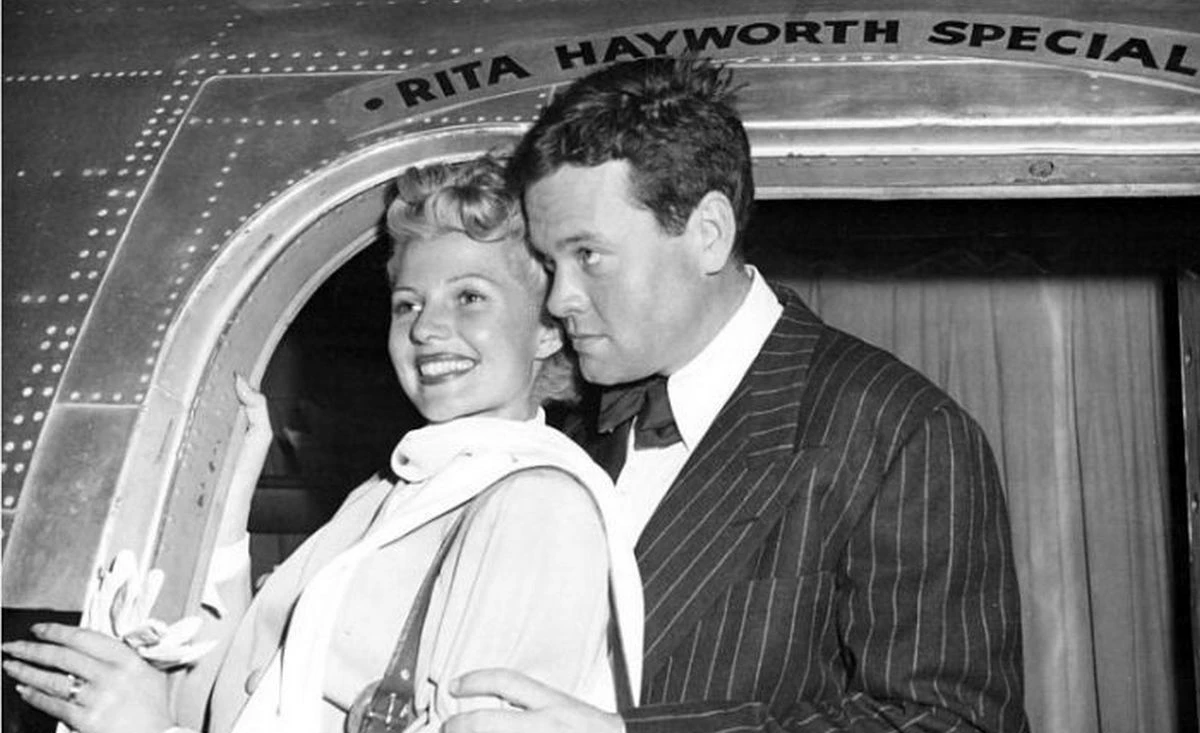
Orphanhood, Magic, and a Bit of Deception
Orson Welles was born on May 6, 1915, in Kenosha, Wisconsin. His father, Richard Welles, was an inventor, entrepreneur, and a heavy drinker. His mother, Beatrice Eves, was a talented pianist and suffragette. It was she who recognized the spark of genius in her son and taught him music, painting, and Shakespearean recitation. 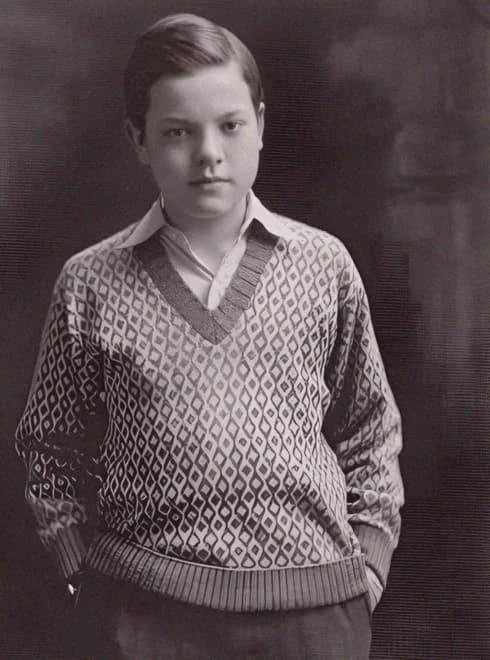
Orson Welles at school
Orson Welles's golden childhood was cut short. His mother died of jaundice on May 10, 1924. The boy was barely nine years old. His alcoholic father took him in. They wandered the world for several years. When Orson was fifteen, his father also died. Dr. Maurice Bernstein, a Chicago physician and close family friend, became his guardian. 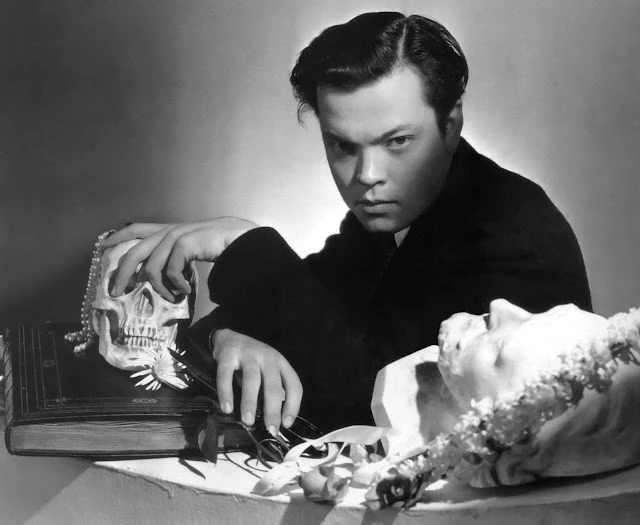
The young theatrical genius Orson Welles. 1931
Welles grew up a child prodigy. He performed card tricks, wrote plays, and directed performances at the prestigious Todd School for Boys. At 16, he dropped out of university and went to Ireland. There, he appeared at Dublin's Gate Theatre and pretended to be a famous Broadway star. The audacity worked: he landed his first professional role.
Storming Hollywood: A Recognized Genius at 25
Returning to the United States, Welles quickly conquered the New York theater world. He staged the revolutionary "Macbeth" with an all-African-American cast. Together with producer John Houseman, he founded the independent Mercury Theatre company. 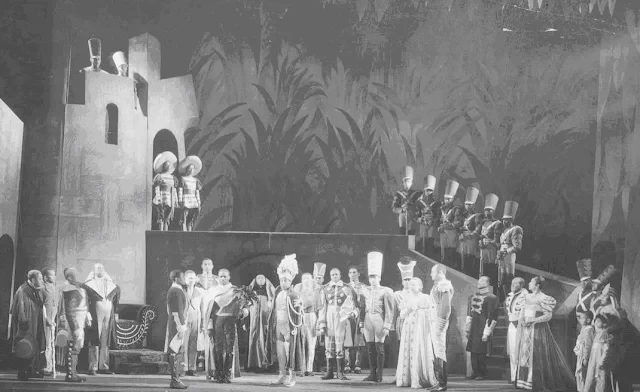
The Legendary Production of "Macbeth" in New York
In 1938, he reached a new level. A radio production of H.G. Wells's "The War of the Worlds" sounded so realistic that it caused a nationwide panic. Many listeners assumed it was a report from the scene of an alien attack. People were frantically packing their belongings and preparing to evacuate. 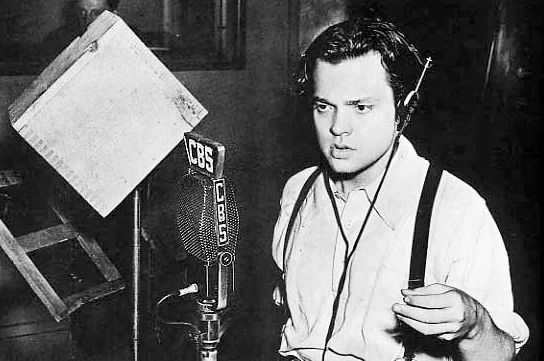
Orson Welles on CBS Radio
This scandal opened the doors to Hollywood for Welles. RKO offered the 24-year-old an unprecedented contract with complete creative control—no one had ever been given such a deal. The result was Citizen Kane (1941): Welles directed it at age 25, wrote the screenplay himself, and played the lead role. This triumph marked the beginning of his long decline. 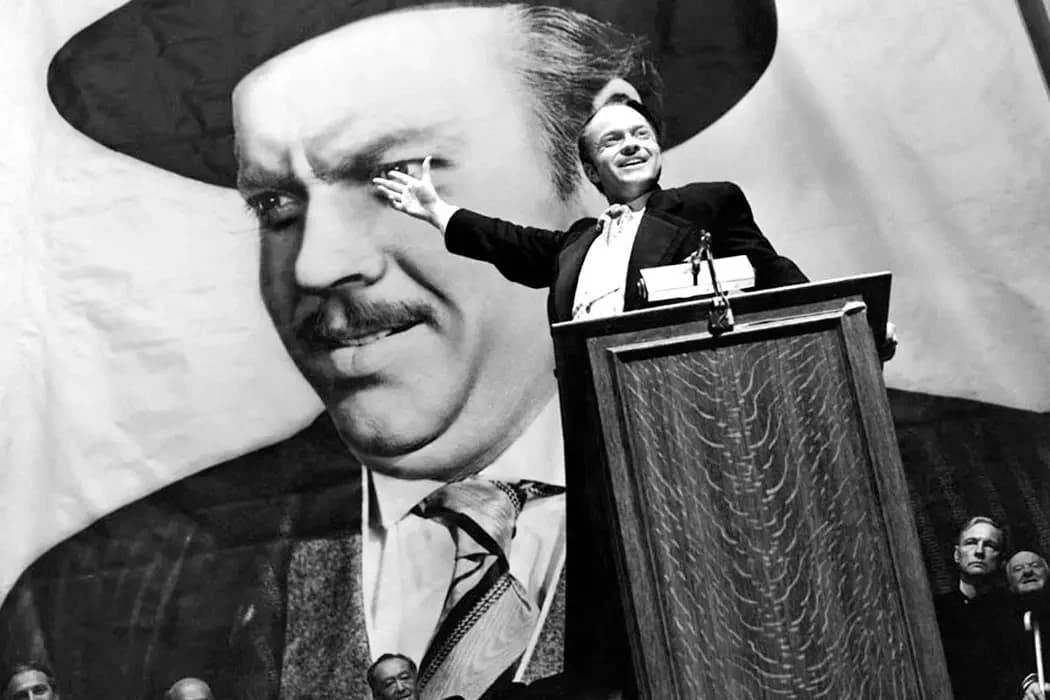
Orson Welles in Citizen Kane, 1941
Wife #1: Virginia Nicholson (1934–1940). A Ticket to Art and First Betrayal
Welles found his first haven in Virginia Nicholson, a young actress from a wealthy Chicago family. They met at a summer theater festival at the Todd School. They married on December 23, 1934, when they were both 19 years old. The marriage was a love match. But for the ambitious director, it also became a financial springboard. 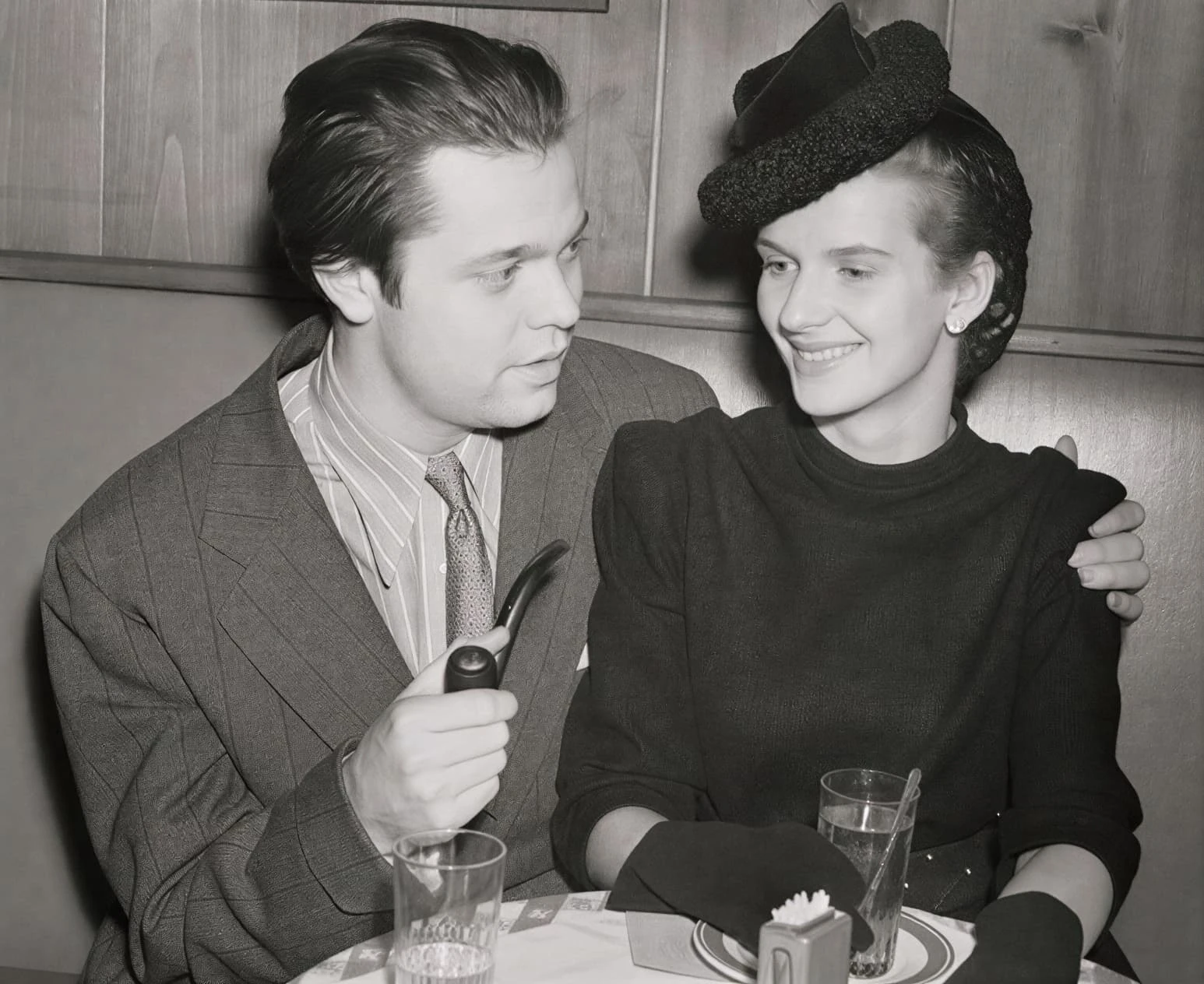
Orson Welles and Virginia Nicholson. 1934
Virginia's family money helped Welles finance his first daring theatrical projects. This led to the Federal Theatre Project and the legendary Mercury Theatre Company. On March 27, 1938, the couple's daughter, Christopher, was born. The family idyll didn't last long. 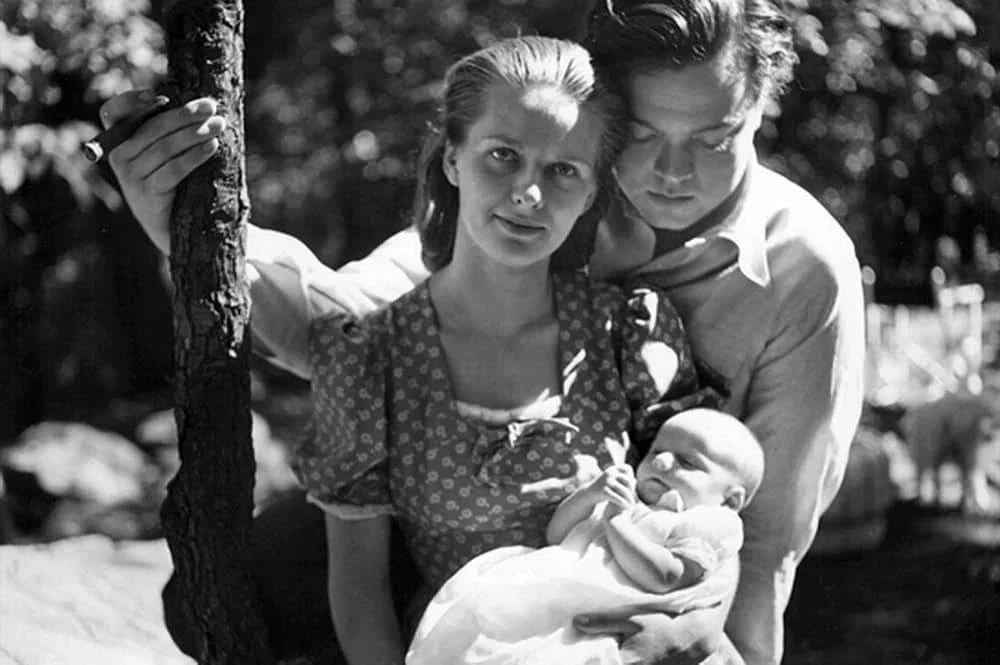
Virginia, Orson, and their daughter, Christopher. 1938
While Virginia was busy with home and child care, Orson retreated into the bohemian life. While she was pregnant, he began an affair with actress Geraldine Fitzgerald of the Mercury troupe. Then, with Mexican star Dolores del Rio. Virginia filed for divorce on February 1, 1940. In the lawsuit, she accused her husband of "extreme cruelty" and infidelity. The divorce hit the director hard and forever cemented his reputation as an incorrigible womanizer.
Wife #2: Rita Hayworth (1943–1947). Platinum Goddess and Gilded Cage
Welles's encounter with Rita Hayworth was akin to an obsession. Seeing her portrait on the cover of Life magazine, he was consumed with desire: to win her over and make her his actress. "She's a beauty who can't act at all," the director declared. "But I'll teach her." 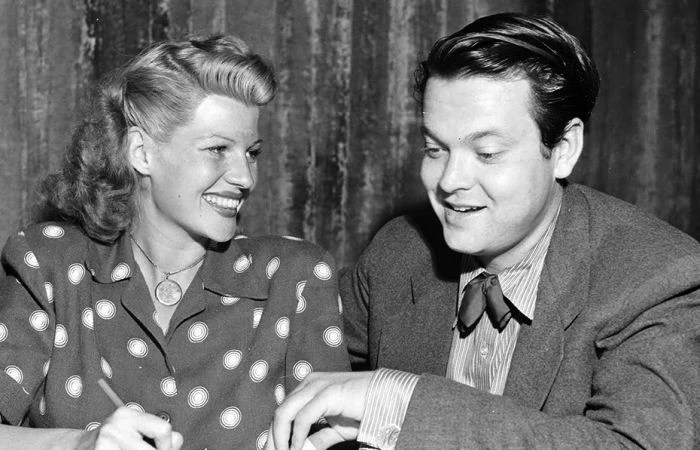
Orson Welles and Rita Hayworth
The wedding took place on September 7, 1943, during a break from filming Cover Girl. None of Rita's colleagues knew about the celebration until the very last day. On December 17, 1944, the couple's daughter, Rebecca, was born. But by the spring of 1945, Rita had announced her separation. 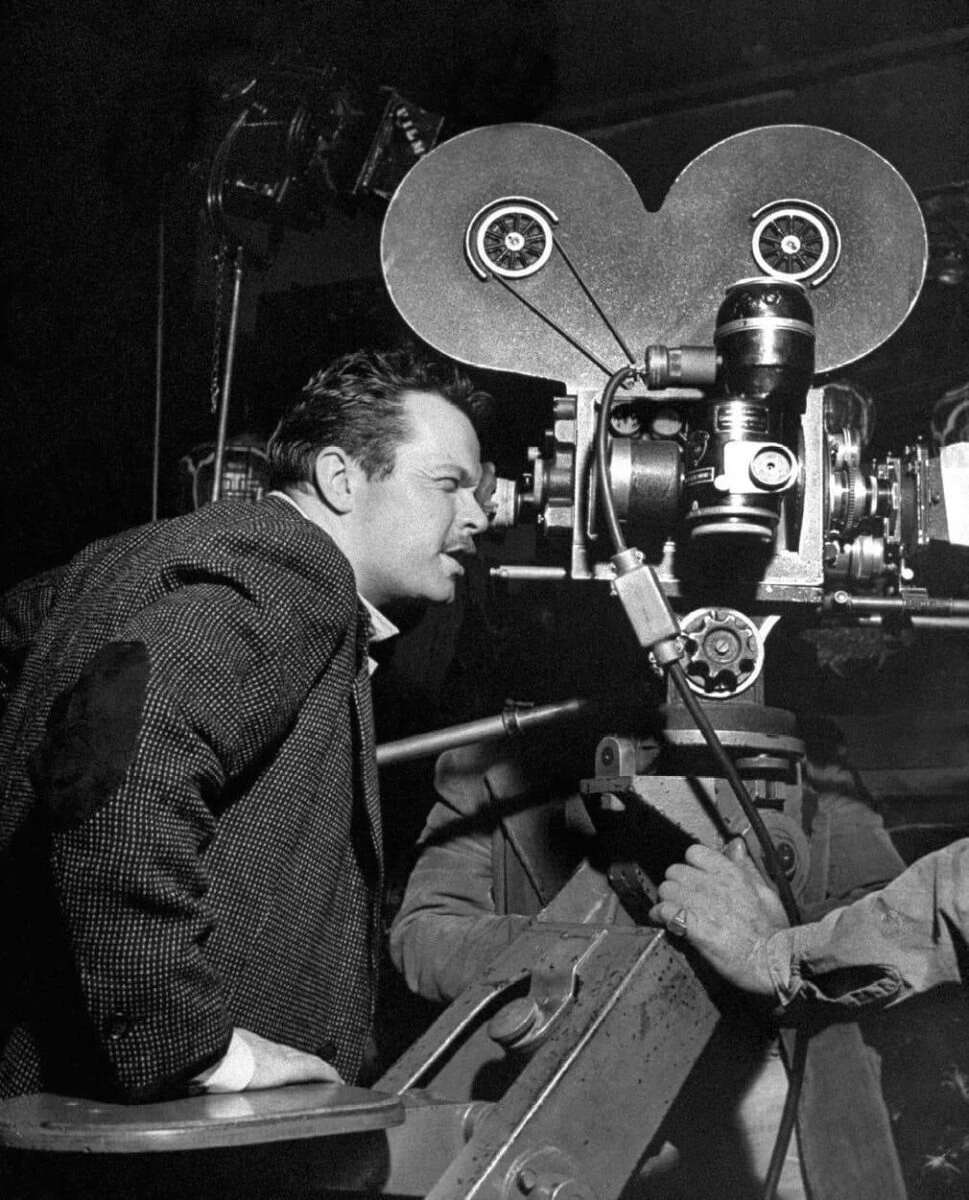
Unedited:
Orson Welles on the set. 1946
A Million-Dollar Haircut and a Mirror Ending
Welles began molding Rita into his ideal. For the film "The Lady from Shanghai," he ordered her to cut off her famous red locks and dye her hair platinum blonde. Studio producer Harry Cohn learned of this after the fact and was furious: "He destroyed you—he cut off your hair!" Rita saw it differently: "Orson was trying something new." He wanted to prove I was a real actress, not just a studio image." But the film bombed at the box office. Shocked fans couldn't forgive the reworked goddess image. 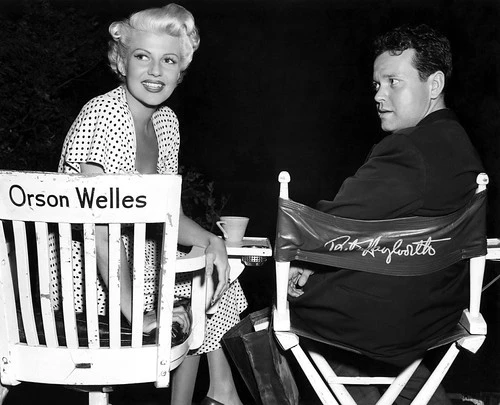
Orson and Rita. 1947
The marriage collapsed under the weight of mutual recriminations. Rita complained, "Throughout our marriage, he showed no interest in making a home. When I suggested buying a place, he said he didn't want the responsibility." Welles had affairs. Rita sought solace with Prince Aly Khan—she later married him. The divorce was finalized on November 10, 1947. Due to debts and unpaid child support, Welles was unable to return to his homeland for extended periods. The great director fled to Europe. 
Welles at a typewriter. 1948
Wife #3: Paola Mori (1955–1985). Bigamy and Italian Passions
In Europe, Welles hoped to start anew. In 1953, on the set of the film "Monsieur Arkadin," he met Paola Mori. The Italian actress held the title of Contessa di Gerfalco. Her father, a count, was a colonel in the Italian army and participated in the anti-fascist resistance. Paola herself spent eight months in a concentration camp. 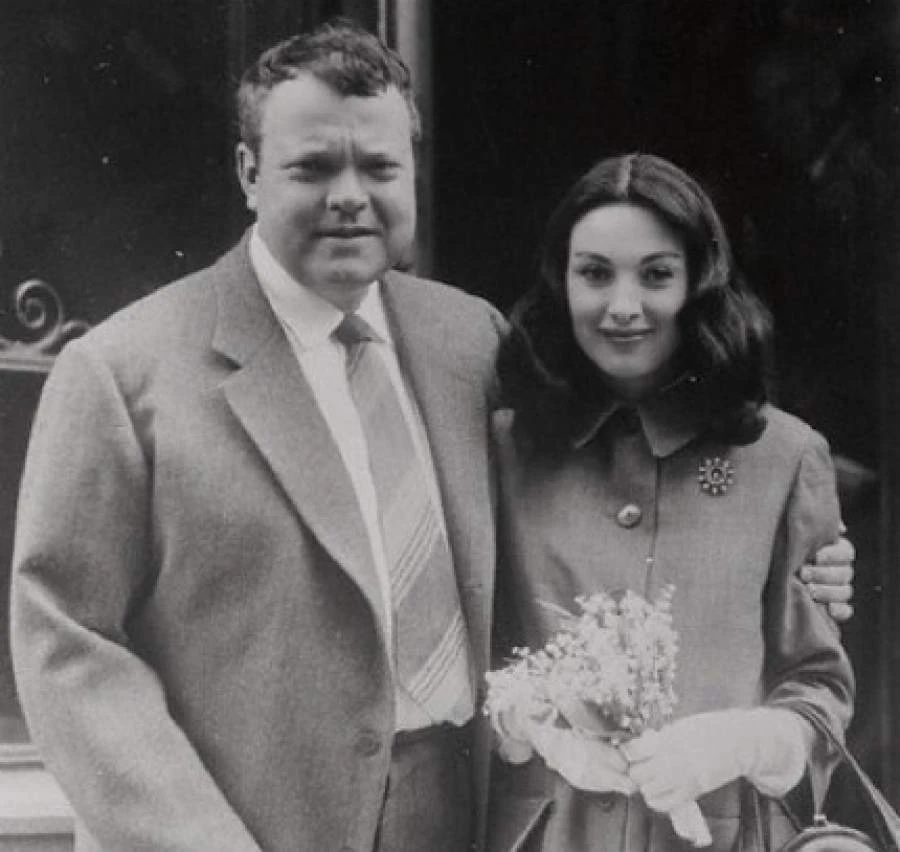
Orson Welles and Paola Mori. 1956
The wedding took place on May 8, 1955, in London—at the insistence of the bride's family. In November of that year, their daughter Beatrice was born. But the marriage was immediately marred by scandal. Orson was so eager to make their relationship official that he married Paola without finalizing his divorce from Rita Hayworth in all jurisdictions. In the United States, this was considered bigamy. Welles faced the threat of a prison sentence. 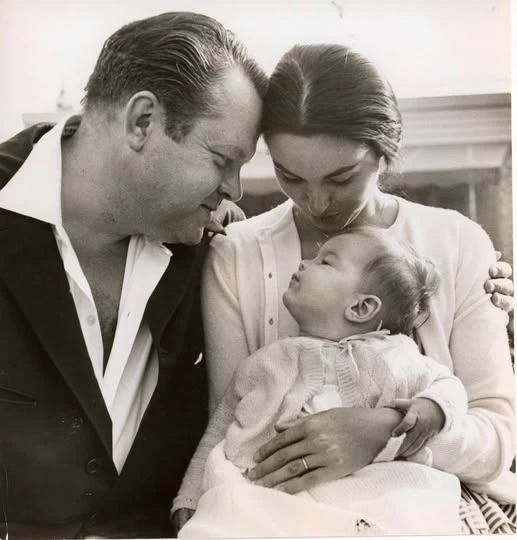
Orson, Paola, and their daughter Beatrice
Welles never divorced Paola. Officially, the marriage lasted 30 years—until the director's death. But their life together had long since soured. In 1984, Paola learned of her husband's long-standing affair with Oja Kodar and kicked him out of their Las Vegas home. Welles spent the last year of his life estranged from his wife. They spoke on the phone every day, but never saw each other again. 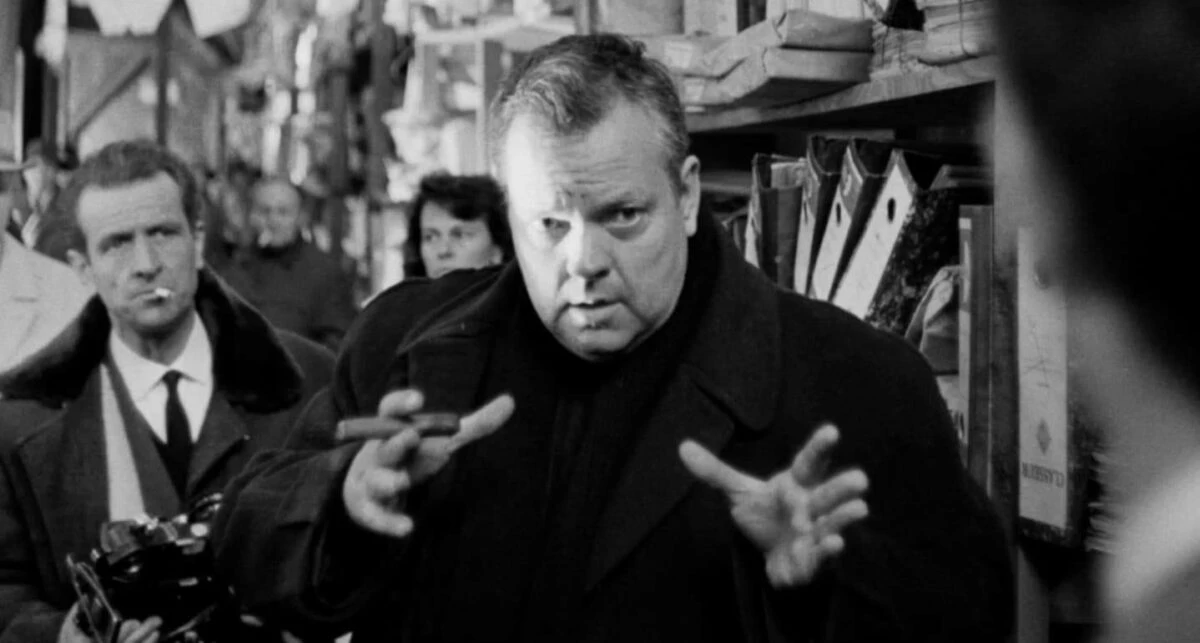
Orson Welles. A Moment at Work at the Studio
Last Love: Oja Kodar (1962–1985). Poverty in Las Vegas and a Swan Song
The aging master's final muse was the Croatian actress and screenwriter Oja Kodar. They met in 1962 on the set of Kafka's The Trial. Oja was 26 years younger than Welles. There was no Hollywood glitz in this relationship—only a bitter reality. 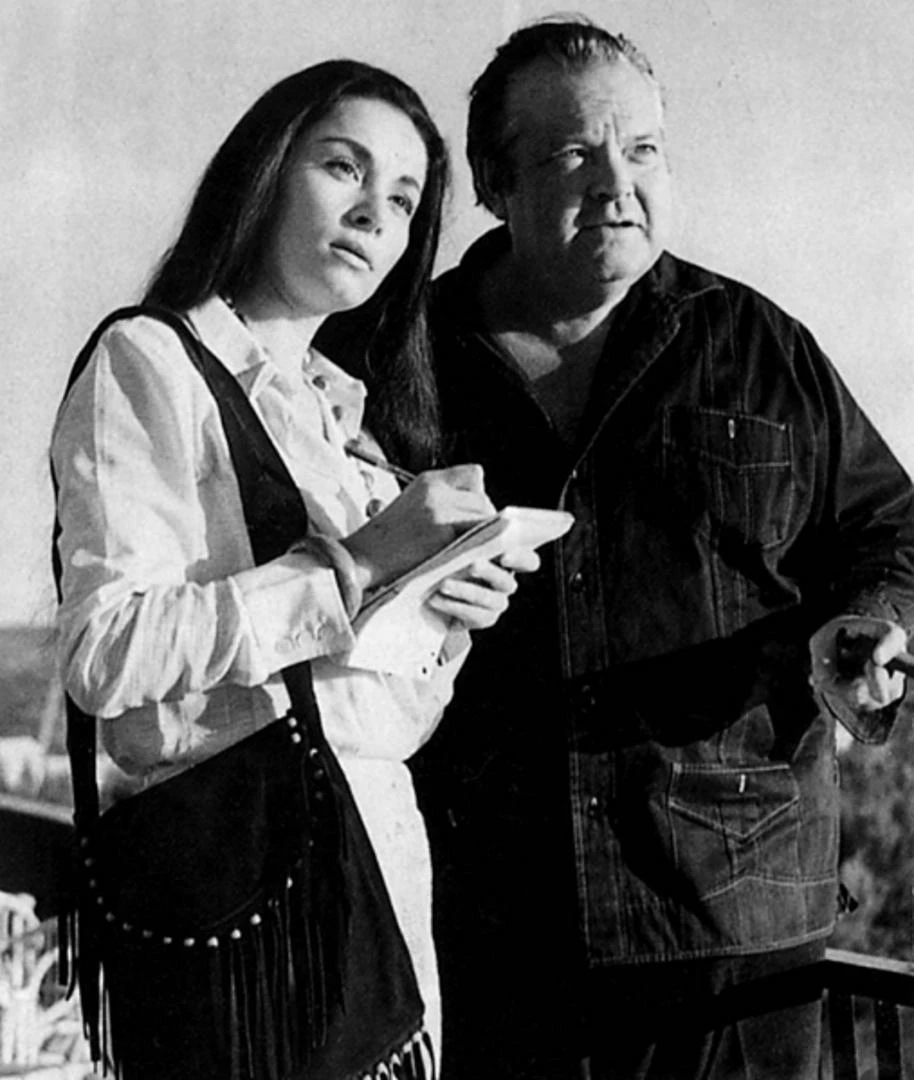
Orson Welles and Oja Kodar. 1960s
The couple shuttled between Las Vegas and Los Angeles. Welles grew fat and decrepit. Oja became everything to him: collaborator, agent, and main breadwinner. To support the genius, she took on any job. He continued to nurture unfinished projects that never found funding. 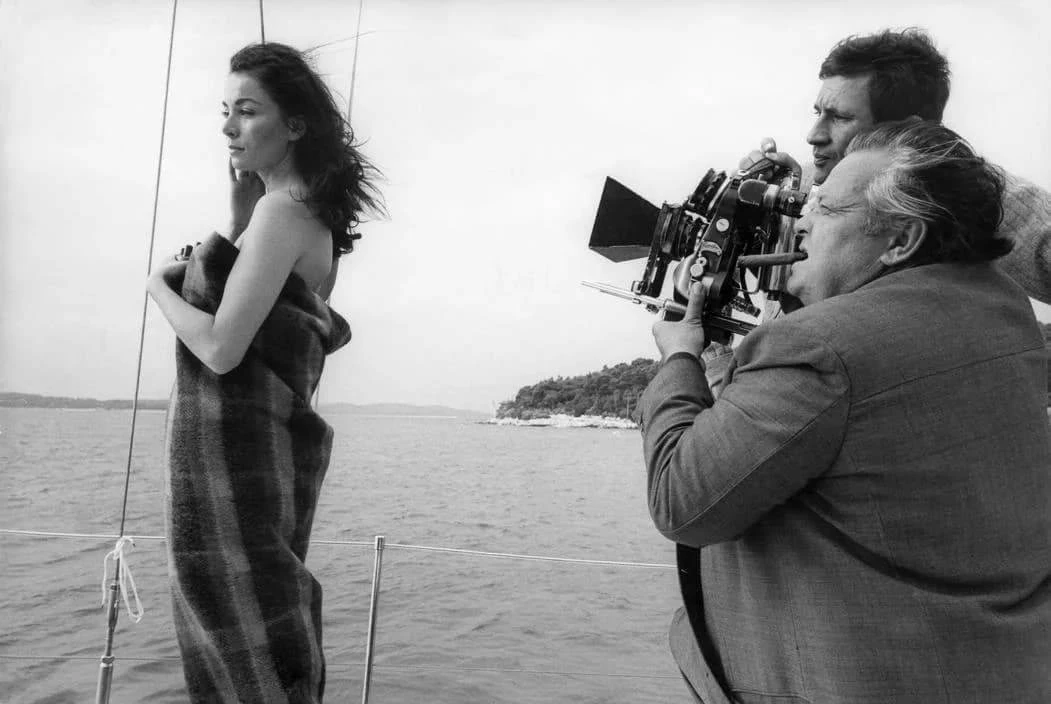
Welles and Kodar on the set of the unfinished film "Deep." 1967
Welles spent October 5, 1985, in the studio recording the voice of the villain Unicron, a planet-devouring character, for the animated film Transformers. He commented bluntly: "Today I voiced a toy. Horrible Japanese robots. I play a planet. I threaten someone. Then I get destroyed." Five days later, on October 10, 1985, Welles died of a heart attack, bent over his typewriter. He worked on the script until his last breath. Oya spent the rest of her life protecting his legacy and attempting to publish his unfinished memoirs. 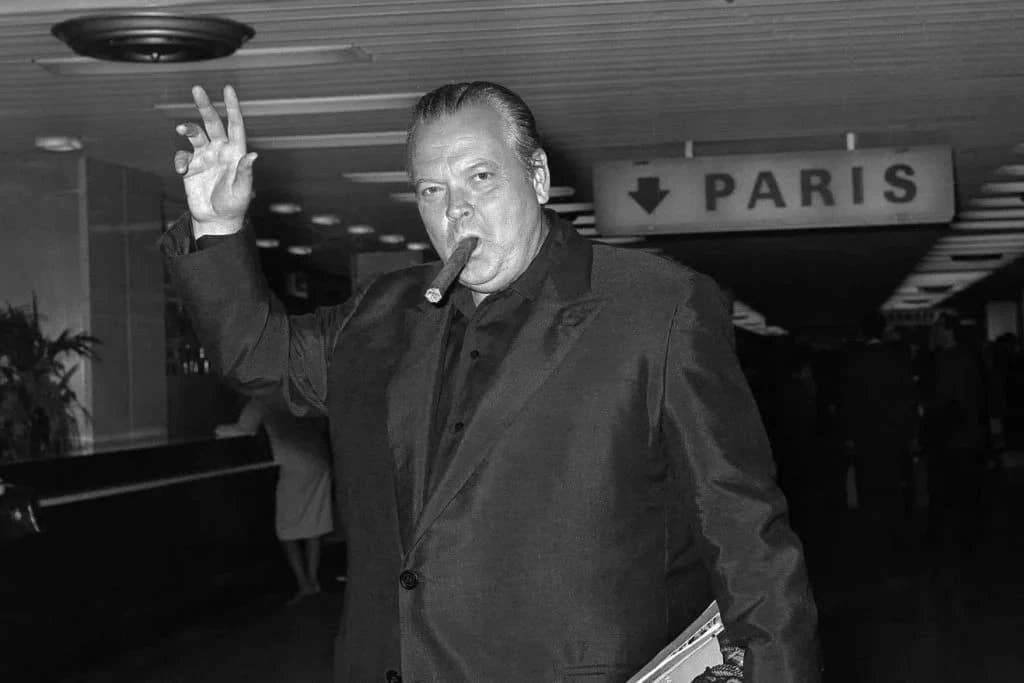
Orson Welles in the 1970s
Debt, Torment, and Voiceover
Alongside his official marriages, Welles's life was filled with destructive relationships. His affair with Dolores del Río began even before his divorce from his first wife. They starred together in the film "Journey into Fear" (1943). It was this affair that finally destroyed his first marriage. 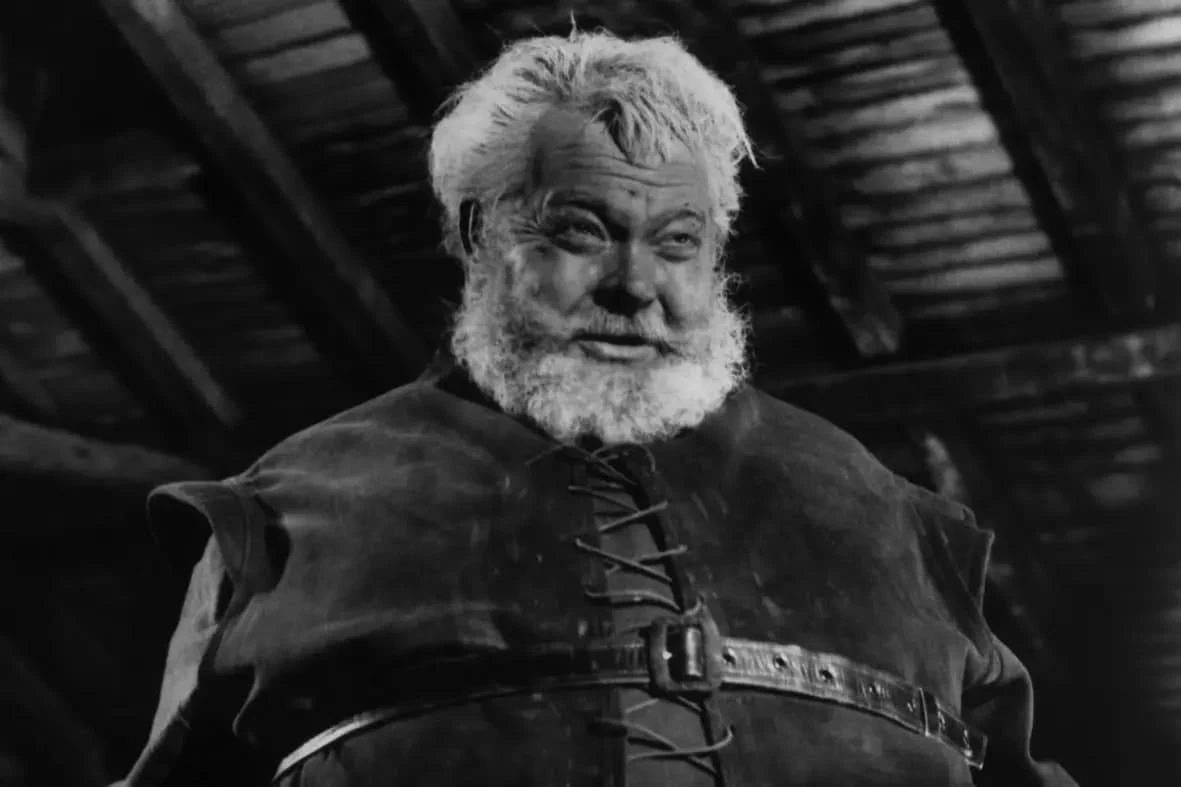
Welles as Falstaff in "Midnight Chimes," 1965
By the 1970s, the greatest director of the 20th century was financially bankrupt. Child support lawsuits dragged on for decades. At the peak of his career, he gave up to half of his earnings to his ex-wives. Tax debts prevented him from returning to his homeland for extended periods. He returned to the United States only to film "Touch of Evil" (1958), his last Hollywood film as a director. 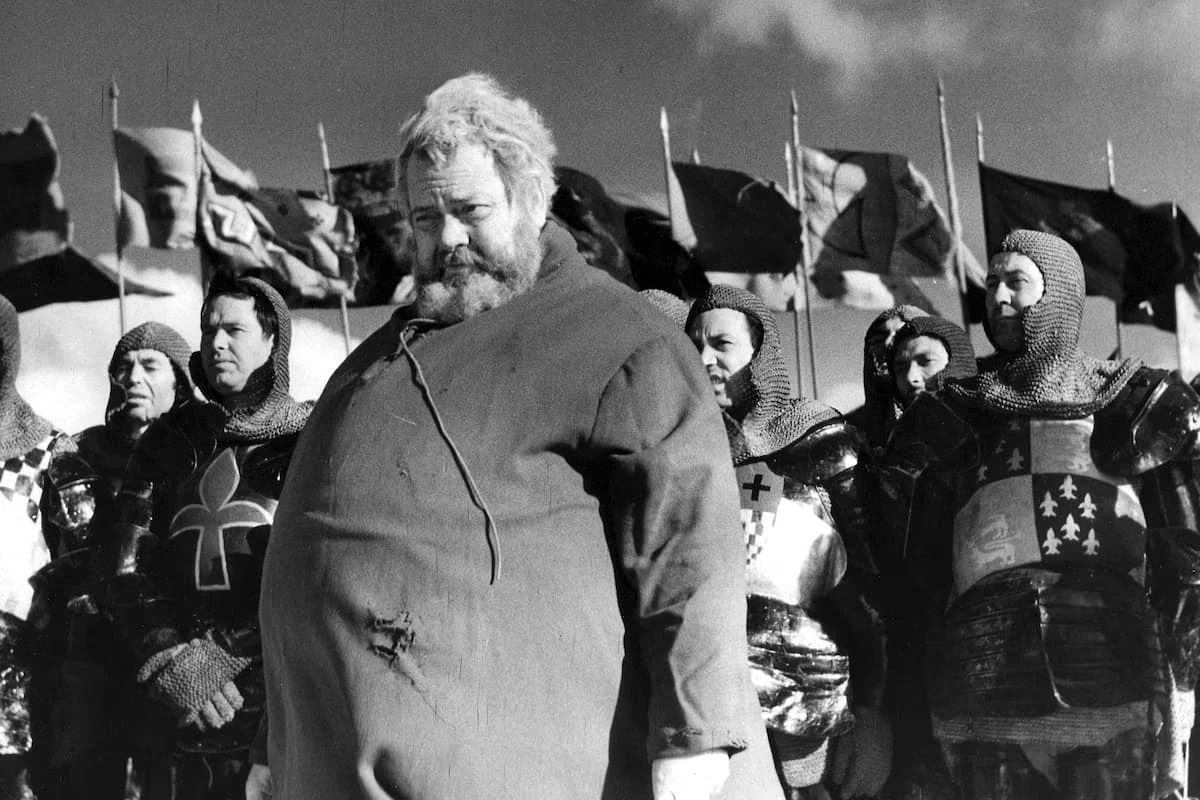
Falstaff became his best acting role—and one of his last in film.
To make ends meet, Welles starred in Paul Masson wine commercials and voiced cartoons. His disastrous takes for these commercials became a meme even during his lifetime. His final film role was Unicron in Transformers—a planet that devours other planets. The irony was obvious to everyone. 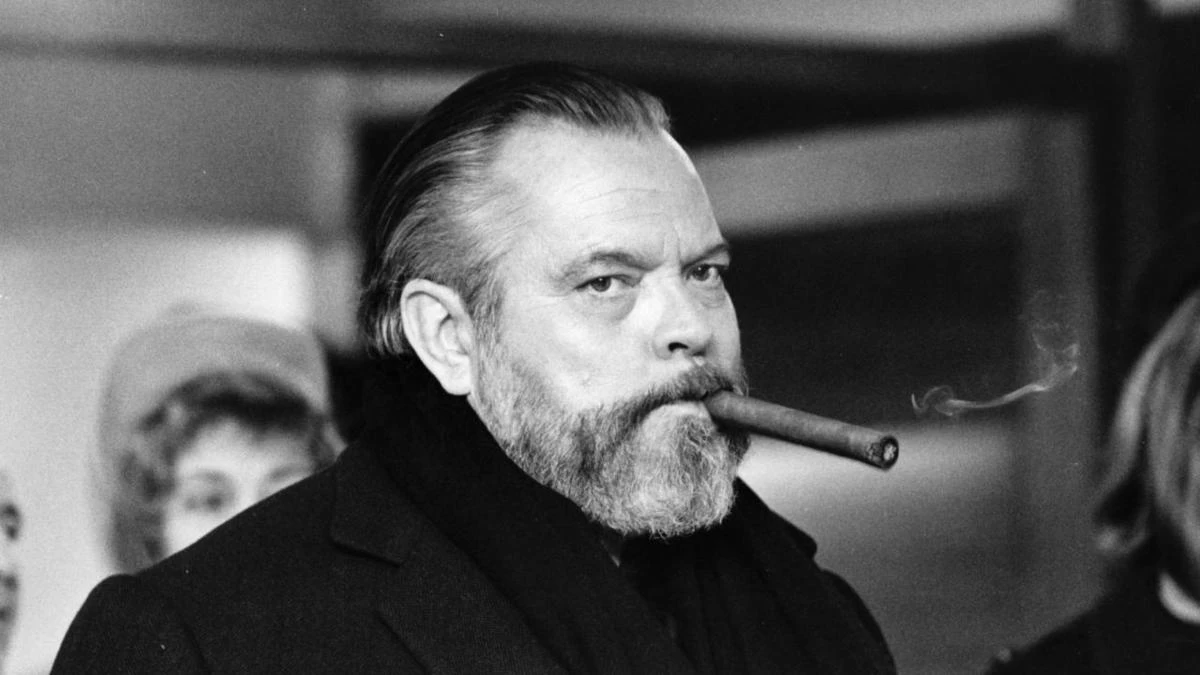
"I started at the top and have been climbing up the downward ladder ever since," Orson Welles said shortly before his death.
Shortly before his death, he bitterly joked: "I started at the very top and have been climbing up the downward ladder ever since." Women weren't the direct cause of his professional decline. But they were a catalyst. Each divorce cost him money, time, and access to studios. The story of his marriages is a tragicomedy about how a genius capable of controlling a camera and entire theaters couldn't manage a single family.
What do you think: can Orson Welles's financial irresponsibility and egotism be justified by his genius—or should a great creator first and foremost remain a decent person to his family? Share your thoughts in the comments!