The Roma of the Great Empire: how Europe's last nomads survived (8 photos)
Statistics claim that 400,000 Roma people live in Slovakia alone. If this is the official figure, then we can be sure that the real number is approximately twice as high. Roma are numerous not only in this country – historically, Roma have lived in large numbers in Eastern European countries and the Balkans. 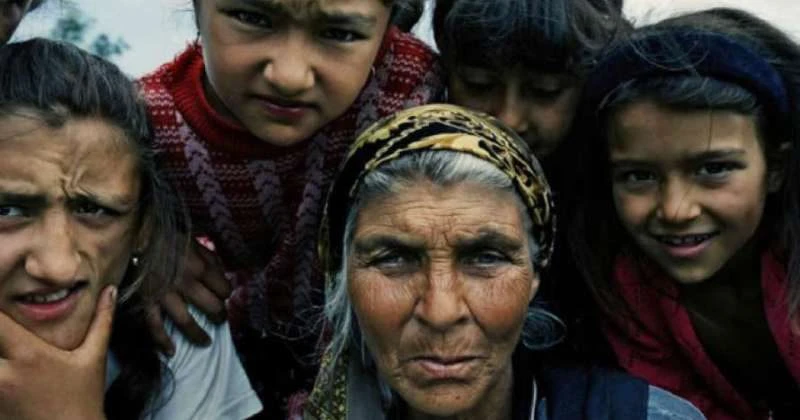
Before Europe was flooded with refugees from Africa and the Middle East, Roma were considered the EU's main problem. This was particularly acute in Eastern European countries, where under socialism these people enjoyed at least some social protection and were provided with jobs, free healthcare, and, if they so desired, education. With the collapse of socialism, the Roma returned to the same precarious state they had found themselves in a century earlier. 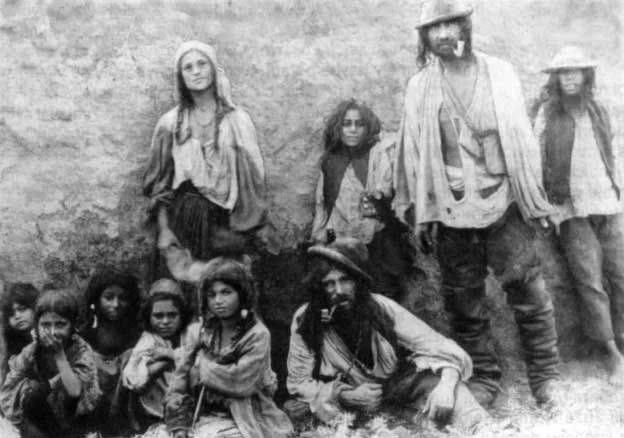
Roma of Eastern Europe. Photo from the early 20th century
It must be said that in the Eastern European countries of Hungary, Slovakia, and the Czech Republic, which were long under Habsburg rule, Roma were particularly disliked. In the 17th and 18th centuries, Europe experienced a veritable epidemic of vagrancy, and the Austro-Hungarian Empire suffered from it in a particularly severe form.
At the beginning of the enlightened 18th century, the empire outlawed all nomadic Roma, and a wave of horrific executions swept across the country. In 1710, the emperor's viceroy in the Kingdom of Bohemia issued a decree on measures aimed at combating vagrancy and begging. 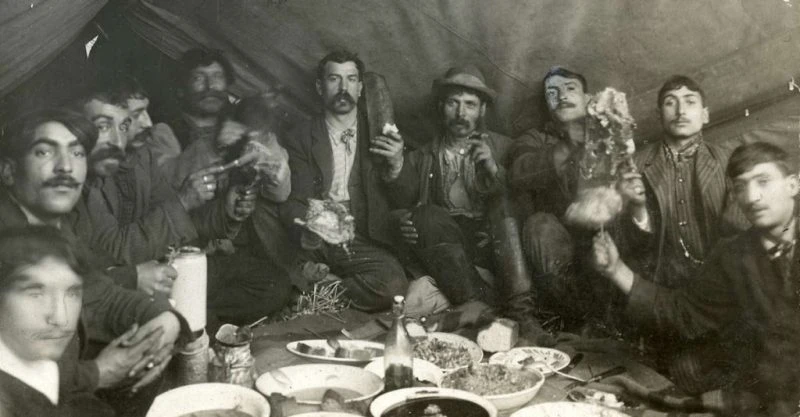
Gypsy feast. Photo from the early 20th century
According to the document, men without a fixed occupation or place of residence were to be hanged, while women and children were to be flogged and have their ears cut off. In 1721, under Emperor Charles VI, the hanging of women was also permitted. Thousands of Roma were killed and maimed in Slovakia, the Czech Republic, and Hungary. Vagrants were hanged in squares and along roadsides to instill terror in all those without shelter or work.
A warming of attitudes toward the Roma only began under Empress Maria Theresa. While execution and mutilation of Roma were now prohibited, they were still unable to live as they pleased. The Empress wished to assimilate the Roma and make them respectable citizens of the empire. 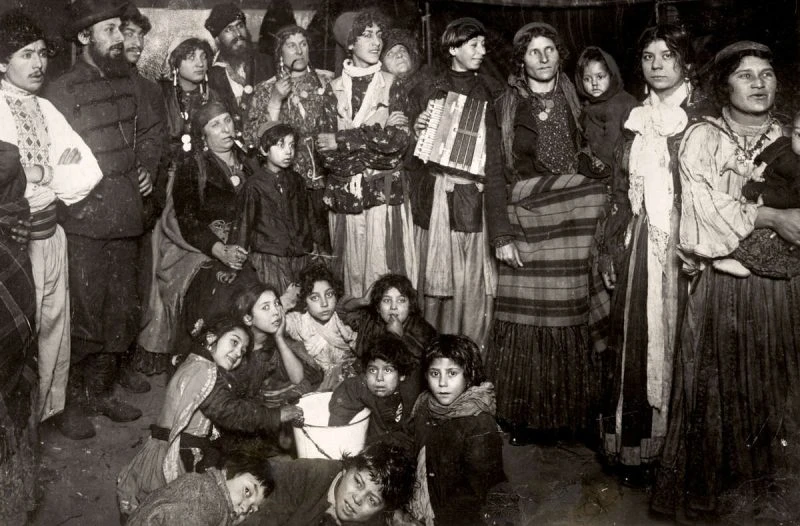
A Roma family from Romania. Mid-20th century
To speed up the process, the use of the word "Gypsy" was banned, and the amusing terms "new settler," "new Slovak," and "new Hungarian" were introduced. The Romani language was banned, and nomadic families were strongly "advised" to settle down and live in houses. Roma began to be issued passports with German and Hungarian surnames that sounded similar to their real names or were derived from the name of a specific area.
The authorities removed children from families that resisted the changes to protect the new generation of "new settlers" from the corrupting influence of folk traditions. The young children were placed with Slovak and Hungarian families who were financially interested. To discourage wanderlust and deprive the Roma of the opportunity to migrate, the Empress forbade them from breeding and keeping horses. 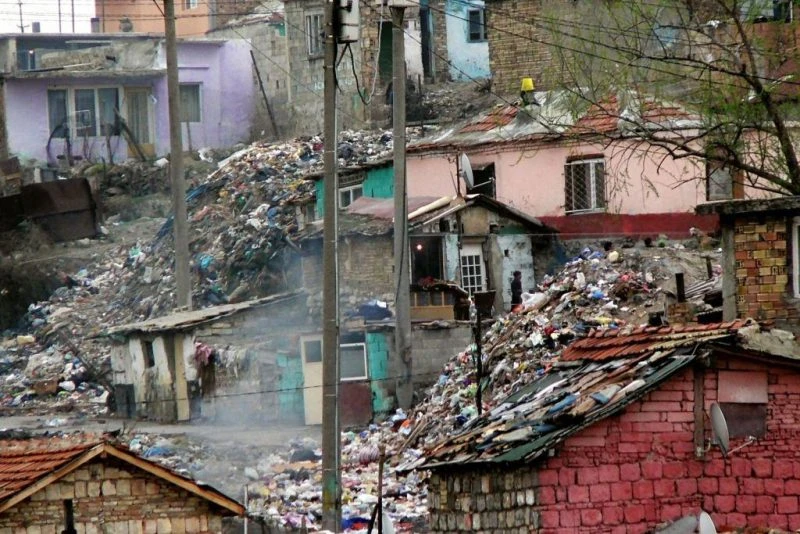
A modern Roma ghetto in Bulgaria
Maria Theresa never completed her grandiose plan to assimilate the Roma into European society, but the progressive empress did achieve some results. The Austro-Hungarian Empire became the most favorable place for Roma to live, provided, of course, they were willing to part with their past.
Hitler's occupation became another serious challenge for the Roma. The Nazis sought to completely exterminate the Roma and hunted them as persistently as Jews. The largest number of Roma were exterminated in Eastern Europe and the Baltics—most researchers estimate the figure at around 200,000. 
This is how the Roma of Slovakia live in the 21st century. The Košice Ghetto
During this difficult period, Romania, an ally of Nazi Germany, became a true oasis of peace for the Roma. Despite Nazi pressure, Romania refused to accept the policy of total extermination of the Roma, and thousands of Roma families from all over Europe found refuge there.
When the countries of Central and Eastern Europe joined the socialist camp after the war, the Roma, as they had under Empress Maria Theresa, were once again assimilated into society. The Soviets were much more successful in this – they created special social and economic conditions for the Roma, and Roma schools and even technical colleges were opened in areas where they lived in large numbers. 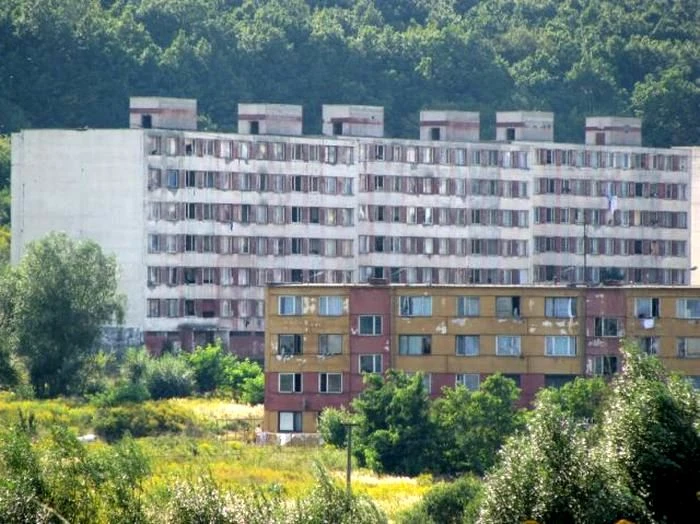
One of the "respectable" Roma suburbs of the Slovak capital
Most Roma in Eastern Europe were employed and doing what they enjoyed most. They worked in agriculture, blacksmithing, stud farms, tanneries, and municipal services. Numerous Roma pop and folk groups emerged, performing successfully both in the Warsaw Pact countries and neighboring capitalist countries.
In the late 1980s, when the ideas of socialism wavered and the transition to a market economy began in Hungary, the Czech Republic, Slovakia, Romania, and Bulgaria, a huge number of businesses closed, including those that employed Roma. While representatives of the titular ethnic groups struggled to find a way to earn a living, most Roma returned to the situation they had experienced hundreds of years earlier. 
Roma district of Plovdiv, Bulgaria
Today, the Roma population of Central and Eastern Europe has found itself on the margins of life. Some of them migrate like their ancestors, while others live sedentary lives in the trash-strewn and crime-ridden ghettos of Bratislava, Budapest, Bucharest, and Sofia. Roma are not persecuted today, but neither are they offered any assistance. The most the European Union does for them is allocate funds to clean up trash, repair roads, and maintain schools and hospitals.