The Queen's passport, unnoticed hunters, and a diamond on a table: 8 facts that will change your understanding of the world (9 photos)
Do you think you know the world? But did you know that the British Queen didn't have a passport because she issued it herself? That your pet cat is a killer, possessing entire species in its paws? And that the ballpoint pen tip is almost as hard as diamond? 
We've collected 8 amazing, strange, and sometimes shocking facts—from NASA technology to the secrets of sleep. Be warned, this is going to be interesting.
1. No Passport Required 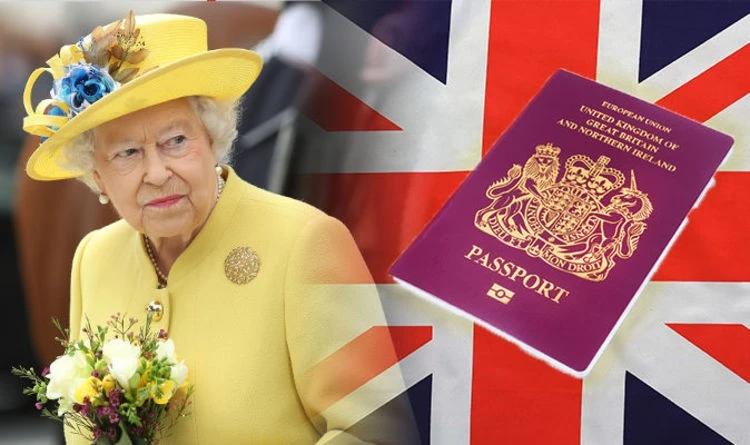
Queen Elizabeth II never had a passport. This is explained by a simple legal rule: all British passports were issued in the name of Her Majesty. They bore the phrase "Her Britannic Majesty requests..." Since the Queen was the source of this authority, she did not need to verify her identity to her own officials.
For foreign travel, she simply needed to confirm her identity verbally or be recognized. Her face and status served as a "living passport." Interestingly, all other members of the royal family hold such passports. As for King Charles III, like his mother, he still lacks a passport, as all British passports are now issued in his name.
2. Alien Defense 
NASA has an Office of Planetary Protection. This organization has two main objectives: first, preventing the accidental introduction of terrestrial microorganisms to other planets and moons, so as not to contaminate them and distort possible signs of alien life; Secondly, to protect Earth from the hypothetical return of extraterrestrial samples that could carry unknown biological threats.
The Directorate's staff participates in the planning of all missions—from Mars rovers to spacecraft exploring Europa (a moon of Jupiter) and Enceladus, where habitable conditions are suspected. The rules are strict: for example, probes sent to potentially habitable zones undergo special sterilization, and sample return capsules must be securely sealed.
3. Less trash—more order 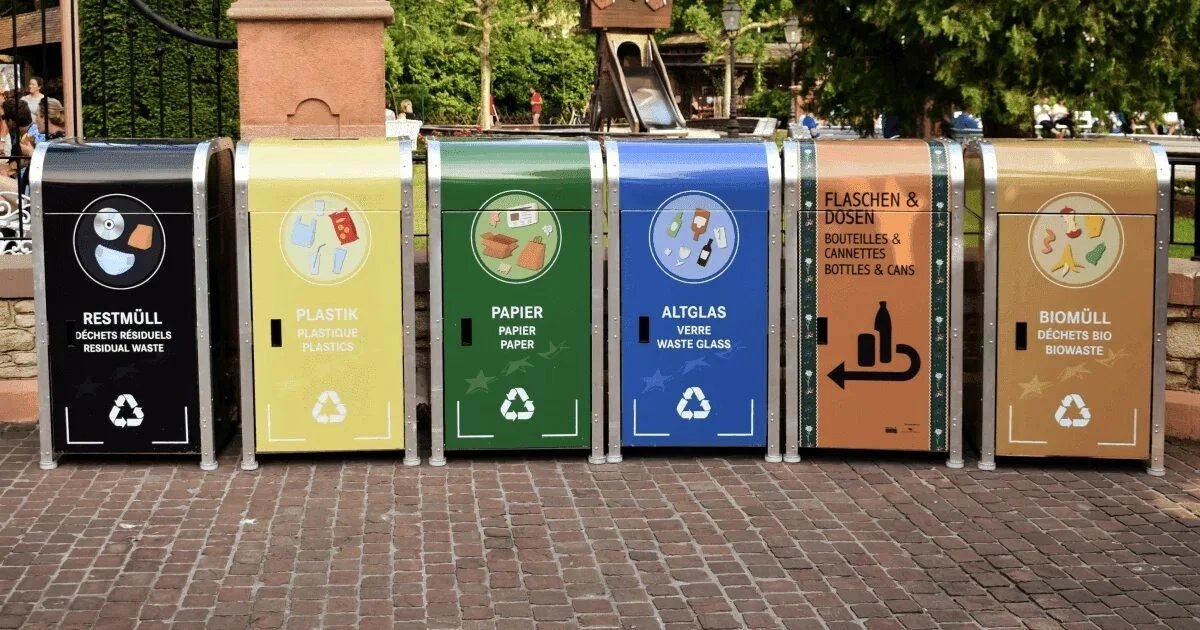
In Dresden, Germany, a "Pay for Garbage" system has been in effect since 1994. The idea is simple: residents pay a fee for the volume of waste they throw out, not a flat rate. This encourages sorting and recycling. The results are impressive: despite rising incomes and consumption, per capita waste generation has more than halved—from 305 to 143 kilograms per year. The difference goes toward composting, recycling, and reuse. The system is considered one of the most successful in Europe.
4. The Last Emperor 
The last Chinese emperor, Puyi, lived until 1967. After his overthrow, he spent many years in prison under the communist regime, where he worked as a simple gardener, growing vegetables, and was listed only as "Prisoner No. 981." His remarkable fate, from throne to vegetable garden, became a symbol of the collapse of the imperial era.
5. Not insomnia, but a sleep phase shift 
Delayed sleep phase syndrome is often confused with insomnia. The difference is that a person with this disorder is able to get the required eight hours of sleep, but their internal biological clock simply doesn't align with the generally accepted social rhythm. With delayed sleep phase syndrome, a person doesn't feel sleepy at normal times (for example, at 10:00 PM), and peak sleepiness occurs well after midnight (around 2:00 AM).
As a result, when they need to wake up at 6:00 AM, it literally happens in the middle of their biological night. Doctors note that this condition is quite common (affecting up to 10% of the population) and is often misdiagnosed as insomnia due to a lack of awareness among specialists.
6. Cat Exterminators 
Domestic cats are believed to be one of the main causes of the extinction of 33 bird species worldwide. This figure refers to species that became extinct specifically on islands where introduced predators caused the greatest damage to endemic fauna.
7. Almost Like a Diamond 
The ball at the end of a ballpoint pen is almost as hard as a diamond. It's made of tungsten carbide with a cobalt bond—a superhard alloy whose hardness approaches that of natural diamonds. This strength is necessary for a ball less than a millimeter in diameter to withstand the friction of writing on paper for thousands of meters.
8. Distinguish by the belly button 
Identical twins can be distinguished by their belly buttons. Since the belly button is a scar formed after the umbilical cord falls off, and not a genetic trait, it is unique to each person and is not influenced by heredity. Therefore, the shape and appearance of the belly button in twins with identical DNA will be different.