She Bit Him Until He Bled on Their First Kiss. Four Months Later They Married—and Destroyed Each Other (15 photos)
In 1956, two poets met at a Cambridge party. On their first kiss, she bit his cheek hard enough to draw blood. Four months later, they were married. Six years later, he left her for another woman. A year after that, she was dead, leaving the manuscript for *Ariel* on her kitchen table. Six years later, the woman he left her for suffered the exact same fate. Ted Hughes outlived them both, living nearly three more decades. Was their story one of love, tragedy, or simply two broken souls who found each other? 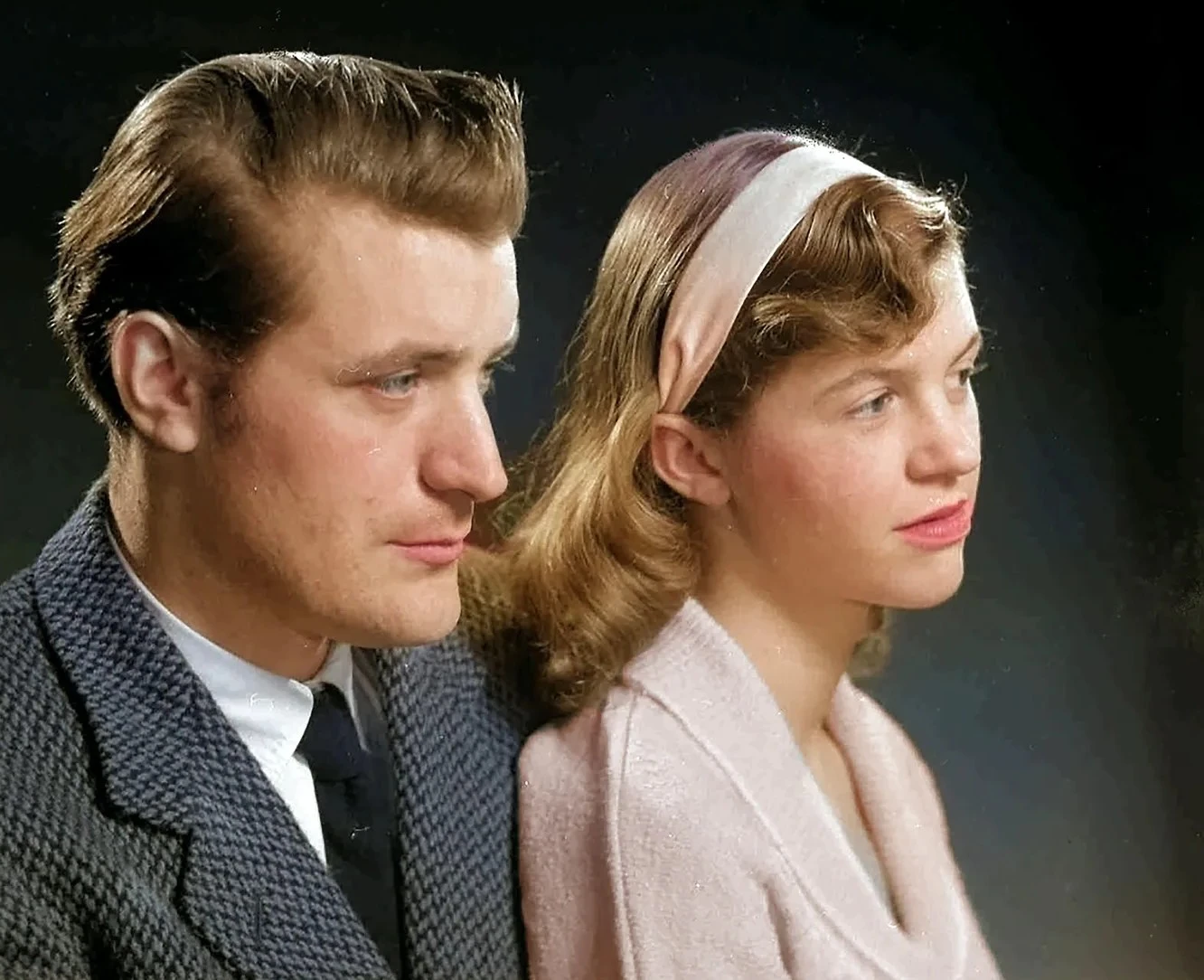
The Party at Falcon Yard
On the evening of February 25, 1956, Cambridge was buzzing with a party celebrating the launch of the inaugural issue of St. Botolph’s Review, a student literary journal. Jazz played in the Women’s Union hall at Falcon Yard, where guests shouted over the music to recite poetry. Sylvia Plath—a 23-year-old American Fulbright scholar—had not ended up there by chance. 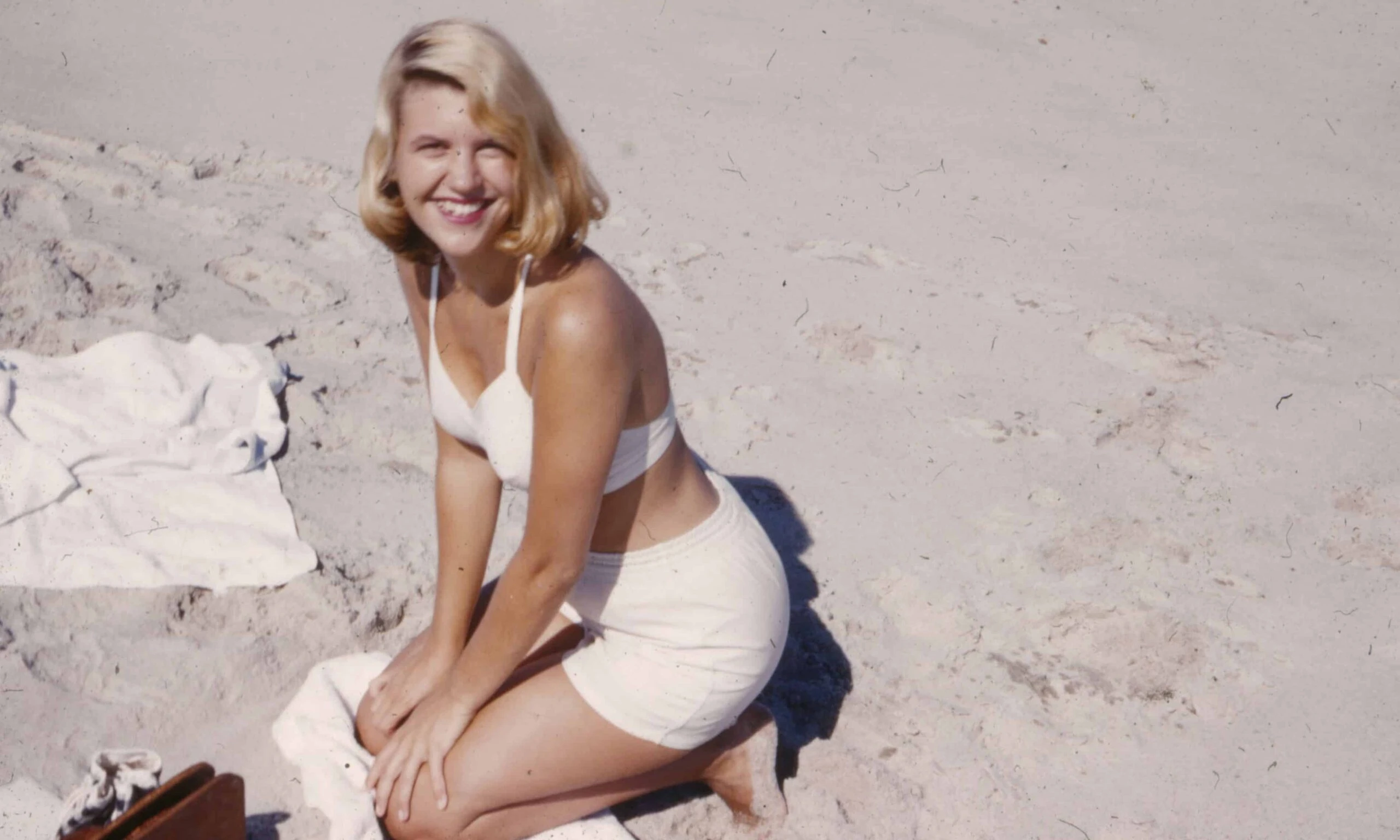
Sylvia Plath in June 1954, several years before meeting Ted Hughes
That morning, she had bought the freshly printed journal from street vendors and read Ted Hughes's poems. They mesmerized her. Stepping into the hall, she spotted him immediately—a tall figure she would describe in her journal that very night as "that big, dark, hulking boy," the only one big enough for her. She began reciting his own poems to him. He kissed her. She bit him on the cheek, drawing blood.
“There is a panther stalks me down:/ One day I’ll have my death of him,” Plath wrote in her poem “Pursuit” around that time. She knew this relationship harbored danger, yet she walked into it clear-eyed. 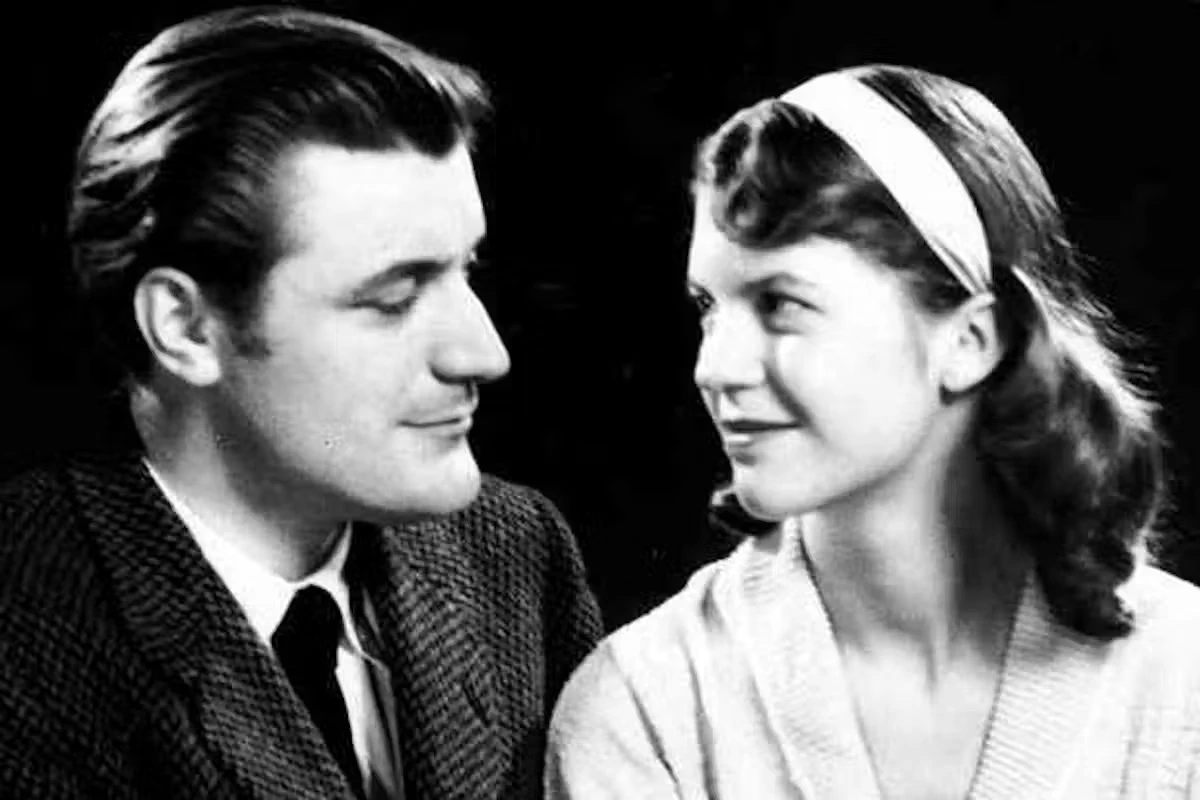
Sylvia Plath and Ted Hughes married just four months after meeting at the Falcon Yard party
By June 16, 1956—less than four months later—they were married at St George the Martyr Church in Camden, London. Only Sylvia’s mother, Aurelia, attended the quiet ceremony. They chose the date to honor Bloomsday, the day James Joyce’s *Ulysses* takes place. Both knew they were setting something unstoppable in motion.
A Literary Symbiosis
Over the next few years, they lived and breathed poetry. They recited poems over breakfast, edited each other’s manuscripts, and corresponded in verse. In a BBC interview in January 1961, Plath put it simply: “We wrote poems to each other. Then we suddenly found we were married.” 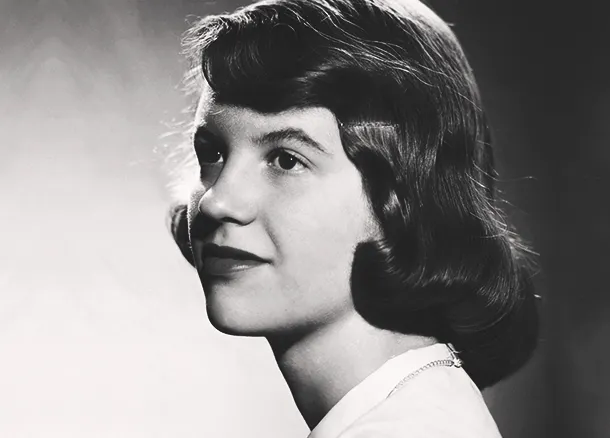
Sylvia Plath in the late 1950s: Fulbright scholar, Cambridge student, and a poet with a fully formed voice.
Plath typed up Hughes’s manuscripts, submitted them to publishers, and championed his career with the same fervor she brought to her own work. In 1957, they returned to the US: she taught at Smith College—her alma mater, from which she had graduated with highest honors—while he received a Guggenheim Fellowship. In 1960, her debut poetry collection, *The Colossus*, was published to favorable reviews. 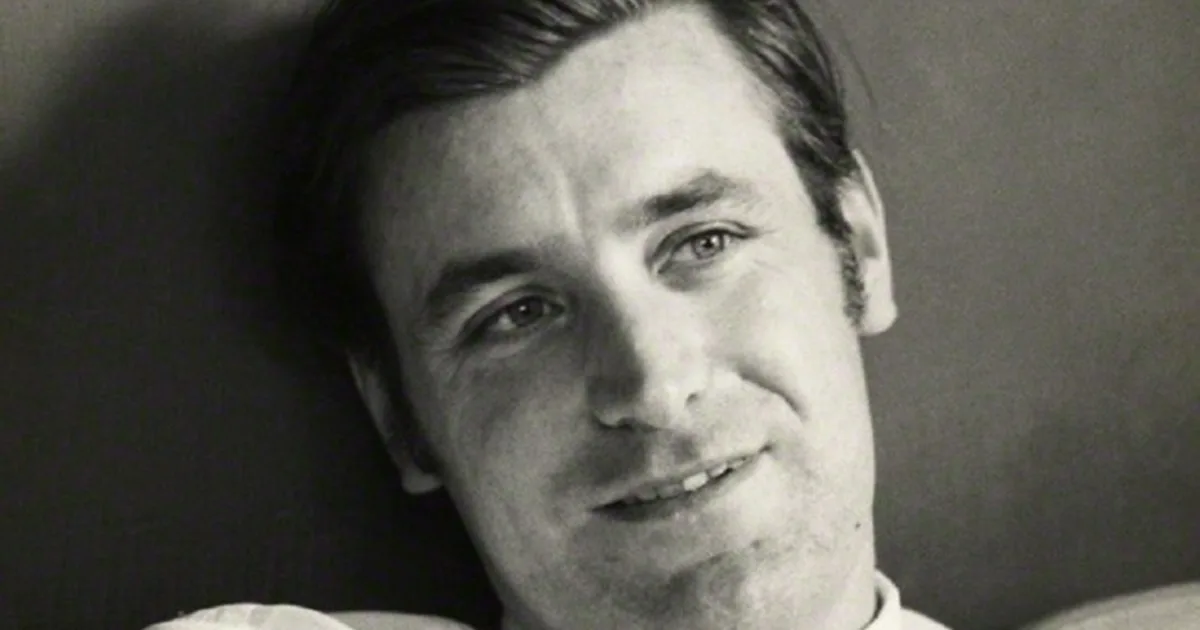
Ted Hughes in the early 1960s: an acclaimed poet, though not yet Poet Laureate—a title he would receive in 1984.
Yet a quiet rivalry simmered beneath the surface. Hughes found publishing easier and gained recognition faster. Plath envied him while loving him deeply. In her journals, she documented this conflict with surgical precision: her awe at his talent sat side by side with the bitter realization that she would have to work twice as hard to achieve the same acclaim. 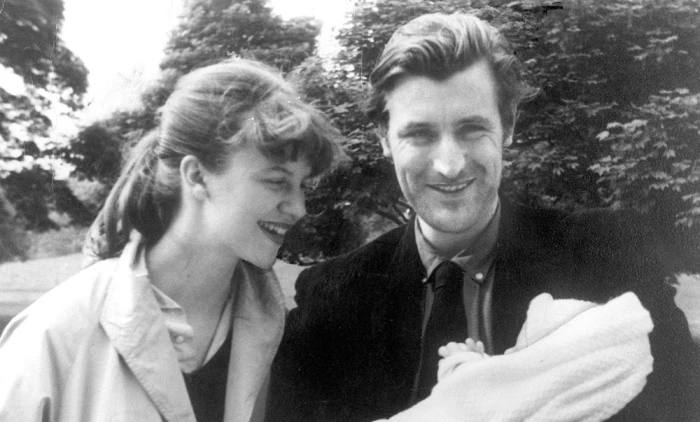
North Tawton, early 1960s: a vegetable patch, beehives, and their first child—a picture of domestic bliss
In 1960, they bought a house in the Devon village of North Tawton. A garden, beehives, and two children—daughter Frieda (born 1960) and son Nicholas (born 1962). From the outside, it was idyllic. On the inside, tension was mounting, which Plath described with increasing candor in her journals and letters to her mother.
Assia Wevill and the End of the Marriage
In May 1962, the Wevills—poet David and his wife Assia—came to visit in Devon. Plath and Hughes had invited them themselves; they had previously sublet their London flat to the couple and considered them friends. Assia Wevill was a striking, confident translator and aspiring poet—German-born, raised in Israel and Canada. 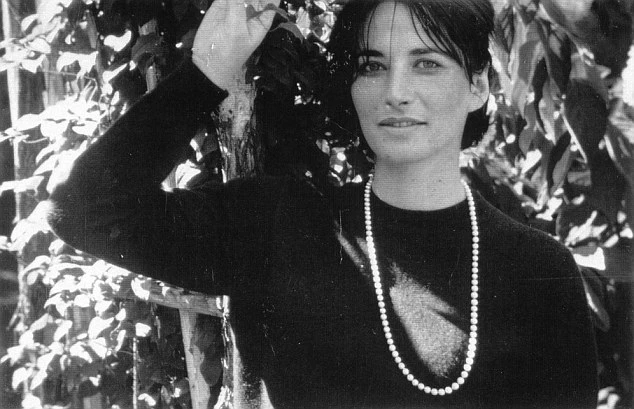
Assia Wevill. Following Plath’s death, she lived with Hughes for six years and bore him a daughter, Shura.
The affair began almost immediately. In July 1962, during a trip to Ireland with Plath, Hughes vanished for ten days to be with Assia. Upon his return, he made no secret of it. Plath wrote a brief note to her mother: “Ted has been unfaithful. I am living alone with the children.”
Sylvia’s reaction was explosive. Biographers noted entries describing how she built a bonfire in the yard, tossing in her husband’s letters and drafts. Other accounts claim she tore up the manuscript of his unfinished work. Details vary, but one thing is certain: by the summer of 1962, the marriage had shattered. In September, Hughes walked out for good.
“To live with a genius is to live with fire. It warms you. It burns you. The line between the two is merely a matter of distance.” 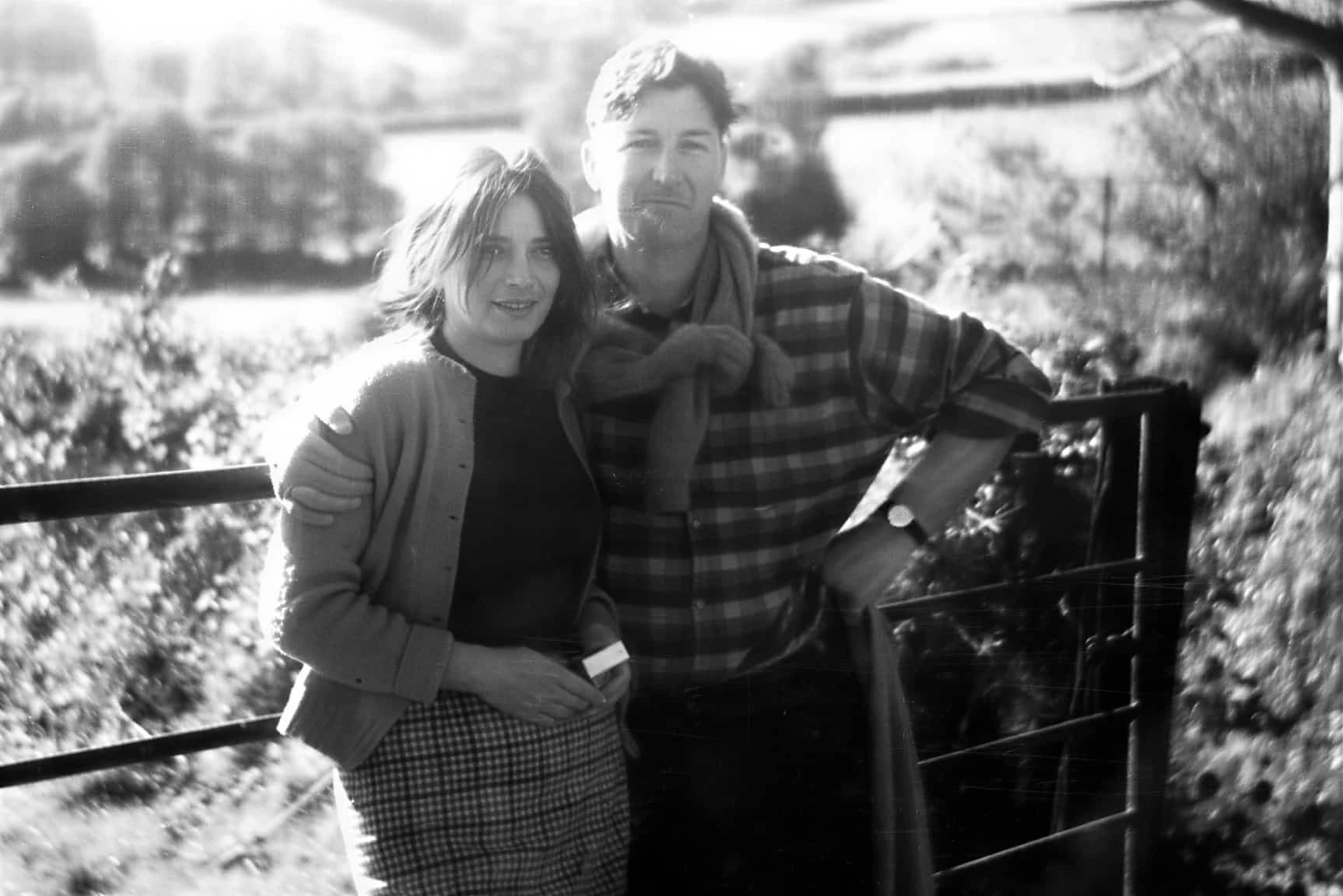
Assia Wevill and Ted Hughes. Their affair cost Plath her marriage—and marked the beginning of a story destined for tragedy
Hughes refused to make a choice, spending weeks at friends' places in London before returning to Devon to see the children. Assia, meanwhile, was torn between Hughes and her husband. In December 1962, Plath took the initiative: she packed up the children and moved to London, renting a flat on Fitzroy Road in a house once inhabited by William Butler Yeats—a poet she idolized.
*Ariel*: Poems from Hell
Starting in October 1962, Plath wrote with feverish intensity. Every morning, while the children slept, she rose before dawn to work. In just a few months, she produced more than 26 poems, many of which would become the cornerstone of her legacy. This body of work was later published under the title *Ariel*. 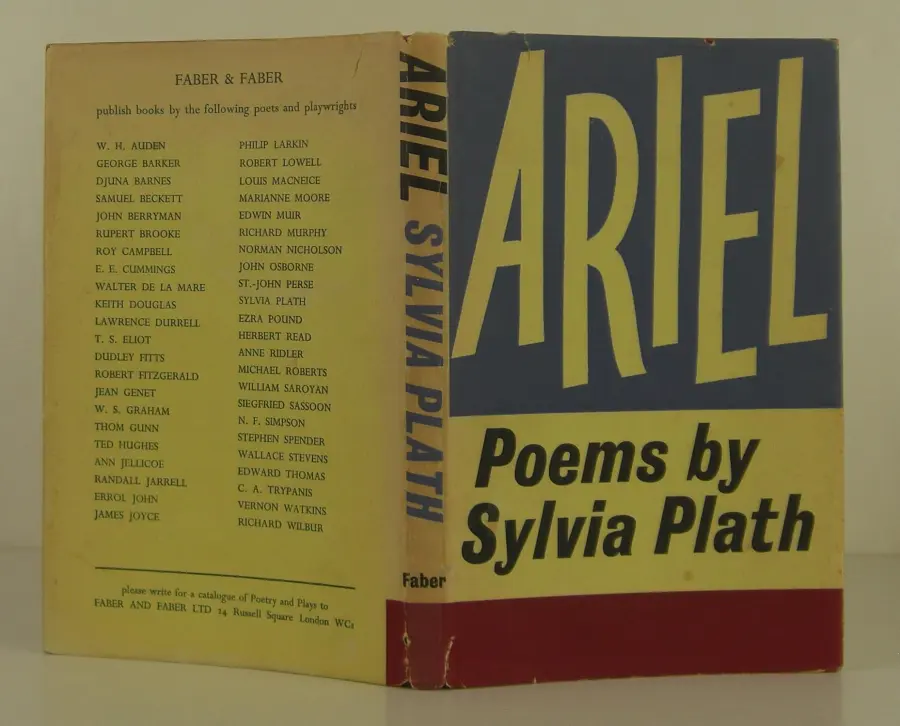
The first edition of *Ariel* was published in 1965, two years after Plath’s death. The book immortalized her.
The winter of 1962–1963 was one of the coldest in England in a century. The pipes in her flat froze, the children fell ill, and Hughes sent money sporadically. Plath begged publishers for advances, did translations, wrote reviews—and somehow still found the strength to compose poetry that critics would later hail as the pinnacle of 20th-century confessional verse. 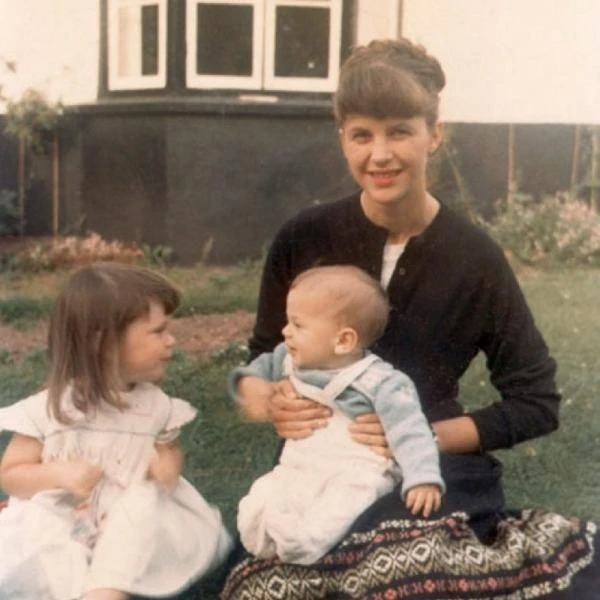
Sylvia Plath with her daughter Frieda and son Nicholas in the summer of 1962—the family's last summer together.
In her letters that winter, she wrote of plans for the future: a new novel, new poems, spring, nursery school for Frieda. She did not sound like someone who had given up. But the depression that had haunted her since youth—she had made her first suicide attempt at age 20—was returning in waves.
February 11, 1963
On the night of February 10, 1963, Plath put her children to bed, sealed the gaps around their nursery door with wet towels, and turned on the gas oven. The children were found alive the next morning. Sylvia was dead at 30.
Hughes became Plath’s literary executor and sole heir, as she had died intestate and they were never legally divorced. This left him in complete control of what was published and what was suppressed. *Ariel* was released in 1965 and immediately achieved cult status. At the same time, Hughes destroyed her final journal, claiming he didn't want their children ever to read it. Another early journal, by his own admission, he simply lost. 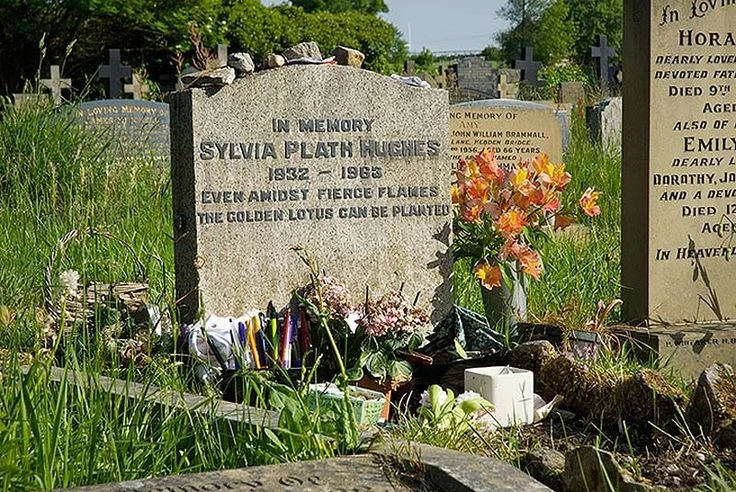
Plath’s grave in Heptonstall, Yorkshire. The name "Hughes" on the headstone was defaced multiple times—and restored each time.
Plath’s headstone, reading "Sylvia Plath Hughes," became a battleground of symbolic warfare. Feminists repeatedly chiselled away the word "Hughes." The headstone was continually restored. By 1989, the controversy had reached such a pitch that the stone remained unmarked for several months. Today, the name "Hughes" appears carved in a lighter tone—the mark of yet another repair.
For decades, Hughes kept silent. He answered rare letters, raised his and Plath’s children, and continued writing. In 1970, he remarried, taking Carol Orchard as his wife. In 1984, he was named Britain’s Poet Laureate.
Assia: The Forgotten Third Victim
On March 23, 1969, Assia Wevill dragged a bed into the kitchen of her flat in Clapham, London, gave her four-year-old daughter Shura—fathered by Hughes—a glass of water dissolved with sleeping pills, and turned on the gas. Neither woke up. 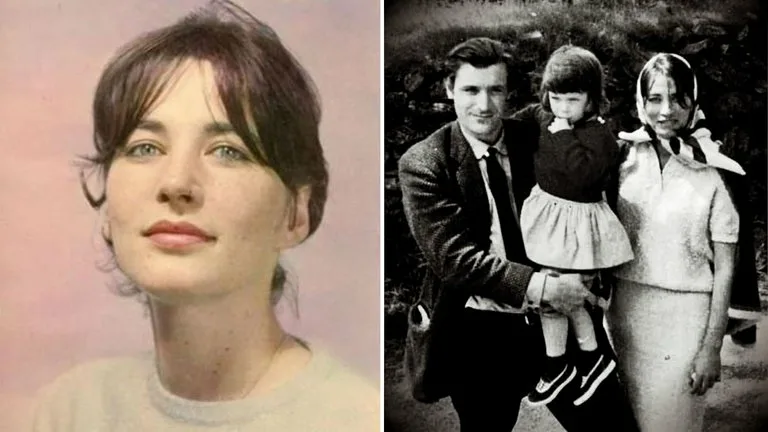
Alexandra "Shura" Wevill, the daughter of Assia and Hughes. She died alongside her mother in March 1969 at the age of four.
This chapter is rarely discussed in the narrative surrounding Plath, yet it remains an essential piece of the same tragedy. Assia lived with Hughes for six years following Plath’s death. She often referred to Plath as "my predecessor—the one who is always a third between us." Plath’s ghost haunted her constantly.
Biographers note that Hughes hesitated to fully commit to Assia even after Plath’s death, leaving her stuck in limbo. Assia had her own career, her own fractures, and her own story—one that has almost always been eclipsed by the "main" tragedy.
*Birthday Letters*: Breaking 35 Years of Silence
In January 1998, Hughes published *Birthday Letters*, a collection of 88 poems about Sylvia Plath. Written over several decades, the poems read like letters addressed directly to her—recalling their first meeting, their life in Devon, their children, and everything he had witnessed but failed to comprehend. 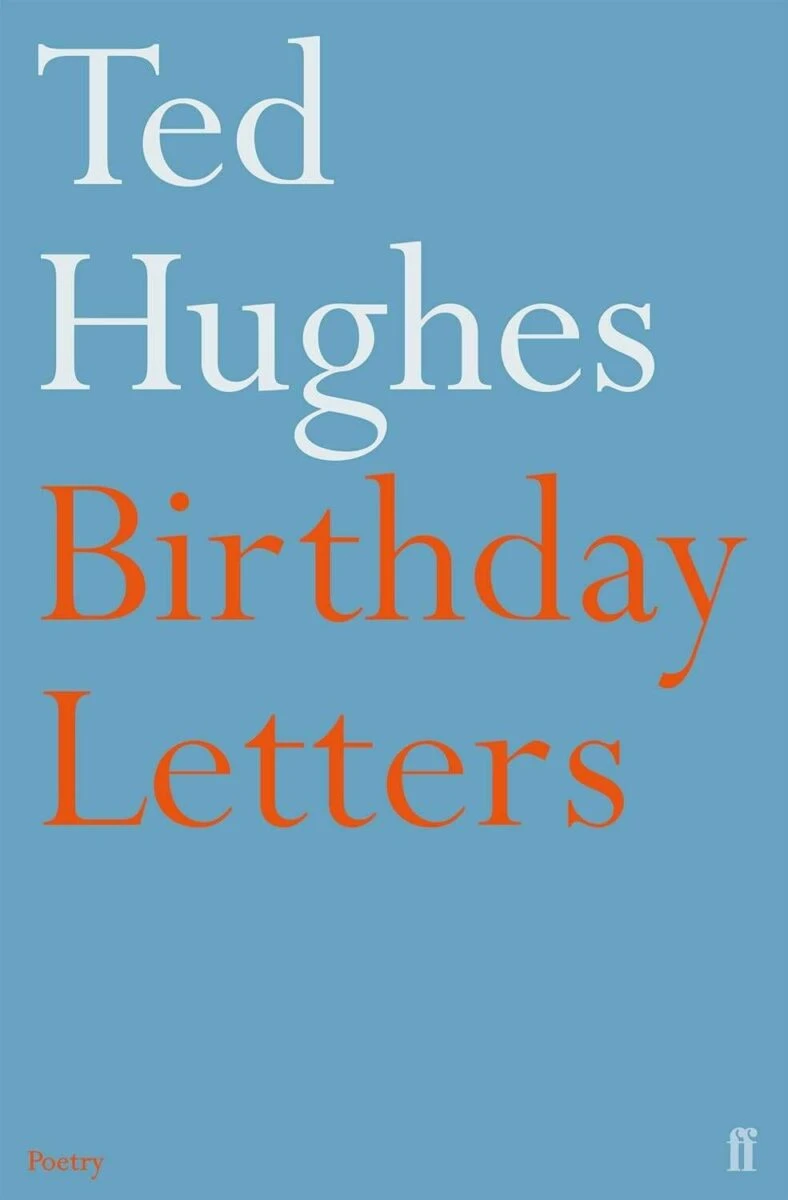
*Birthday Letters* was published in January 1998. Hughes died of cancer in October that same year.
The book became an instant bestseller and swept Britain's major literary honors, including the Whitbread Book of the Year, the Forward Prize, and the T. S. Eliot Prize for Poetry. Some critics dismissed it as a belated attempt at self-justification; others considered it the only truly honest work Hughes had ever produced. In private correspondence, he explained that writing it was essential to break a creative block that had paralyzed him for decades. 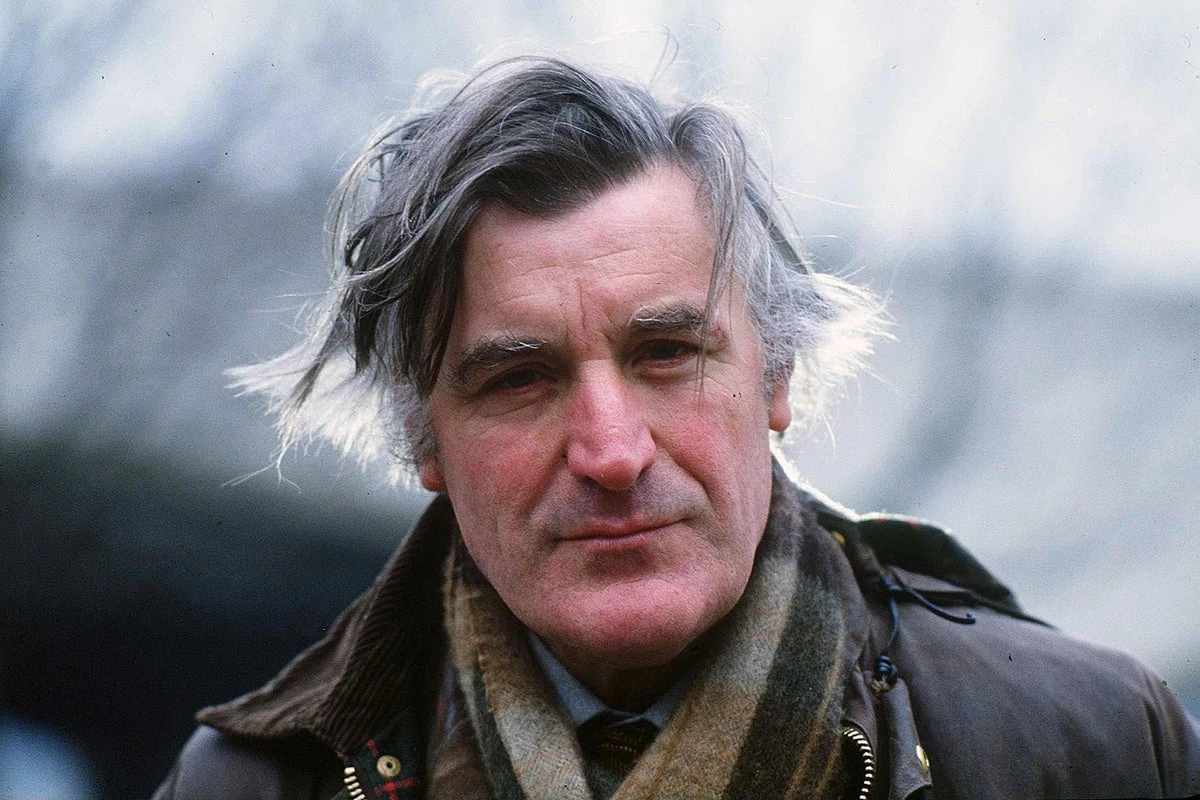
Shortly before his death, Hughes was appointed to the Order of Merit—a personal gift from the Queen restricted to no more than 24 living members at any one time.
Hughes died of cancer on October 28, 1998, just months after *Birthday Letters* was published. Shortly before his death, Queen Elizabeth II appointed him to the Order of Merit. In 2011, a memorial stone honoring Hughes was unveiled in Poets' Corner at Westminster Abbey.
Who Destroyed Whom—And Did They?
Plath lived to be 30, leaving behind *Ariel*, *The Colossus*, her novel *The Bell Jar*, and journals that continue to be widely read. In 1982, she was posthumously awarded the Pulitzer Prize for Poetry. Hughes lived to 68, became Poet Laureate, wrote monumental works, and raised their children. Their son, Nicholas, became a marine biologist and took his own life in 2009. 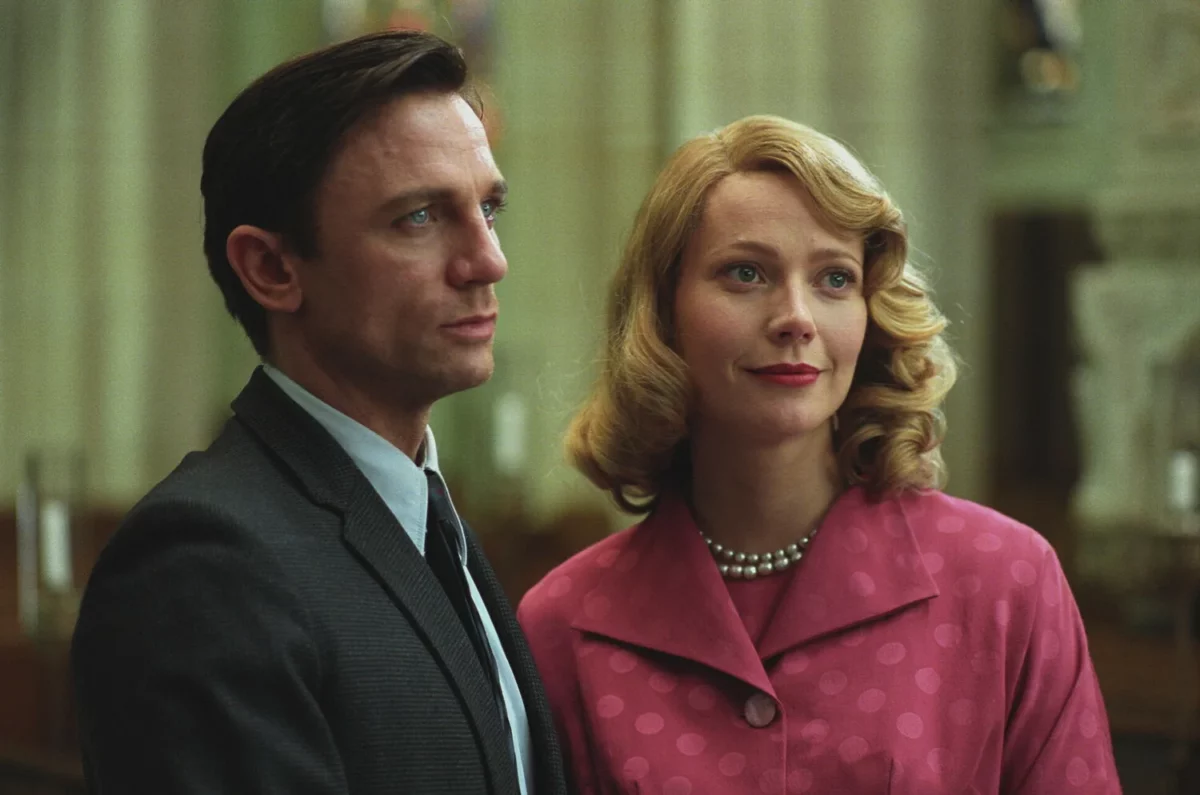
Gwyneth Paltrow and Daniel Craig as Plath and Hughes: two people sharing a frame, yet already worlds apart.
There is no simple answer to who was at fault—and stating so is not an evasion, but an honest assessment. Plath suffered from severe depression long before meeting Hughes. Hughes was unfaithful—that is indisputable. Yet *Ariel* exists precisely because she reached an extreme threshold and wrote her way through it. This is not about romanticizing suffering, but about acknowledging how destruction and artistic creation can coexist within a single person—and what happens to those caught in their orbit.
The story of Plath and Hughes resurfaces again and again—in biographies, films, and the persistent battles over her headstone in Heptonstall. People continue searching for someone to blame. Perhaps that is because the story of two geniuses destroying each other seems to demand a neat conclusion. But there isn't one.