St. Patrick's Well - the main architectural trick of the Renaissance (16 photos)
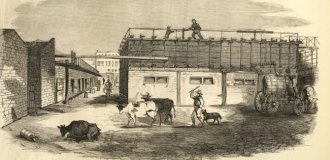
The city of Orvieto, 1527. Rome is sacked by the soldiers of Charles V. Pope Clement VII flees in panic and finds refuge in a city perched on a clifftop of volcanic tuff—Orvieto. It seems the soft stone walls will protect against any siege. 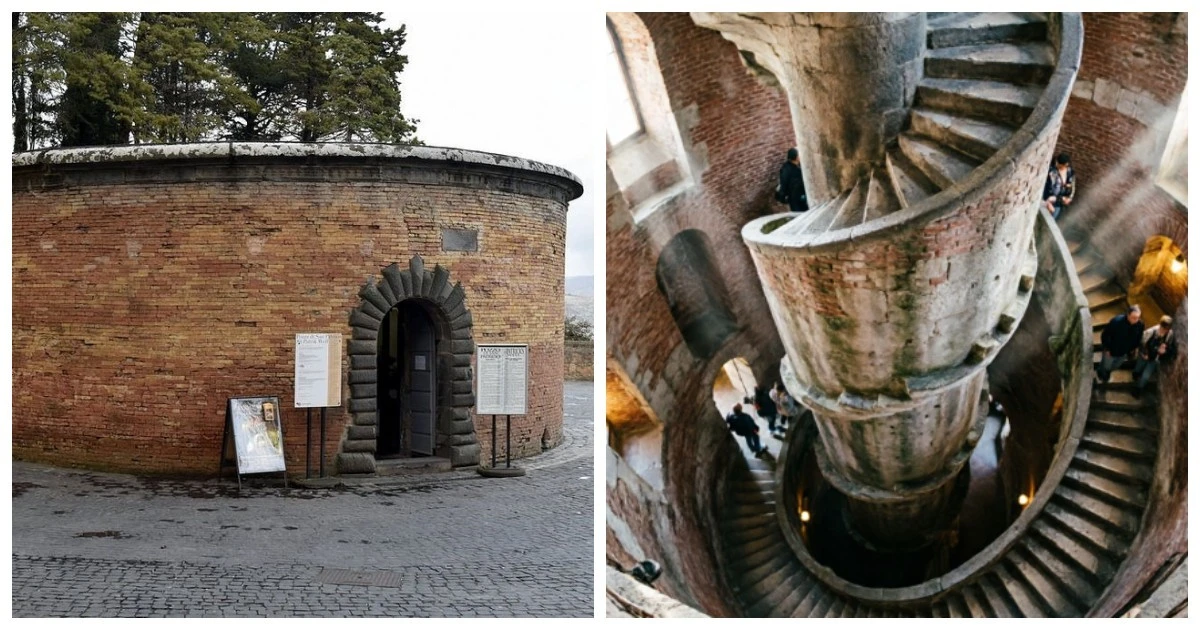
But there's one problem. If the enemy cuts off access to the water sources on the surface, the city in the sky will perish of thirst. And bringing water from below means hundreds of meters up steep paths with jugs on people's backs. Ineffective. Dangerous. Deadly. 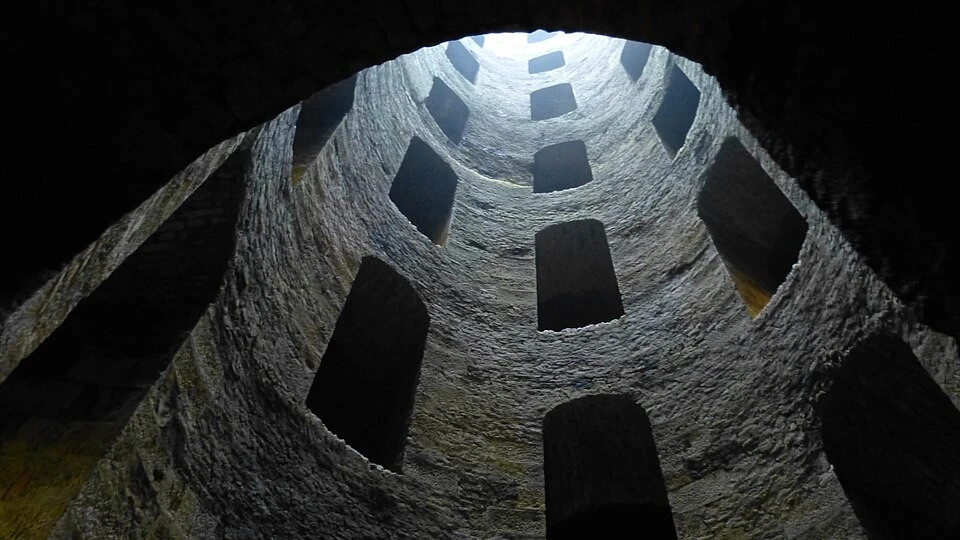
The solution comes from the Renaissance genius Antonio da Sangallo the Younger. He proposes a crazy idea: dig a well of such depth that the world has never seen before. Descend into the very heart of the cliff, where the underground waters flow regardless of the whims of the besiegers. 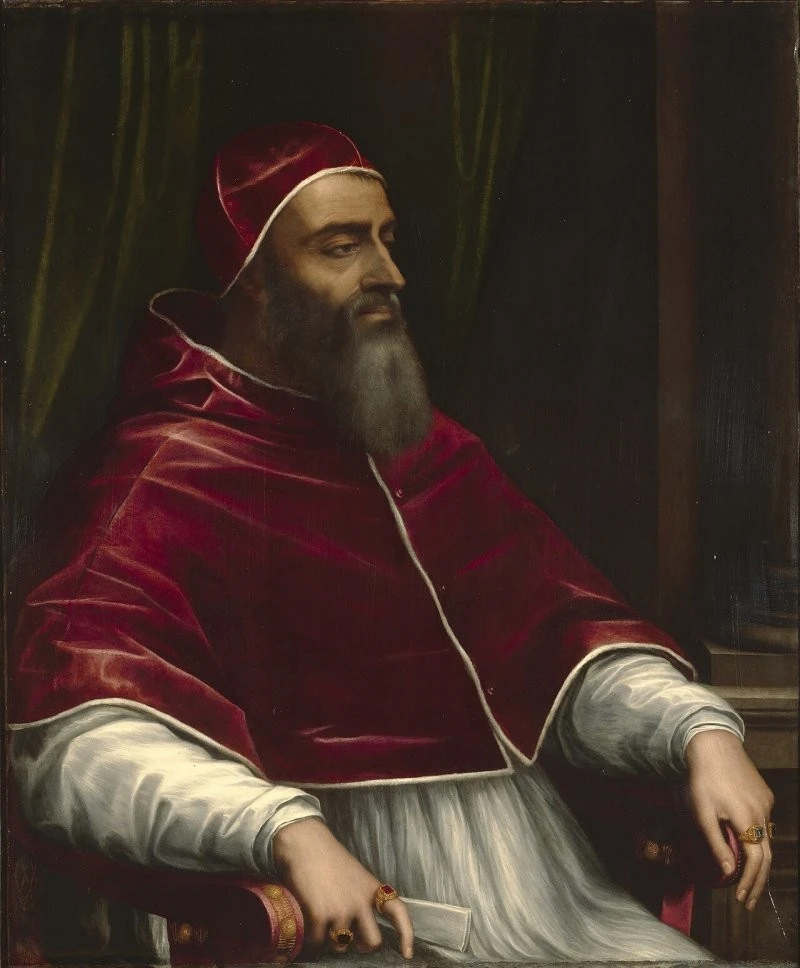
Pope Clement VII
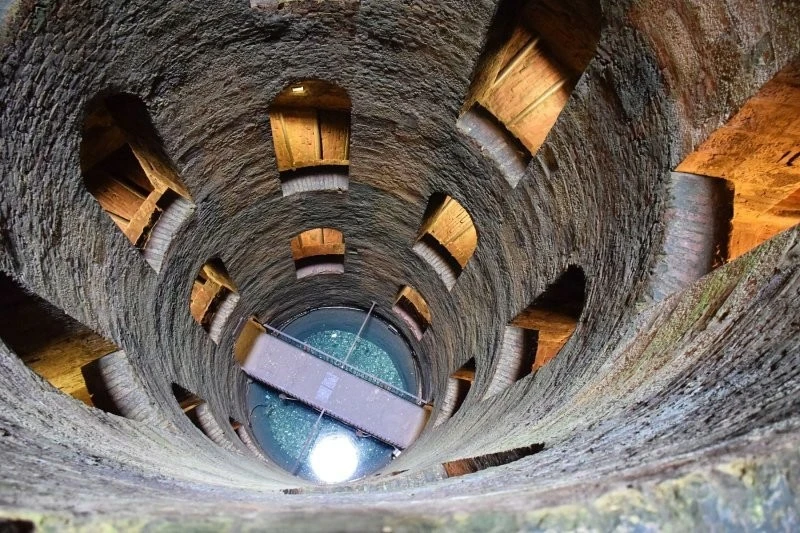
But the main trick isn't even in the depth. Sangallo designs a double helix—two independent staircases, twisted around a void like a DNA molecule. Entrances are from two opposite sides. One staircase leads only down, the other only up. 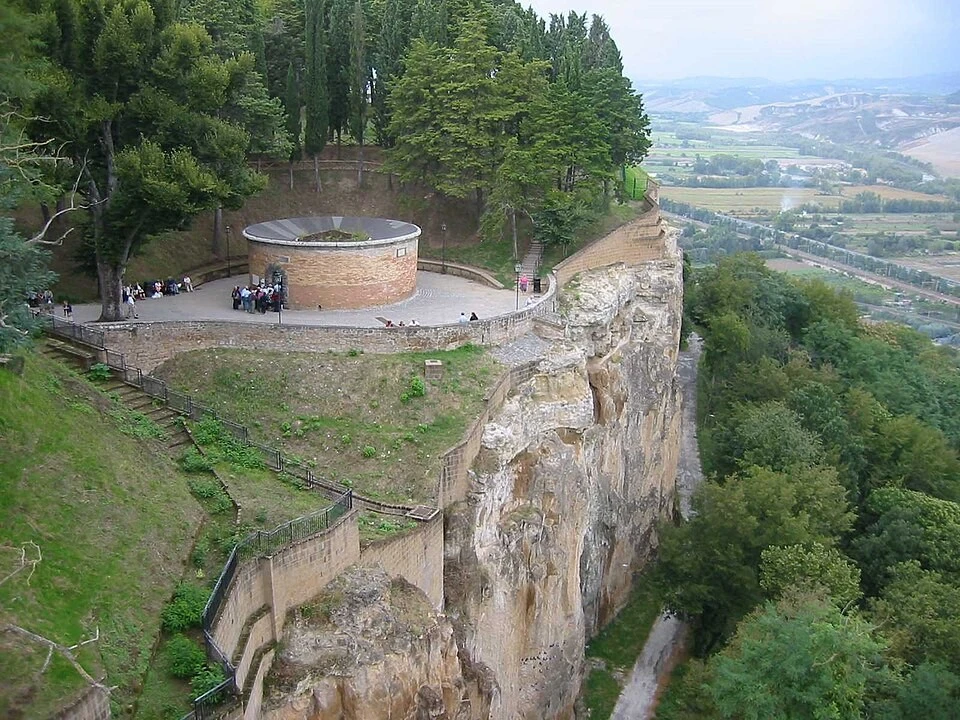
And here's what it means: while donkeys with empty jars leisurely descend one passage, their loaded brethren ascend another. They will never meet. No traffic jams, no swearing, no broken amphorae. 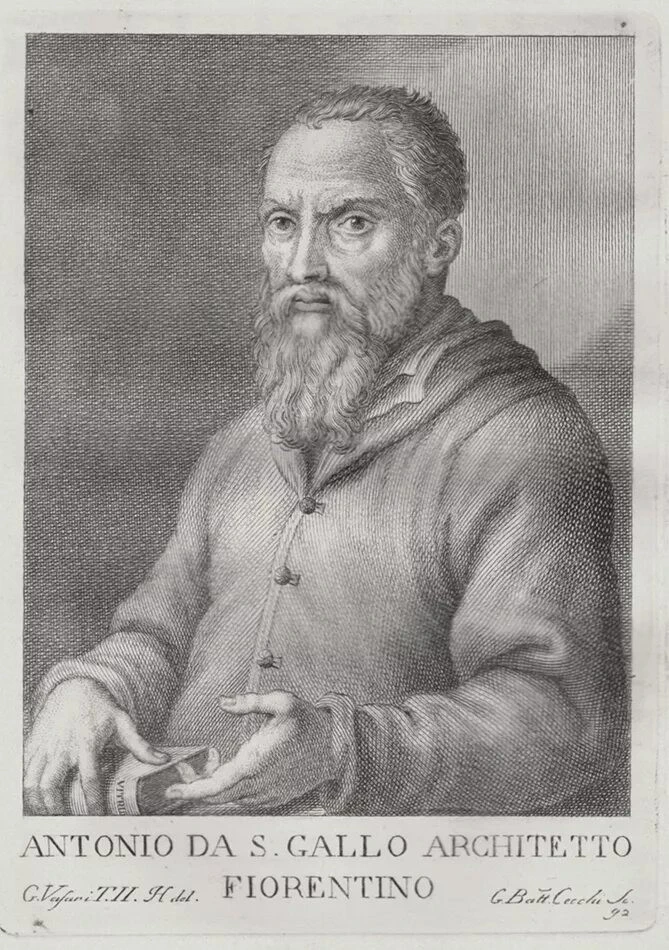
Antonio da Sangallo the Younger was an Italian architect and fortification engineer of the High Renaissance, part of the Florentine school.
In engineering, this is called one-way traffic. In a world of wonders, this is pure genius. 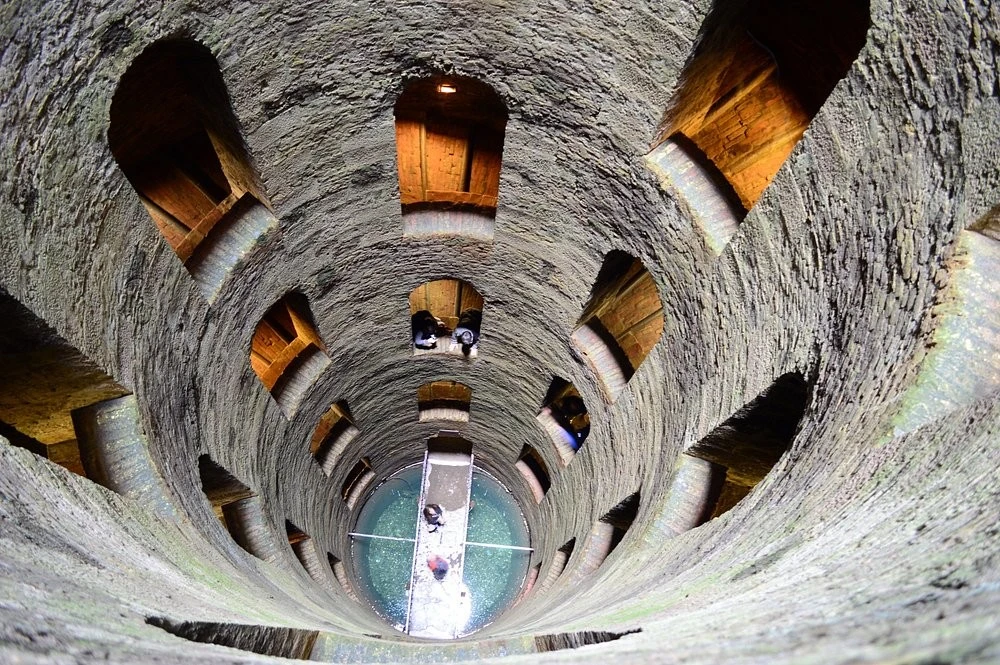
The well's depth, according to various sources, is 53–62 meters. It has 248 steps and 70 windows, all located opposite each other. This creates a unique lighting effect. The deeper you go, the darker it gets, but the bottom never completely plunges into darkness. 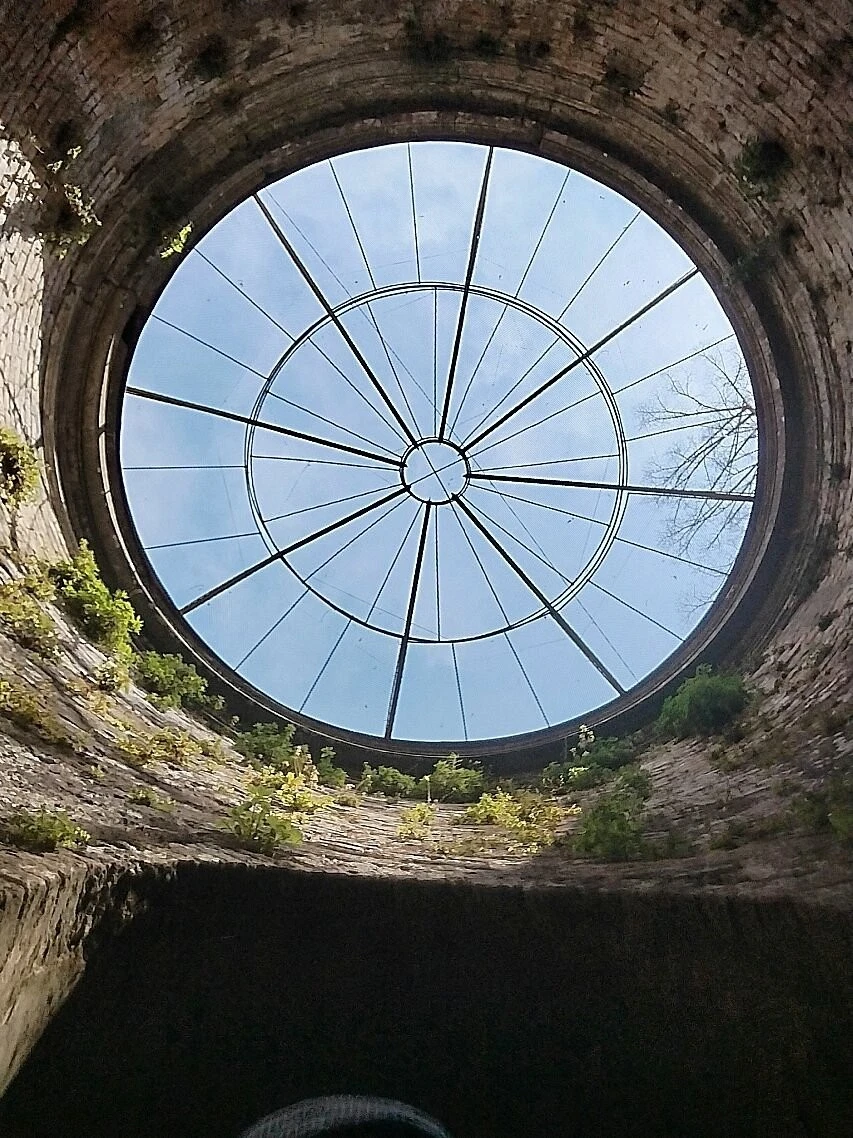
At the bottom of the well is a small bridge from which water could be drawn. And there's no danger of it falling, as the system is meticulously designed. Construction took ten years (1527–1537). Begun under Pope Clement VII, completed under Pope Paul III. The founding pope never saw his creation completed. 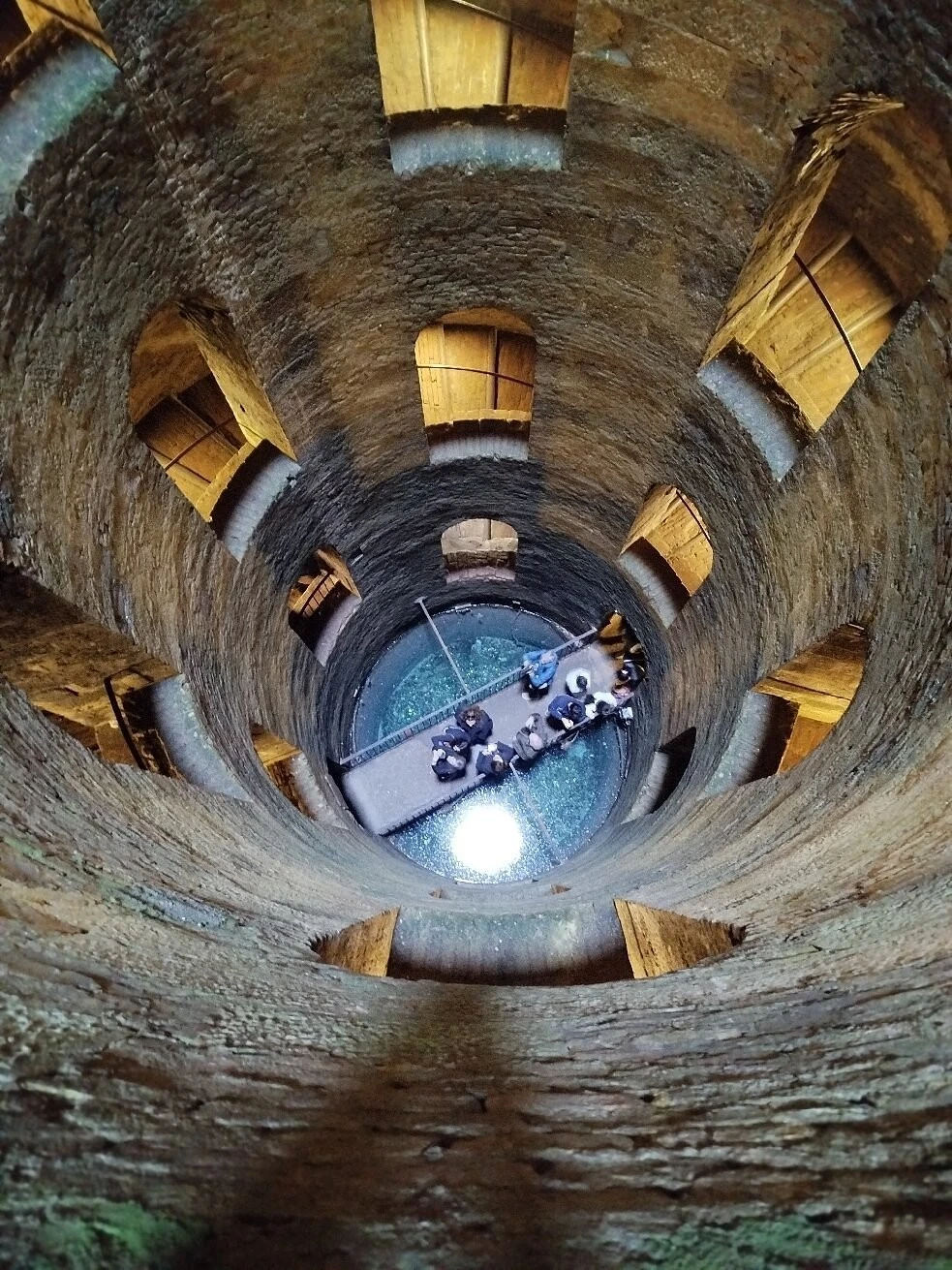
Above the entrance is a Latin inscription: QUOD NATURA MUNIMENTO INVIDERAT INDUSTRIA ADIECIT ("What nature denied [the city], craftsmanship provided"). 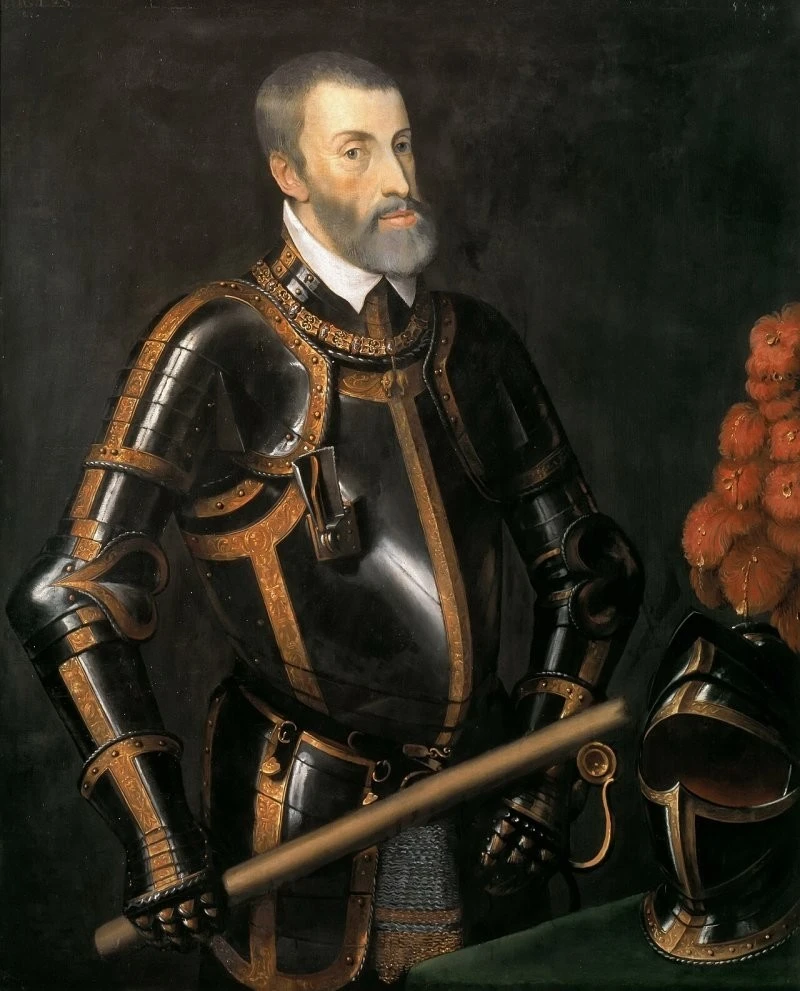
Charles V of Habsburg — Holy Roman Emperor (1519–1556), King of Spain (1516–1556)
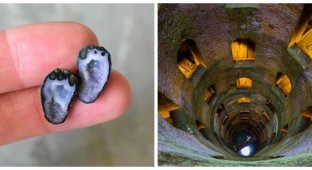
Paul III also commissioned Benvenuto Cellini to create a medallion with the inscription "UT POPULUS BIBAT" — "LET THE PEOPLE DRINK." The medallion depicts Moses striking water from a rock. A man with a shell scoops up the water. This detail suggests that the well was built for everyone, not just the nobility. 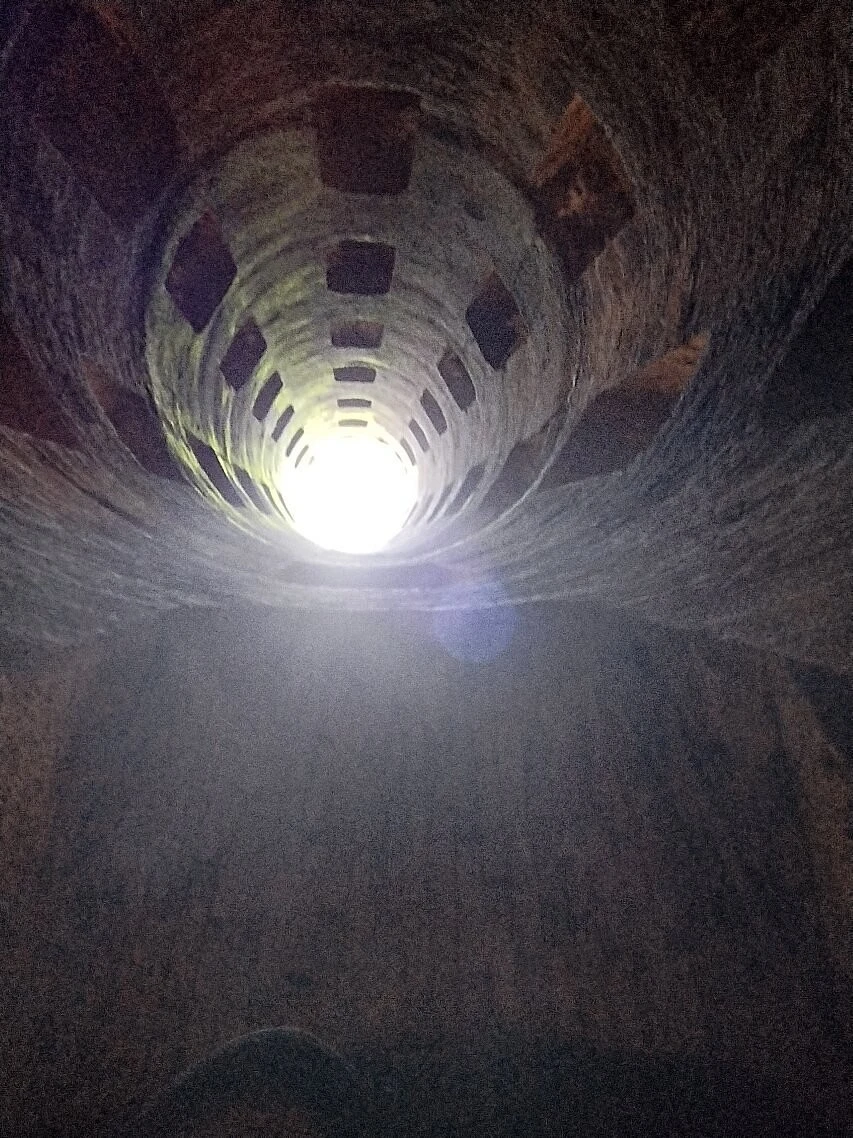
The name has no direct connection to the construction. Pope Clement VII recalled a medieval legend about a cave in Ireland—"St. Patrick's Purgatory." 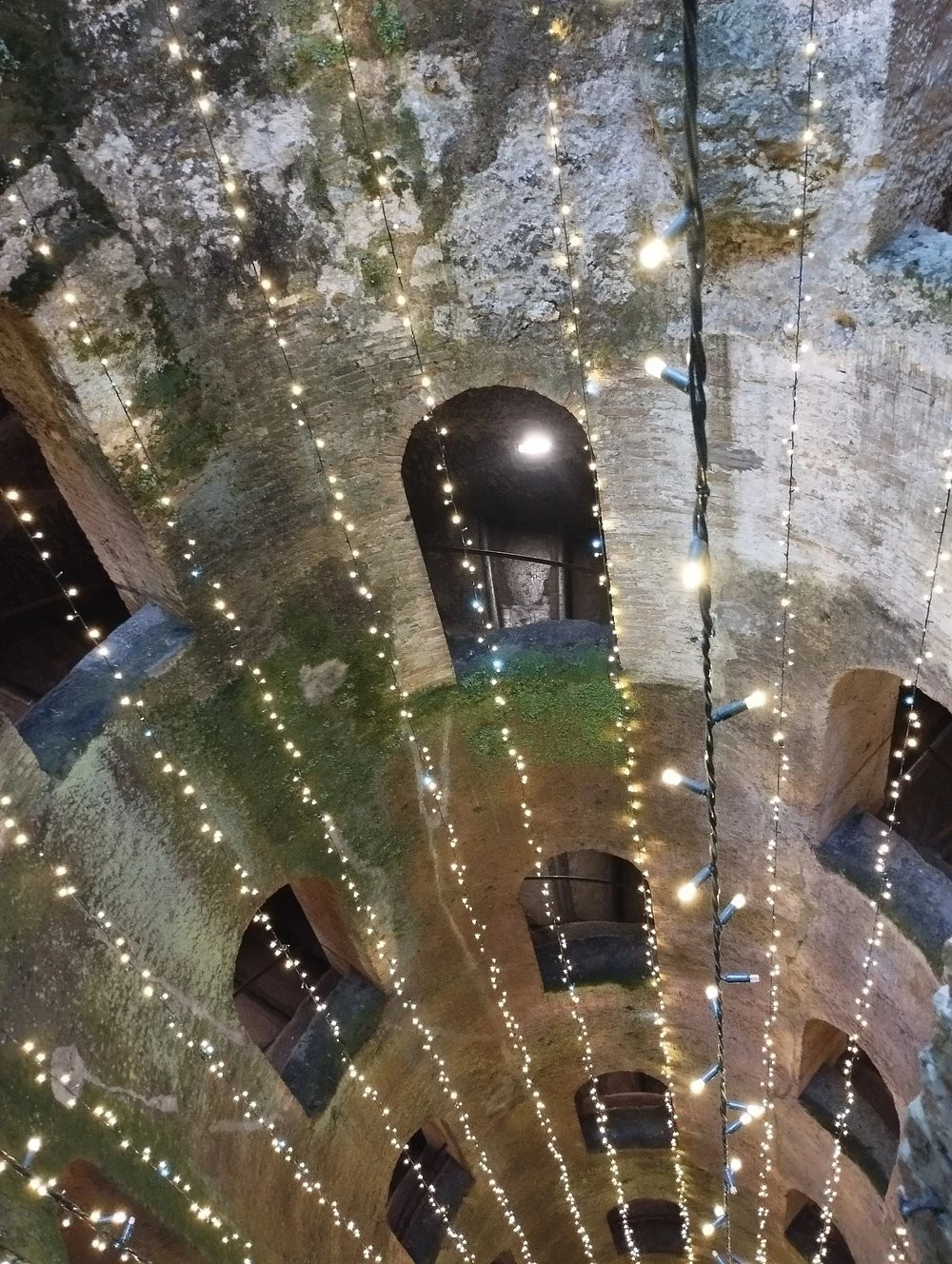
This cave was said to lead directly to Purgatory, the world of the dead. The deep, almost bottomless well in Orvieto seemed to him similar to that Irish hole—an entrance to something mysterious, unknown. 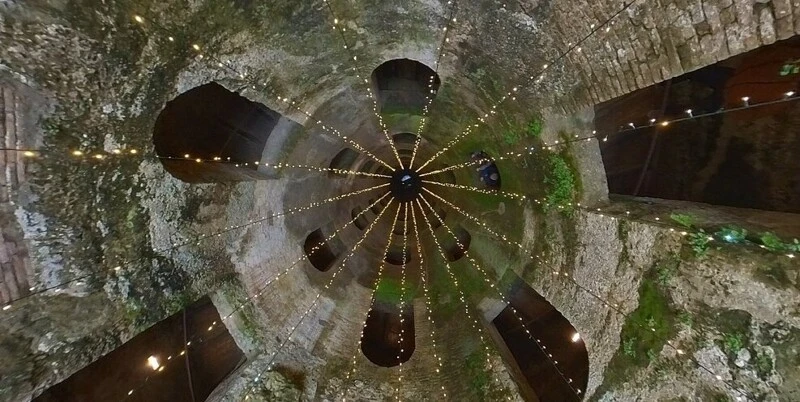
The well was named after the Irish saint, even though Patrick never visited Italy. Interestingly, in Italy, the expression "St. Patrick's Well" is still used metaphorically. It describes something incredibly profound, mysterious, and rich. 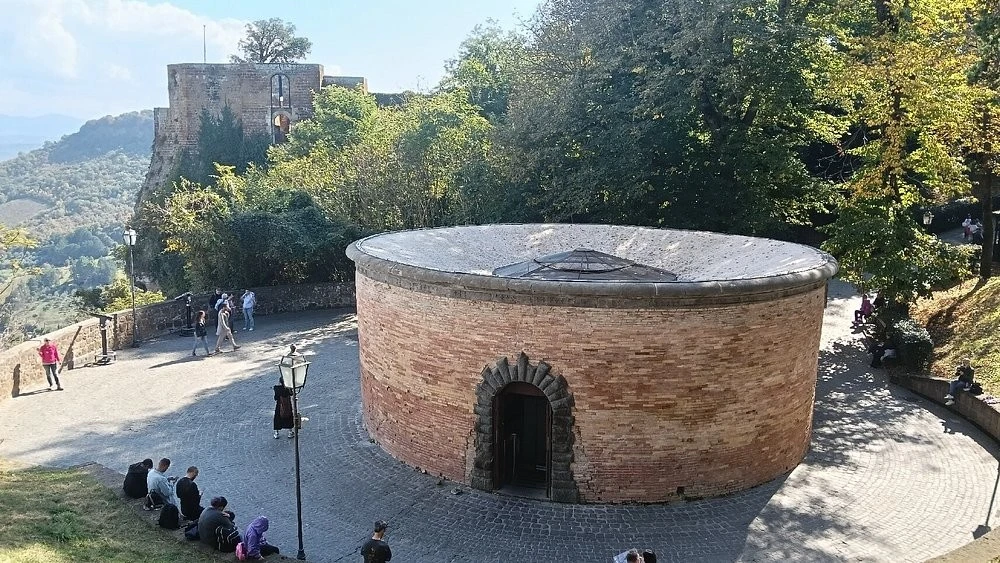
While the well was being completed, Clement VII and Charles V… made peace. The city was never besieged. All those ten years of titanic labor—chipping the tuff, laying brick walls, calculating the spirals—turned out to be... a preventative measure. 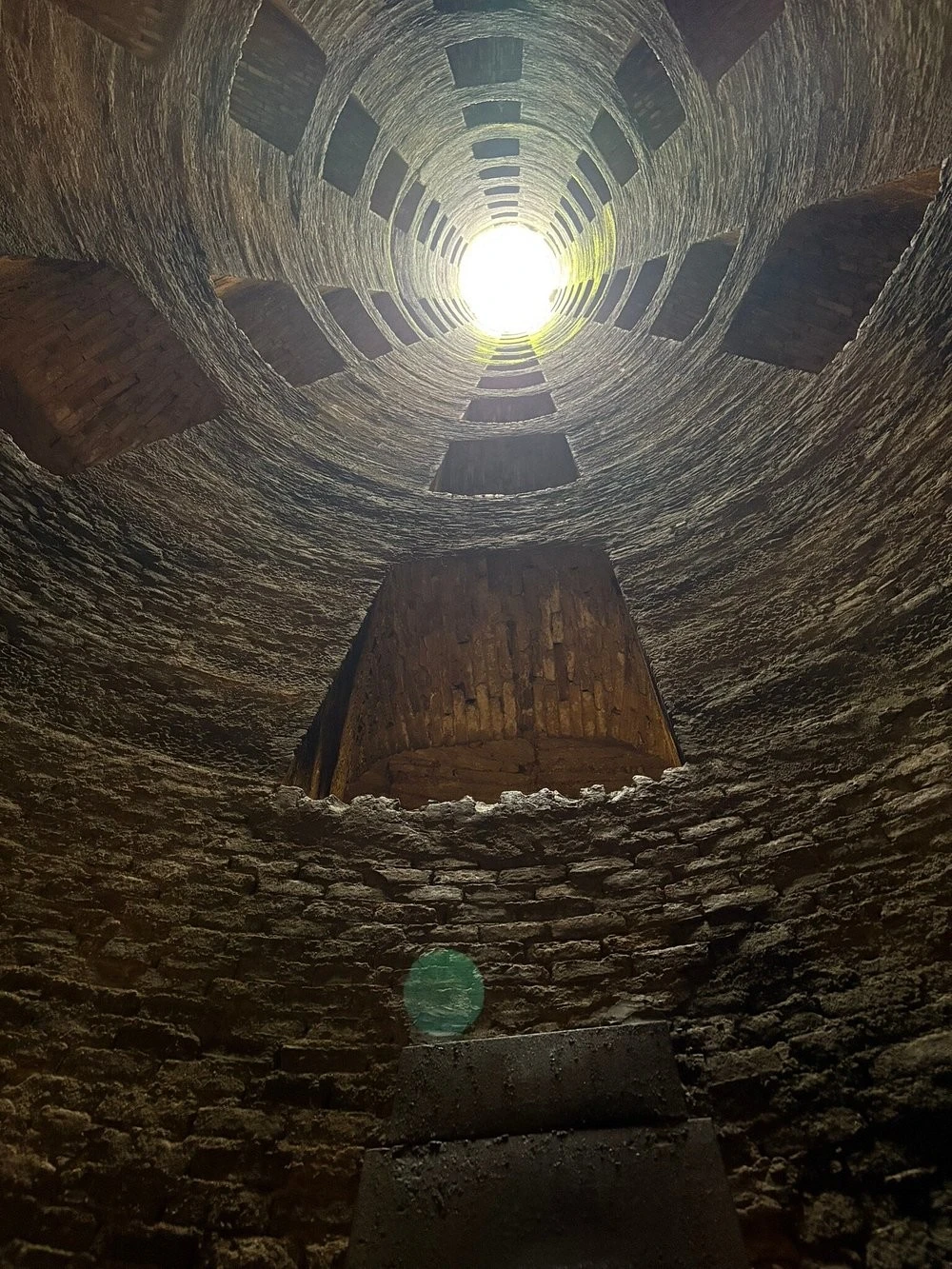
But the well remained. And it still works. It still has water—a natural spring feeds it, and the excess drains away through an underground stream. 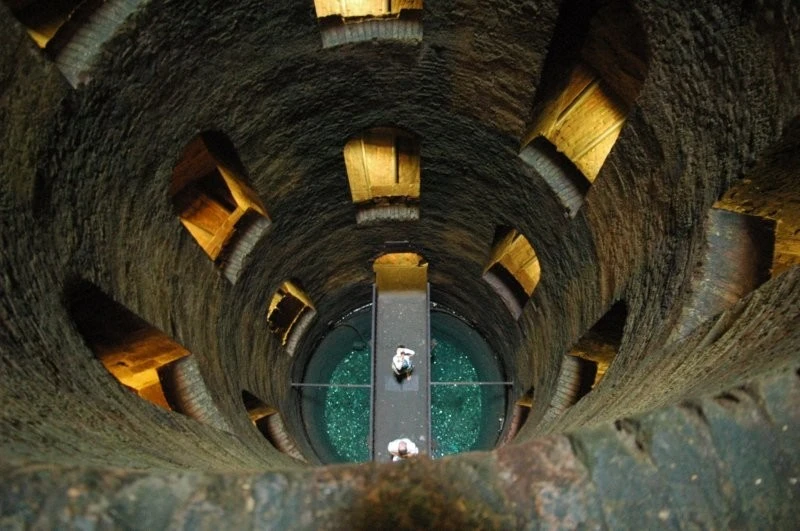
Today, St. Patrick's Well is a working museum open to the public. It remains Orvieto's second most important landmark.