Afar Rift: The Birth of a New Ocean in Ethiopia (9 photos)
In the remote Afar Depression in northern Ethiopia, the African continent is slowly coming apart at the seams. A new ocean is being born here. 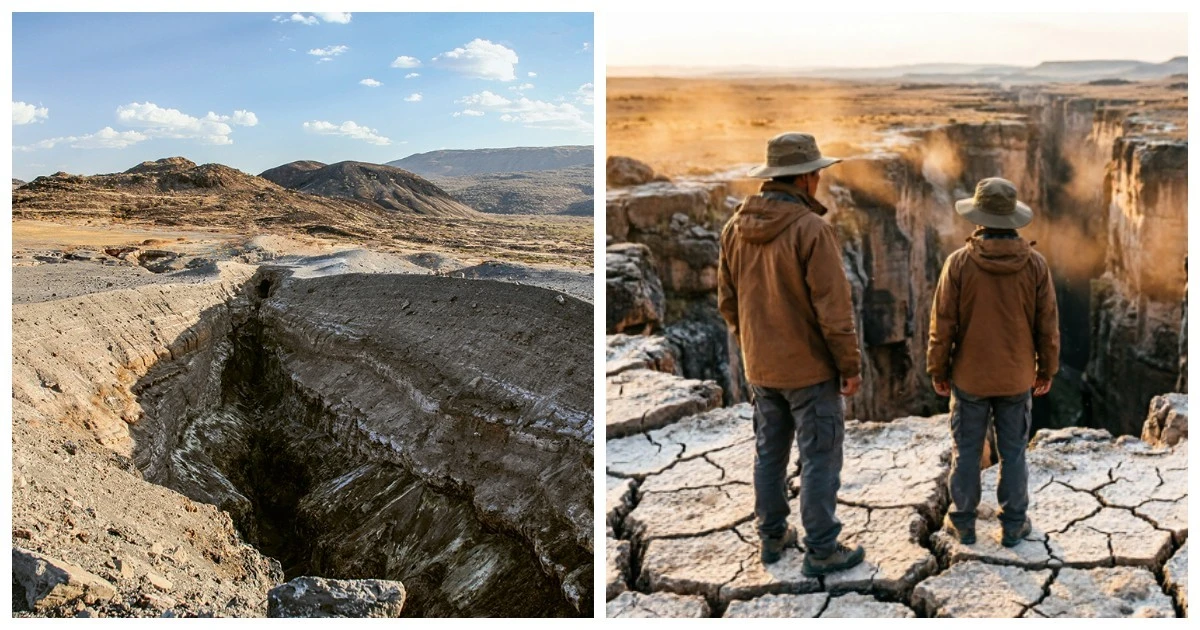
Usually, geological processes like the formation of rivers, seas, and mountains take an unbearably long time, but in the Afar Triangle near the Horn of Africa, everything happens with astonishing speed. 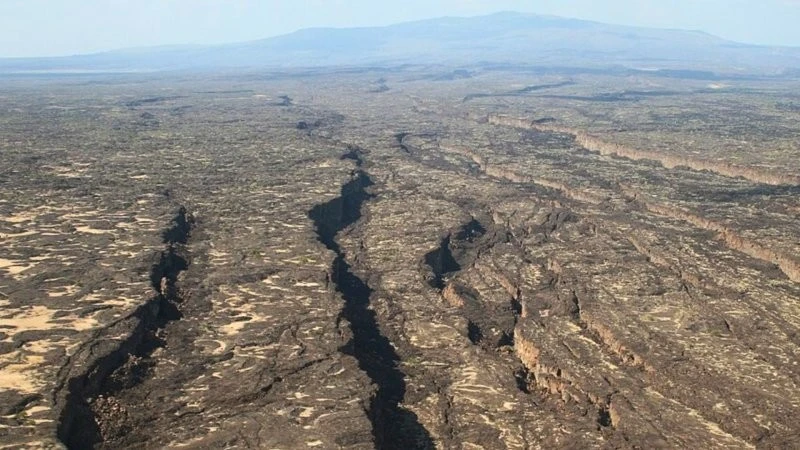
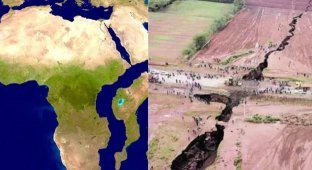
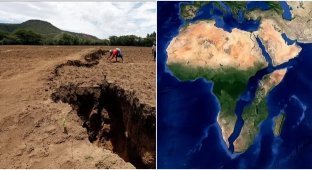
In 2005, the eruption of Mount Dabbahu, followed by a period of seismic activity, created a crack in the earth's crust. It rapidly spread southward, like a zipper unzipping. The fault stretched 60 kilometers long and reached 8 meters wide, while the ground between its edges sank by 2 meters. All this in a matter of days.
Over the next few months, hundreds of new fissures crisscrossed the desert, and the ground sank in places by as much as 100 meters. Simultaneously, scientists observed magma rising from the depths, beginning to form what would become the basaltic floor of a new ocean. 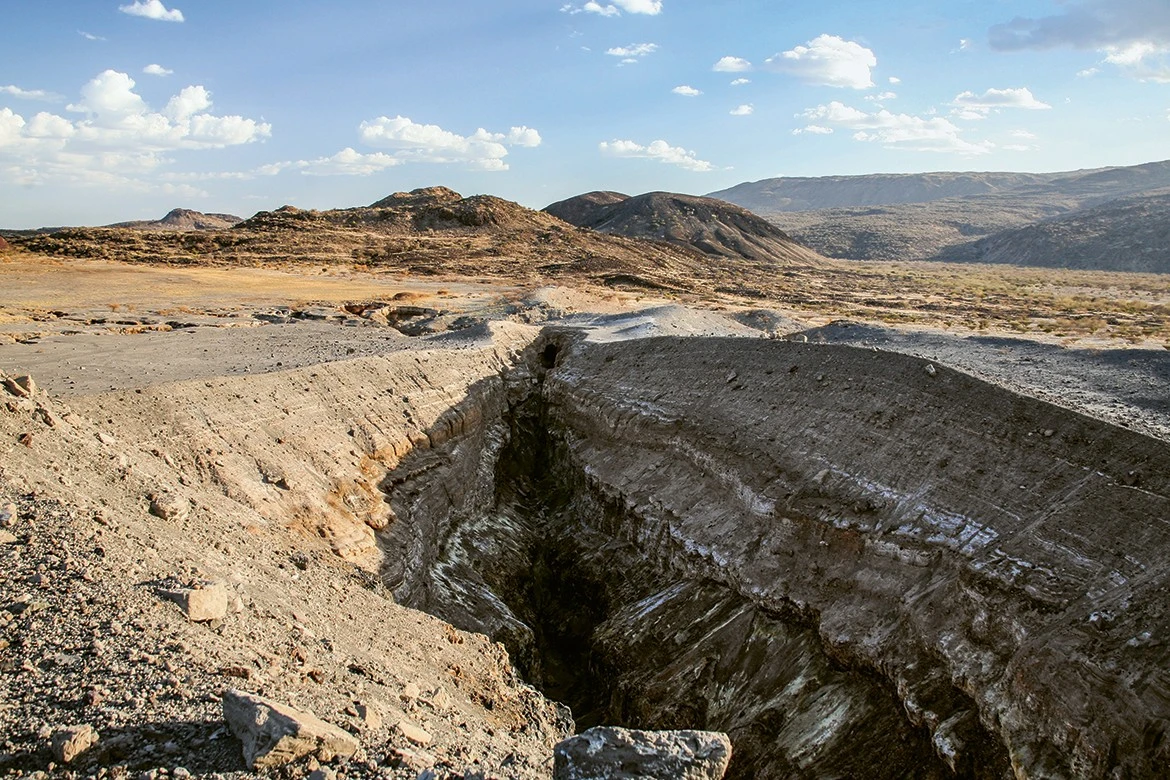
Thirty million years ago, Africa was one large plate. But then a gigantic flow of molten rock rose from beneath the Earth's crust and began to cut through the continental plate, separating the Arabian Peninsula from Africa. This was the birth of the Red Sea. Today, the Afar Triple Junction forms at the junction of three plates—the Arabian, Somali, and African.
All three plates are moving apart at a rate of about a centimeter per year. When the rift between the Arabian and African plates widens sufficiently, the Red Sea and Gulf of Aden will flow into the new basin, meet, and form a new ocean. This process will take approximately 10 million years. 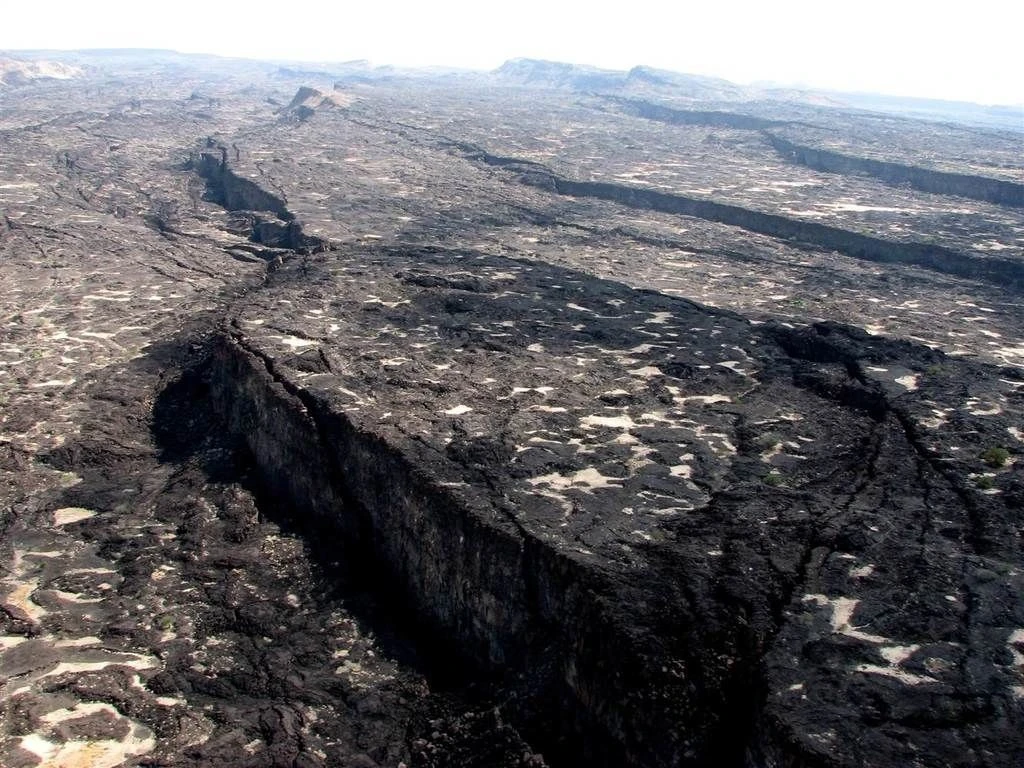
Typically, the formation of new seafloor is hidden deep underwater. But in the Afar Depression, new oceanic crust is being created directly on the Earth's surface, offering geologists a unique opportunity to study the birth of an ocean in real time. Currently, the surrounding highlands of the Danakil Depression prevent the Red Sea from entering, but soon, in geological terms, erosion and the movement of tectonic plates will erase this natural barrier. 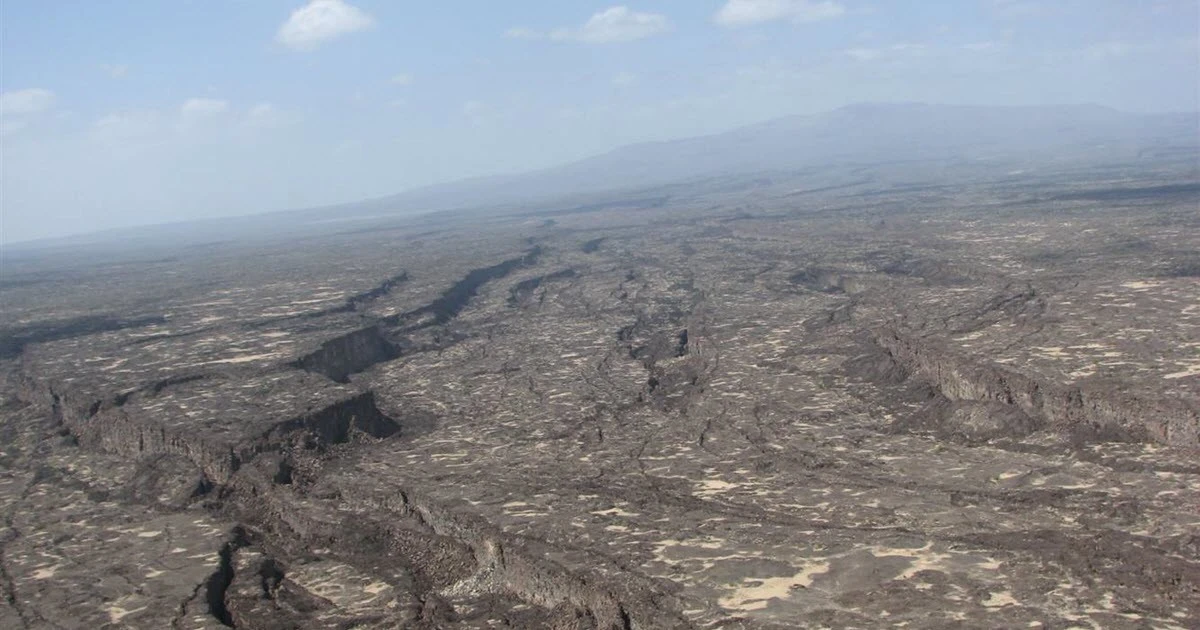
The process isn't just continuing; it's accelerated and acquired a rhythm. In 2025, an international team of scientists from the University of Southampton published sensational results in Nature Geoscience: a "geological heart" beats beneath Afar. 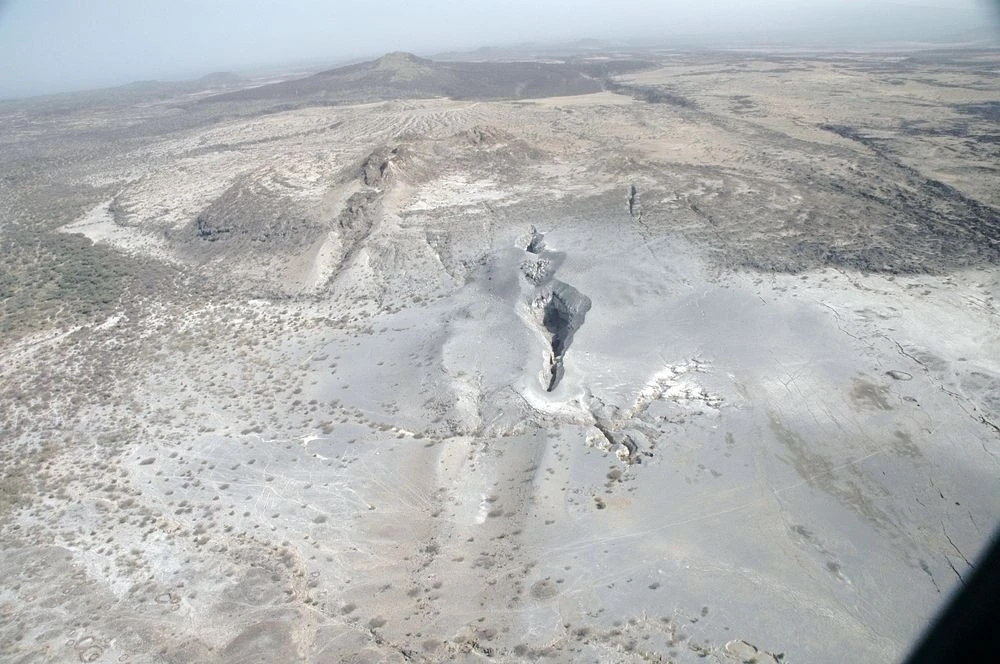
The molten mantle flows rise not uniformly, but in rhythmic pulsations. Each pulse carries a unique chemical signature. 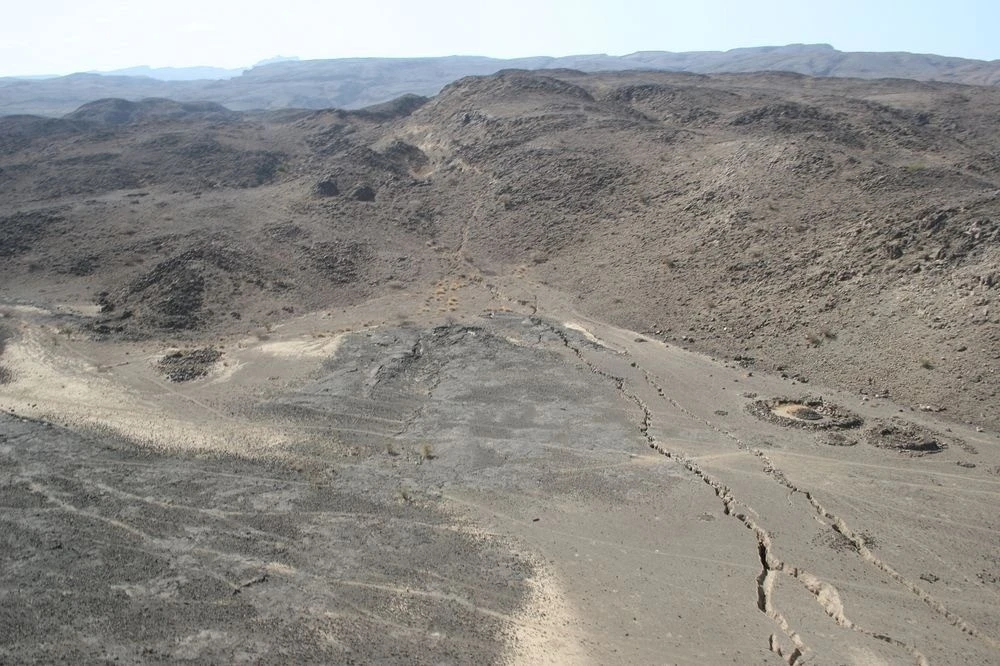
The crust beneath Afar is thinned to 13-15 kilometers. This is one of the thinnest sections of continental crust on the planet. Some sections resemble an iris, ready to rupture completely. 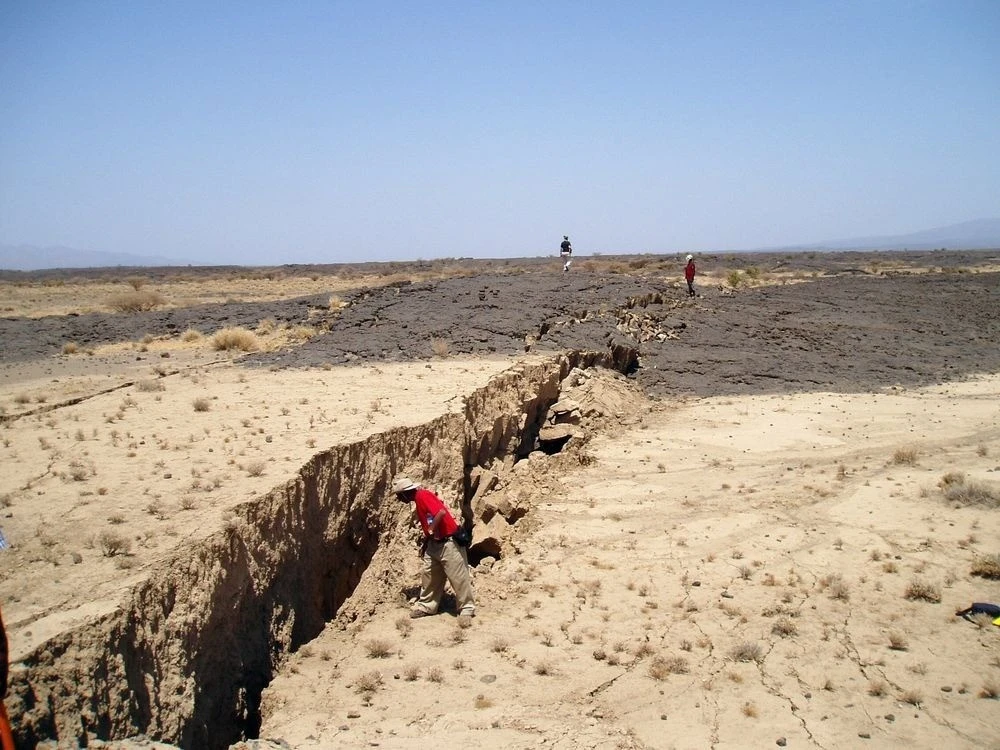
The rift's localization process began 2-2.5 million years ago. Afar is currently in the late stages of synrift development, essentially on the verge of becoming an ocean.
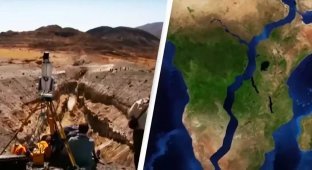
A new ocean that will one day split Africa in two has already begun to form. Countries like Uganda, Rwanda, and the Democratic Republic of Congo, which are currently landlocked, will become coastal states in millions of years. 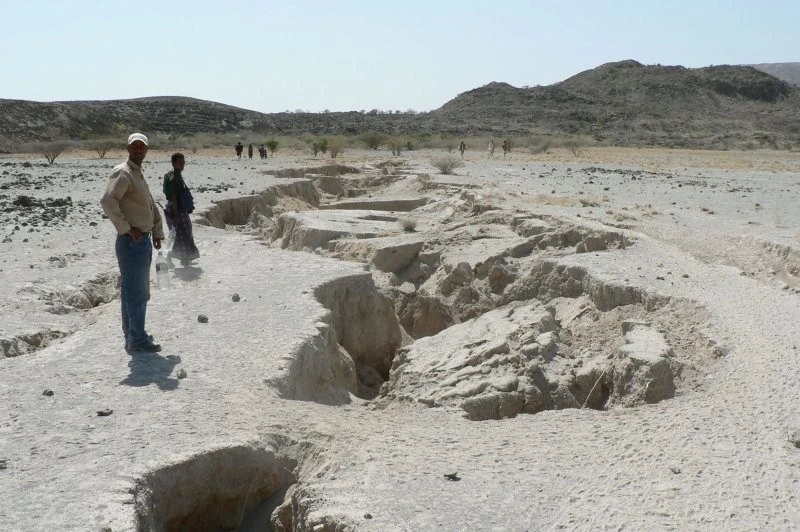
The Afar Rift is more than just an interesting geological site. It is the only place on Earth where you can stand on the future ocean floor and feel the mantle pulsing beneath you with the rhythm of a living heart. Scientists have been monitoring this process since the 1970s, but now, thanks to satellite data and lava analysis, we see the whole picture: the continent is being torn apart not chaotically, but according to a deep rhythm.