The history of the cursed village of Eim, whose hundreds of dead residents saved thousands of survivors (9 photos)
The Great Plague of London in 1665 claimed tens of thousands of lives, but one tiny village in Derbyshire went down in history not for its suffering, but for its supreme self-sacrifice. Aym became a symbol of the lengths ordinary people would go to protect their neighbors. 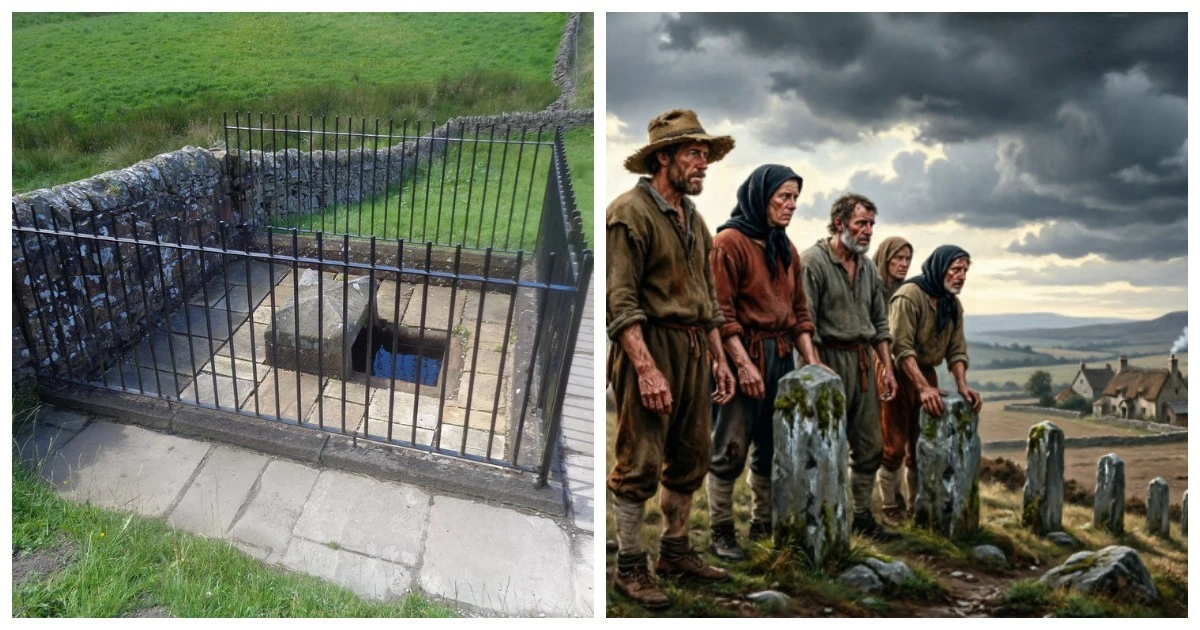
In medieval Europe, the bubonic plague was more than just a disease; it was a bloodcurdling horror. The Black Death destroyed living flesh, tore plagues from bodies, and punished its victims with days of excruciating agony before its inevitable end. Between 1346 and 1353, it killed approximately 100 million people—almost a quarter of the world's population. 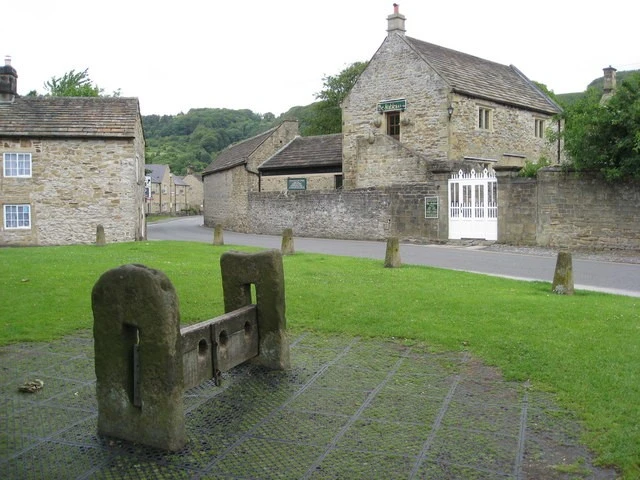
In 1665, the plague returned to London. Although not on the same scale as three centuries earlier, it claimed the lives of approximately 100,000 people in the capital alone. And then it spread to the countryside. 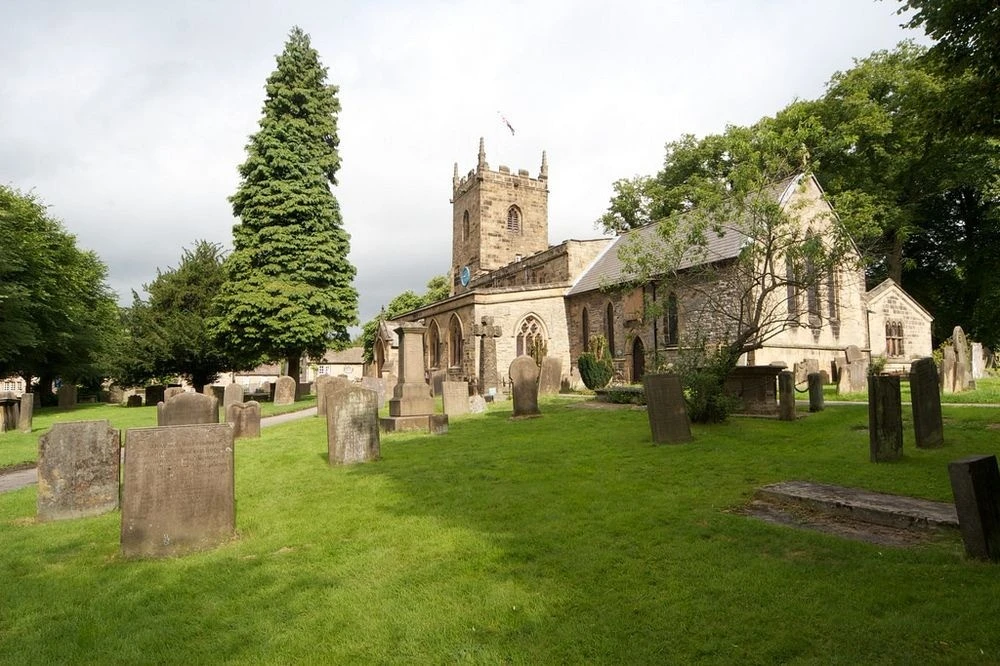
Ayme Parish Church
In the summer of 1665, local tailor Alexander Hadfield received a bale of cloth from London. The damp cloth was teeming with fleas, carriers of the plague. The tailor's assistant, George Viccars, hanging the cloth in front of the fireplace, had no idea he was setting off a chain reaction of death. A week later, Viccars was dead. Soon, his entire family perished. 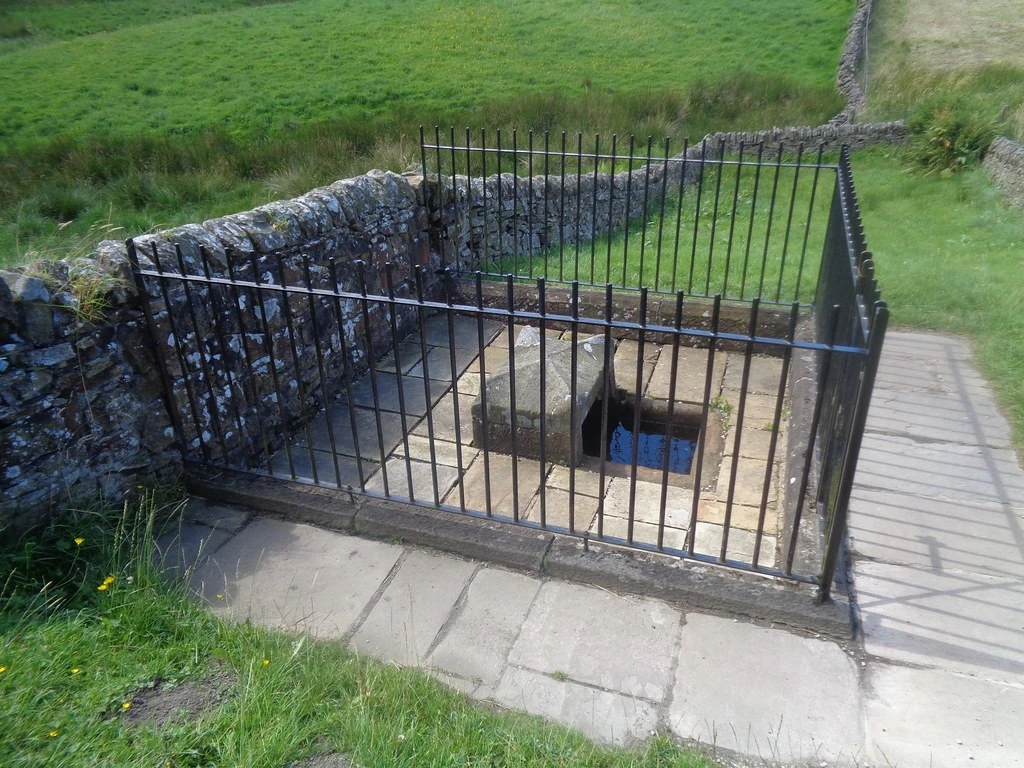
Mompesson's Well, where neighbors left food and medicine, and villagers left coins
When the disease began to ravage the village, panic set in. People wanted to flee anywhere, just to get away from that pit. And then 28-year-old rector William Mompesson did something incredible: he convinced his parishioners to stay. Not to die. But to avoid killing others. 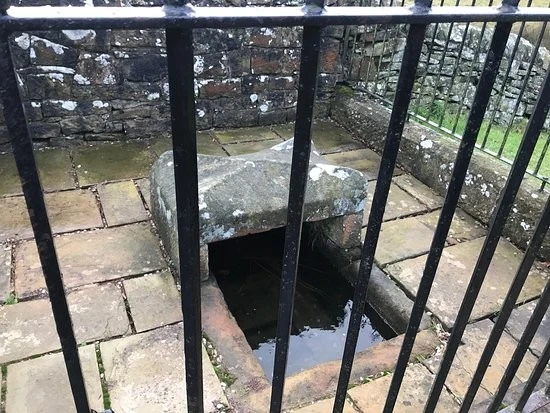
Every resident of Eym, even the healthy, vowed not to cross the border until the plague had run its course. Boundary stones were erected around the village. No one was allowed to cross them, but neighbors passed food across them. Residents of neighboring villages left meat, grain, and supplies at the stones. In return, the people of Eym placed coins in a trough of vinegar, believing it would kill the plague. This trough is still called "Mompesson's Well." 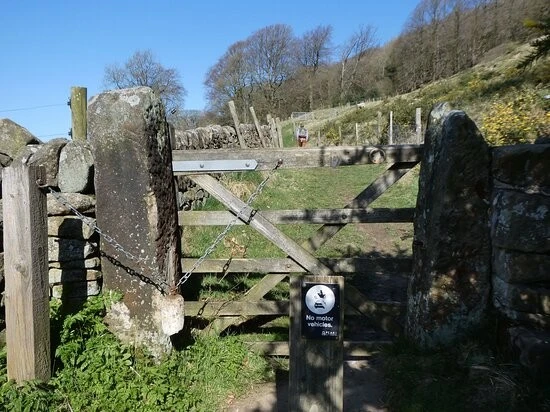
Funeral processions in the church were no longer held. Services were moved outdoors to avoid crowds. Each family buried their dead themselves. The bodies were dragged through the street, ropes tied to the ankles to avoid touching the infected flesh. Mompesson buried his entire family. 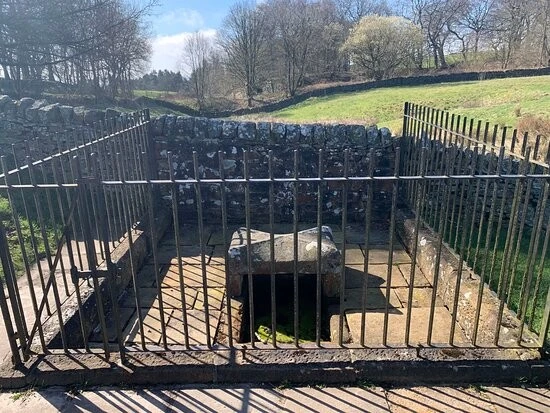
In the autumn of 1666, the plague disappeared as suddenly as it had arrived. Of the 350 residents of Ayme, only 90 survived. 260 died. More than half perished in this self-isolation. But the plague did not break through to neighboring towns. The protective cordon held. 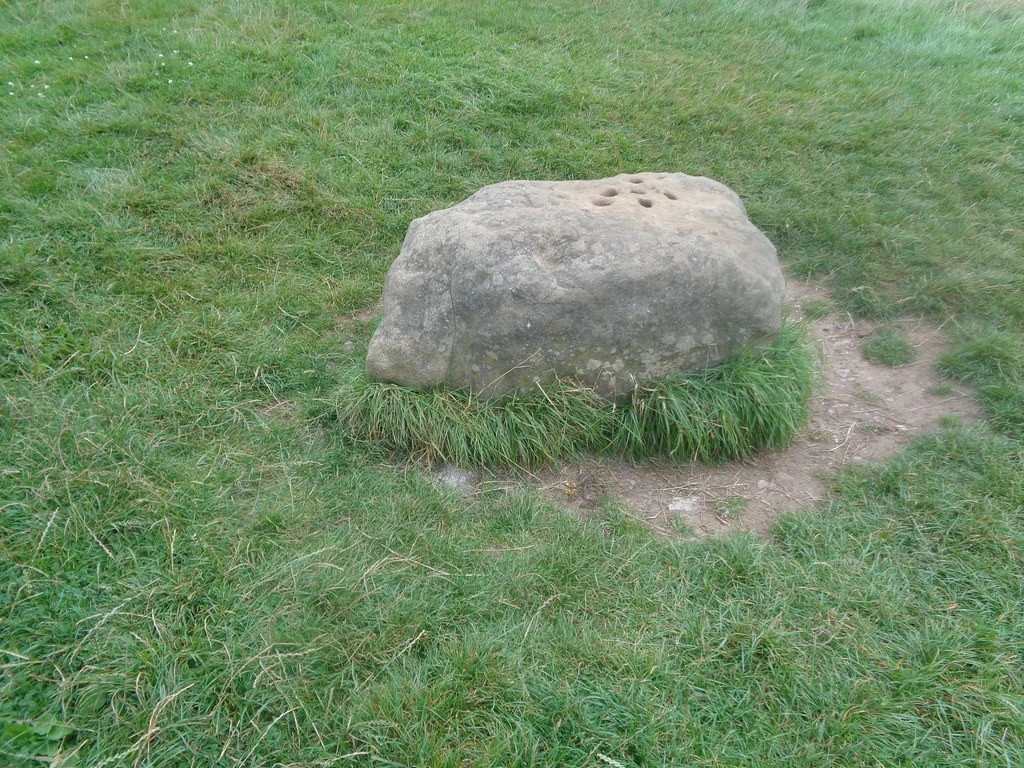
Boundary Stone
Mompesson himself survived. But fate punished the wise and courageous cleric in a different way: when he was transferred to another parish three years later, locals were afraid to even approach him. The very name—"the man from the plague village"—was too terrifying.
Today, Ayme is more than just a village in Derbyshire. It is a destination for dark tourism. People come here not for entertainment, but for memories. 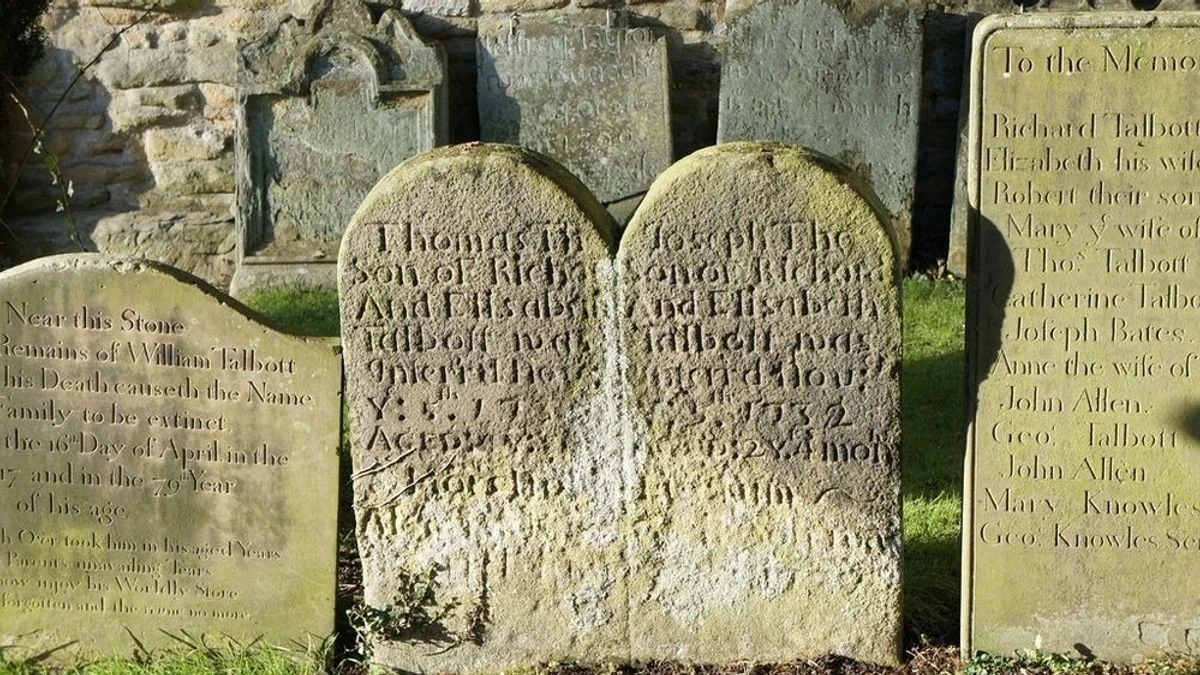
The main memorials you can see with your own eyes:
Boundary stones. They still stand at the boundaries of the former quarantine. Every year, tourists place coins on them in memory of the dead. The stone through which food was passed between Ayme and Stony Middleton still has holes for the vinegar disinfection of coins.
Mompesson's Well. Officially designated a Grade II listed building since 1967. The very same vinegar trough where provisions were exchanged for coins.
Graves are scattered throughout the village. Bodies were not buried within the churchyard for fear of infection. Family graves are scattered across fields and courtyards. One of the most tragic is that of the Hancock family. A woman buried her husband and six children in eight days.
The Plague Museum in Ayme. It houses documents, Mompesson's letters, and artifacts from that era.
Every year on the last Sunday in August, Plague Day is held here—a solemn open-air service attended by pilgrims from all over England. They honor those who "did not consider their lives valuable to themselves, but laid them down for their friends."