Lamp destroyers: the story of how street lighting worked using urban stench (11 photos)
In Victorian England, the urban underbelly regularly made its presence felt through sewer lines. Methane gas accumulated in underground sewers, threatening to blow everything to hell. 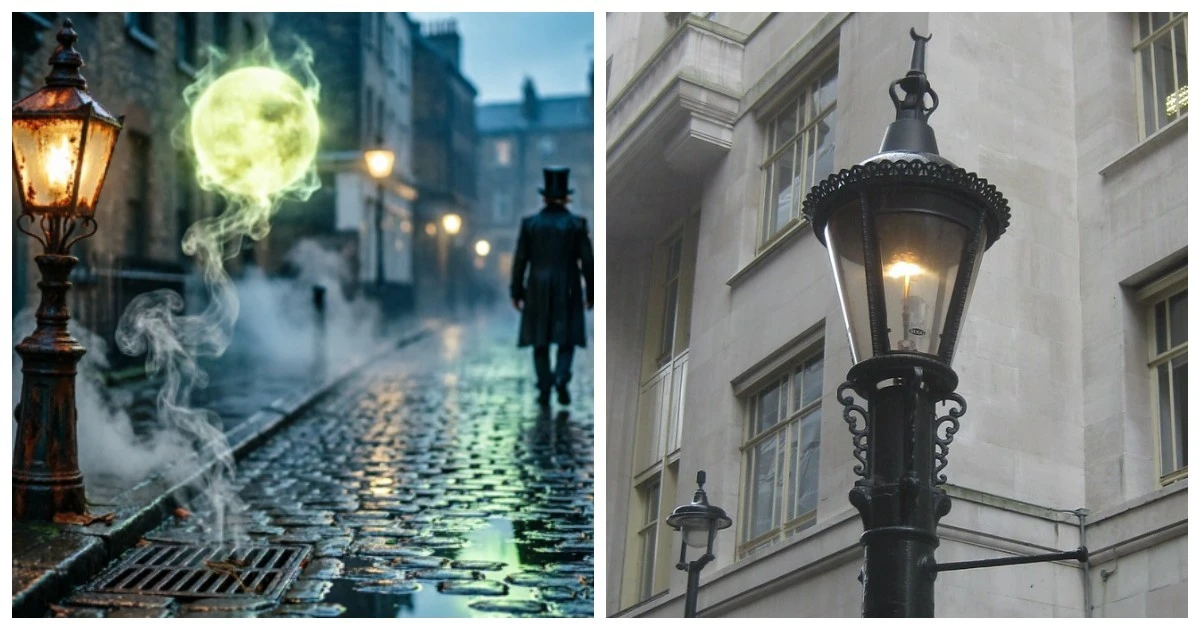
Old pipes were often laid haphazardly, without the required slope and crookedly. So dangerous, flammable gas stagnated where it absolutely did not belong. 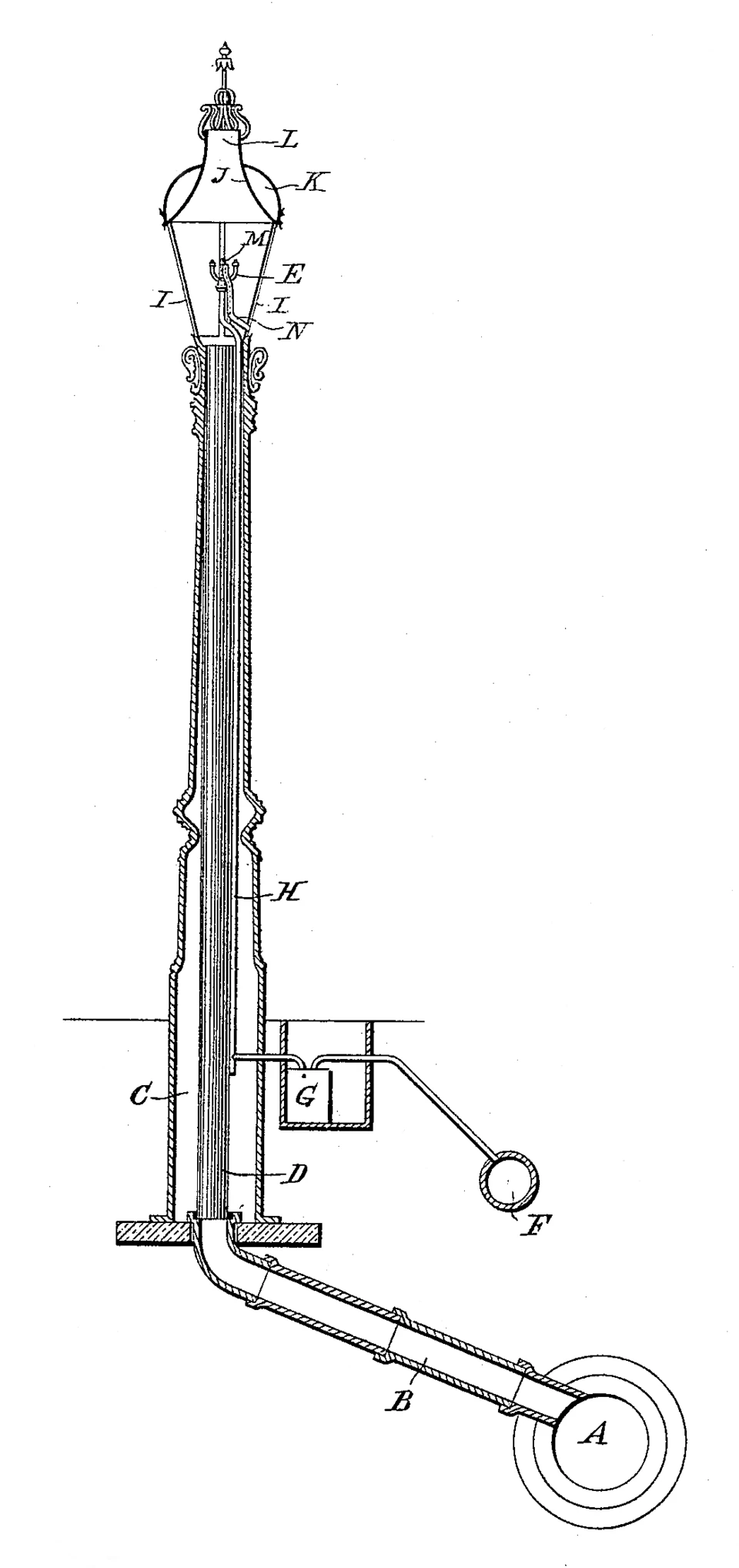
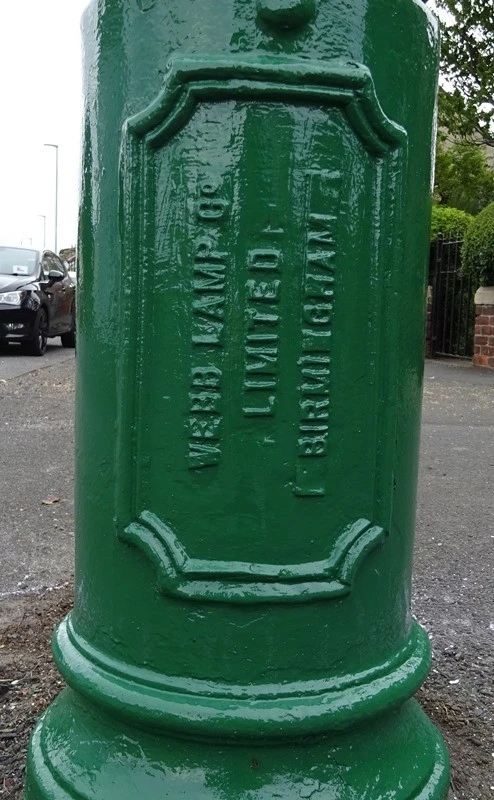
Illustration of J.E. Webb's patent for a lamp for destroying sewer gases
To at least somehow relieve the stench, holes were punched in the pipes and ventilation stacks were installed, venting the stench higher up and away from the noses of passersby and the windows of neighboring houses. The problem was, some sewer lines ran under high-rise buildings. There, these pipes were useless: the stench still rose to the residents. 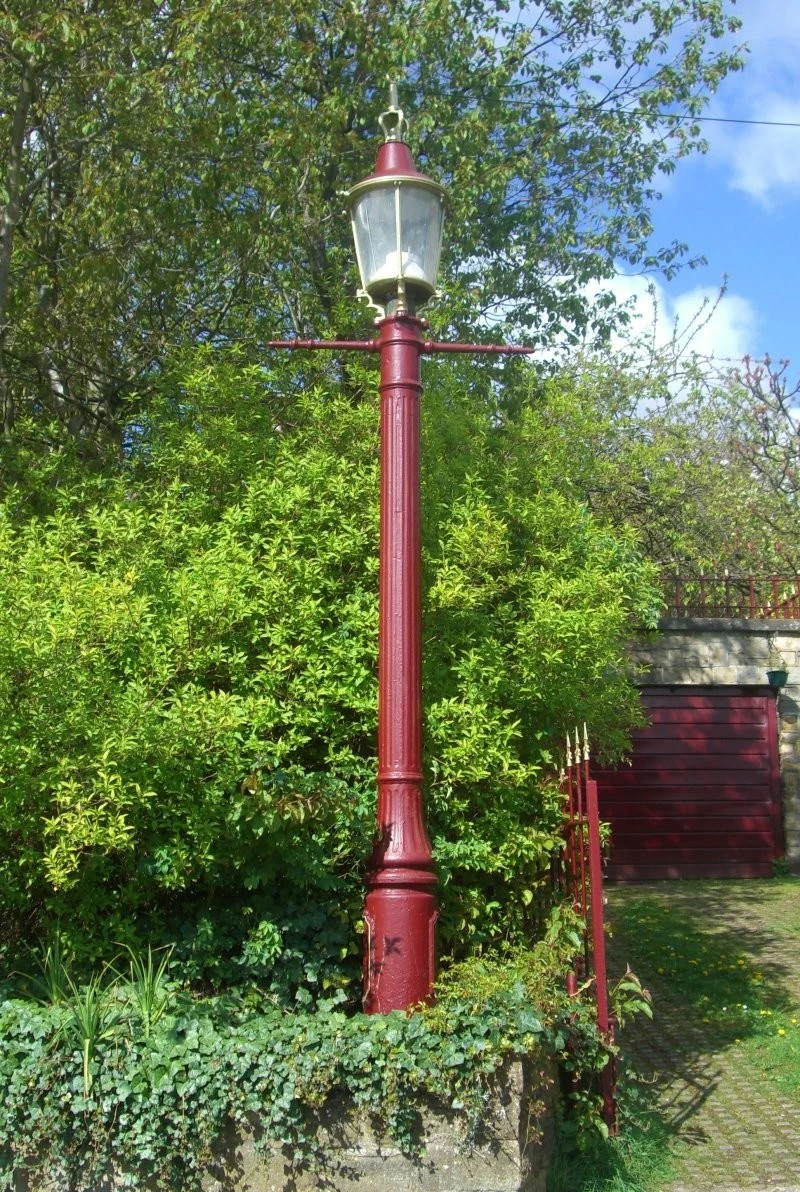
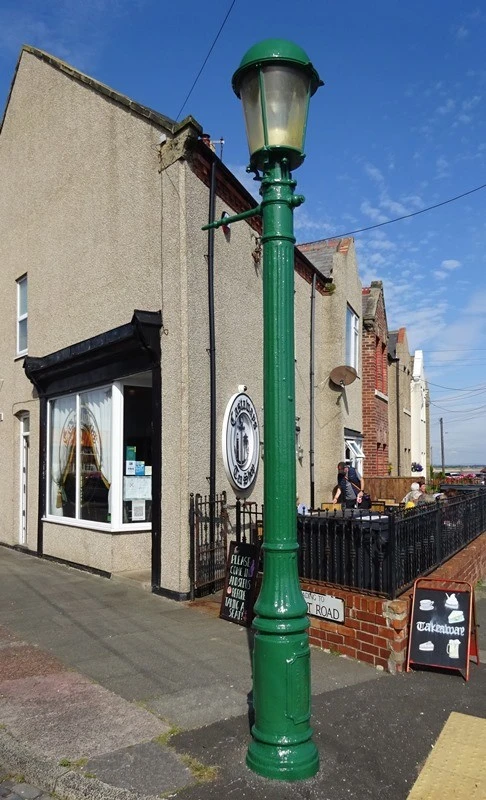
A lantern from Sheffield on Village Street in Wadsley
And then he triumphantly entered the scene. Joseph Edmund Webb from Birmingham. In the 1890s, this inventor patented a device that would be appreciated by both environmentalists and utility workers: a "sewer gas destructor lamp." It looked like an ordinary gas lantern, the kind that were common on the streets of Britain and throughout Europe at the time. 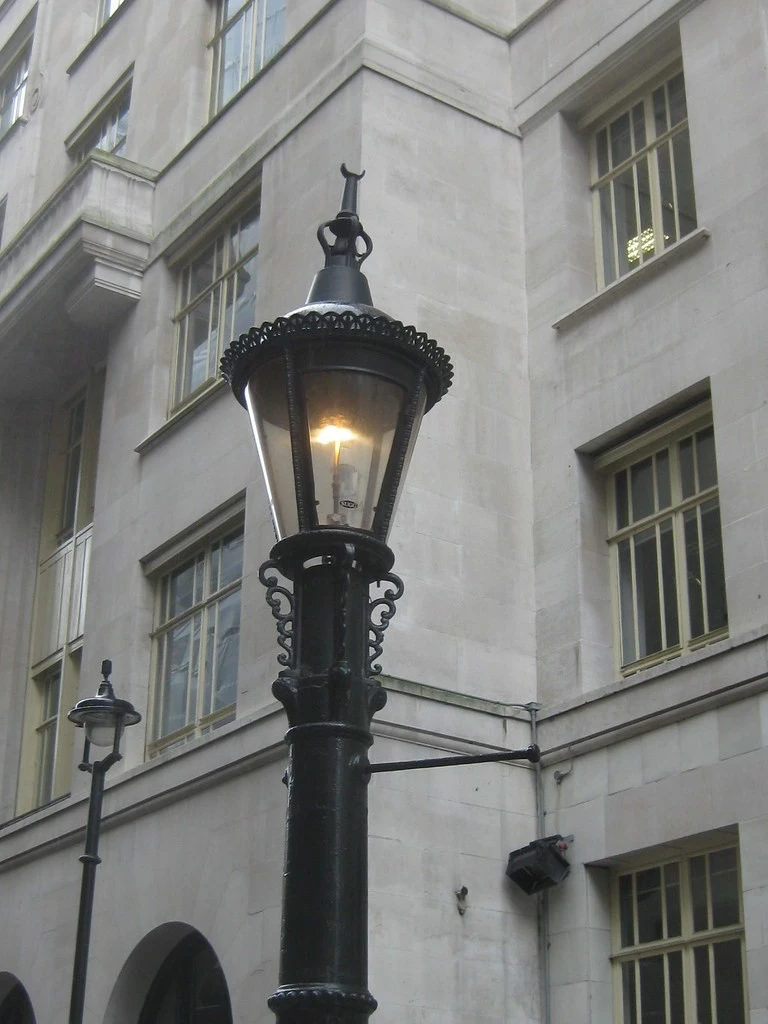
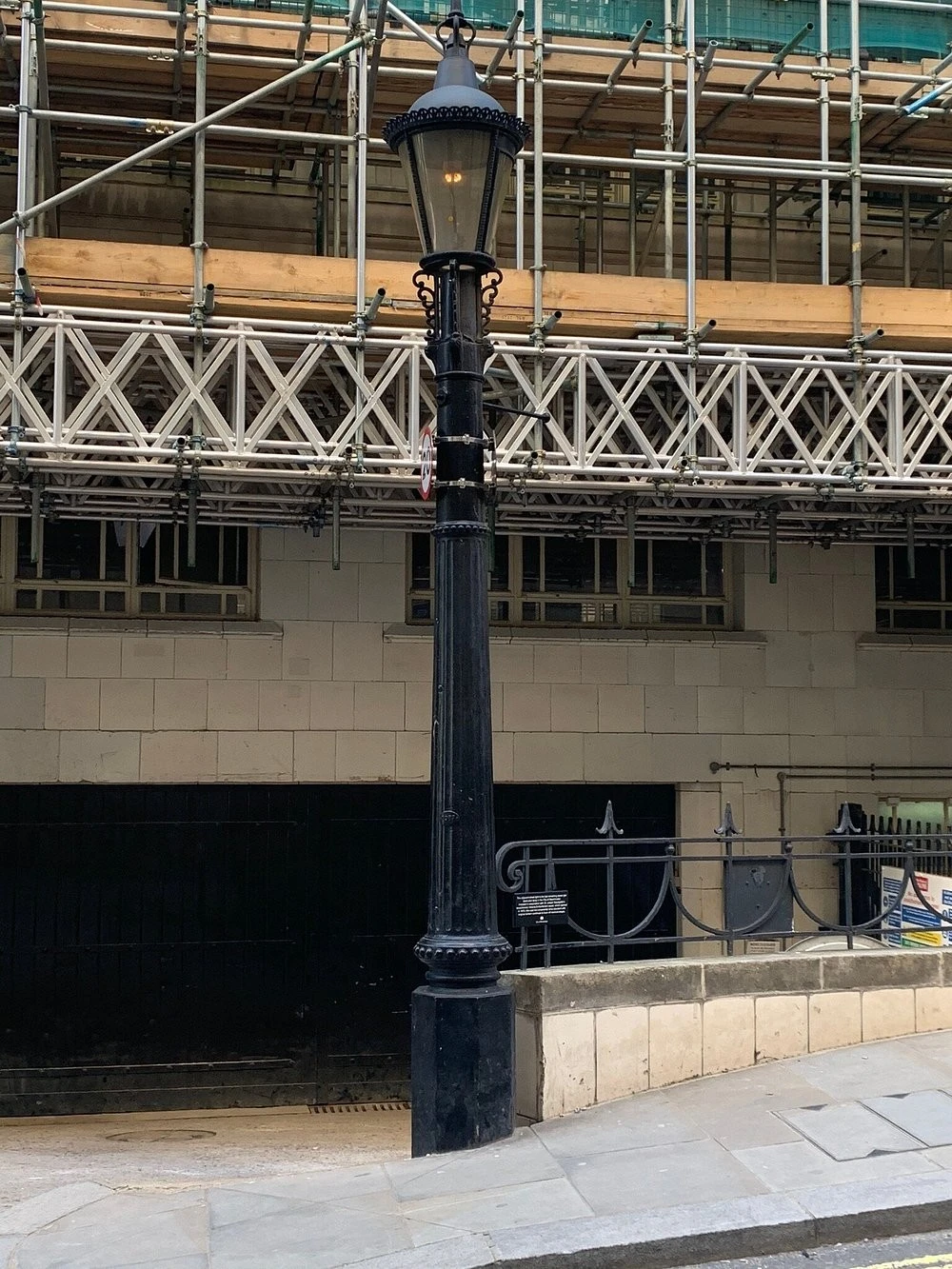
The only surviving lamp in London
But inside lies a diabolical (or ingenious?) mechanic. Webb's idea was as simple as all ingenious ones: draw methane gas from the sewer directly up the lamppost to a burner, where it would be ignited in a flame. The idea was that these lamps would run exclusively on sewer gas, turning a problem into a free source of light. 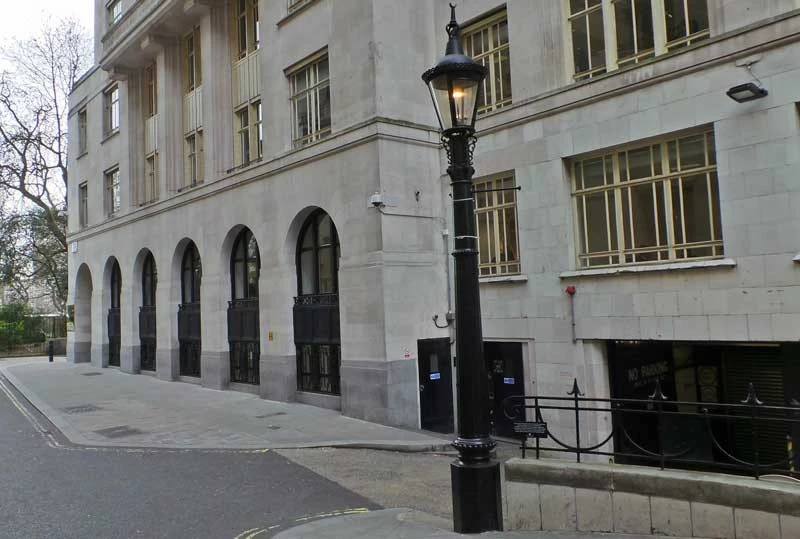
But reality, as usual, intervened. Methane accumulated in the collectors, but it wasn't enough to power the lamp 24/7. The flame died down, and the unburned gas began to poison the surrounding area with renewed vigor. 
Webb quickly reworked the scheme. The lamps now ran on regular gas (like all streetlights), but remained connected to the sewer system. The heat from the burner created a powerful draft that sucked gas from the collectors through the lantern's column directly into the 370°C flame. 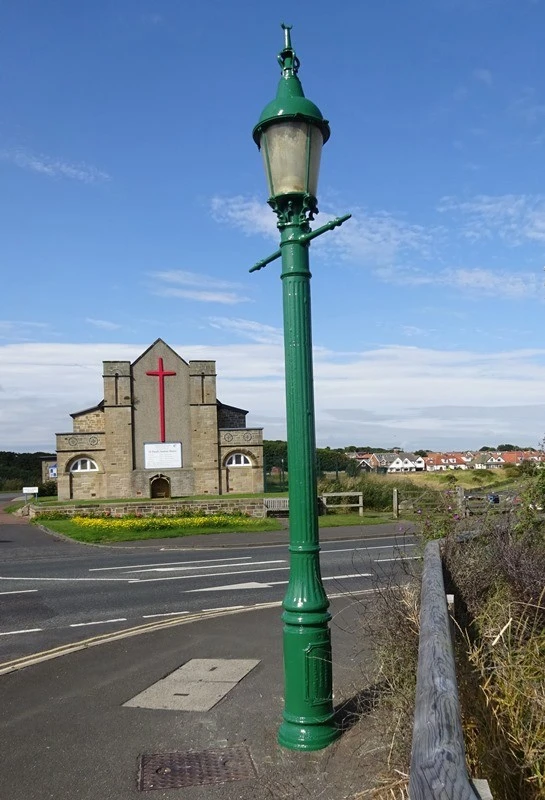
There, the sewer stench mixed with the regular gas and burned completely. It is said that one such lantern could ventilate up to a kilometer and a half of sewer pipes. And not only did it destroy the methane, it also sterilized the air, burning away dangerous microorganisms. 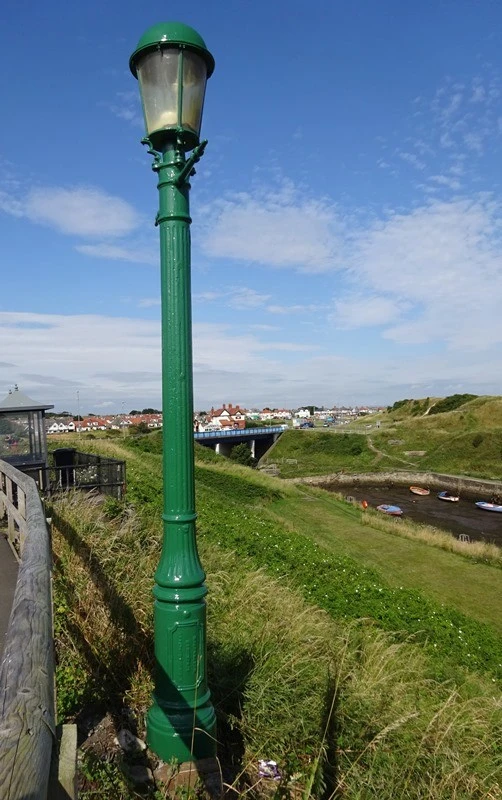
The system proved so effective that "destructors" swarmed across the cities and towns of Foggy Albion: London, Sheffield, Winchester, Durham, Whitley Bay, Monkston, and Blyth in Northumberland. The lamps burned around the clock. Hilly Sheffield suffered the most. There, gas pockets in the sewers were particularly treacherous, so the city set a record for the number of gas lamps.