Top 6 Tricks Companies Use to Swindle You Out of Your Money (7 photos)
We've previously discussed how manufacturers use marketing ploys to trick us into buying their brand name products. Now let's talk about how supermarkets, restaurants, casinos, and all other companies swindle us out of our money.
This world is getting scary! If you don't know these tricks... 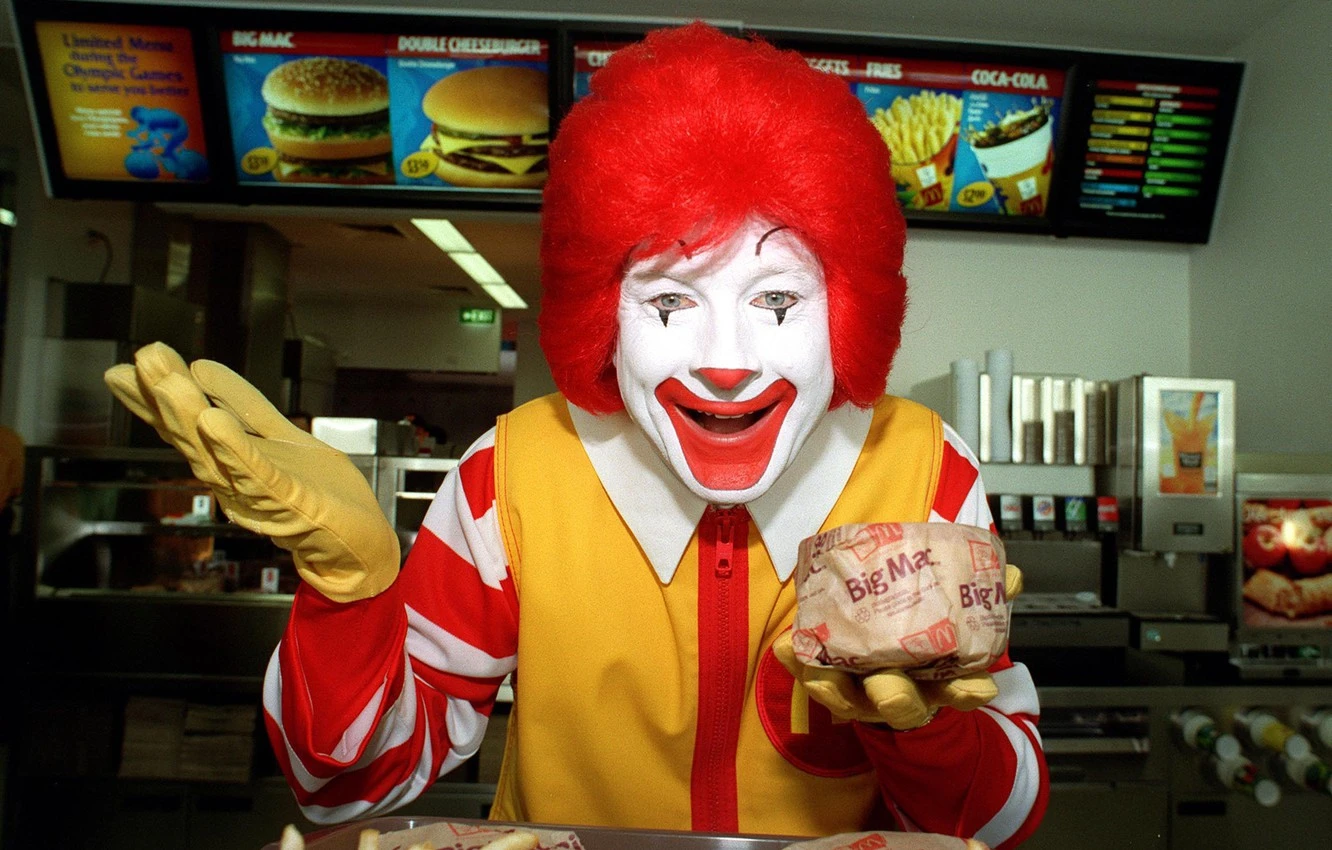
Casino
We hope everyone understands that all casinos are designed so that players always end up losing. Of course, the establishment will let you win a few times, and maybe even hit the jackpot! But, most likely, this money will be spent immediately on other entertainment. So what keeps gambling enthusiasts coming back again and again? 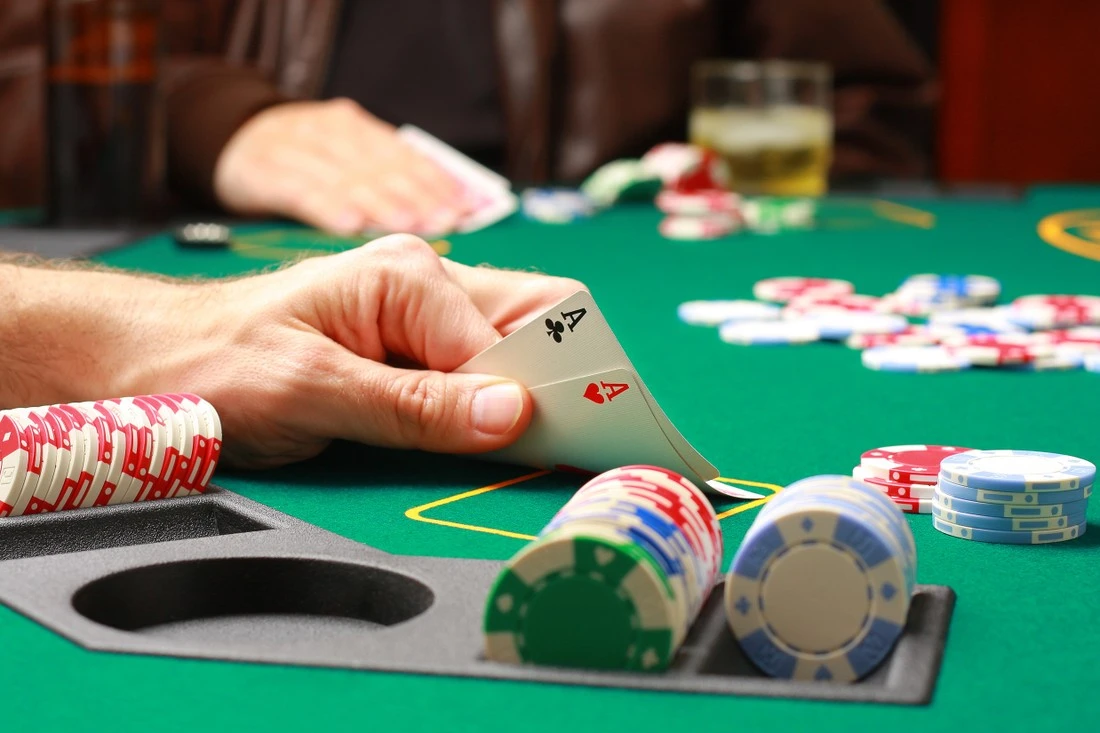
It turns out that such establishments use a clever mix of science and psychology to attract customers. Particular attention is paid to the casino's interior—absolutely everything matters, from the patterns on the carpets to the tone of the lighting. For example, did you know that most casinos try to avoid 90-degree angles in their rooms? It turns out that these angles "activate" the parts of the brain responsible for decision-making, which is completely unnecessary for a casino.
Furthermore, such establishments also feature comfortable chairs and a bar (some drinks are served free of charge), subdued lighting, a dark design, slot machines with partitions that provide customers with "personal space," and pleasant female receptionists. All this makes customers want to stay longer.
Restaurants
Which dish would you rather have: "steak and potatoes" or "grass-fed Aberdeen Angus fillet with rosemary fries"? The choice is obvious! But complex and beautiful names are far from the only lever restaurants use to extort money from customers. We've previously covered the tricks of these establishments in more detail, so let's explore a couple more secrets... 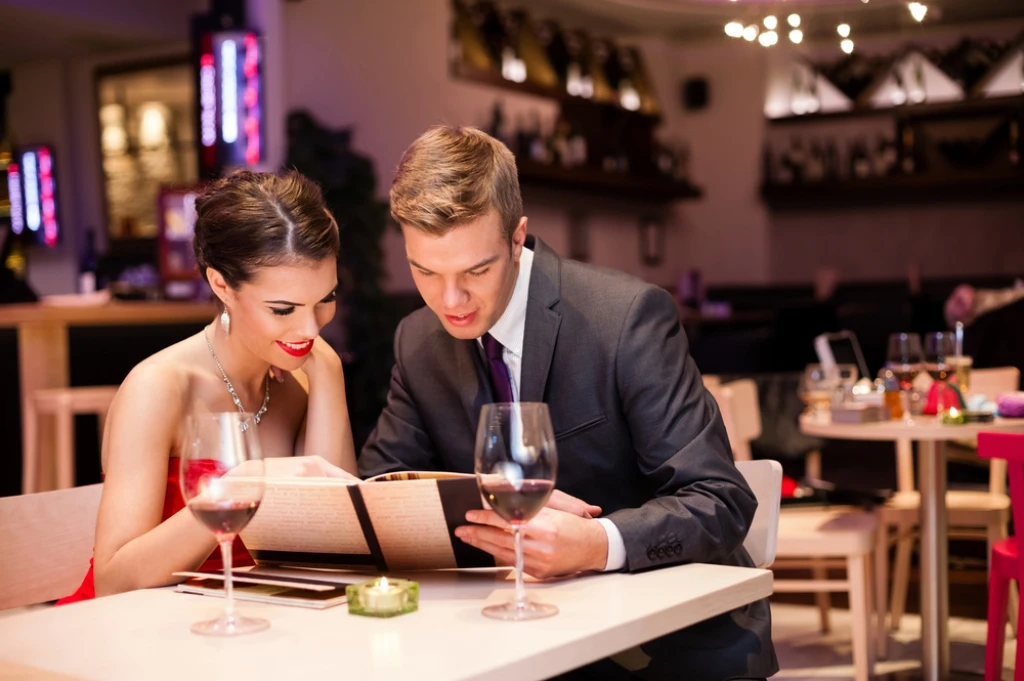
It turns out that not only the names of dishes play a huge role, but also their prices. Experts have found that prices in decimal notations like 5.75 or 9.85 are perceived better than 6 or even 9.99. Another trick is to avoid putting a currency sign next to the amount. The customer should think not about the money, but about the food and the desire to order it as soon as possible!
If a restaurant wants to present an expensive dish as "affordable for everyone," it's enough to simply place several even more expensive dishes next to each other on the menu. For example, a $20 dish might seem expensive when compared to a $10 dish. But compared to a similar item for $30 or $50, its price will seem quite reasonable!
McDonald's
At McDonald's, the process of "getting your money" begins right at the entrance. You see numerous large, bright signs depicting the dishes on sale, and you're tempted to try them. Then, through the seating area, you move to the ordering counter, which is located at the very end of the room. The sight of comfortable chairs and sofas is likely to make you want to stay inside, meaning you might order something else. 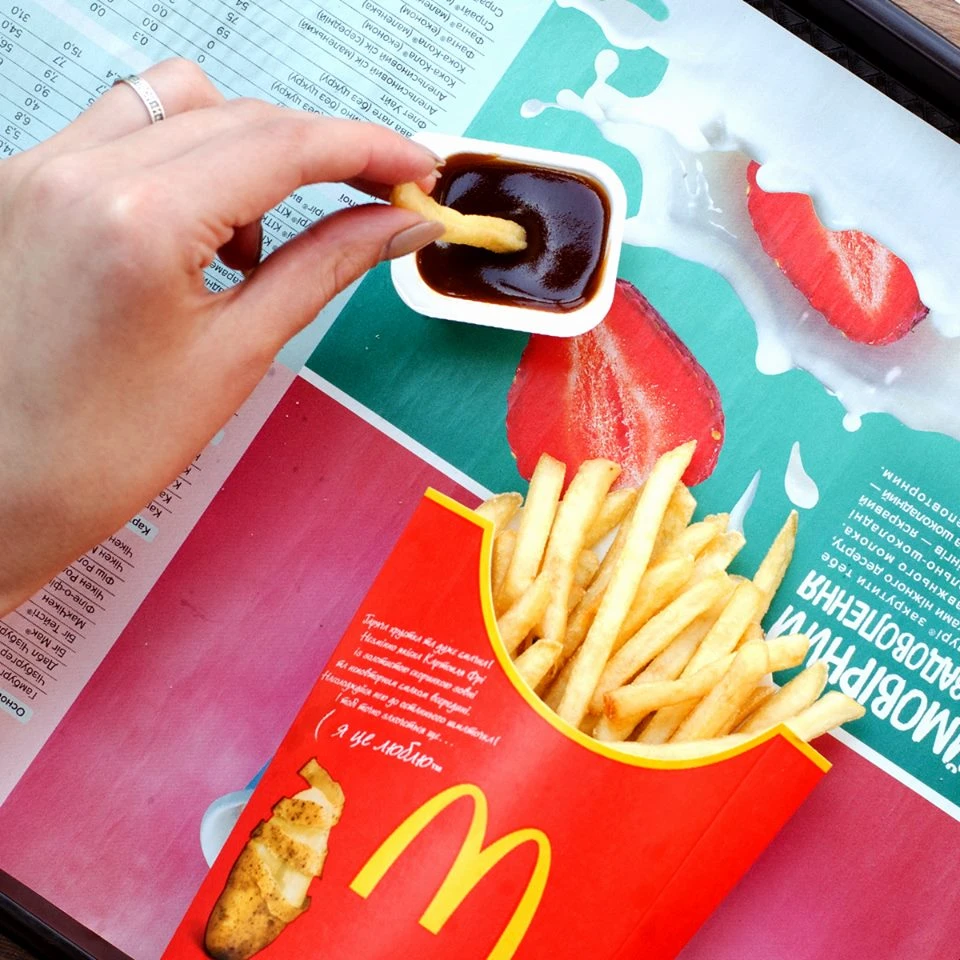
Endless signs with delicious burgers, located right behind the counter, whet your appetite while you're waiting in line. And finally, the clerk offers you sauce or drinks. Accepted? Done! You're the perfect customer.
Starbucks and other fast food chains operate on a similar system.
Supermarkets
Supermarkets are literally riddled with tricks, and we've previously covered each one in detail. First and foremost, the layout of the merchandise plays a huge role, and, as with McDonald's, shopping center owners begin to "get into our heads" right at the entrance. You may have noticed that such areas typically feature counters with fresh produce or flowers. This makes shoppers feel at ease and encourages them to continue shopping... with a large, roomy cart—another must-have. 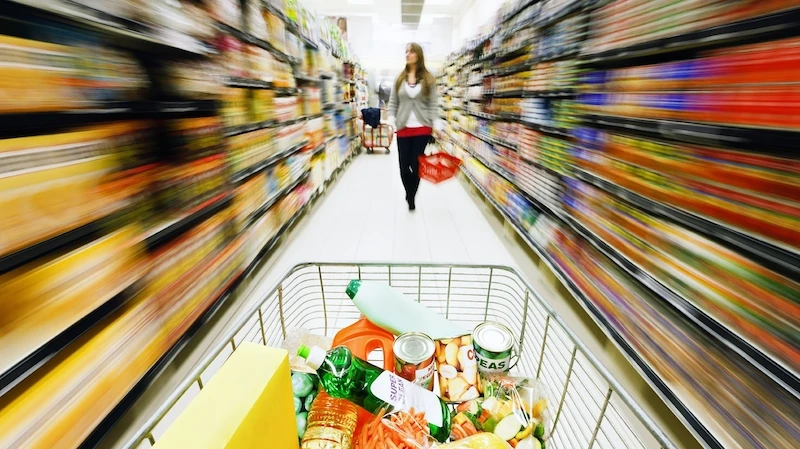
Inside the supermarket, a special order also reigns: the cheapest products are hidden away from view—at the bottom or top of the shelves; the most expensive items are right in front of you. Dairy products are usually located at the very back of the store—to reach them, shoppers must navigate past a multitude of delicious treats vying for their carts.
Apple Stores
Apple ensures that all its stores are as spacious and "ad-free" as possible. This gives customers the impression that the store clerks aren't trying to push anything on them. 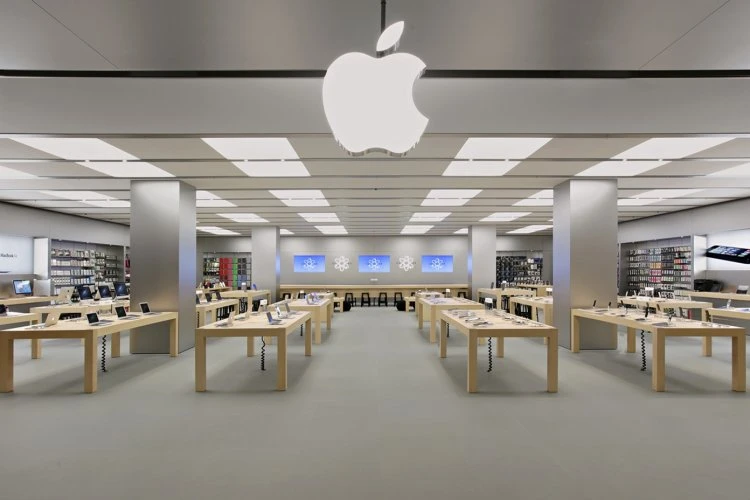
According to Apple experts, customers are more likely to buy a product when they spend a long time interacting with it. And the ability to test all gadgets without a consultant "supervising" them, and an internet connection on all devices, contributes to this.
Social Media
Of course, using social media is free, but the owners of these very sites still manage to make money off you. And although the money formally comes from advertisers, without users, this revenue wouldn't exist. The more you spend time on the site, scrolling through your feed, interacting with friends, etc., the more ads you see, which means more profit for the company. 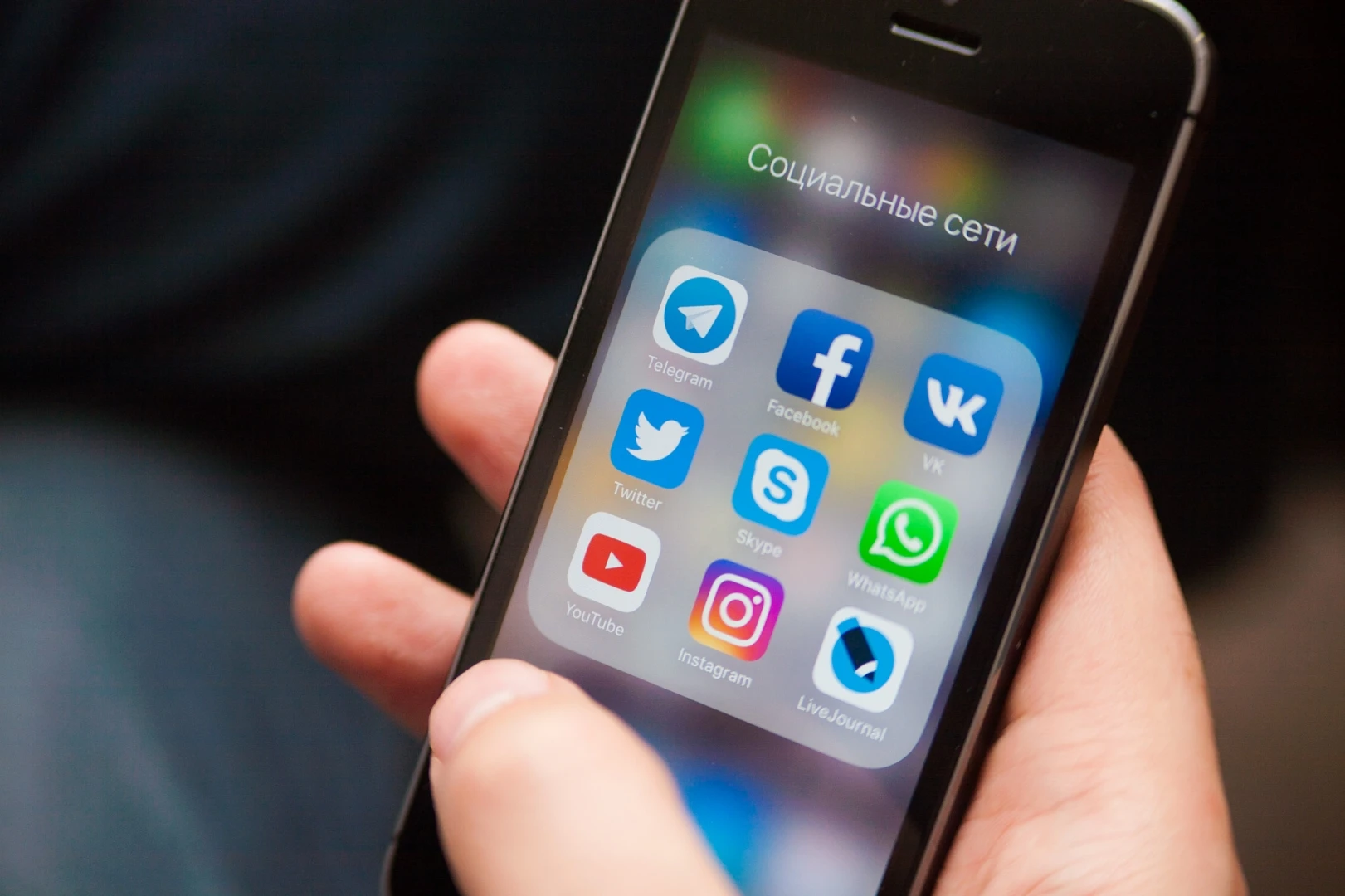
That's why the owners do everything they can to keep you on social media. This is facilitated by the "Like" button, which gives people a rush of dopamine, and by endless scrolling, which eliminates the need to click "Next," among other things. Facebook even listens to your smartphones to determine which ads to show you! So, believe me, these people definitely know how to keep you online.