A selection of funny and amusing photos of dogs that will lift your spirits (21 photos)
Every frame contains character, story, and that sincerity that only four-legged creatures can bestow. Enjoy! 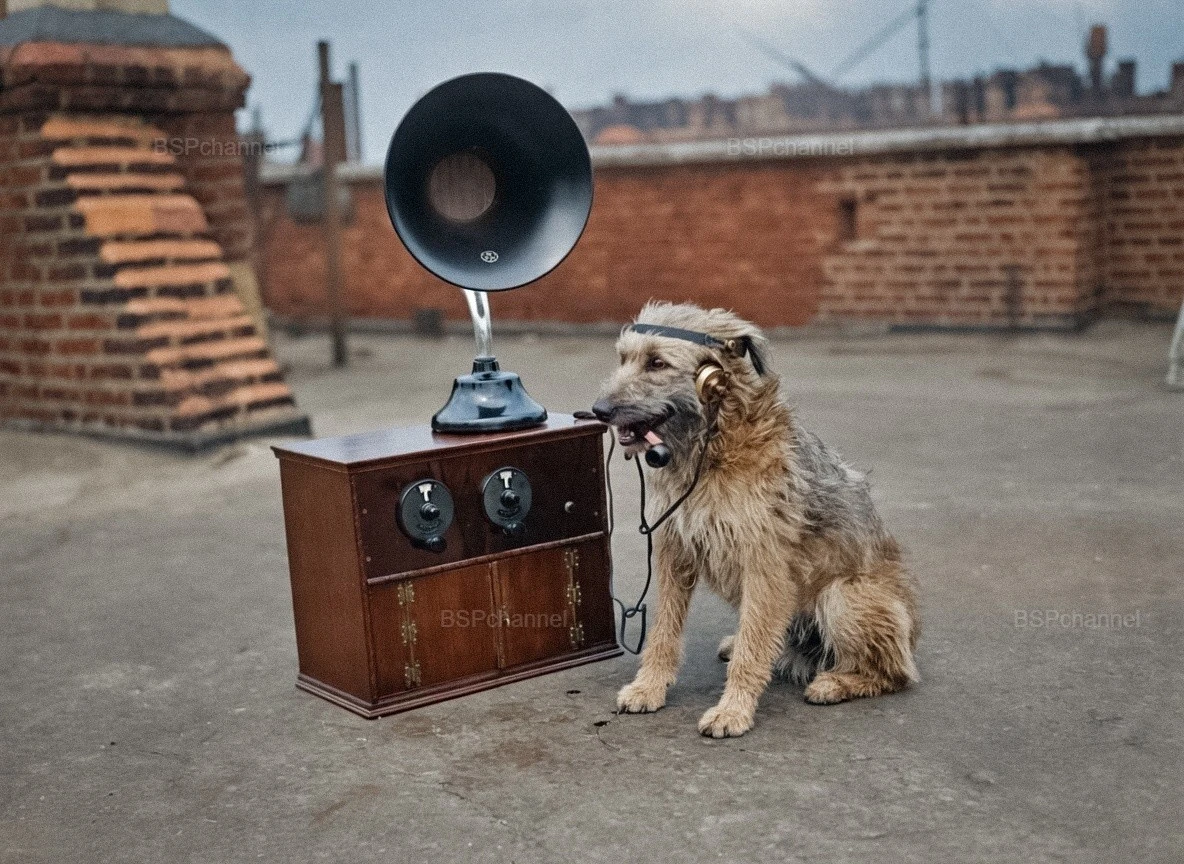
A child holds a puppy. Krasnoyarsk Krai, 1979. 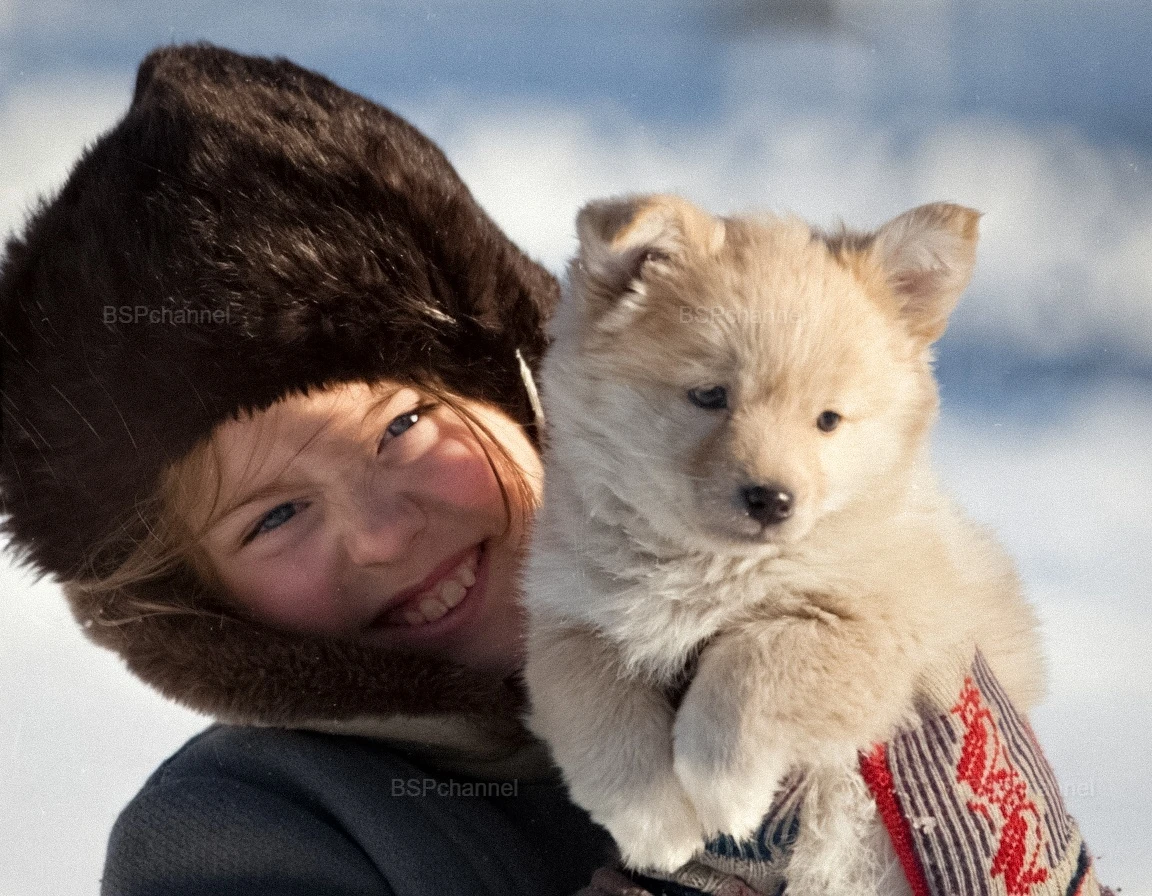
Photographer: Petr Petrovich Malinovsky
Coast Guard mascot Sinbad spent eight years at sea and sailed over a million miles, 1946. 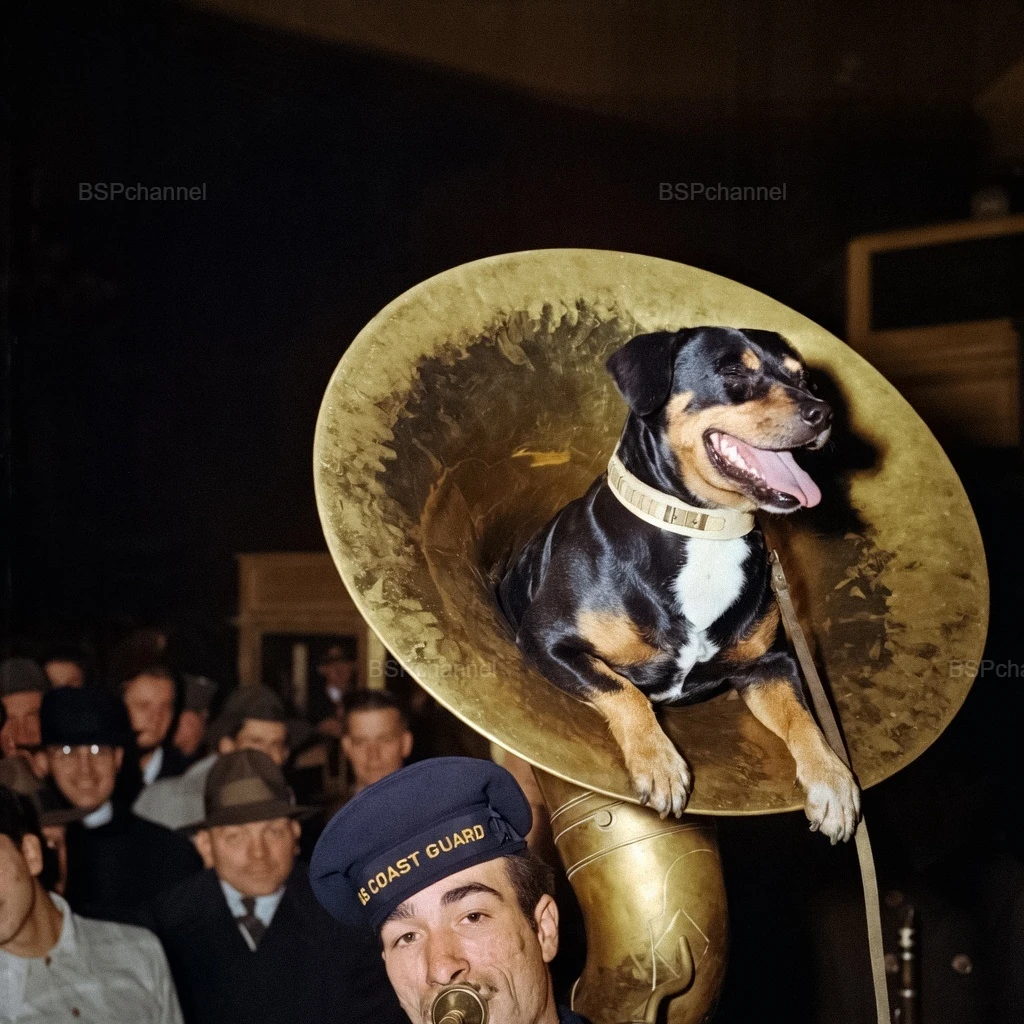
During World War II, shipboard animals were common, but only a few of these naval mascots were honored with their own monument. Sinbad is one such legend. This dog of indeterminate breed served for seven years on the US Coast Guard ship USS Campbell, which escorted Allied convoys. The story goes that the boatswain's girlfriend abandoned the puppy, and the crew, taking pity on him, left the foundling on board. The little fellow repaid the sailors with his loyalty. According to accounts, he was treated not as a pet, but as an equal member of the crew: Sinbad had his own uniform, personal file, and even a separate hammock for sleeping. He allegedly "signed up" for service in the Coast Guard by leaving his paw print on the documents. In 1943, when the Campbell miraculously survived a German submarine attack, Sinbad's story made the pages of The New York Times and Life magazine. Reporters dubbed him "a cross between a Liberty Rum Chow Hound, a bulldog, a Doberman, and something else entirely." For his combat service, the veteran dog received six awards, including the Defense Medal and the Victory Medal. All the ribbons were attached to his collar. His fellow sailors gave him the honorary nickname "Salty"—a nickname for seasoned sailors who had been thoroughly soaked by the sea. After retiring in 1948, Sinbad settled at a lighthouse in New Jersey, where he lived out the rest of his days. After his death, a granite monument in his honor was erected at the foot of the flagpole.
At the training grounds of a school that trains guide dogs for the blind. Balashikha, Moscow Region, 1984. 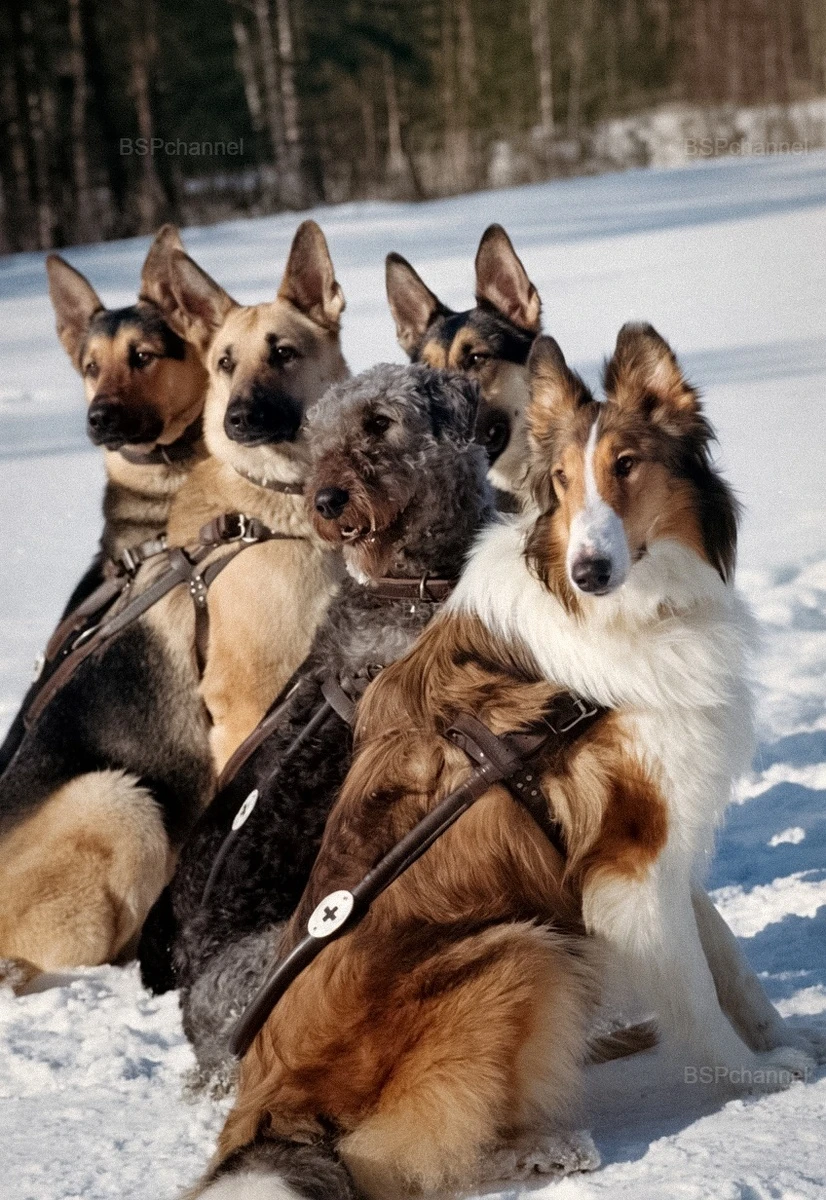
Photographer: Vyacheslav Bobkov
A guide dog is a specially selected and professionally trained dog that helps visually impaired people navigate safely, navigate space, and maintain independence in everyday life. This isn't just a pet, but a working partner whose life is governed by strict discipline and a high level of responsibility. The primary breeds for training are typically Labrador Retrievers, German Shepherds, Standard Poodles (for those with allergies), and sometimes Collies and Border Collies. Future guide dogs are selected literally from the cradle. At 6-8 weeks of age, the puppies are adopted by volunteer fosterers. And that's where the fun begins: the puppies don't just need to be loved and fed; they need to be shown everything. Volunteers take the puppies to stores, buses, trains, and busy streets. The goal is to get the dog used to any noise, smell, and crowd. A subway door, the hum of an escalator, the barking of another dog—nothing should throw them off their game. After a year, the puppy is taken for the next stage: professional training. And that's where the real magic begins. Dogs are taught... to think. Don't just follow commands, but make decisions. "You need to break the dog's natural instincts—the desire to chase cats or be distracted by scents," dog trainers explain. The guide dog must walk strictly in the center of the sidewalk, without cutting corners. Stop at every curb. Measure the height of the curb to prevent the owner from hitting their head. Refrain from the "forward" command if there's a hole or a car ahead. A full training course takes about two years. Only then is the dog introduced to its future owner.
Dog walking, New York City, 1956. 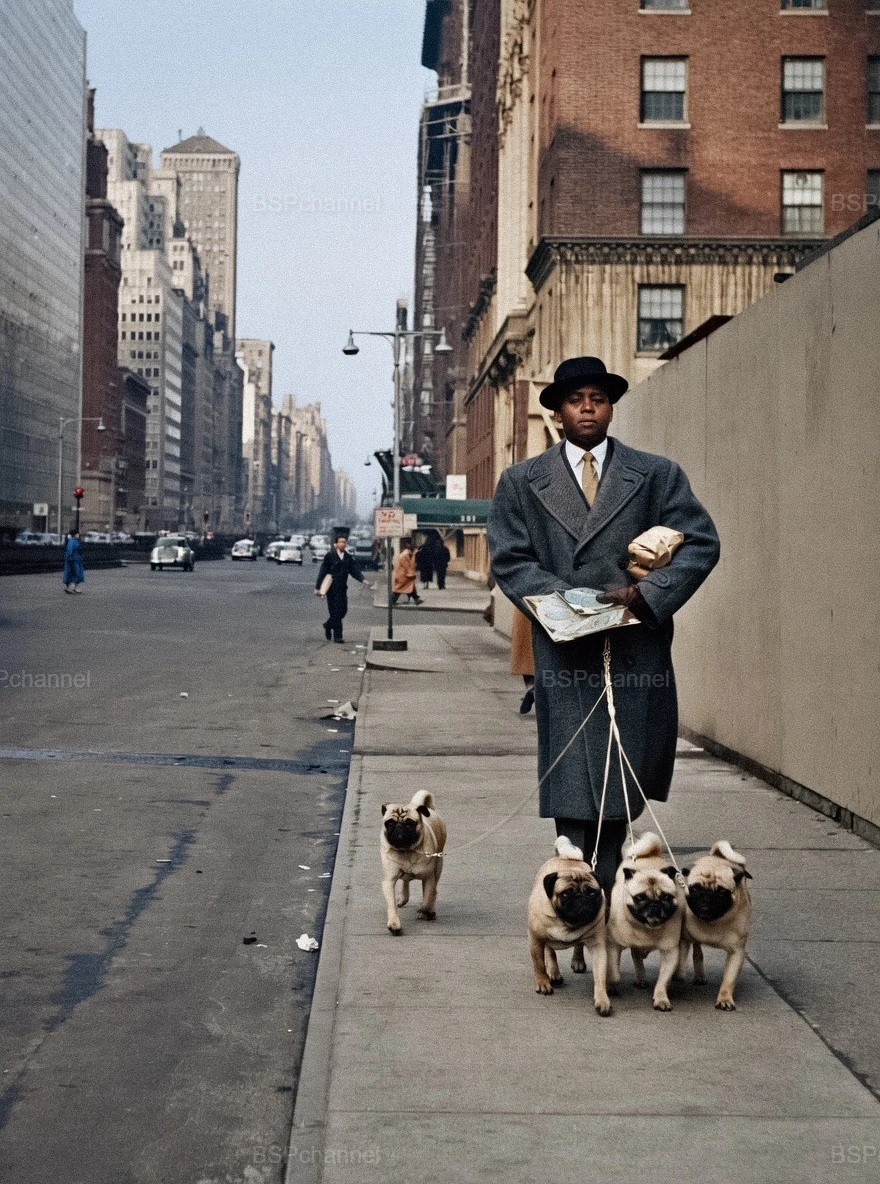
Photographer: Mario De Biasi
It's hard to resist a smile when you look at this dog. With a square muzzle with deep wrinkles, large expressive eyes, a tightly curled tail, and a distinctive snort, the pug is unmistakable.
Participants in the space flight – the dogs Veterok and Ugolyok – on a walk, 1966. 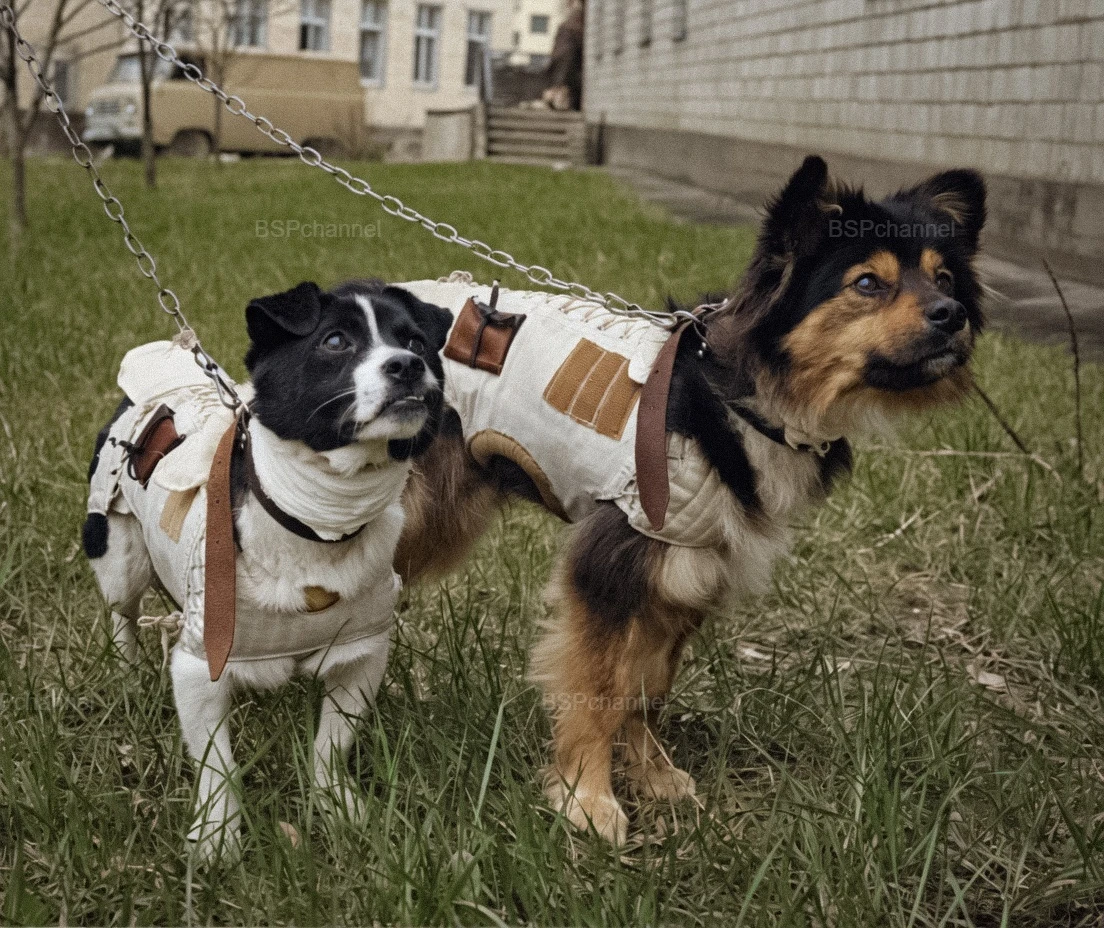
Photographer: Vasily Noskov
When it comes to canine cosmonauts, everyone immediately thinks of Belka and Strelka. Even those unfamiliar with the history of cosmonautics know their names. But there was another pair of four-legged heroes whose feat was far more complex, and whose achievement remains unsurpassed to this day. Their names were Veterok and Ugolyok. On February 22, 1966, the biosatellite Kosmos-110 launched from Pad 31 at the Baikonur Cosmodrome. On board were two mongrel dogs, Veterok and Ugolyok. They were to spend 22 days in space. It was a true feat. Before them, no living creature had stayed in orbit for so long. The record set by the dogs for the longest spaceflight by a living creature stood for five years—it was only broken in 1971 by Soviet cosmonauts on Soyuz 11.
A dachshund in traditional Bavarian attire. Oktoberfest in Munich, 1952. 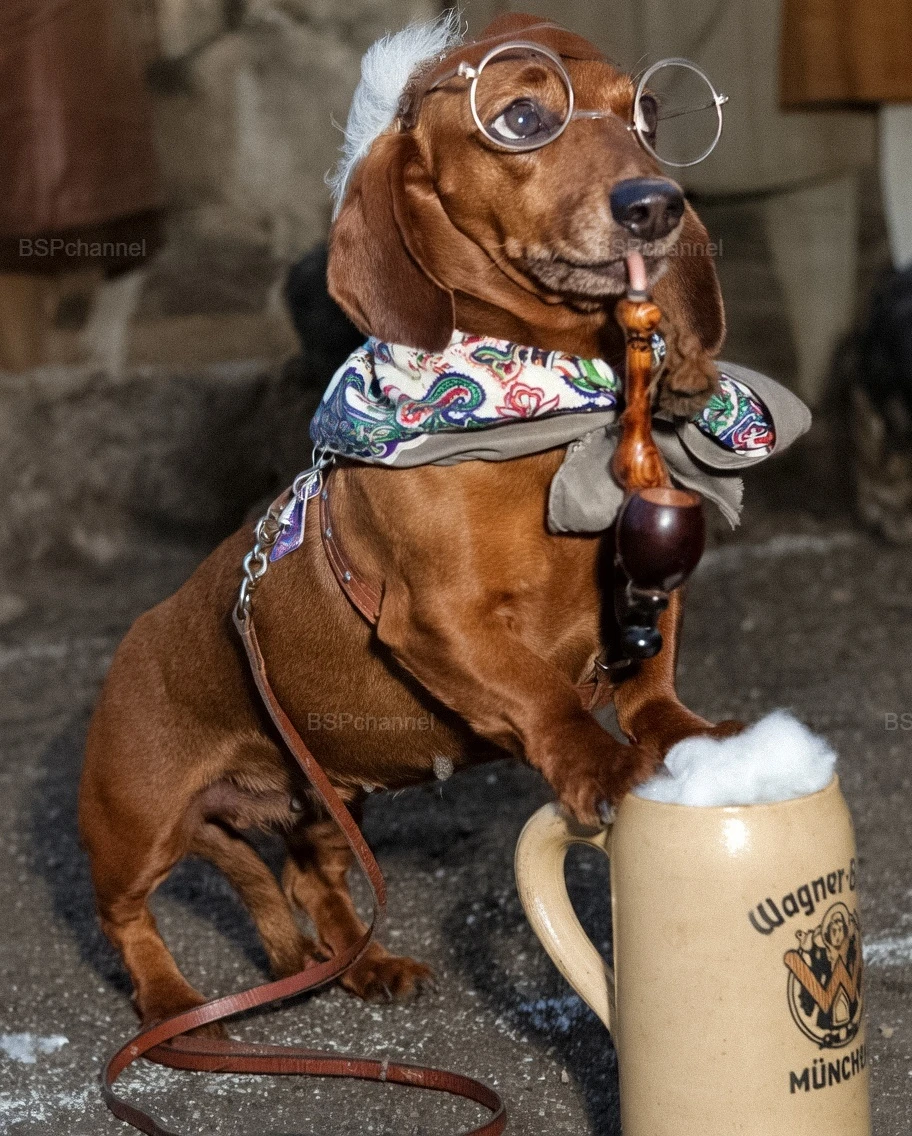
Border guards on the Kuril Islands, 1970. 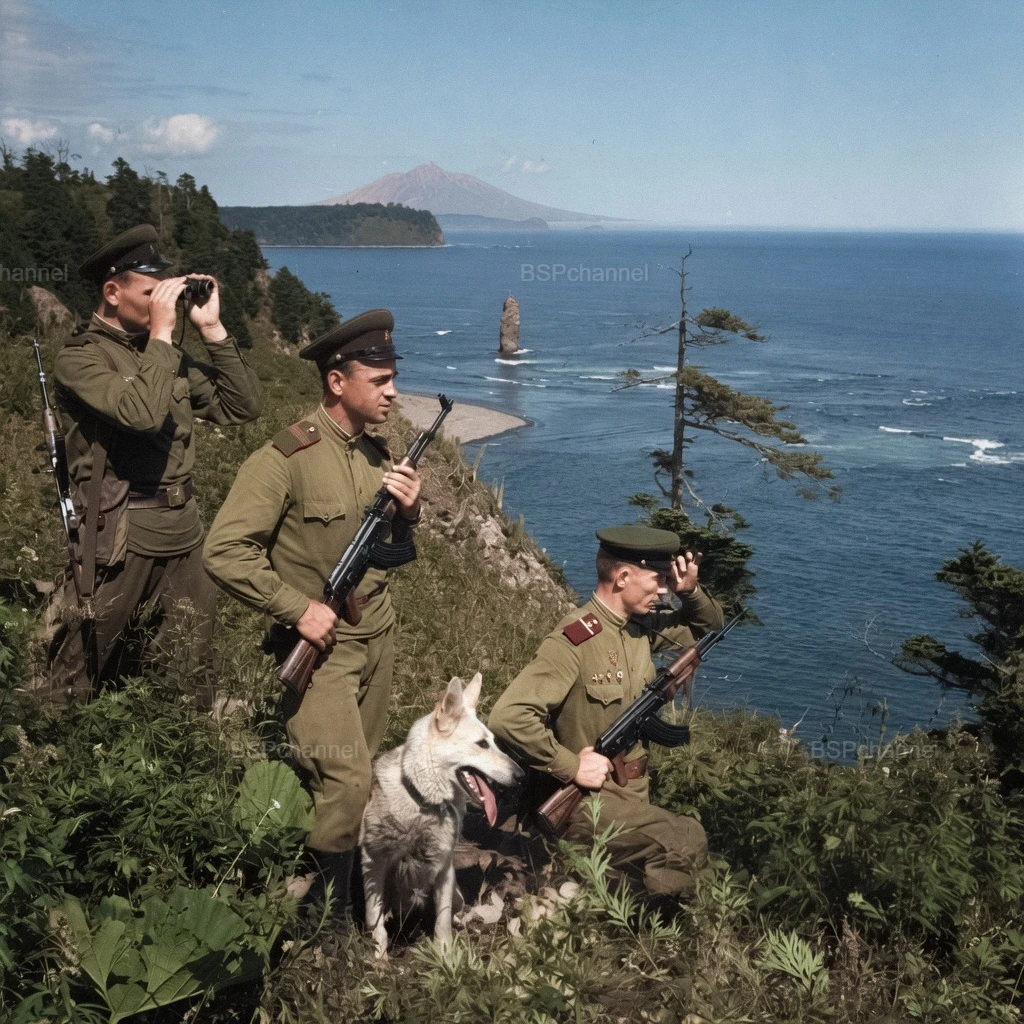
Photographer: Lev Garkavy
Border dogs are specially trained animals that guard state borders. They are fully-fledged combat units, assigned to the staff, given personal numbers, and provided with rations. In other countries, service dogs assist border guards in a wide range of tasks, from searching for intruders to detecting contraband and explosives. As border guards themselves say, "a dog is a man's best friend" has a much deeper meaning for them: a comrade in arms, a reliable partner, and a faithful companion all rolled into one.
A dog listens to the radio on headphones and smokes a pipe, June 1929. 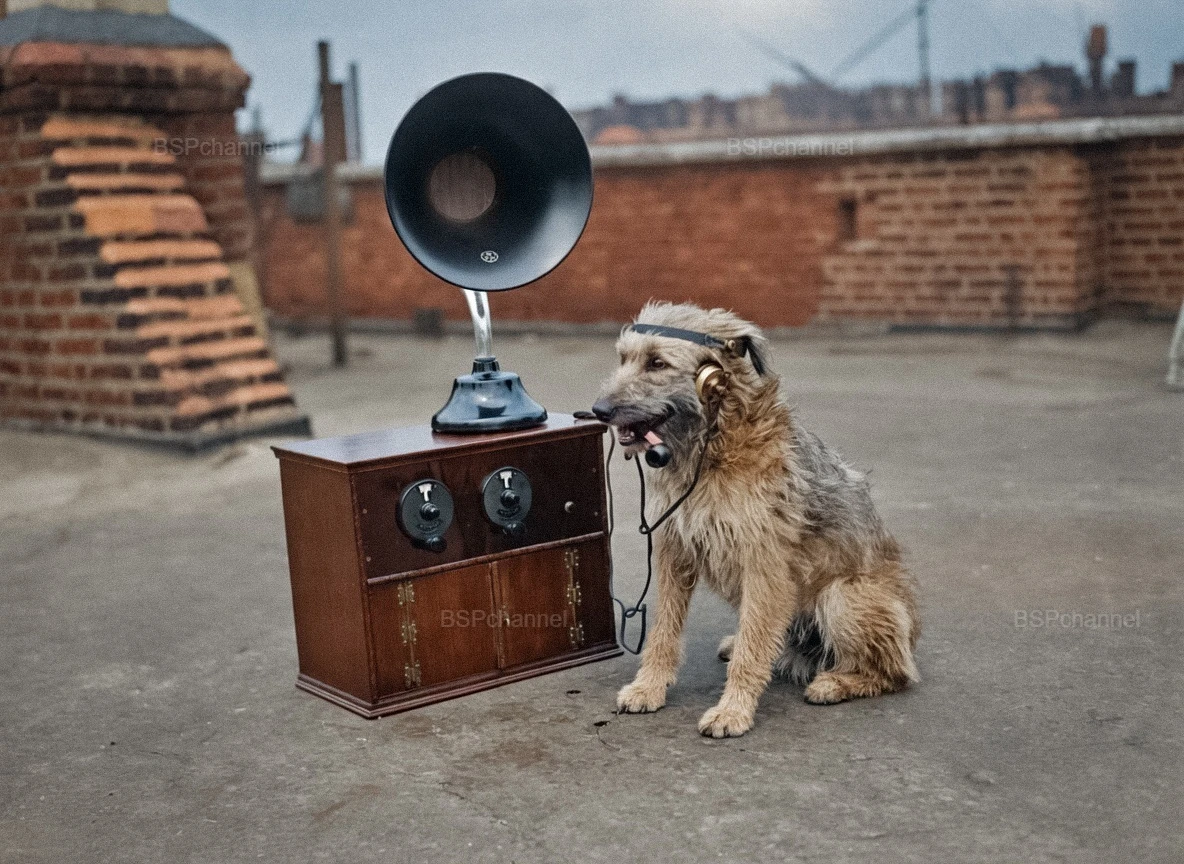
"Tired," 1957. 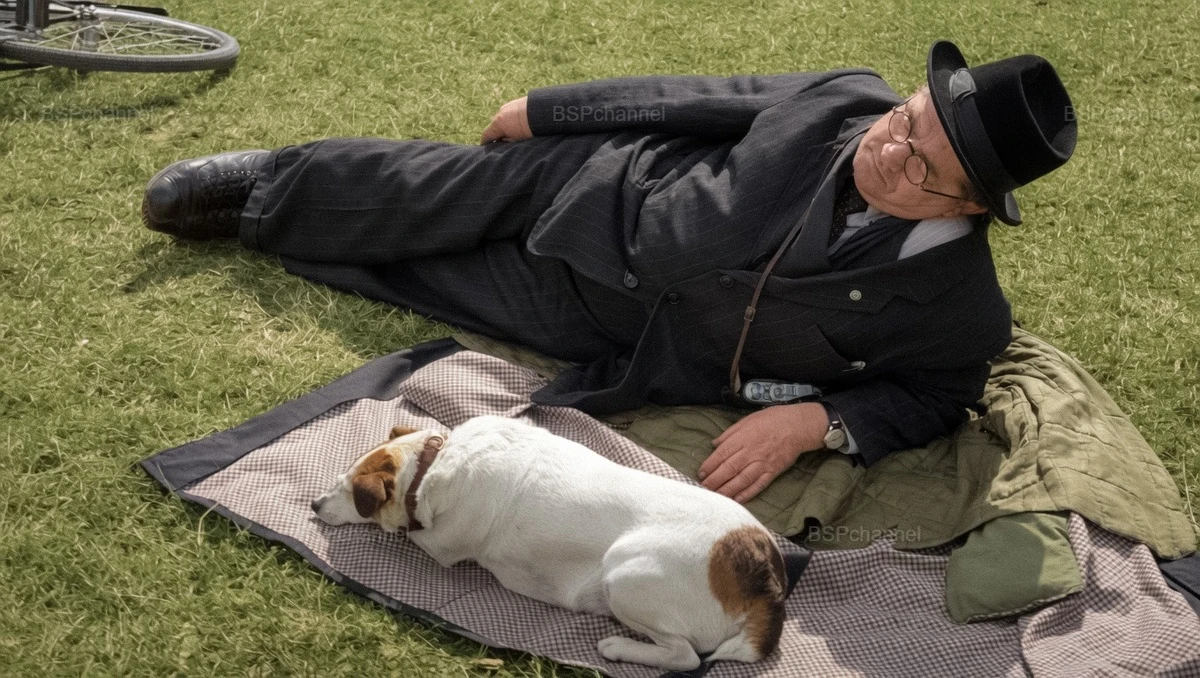
Photographer: Viktor Akhlomov
German Shepherd Petra from the children's show "Blue Peter" responding to fan mail, 1964. 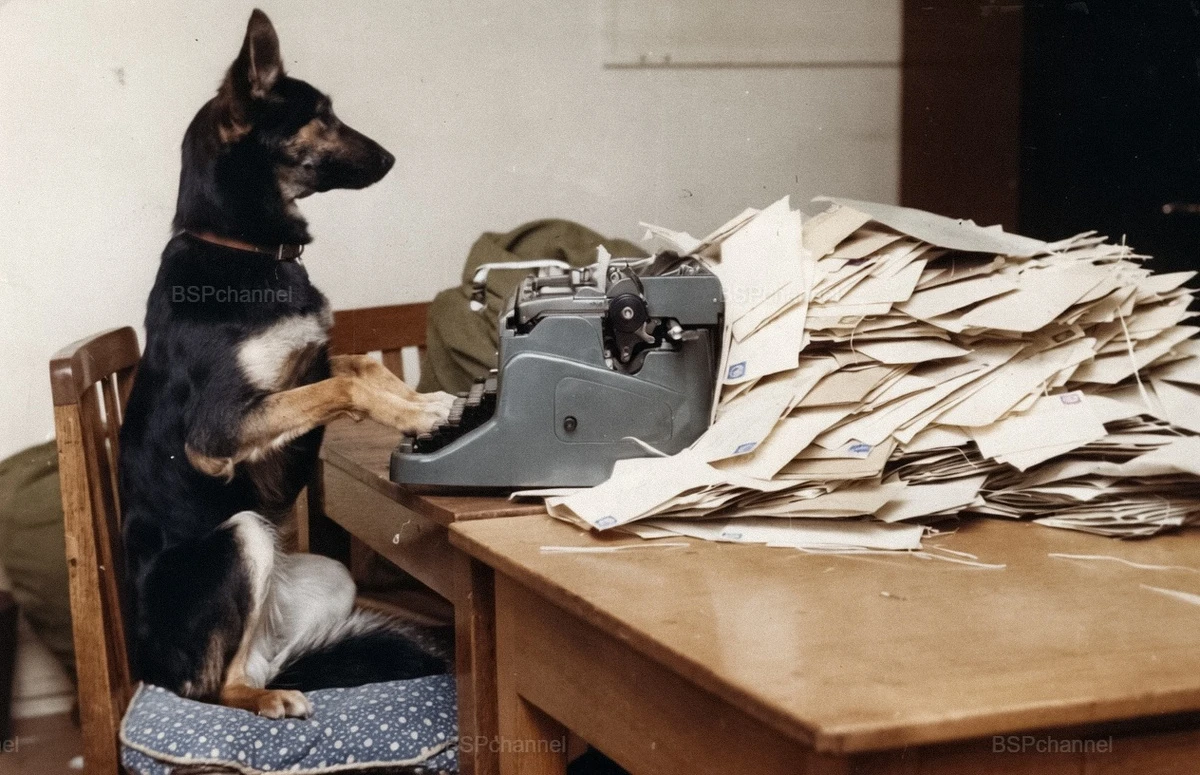
Photographer: John Pratt
This famous photograph shows Petra, a German Shepherd, the faithful companion and first-ever four-legged presenter of the popular British children's television show "Blue Peter" on the BBC. Petra, a beloved character, first appeared on air in December 1962 and remained the program's icon until her retirement in 1977. She became a national icon for millions of British children. Her historical significance to British pop culture is so great that after her death, a bronze statue of her was cast, which now adorns the garden of the Blue Peter studios in Salford.
A German boxer at a veterinarian's appointment, 1970. 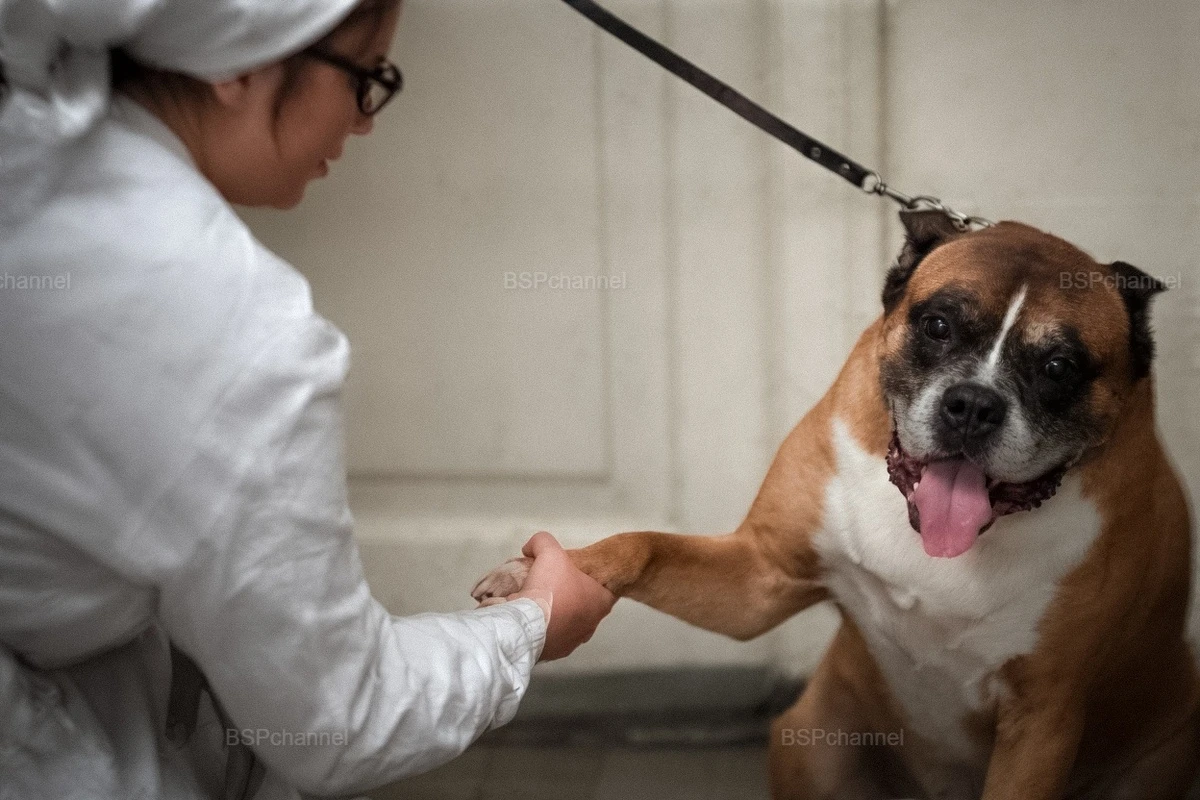
Photographer: Vitaly Titov
Princess Elizabeth with her corgi, Sue or Susan, at Windsor Castle, England, May 30, 1944. 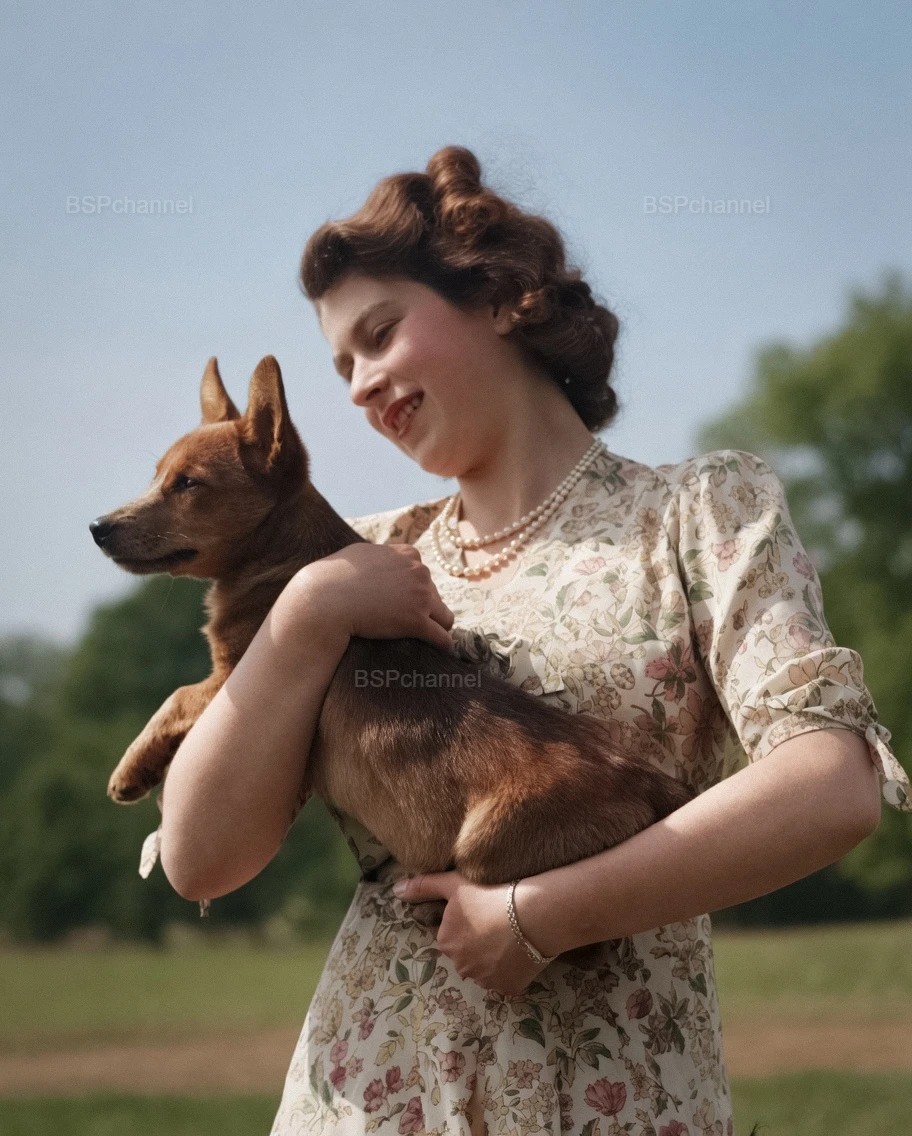
Photographer: Lisa Sheridan
In 1933, when the future monarch was only seven years old, she and her sister Margaret were visiting the children of the Marquess of Bath. There, the girls first saw charming Pembroke Welsh Corgis. Toy-like in appearance, but energetic and full of character, the princess was instantly captivated. Returning home, little Elizabeth begged her father, the Duke of York (the future King George VI), to get a similar dog. And he kept his word. Thus, a puppy named Dookie entered the royal household. Jane later joined Dookie, and from that moment on, corgis became an integral part of the British royal family's life. The most important gift in Elizabeth's life was given to her by her parents on her coming of age. For her 18th birthday in 1944, Princess Elizabeth received her own corgi, named Susan. This dog became more than a pet. Susan accompanied the future queen everywhere. When Elizabeth married Prince Philip in 1947, Susan accompanied the newlyweds on their honeymoon. According to reports, the dog was secretly transported in the wedding carriage, hidden under a blanket. This little secret perfectly characterizes the warm and almost "homely" relationship the queen had with her pets. It was Susan who became the founder of an entire dynasty. All subsequent corgis owned by Elizabeth II during her 70-year reign were direct descendants of this dog. They say the Queen personally bred the cats and knew the pedigree of each of her pets in detail.
Untitled, 1980s. 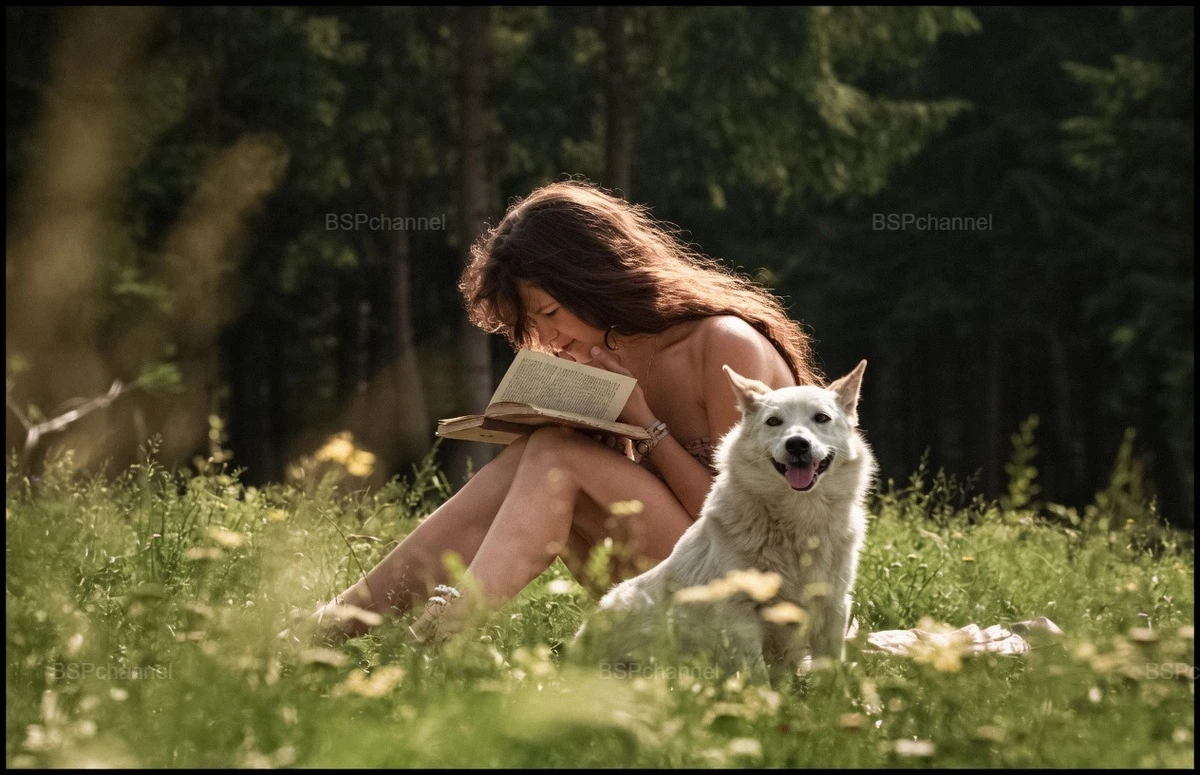
Photographer: Vladimir Bogdanov
Dog in the window, 79th Street, New York City, 1952. 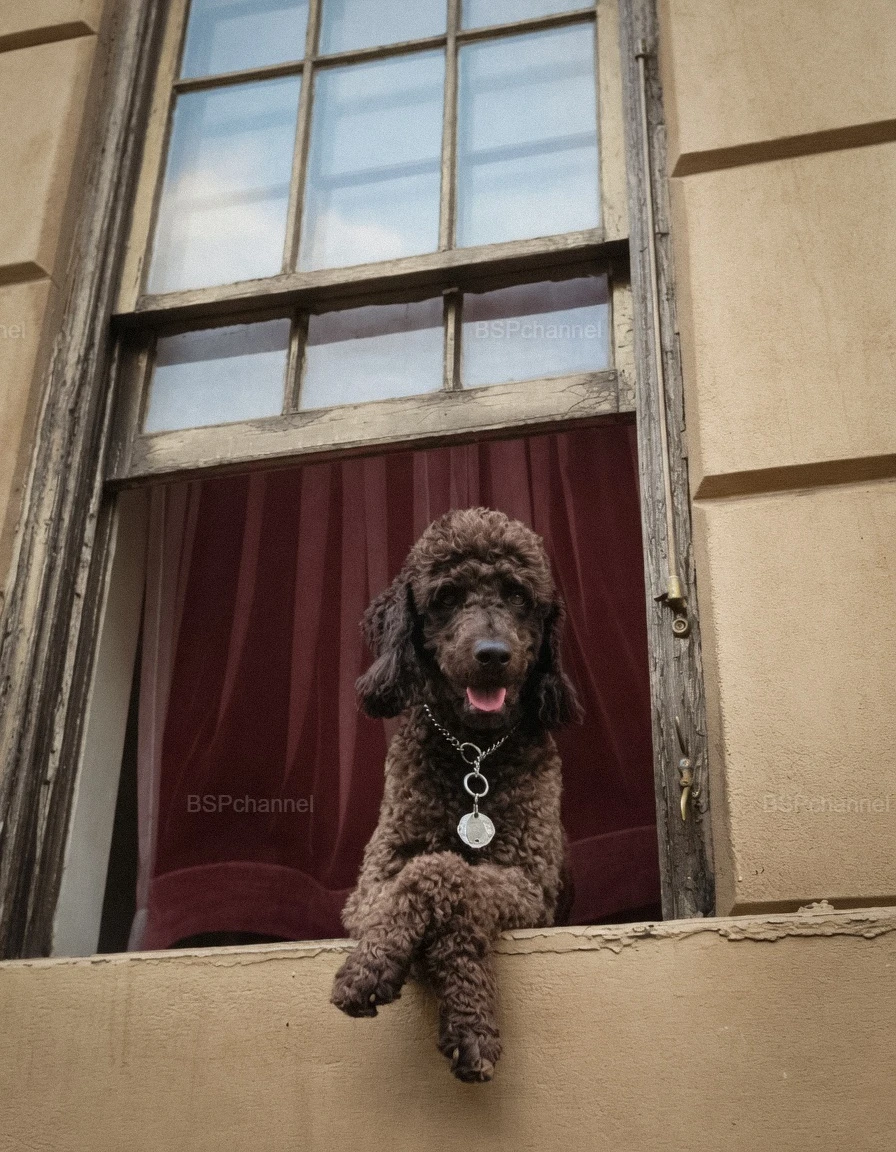
Photographer Todd Webb
Examination of a pet dog at a Moscow veterinary clinic, 1980. 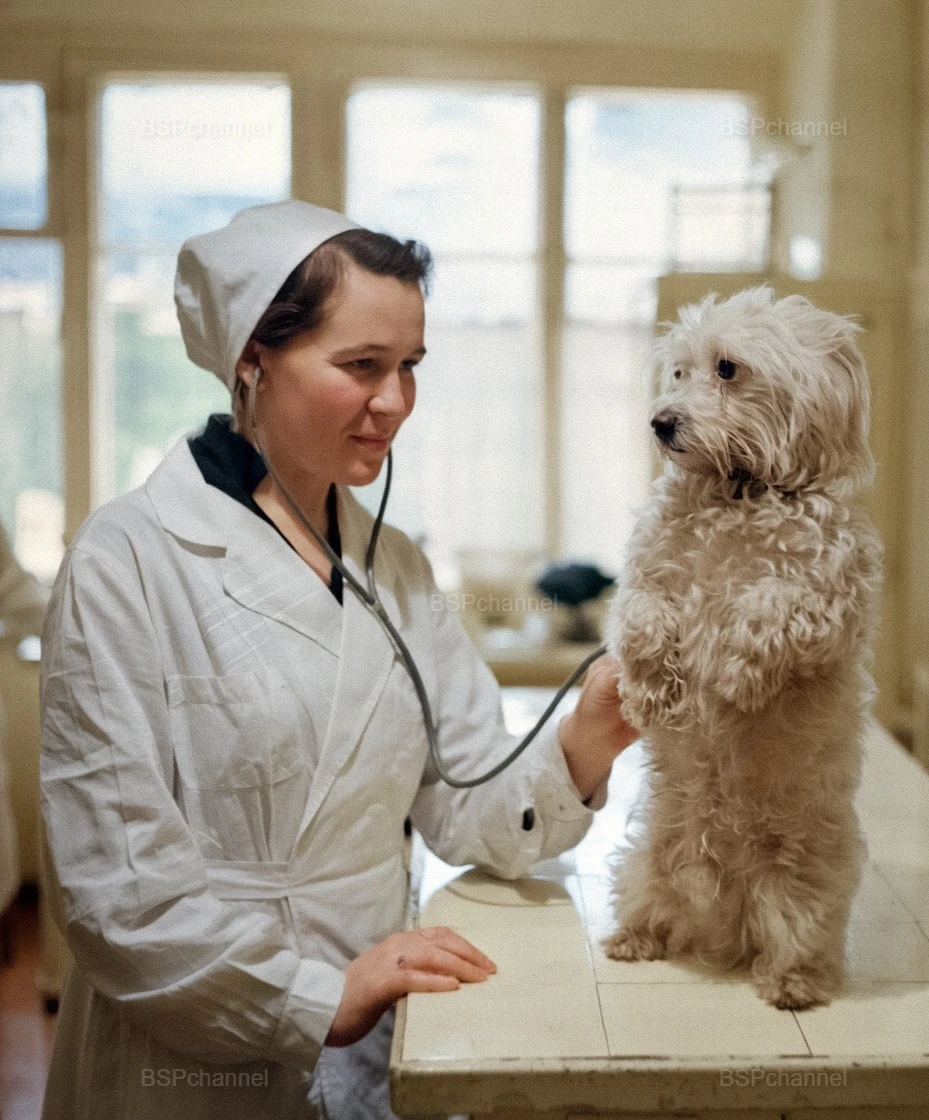
Photographer: Lev Nosov
Smoking dog, 1971. 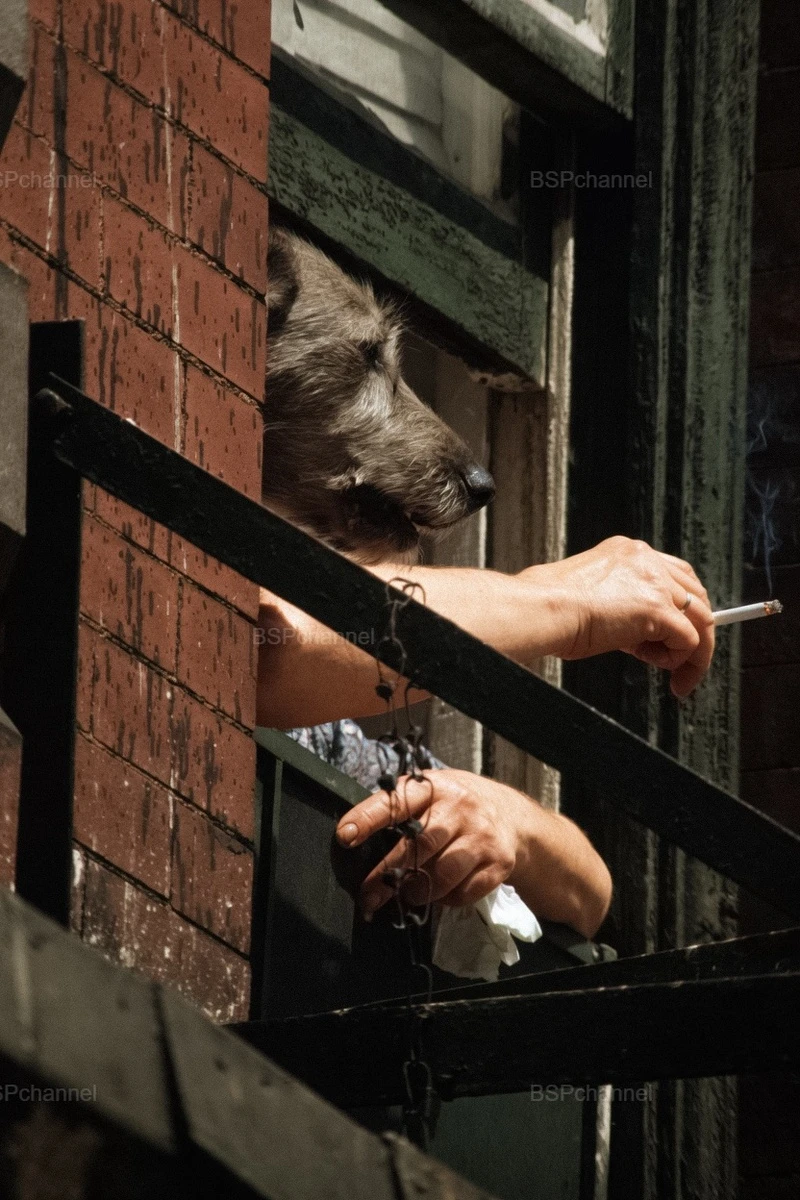
Photographer Art Shey
Moscow schoolboy Anton Rebrikov and his dog participate in a shoot for the children's humor magazine "Yeralash." Moscow, 1979. 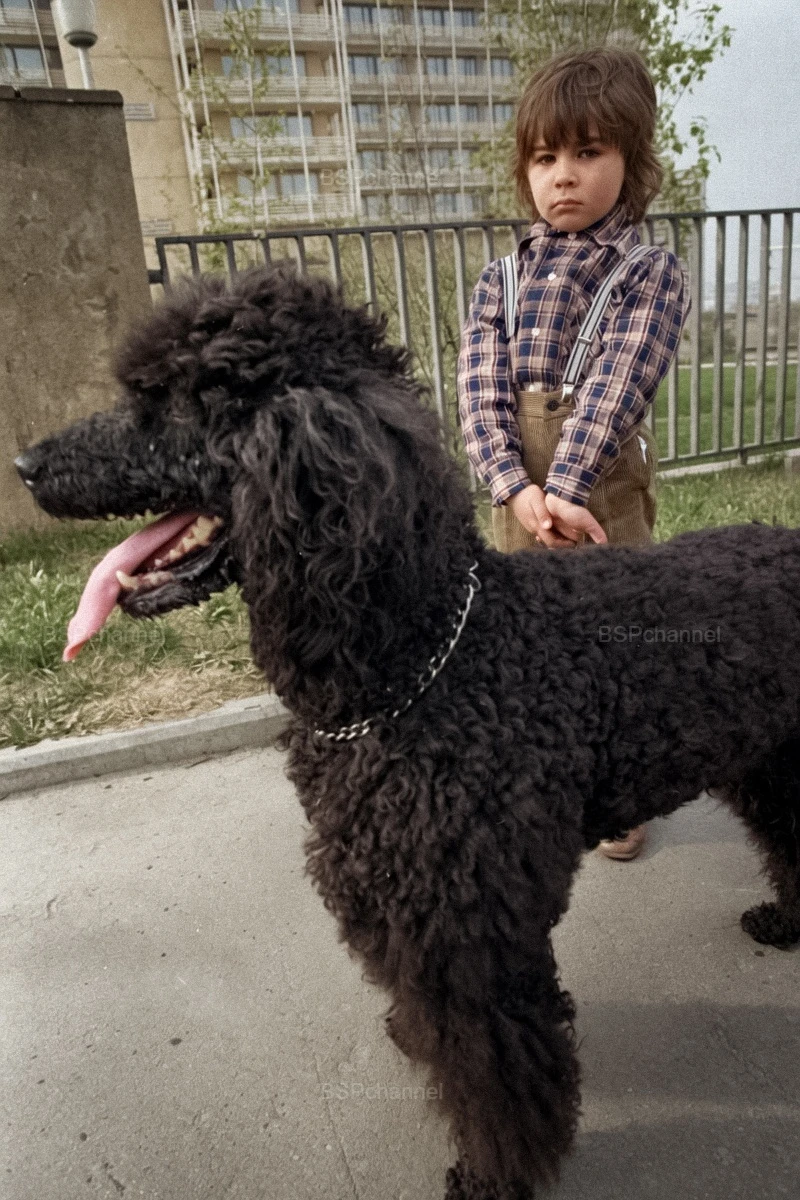
Space dogs Tishka and Chernushka pose for the camera, 1961. 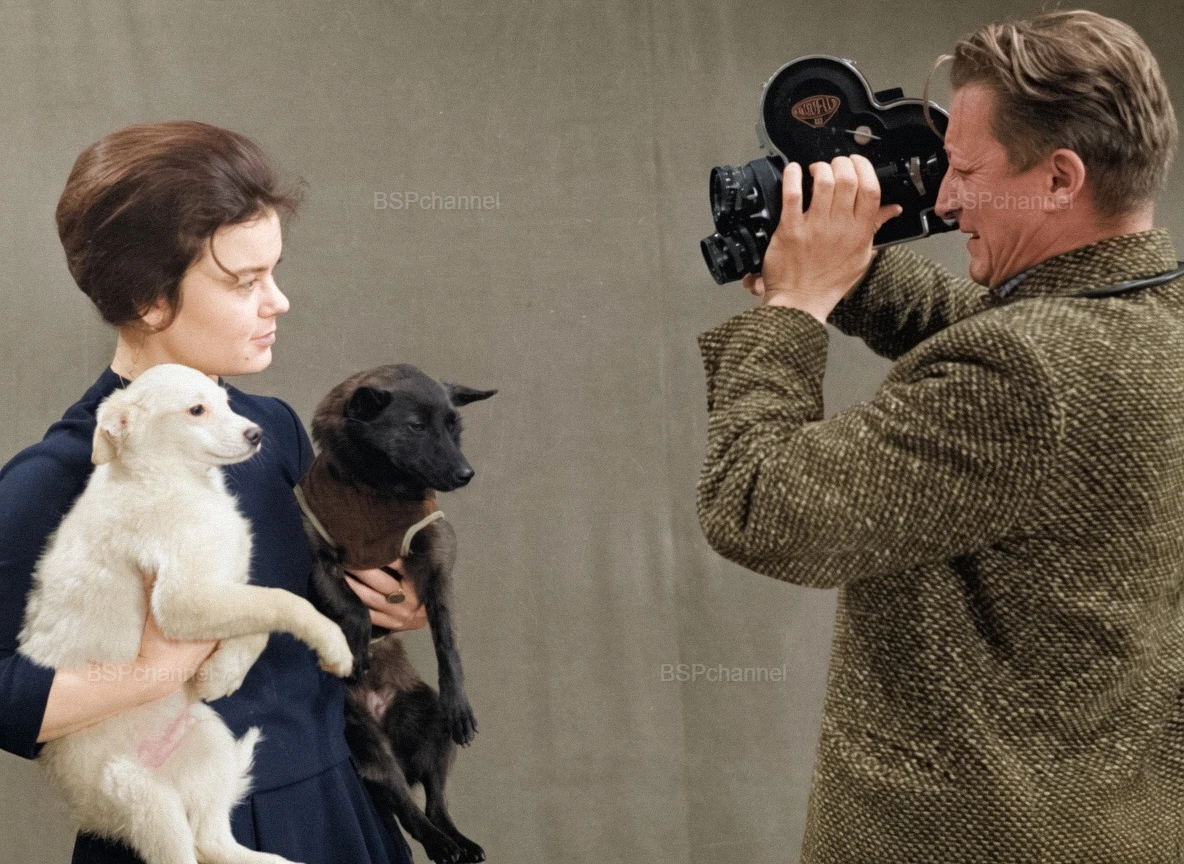
Photographer: V. Savostyanov
Sliding down a hill, 1967. 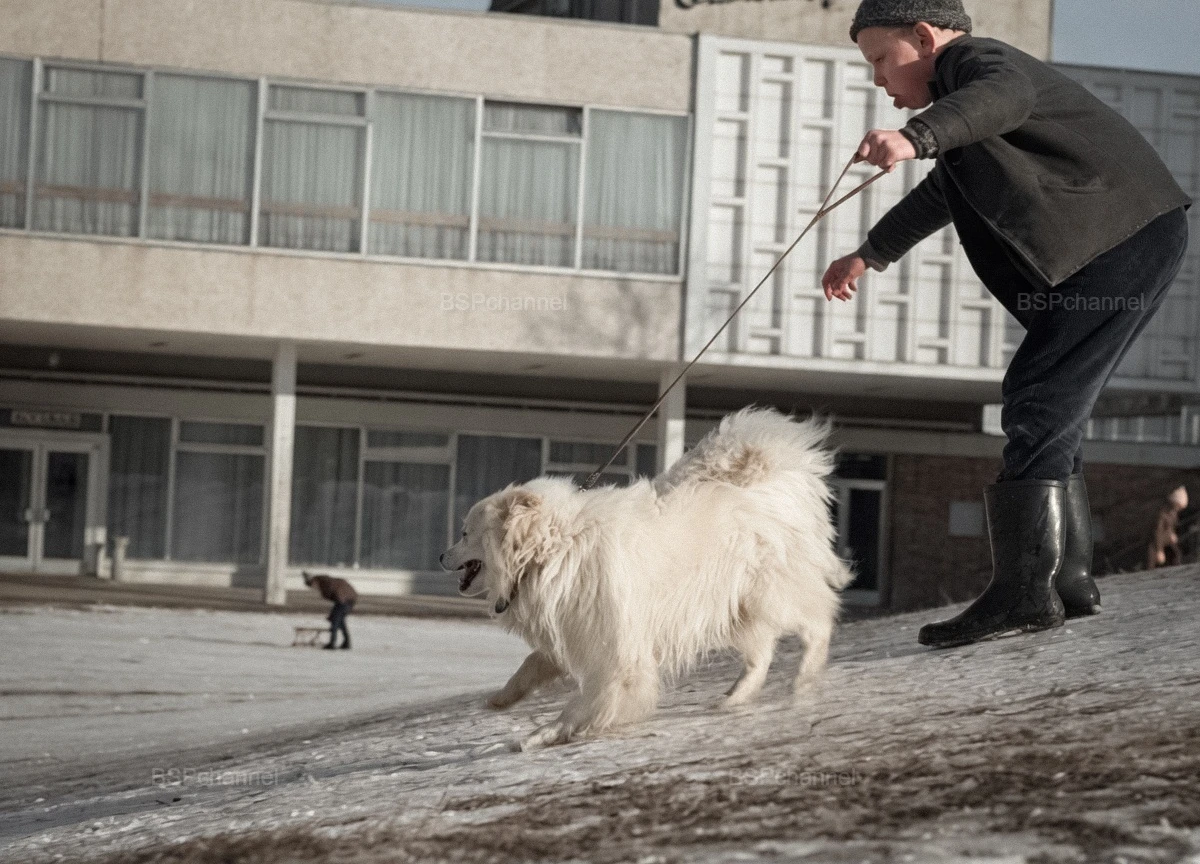
Photographer: Anatoly Garanin
Cat and dog in Paris, year unknown. 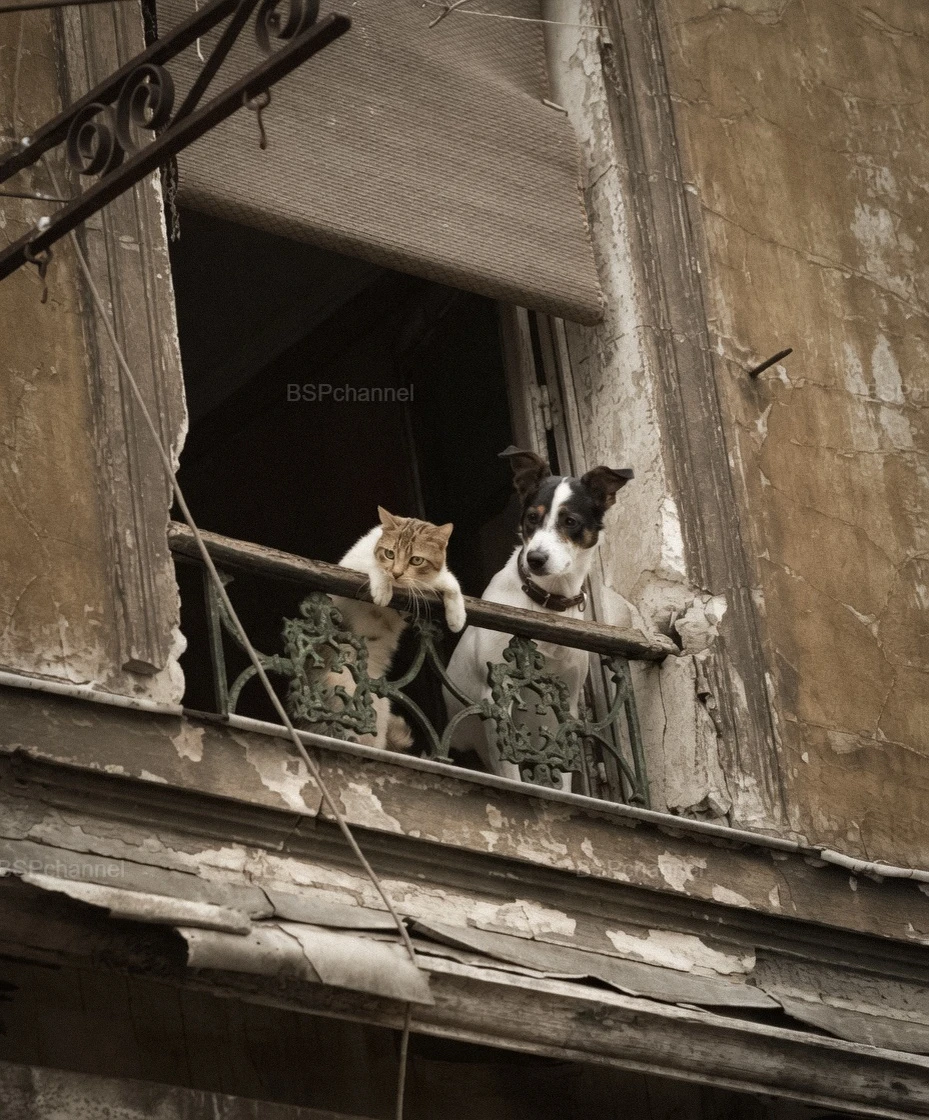
Photographer Annick Gerardin