Chayten: A Buried City That Chose Life (12 photos + 1 video)
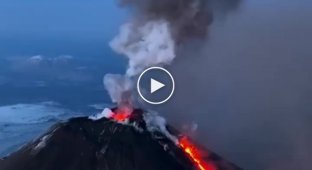
Early in the morning of May 2, 2008, the earth in southern Chile shook. Ten kilometers from the port town of Chaitén, near the Gulf of Corcovado, a volcano awoke after nearly 10,000 years of dormancy (it last erupted around 7420 BC, before the pyramids were built). 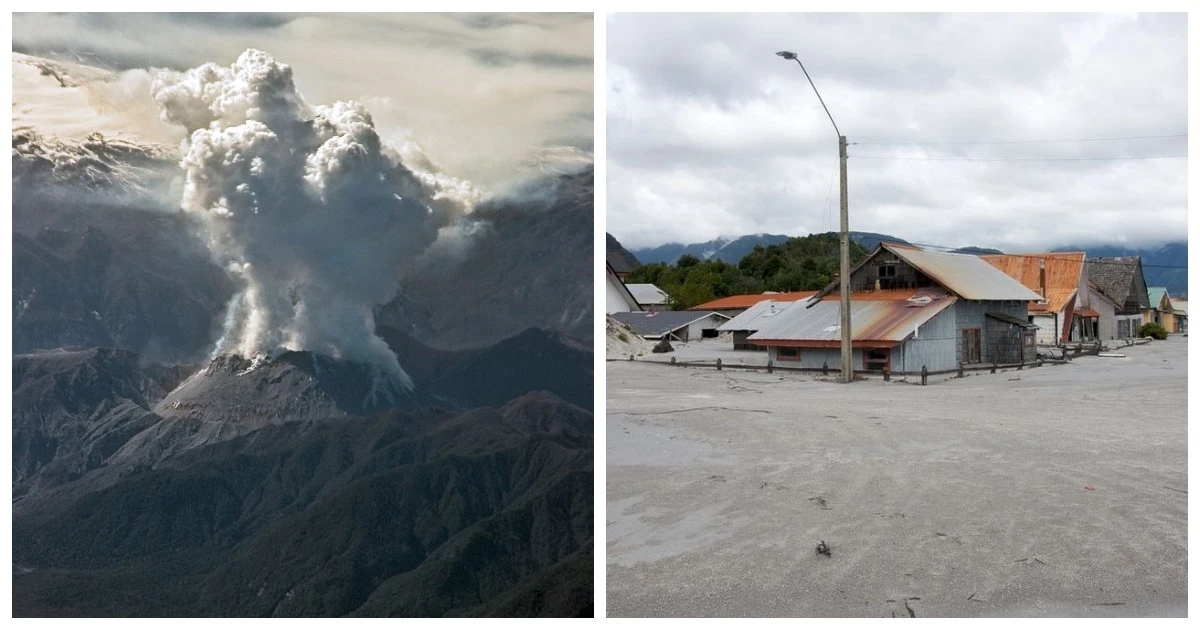
At first, it simply cleared its throat. A column of ash rose 17 kilometers and covered the town in a layer of gray dust. 4,000 residents were urgently evacuated. But the volcano wasn't satisfied. 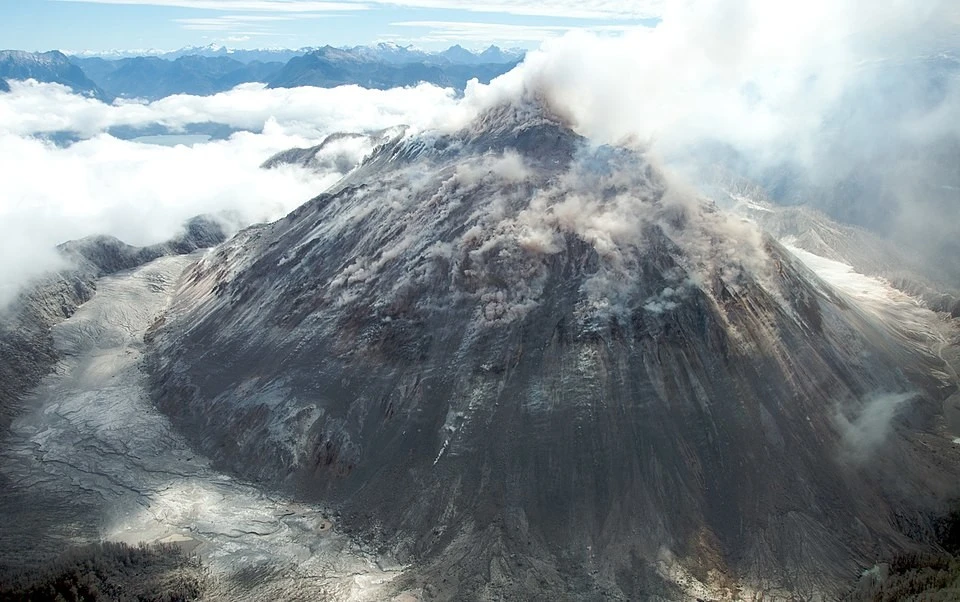
Image of the lava dome of Mount Chaiten during its 2008-2010 eruption
In the following days, the eruption became more intense: the ash column grew to 30 kilometers high, flying across Argentina and even crossing the Atlantic Ocean. The sky over Buenos Aires was covered in a thick haze of Chilean ash. 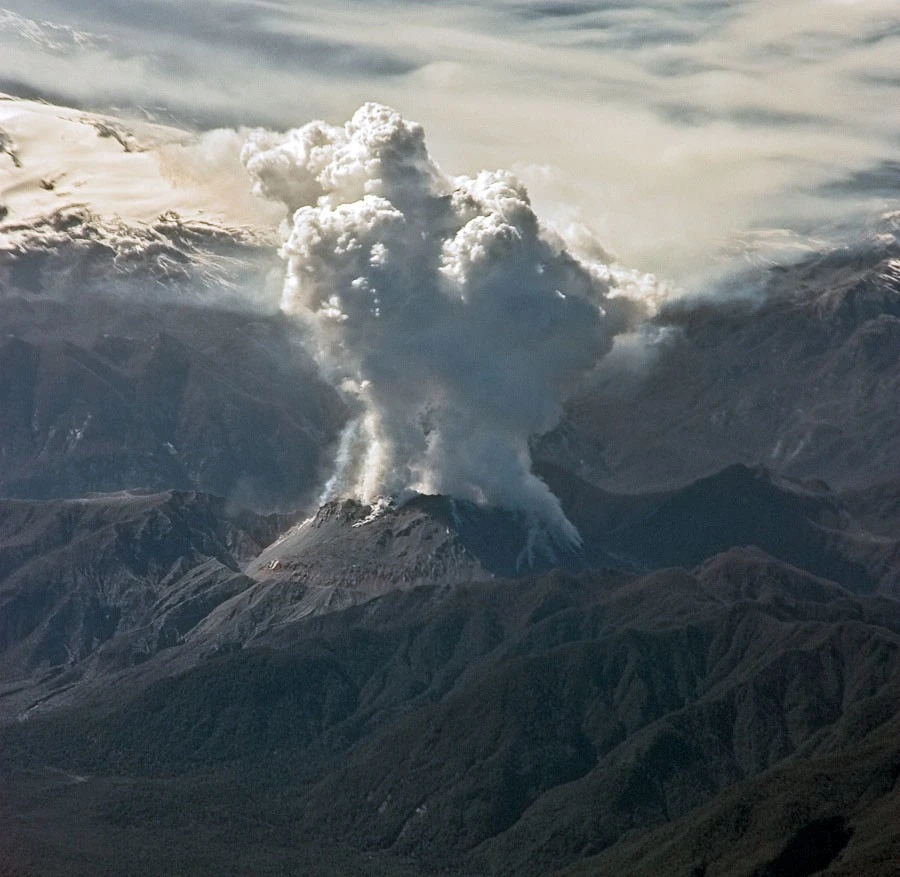
Chaiten Volcano, view from a commercial airplane, October 2008
It would seem the city stands at a safe distance. But nature has prepared a different scenario. 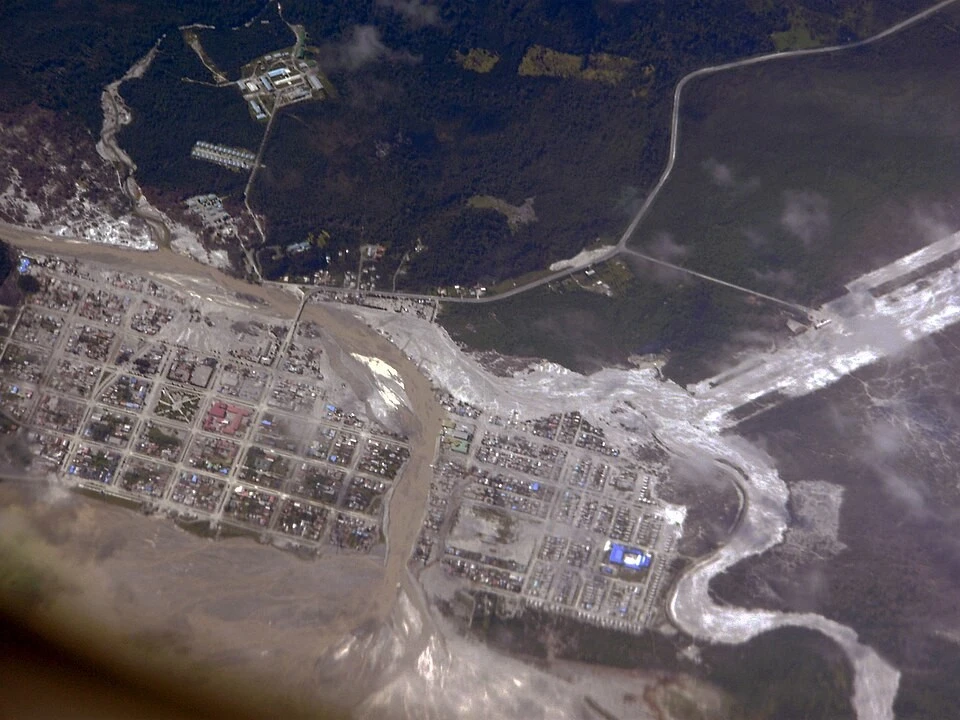
Aerial view of Chaitén after the riverbed filled with volcanic ash—the river overflowed its banks and buried a significant portion of the city in volcanic material.
The rains began. The water mixed with the ash and mud accumulated in the crater and on the slopes, turning into a lahar—a liquid river of mud and rock, like a hot cement mixer. This mass poured into the Chaitén River, which flows past the volcano through the city and into the sea. 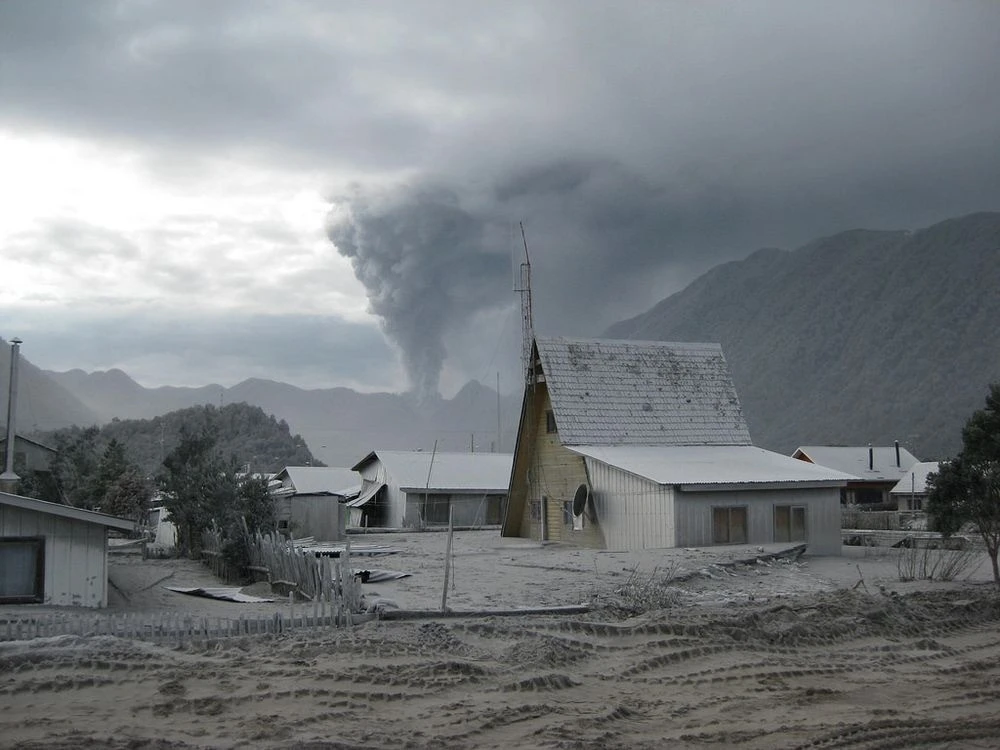
The lahar gradually filled the riverbed. The river grew shallow, choked in the mud. And then, on May 12th, disaster struck. The banks gave way, the river broke through them and took a new route, right through the center of the city. 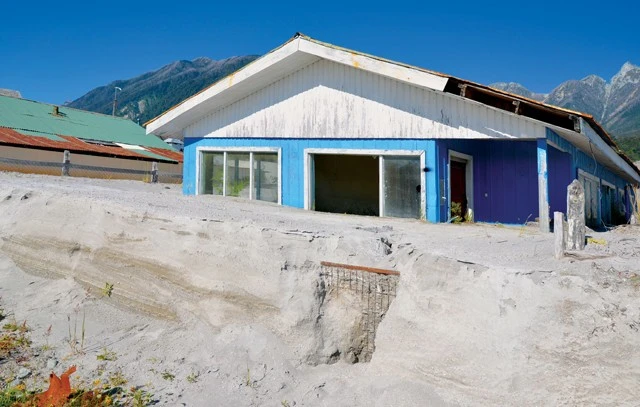
Water doesn't choose. It swept away everything. Houses sank into the ground, streets disappeared, cars and debris were carried out to sea. Almost half of Chaiten was destroyed in a matter of hours. 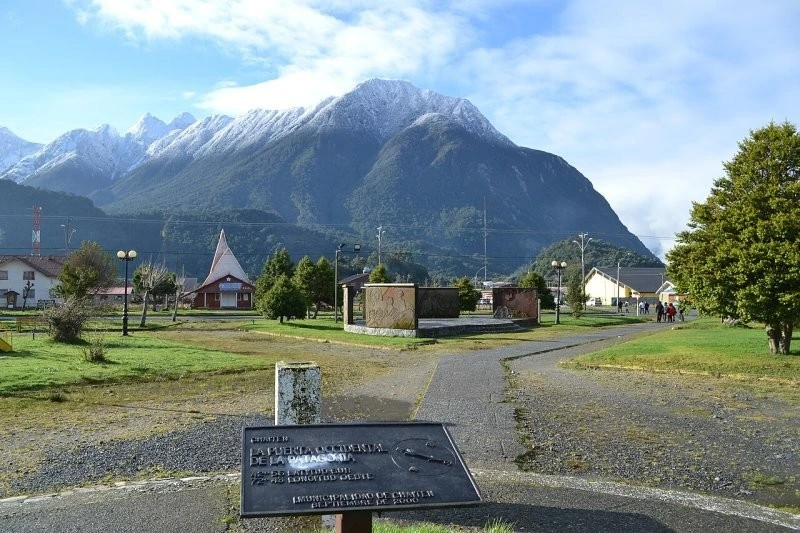
People were evacuated in time, no one died. But property, homes, and all their lives remained there, under a thick layer of hardened mud. 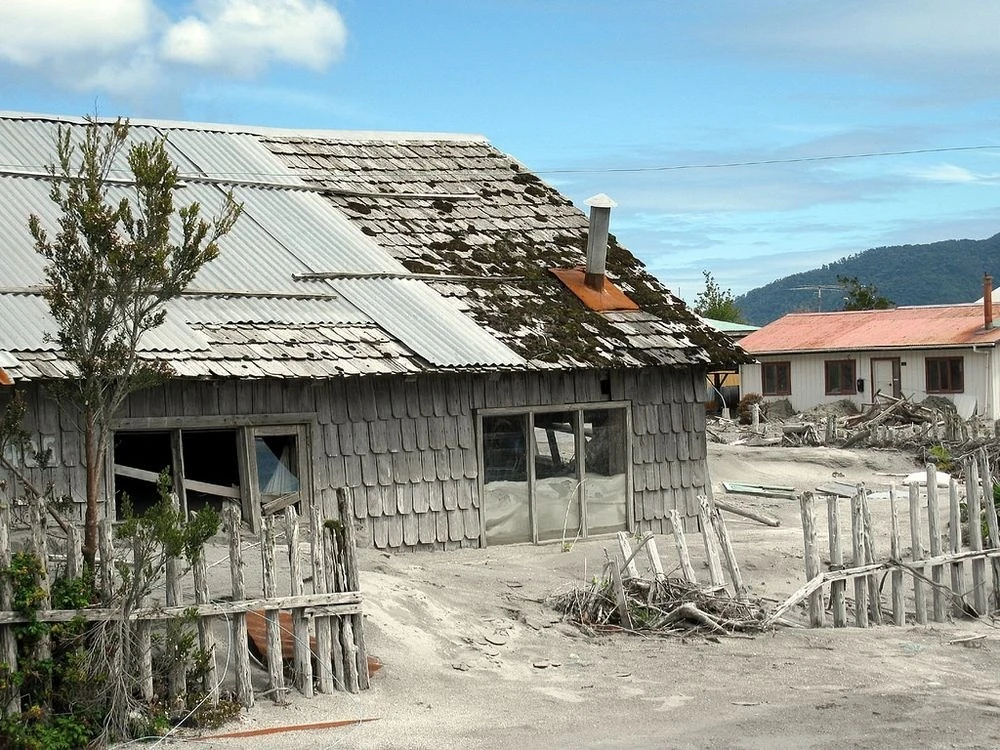
The Chilean authorities decided: that's it, Chaitén is dead. We'll build a new city for the residents elsewhere. But the people refused. They stayed. Right next to what was once their home. 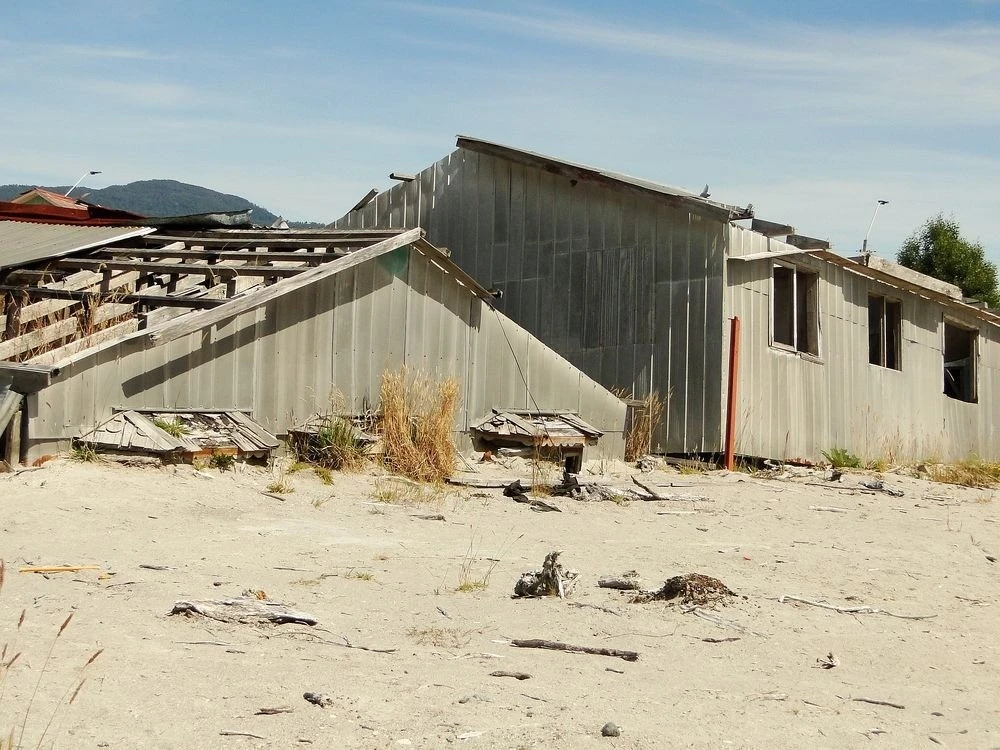
Years have passed. Today, Chaiten has a split personality. One half is a gray, dead field, where the roofs of flooded houses stick out from the ground. It's a ghost town that attracts tourists from all over the world. They walk streets that no longer exist and take photos with pipes sticking out of the ground in the background. 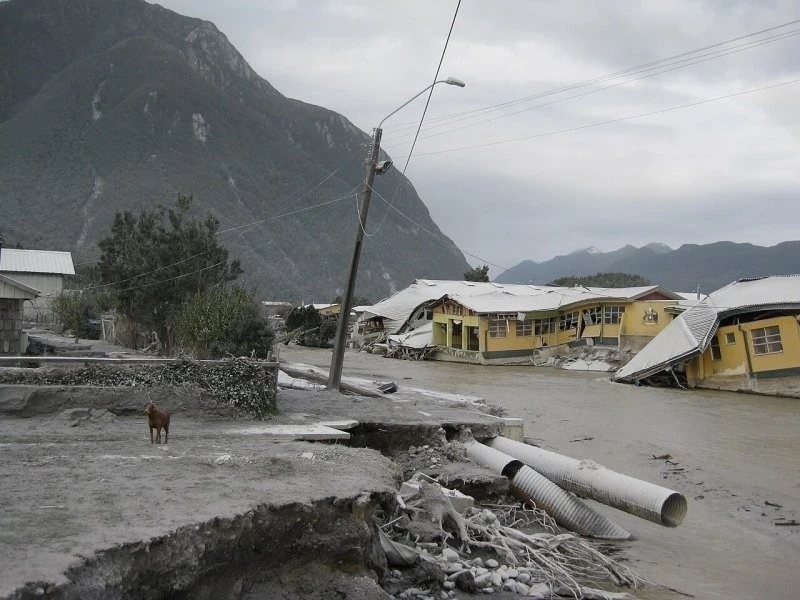
And nearby, just a few blocks away, new life is bustling. The vibrant Chaiten is gradually expanding north, toward the volcano.
The new Chaiten is now even closer to the sleeping monster than the old one. If the volcano awakens again at full power, a pyroclastic flow (a mixture of gas, ash, and rock at temperatures approaching 1000°C) could engulf the city in minutes. 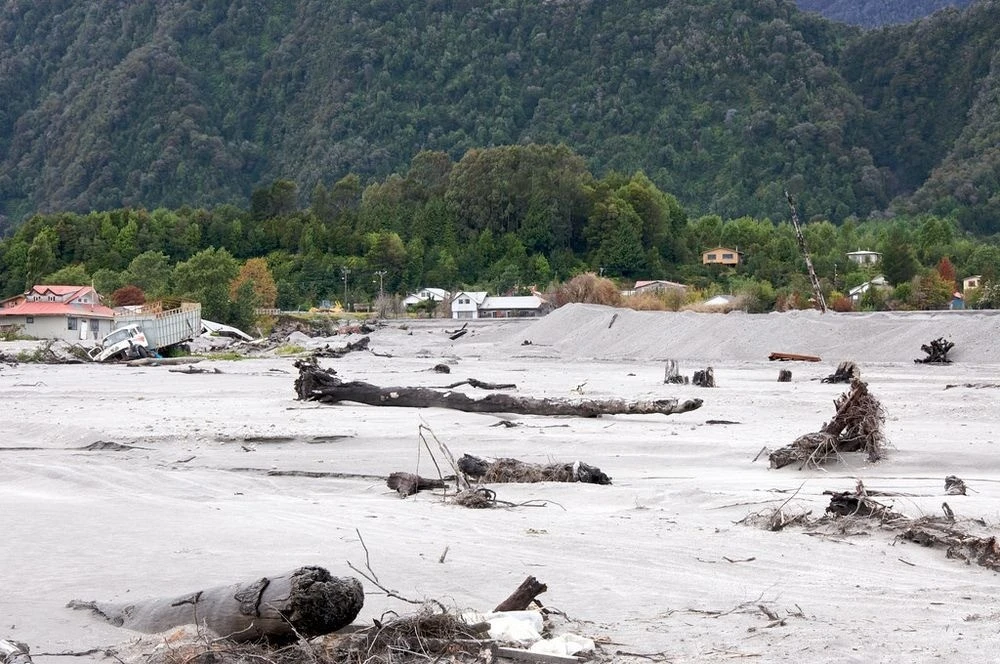
Why do they live there? This is Chile. This is Patagonia. Here, people cling to the land with their teeth. The authorities have acknowledged: Chaiten is alive, and it must be rebuilt. This year, real changes are taking place here. Enormous amounts of money have been allocated for concrete roads, sidewalks, and storm drains. 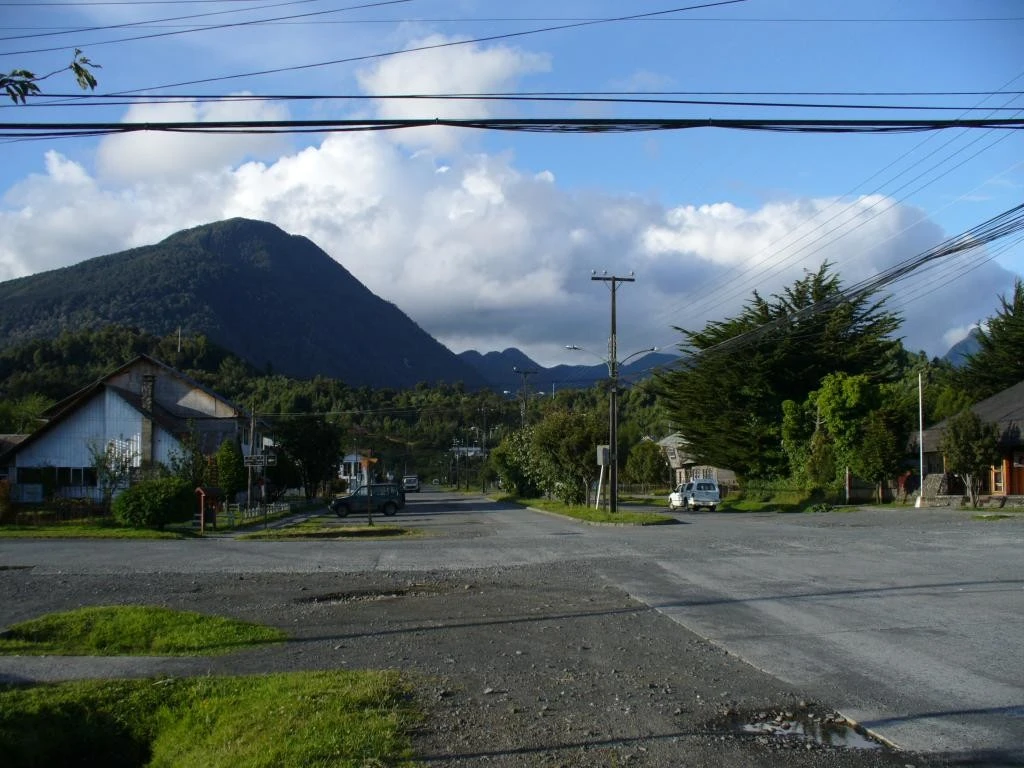
The city center will remain as it was when the elements left it. It's an open-air museum, a mournful monument reminiscent of Pompeii, only with a Chilean accent. Ironically, the new residential area is being built on a site that geologists still consider dangerous. But people don't care. Chaitén isn't going anywhere; he's choosing to live, even if it's dangerous, here and now.