Stonehenge in Reverse: Truth and Myths About the Cayton Cave Complex (9 photos + 2 videos)
What do you see in the first photo? A regular rabbit hole or an abandoned hole in the field? 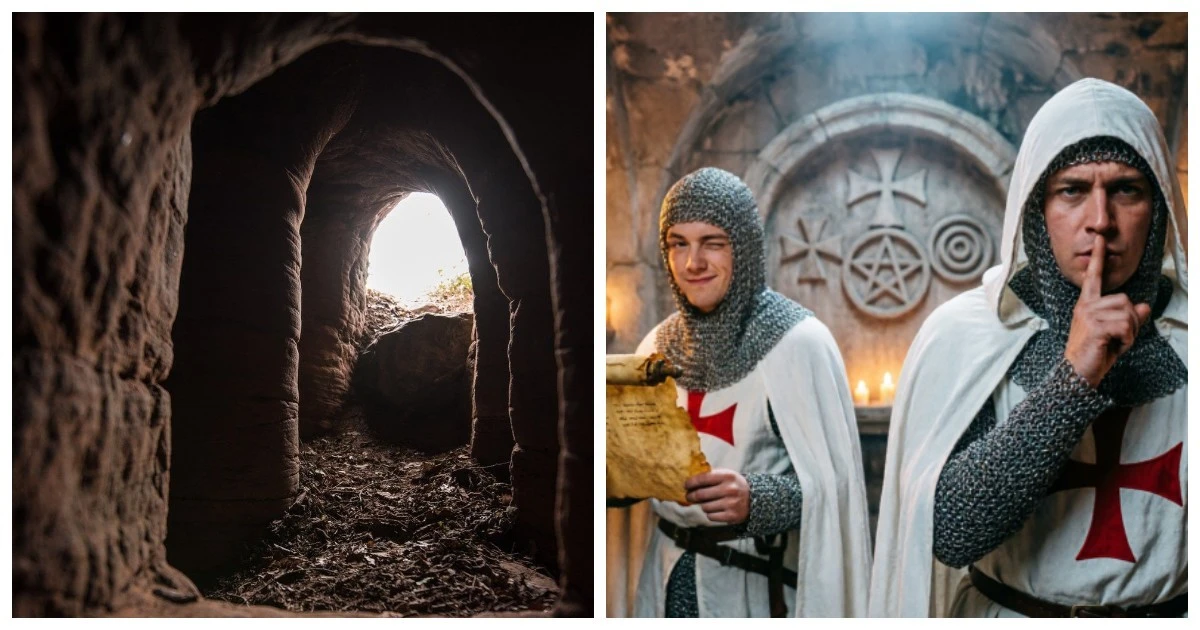
In fact, this is a modest portal to a huge underground cave, the origins of which still fascinate adventurers and historians. 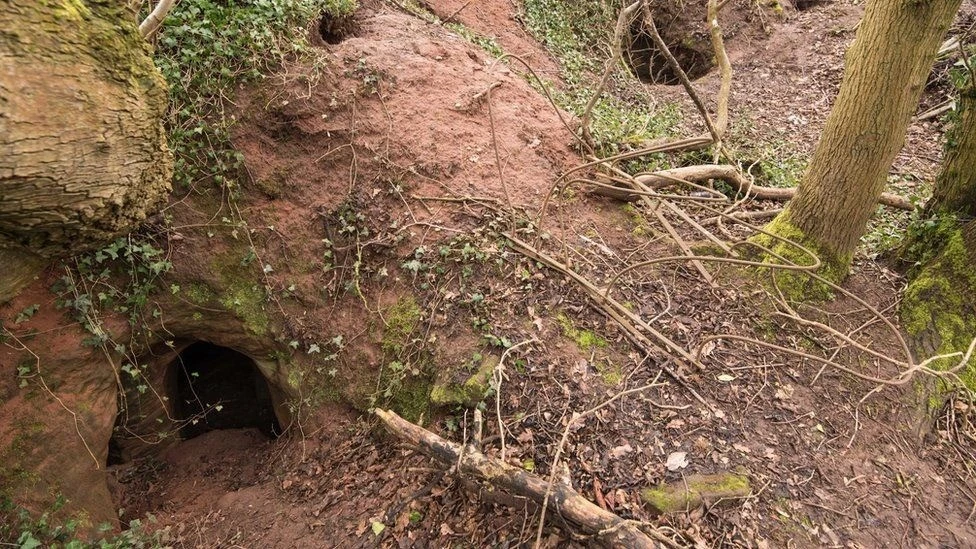
Located on the grounds of Cainton Hall (near Beckbury, Shropshire, England), this grotto is believed to have been carved in the late 18th or early 19th century. 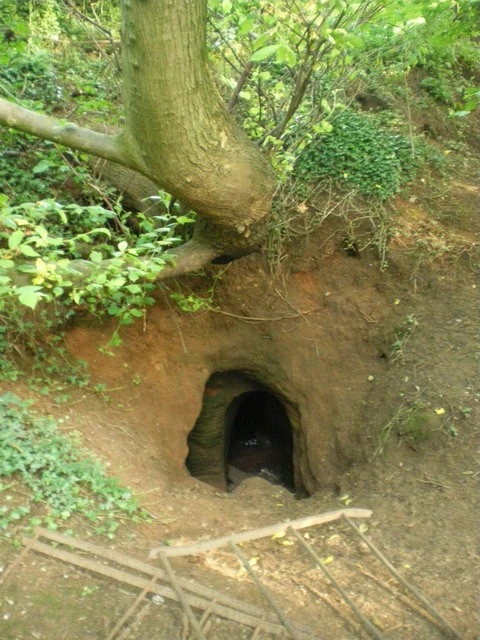
However, popular belief persistently links it to the Knights Templar—a Catholic military brotherhood founded in the 12th century. Initially, the Templars protected pilgrims on the dangerous roads to Jerusalem. 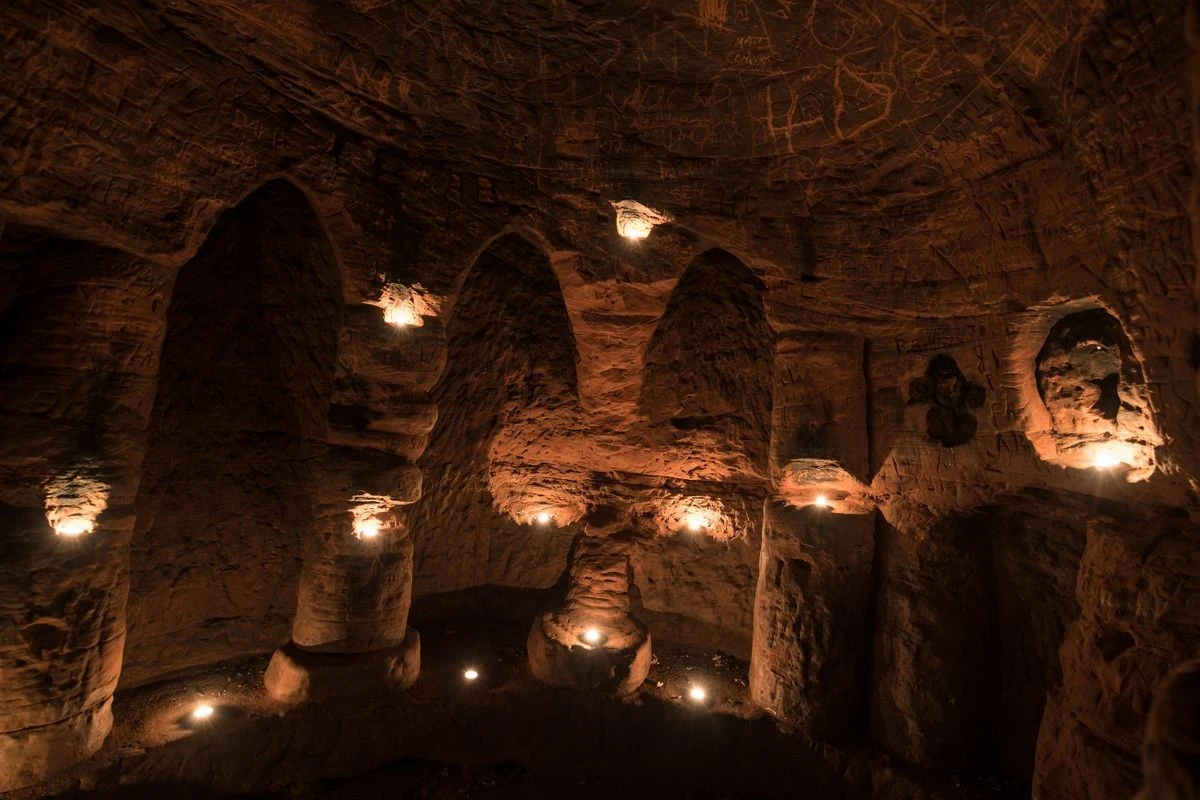
During the Middle Ages, the order rapidly gained power, becoming one of the richest in the Christian world. But in the early 14th century, persecution and the dissolution of the order followed. 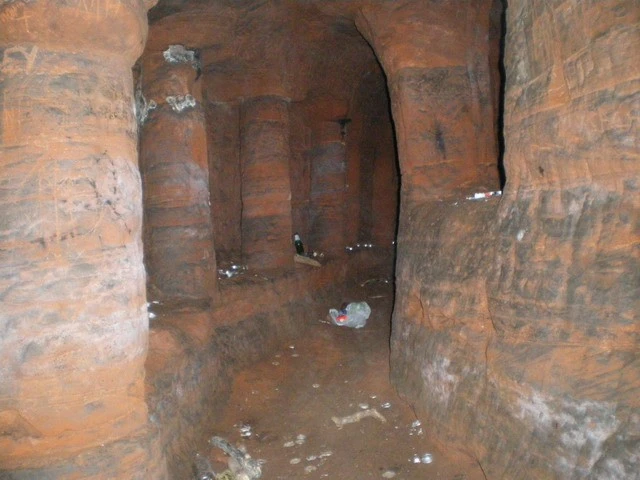
This sudden tragedy gave rise to thousands of legends about treasures and secret refuges. The Cainton Caves are one such legend. 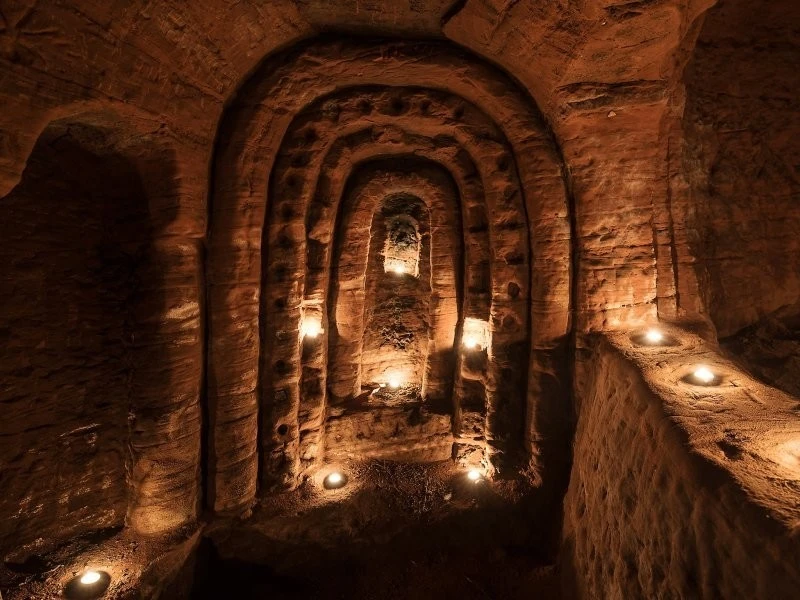
In 2012, the entrance was walled up to prevent vandals and practitioners of black magic, who used the chambers for their rituals. 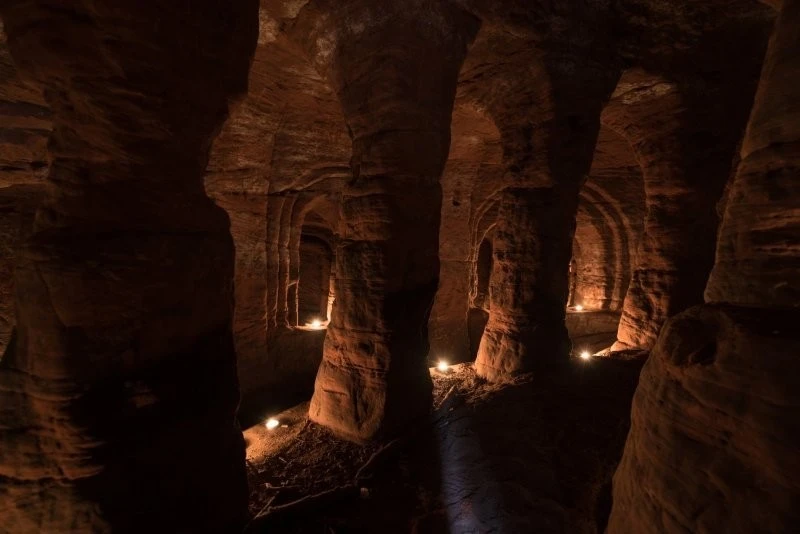
The passage was later rediscovered, and in March 2017 (following photographs by photographer Michael Scott), the caves made international news. 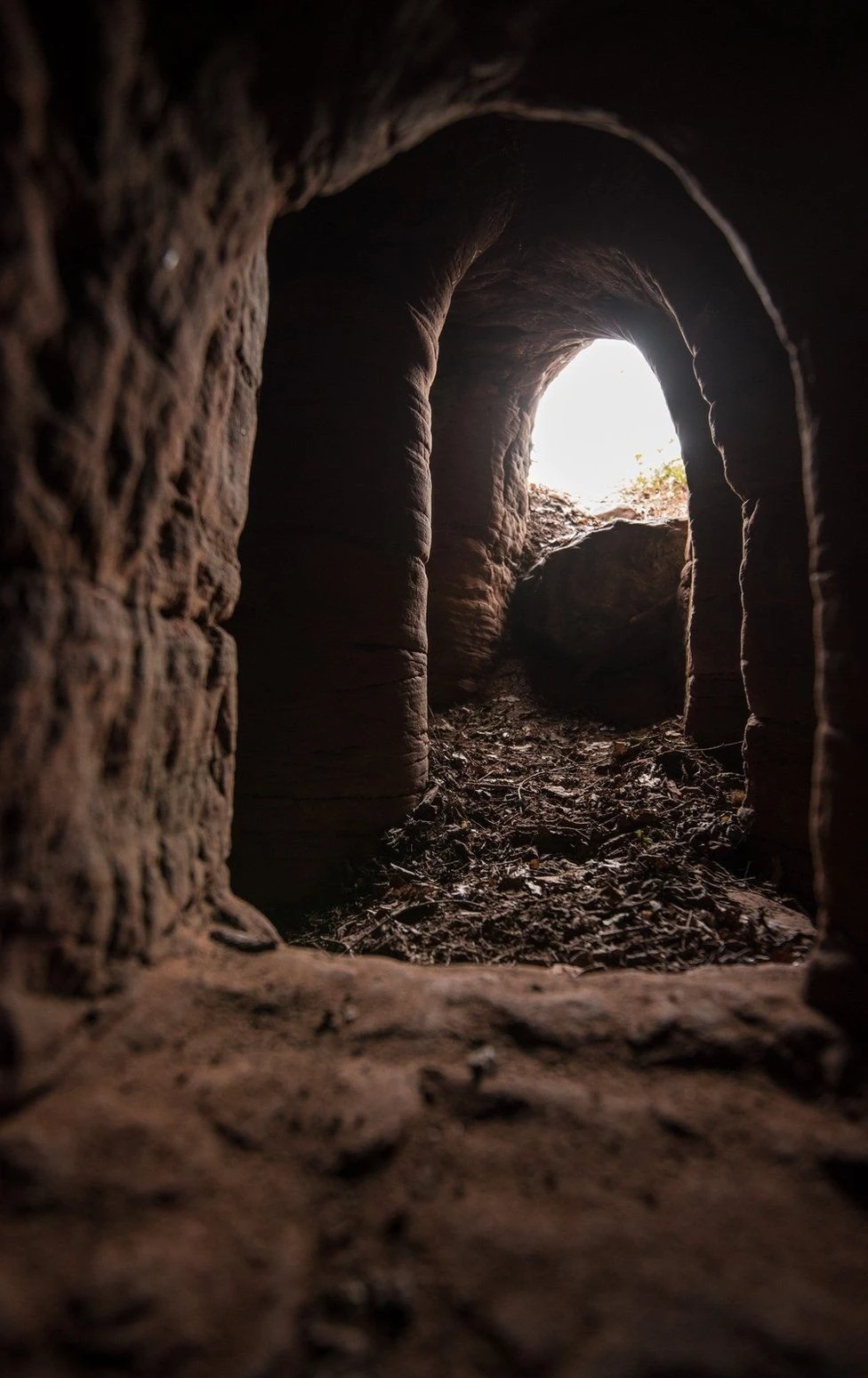
This place is mysterious and beautiful in its own right. It doesn't need centuries or the ghosts of Templars to evoke awe. 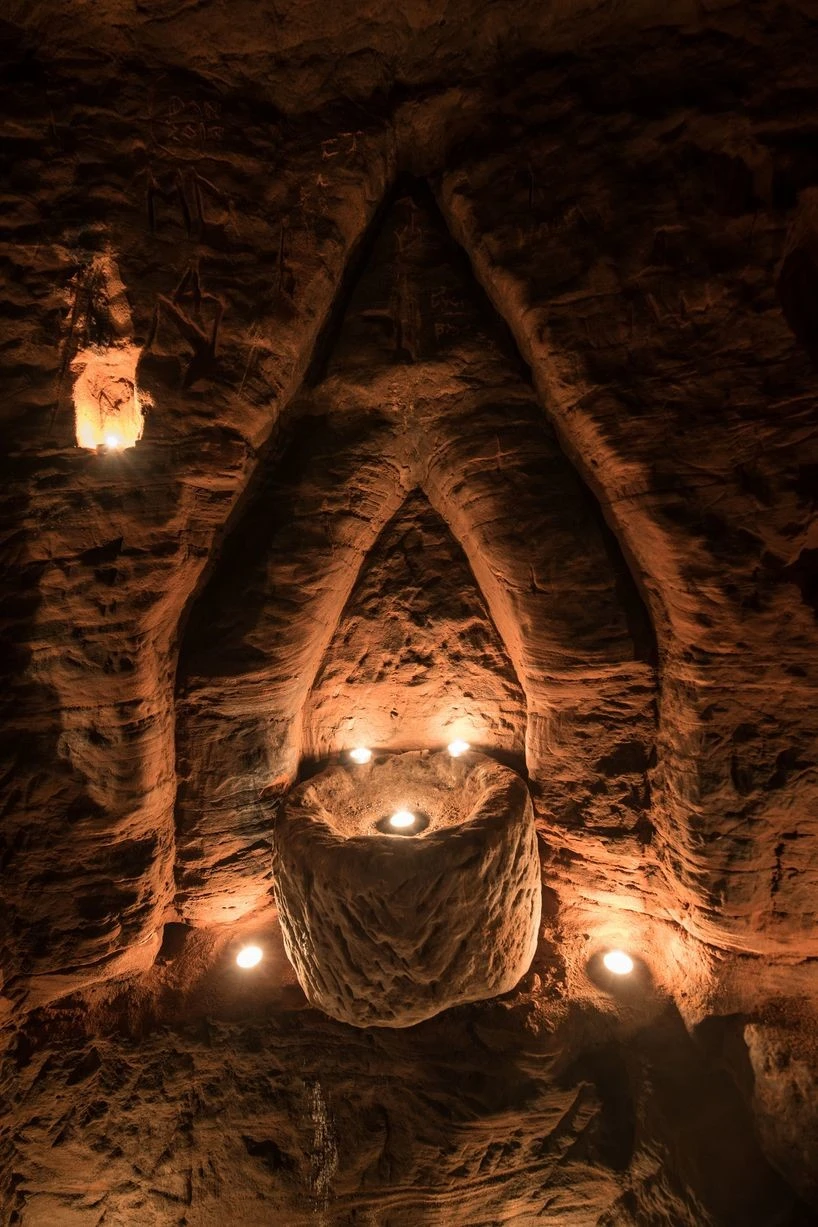
Just standing nearby is enough to feel the mysterious atmosphere of antiquity.