Raising offspring is always difficult, no matter what species you belong to. But for the sake of their children's happy future, some animals give more than just energy and food. 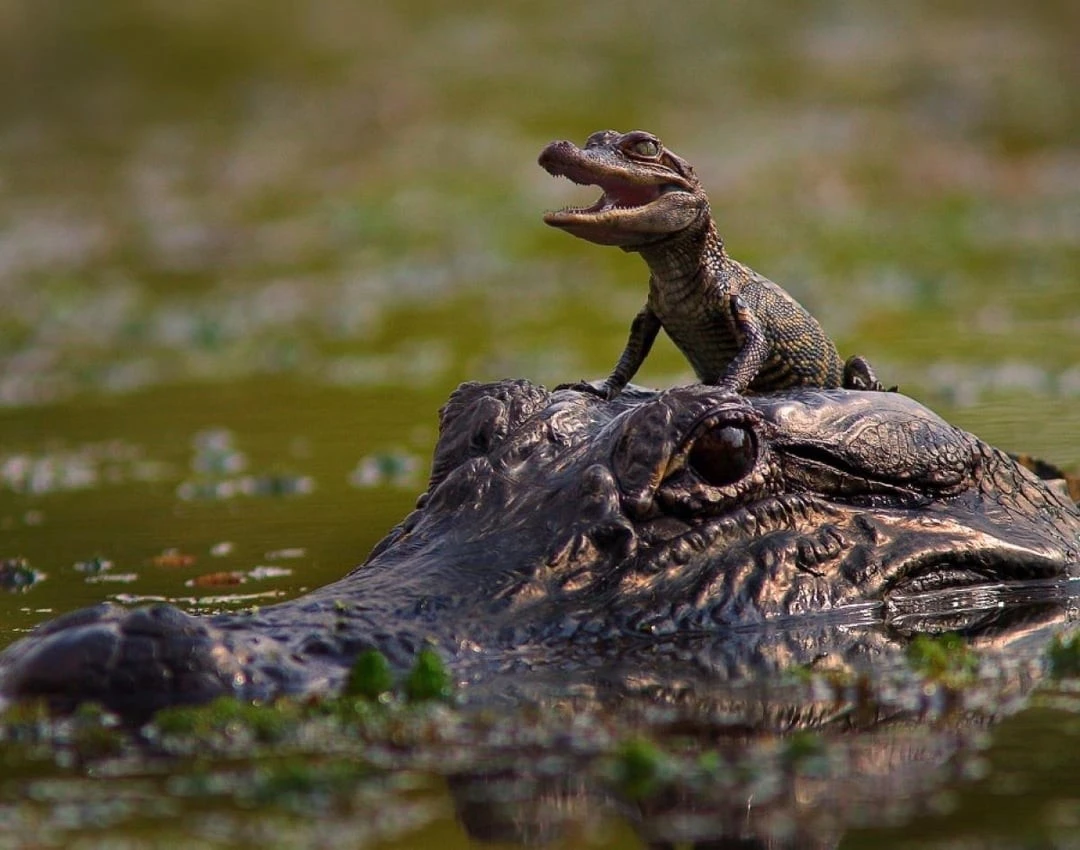
Hornbills: Sacrificing Their Freedom
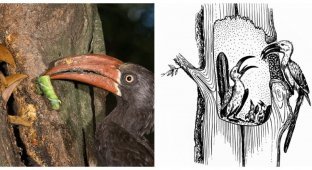
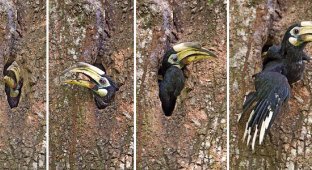
Hornbills are the largest of the hornbills, weighing up to 4 kilograms. But that's not what interests us; what interests us is that, for the sake of her offspring, a mother hornbill travels to places not so remote—to the nearest hollow tree. She lays 2-5 eggs there, after which... she voluntarily seals herself in. The male even helps her by bringing her grass and clay. 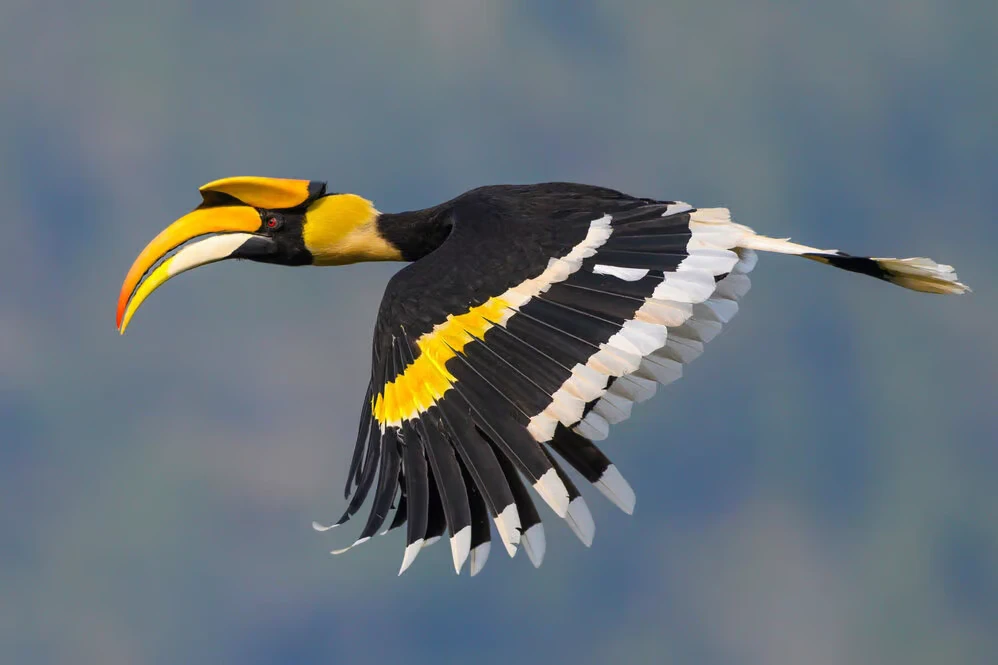
The hornbill is one of the most unusual flying birds. The hollow bony growth serves to amplify sounds and regulate temperature.
The female seals herself and her young almost entirely, leaving only a small opening for passing food. Here, completely isolated from the outside world, she will spend 4 months, relying only on parcels from her father and throwing waste out the window. The male, incidentally, is not always so faithful. He can feed up to 4 females at a time, which can leave each family slightly underfed. 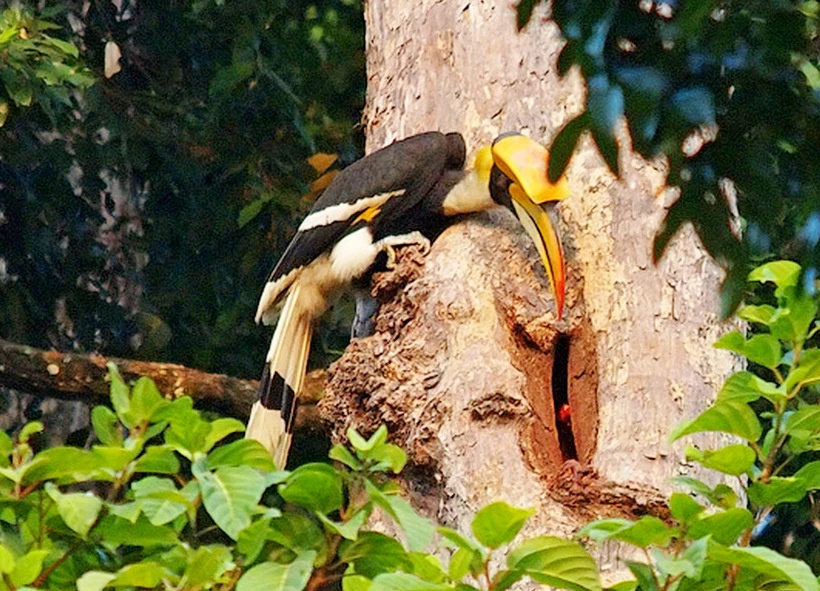
Darling, I'll stop by Svetka's today. Then Dasha's. You don't mind, right? What are you saying? I can't hear you. Okay, bye. 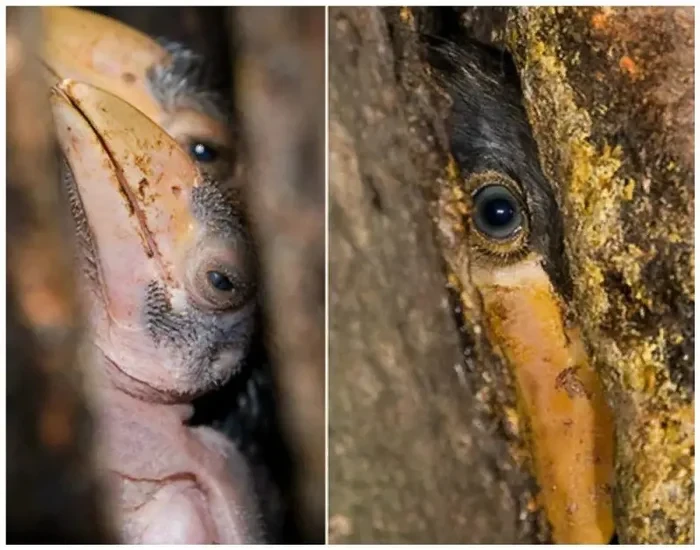
They walled me up, demons!
Mississippi Alligators — Sacrificing Their Time
Newborn crocodiles/gharials/alligators are ready-made killing machines. They instinctively know where to hide, how, and what to hunt, and therefore don't particularly need care. However, the Mississippi alligator mother doesn't think so. 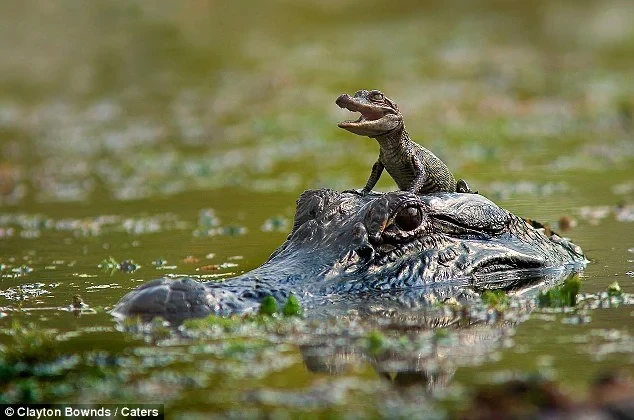
— Take me, big turtle!
She spends a tremendous amount of time on her offspring. At first, the reptile watches over the eggs, carefully regulating the temperature in the nest, preventing them from overheating or getting too cold. Then, when the babies hatch, she carefully carries them to the water, one by one, and stays with them for up to three years – an unheard-of lifespan for reptiles, where cannibalism is commonplace. That's longer than the vast majority of mammals and birds! 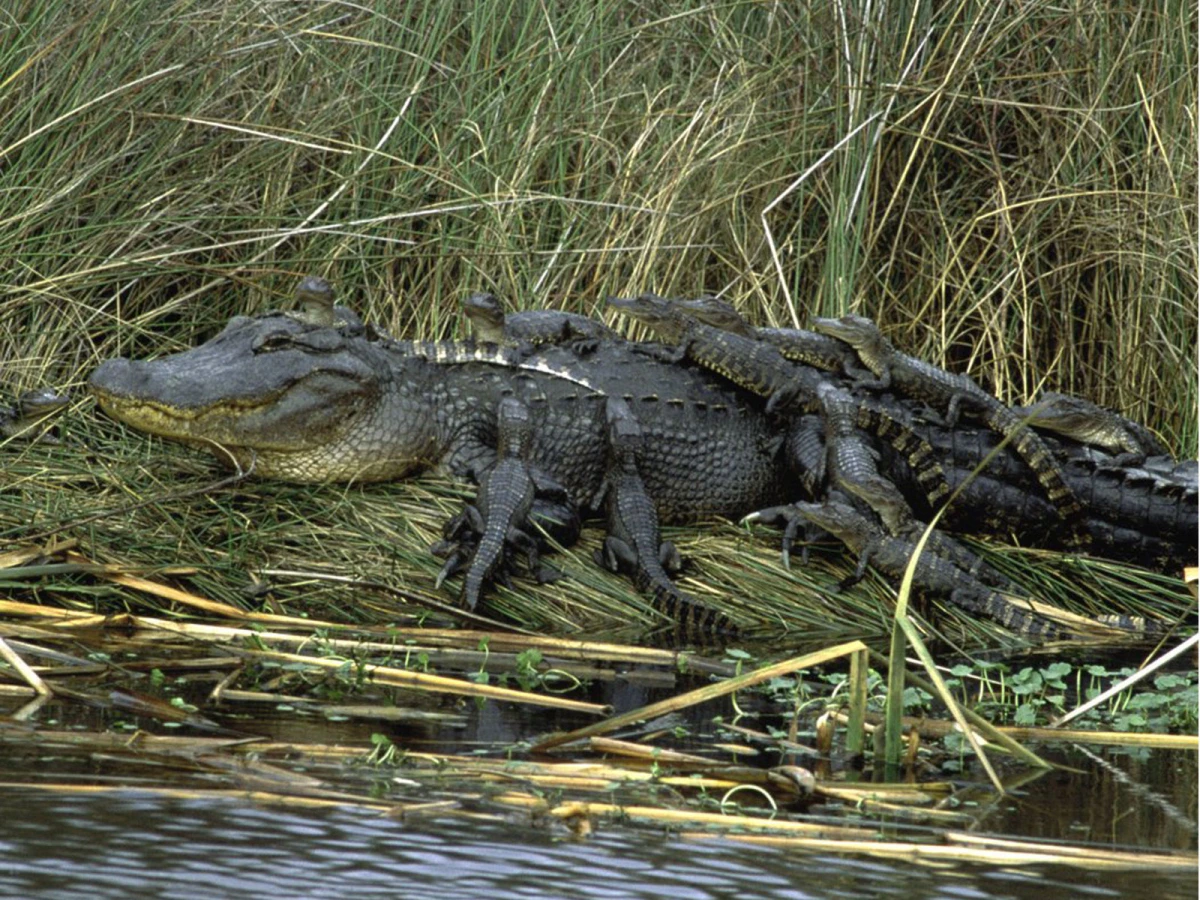
The cutest (and deadliest) family!
Even though she doesn't get food for the babies, she always keeps an eye on them to ensure no one interferes with their offspring as they learn to hunt. And the babies themselves always know they can rest on their mother or hide from danger. Mom will always protect them! 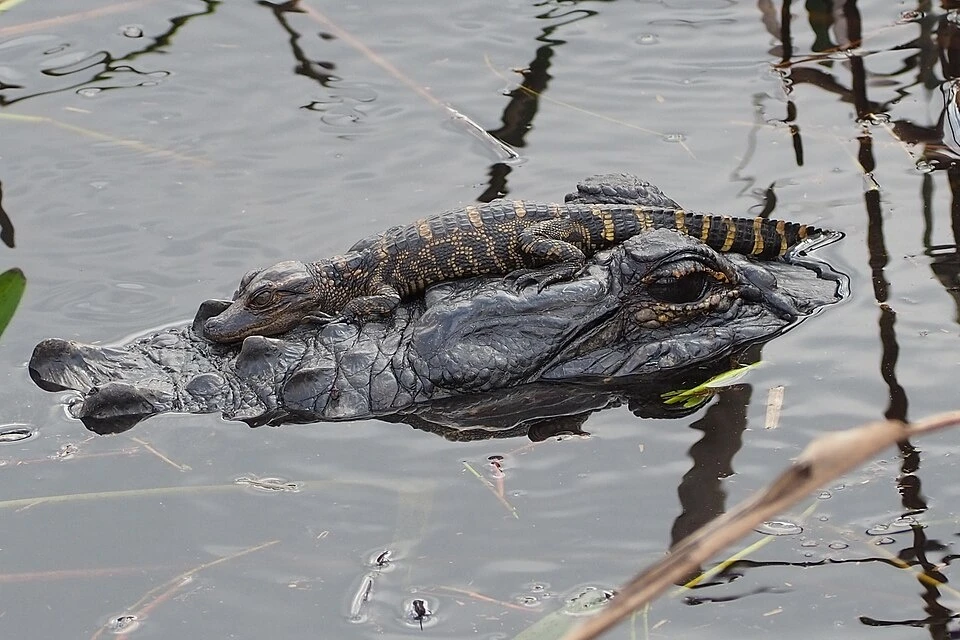
I'm floating on an ice floe, like on a brigantine... Mom, what's an "ice floe"?
Common octopuses: sacrificing their lives
Octopuses are probably the saddest creatures on the planet. Nature has gifted them with enormous intellectual potential, but compensated for this with asociality and a monstrously short lifespan. Common octopuses, for example, live from 1 to 3 years, and their lifespan reaches its end immediately after mating. 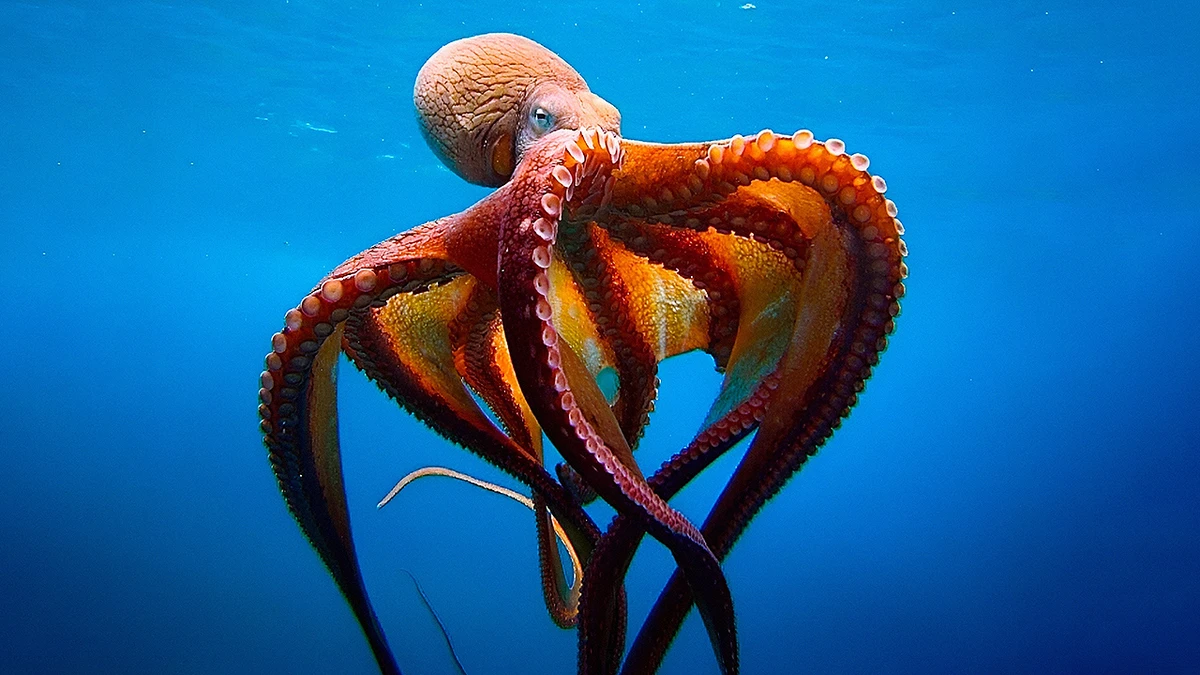
Strong and handsome!
A week after mating, the female common octopus finds a secluded spot where she can lay up to 80,000 eggs. Octopus eggs are quite fussy, so the mother stays nearby, constantly stirring the water, cleaning them of dirt, and, of course, protecting them. During this time, the female does not feed—she simply has no time to hunt. 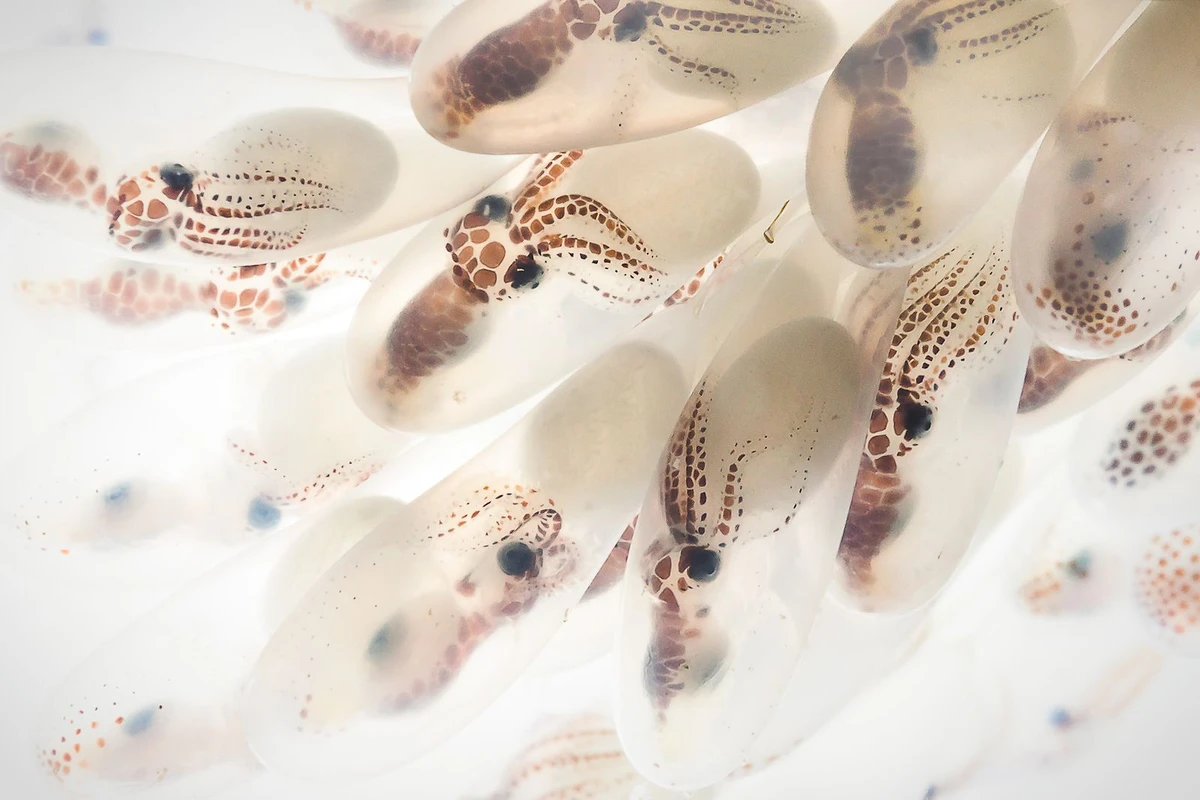
Individually packaged octopuses!
And this wouldn't be so scary if not for one detail: the incubation of the eggs lasts up to 5 months. To survive this long, the female's body consumes itself, reaching the point of no return near the end of incubation. Organ systems and tissues suffer so much irreversible damage that their repair and restoration are no longer possible, even theoretically. After the offspring hatch, the female simply fades away, deprived of all her body reserves. 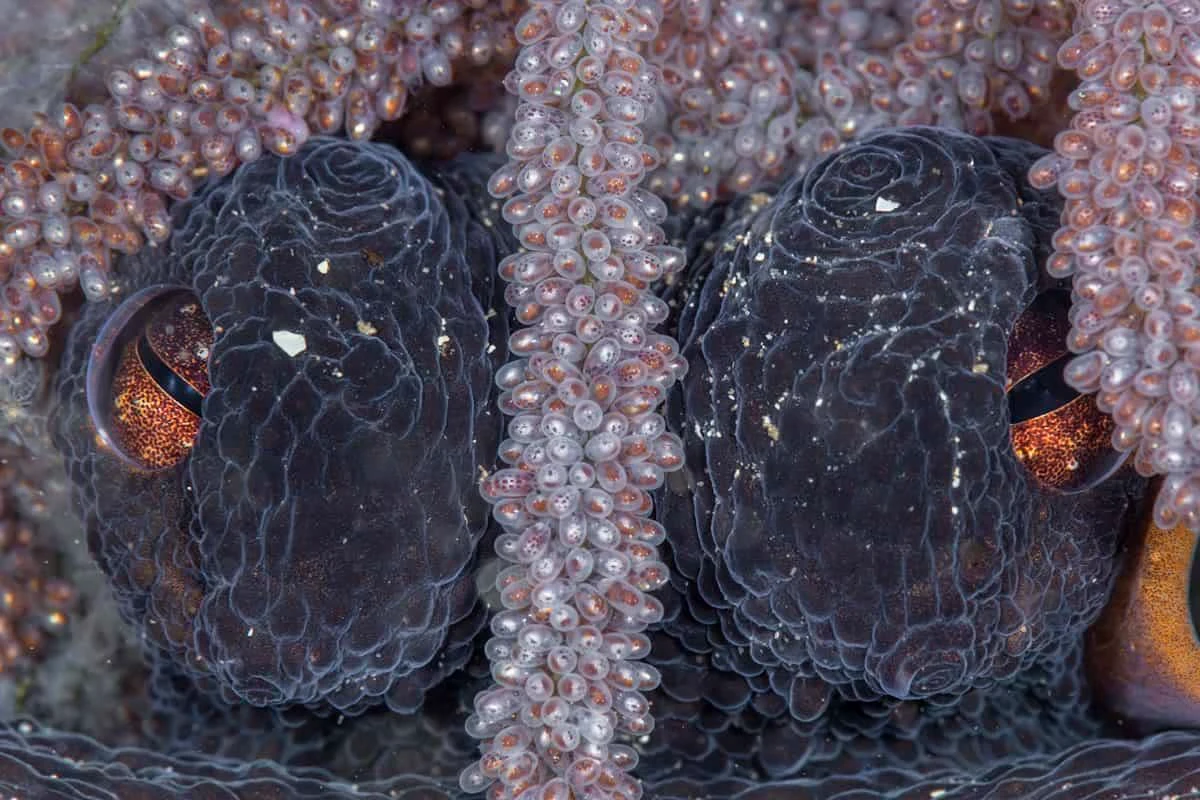
Does Mom Regret How Her Life Ends?
African Social Spider: Sacrifices Its Body
African social spiders are extremely unusual animals overall, worthy of a separate article in the Book of Animals. But today we'll discuss them in the context of their exceptionally developed maternal care. Unlike most spider species, they don't abandon their eggs randomly, but rather leave their clutches near their hunting webs and spend a great deal of time with them. 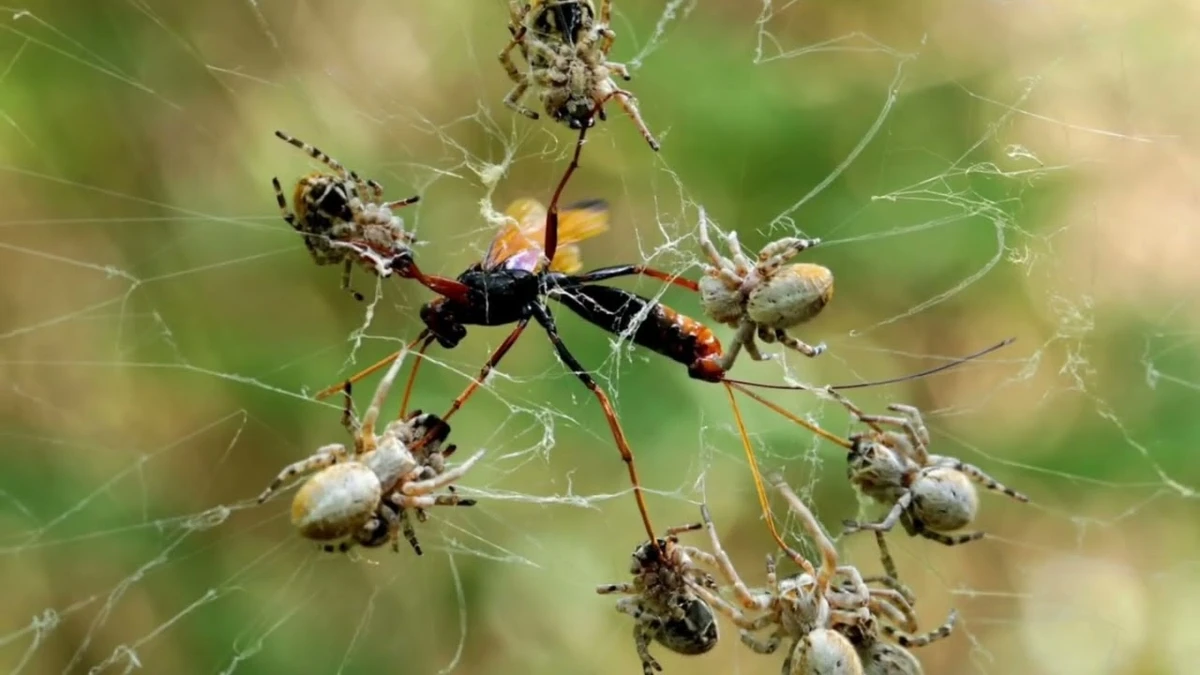
Social spiders hunt cooperatively, which is incredibly rare among arthropods.
The hatched spiderlings grow very quickly and are therefore incredibly voracious. Their inborn food reserves last only one molt, so their mother soon begins to feed them, sharing the nutritious soup she squeezes from her prey. But after a while, even this isn't enough. 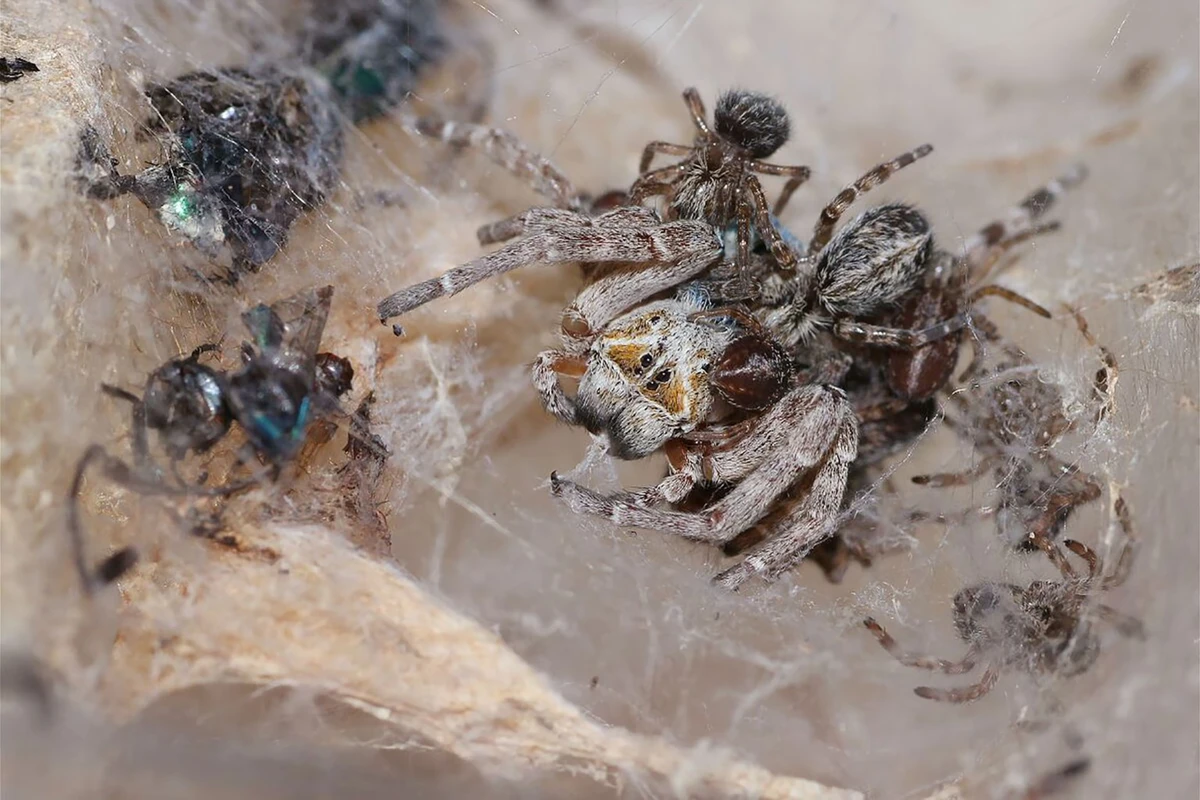
Teach the spiderlings.
When the babies are quite strong, the mother gathers them around her and stands still, allowing them to eat her. This last ration will be enough for them to enter adulthood fully prepared.
Elephants: Sacrificing Their Souls
Female elephants are wonderful mothers, caring for their babies until they are nine years old. They play with them, protect them from danger, and teach them the intricacies of the world and elephant society. But the mother never cares for her baby alone. The young elephant plays with its sisters, listens to its aunts, and gets under the feet of its grandmothers, and even great-grandmothers. And they all do their best to help the baby stand on its own two feet and survive childhood—the most fragile time in a baby elephant's life. 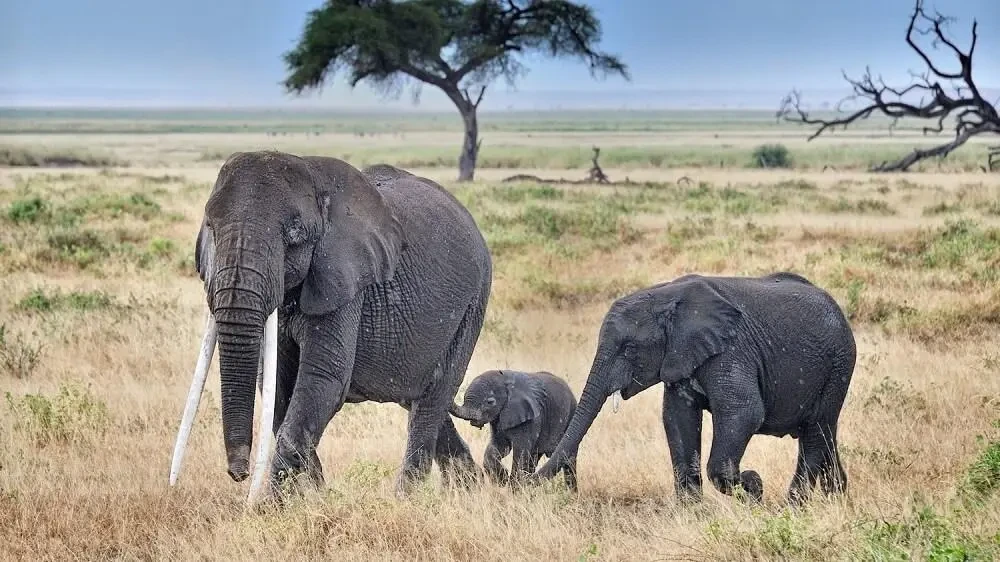
A mother and her two babies.
And when such intelligent and empathetic creatures invest their whole souls in the baby's education, they inevitably become attached to this playful child. But sometimes even their care isn't enough. Illness or predators can cause the premature death of a baby elephant. And at that moment, it becomes clear that a piece of the soul of every member of the herd has left this world along with the baby. 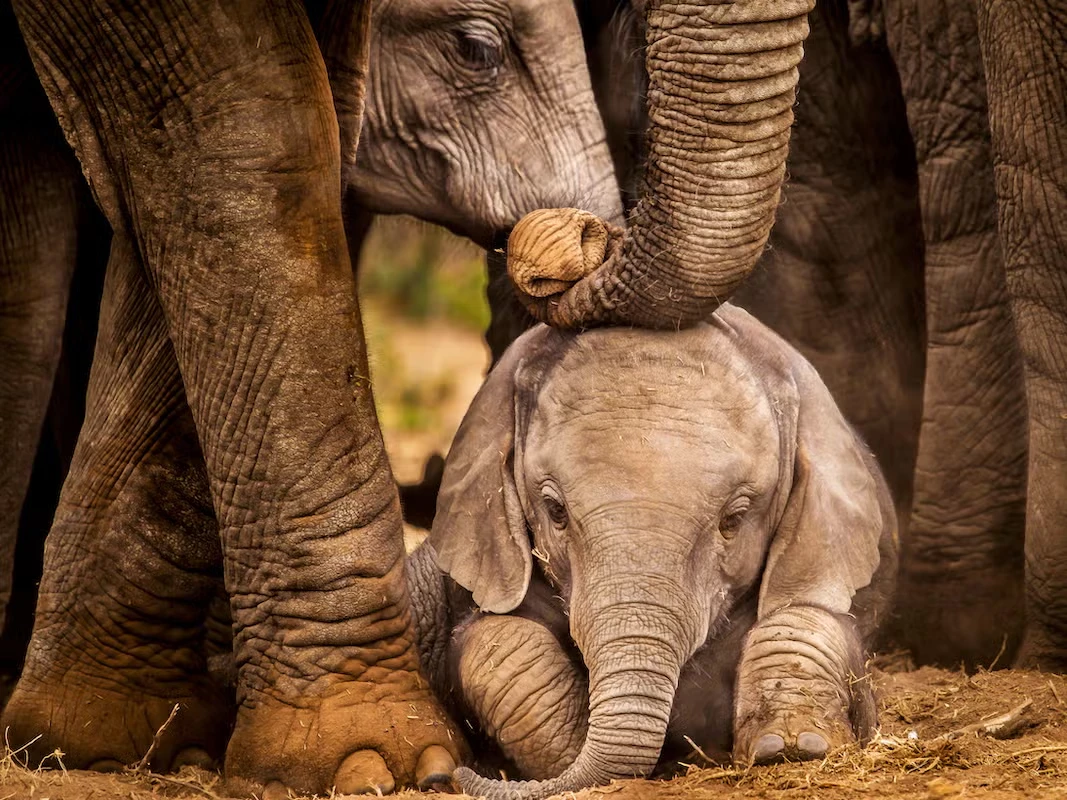
We're here, baby, don't be sad!
Grief is a rare emotion among animals. And even if it manifests, the mother doesn't mourn for her child for long—life moves on, and she needs to put the loss behind her. But for elephants, it's different. The death of a baby elephant, especially a close and familiar one, is a shock to the entire herd. Their behavior and emotional state change for many months, as does their reaction to the conditions in which the baby died. 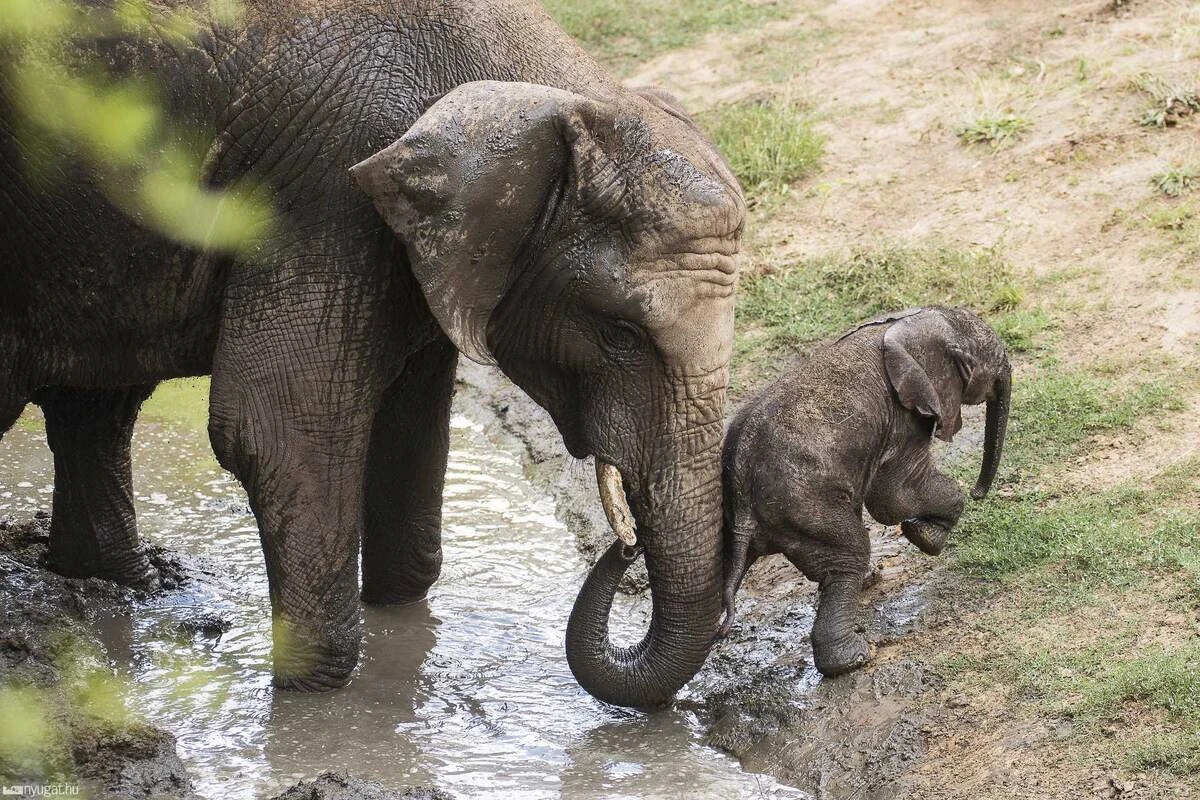
The mother constantly touches her baby with her trunk—this calms and strengthens the bond between them. 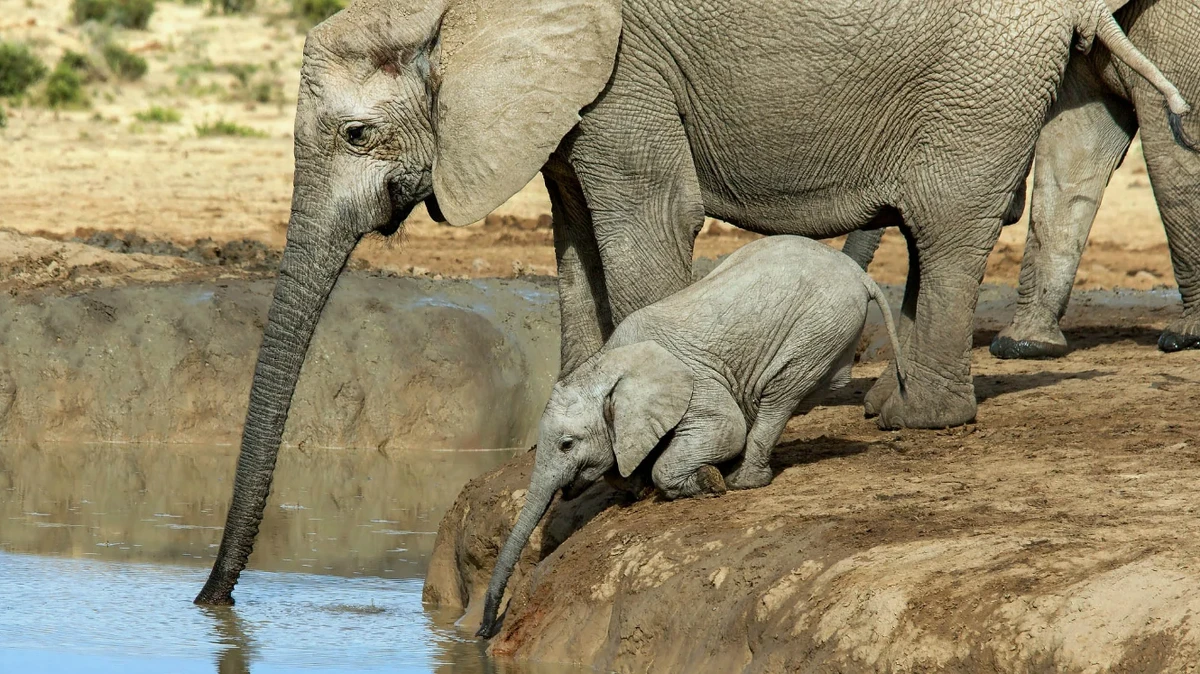
Baby elephants learn by imitating adults: how to use their trunks, how to drink, how to interact with other animals. This process takes years—elephants are one of the few animals with such a long "childhood" (full social maturity does not occur until 10-15 years).
But the saddest and most captivating event occurs immediately after the baby elephant's death. One of the largest elephants in the herd carefully carries its body to a secluded spot on its tusks. Afterward, the entire family covers the body with earth and trumpets for a long time, standing over the grave.
Add your comment
You might be interested in:














Persistence in achieving a goal

A biker prevented a hit-and-run driver from escaping

Not everyone is having fun on the amusement ride

The cutest lunch delivery ever

A book titled "A Guide to Rebuilding

Young women, Dancing and George Michael: nothing superfluous

An apology delivered with a running start

A steam locomotive for "big boys"

Bollywood never ceases to amaze
