Tutsi People (6 photos)
Where and how do the tallest people on Earth live?
Fernand Allard d'Olivier. The Warriors of King Muzinga 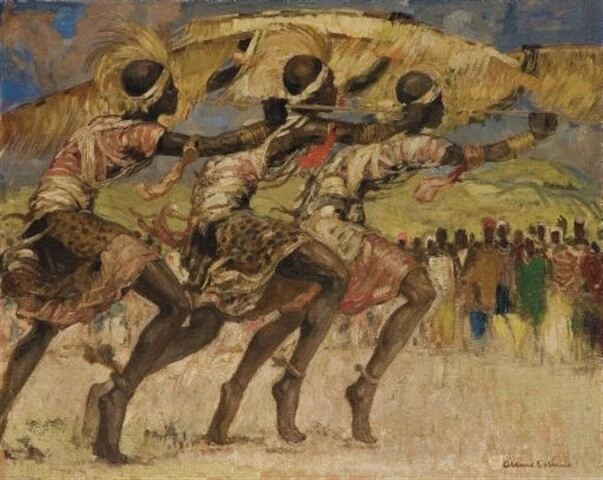
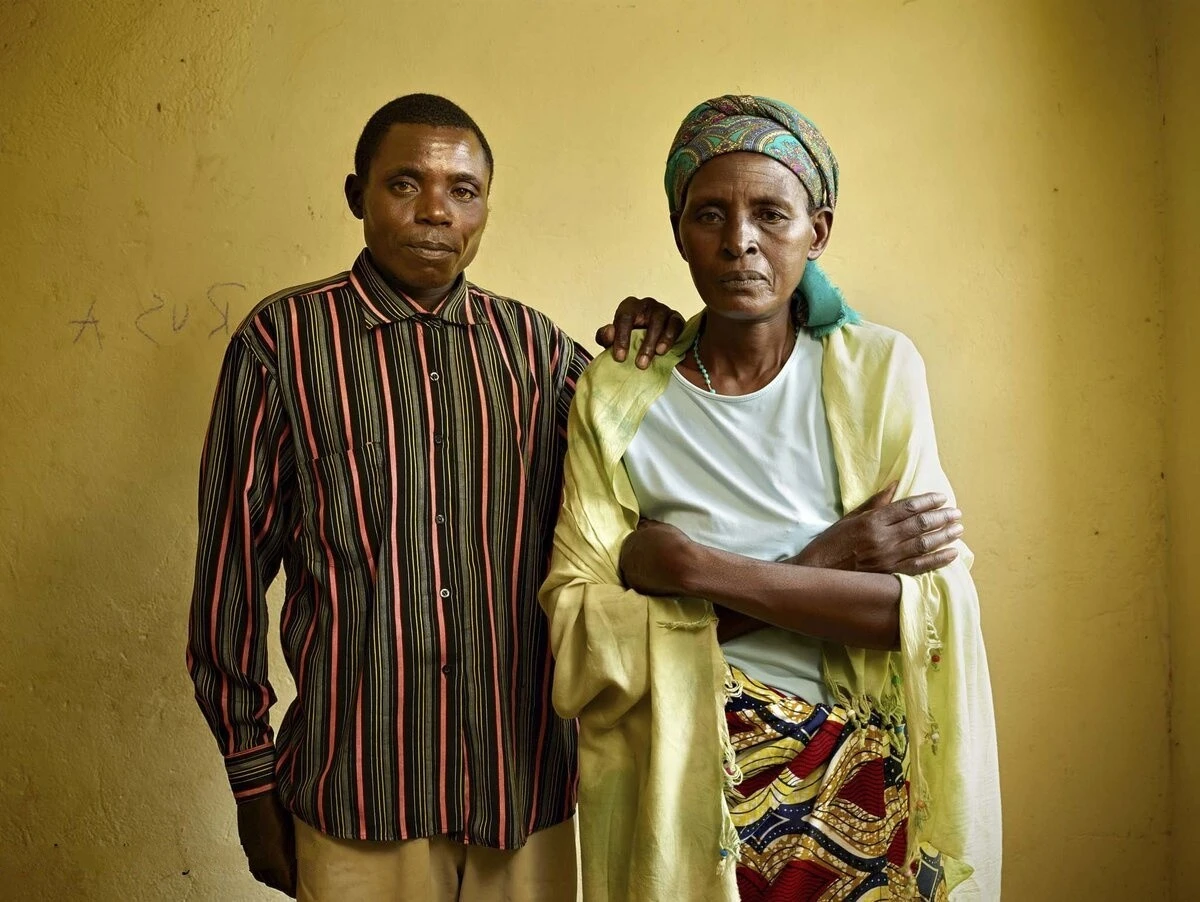
A very unusual tribe, the Tutsi, lives in Central Africa. Their calling card is their unconventional appearance. Or rather, their remarkable height, which would be the envy of any long-legged catwalk model.
Almost two meters tall
It's noteworthy that the members of this people, whose population barely reaches two and a half million, are tall, regardless of gender.
On average, adult females reach 175 centimeters, while males reach even higher heights – 193 centimeters. However, men over two meters tall are also not uncommon.
Background: The main attraction is the ritual dance. It is performed by specially trained dancers, the ntore. In the past, this "ensemble" lived in the chieftain's palace. It included only members of the nobility. There are three dance varieties: Ikumu ("spear"), Umuheto ("bow"), and Ingabo ("shield").
Scientists who have studied the tribe's unusual genes are confident that the reason for their tall stature lies in their habitat – the semi-desert climate of the savannah.
The traditional farming system, which involves herding livestock and long treks on foot in search of fertile soil, could also have played a role. It's no coincidence that members of neighboring tribes are also distinguished by their height compared to other African peoples.
Unlike many mysterious peoples, experts have deciphered the origins of the Tutsi relatively quickly. After numerous studies, they have concluded that the people's ancestors came from Ethiopia and Sudan, migrating to Central Africa sometime in the fifteenth century.
It's quite possible that they migrated there in search of more favorable soil for raising livestock.
After their migration, the Tutsi began to intermarry with people from surrounding tribes, which influenced their cultural life, changed their language, and expanded their economic skills. This resulted in widespread interbreeding, which is reflected in their genetic code.
Traditional Way of Life
Weddings here are celebrated in the best traditions, with the requirement to provide a bride price—several head of select cattle.
Regarding their native language, the Tutsi are distinguished by their linguistic knowledge. They use Rundi and Roundu in everyday life, but a large number of adults also communicate well in basic French.
While modern Tutsi are Catholic, those living in remote villages prefer to adhere to traditional pagan rituals to attract good luck and prosperity.
Background: The tribes' main food sources are dairy products (cows are their primary source of food) and grains, primarily sorghum. Tutsi beer made from sorghum is also well-known, as is the national alcoholic drink—banana liqueur.
The tribes earn their living not only through livestock breeding but also through decorative weaving. They use straw and reeds for this purpose. During their crafts, workers often share stories and local tales, which have accumulated in abundance in the folklore of this people over several eras.
In the last century, the situation surrounding the division of land between the Tutsi and Hutu has become somewhat tense, leading to conflicts. Because of this, the tall people were often forced to abandon their homes.
Now, historians sincerely hope that with the arrival of modern aid, the tribes will finally bury the hatchet and be able to peacefully coexist in adjacent territories.
Tutsi villagers working in the fields 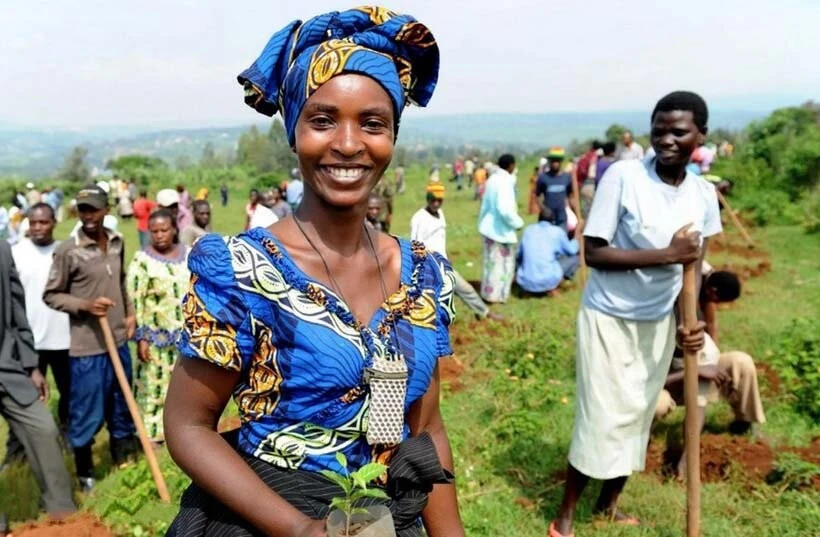
Wedding of wealthy Tutsi 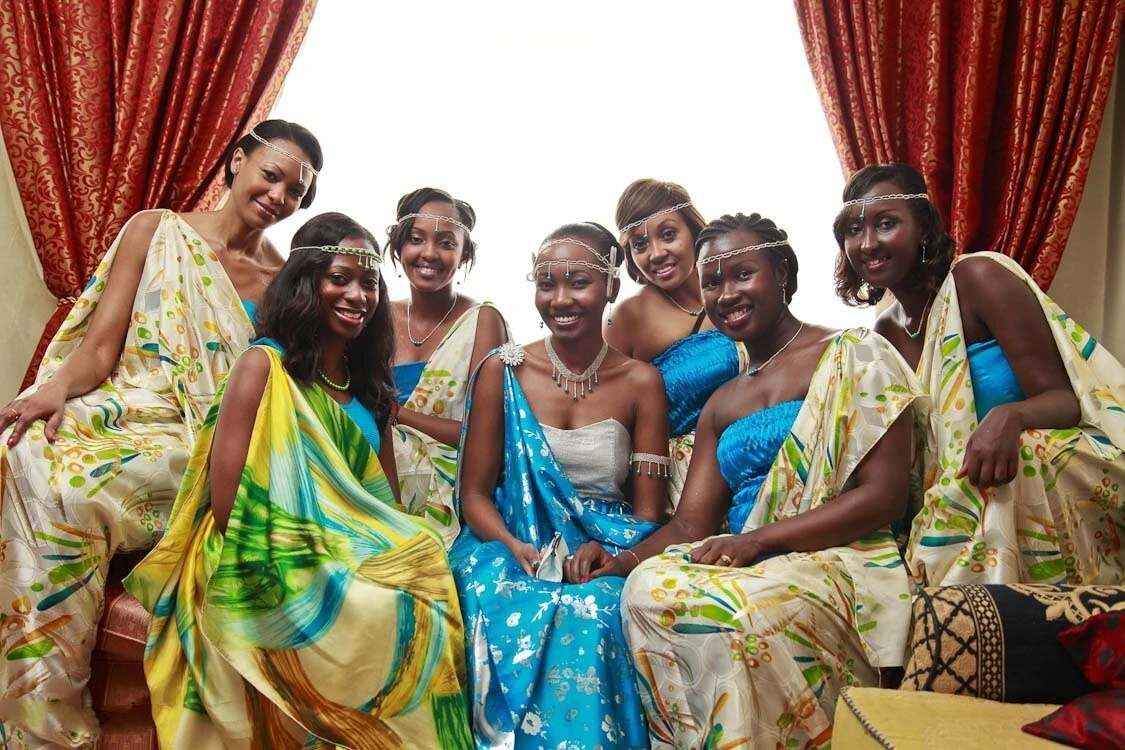
Ancient dance of the Tutsi people. Nowadays, it is performed mainly for the entertainment of tourists. 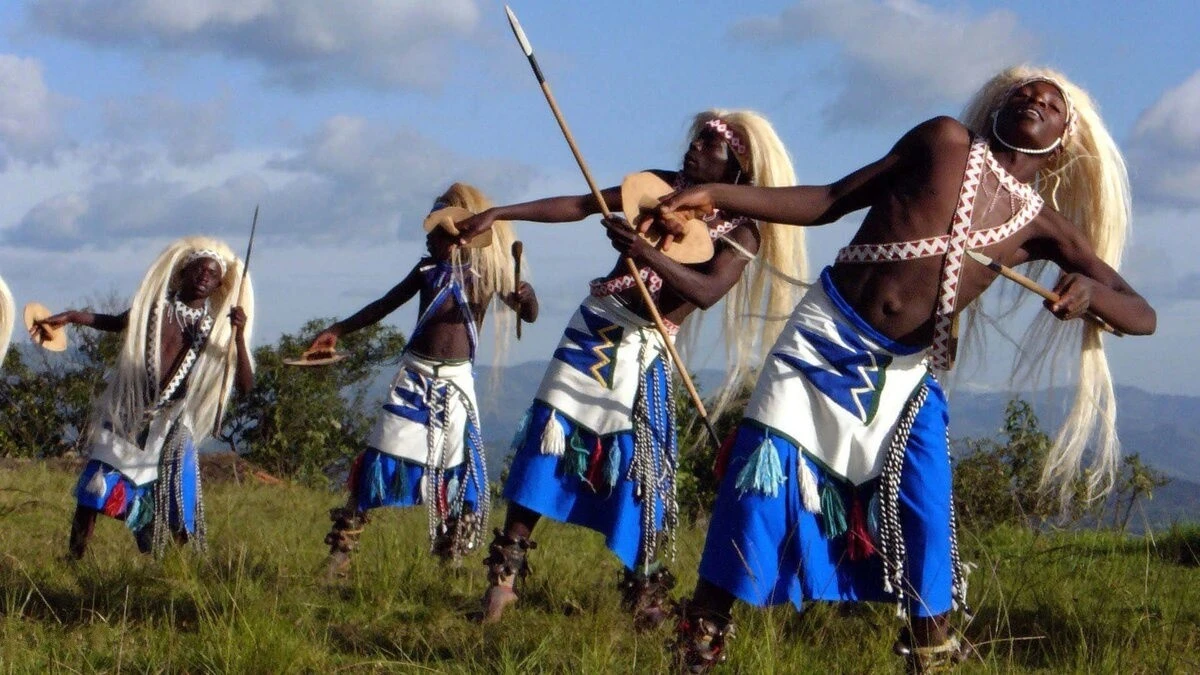
Cattle herding in search of new pastures forces entire Tutsi tribes to migrate. 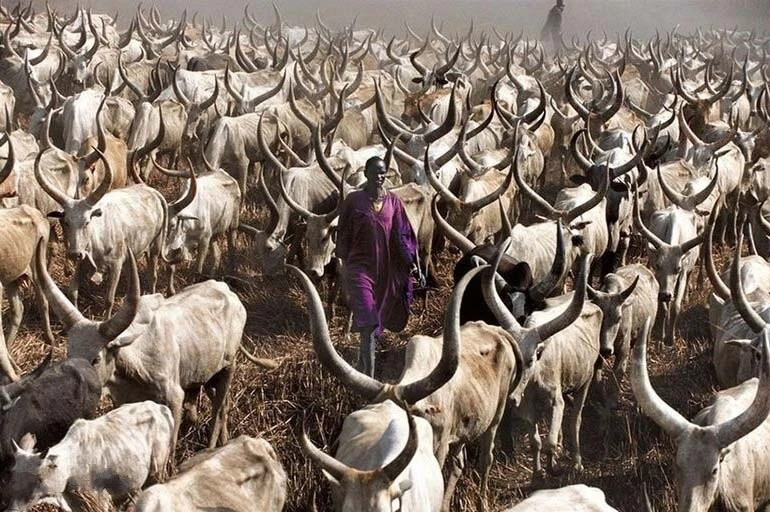
Modern Tutsi living in the city