Taxco's Abode of Tears: Secret Rooms, Underground Passages, and Crime Chronicle of a Talented Artist's Home (17 photos + 1 video)
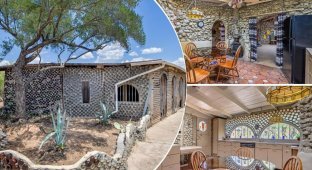
In 1943, artist Fidel Figueroa became the owner of a house that longtime residents of Taxco, Mexico, called "The House of Tears." 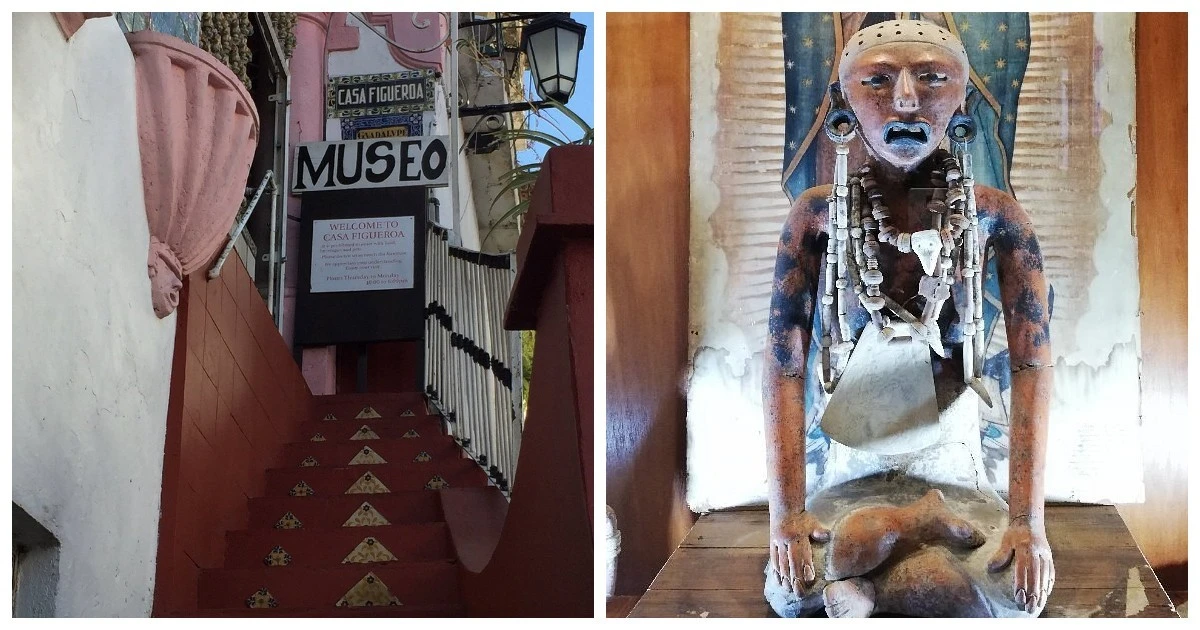
These walls have remembered too many bitter events. 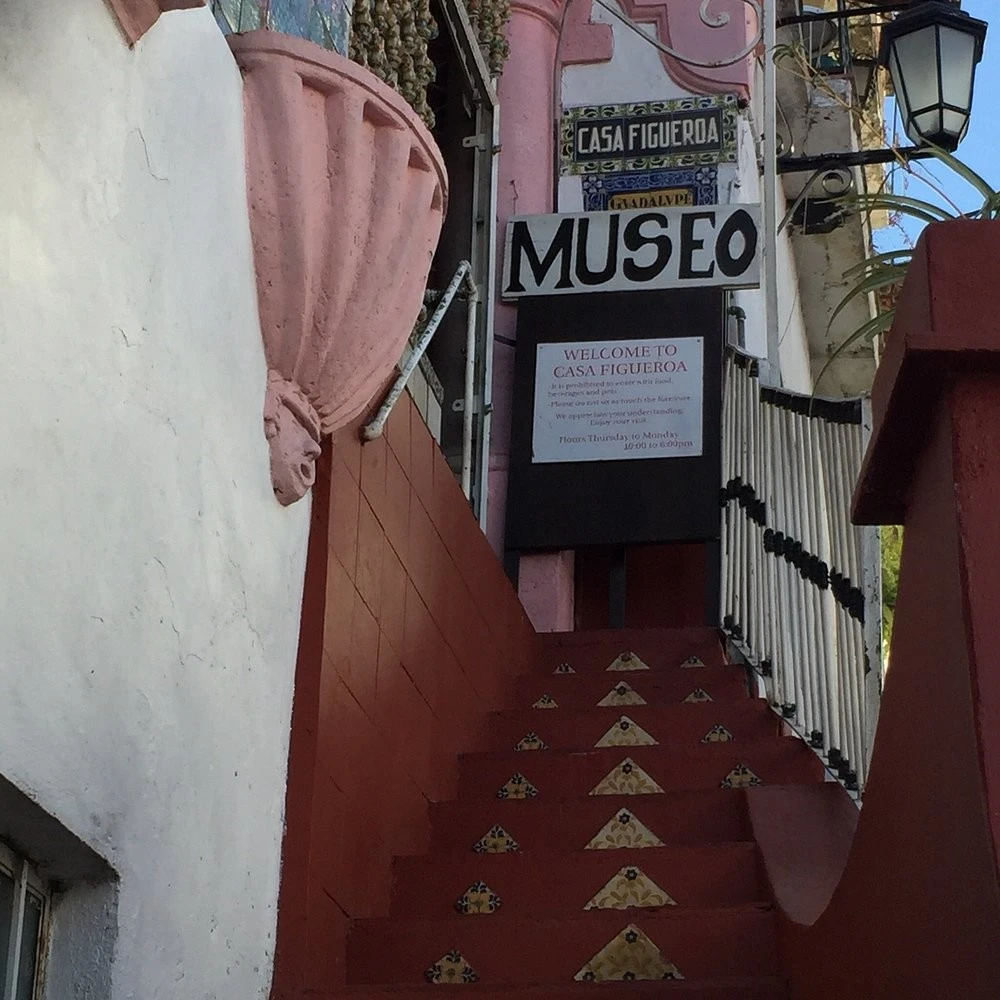
But when the master began the renovation, he discovered that the building held not only sad legends but also architectural mysteries. Secret rooms, hidden passages, and dark escape tunnels—all of these were hidden within the old mansion. From then on, Figueroa happily showed off his finds to curious guests. 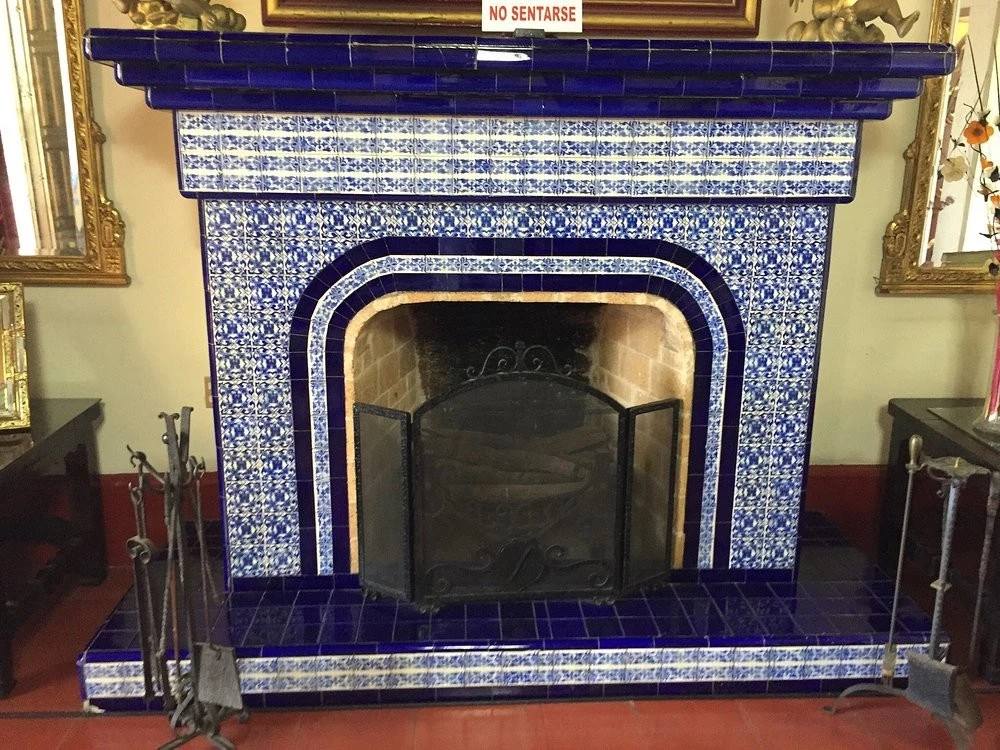
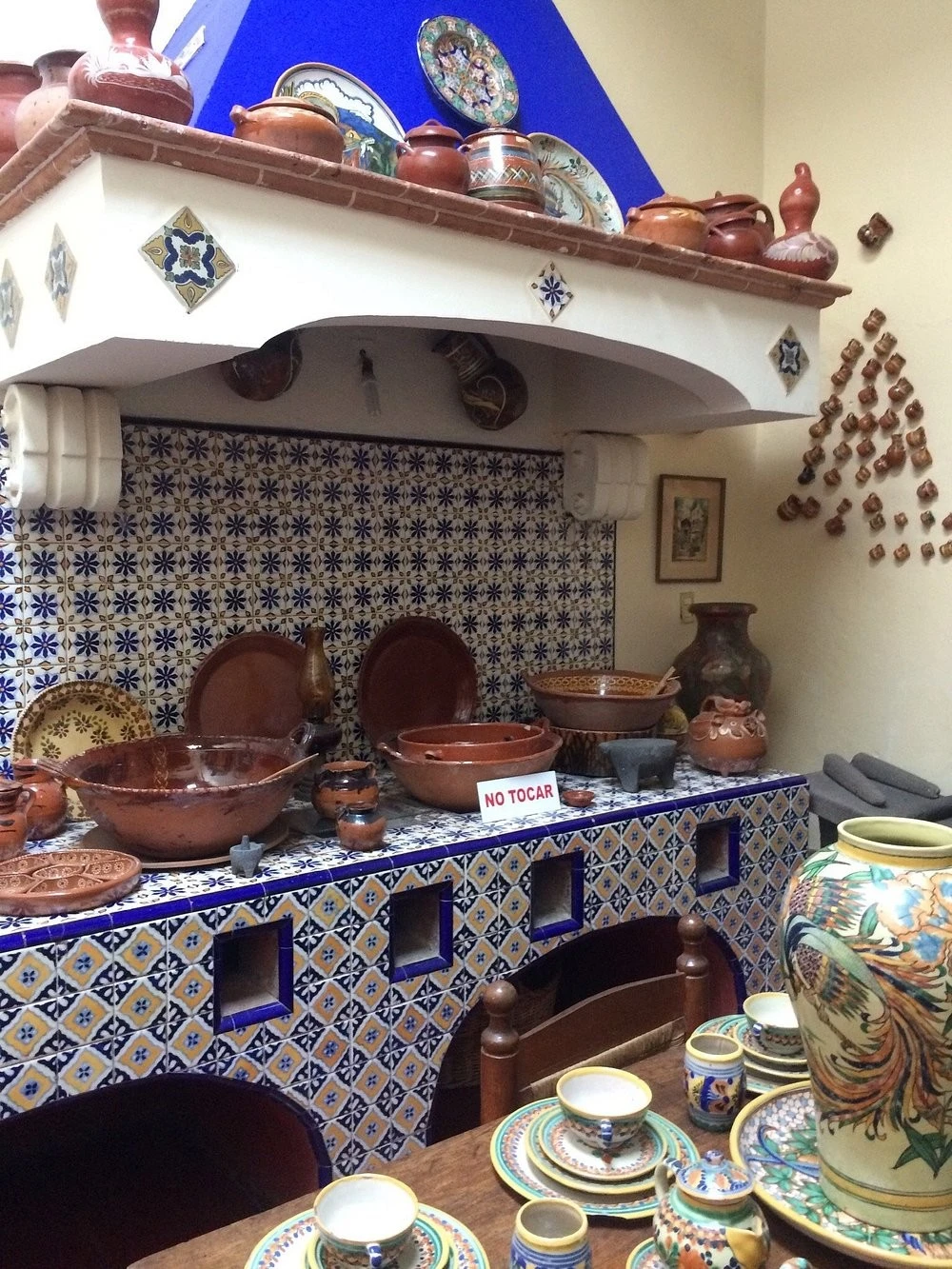
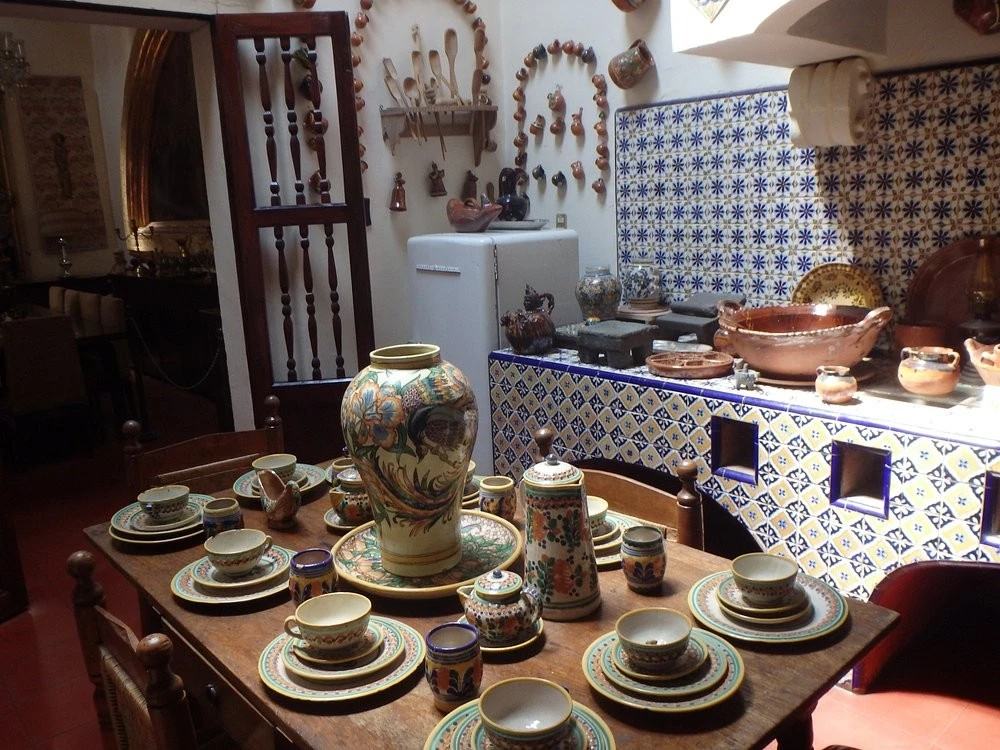
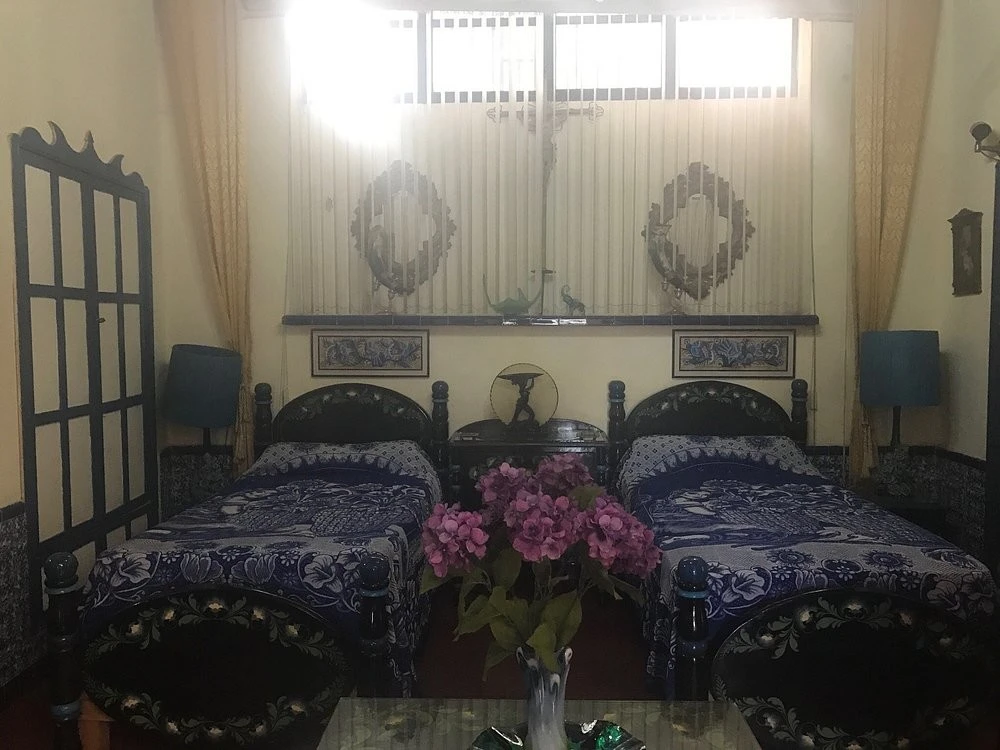
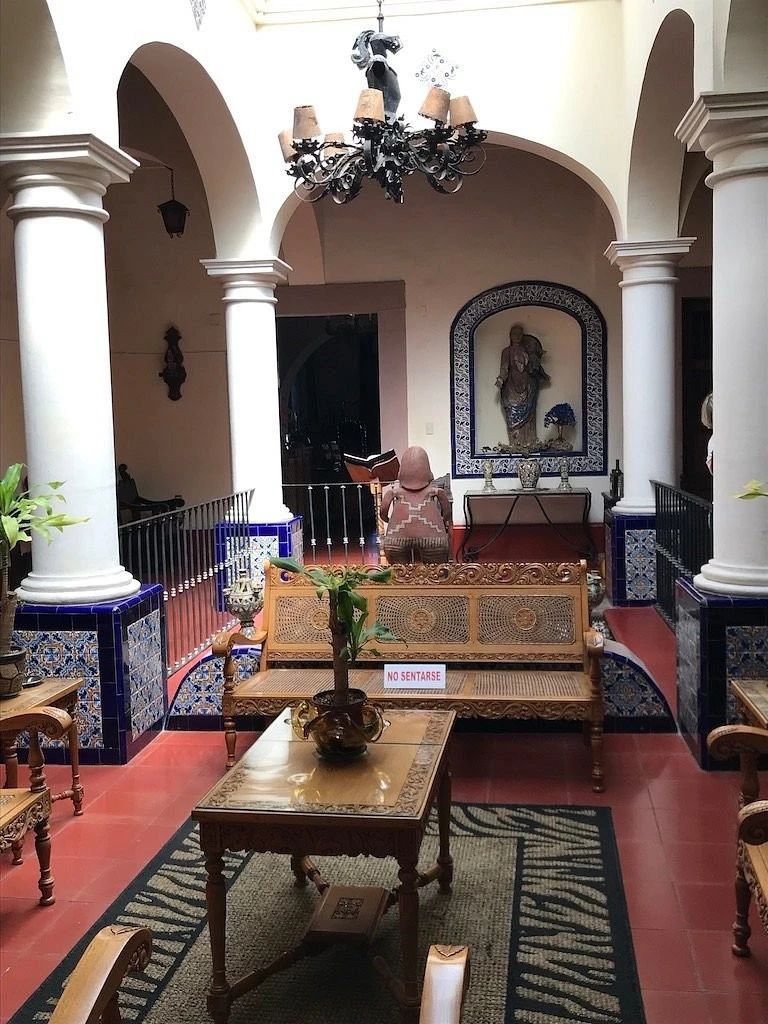
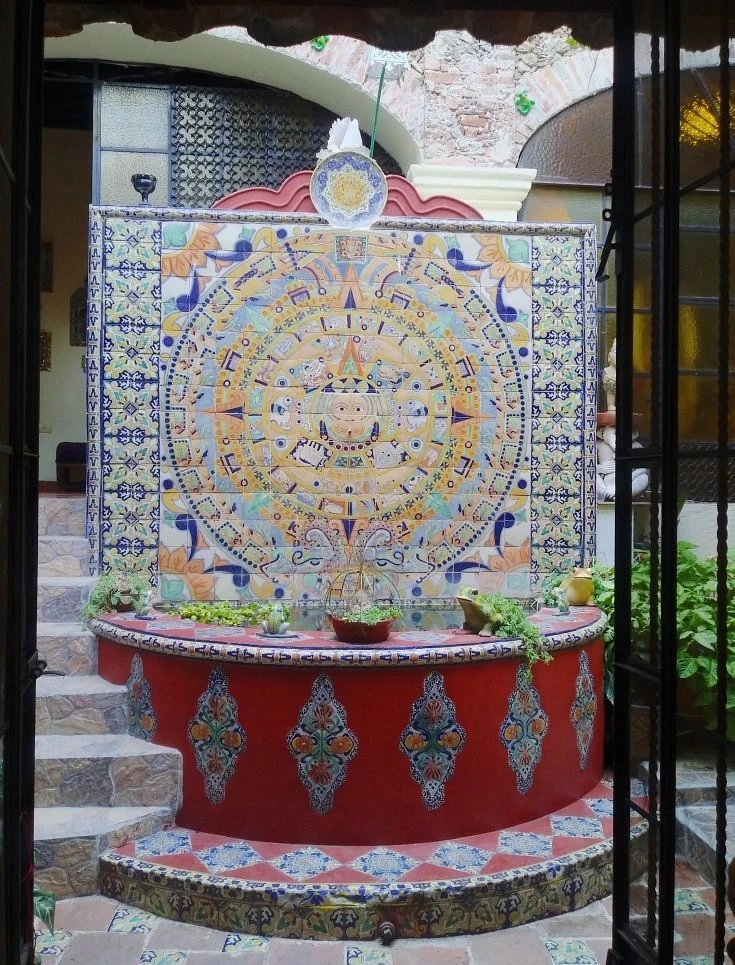
The house was built by Tlawica slaves under the orders of the Count of Cadena. In case of war, the Count could take refuge in secret niches or escape through an underground passage. The mansion also included hidden storage areas for both people and valuables. For example, the kitchen stands directly above one of the hiding places, and in the bedroom, simply removing a brick from the wall reveals a hiding place for important papers and jewelry. A cistern in the courtyard served as an emergency exit, and the house also featured a panic room—a discreet refuge for the most dangerous moments. 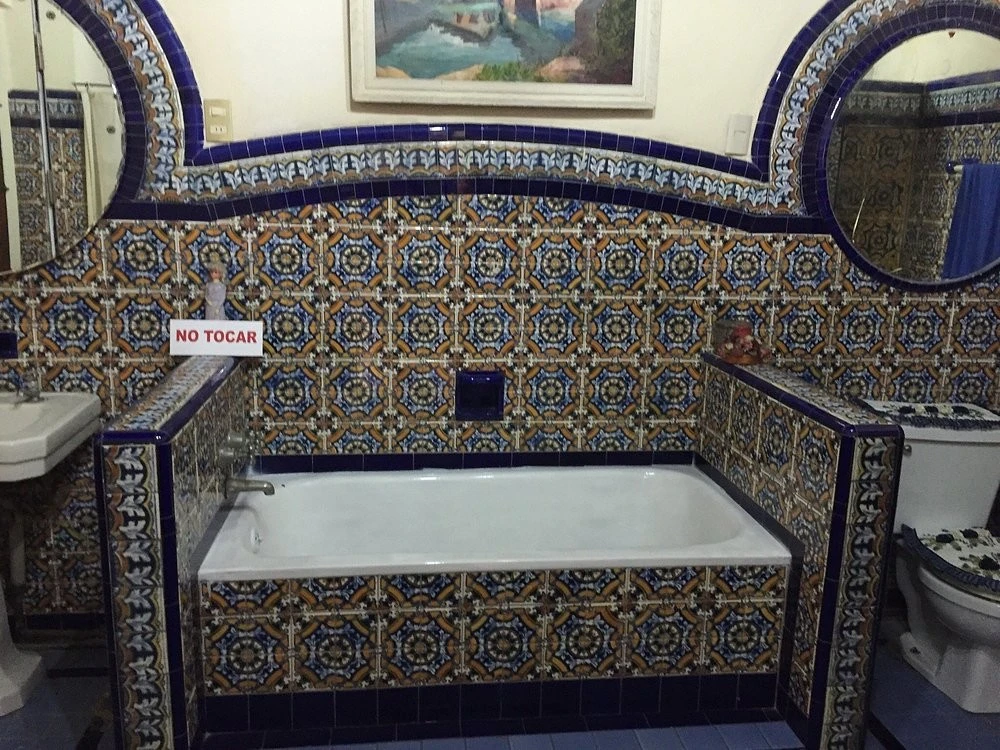
But the name "House of Tears" proved prophetic. It is said that one of the first owners killed his own daughter to prevent her marriage to a man he didn't love. At the end of the 19th century, Doña Basilisa was killed in the building by thieves. And during the Mexican Revolution, several women suffocated to death in that very same room of terror while hiding from soldiers. These deaths gave rise to rumors of a curse, as if the accursed place itself constantly demanded new victims. 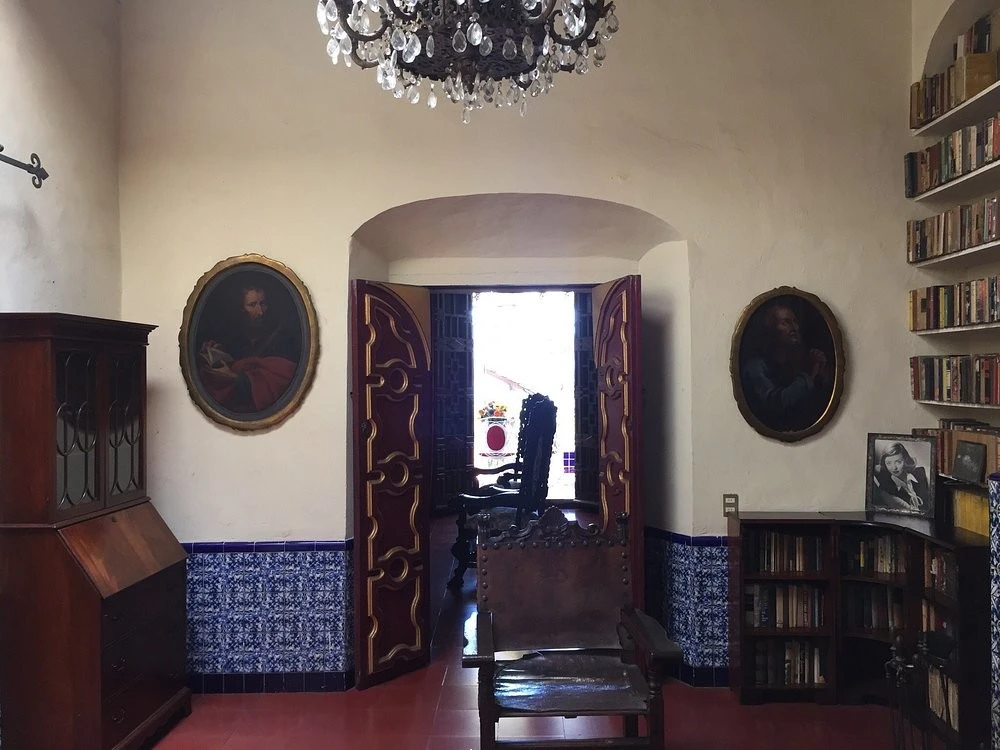
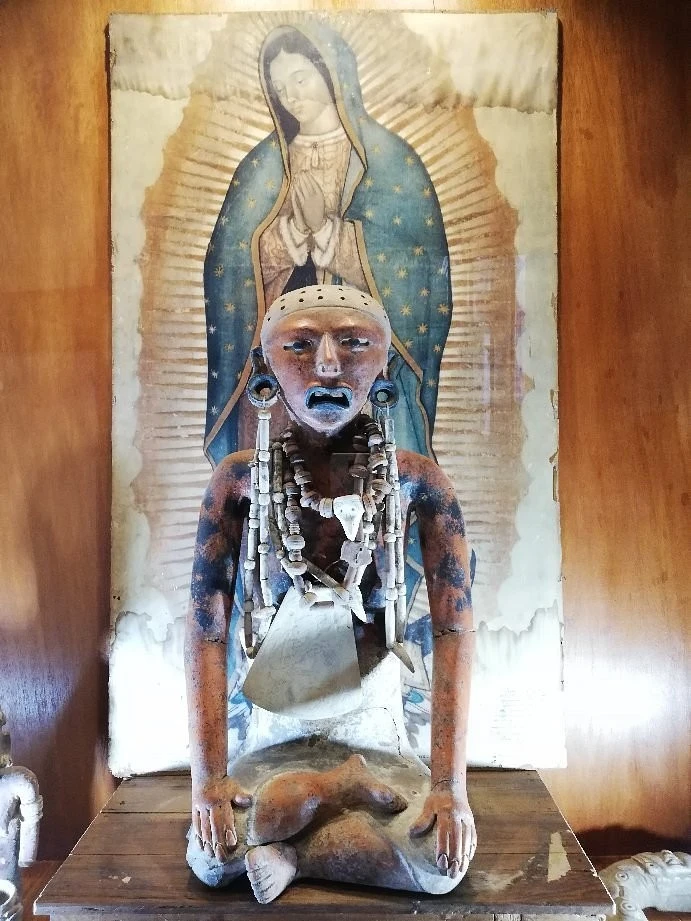
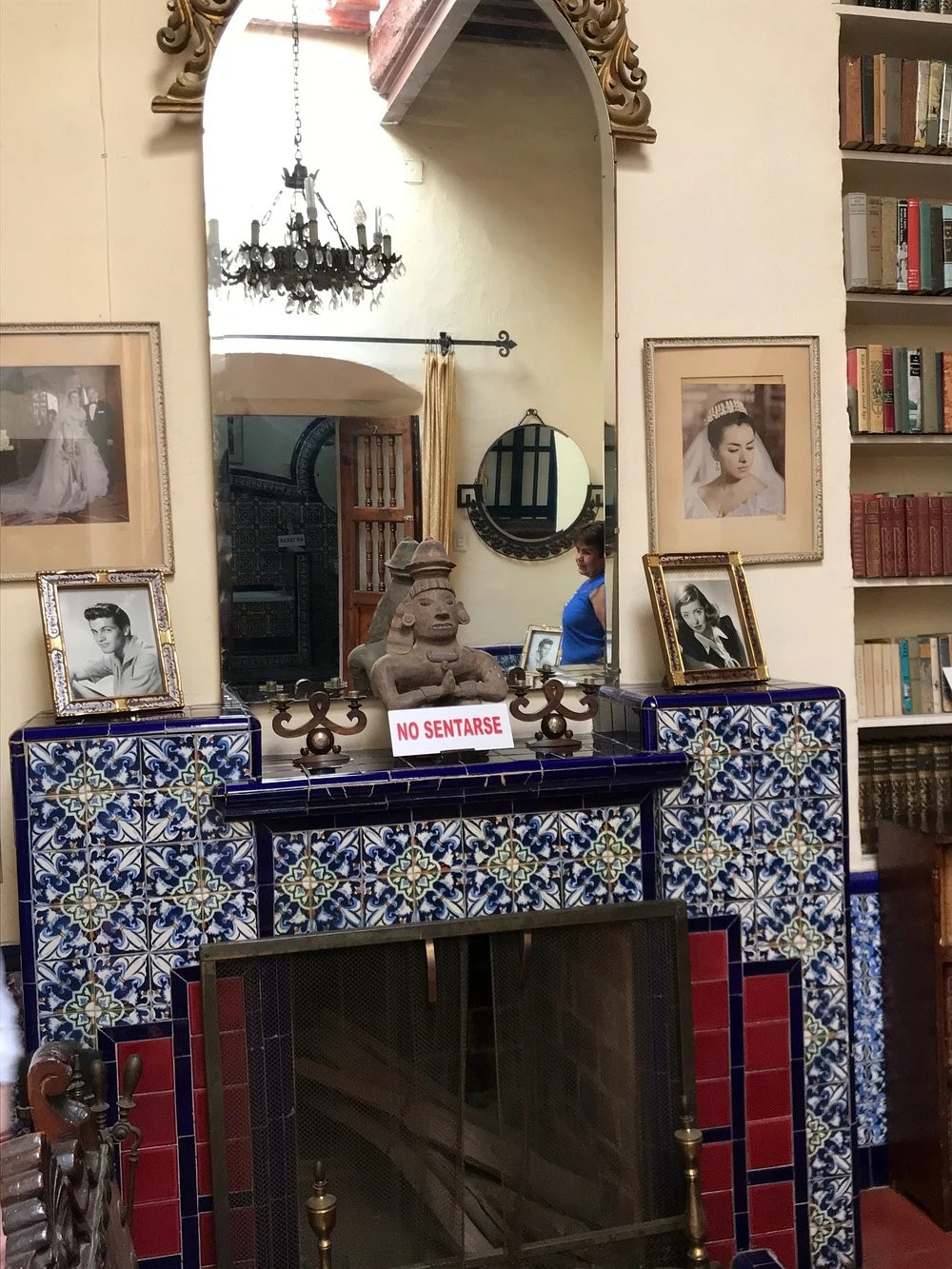
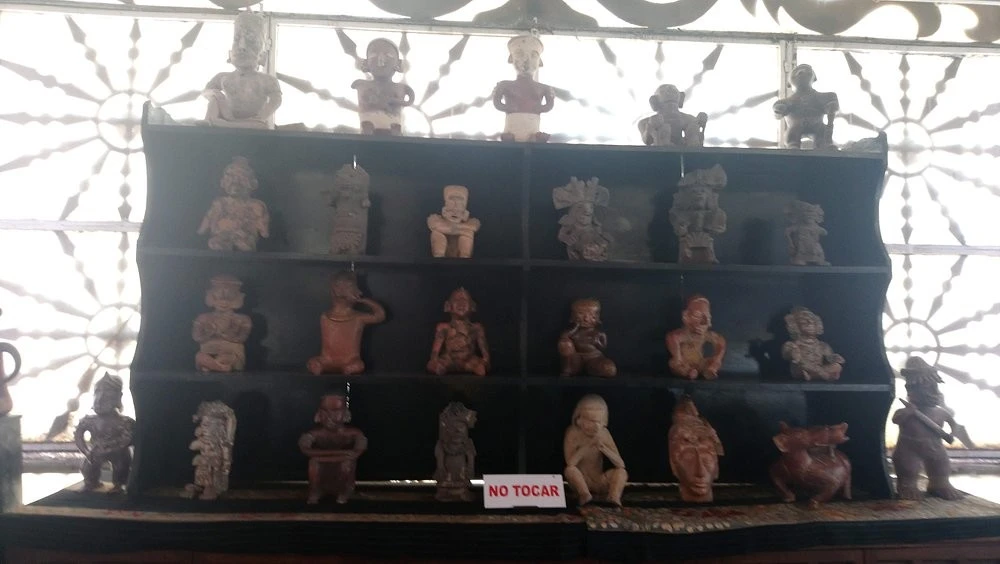
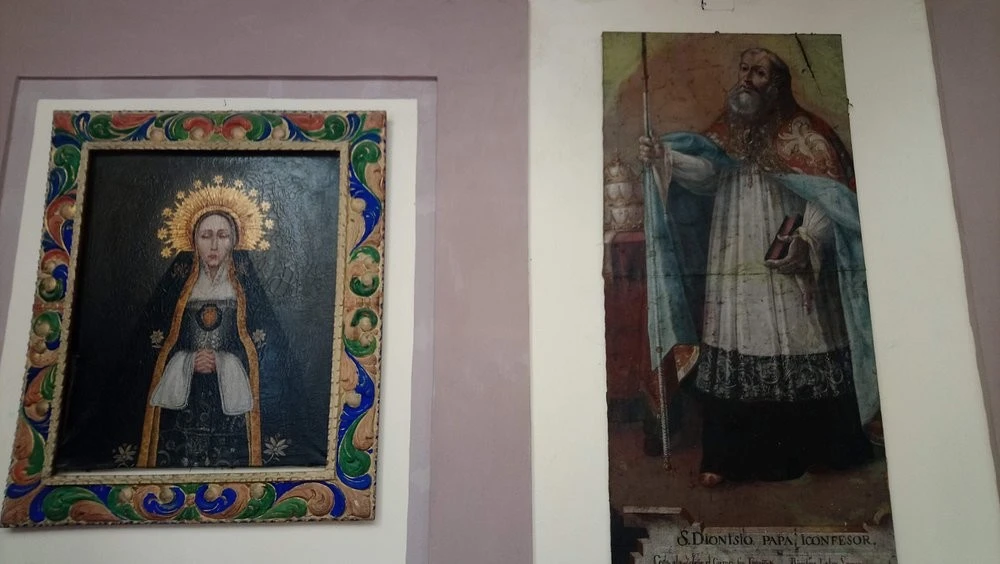
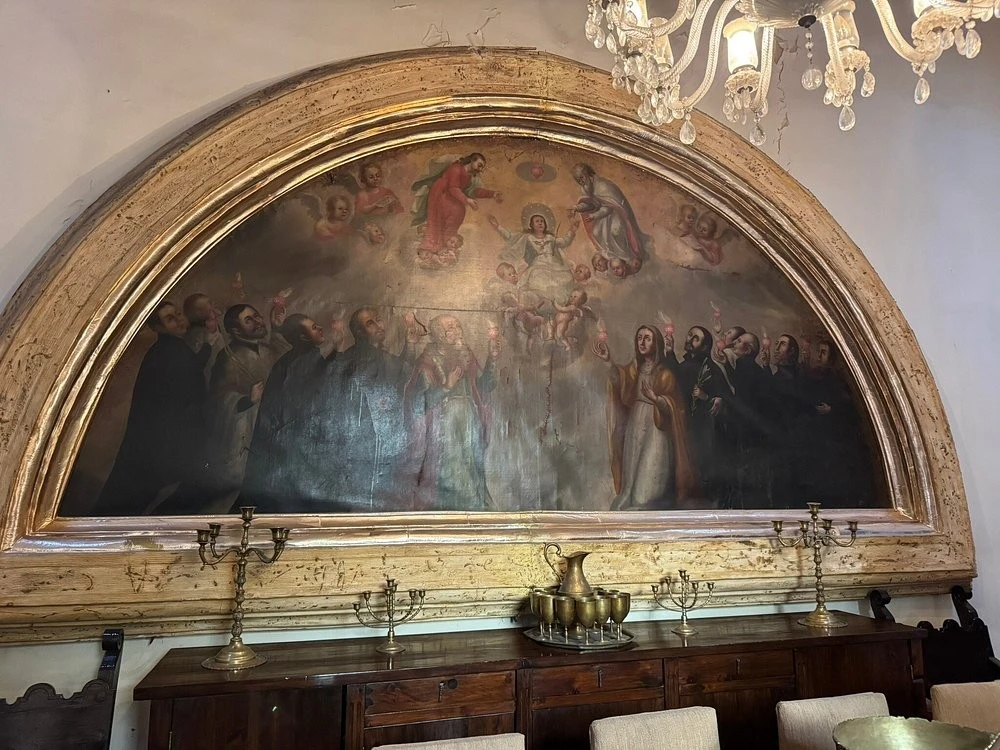
Interestingly, Figueroa himself never lived in this house. He converted it into a gallery and museum. It was a popular destination for foreign tourists traveling from Mexico City to Acapulco. Inside, you can see photographs of famous visitors of the past: Linda Darnell, Elvis Presley, Jack Palance. After Figueroa's death, the museum remained closed for 20 years, but reopened to the public in 2013.