Employee claims Tesla robot caused him to faint, now bills the company $51 million (2 photos)
The Case
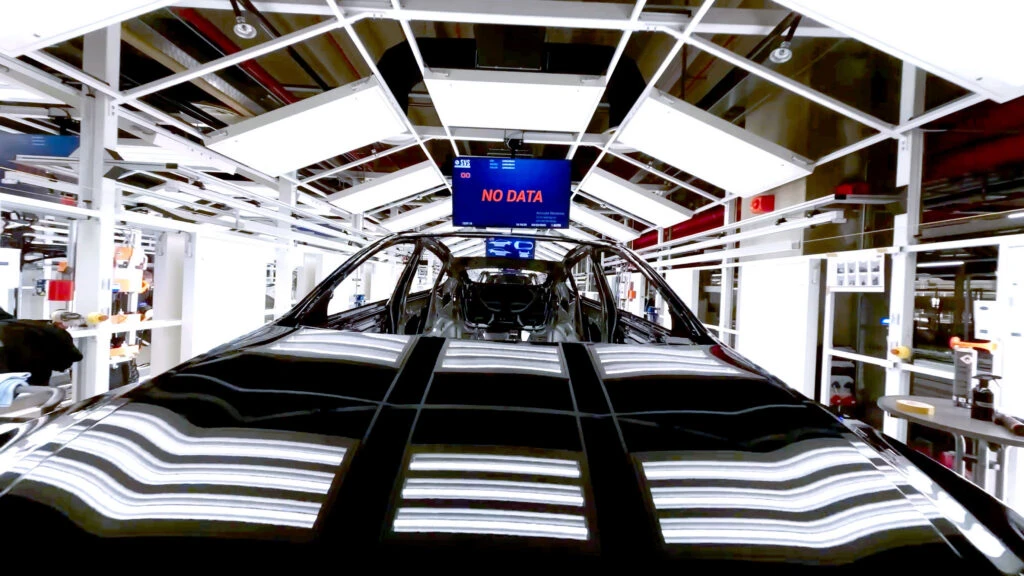
A Tesla factory accident in Fremont has resulted in a $51 million lawsuit. A worker claims he suffered serious injuries and millions in medical bills after being struck by a robot on the assembly line. The case raises questions about not only workplace safety but also the role of automation in high-stress manufacturing.
Incident Circumstances
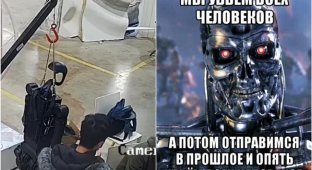
According to court documents, employee Peter Hinterdobler, 50, was injured on July 22, 2023, while helping an engineer disassemble a large robot from the Model 3 assembly line. After attempting to “remove the motor at the base of the robot to gain access to its internal hardware,” the robot’s arm struck Hinterdobler with “the force of an approximately 8,000-pound counterweight,” the lawsuit states.
Consequences and Claims
The employee was thrown to the floor and knocked unconscious. The lawsuit states that he has already accrued $1 million in medical expenses and expects to pay another $6 million in future medical bills. He is also seeking $20 million for pain, suffering and inconvenience, $10 million for emotional distress, $1 million for lost wages and $8 million for reduced earning capacity.
The document also claims that the robot was placed in an “area not intended for such equipment” and that Tesla “implemented new mounting and safety regulations specifically related to this robot.” Along with Tesla, the lawsuit also names robotics manufacturer FANUC. 
Controversies over evidence
Hinterdobler’s lawyers say Tesla has refused to provide video evidence of the incident. The company is also accused of “failing to ensure that the robot was safely disengaged, secured and stable before allowing Hinterdobler to assist in the disassembly process.” FANUC is separately accused of “negligently” designing the robot and failing to properly instruct users on its safe operation.
Further context
The case is still in its early stages, but it highlights the risks of combining heavy robotics with human labor, especially when safety and supervision remain questionable. The case could set a precedent for similar cases in the future, forcing companies to reconsider their approaches to integrating automation. The growing use of robots in manufacturing requires strict standards to prevent tragedies where technological advances should not come at the expense of worker well-being.