With elephants, it seems simple and straightforward: Big, gray, with trunks and tusks—what else is there to say? But the deeper you delve into the depths of elephant history, the more strange and contradictory creatures you find. We've dug through the elephant family tree from top to bottom and found the five strangest creatures—from elephants without trunks to those whose tusks actually hindered their lives! 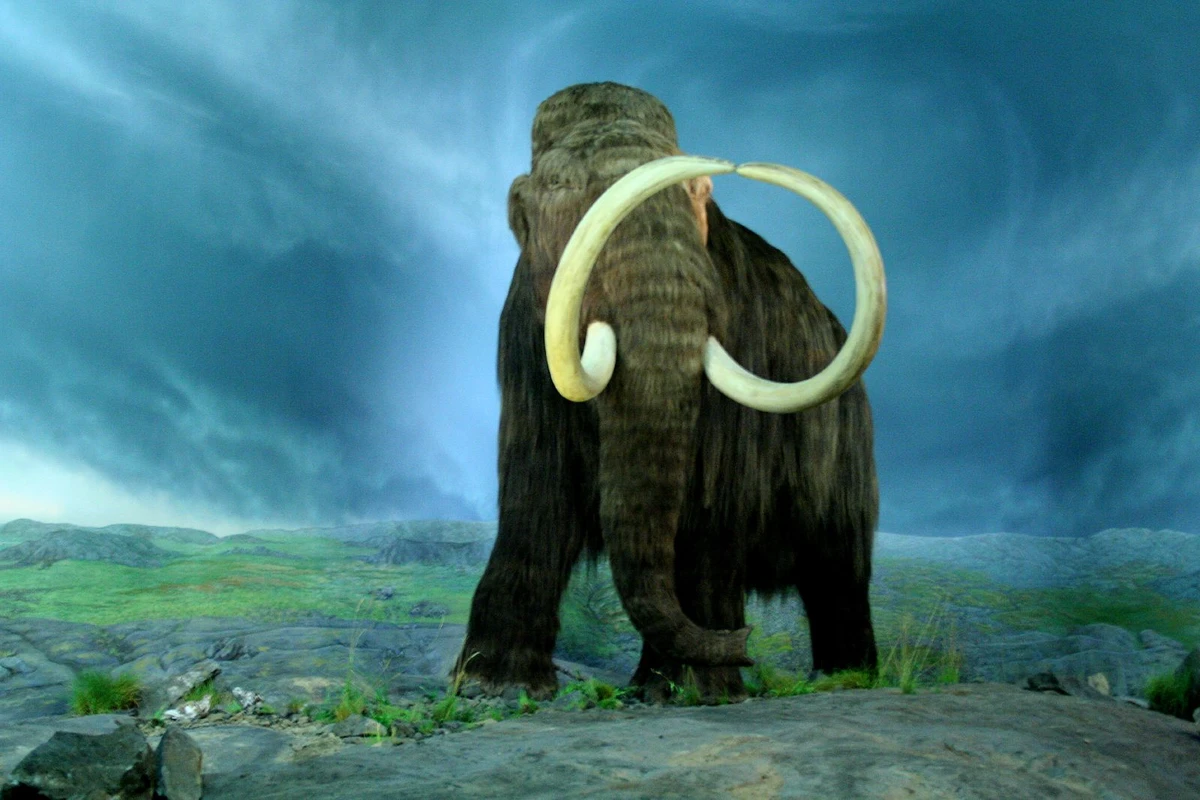
What's an article about elephants without the woolly mammoth? A legend, much of which was discovered by scientists.
Erytherium: The Smallest Elephant
Of course, elephants didn't become large right away. Like other mammals, they evolved slowly and steadily from tiny beginnings. And the first proboscideans, like Erytherium, weren't impressive at all in size. Erytheriums lived in what is now Morocco as long as 60 million years ago and were barely larger than a cat! And they weighed less than a Maine Coon—only 5-6 kilograms! 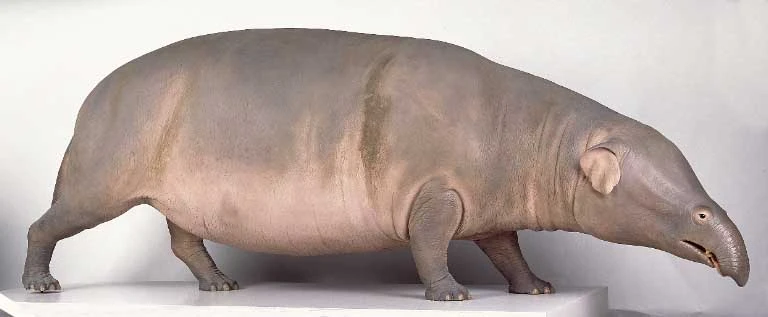
Hello, I'm an elephant!
According to some sources, it didn't even have a trunk. But, oddly enough, the trunk isn't the most important thing for proboscideans. Much more important is the similarity in the structure of the teeth and skull bones. And in this respect, it truly resembled modern animals. Except that it was painfully small! Oh, if it only knew what its descendants would become! 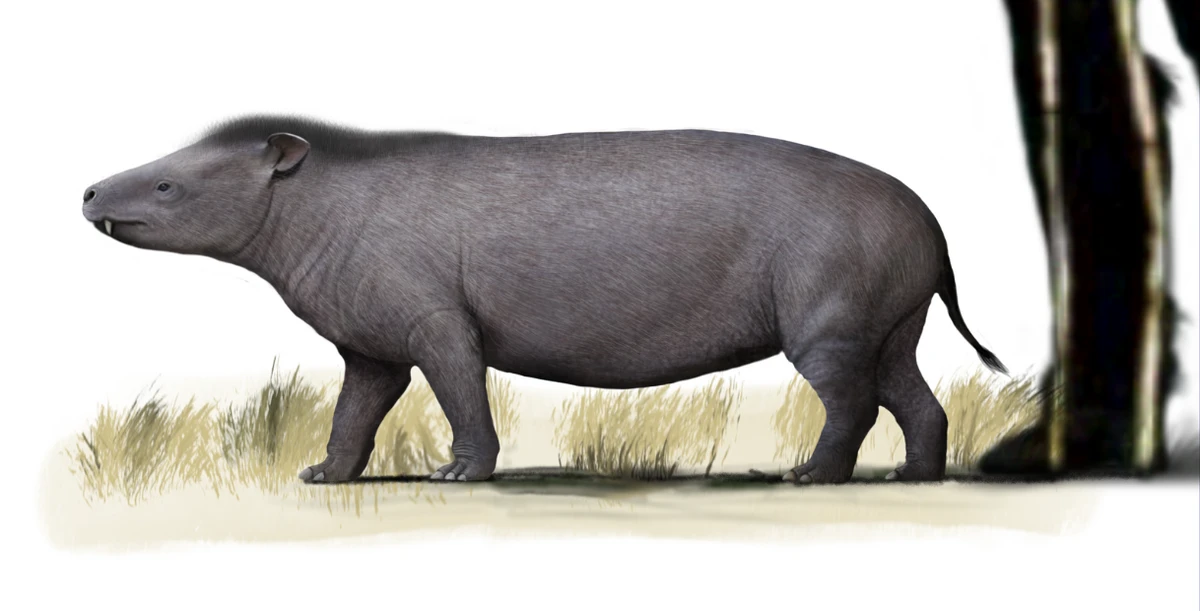
By the way, the black shadow on the right is a human knee. Shown for scale.
Dinotherium: The Largest Elephant
That's right, the African elephant is far from the largest proboscidean. They used to be much larger. About a million years ago, dinotheriums roamed Africa. Giants standing 4 meters tall and weighing between 8 and 14 tons. For reference: a large, healthy savannah elephant weighs 5-6 tons! 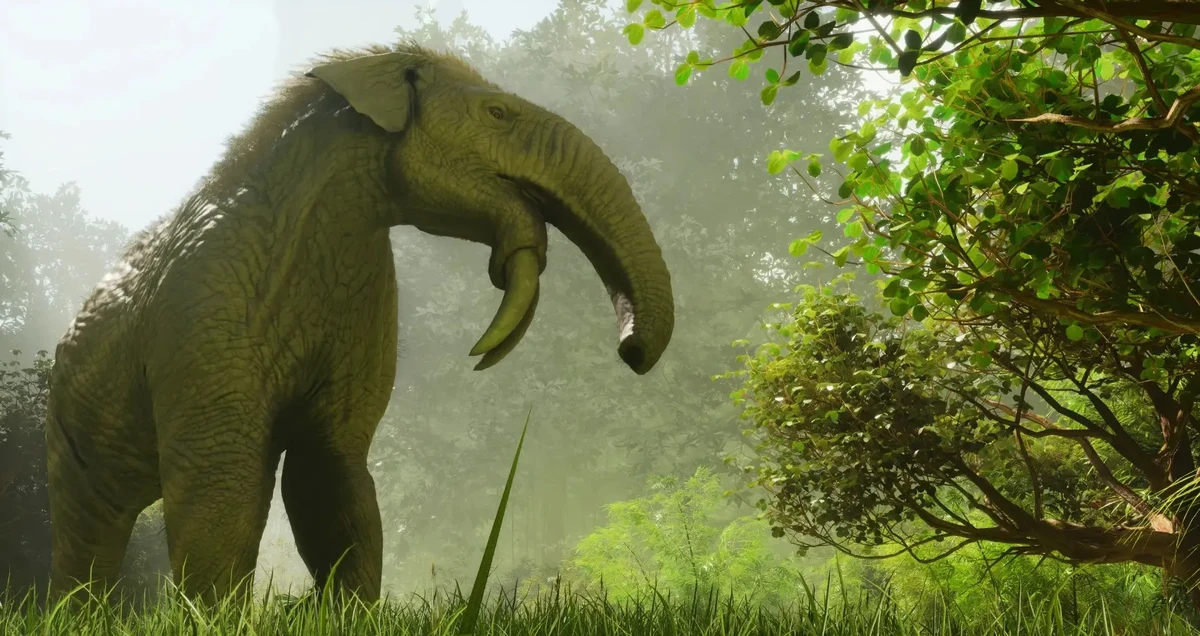
Atlas straightened his trunk. The drawing is truly amazing.
Dinotheres also looked different from modern elephants. Dinotheres had an unusually long neck for proboscideans, a much more muscular trunk, and, at the same time, very small ears. But the strangest thing about them was their inverted, downward-pointing tusks, which could reach 1.5 meters in length. The purpose of these strange tusks remains unknown to this day. A stylish beard? Or were they scraping bark from trees? It's unclear. 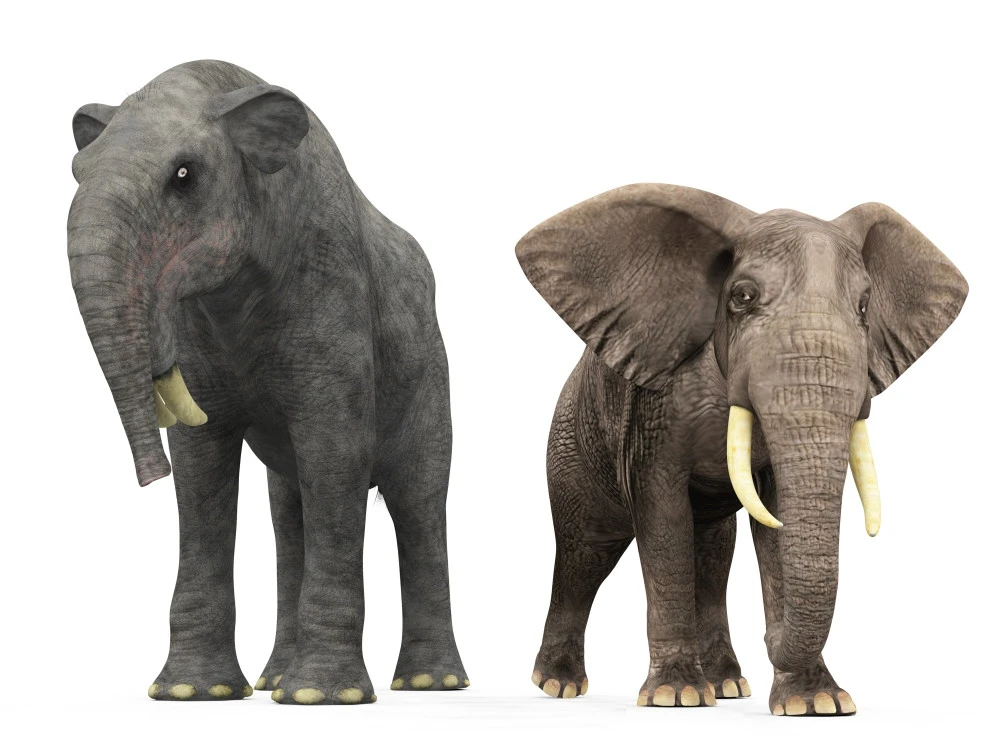
A clear difference in size between dinotherium and savanna elephants.
Gomphotherium: The Most Toothed Elephant
Unlike the previous two characters, gomphotheriums resembled modern elephants in both size and body proportions. With one exception: they had four tusks. 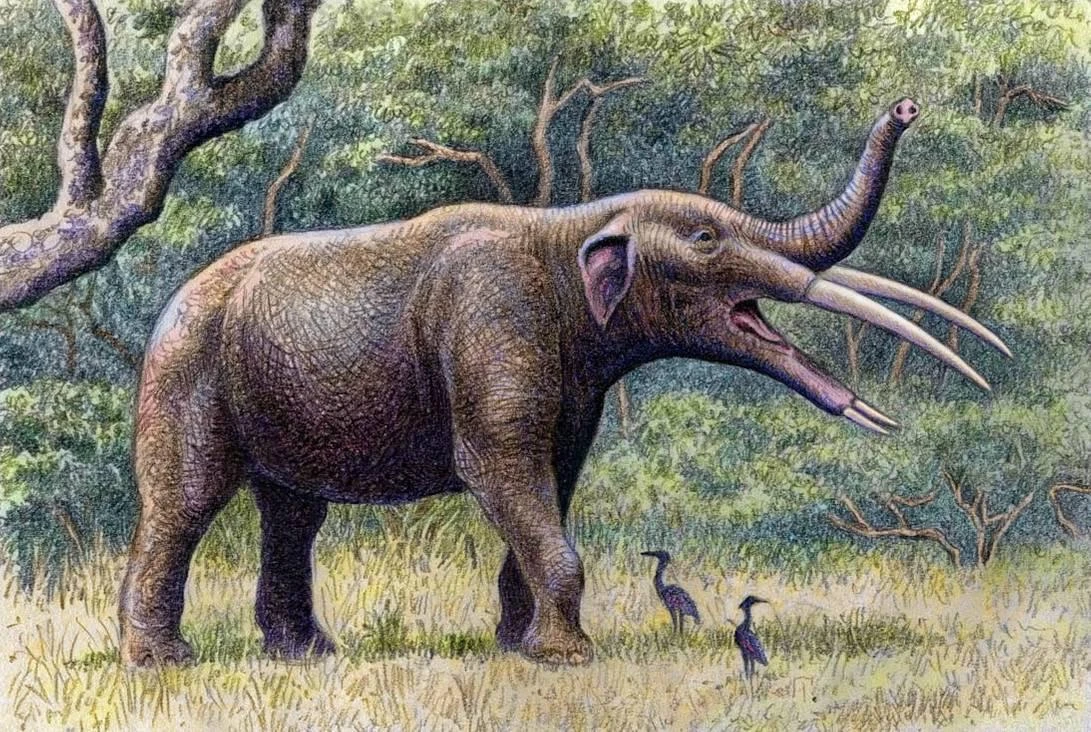
He screams at the price of dental work.
The upper pair is standard, just like those of modern elephants. Gomphotheres used them for fighting, defense, stripping bark from trees, and moving heavy objects—just like elephants. But the lower pair looked strange—the short, wide tusks had transformed into a kind of hoe, used to tear out and eat low vegetation. 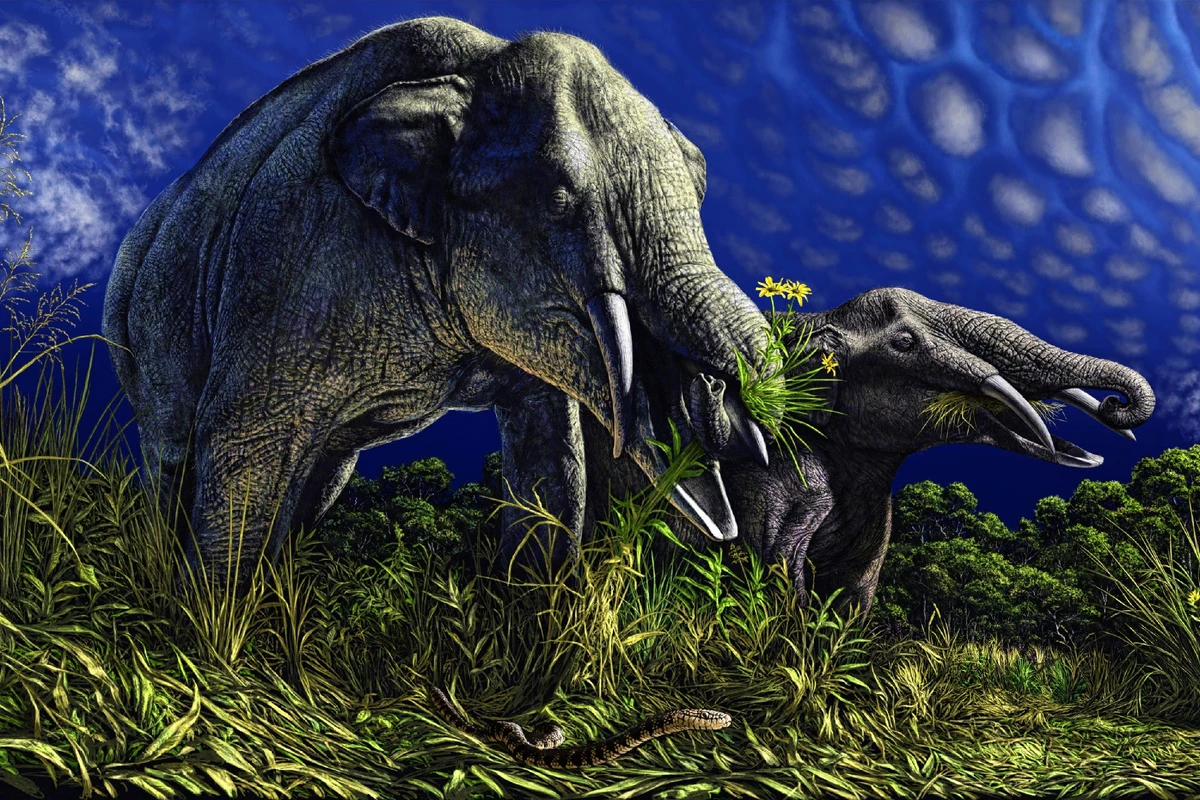
Eating grass under a psychedelic sky. Modern elephants can't do that!
Thus, this elephant became a generalist, able to find food almost anywhere. It's just a shame it didn't help them. Gomphotheres died out about 15 million years ago, leaving no descendants. However, they were still quite successful – their bones have been found from Africa all the way to North America. A successful species.
Wrangel Island Mammoths: The Last of the Mammoths
The mammoth lineage also didn't survive to this day, but they clung to life with incredible tenacity. In a desperate attempt to survive the end of the Ice Age and human expansion, these elephants settled on Wrangel Island in the Arctic Ocean. But their strength was insufficient: the last mammoth died 3,700 years ago, which isn't all that long ago in historical terms. After all, at that time, the ancient Greeks were already forging bronze swords and silver jewelry. And the famous Great Pyramid of Giza had already stood for over 700 years! 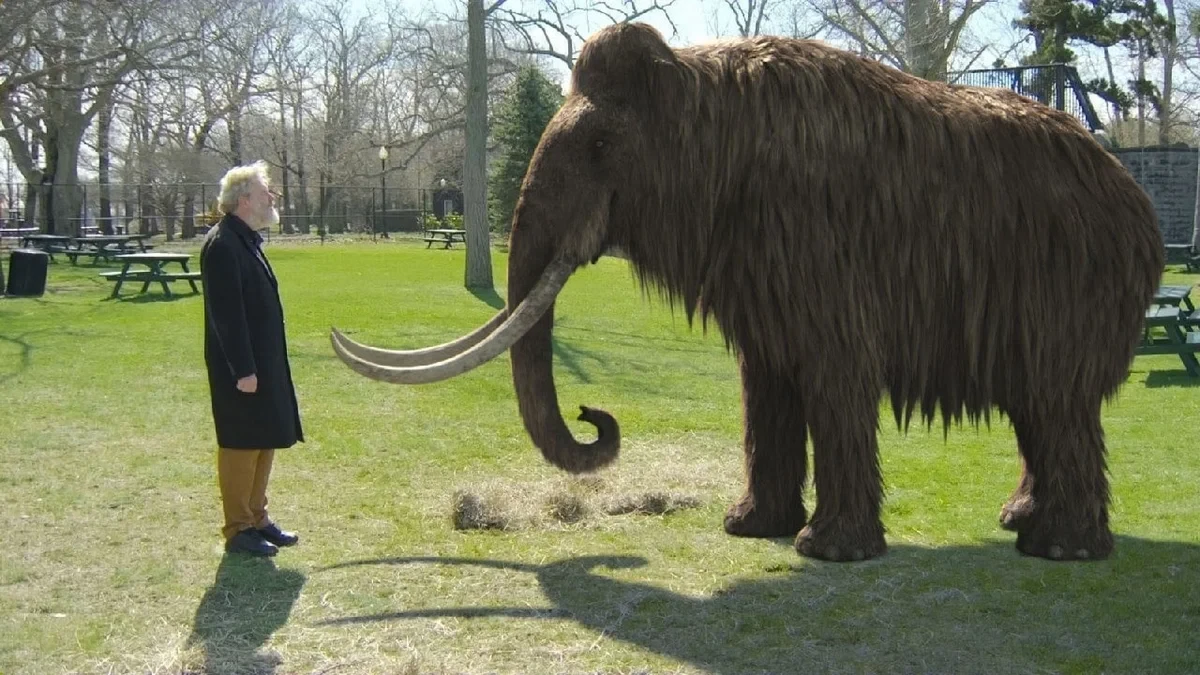
Due to food shortages, the local mammoths became significantly smaller, but otherwise they were no different from mainland mammoths.
Island mammoths survived for so long thanks to their secluded island existence. They lived in a stable and predictable environment and escaped the fate of other megafauna. For a time. We still don't know what caused their demise. Scientists previously believed that genetic degradation was to blame: the population size did not exceed 20 individuals, meaning inbreeding was the norm. However, recent data show that the effect of inbreeding was much weaker than expected. And their genetic load—the combination of diseases and dysfunctional genes—even decreased just before the mammoths' extinction. So the question remains open. 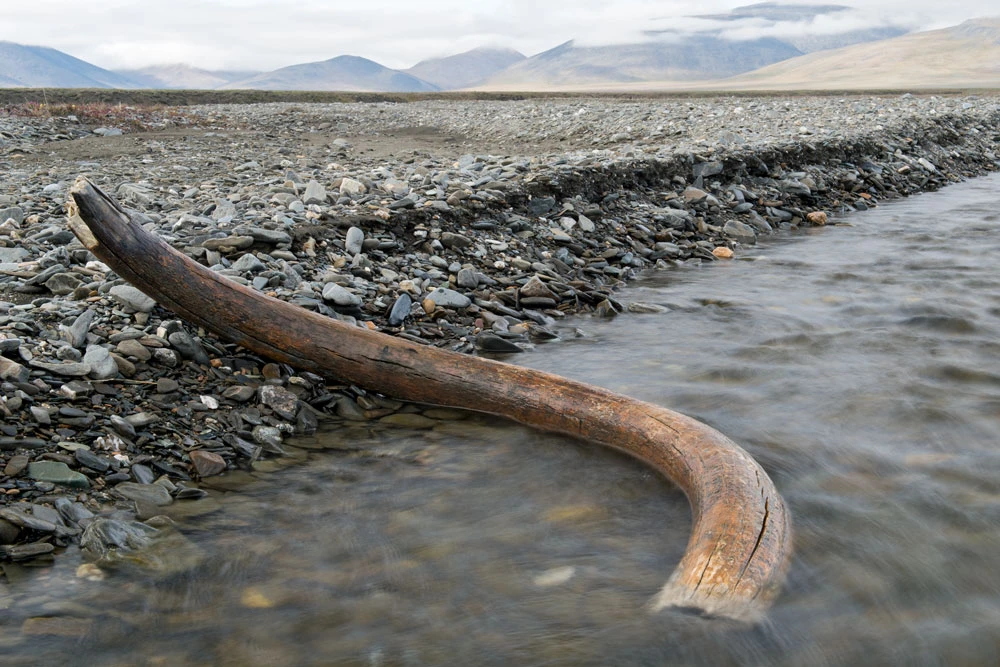
Wrangel Island is still full of traces of mammoths. It seems as if you only need to climb a hill to see a herd of peacefully grazing animals.
Stegodon: Overdone it with the tusks
Just a million years ago, stegodons were a fairly large family of elephants that inhabited South Asia, including even the islands. But they all faced the same problem: enormous tusks! 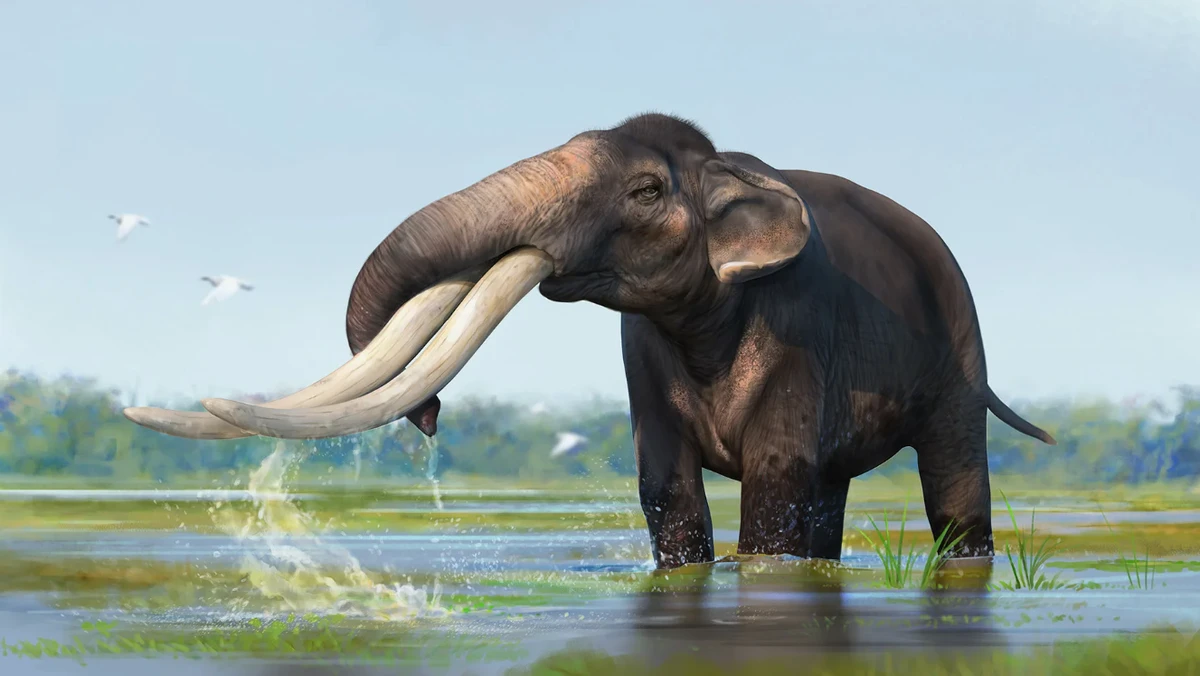
How convenient.
The tusks of the largest Stegodons could reach three meters in length, equal to the length of their torsos. Moreover, some of them had tusks so close together that the trunk simply couldn't fit between them and hung off to the side. How they managed to perform basic tasks with such a tusked configuration remains a mystery. 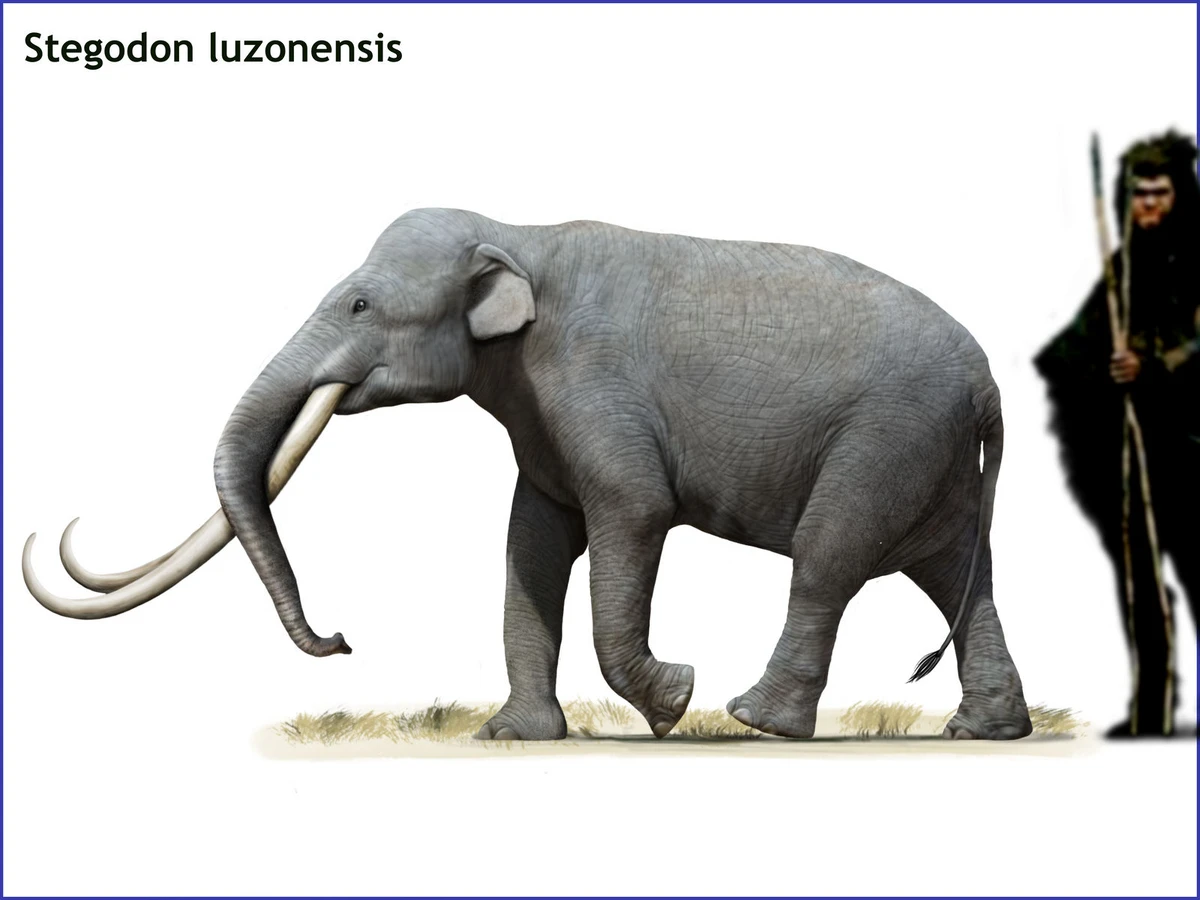
Stegodon sizes varied greatly from species to species. They ranged from 10-ton giants to dwarf island creatures. This illustration clearly shows how awkwardly the trunk could hang.
Add your comment
You might be interested in:












In Bali, an elephant broke a tourist's arm with one bite (3
A herd of elephants saved a baby elephant from death in the
After 80 years of slave labor, a female elephant named
Pianist plays for elephants in Thailand

$1 million dress

Chinese miniature replica Toyota Land Cruiser 300 (3 photos)
Sequoia. Tree is a giant (21 photos)

Hyundai sets record sales thanks to unexpected models (2

Cool work of Oscar-winning make-up artist Mark Coulier (10

How to start a 102-liter engine

Protective film Removing it with a power screwdriver

When a child plays hide-and-seek at a professional level

Man sets up bedroom camera and discovers the reason for his

Super dads who swoop in to save the day

Precision carpentry

Looks like it's time to buy WinRAR

How to hang wallpaper neatly
How metal buckets are made in Pakistan
