Hama's Norias - Amazing Ancient Machines That Outlived Empires (12 photos + 1 video)
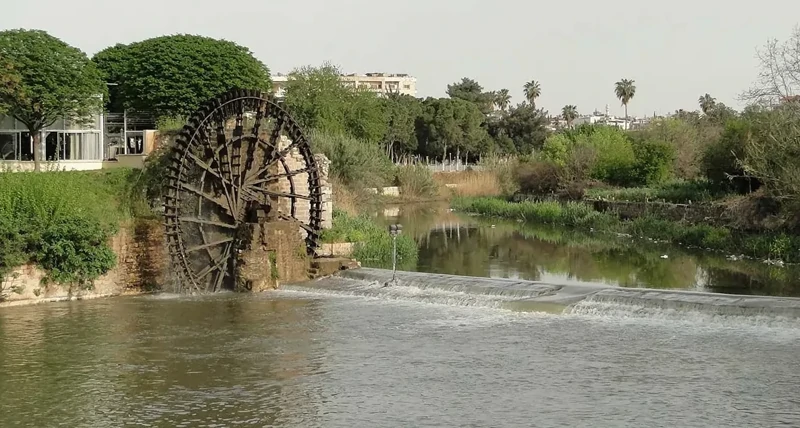
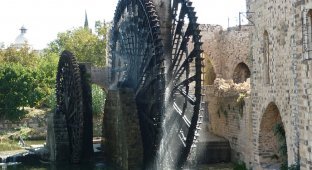
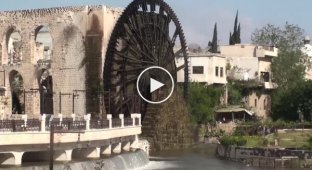
Seventeen giant guardians, the norias of the ancient Syrian city of Hama, rise along the waters of the Orontes River. 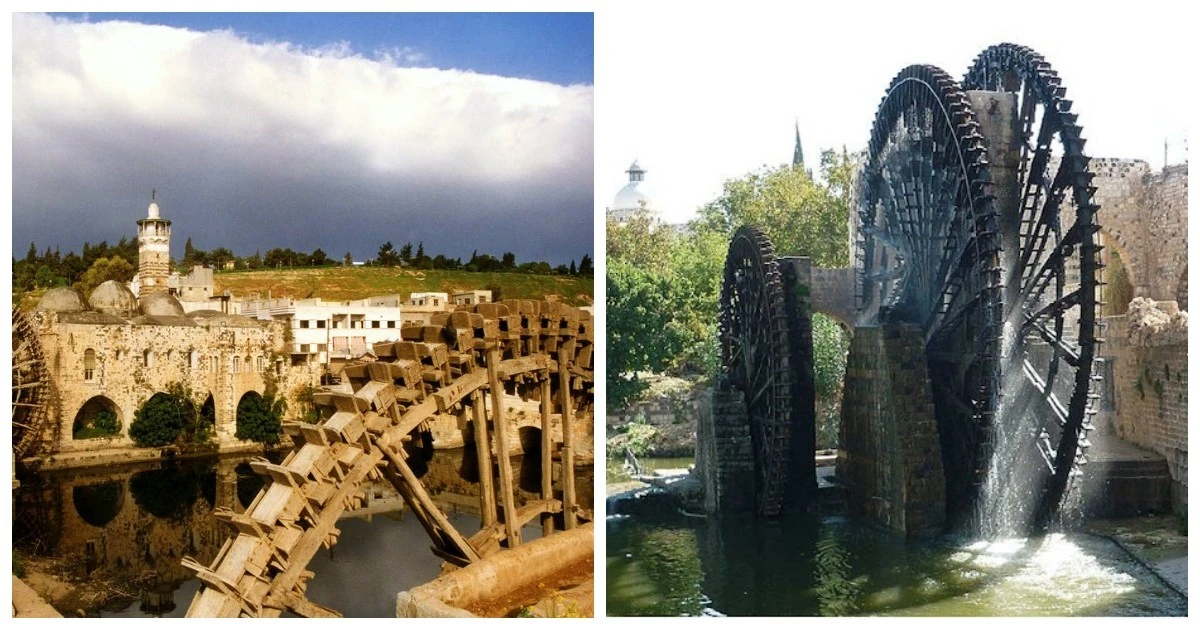
These historic waterwheels, built during the Byzantine era, hold the secrets of centuries in the creaking of their wood, although locals whisper to each other that they remember times even older. 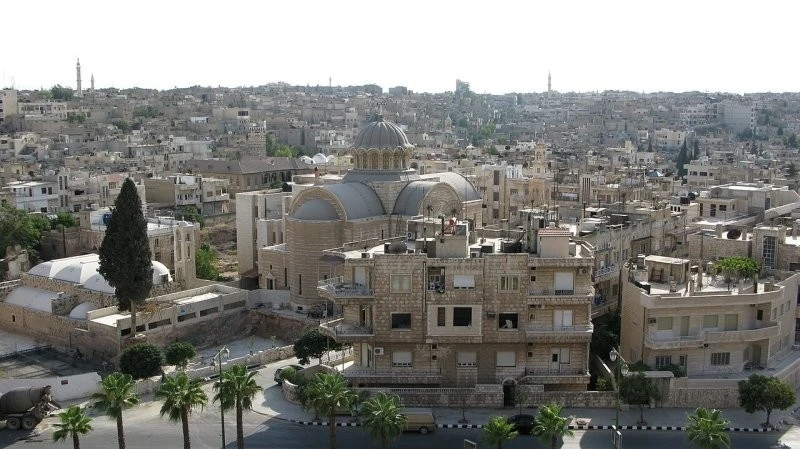
Hama, Syria
These water-lifting mechanisms, called norias, were once the living arteries of the city's irrigation system. They were built to draw water from the river and pump it through aqueducts to fields and homes. The Orontes River itself served as the driving force for these machines. 
Marcus Vitruvius Pollio - ancient Roman architect and mechanic
When the wheel began to rotate, wooden buckets attached to its rim caught the water and, at the highest point of its journey, dumped it into the stone channels of the aqueducts. Then, obeying the law of gravity, the water flowed to the desired locations in the city. 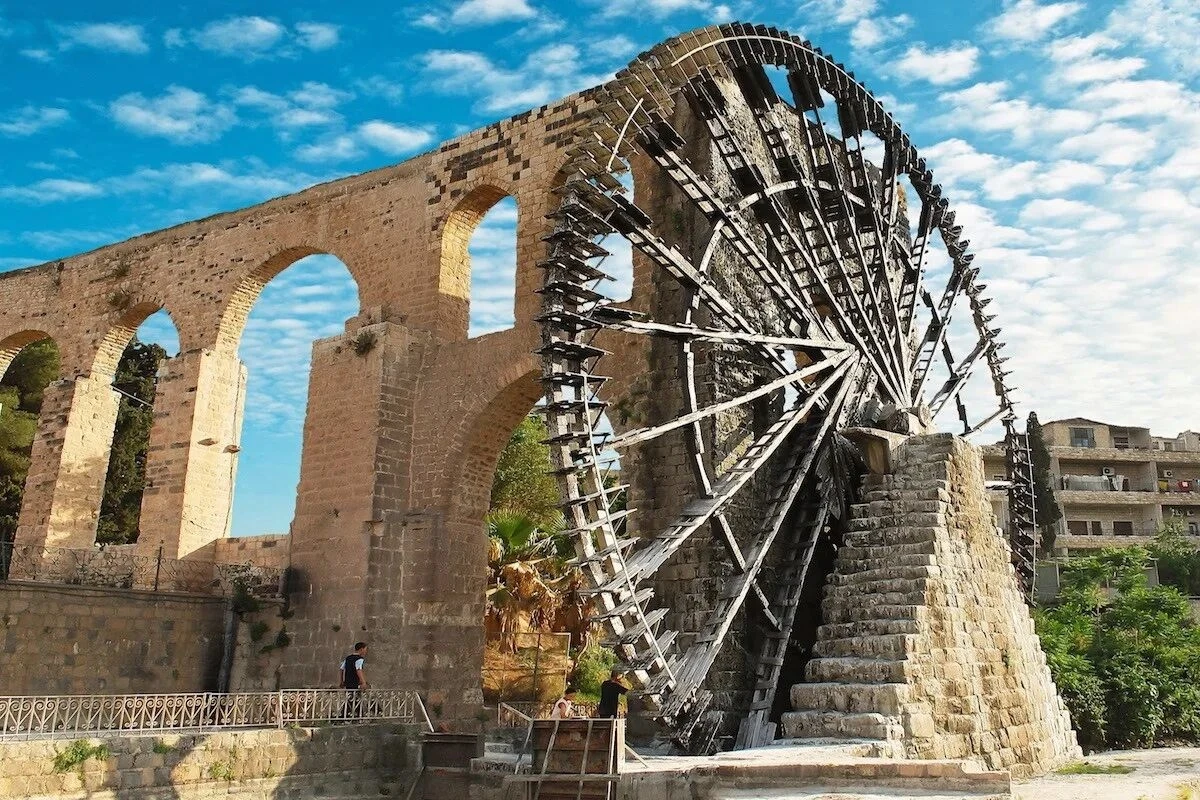
The origin of the water wheel remains a mystery. The Roman military engineer Marcus Vitruvius Pollio left notes suggesting that the invention was invented by his compatriots who lived around the first century BC. However, other theories exist. 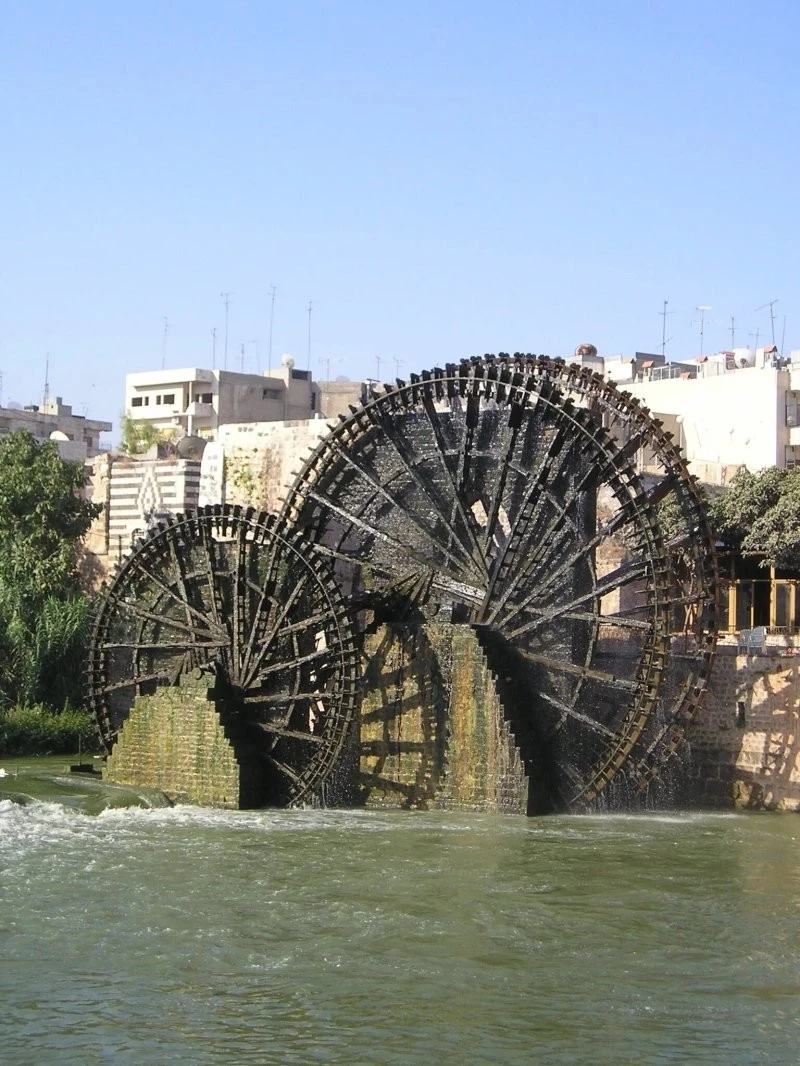
Some researchers believe that similar mechanisms were already turning in India as early as the fifth or fourth century BC, and this knowledge later migrated to China and the West. 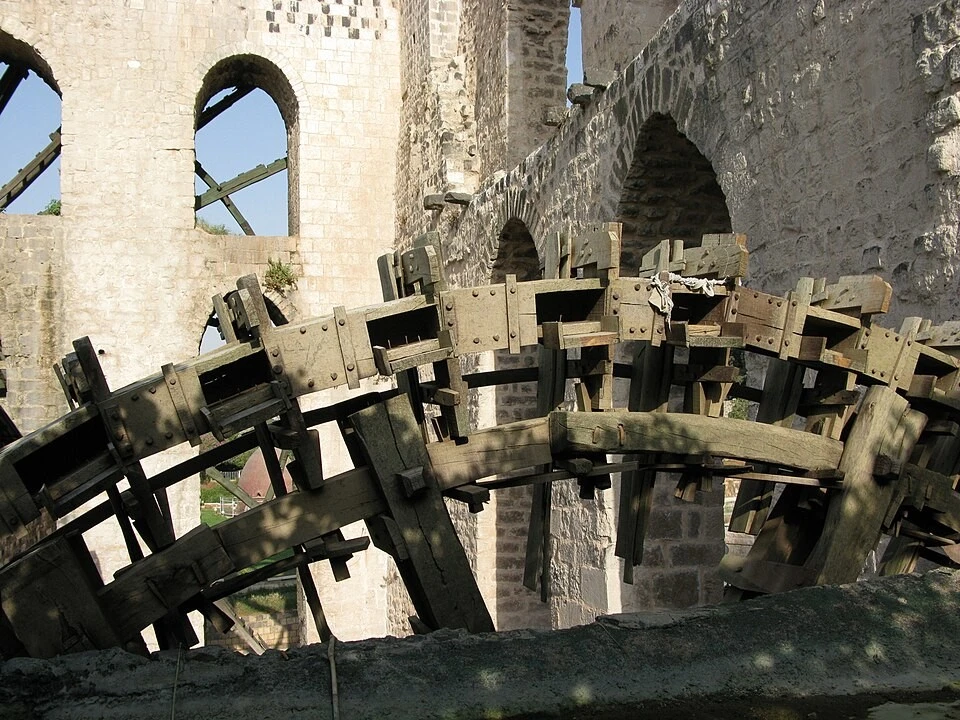
A third point of view points to Greece, where similar devices may have existed in the late 3rd or early 2nd century BC, judging by ancient manuscripts. 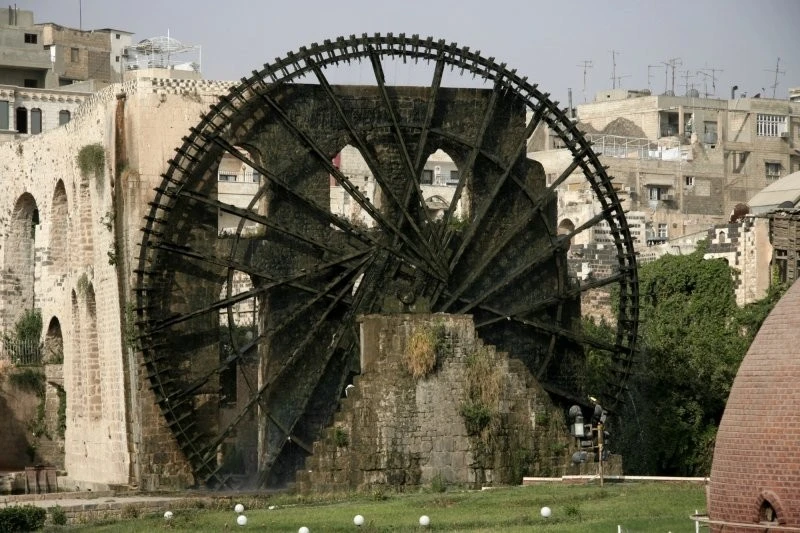
Ultimately, Muslim engineers adopted norias from their predecessors. They added a flywheel to the design, which smoothed the energy transfer and made the wheels' operation more seamless. 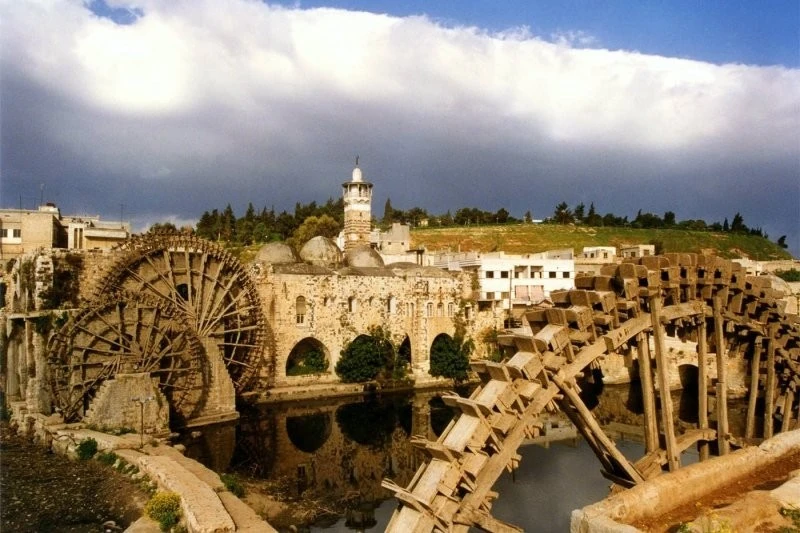
Thus, norias spread throughout the Middle East. Some examples from the medieval Islamic world reached 20 meters in diameter and pumped up to 2,500 liters of water per minute. 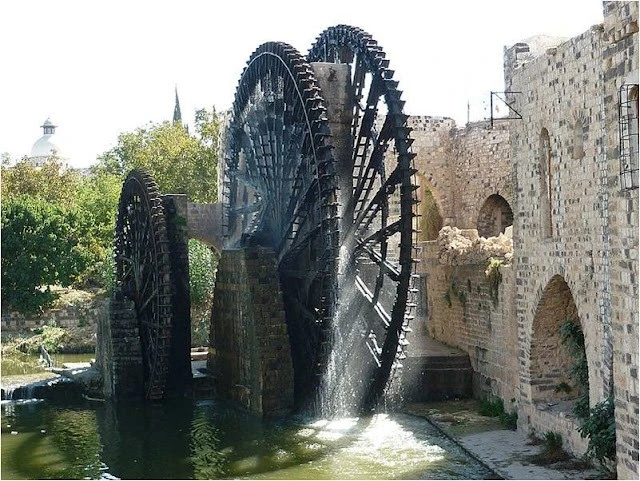
The Hama Wheels represent the largest surviving example of this era. 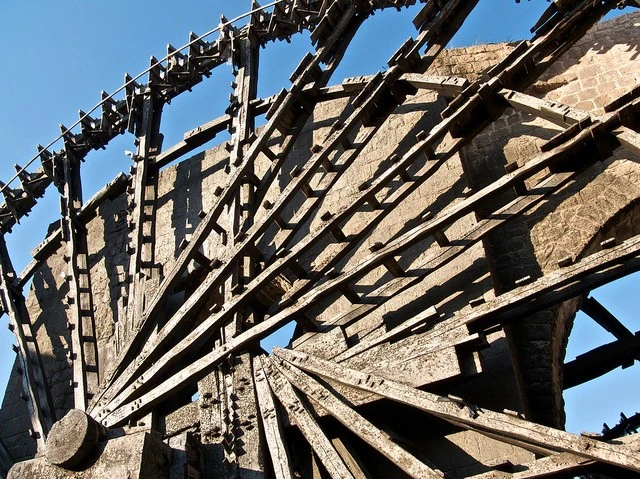
At its peak, more than 30 bucket elevators operated in Hama, but only 17 survived into the 21st century. 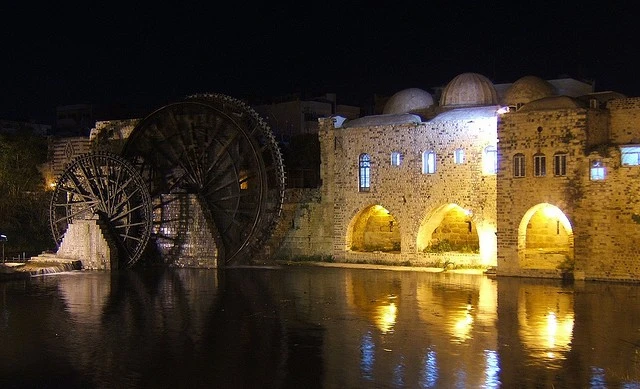
They still spin and are in good condition, although their water no longer feeds fields and houses, but merely serves as a reminder of their former glory.