In a small seaside park near the Kanmonkyo Bridge in the Japanese city of Shimonoseki, stand two bronze statues. Two samurai are frozen in mortal combat. 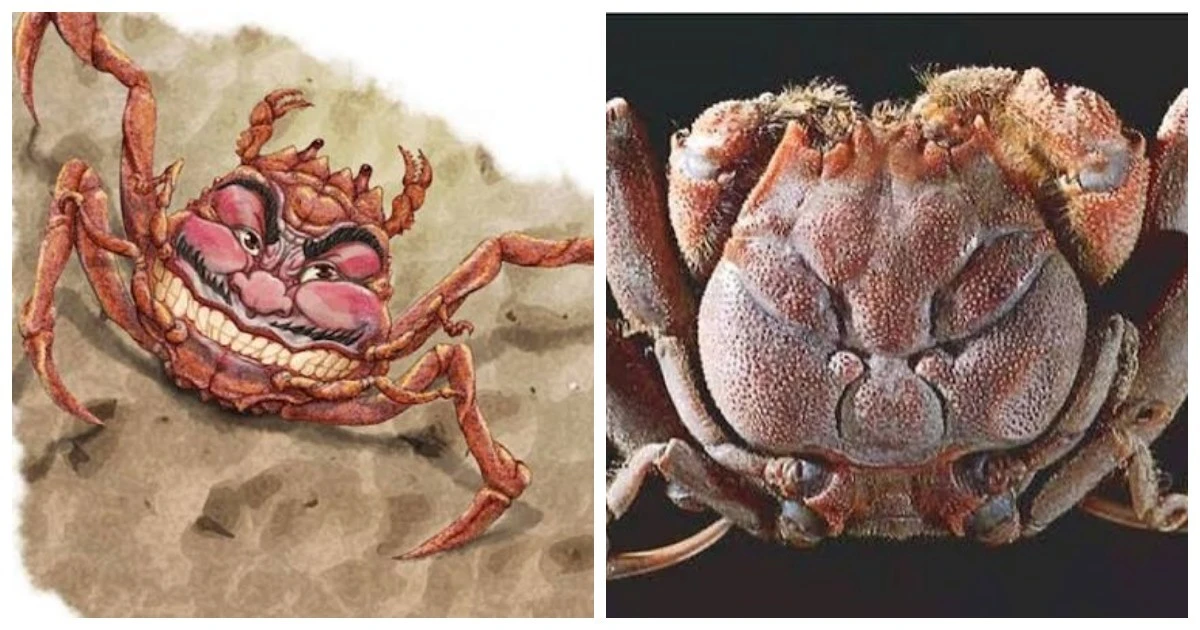
Nearby stand replicas of cannons and ships. This monument commemorates a battle that took place here over eight centuries ago. 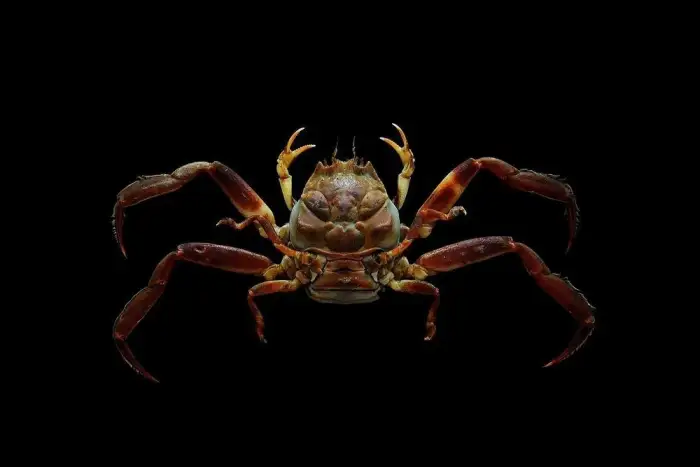
It was the year 1185. Two mighty fleets clashed on an April morning in the tiny Dan-no-Ura Bay in the Seto Inland Sea. On one side was the Taira (Heike) clan, the country's rightful rulers. On the other were the Minamoto, eager to seize the throne. Hundreds of samurai fell in the massacre. Their bodies slipped between the waves and sank to the seabed. By sunset, the Minamoto clan had emerged victorious. 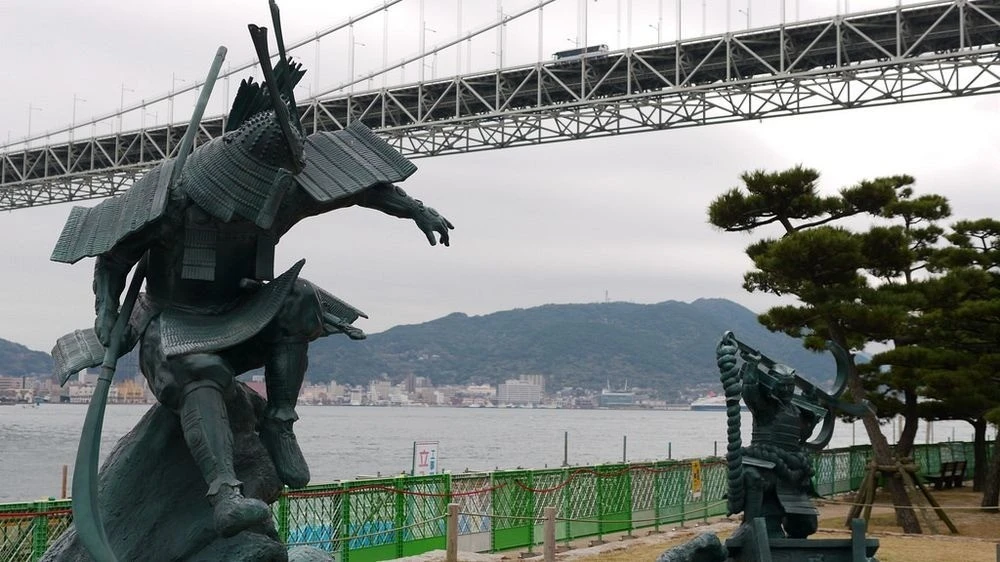
Sculptures in Mimosusogawa Park in Shimonoseki
The Heike were defeated, and their six-year-old emperor was drowned by his own grandmother in the waters of the bay, rather than be captured alive. Minamoto no Yoritomo soon became the first shogun, the military ruler of Japan. 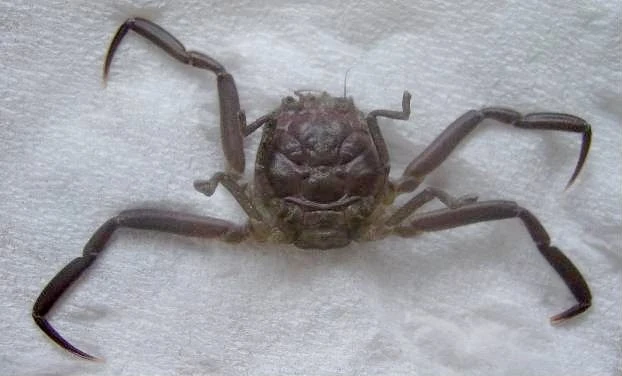
The Battle of Dan-no-Ura gave rise to many legends, and the strangest of them tells of a crab. This crab has an unusual shell, the pattern on which vaguely resembles an angry samurai face. 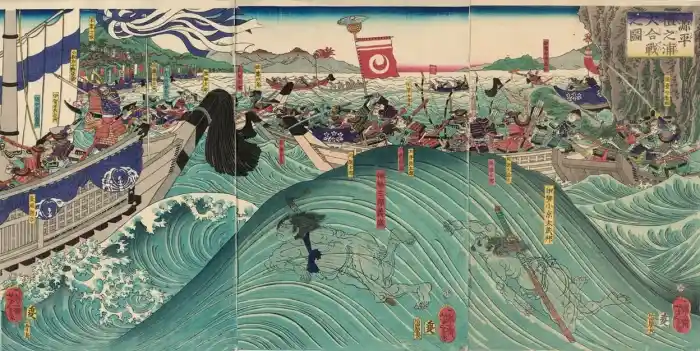
They say that when the Heike warriors fell and drowned, their souls migrated into crabs, and their faces, distorted with rage, were forever imprinted on their backs. This crab is called Heikegani—the Heike crab, or samurai crab. 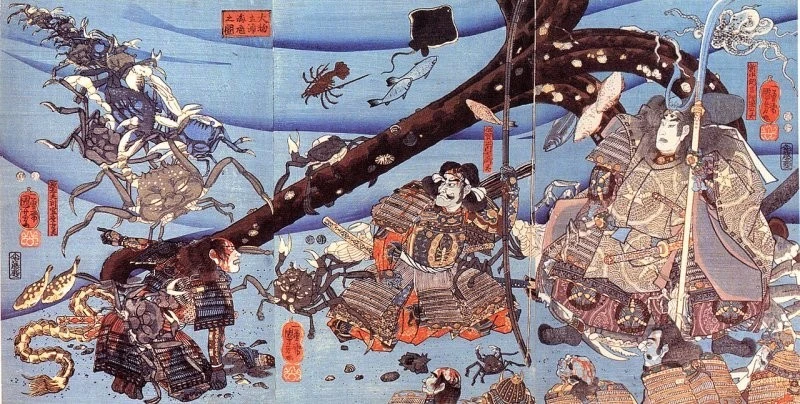
Heikegani with human faces are depicted in a woodblock print by Utagawa Kuniyoshi.
The famous American astronomer and writer Carl Sagan once suggested that this resemblance was not a coincidence, but the result of artificial selection. 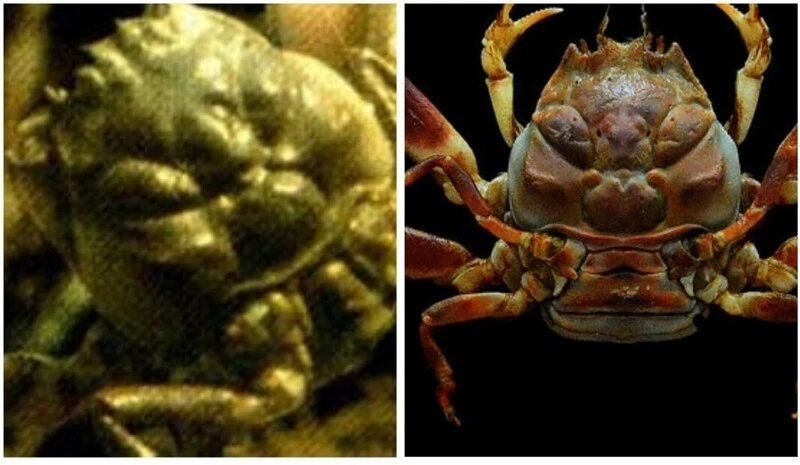
According to Sagan, fishermen fishing in those waters, out of respect for the fallen Heike warriors, threw back into the sea all the crabs whose shells resembled samurai faces. 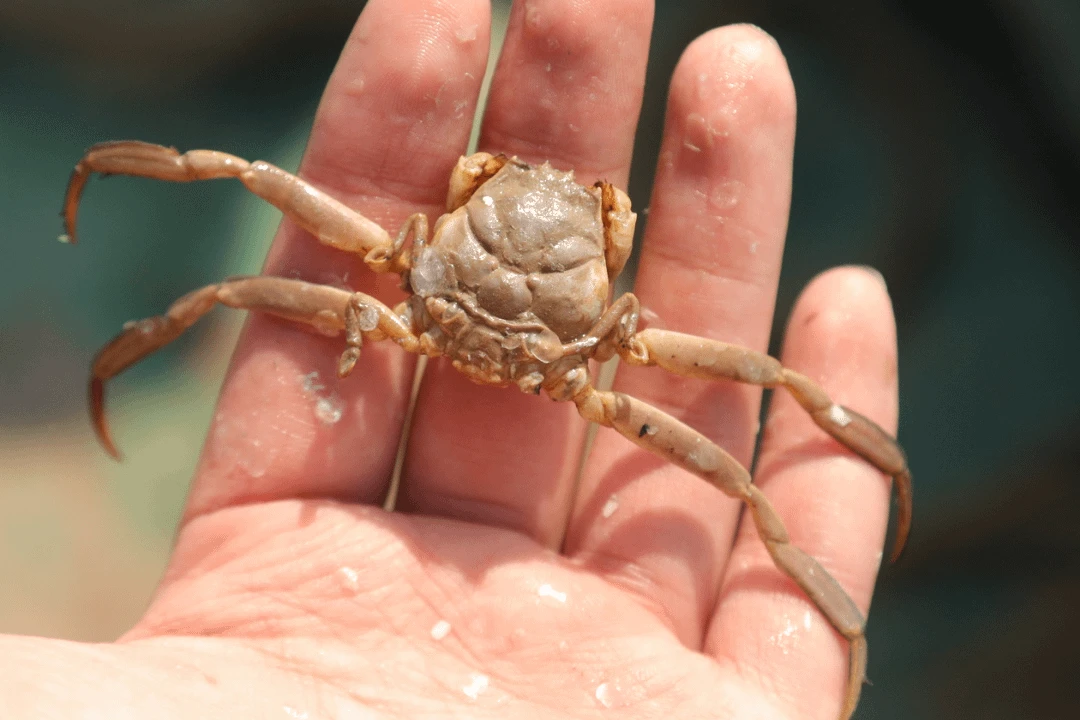
Thus, the DNA of the crabs with human-like "faces" was preserved and passed on, while the genetic lineages of their faceless relatives gradually thinned. 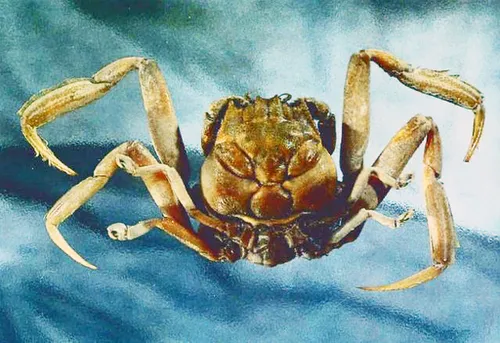
But here's the problem: Heike crabs are tiny, just 4 centimeters long, and no one really ate them. Fishermen simply shook them out of their nets because they didn't need them. Furthermore, crabs with patterns resembling human faces are found all over the world. 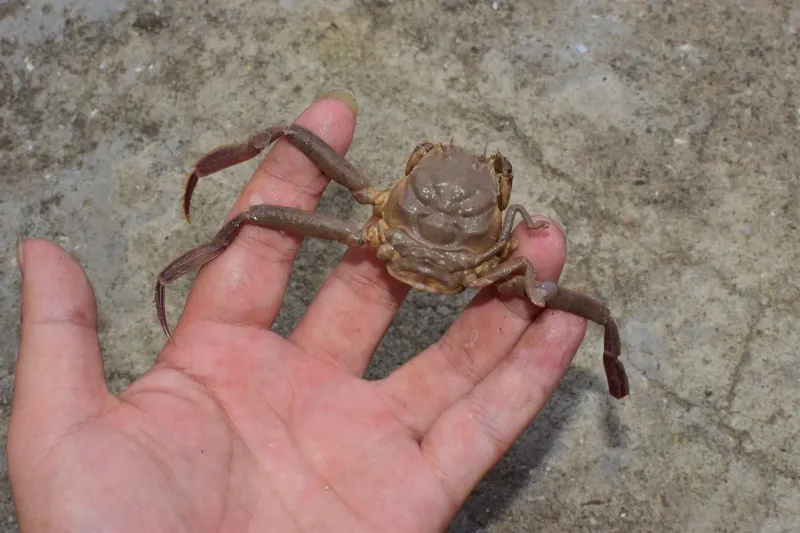
Those folds and wrinkles that create the samurai's grinning face are actually the attachment points for muscles to the carapace. It's just that we humans tend to look for faces everywhere, even where there aren't any. This phenomenon is called pareidolia. 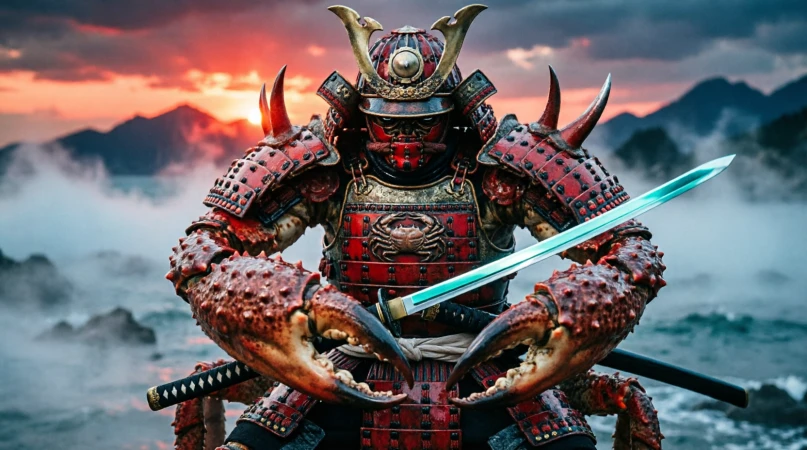
Add your comment
You might be interested in:








She bought puppies from an ad in the newspaper, which
Rescue of an abandoned dog (7 photos)
Tourists rescue a mountain goat stuck in the rocks (4
A gorilla Abram from England who became famous for being

How Animals Can Be Loyal to Their Owners
We found an unusual puppy that turned out to be a wolf (7

Cool gifs. Issue 2657

Cool gifs. Issue 2673

Cool pictures. Issue 3690

20 Personal Photos of Celebrities That Ooze Vintage

Protective film Removing it with a power screwdriver
Global Sex Symbol: Rare Photos of Monica Bellucci (26
Animal Paws and Claws: 50 Photos That Will Surprise Even

Precision carpentry

America's Cheese Caves: How and Why the US Government

Fascinating Facts to Blow Your Mind (10 Photos)
Discover the Truly Unique: 27 One-of-a-Kind Items That
Straight Out of the '80s: Band Posters No One Would Ever
