Hatussa: The Ruins of the Capital of an Ancient Kingdom Thought to Be a Fiction (16 photos + 1 video)
One of Turkey's least visited, yet most significant, attractions is the ruins of the ancient city of Hattusa. 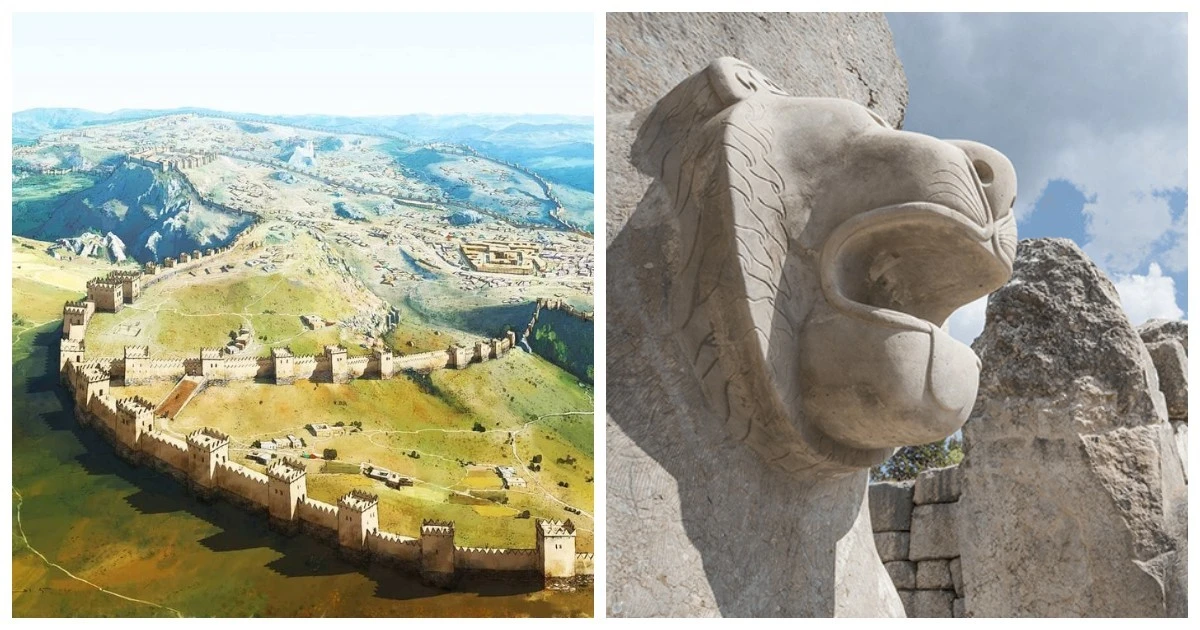
It is located near the modern village of Boğazkale, inside a large bend of the Kızılırmak River. 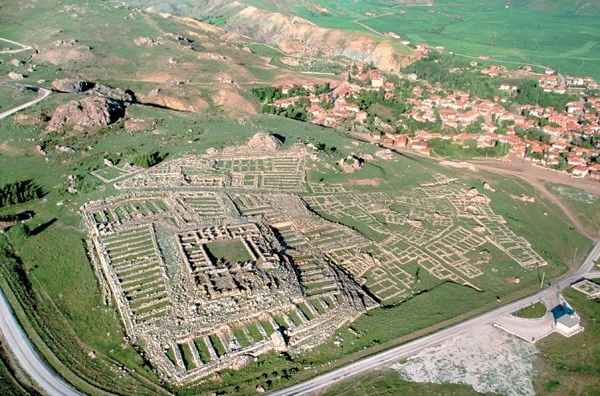
This city once served as the capital of the Hittite Empire, a superpower of the Late Bronze Age whose dominion stretched across Anatolia and northern Syria, from the Aegean Sea in the west to the Euphrates in the east. 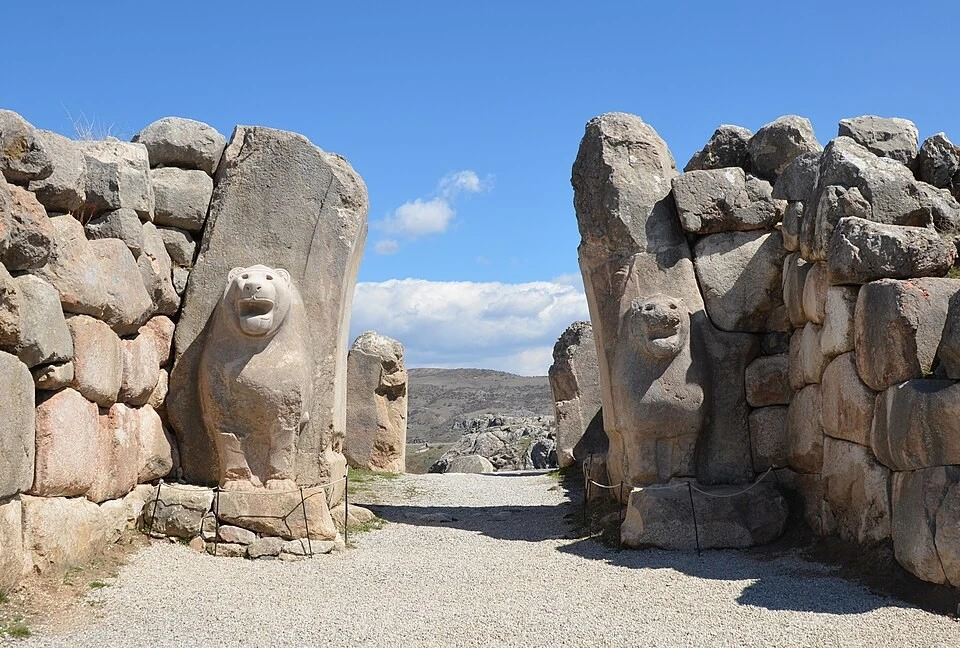
Lion Gate in the southwest
The Hittite Empire is mentioned several times in the Bible as one of the most powerful empires of antiquity. The Hittites were contemporaries of the ancient Egyptians and were in no way inferior to them. 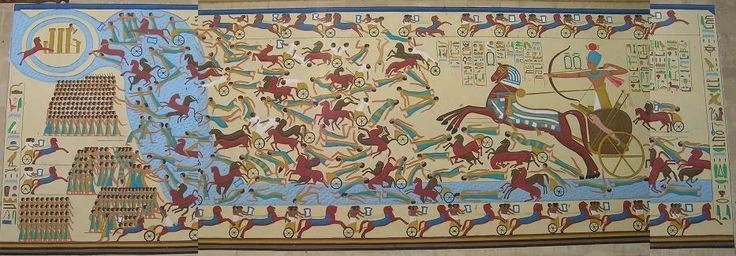
The Battle of Kadesh was a battle between the armies of the Egyptian and Hittite kingdoms in the late 14th and early 13th centuries BCE. The armies were led by Pharaoh Ramesses II and King Muwatalli II.
At the Battle of Kadesh, the Hittites fought the mighty Egyptians, nearly killing Pharaoh Ramesses the Great and forcing him to retreat back to Egypt. Years later, the Egyptians and Hittites signed a peace treaty, considered the oldest in the world, and Ramesses himself married a Hittite princess to seal the deal. 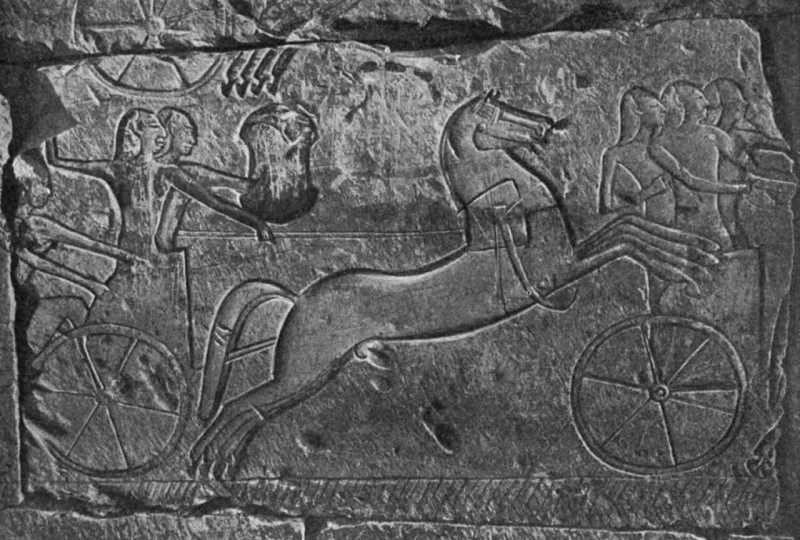
The Hittites played a key role in ancient history, far more important than modern textbooks give them credit for. They created the lightest and fastest chariots in the world, and despite living in the Bronze Age, they were already making and using iron tools. 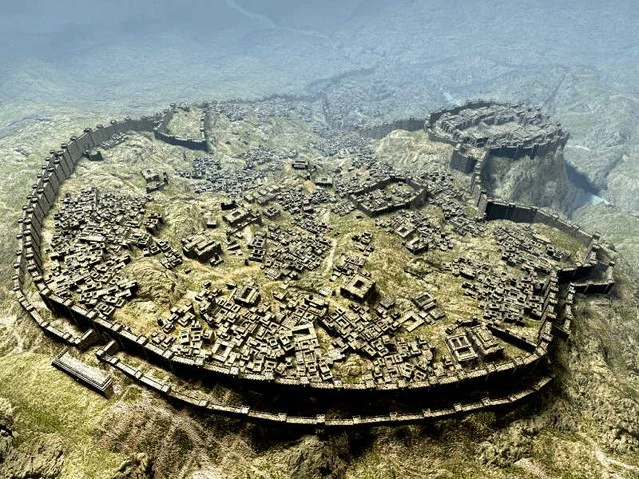
Surprisingly, even at the beginning of the last century, the Hittites were considered mere rumors and legends, as no evidence of their empire's existence was found. Everything changed with the discovery and excavation of Hattusa, and the recovery of tens of thousands of clay tablets. 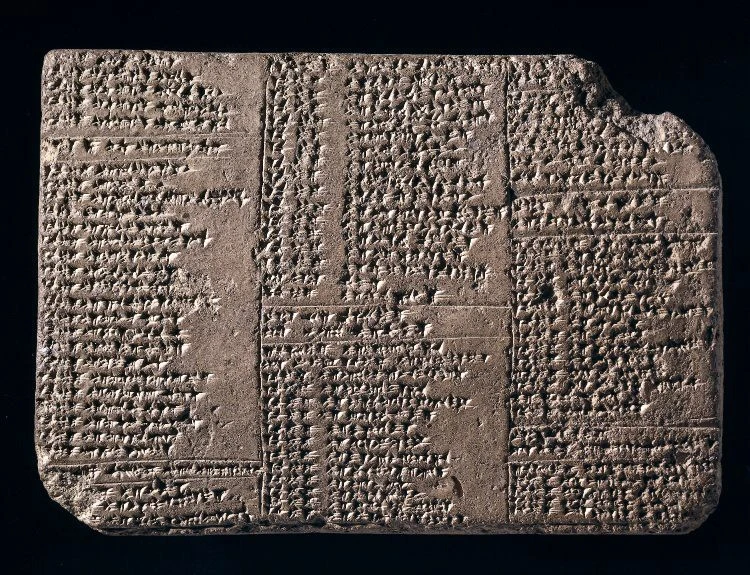
Hittite Cuneiform
These tablets documented many Hittite diplomatic actions, the most important of which was the peace agreement signed after the Battle of Kadesh between the Hittites and the Egyptians in the 13th century BC. 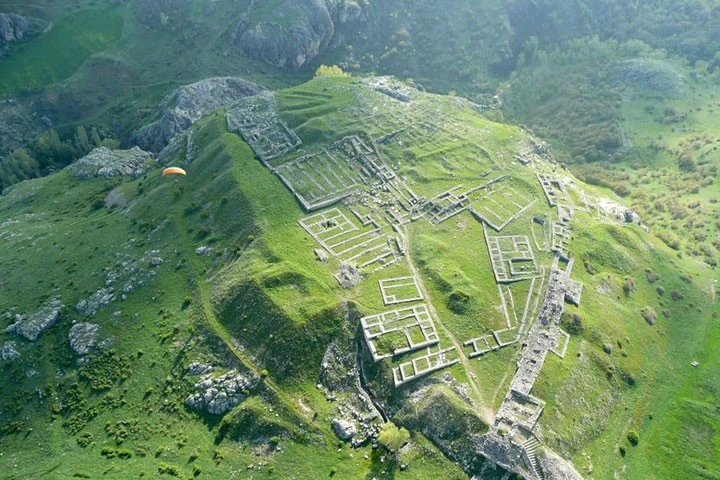
Hattusa lies at the southern end of the Budakozu Plain, on a slope rising approximately 300 meters above the valley floor. The city was surrounded by rich agricultural lands, rolling pastures, and forests, providing enough timber to build and support a large city. Originally inhabited by the indigenous Hatti people, it became the capital of the Hittites around 2000 BC. 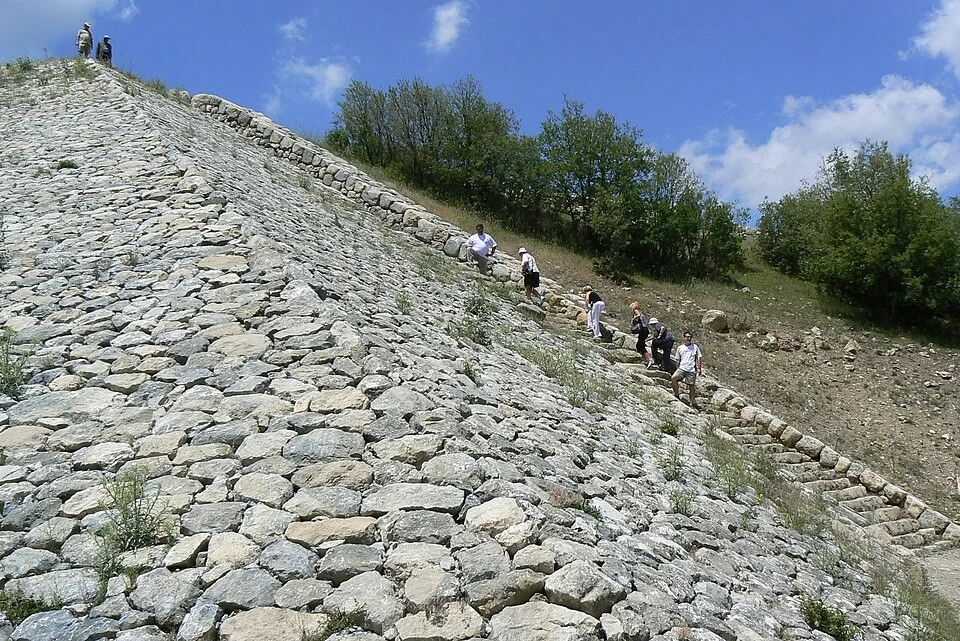
Fortress Wall
Hattusa was destroyed along with the Hittite Empire itself in the 12th century BC. Excavations show that the city was burned to the ground, but this destruction occurred after many residents had fled Hattusa, taking valuables and important official records with them. 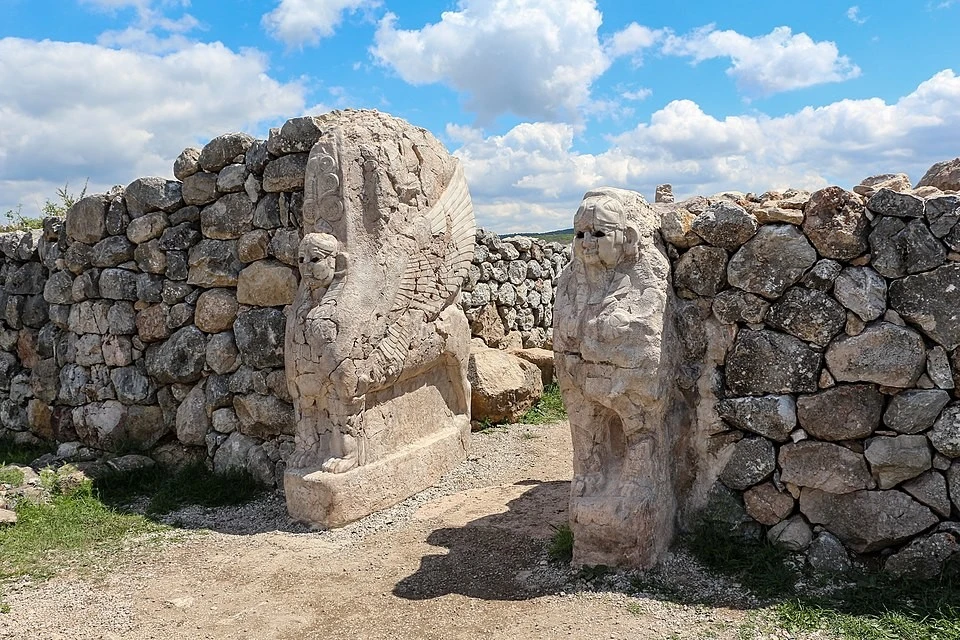
The Sphinx Gate – the entrance to the city
By the time archaeologists arrived, the city was nothing more than a ghost town in its final days. 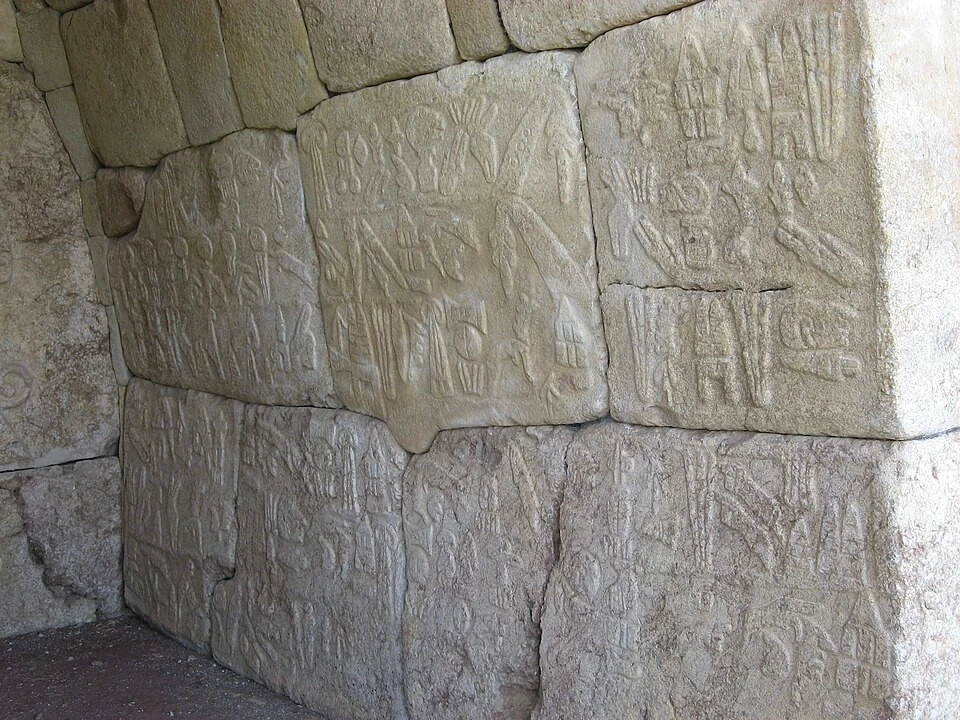
Reliefs and hieroglyphs in Hattusa, created by Suppiluliuma II, the last king of the Hittites
At the height of its glory, the city covered 1.8 square kilometers and consisted of an inner and outer part. Both were surrounded by massive, still clearly visible walls. 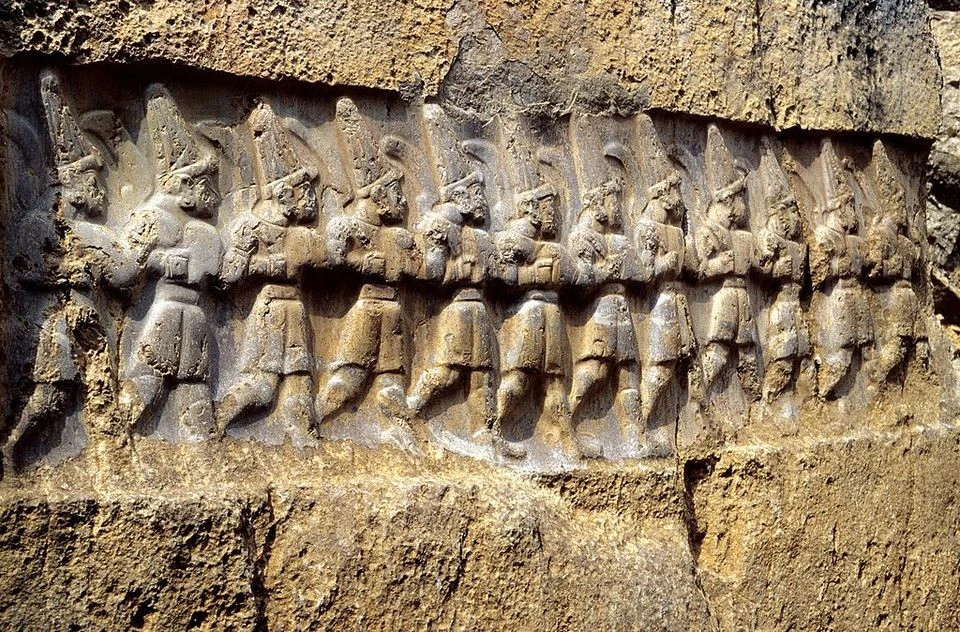
Twelve Hittite gods of the Underworld at the nearby Yazılıkaya sanctuary of Hattusa.
The outer wall stretched for 8 kilometers, enclosing the entire city. The inner city contained a citadel with large administrative buildings and temples. The royal residence, or acropolis, was built on a high mountain ridge. 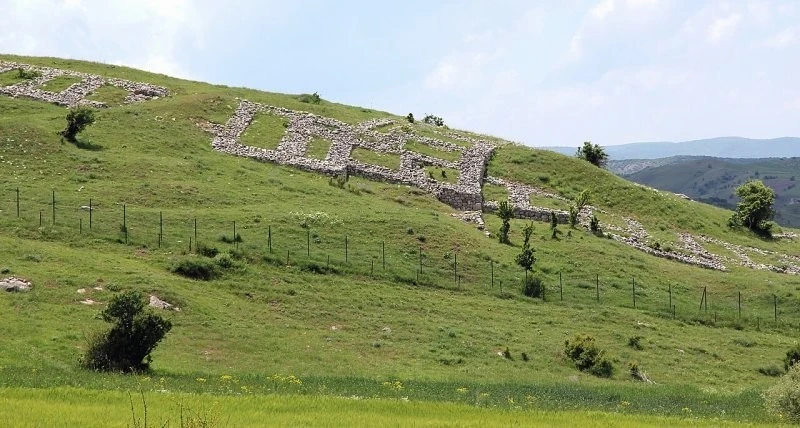
To the south was an outer city, approximately one square kilometer in area, with richly decorated gates carved with reliefs depicting warriors, lions, and sphinxes. 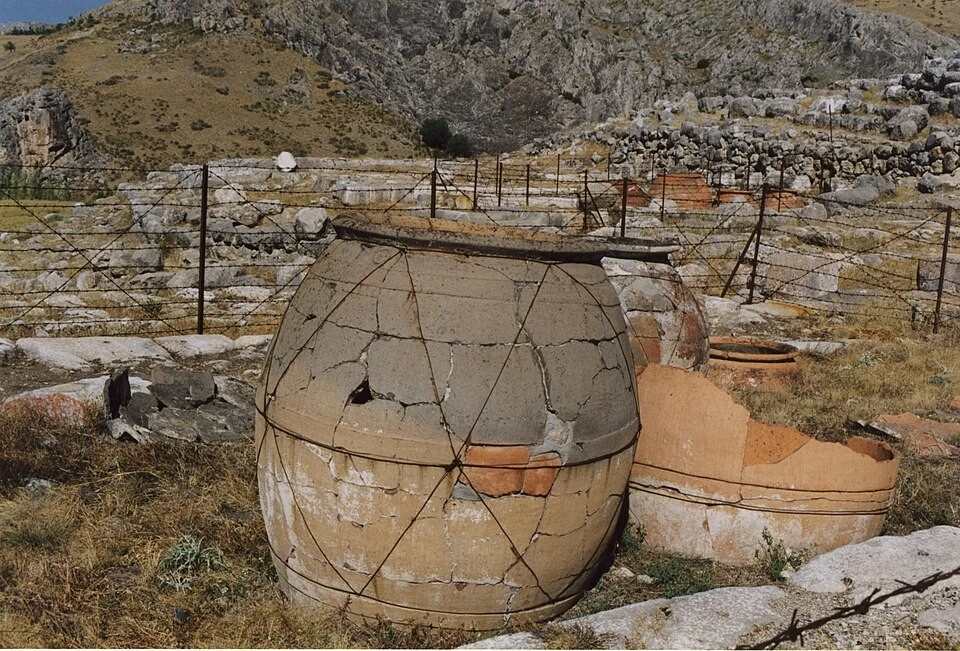
Large ceramic vessels at the excavation site
There were four temples here, each with a porticoed courtyard, as well as residential and civil buildings. Outside the city walls, archaeologists have discovered cemeteries, most of which contain cremated burials. It is believed that at its peak, Hattusa had a population of 40,000 to 50,000. 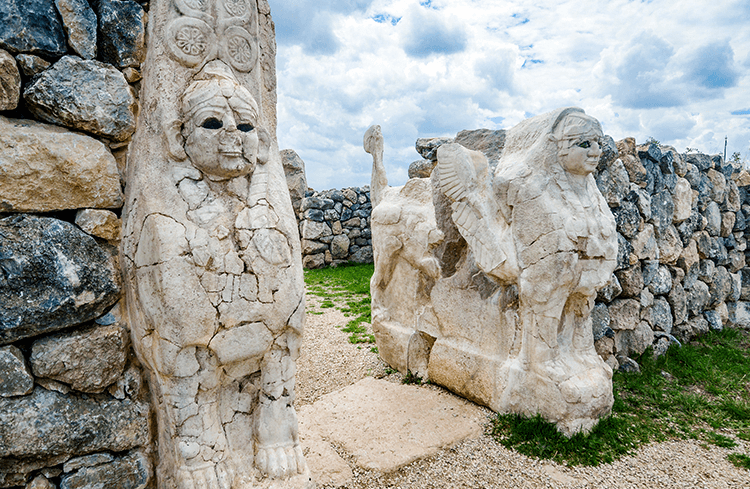
Yet the greatest injustice of this story is that Hattusa never achieved the worldwide fame it deserved. 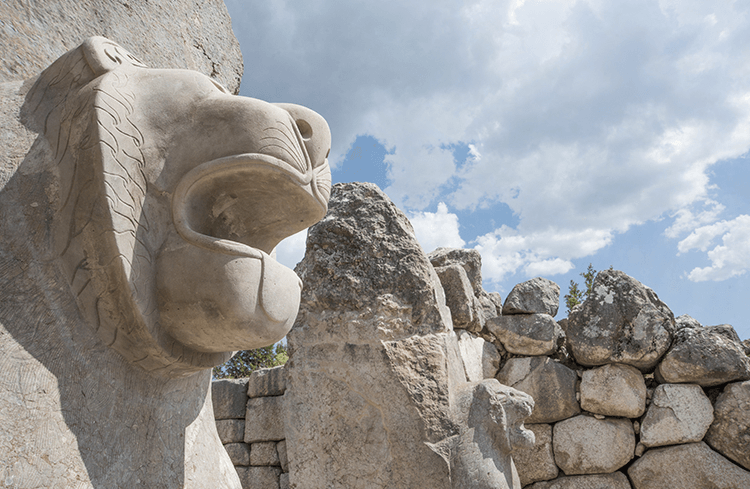
While every schoolchild knows about the Egyptian pyramids, the capital of the Hittites, rivals of Ramses the Great himself, remains in the shadows, forgotten by most travelers.