How Nobuhiko Sato breaks conventions and creates iconic brands (19 photos)
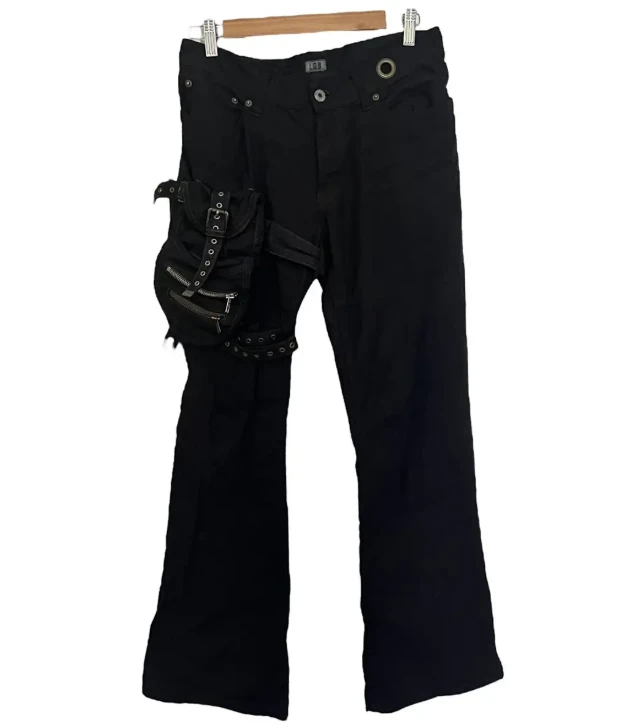
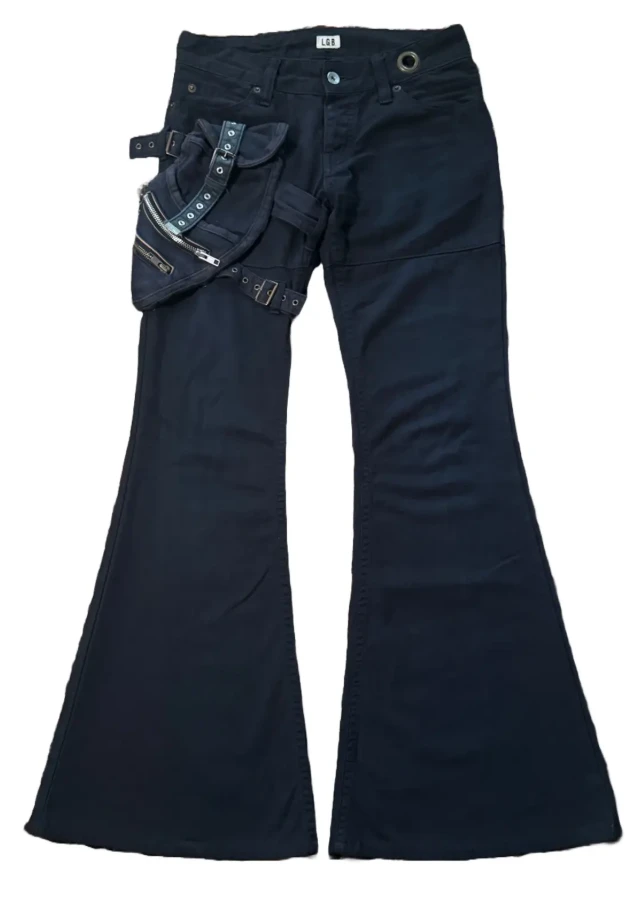
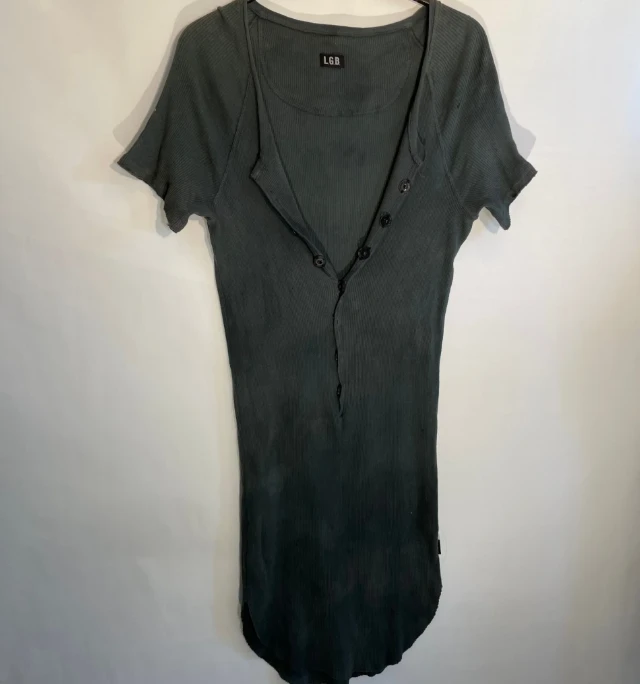
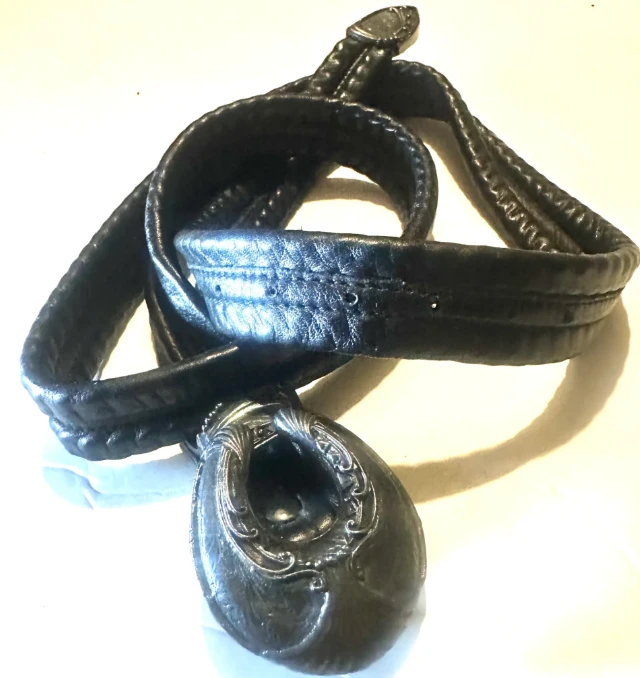
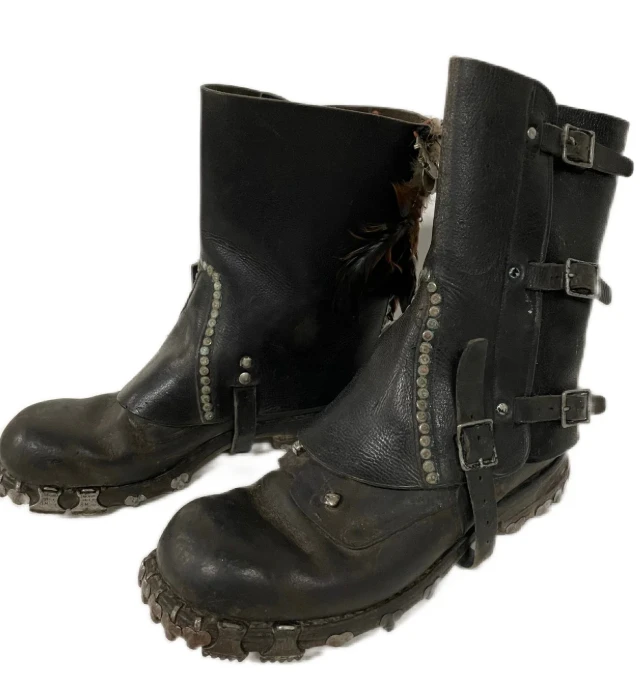
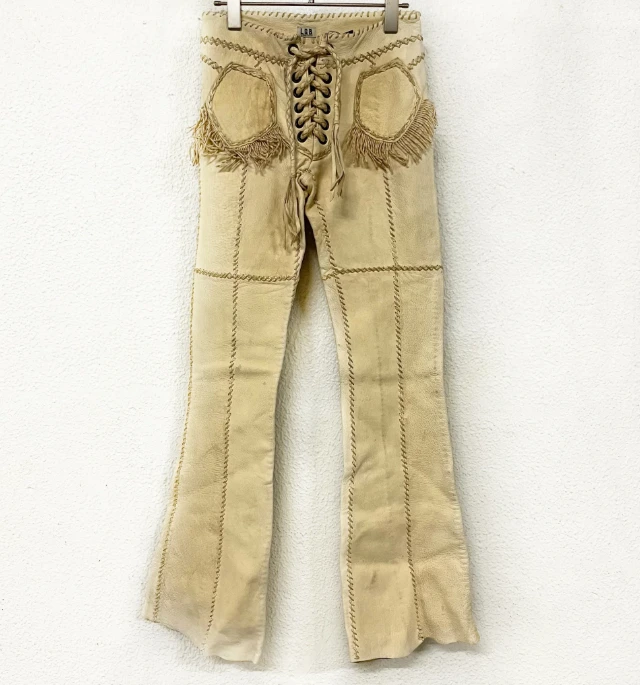
Japanese designer Nobuhiko Sato, born in Tokyo in 1965, rose to fame with the creation of two iconic brands: L.G.B. (Le Grand Bleu) and If Six Was Nine. Both labels developed as niche projects and, until recently, were sold only in select stores worldwide. Currently, they only operate an online store.
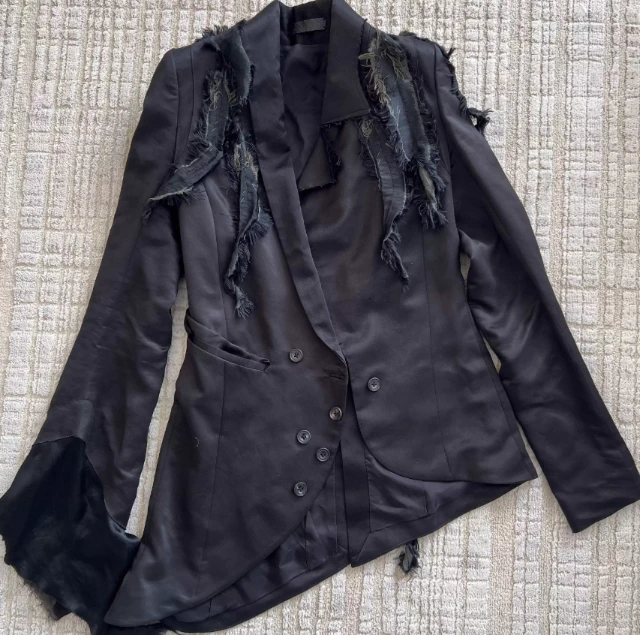
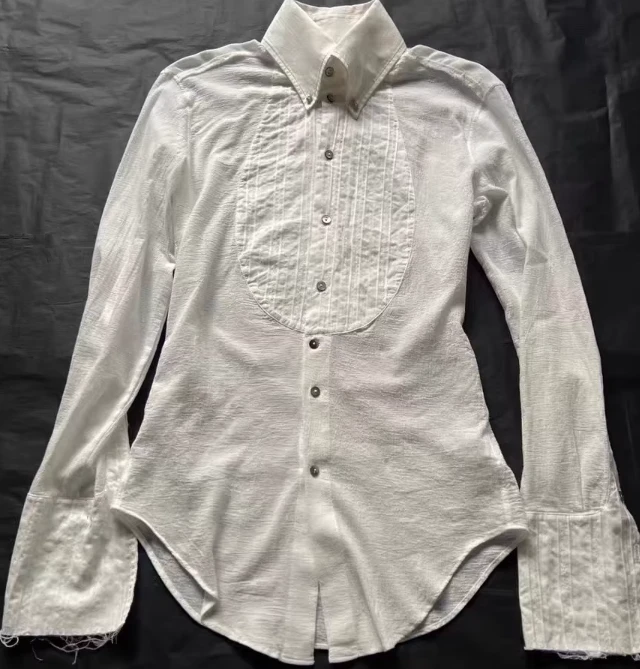
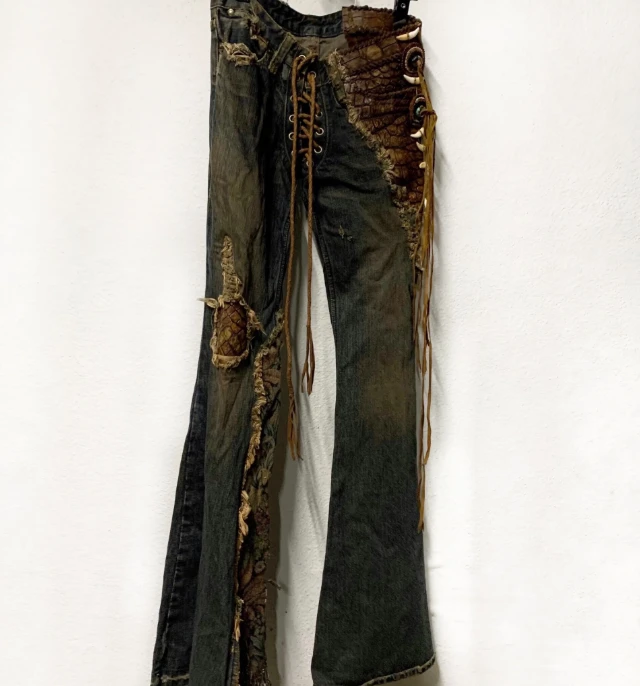
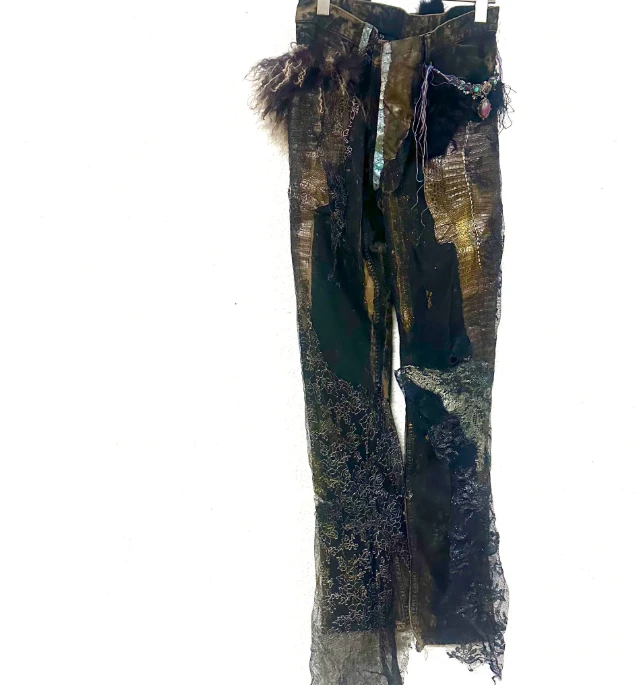
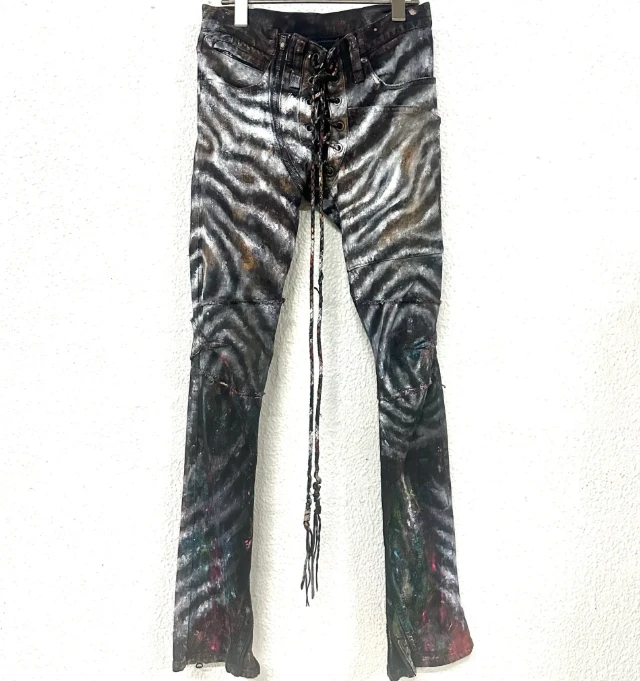
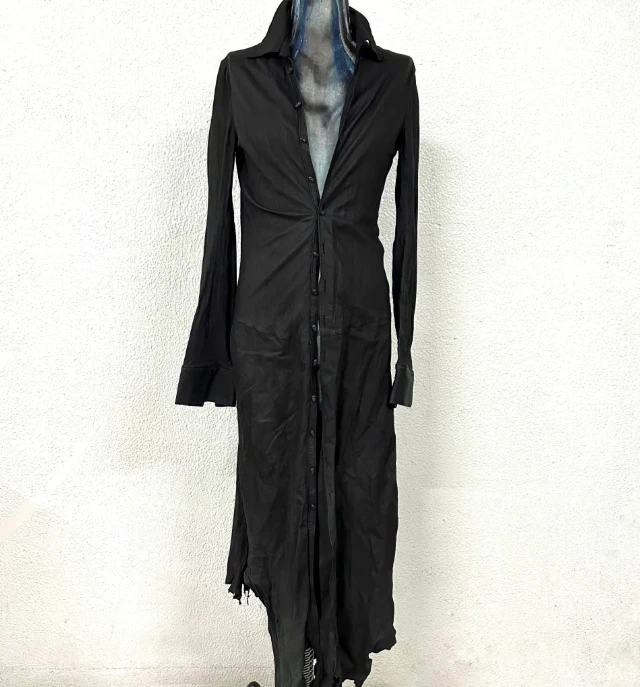
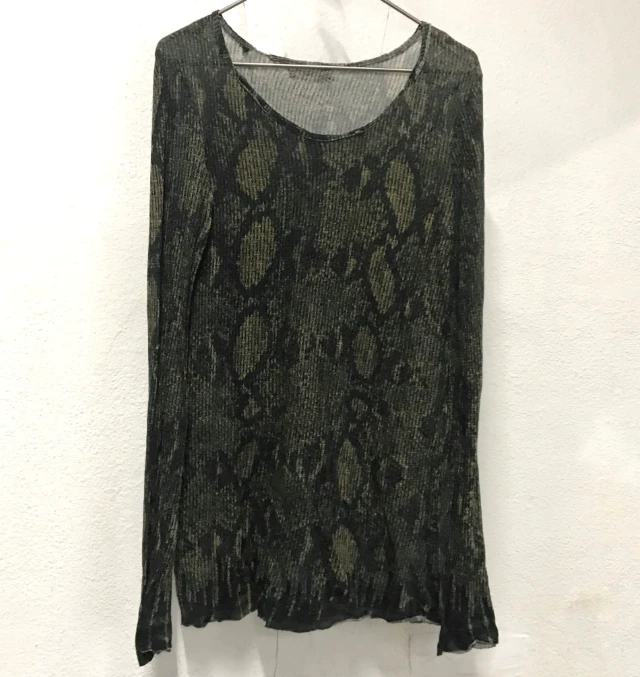
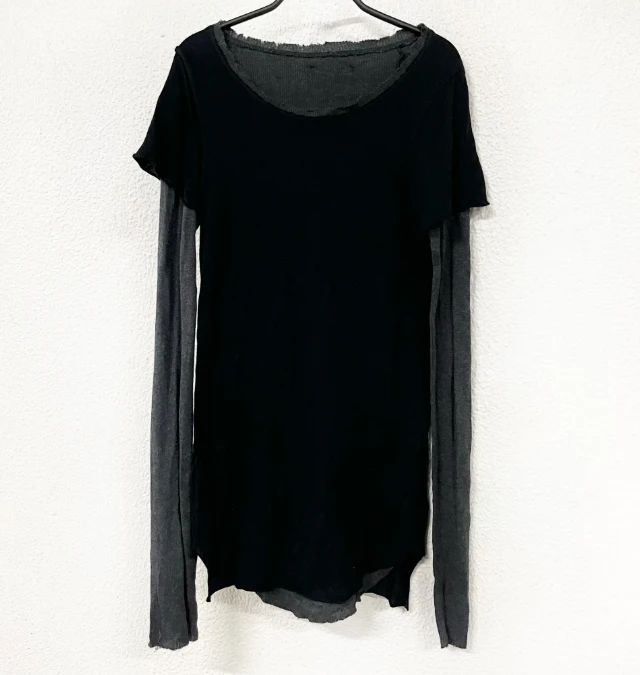
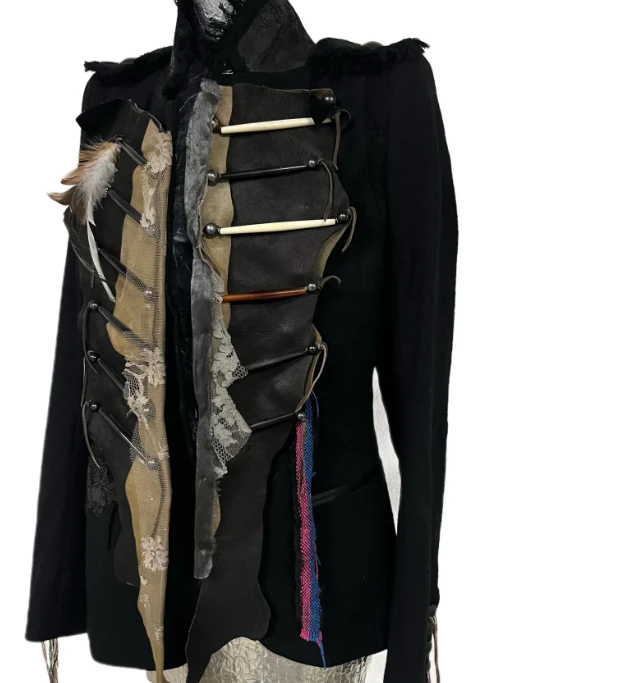
The key idea behind the If Six Was Nine brand is a rejection of restrictions and experimentation with form, combining street aesthetics with elements of ethnic couture. The collections feature bold silhouettes, complex cuts, and an emphasis on individuality, making them suitable for everyone.
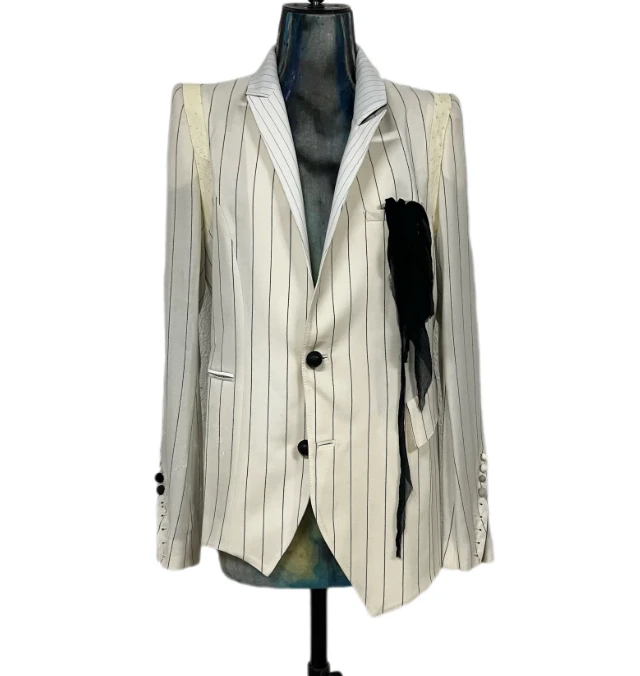
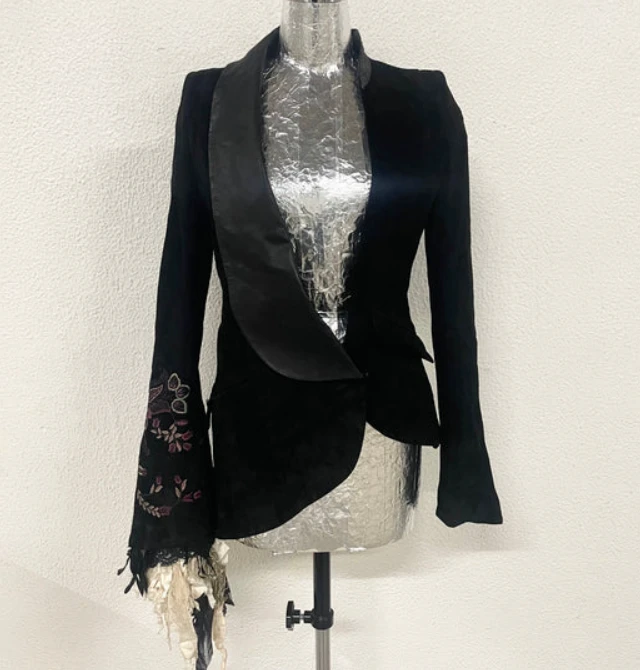
Sato's pattern-making technique plays a key role in his work: he first develops a strictly symmetrical base, then deliberately distorts and deforms the pattern, altering the proportions and lines of the cut. According to the designer himself, during the development stage, his team often says such solutions are "impossible to implement," but ultimately, all ideas are realized through experimentation and persistence. This approach results in asymmetrical shapes that hug the body in unconventional ways and create the brand's signature silhouette.
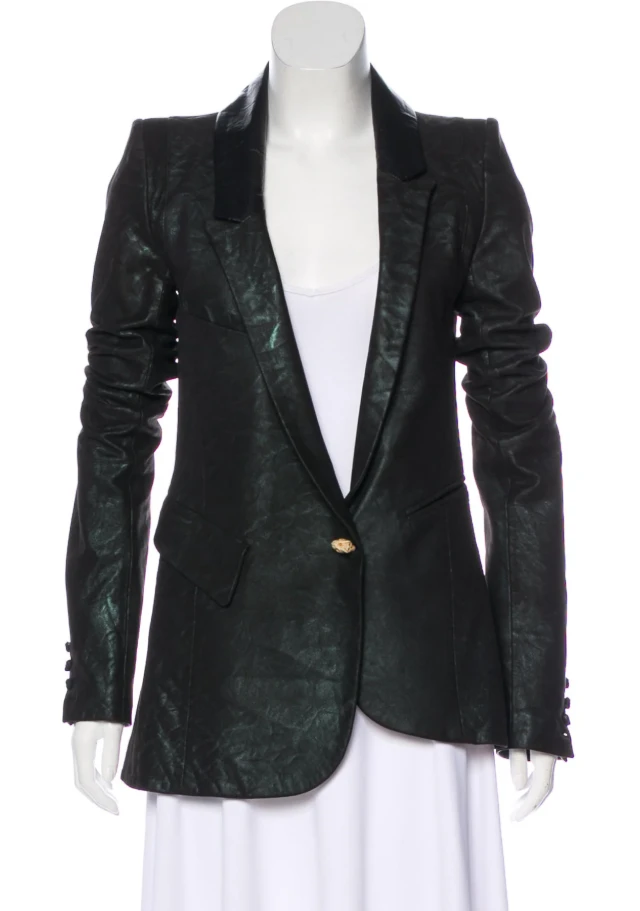
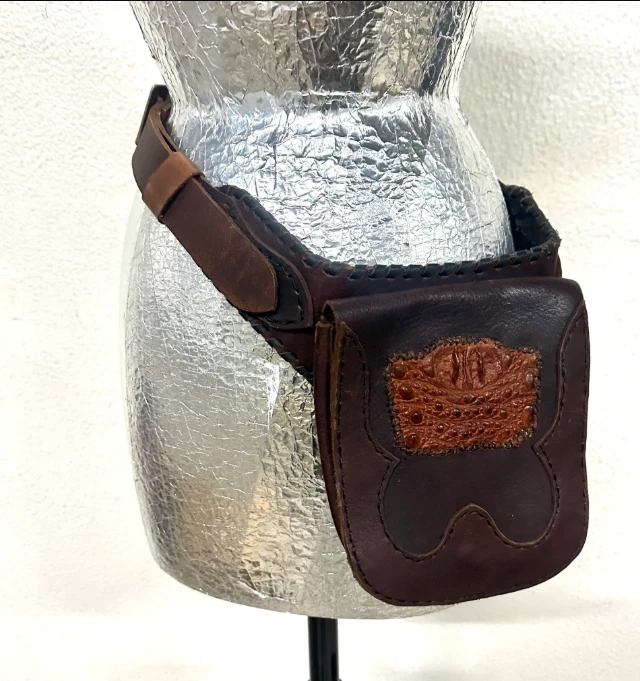
Unusual materials and handcrafted techniques are used in production: from treated cashmere and wool to silk and leather. Each piece evolves from a symmetrical basic cut to a complex asymmetrical shape through the deformation of the patterns.
Sato strives to create clothing that "wraps" the body, creating a unique sense of plasticity and femininity, and his approach has been compared to artistic experimentation.
Despite their apparent complexity, both brands have gained recognition among connoisseurs of avant-garde fashion and remain rare examples of Japanese minimalist design with an experimental spirit.