The emperor's octagonal secret: why Frederick II built a ghost castle (18 photos + 1 video)
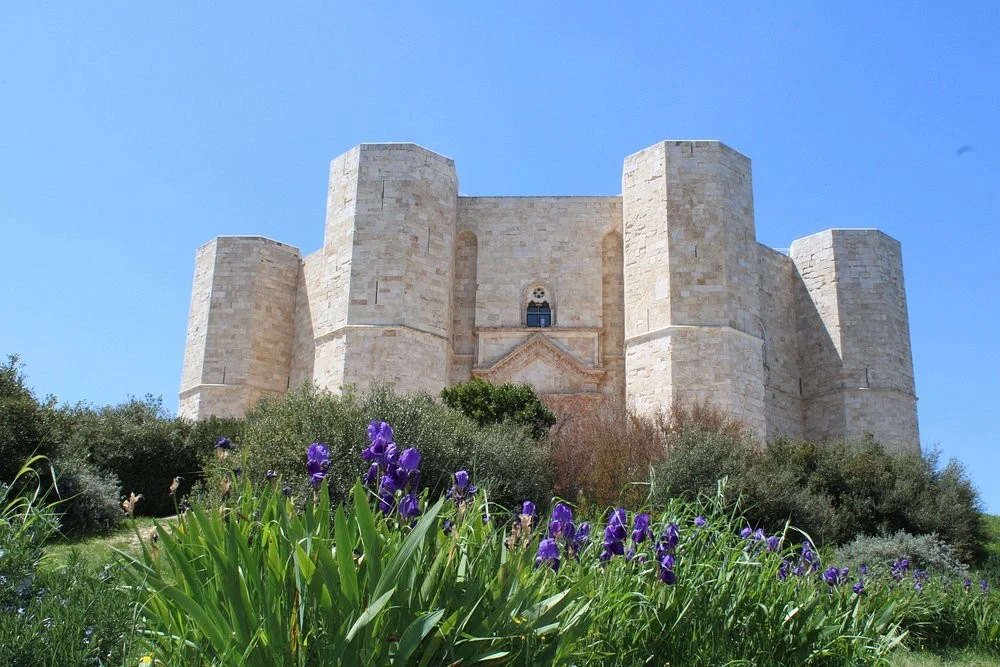
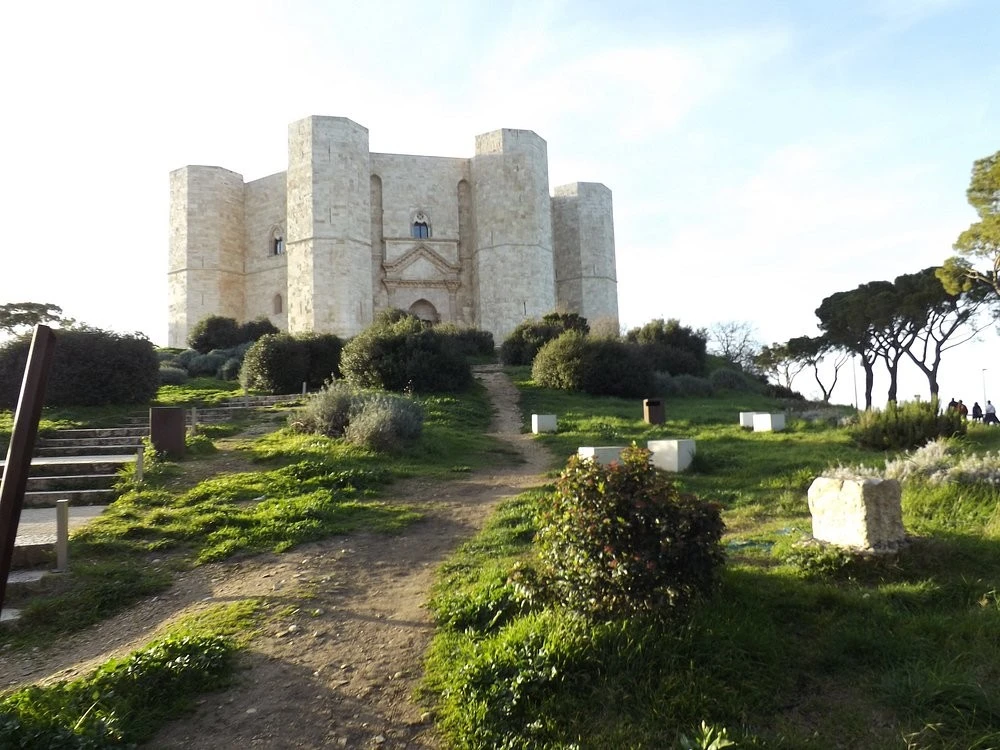
Perched on a low hill above the Italian town of Andria in the Apulia region stands one of the most unusual castles in the world. 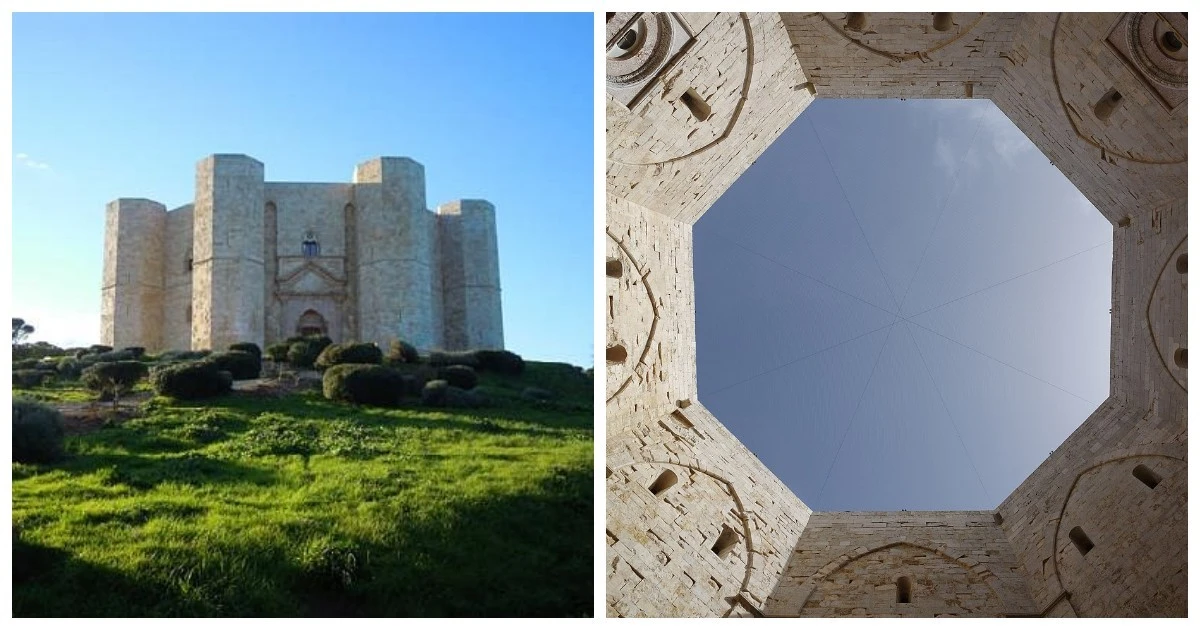
This 13th-century citadel is shaped like a regular octagon, with each of its eight corners crowned by its own tower, each with the same geometric perfection. This architectural design was unique for its time. 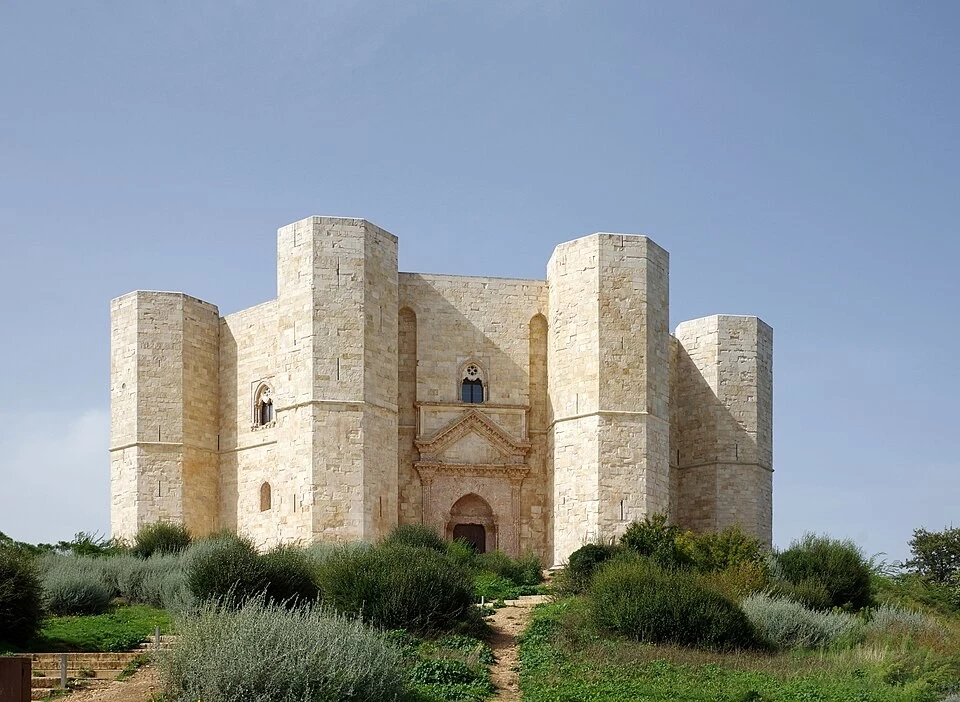
The castle was built in 1240 by Holy Roman Emperor Frederick II, but its true purpose remains a mystery. There is no moat or drawbridge, although archaeological finds suggest that there was originally an outer fortification wall. 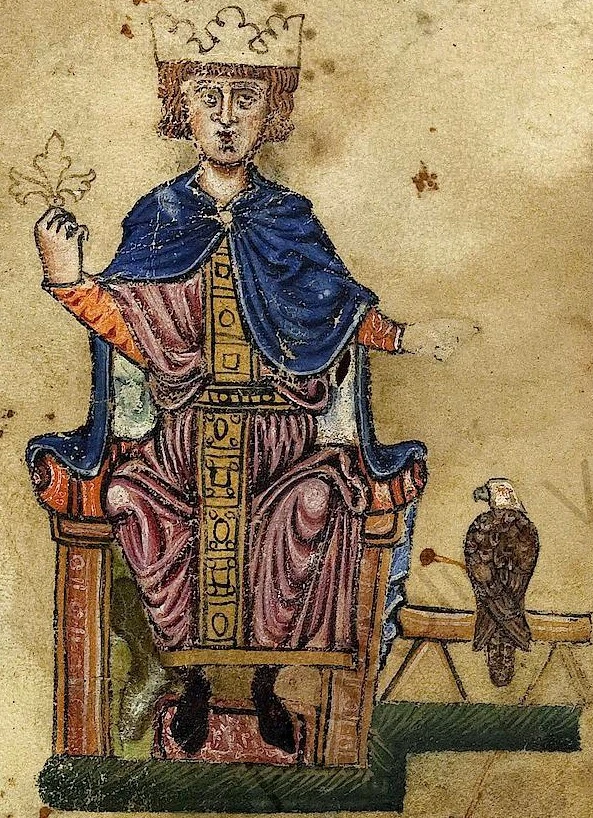
Frederick II
There was simply no defense for this structure, and many researchers are inclined to believe that Castel del Monte served merely as an imperial hunting lodge. 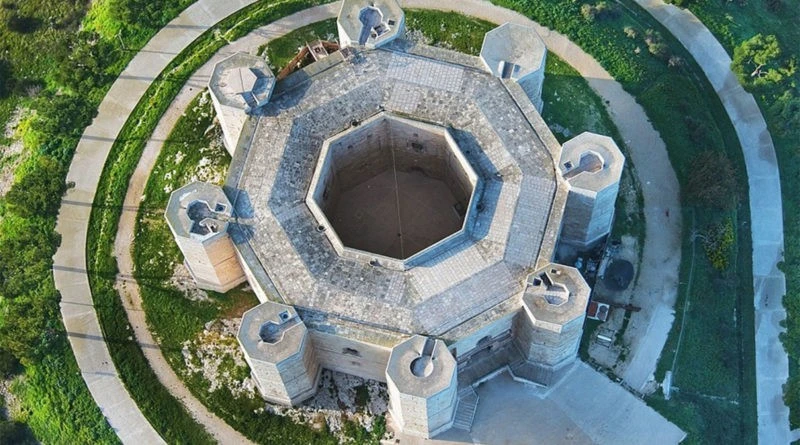
At the time of its construction, the castle was not as isolated as it is today. This region was renowned for its exceptional fertility, abundant water, and lush vegetation. Nearby stood the monastery of Santa Maria del Monte, which is believed to have given its name to the fortress itself. 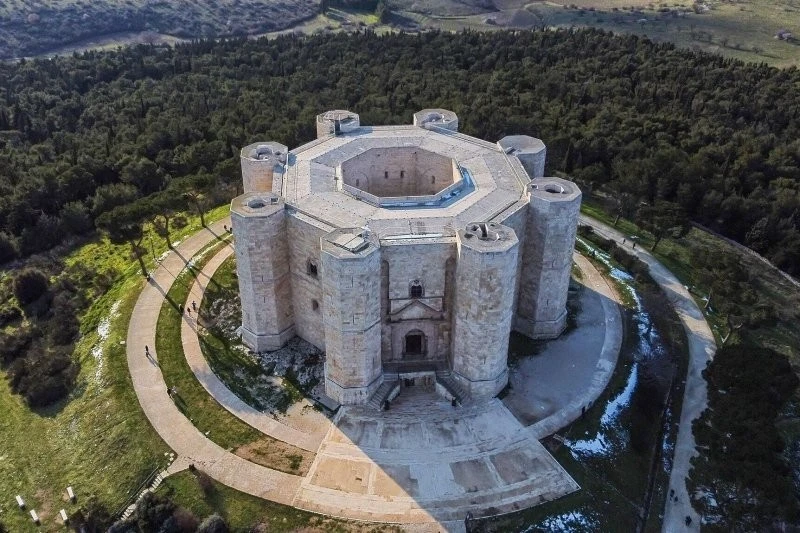
From the reign of Frederick II, only one document remains that sheds light on the construction. In a charter from 1240, the emperor orders the governor of the Capitanata to complete certain works on the castle. What exactly remains unknown. 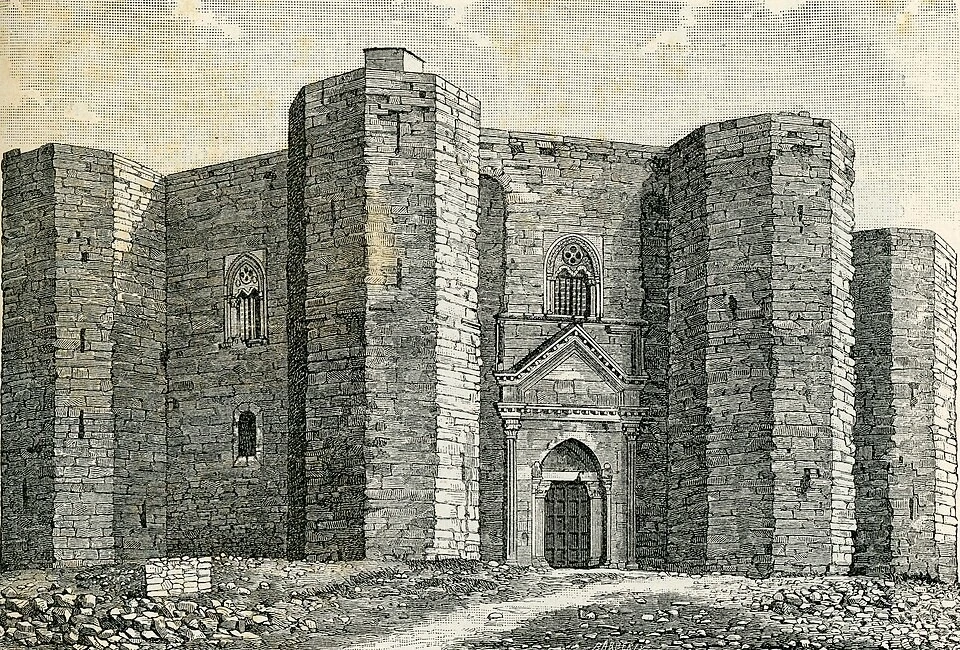
The castle in 1898
Furthermore, there is no evidence that Frederick himself ever used the castle. However, there is evidence that as early as 1246 it was used as a prison. Later, during times of epidemics, it was converted into a refuge. 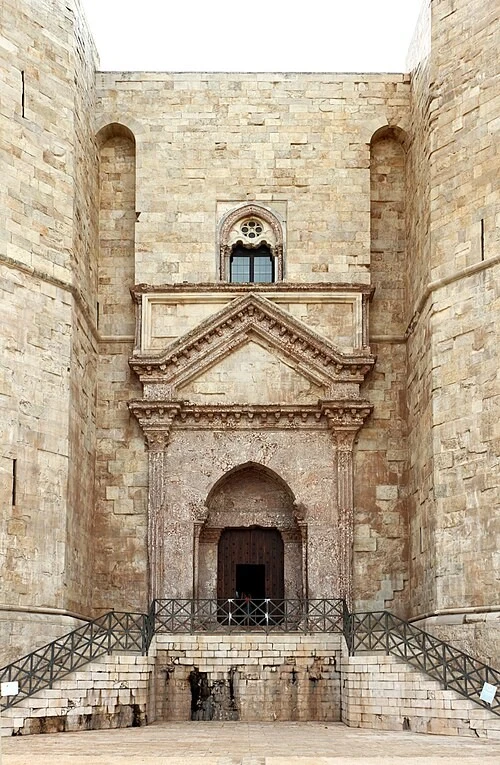
External staircase and portal
The unique octagonal shape of Castel del Monte still generates debate among scholars. Frederick II built many castles in Apulia, but none other than this one has an octagonal plan. 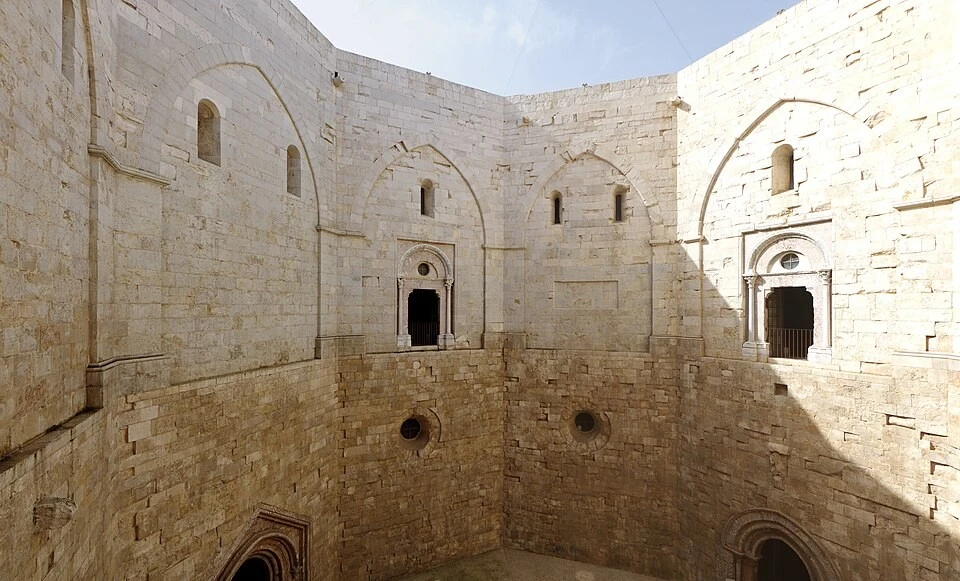
View of the courtyard
Some historians see the octagon as a symbolic bridge between the square (representing the earth) and the circle (representing heaven). Perhaps the emperor was inspired by either the Dome of the Rock in Jerusalem, which he saw during the Sixth Crusade, or the palace chapel of Aachen Cathedral. 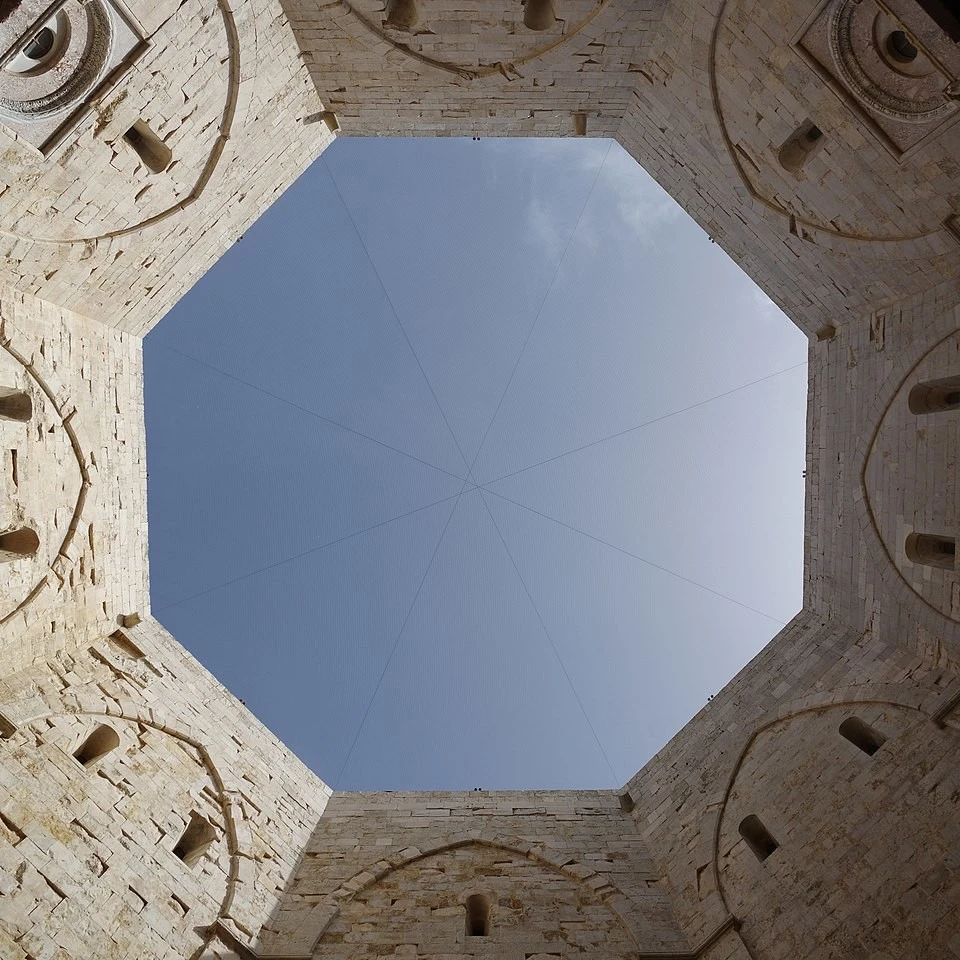
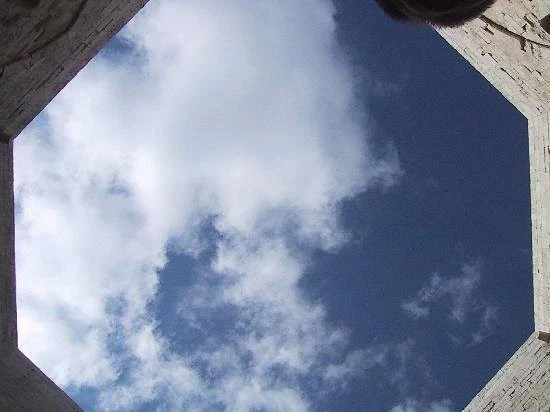
View of the sky from the castle
The castle's interior was once stunningly luxurious: marble floors, columns, mosaics, frescoes, and tapestries. But in the 18th century, all of this was ruthlessly removed or destroyed by vandals. 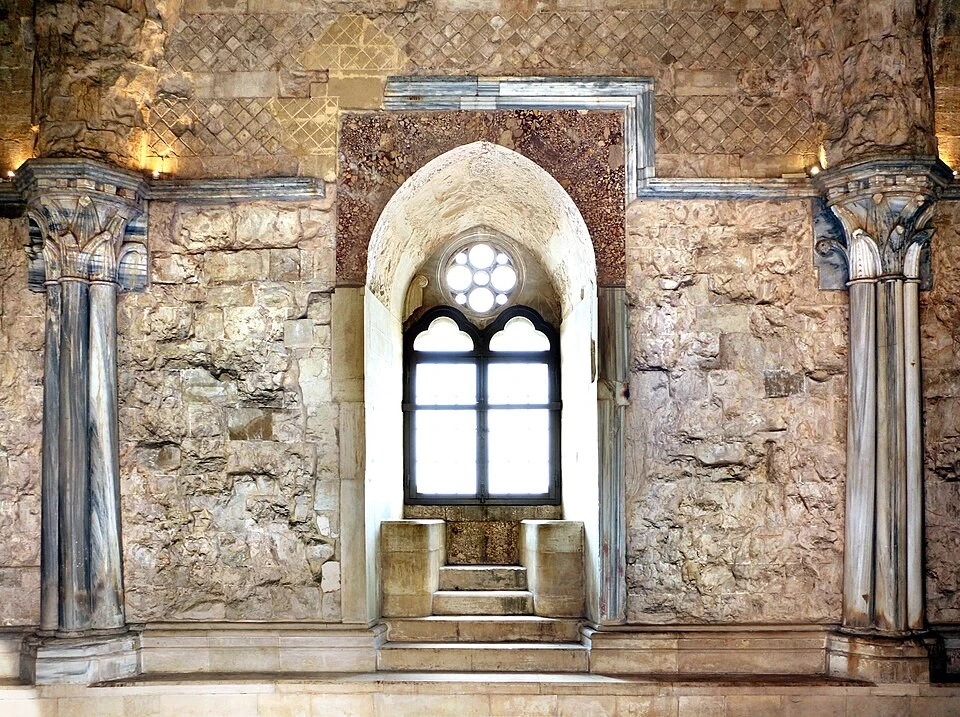
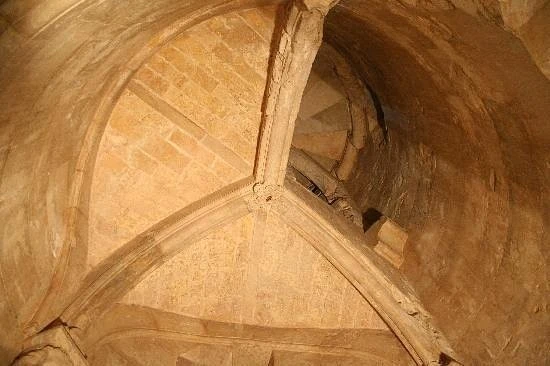
Throne Room
In the 1990s, the castle was added to the UNESCO World Heritage List as a "unique masterpiece of medieval architecture." 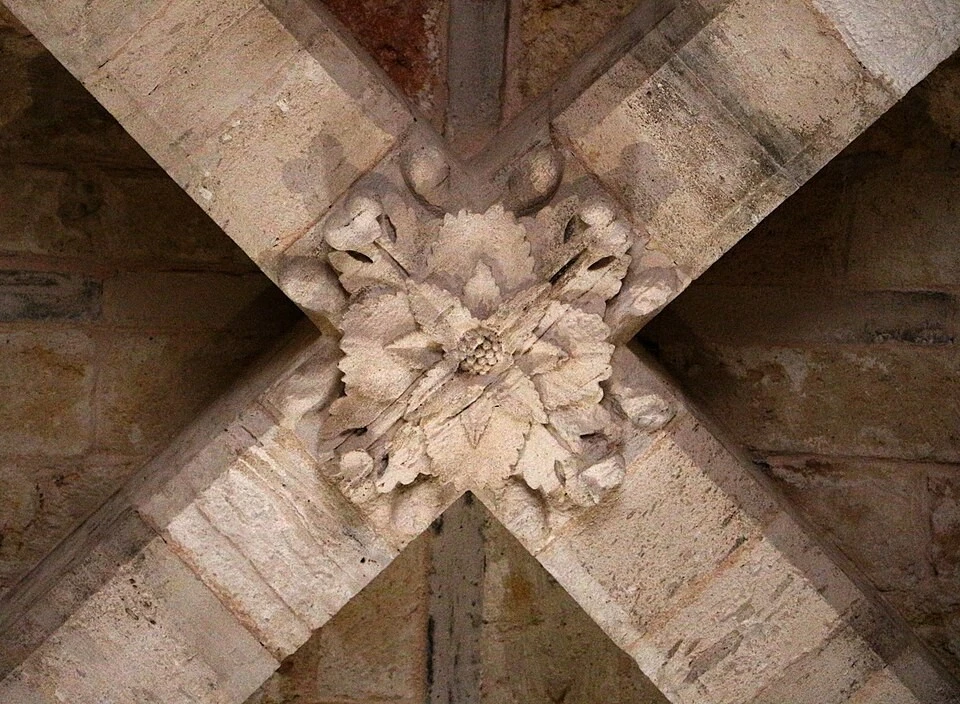
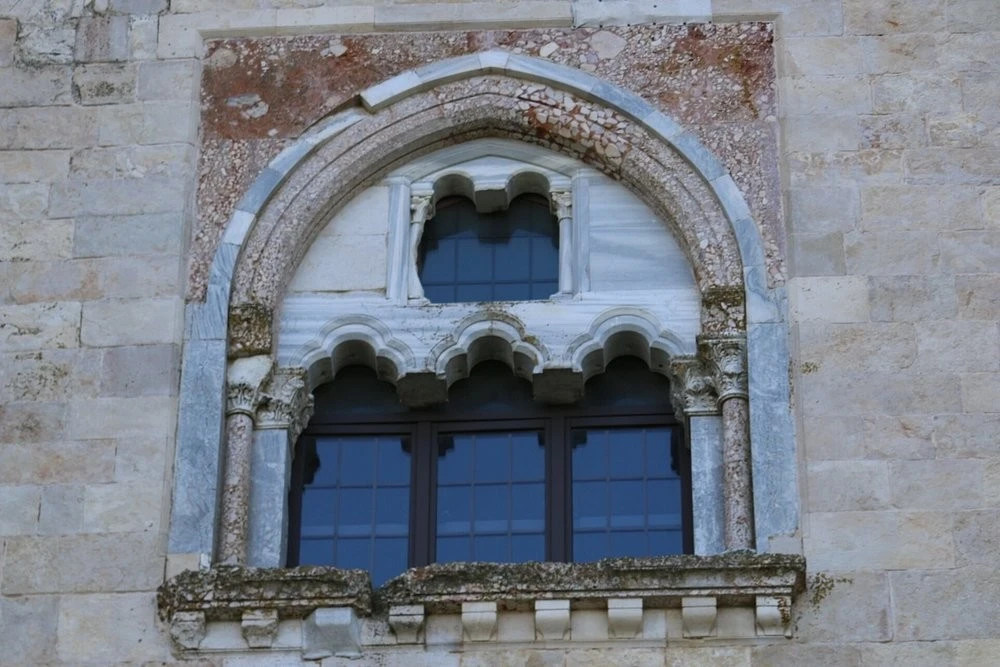
Element decorations 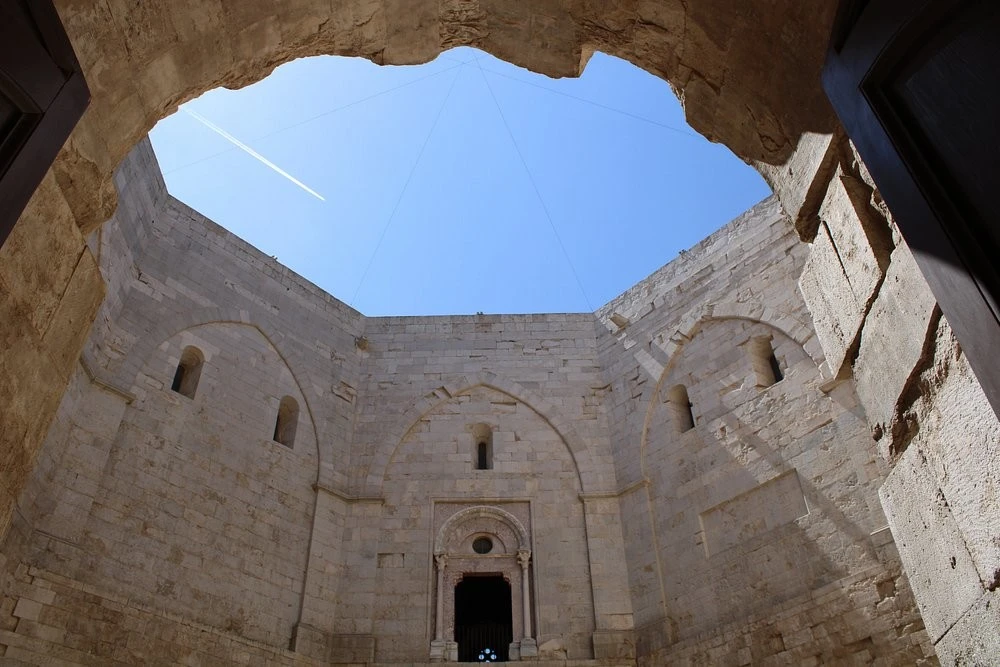
[thumb]https://cn22.nevsedoma.com.ua/p/29/2938/144_files/438c61be0afc65f1eec23bf4b5f66a9a.we bp[/thumb]