The Appian Way, which united an empire and became a legend (19 photos + 1 video)
The Romans were famous for a variety of things, but roads hold a special place on this list. 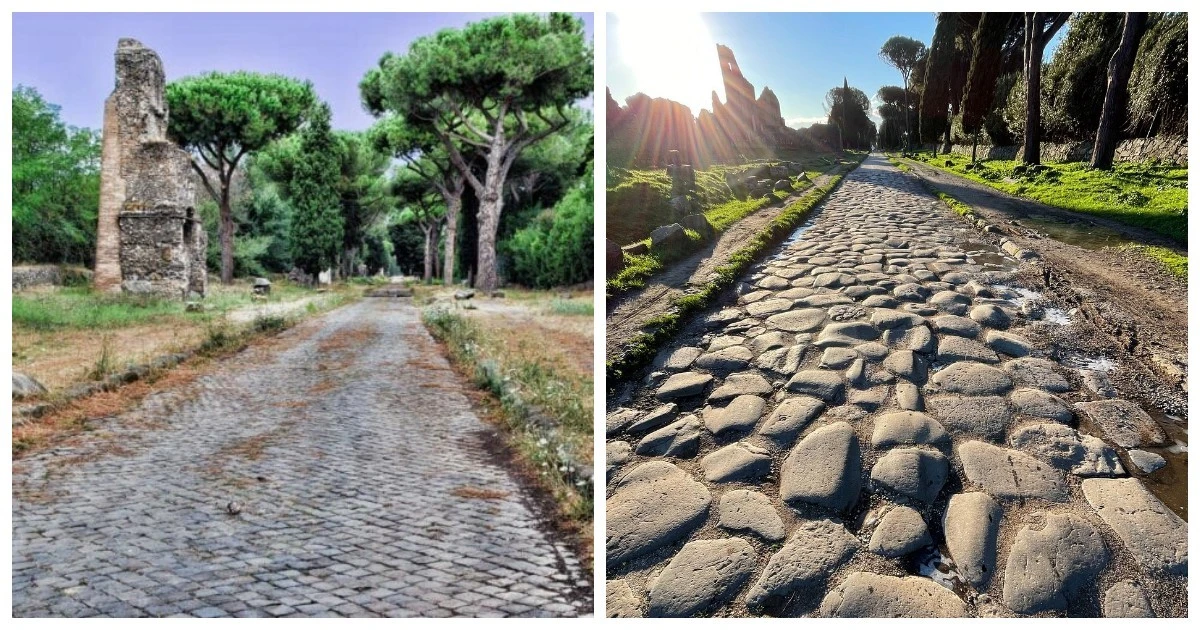
Along with bridges, aqueducts, and canals, they created an ingenious transportation network that allowed Rome to firmly grip the entire Mediterranean. The empire was held together not so much by the might of its legions as by the stone beneath their feet. 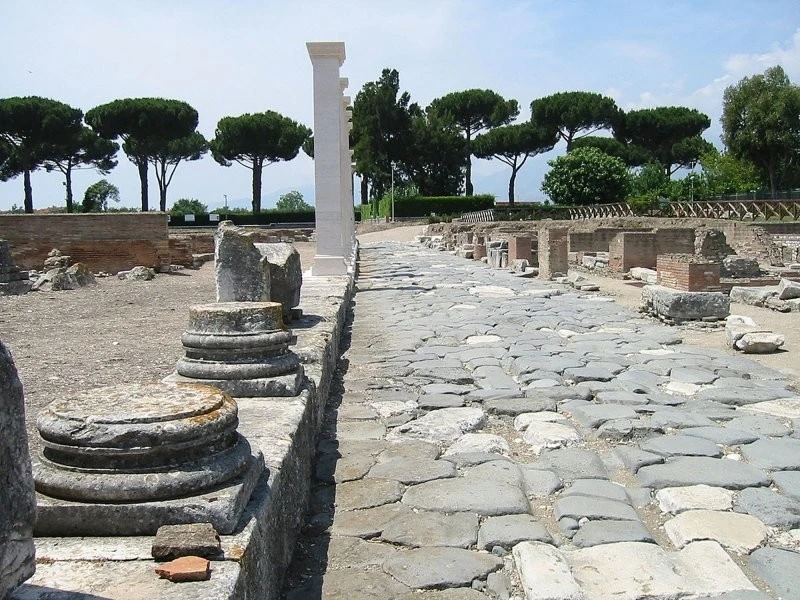
Appian Way
The Appian Way was one of the first and most significant of these arteries. Its construction was begun in 312 BC by the censor Appius Claudius the Blind. Initially, the approximately 212-kilometer route connected Rome with ancient Capua, but by 244 BC, the road had been extended another 370 kilometers to the port of Brundisium on the Adriatic coast. This was a military route, built to transport troops to the far reaches of the nascent empire. 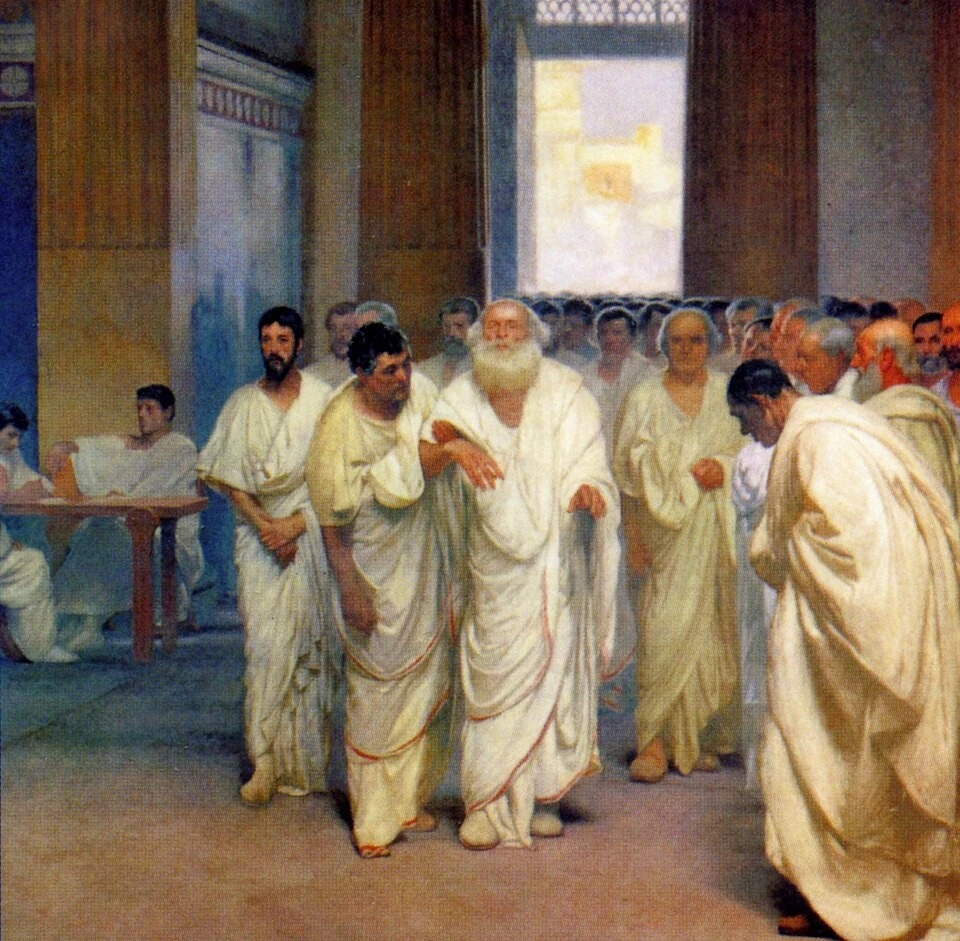
Appius Claudius Caecus (Appius Claudius the Blind) — ancient Roman statesman
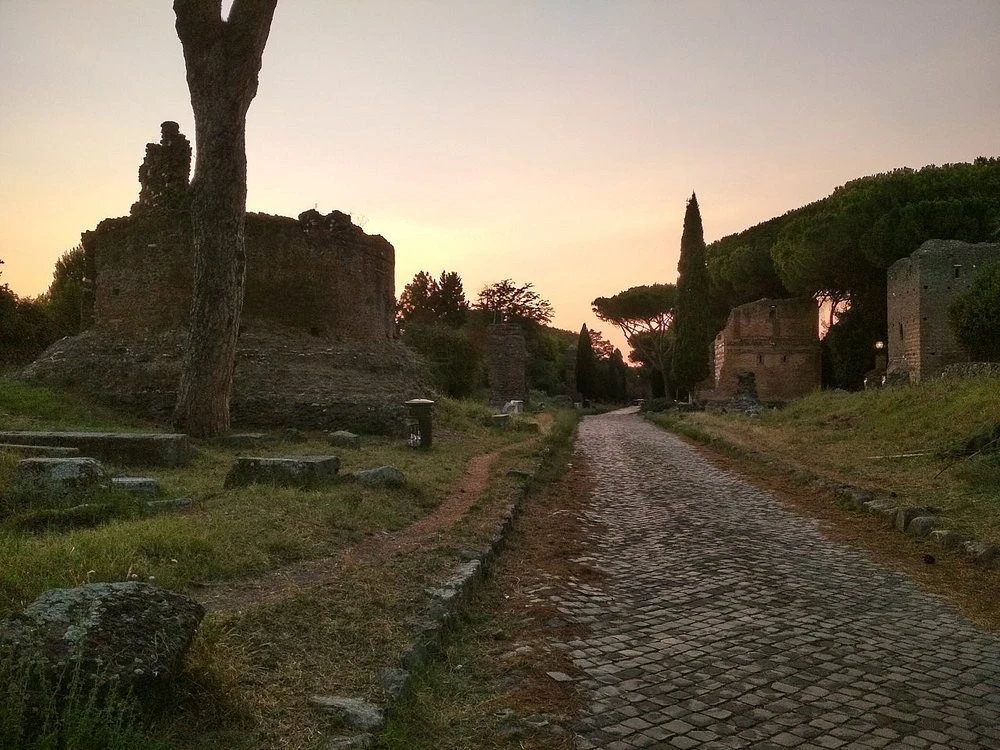
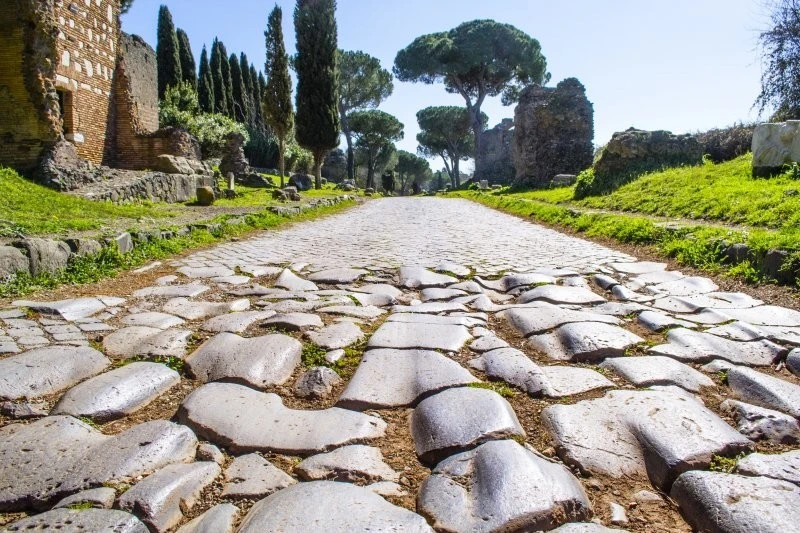
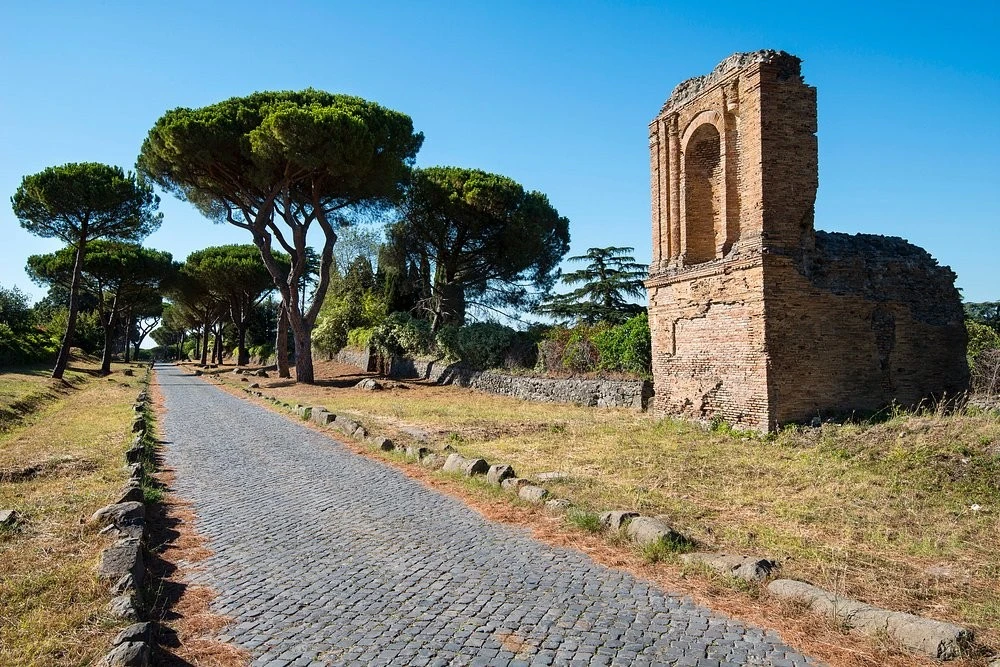
The Appian Way was up to 6 meters wide. Its roadbed was slightly convex in the center to allow water to drain into ditches dug along the sides. The foundation consisted of massive stone blocks bonded with lime mortar. Tightly fitted slabs were laid on top of these, creating a perfectly flat surface. The joints were so perfect that the historian Procopius of Caesarea wrote that the stones seemed not to have been fitted together, but rather fused. 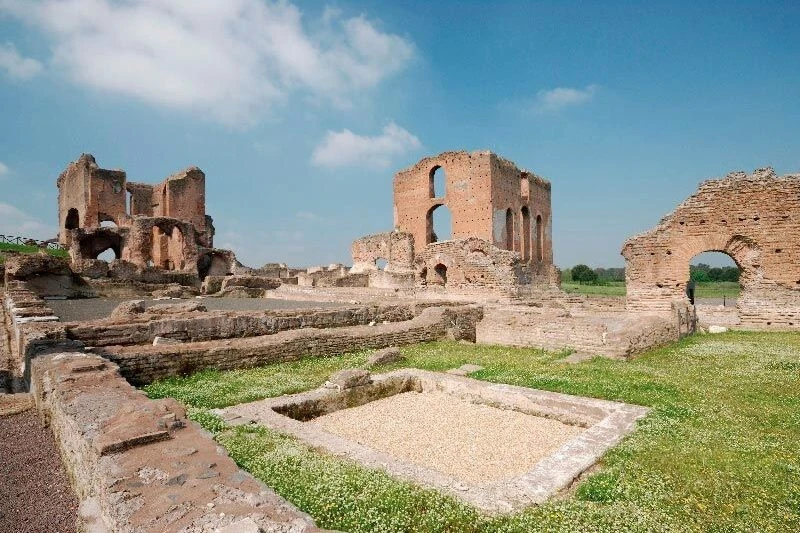
Villa of the Quintilians
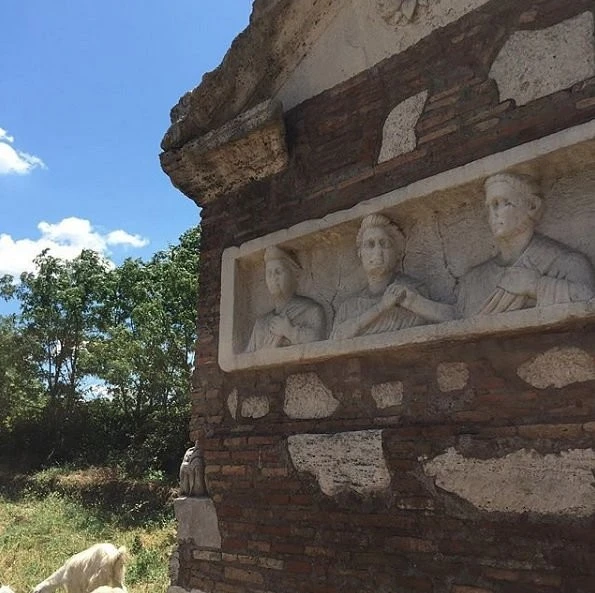
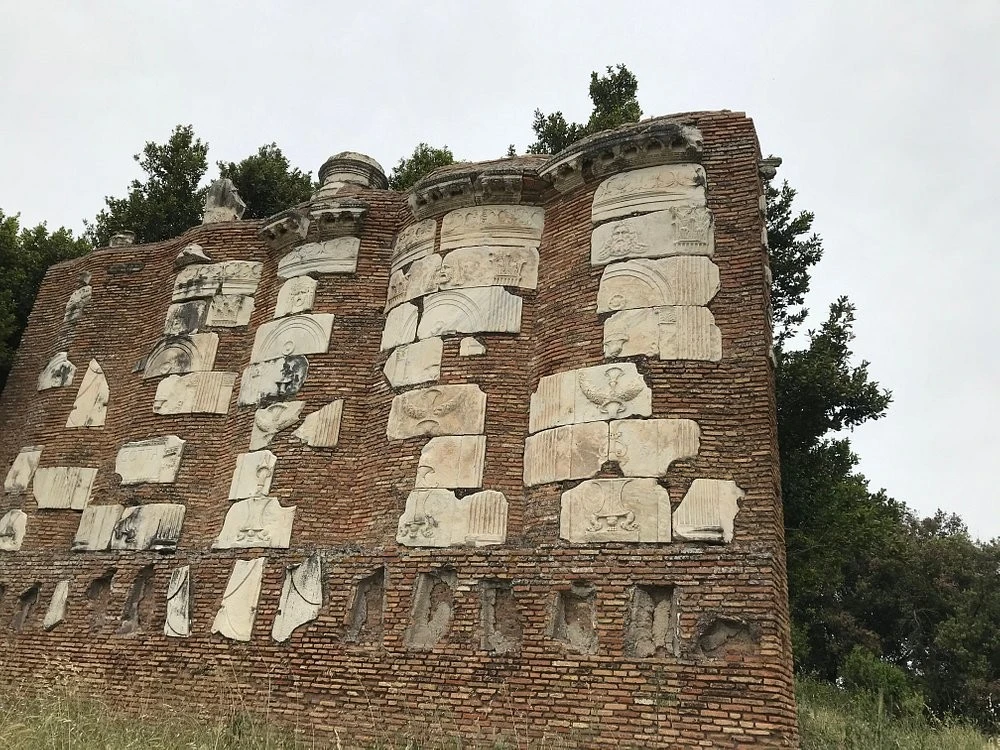
Along this stone ribbon of time, magnificent tombs, monuments, and milestones stand frozen. The best-preserved is the tomb of Caecilia Metella, the wife of one of Julius Caesar's generals. Nearby, you can find the tombs of Marcus Servilius and the Emperor Gallienus. Also located here are the Temple of Hercules, the luxurious Villa of the Quintilians with its ancient baths, and the Circus of Maxentius. 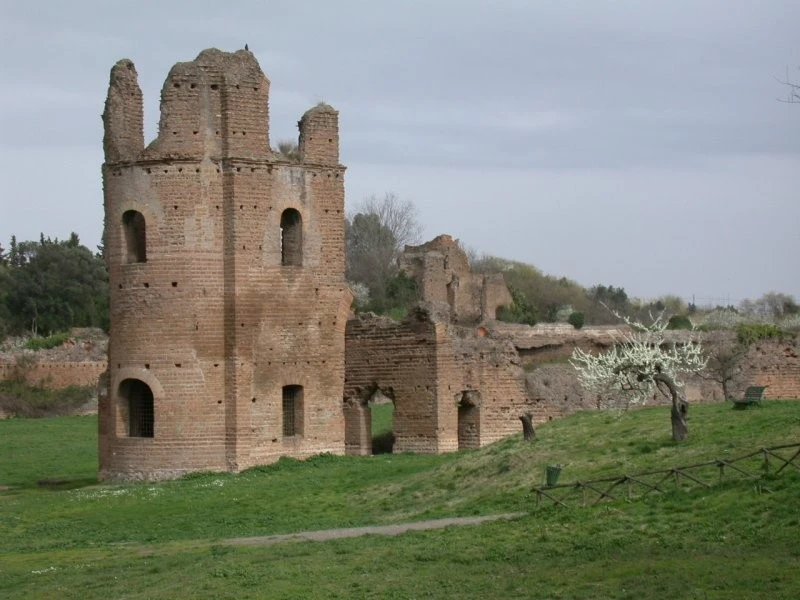
Circus of Maxentius
The Appian Way is not without its bloodshed. When the general Marcus Licinius Crassus suppressed the Spartacus rebellion in 71 BC, more than 6,000 captive slaves were crucified along the 200-kilometer route from Rome to Capua. 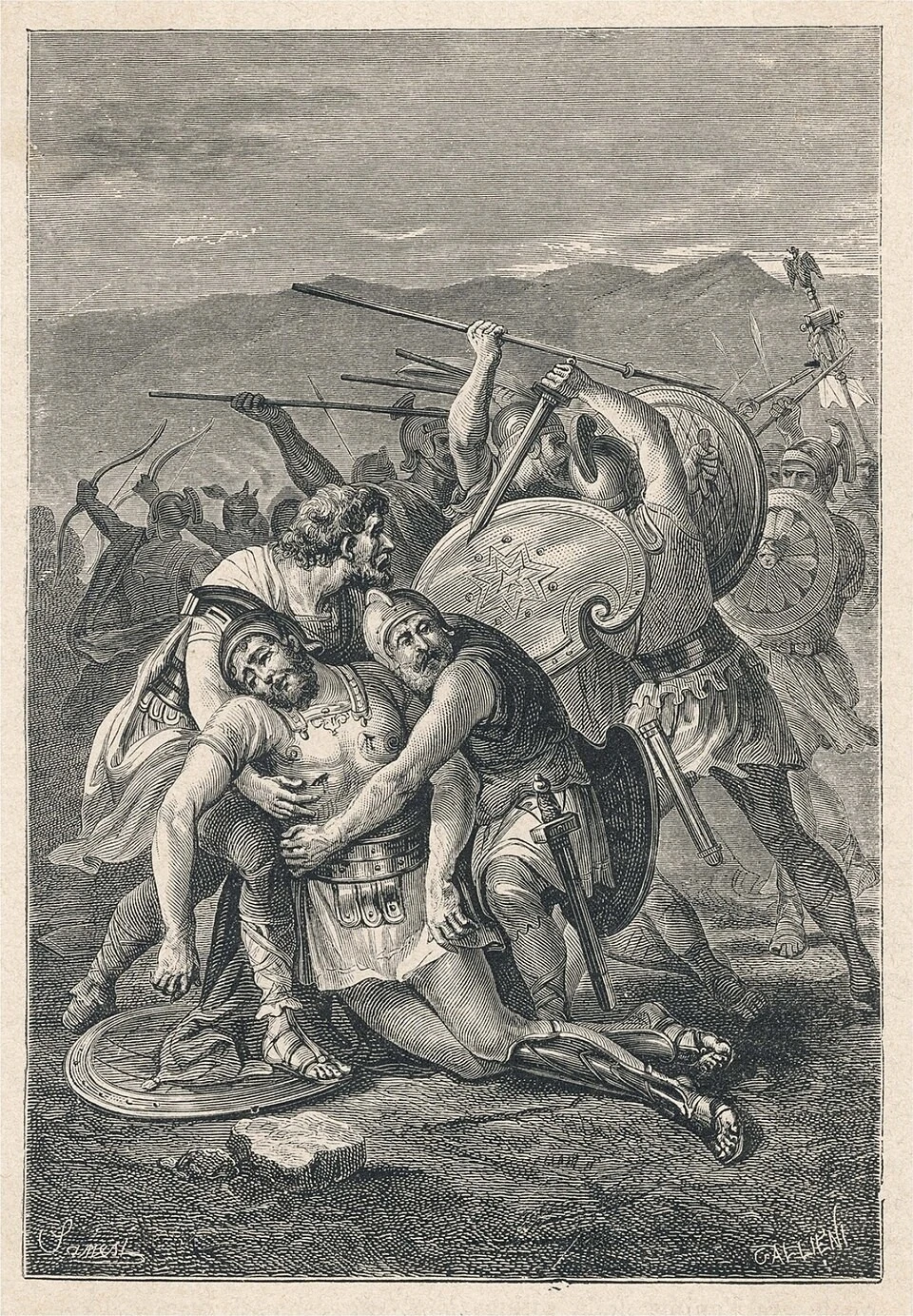
"The Death of Spartacus" by the Italian artist and illustrator Nicolo Sanesi
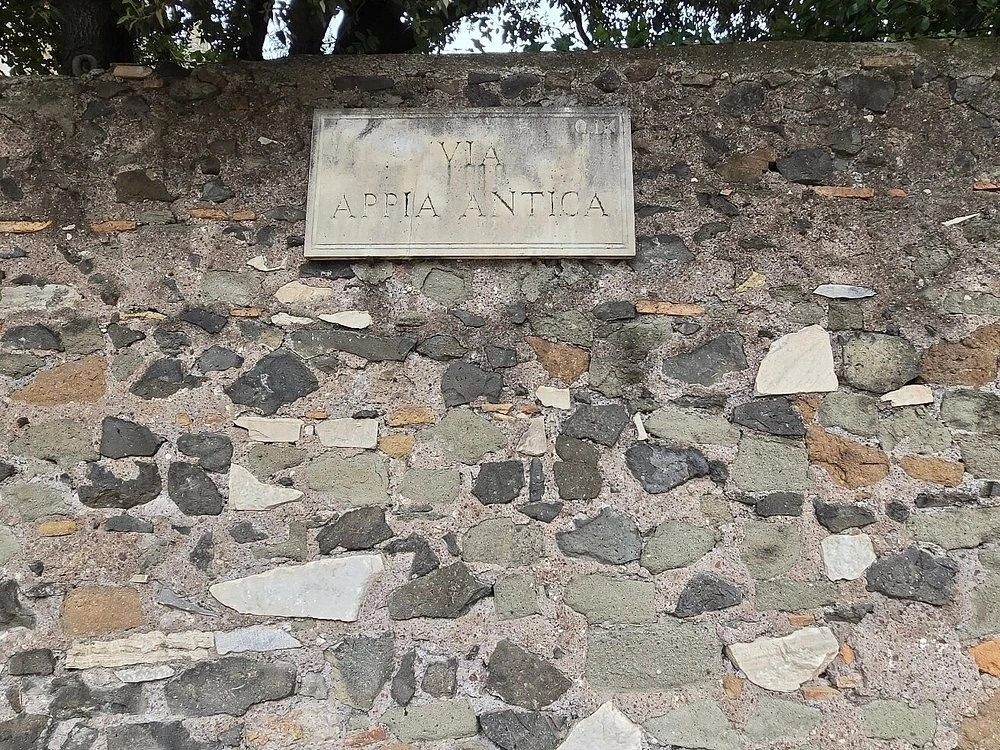
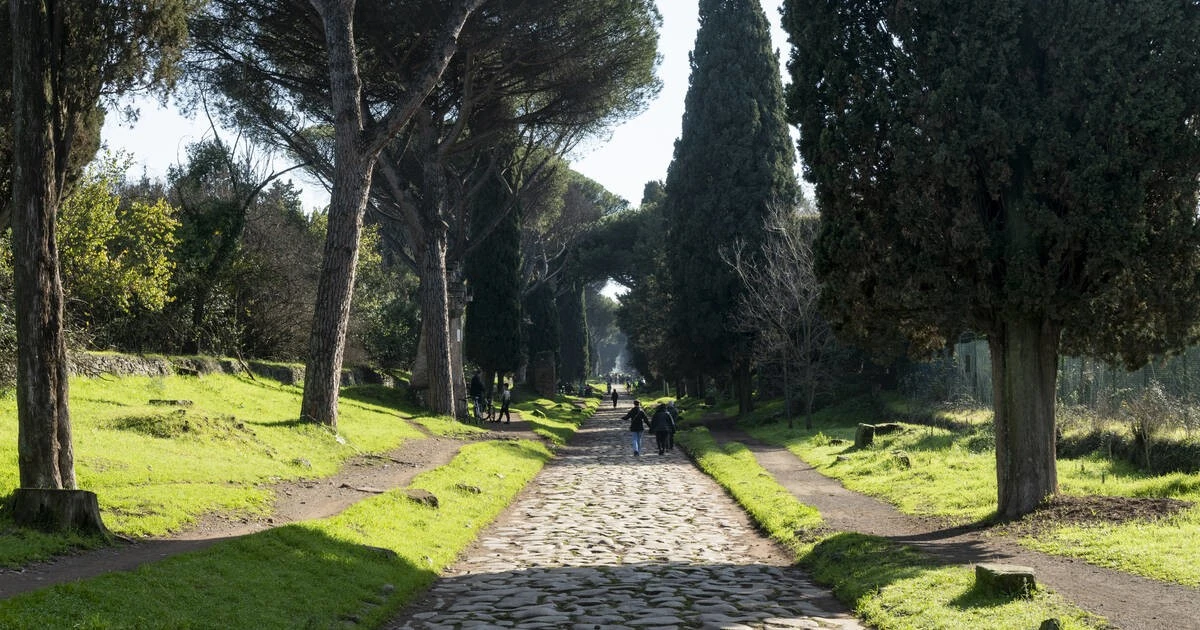
With the fall of the empire, the road emptied. Only 13 centuries later, in the late 1700s, was a new highway built parallel to the old route to the Alban Hills. Today, the ancient road is called the Old Appian Way, as opposed to the New Appian Way. It is now an open-air museum. For the first 5 kilometers, the wheels of cars and buses still roar, but further on, the crowds thin out, and you can wander among the ruins on foot, enjoying the silence and grandeur of eternity. 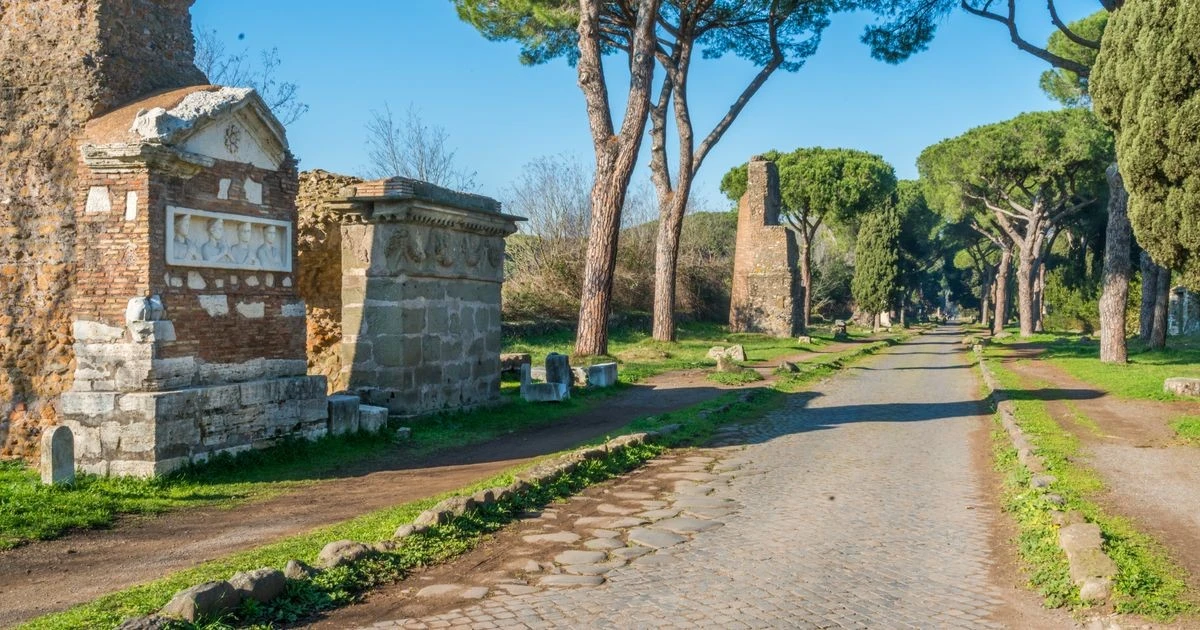
[thumb]https://cn22.nevsedoma.com.ua/p/29/2936/1 36_files/82b832dde329f7091faafd7948212f6b.webp[/thumb] 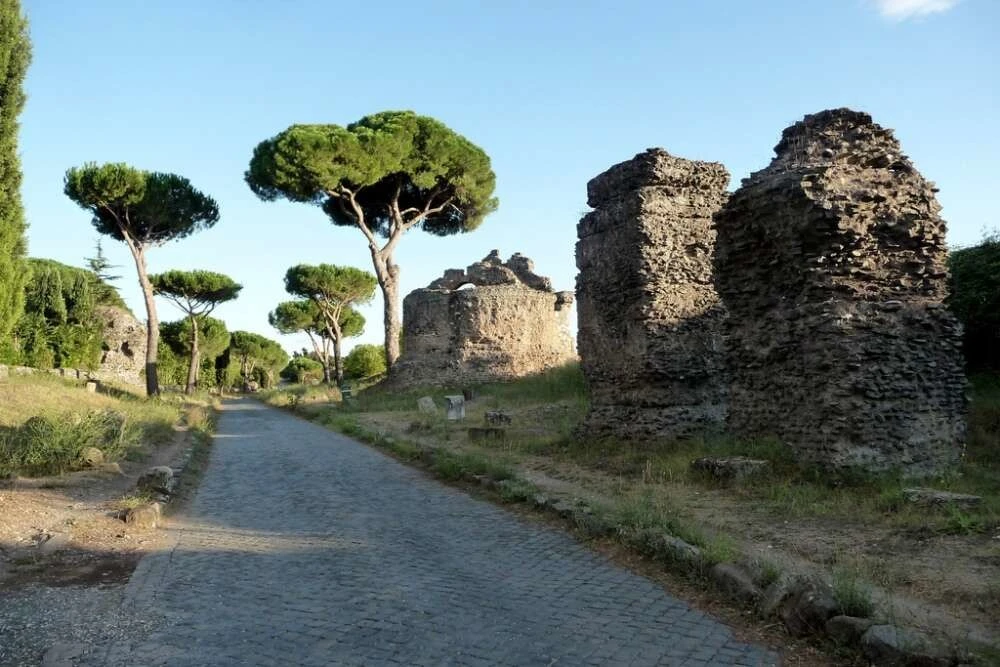
[thumb]https://cn22.nevsedoma.com.ua/p/29/2936/136_files/8f6084a31 63d9353ea7d415c7acb1b19.webp[/thumb] 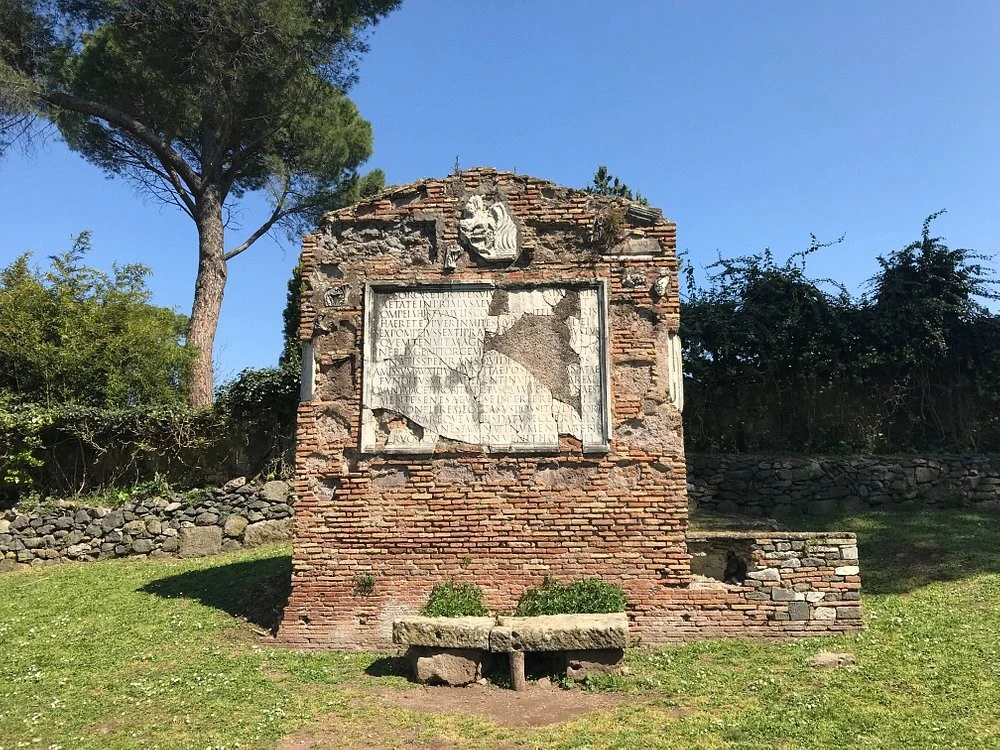
[thumb]https://cn22.nevsedoma.com.ua/p/29/2936/136_files/8cfedc920265dd8ea0caf2caa96 4fb23.webp[/thumb]