10 inventions named after their creators (21 photos)
The history of language is full of surprises. 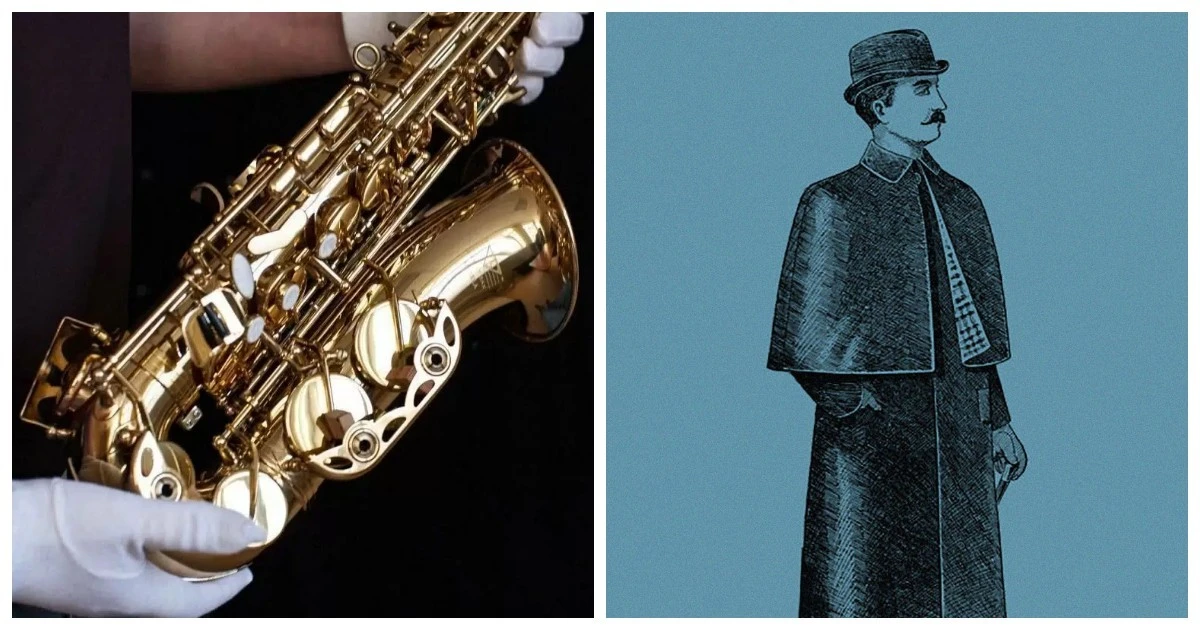
Many familiar things are named after real people, whose fates are sometimes more tragic and their inventions more unexpected than we think. Some deliberately created masterpieces, while others simply found themselves in the wrong place at the wrong time to lend their name to an invention.
1. Jacuzzi: A Father-Son Love Story 
For thousands of years, people have warmed themselves in thermal springs and wooden barrels. But the word "jacuzzi" became synonymous with hot tubs thanks to a family of Italian immigrants. In 1915, seven Jacuzzi brothers founded a company manufacturing aircraft parts for the military. 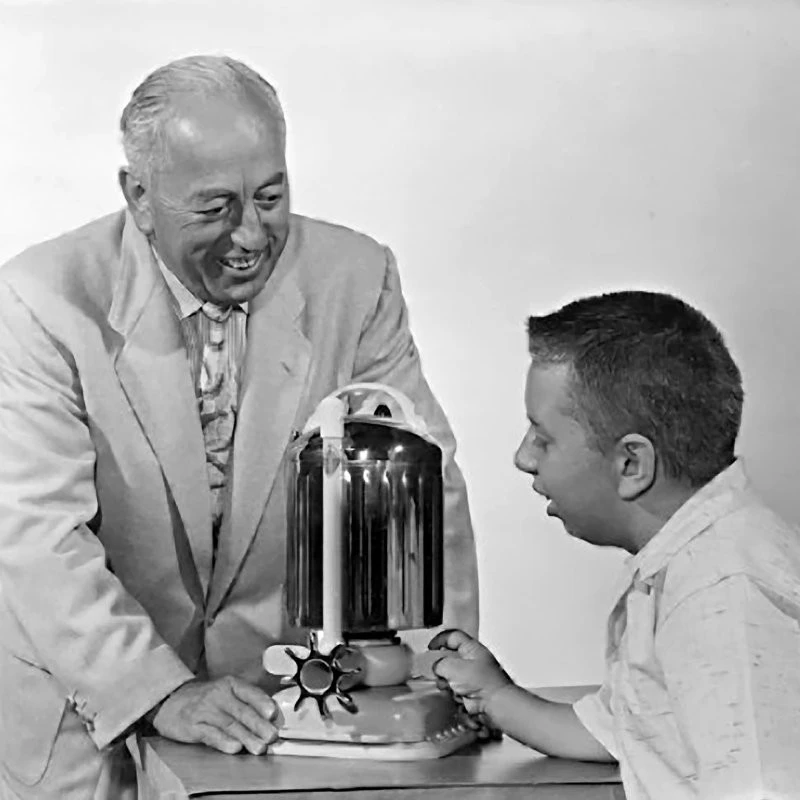
One day, Candido Jacuzzi, one of the brothers, faced a personal tragedy. His young son was diagnosed with rheumatoid arthritis. To ease the boy's pain, the brothers designed the J-300 portable hydromassage pump, which could be lowered into a regular bathtub. The water would bubble, massaging the aching joints. Initially, the pump was supplied to hospitals, but in 1968, the company took a bold step and released the first full-fledged hot tub for private homes. Thus, their father's pain gave the world the luxury of relaxation.
2. The Guillotine: In Honor of a Humanitarian 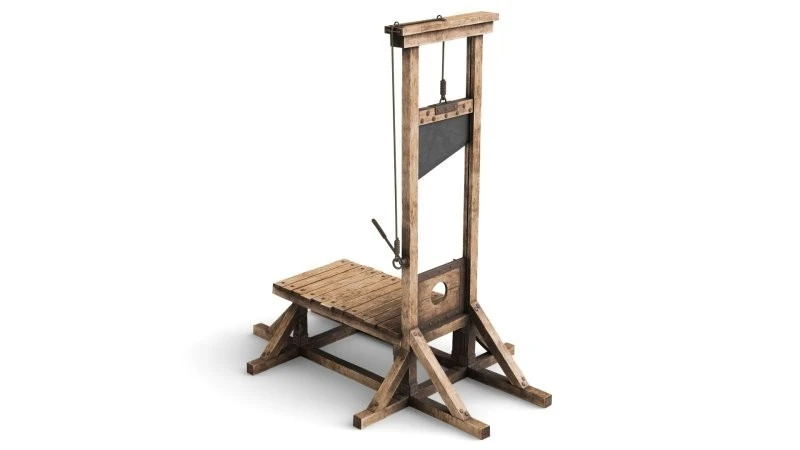
This decapitation device was cynically nicknamed "Madame Guillotine," but it was named after a truly humane man—the French physician Joseph Ignace Guillotin. 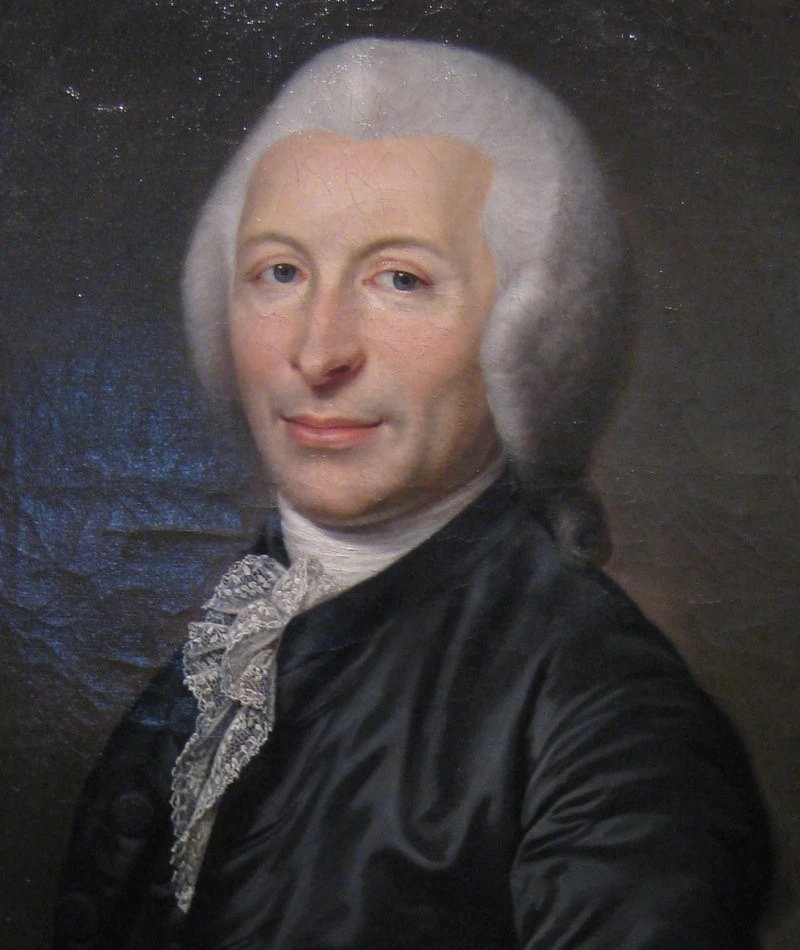
Before the French Revolution, executions were cruel and unreliable. An axe or sword might not sever a head on the first try, but the gallows turned death into a drawn-out agony. In 1789, Dr. Guillotin proposed to the National Assembly the use of a mechanism that would make executions quick and painless for all classes. He didn't invent the machine itself (similar devices existed in Scotland and Italy), but it was his lobbying that led to the guillotine becoming the sole official instrument of capital punishment in France. Ironically, Guillotin's family later tried unsuccessfully to rename the device.
3. The Diesel Engine: A Recluse of Genius 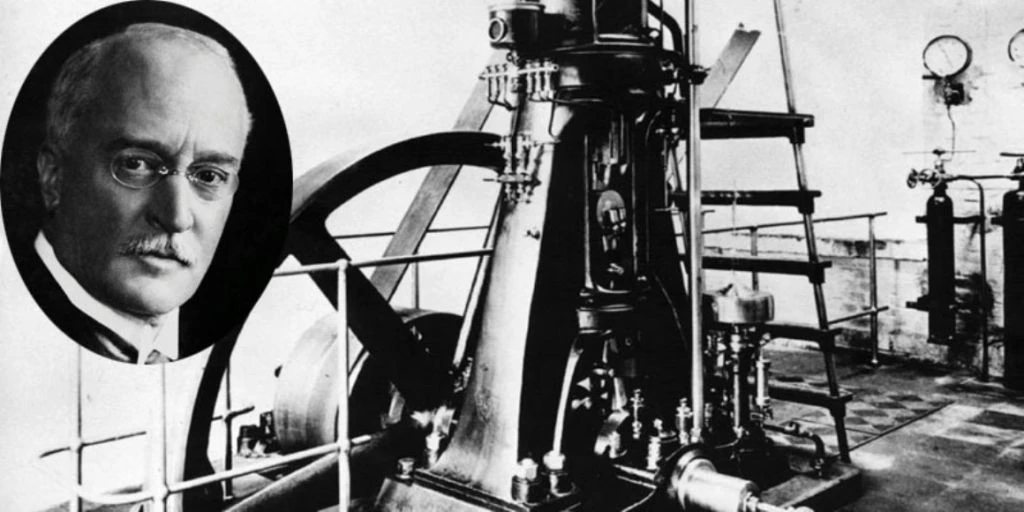
Rudolf Diesel dreamed of engineering since childhood. Although typhoid fever prevented him from graduating with his class, he later graduated with honors. While working in a factory and studying thermodynamics, Diesel set out to create an engine that wouldn't lose 90% of its energy, like steam engines. 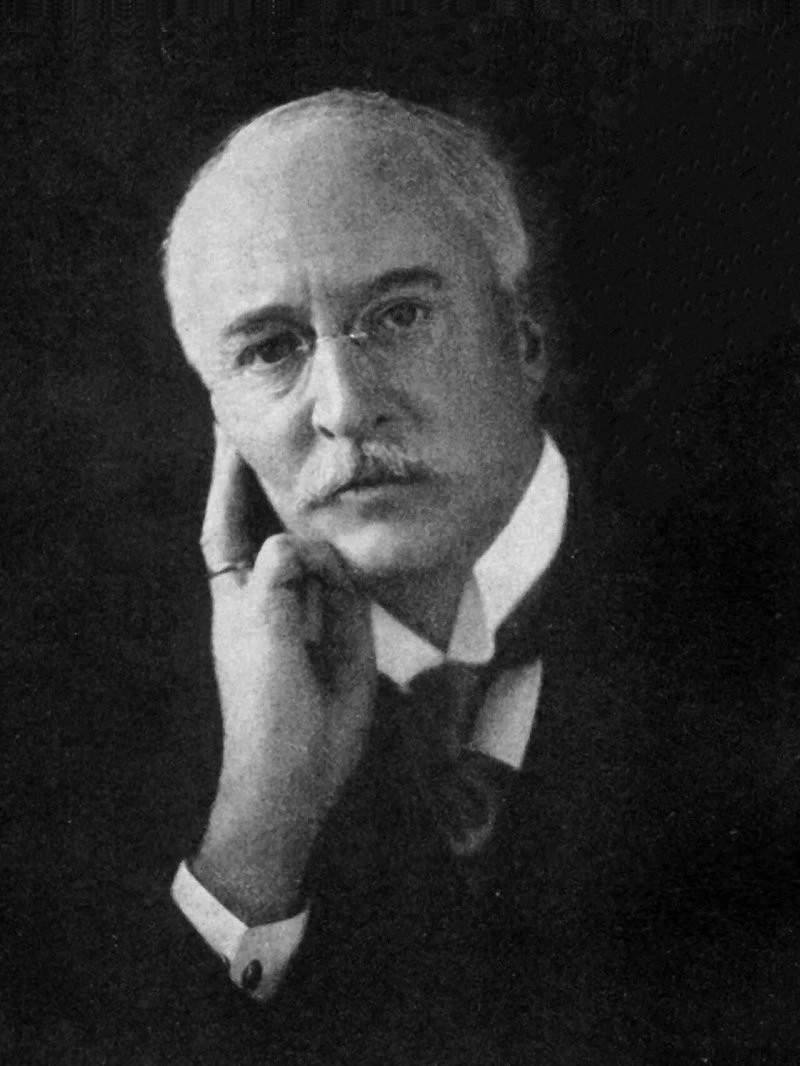
In 1893, he published a treatise that formed the basis of his invention. The first engine, called the Motor 250/400, assembled by Diesel himself, is now housed in the Deutsches Museum in Munich. The inventor's life ended tragically and mysteriously. In 1913, he disappeared from a ferry bound for England. His body was never found, but the engine that bears his name continues to conquer the world.
4. Nachos: A Spontaneous Appetizer 
Ignacio Anaya, a Mexican chef nicknamed Nacho, worked at the Victory Club restaurant. One day, a regular customer asked him to come up with something new for her and her friends. There was no time to cook, so Nacho got creative. 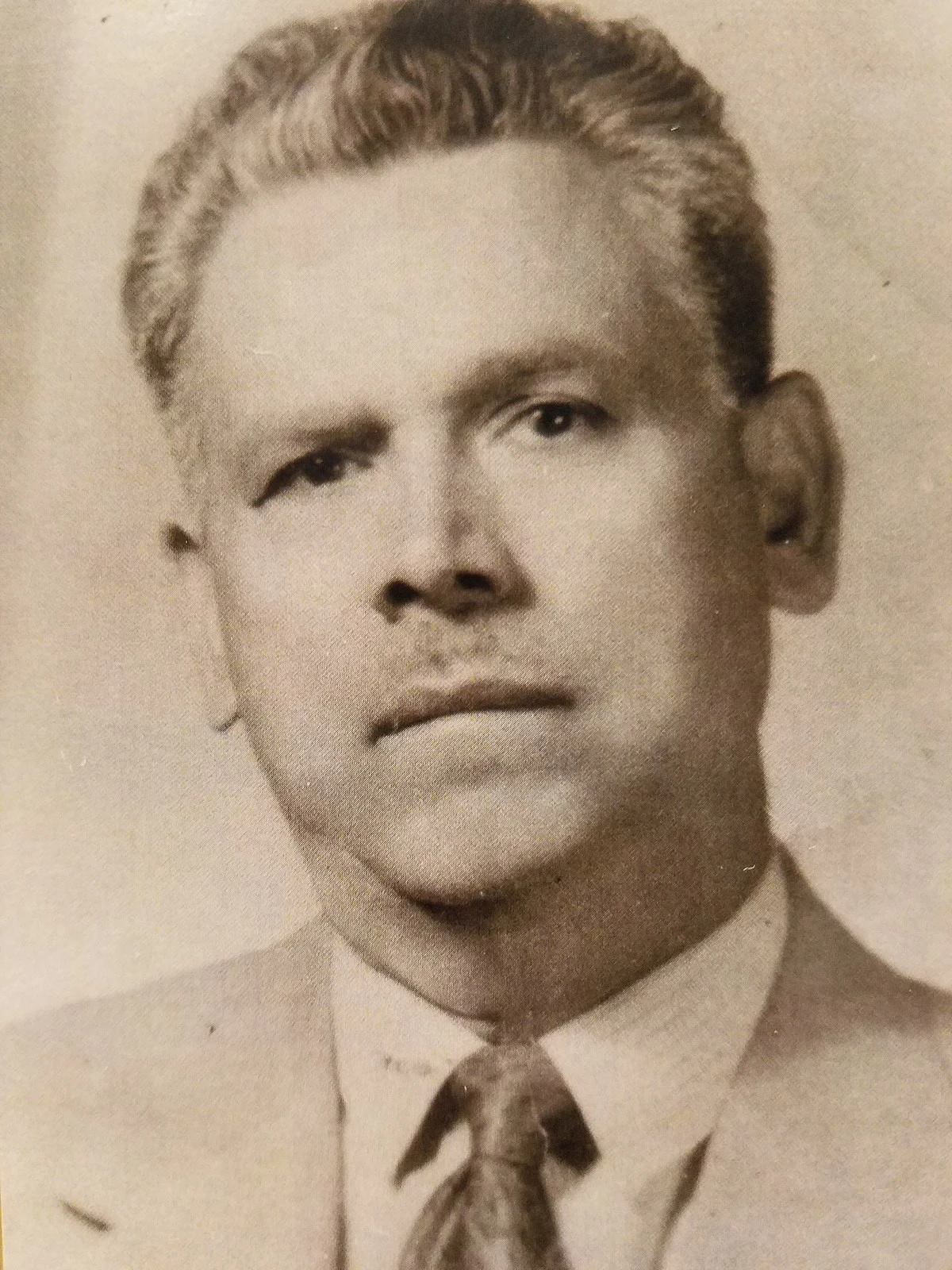
He found corn tortillas, cut them into triangles, deep-fried them, sprinkled them with grated cheese, quickly melted it in the oven, and added spicy jalapeños. The dish was a huge success. Ignacio later opened his own restaurant and called it Nacho's Restaurant. The simple appetizer became an international hit.
5. Leotard: Lawyer on the Trapeze 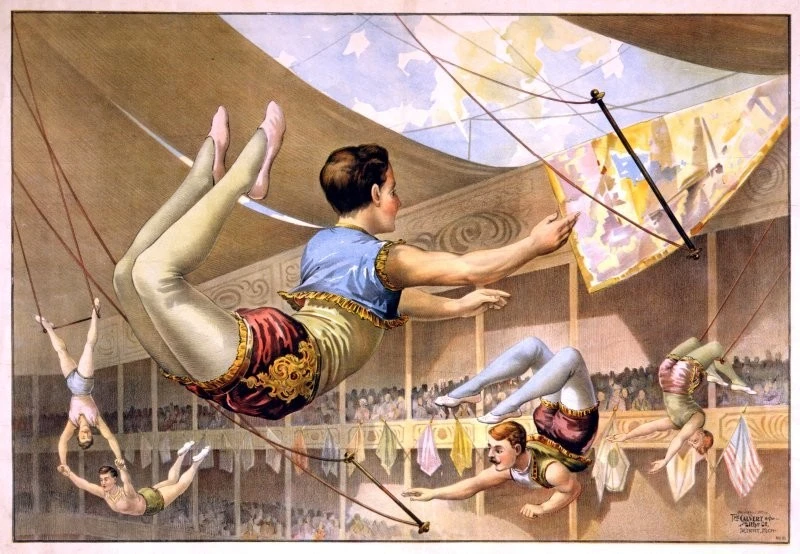
Jules Leotard was studying to become a lawyer, but after completing his exams, he was drawn to the circus. The son of a gymnast, he trained by performing tricks over his father's pool. To ensure his clothes would not restrict his movement or catch on the ropes, Jules invented a form-fitting knit suit. 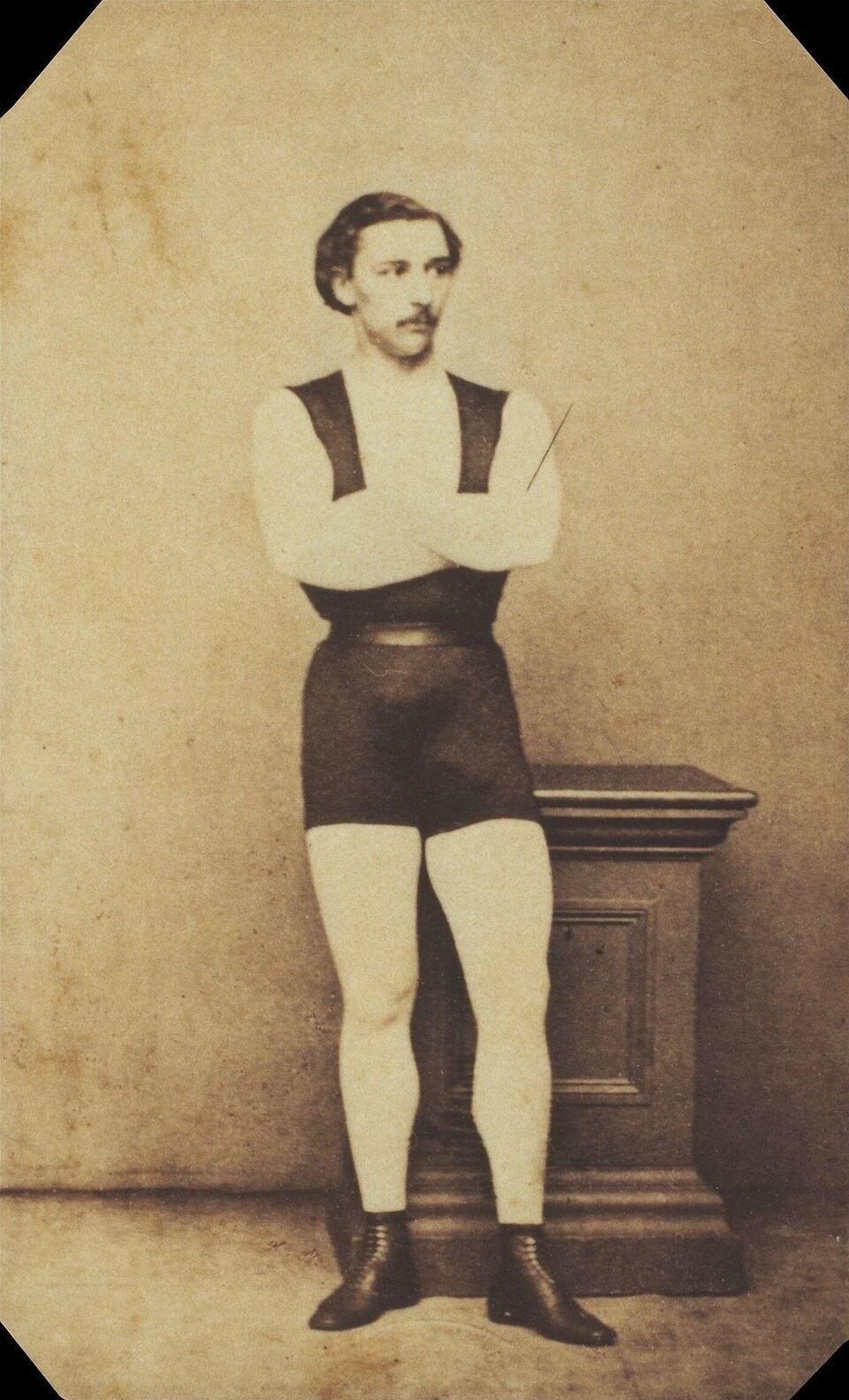
This outfit not only provided freedom but also accentuated the musculature. It was first adopted by circus performers, and then by ballet dancers, who appreciated how easy it was to perform pirouettes in such a costume.
6. Silhouette: Saving for the Nation 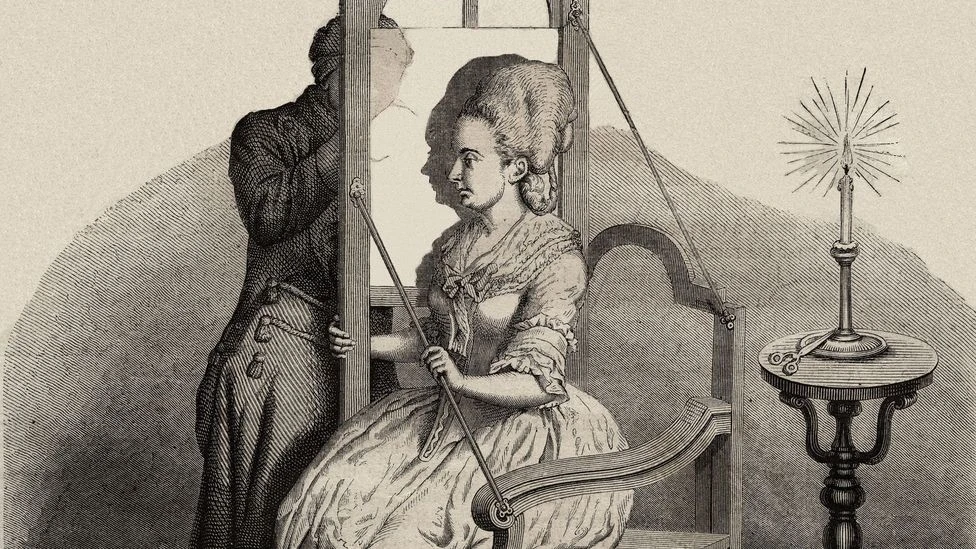
Étienne de Silhouette, the 18th-century French finance minister, became famous not for his paintings, but for his austerity measures after the Seven Years' War. He taxed everything possible and urged citizens to spend less. 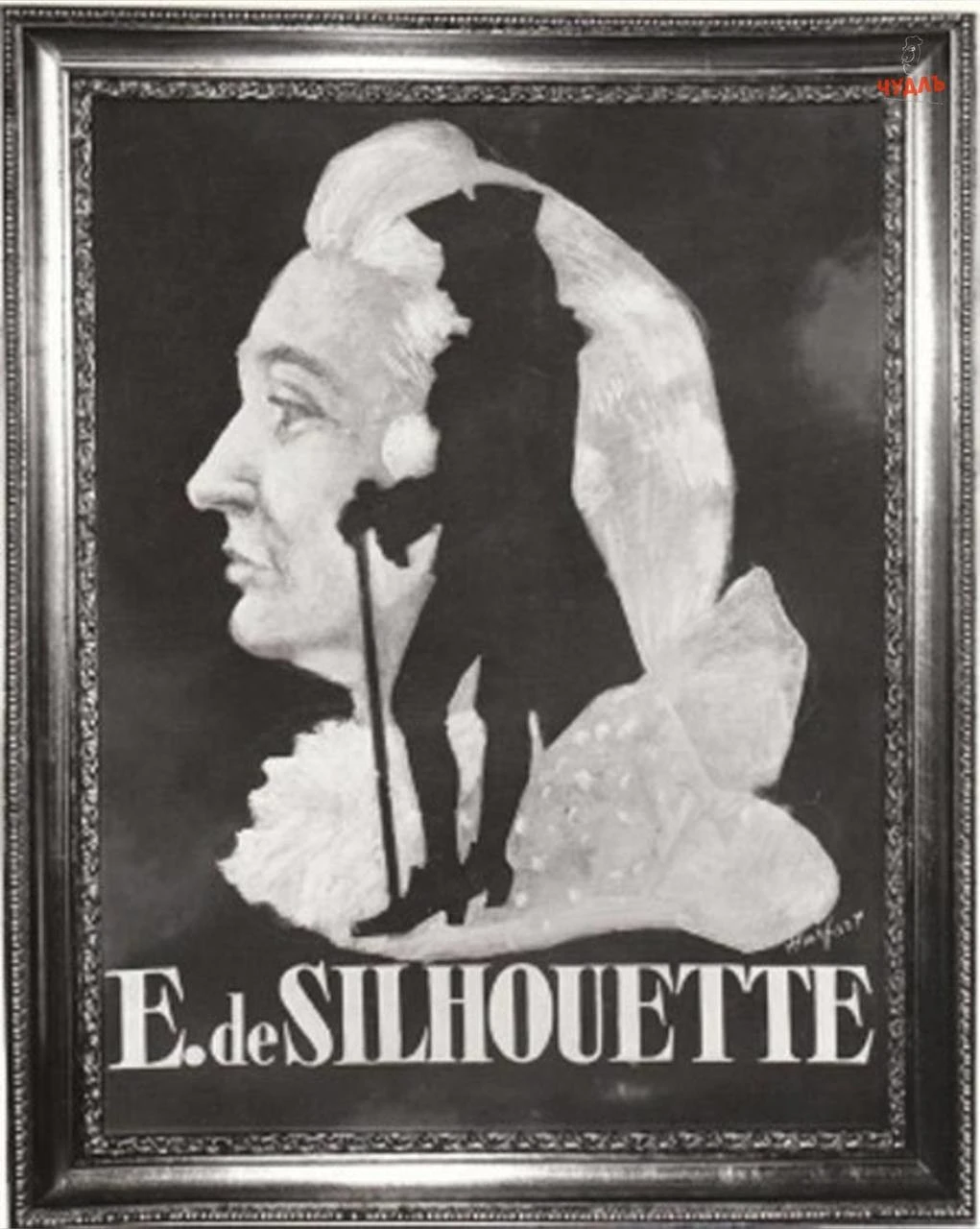
At the time, cheap portraits were popular—shadow portraits of a profile cut out of black paper. People ironically called these portraits "silhouettes" in honor of the minister, as they were an art form for the poor who cut corners. Étienne's name forever stuck with this technique, even though he himself had nothing to do with drawing.
7. Saxophone: A Hybrid of Love 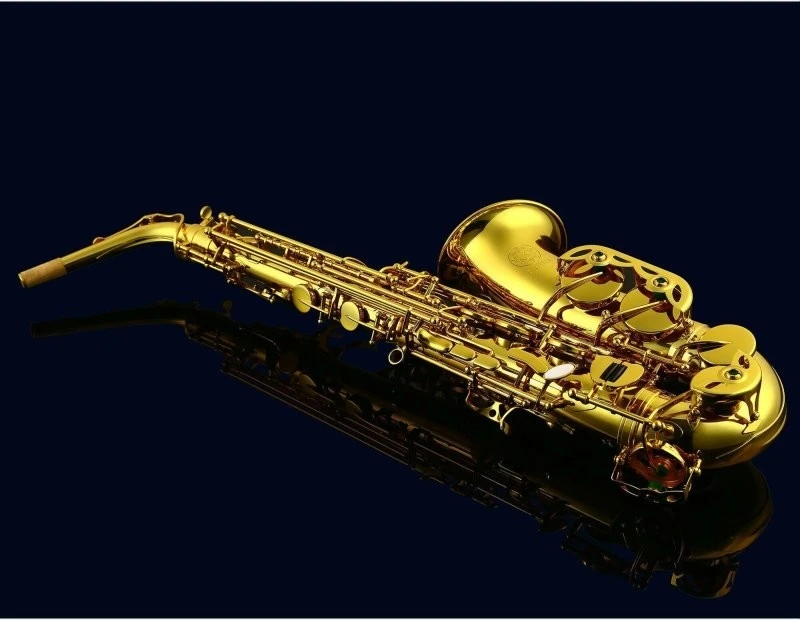
Adolphe Sax was steeped in music from childhood: his parents made instruments. He played the flute and clarinet masterfully, but dreamed of combining the power of brass with the delicate voice of the reed. 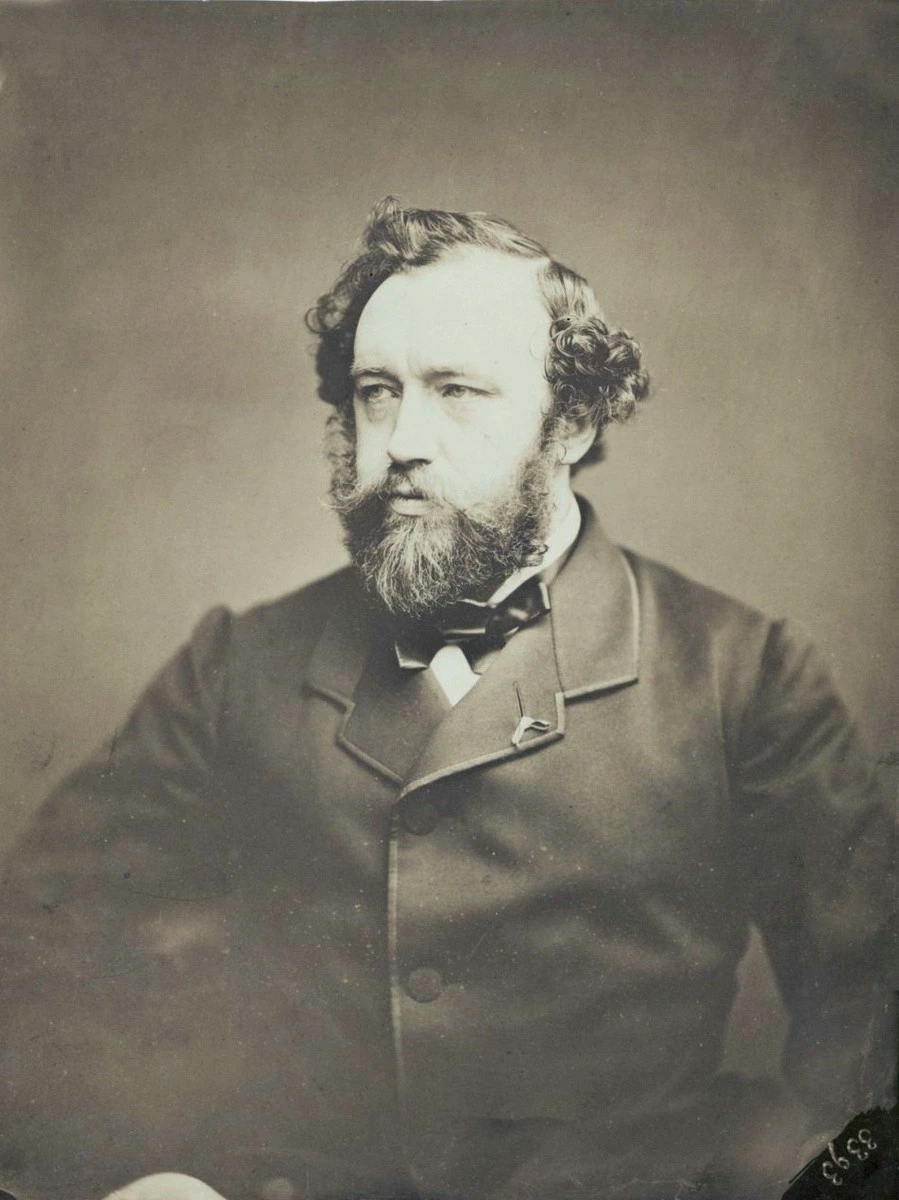
Thus the saxophone was born. Sax didn't stop there. He also invented the saxhorn, saxtrumpet, and saxtuba. His genius lay in acoustics and form, and his name became synonymous with jazz and blues.
8. The Ferris Wheel: A Response to Eiffel 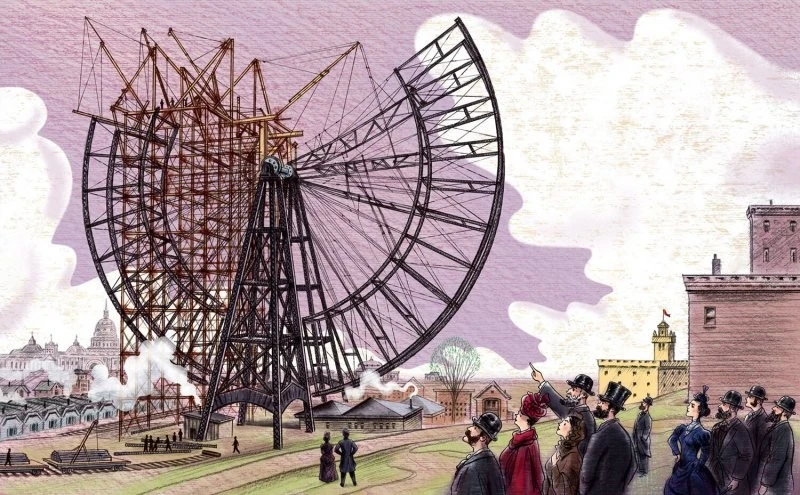
Bridge engineer George Washington Gale Ferris, Jr., set out to eclipse the Eiffel Tower. For the 1893 World's Fair in Chicago, he created an 80-meter-tall steel wheel with 36 cabins, each accommodating up to 60 people. 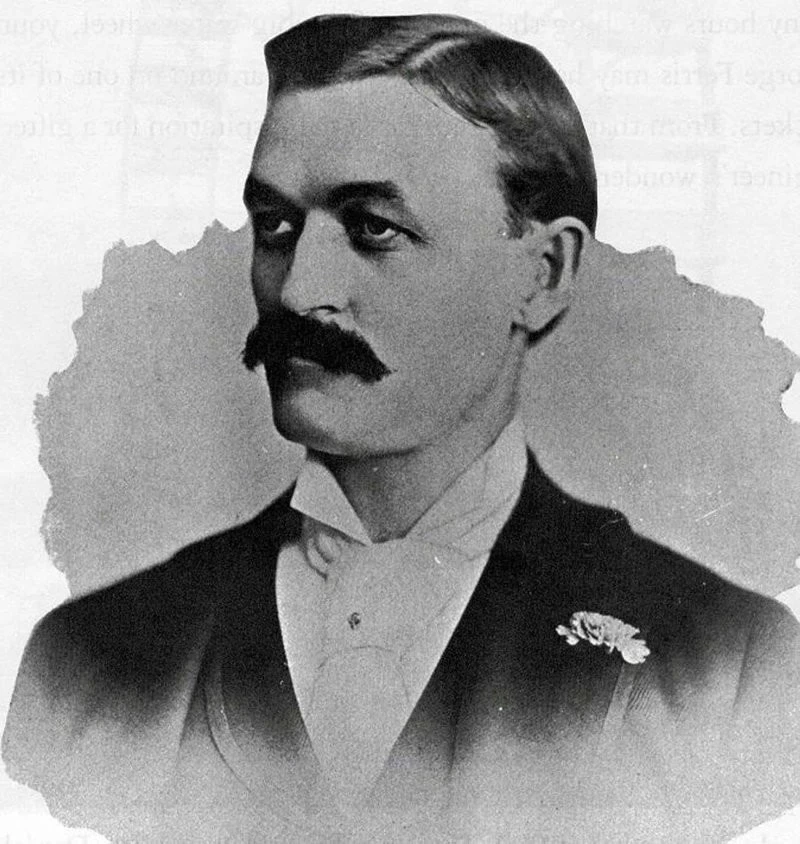
The wheel spun for 20 minutes, and a ticket cost 50 cents. It was a marvel of engineering that wouldn't be surpassed for over a hundred years.
9. Mackintosh: The Chemistry of Rain 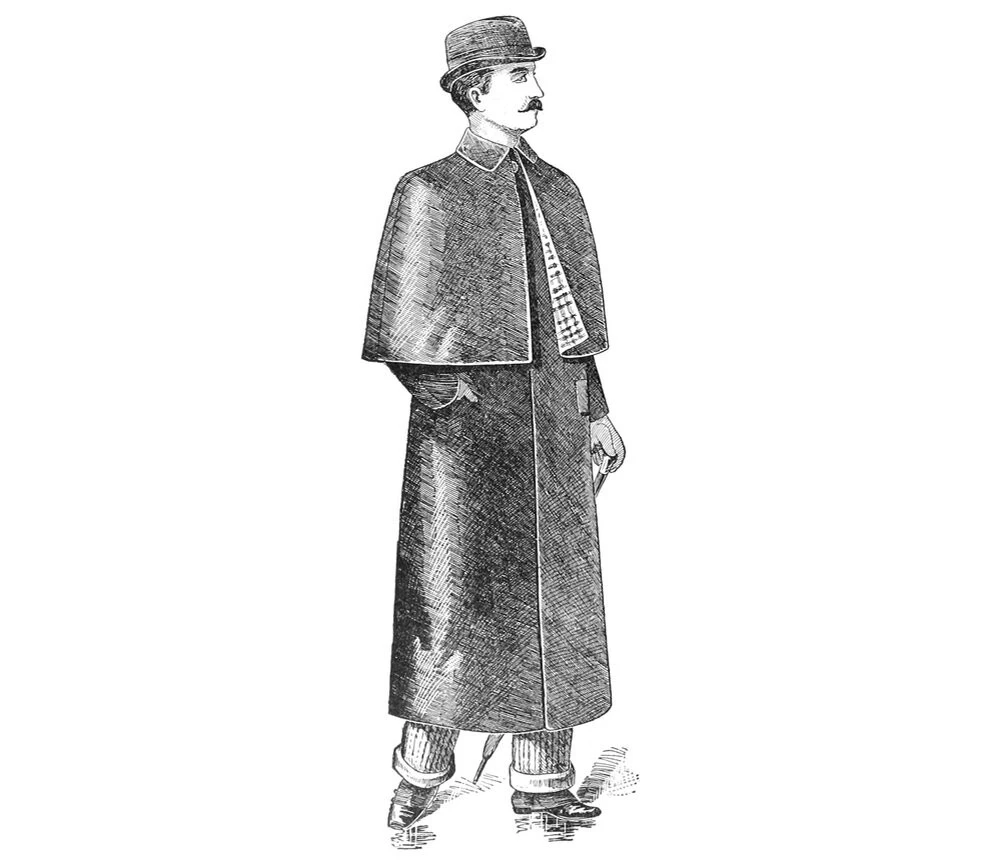
Charles Mackintosh gave up his clerical career to pursue chemistry. While experimenting with naphtha, he discovered that coal could dissolve rubber, making it a waterproof adhesive for fabric. 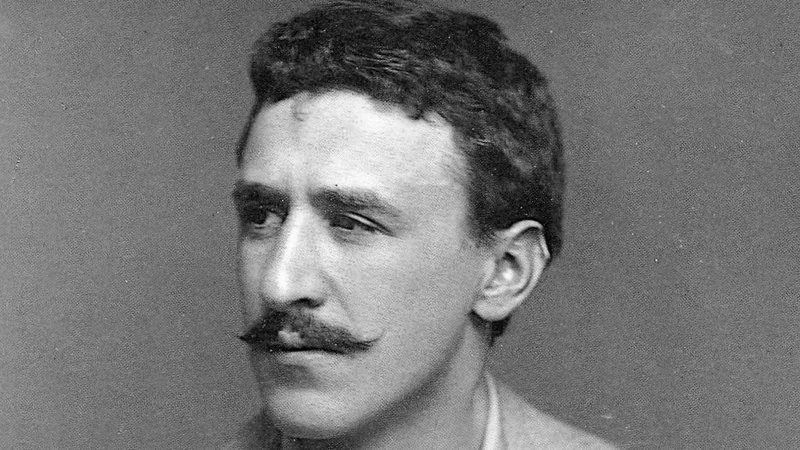
His coats were revolutionary, but they had their drawbacks: they smelled of rubber, became stiff in the cold, and melted in the heat. Only after Mackintosh teamed up with Thomas Hancock and mastered vulcanization was the problem solved. The legendary Mackintosh trench coats are still worn today, and are loved for their impeccable quality.
10. Bowler Hat: Protection for the Gamekeeper 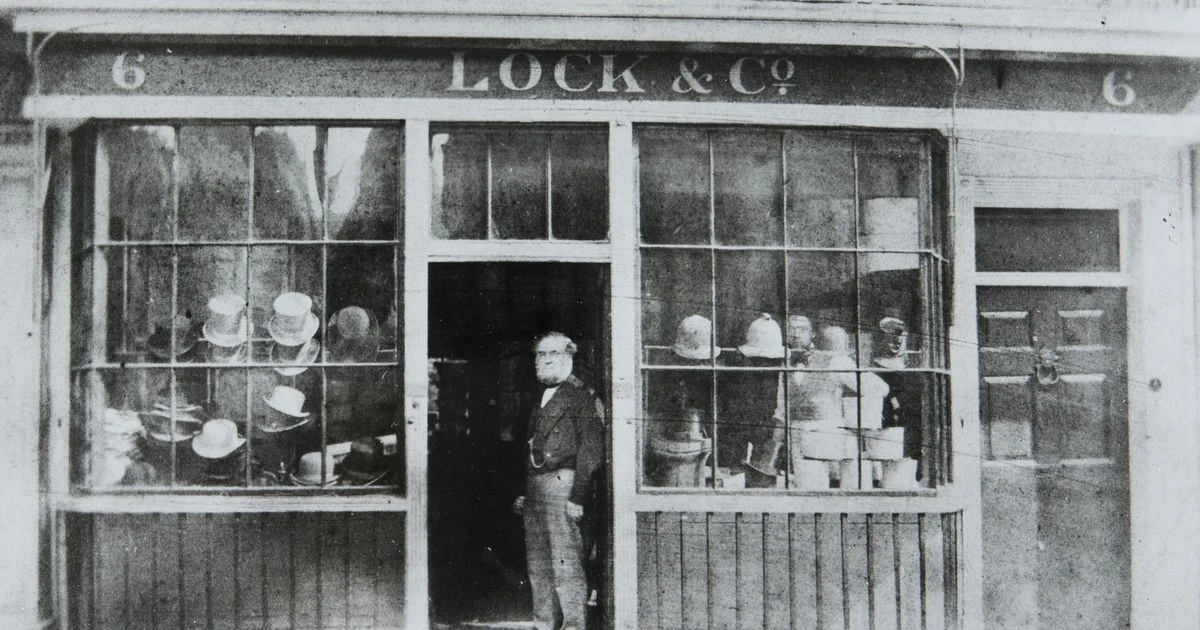
London hatters Thomas and William Bowler received a commission from an aristocrat: his gamekeepers needed a durable hat that would resist being knocked off by branches and fall. In 1849, they created a model made of hard felt with a rounded crown. 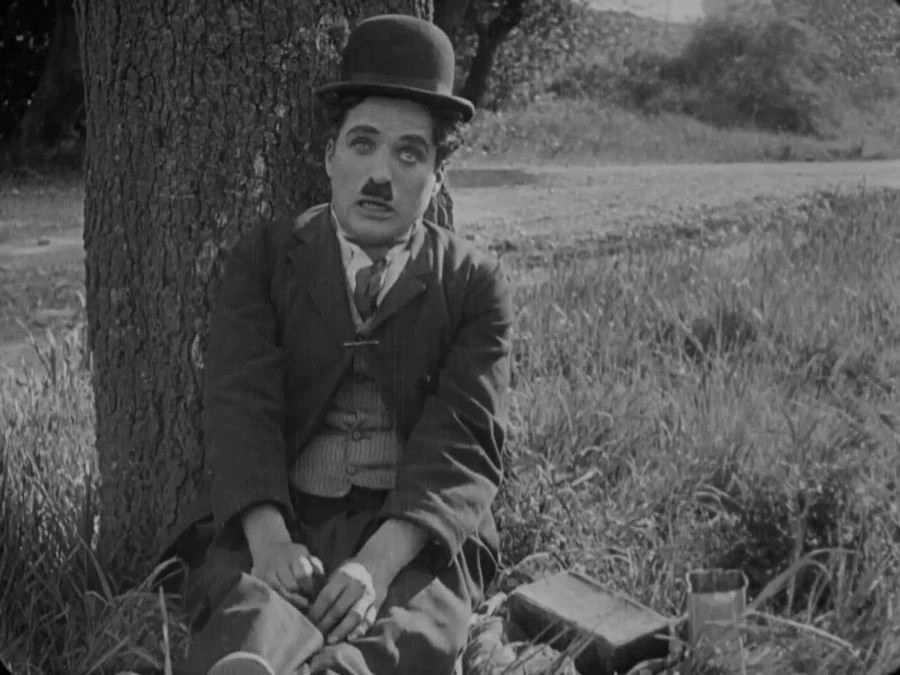
Legend has it that the customer, Edward Coke, came to pick up the hat and stood on it with his feet. Only after it supported his weight did he pay 12 shillings. Thus was born the bowler hat, which became a symbol of England and a favorite headwear of Chaplin and gangsters.