How China became hooked on "painless motherhood" (7 photos)
In China, it's not parents who are spending billions of yuan on plush toys. The trend in recent years is to spend their salaries on plush pets—on clothes, jewelry, and houses. The Chinese call it the "affection economy." 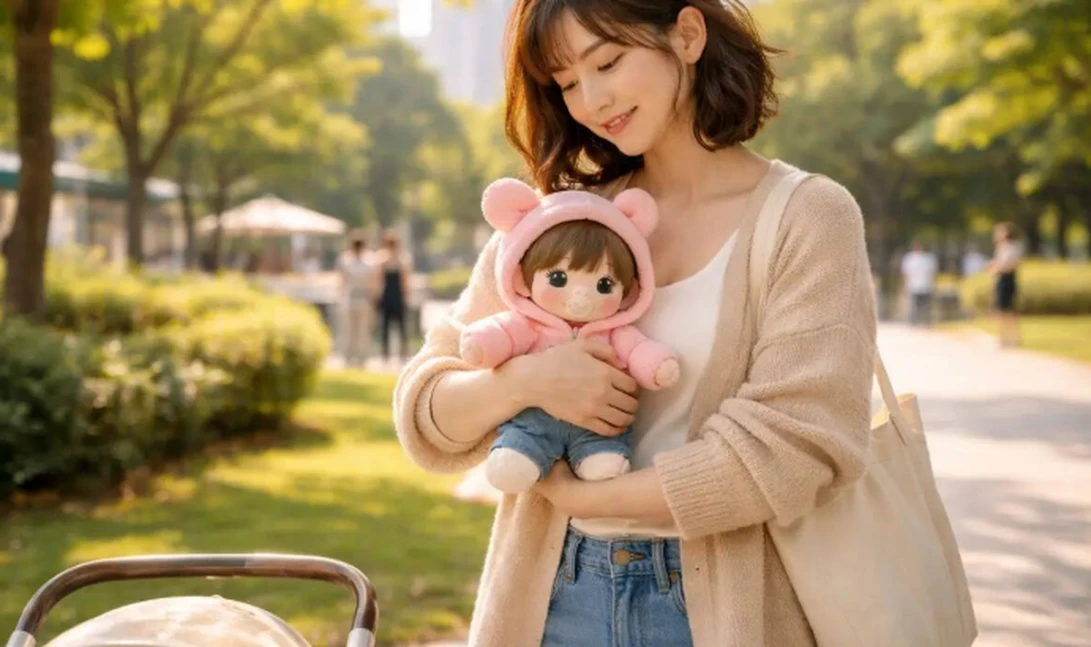
In Japan, people are getting life-size dolls of anime heroines. Lonely young people in China are getting stuffed animals with cute faces. They buy their stuffed "children" clothes that are more expensive than their own, order high chairs for them at restaurants, and get offended if the waiter refuses to sing "Happy Birthday" to the doll. It all started in 2023 with a strange scandal. A woman brought a stuffed eggplant to a popular hot pot restaurant chain, placed it in a high chair, and demanded the signature service. 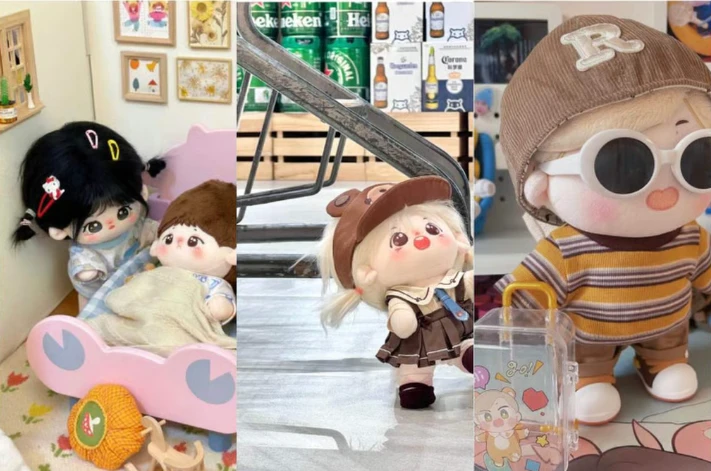
It must be said, these sewn dolls are quite cute.
The staff was stunned, unsure if she was sane or how to respond. That's when the post "Does Haidilao (Restaurant) Discriminate Against Cotton Doll Owners?" appeared. He literally blew up social media, dividing China into two camps: "Are you crazy? It's just a toy?" and "Don't touch us and our children." Many mothers of stuffed animals came forward.
"Painless Motherhood" 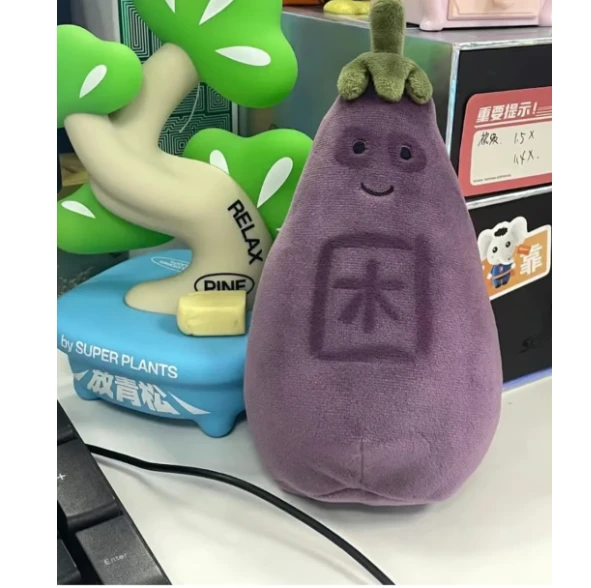
The very eggplant that started it all
Psychologists say this is an opportunity to experience painless motherhood. The trend is less than ten years old. In 2015, fans of the Korean group EXO came to a concert with homemade dolls depicting Chen. The idea spread to the masses: first, dolls were "born" in the likeness of idols, then anime characters, and then designers came along with their own toys, unrelated to real-life prototypes. 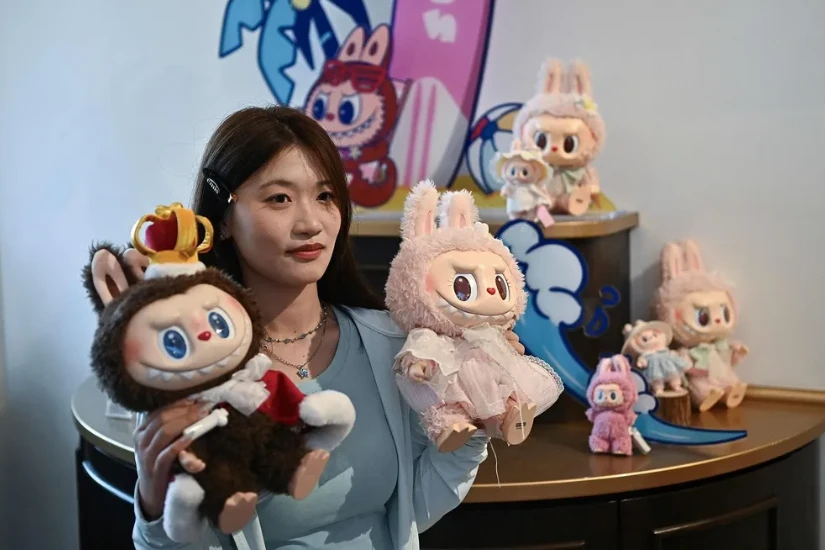
By the way, they don't dress up Laboobs; Laboobs are too mass-produced, not individual.
This trend existed quietly within the fanbase, where people made dolls of their idols, until it suddenly took off in China. Chinese people buy dolls to start a "safe" family. A special language has taken hold within the community. Buying a doll is "pregnancy." Waiting for an order is "gestation." The owners themselves (85% of young women, no wonder) call themselves "doll mommies" or "Moomins." They don't throw their dolls in a corner: they dress them, apply eye makeup, change their wigs, walk them in parks, and take them on trips. 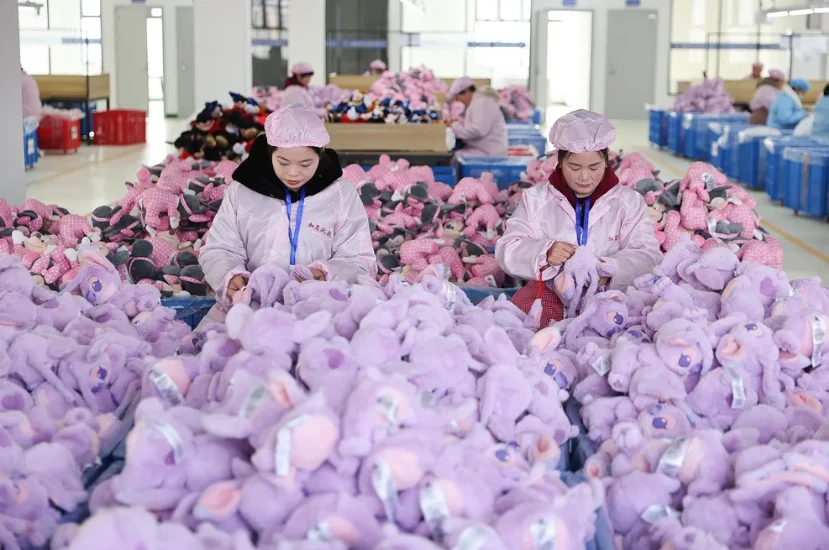
Last year, the volume of plush toy orders from factories increased significantly.
"I treat her like a child. I hate taking pictures of myself, but I can spend an hour taking pictures of my doll on the windowsill," admitted one collector. The average "parent" owns 8-9 dolls. The doll itself is inexpensive: 40-100 yuan (up to 1,100 rubles). But the real money goes into the wardrobe. Tiny sweaters, finger-sized shoes, designer caps, glasses without prescription, and miniature strollers. The accessories market is already three times larger than the doll market. 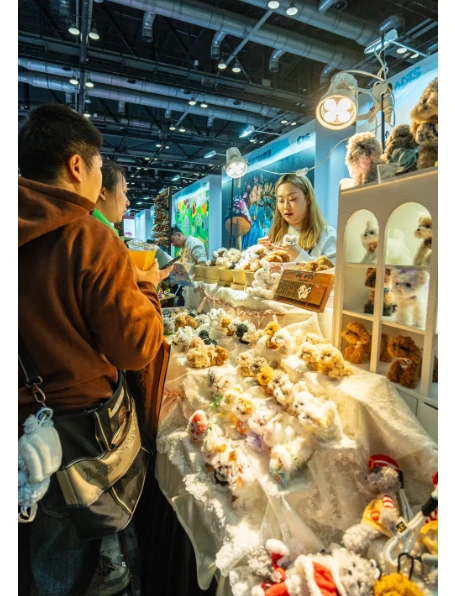
Handmade toy exhibitions are held regularly.
One fan spent 500 yuan just on a custom-made doll. Almost everyone spends more on doll clothes than on themselves. Psychologists calculated after a survey that 58% of buyers are driven by emotional attachment. And this is not just a figure of speech. "Life isn't born from cotton wool, but from the love you give," say Chinese women. Chinese Generation Z is quite lonely, yet too lazy to even form friendships. They're postponing marriage, facing enormous pressure, and a lack of human warmth. 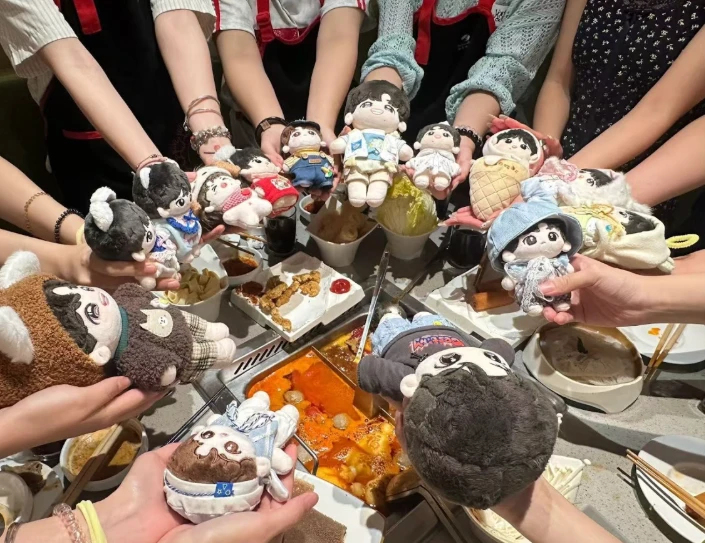
A lunch meeting with the owners of these stuffed toys
But there's an incredibly convenient store-bought friend. Dolls don't betray, don't get tired, and don't criticize. They're the perfect companion in a world where "adult" life demands too many resources. And no school bills. Do you think we have something similar, or is the social crisis of communication not yet so severe?