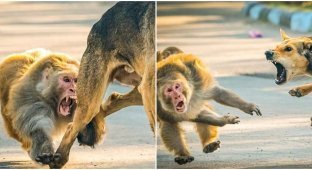
Stolen, Bitten, Arrested: How a Monkey Prison Works (7 photos)
These are necessary measures to avoid killing them. Because in small Indian towns, monkeys have long since lost their fear. Hindus generally practice non-violence against living creatures, so the monkeys enjoy a life of complete freedom. 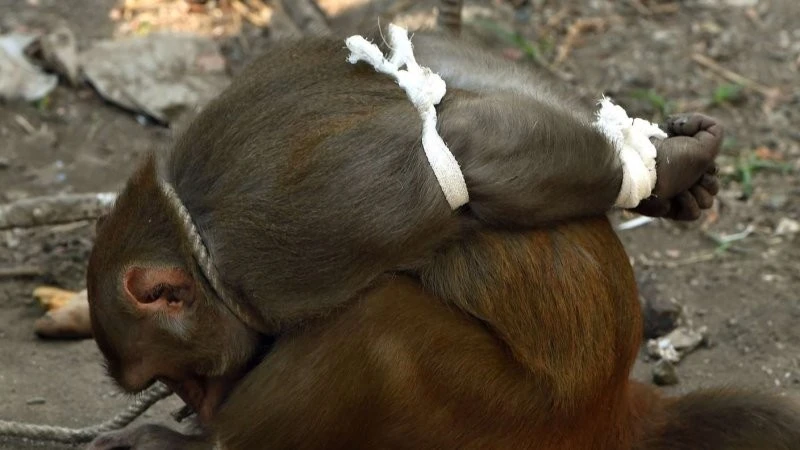
What can a monkey be jailed for? 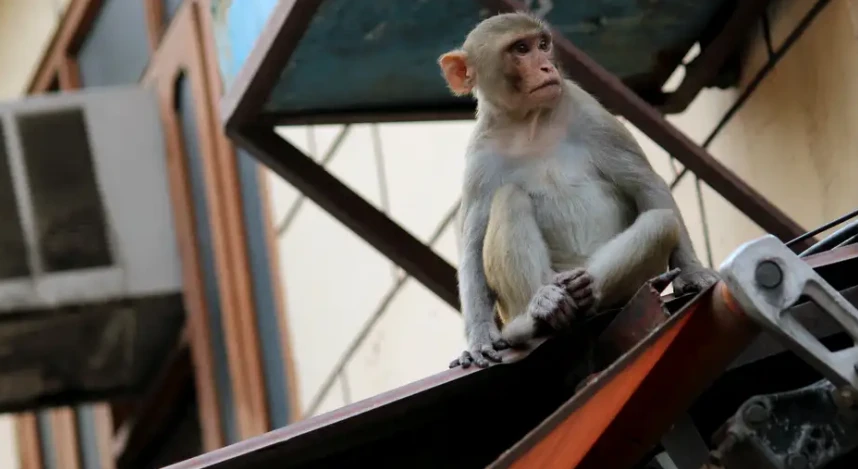
Monkeys steal wallets, knowing they'll get a treat in exchange.
They can steal things, a bag, or a phone from a tourist, demanding food in exchange. A couple of years ago, they even stole and dropped a two-year-old child to his death when they got angry at a man. They also steal puppies and small dogs and throw them off roofs all the time. Because the dogs chase them, the monkeys get angry and take revenge through the puppies, thereby reducing the population. 
There's a special caste of monkeys—monkeys trained to steal by their owners (usually shopkeepers and rickshaw drivers).
But the most violent ones, those who have bitten people or are known to commit frequent attacks, are arrested. Such monkeys can provoke the entire troop to aggression, so instead of killing them, they are "arrested." More precisely, they are tied up and given time to calm down, a kind of monkey sobering-up station. That's where they hang them! I'm lying, of course. They tie them up and put them in a cage (if there is one); if there isn't one, they tie them up or chain them to a post. 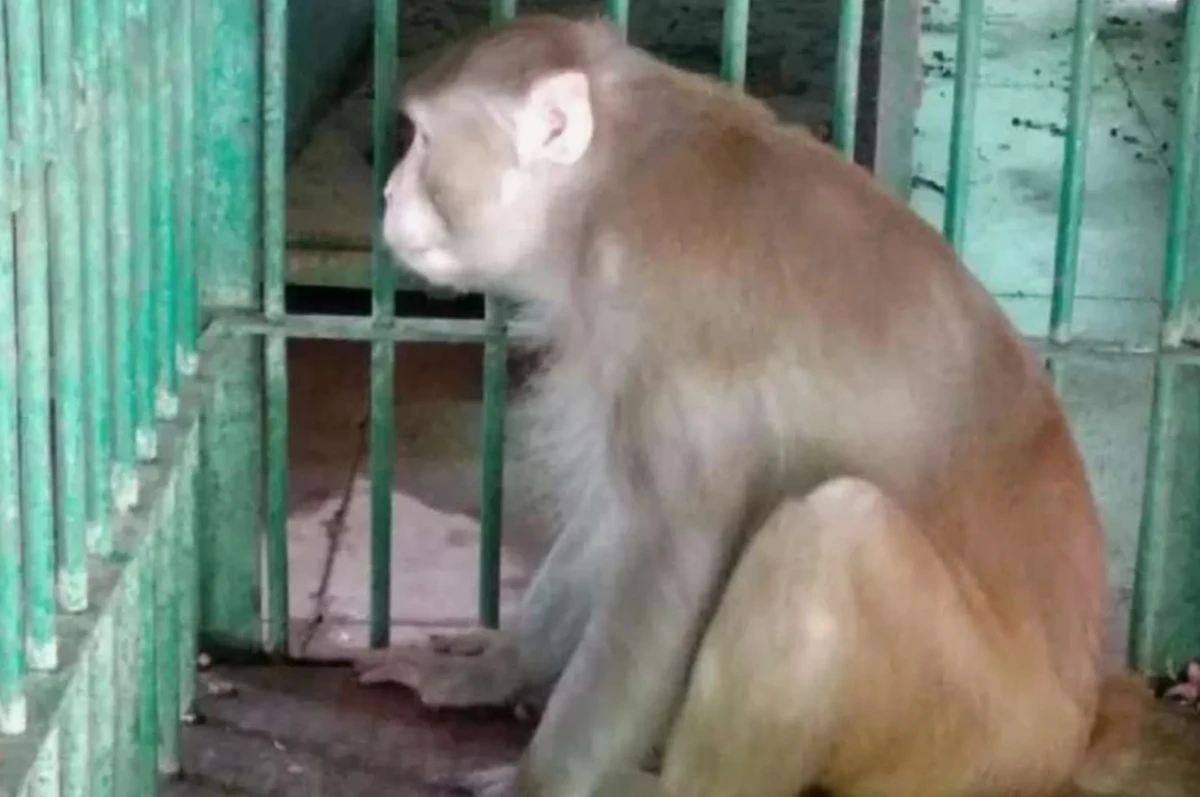
This alcoholic monkey has 250 ATTACKS on people. Now she's on life imprisonment.
Those who are put in cages can also ride around the city in them as part of a "strip of shame," as a demonstration. It's unclear whether this is being done for the people—for the police to protect them. Or for the monkeys, to teach them a lesson. In relatively affluent towns and states, such monkeys are also required to be examined by a doctor. Perhaps they are aggressive due to illness. 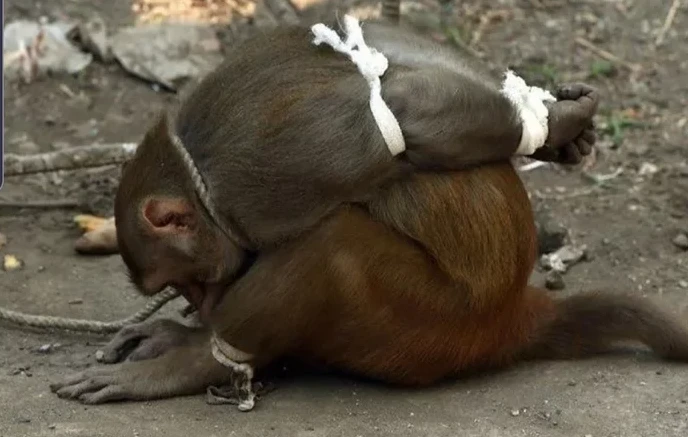
This photo is funny; the monkey is clearly a hardened criminal, since they tied it up like that.
So such arrests are actually beneficial for the entire herd—it's a selective issue, to see if the herd has contracted something contagious. Once they've been caught, it's also a way to reduce the population, which then approaches people because it needs food. But physical violence or the killing of a sacred animal is taboo and can cause a public outcry. Not only is there little funding for these programs, and they are still in their infancy in only two Indian states – Kerala and Uttarakhand – but many are also against them, as it's essentially "harming a monkey without its permission." Many Indians still believe sterilization is overkill. 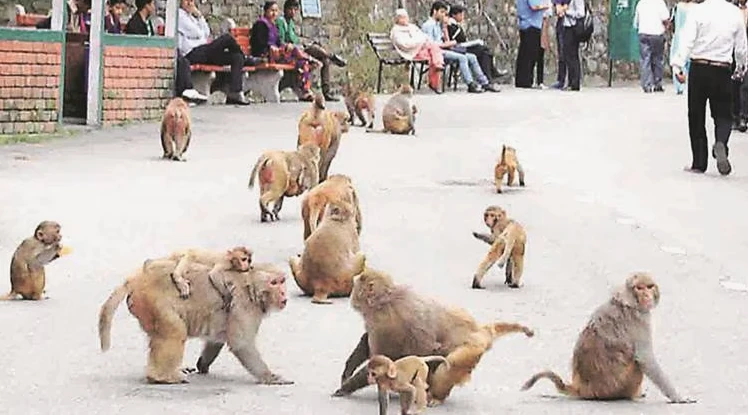
In Uttar Pradesh, there was a case where monkeys stoned a man to death for trying to drive them away.
The most vicious monkeys, usually repeat offenders, are sentenced to life imprisonment. Yes, there is a monkey prison in Patiala, but it's very small, holding only 15 monkeys. It houses incorrigible "maniacs" from the monkey world, who, no matter how much you scare or arrest them, will still attack and bite people. The monkeys that attack people are often tame. Indians keep them in their yards or houses as pets, or carry them around on a leash to keep them from getting bored while working in a shop, for example. 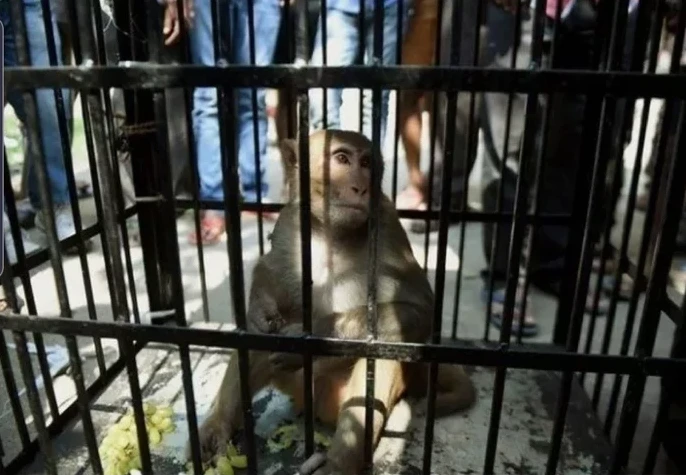
A cage of shame, but at least the monkeys are fed grapes, and they're happy.
But if they start misbehaving or become a nuisance, they're thrown out into the street. But these monkeys have less fear of people and think they can always beg or beat food out of them. And if they don't get food, they attack people. So here's the terrible truth about monkey social problems: monkeys from dysfunctional families, thrown out onto the streets, end up in prison.