Murder Preserved in Clay: How Victorian Crimes Became Home Decor (13 photos)
In the late 18th century, ceramic figurines began to be produced in the English county of Staffordshire. They were used to decorate homes, depicting everything from classical subjects to folk heroes and political events. 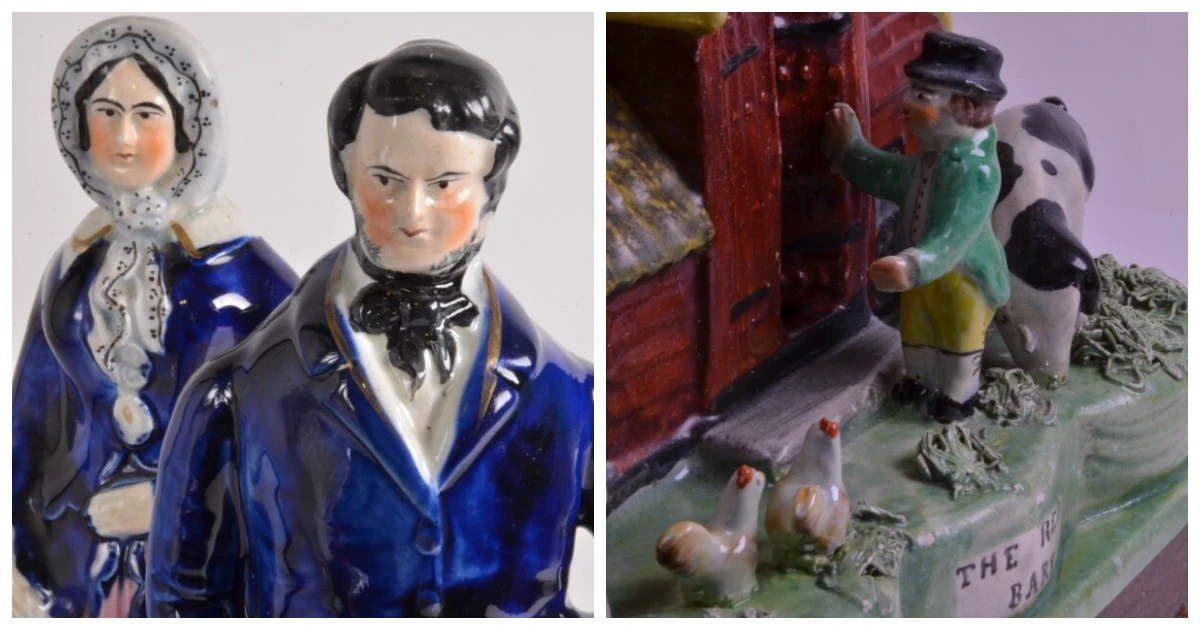
Ordinary Victorians could not afford expensive art, but such figurines were affordable and desirable. 
Jean-Paul Marat (1743–1793) — political figure of the French Revolution, journalist, physician, and one of the leaders of the Jacobins.
In 1793, Jean-Paul Marat was assassinated in France. The revolutionary was stabbed to death in his bathtub by a young woman named Charlotte Corday. Marat's murder was likely the first crime to be immortalized in clay. However, Staffordshire figurines only became truly popular several decades later. 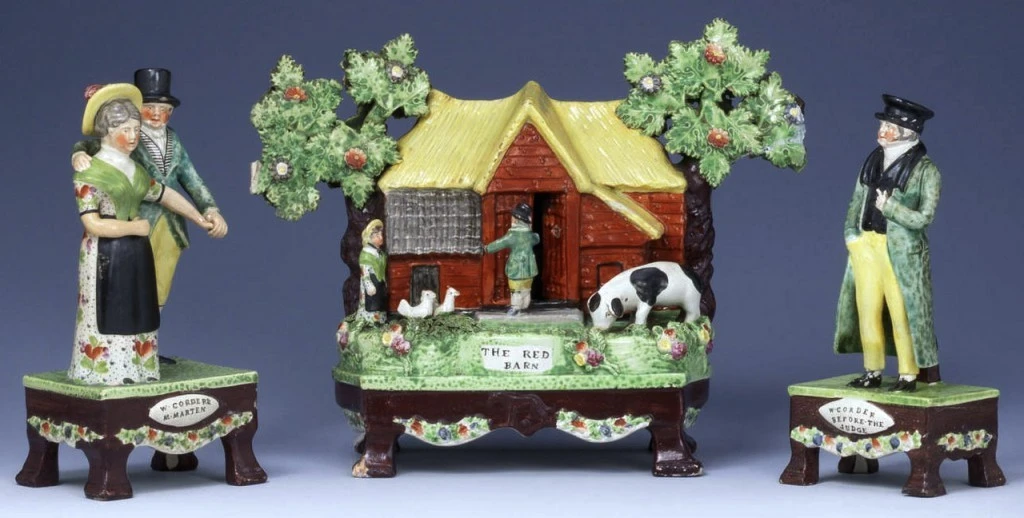
A set of figurines from the "Red Barn" series
In 1827, the small village of Polstead in Suffolk found itself in the center of world attention. A young woman with a rather shady reputation named Maria Marten was shot to death by her lover, William Corder, the son of a local farmer. They had planned to elope and marry. Maria had already given birth to William's child, as well as two other children out of wedlock with other men. The lovers arranged to meet at the Red Barn, a local landmark, and travel to Ipswich. After that night, Maria was never seen alive again. 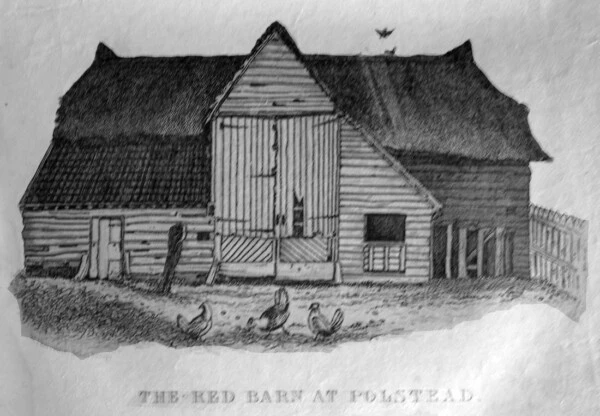
The Red Barn burned down in 1842.
Corder claimed to be living with her and wrote letters to her family saying she was fine. But her stepmother, Maria, had a dream: her stepdaughter was murdered and buried in the Red Barn. The husband listened to his wife, went to the barn, dug up the floor, and found his daughter's body. 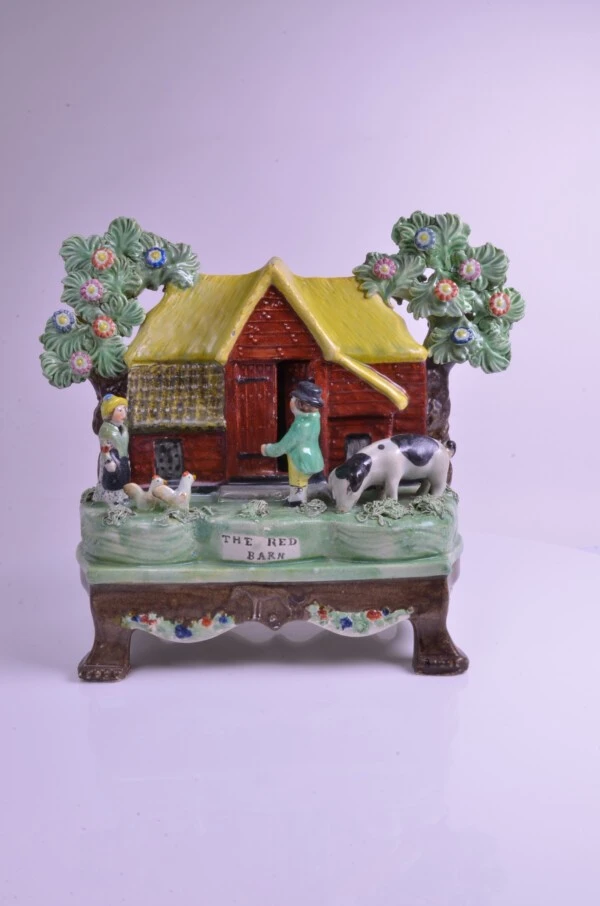
Corder, by then already married to another woman, was tracked down in London and arrested. He was sentenced to hang. More than 10,000 people witnessed the execution. 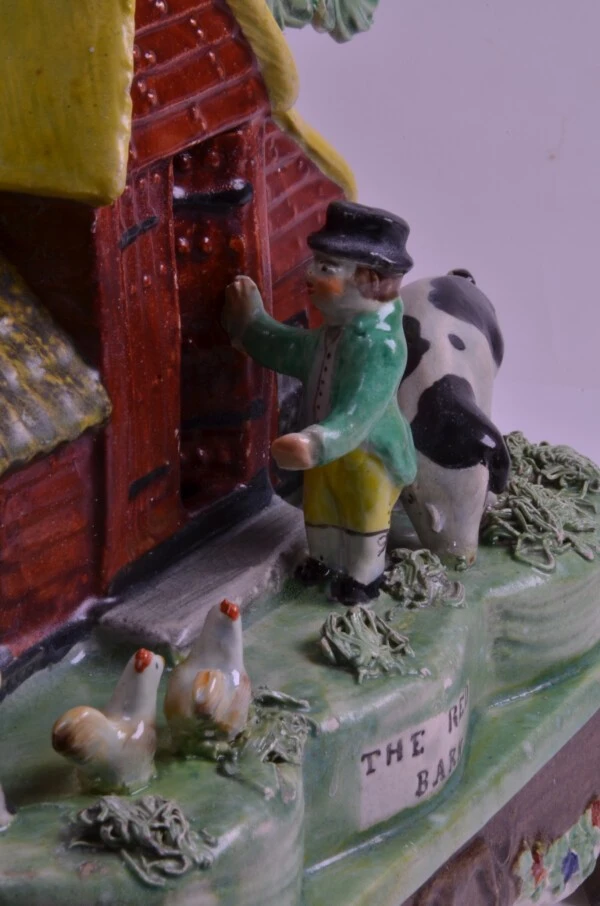
Murder and public executions were the main entertainment for the Victorians. The Red Barn crime was widely covered in the press. Newspapers printed details, and books were published even before the trial ended. Songs were composed on the theme, and dramatic productions were staged in theaters. Interest continued throughout the 19th century and even into the next. The village where it all happened became a tourist attraction, and the burnt barn was picked apart piece by piece by souvenir hunters. Such excitement prompted Staffordshire potters to produce a whole series of Red Barn figurines. One of these figurines sold at auction for £11,760. 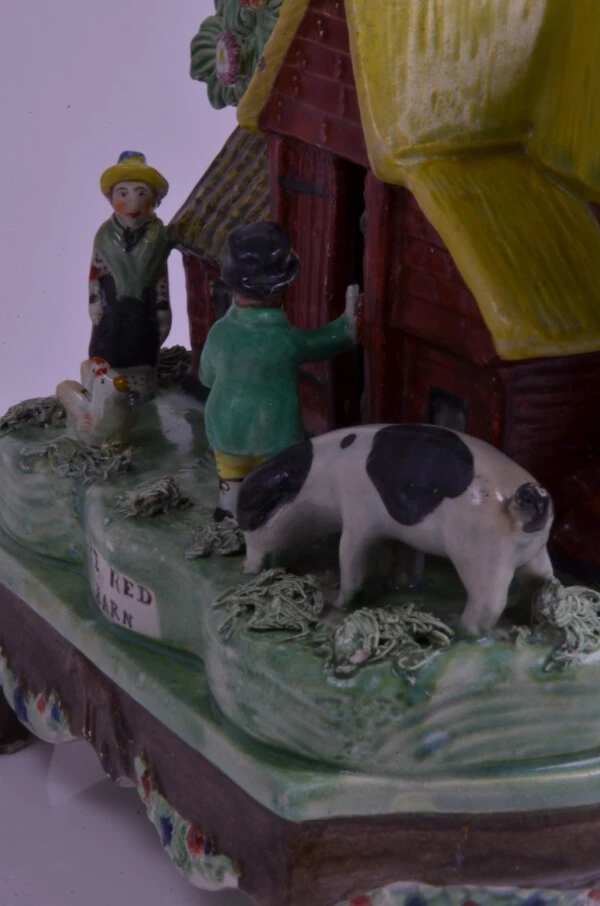
The set consists of three groups. On the left are the murderer and his victim. In the center, William Corder stands at the open barn door, beckoning to Maria. On the right, Corder stands before a judge. The figurines are approximately 20 centimeters tall. 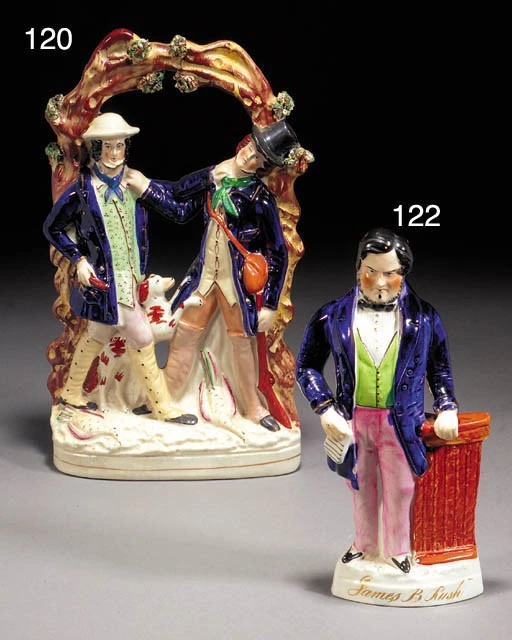
James Bloomfield Rush, who shot Isaac Jermey and his son in their mansion ("The Stanfield Hall Murders," 1848)
Other Victorian murderers also found themselves in clay history.
James Bloomfield Rush shot Isaac Jermey and his son in their mansion in Norwich. This happened in 1848 and became known as the Stanfield Hall murders. 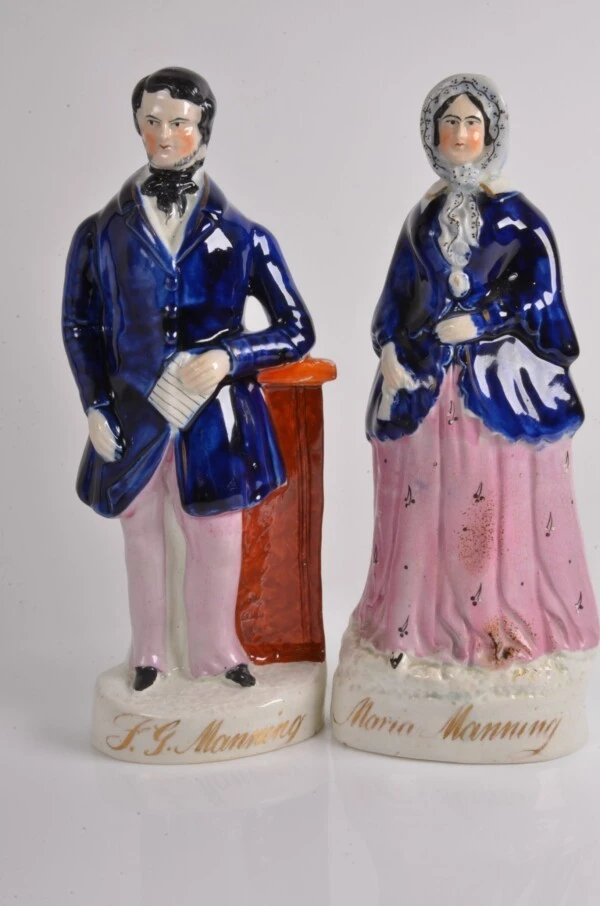
Frederick and Maria Manning
Frederick and Maria Manning, husband and wife, murdered Maria's lover, Patrick O'Connor. The case became known as the Bermondsey Horror. The couple was hanged in November 1849, with Charles Dickens present at the execution. 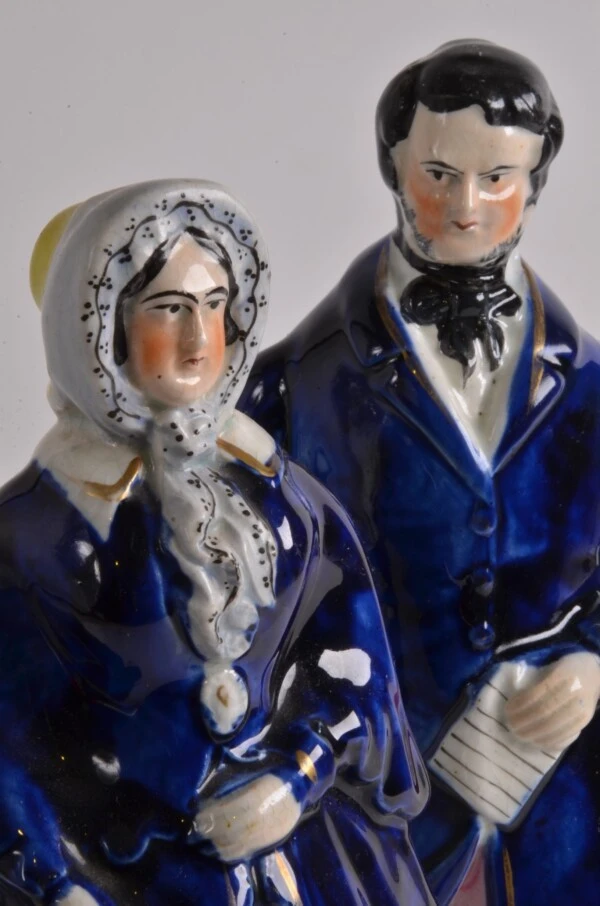
The writer was shocked by the sight and later based the character of Mademoiselle Hortense in Bleak House on Maria Manning. 
William Palmer poisoned his friend John Cook. He was executed in 1856. But this was only one of Palmer's crimes. 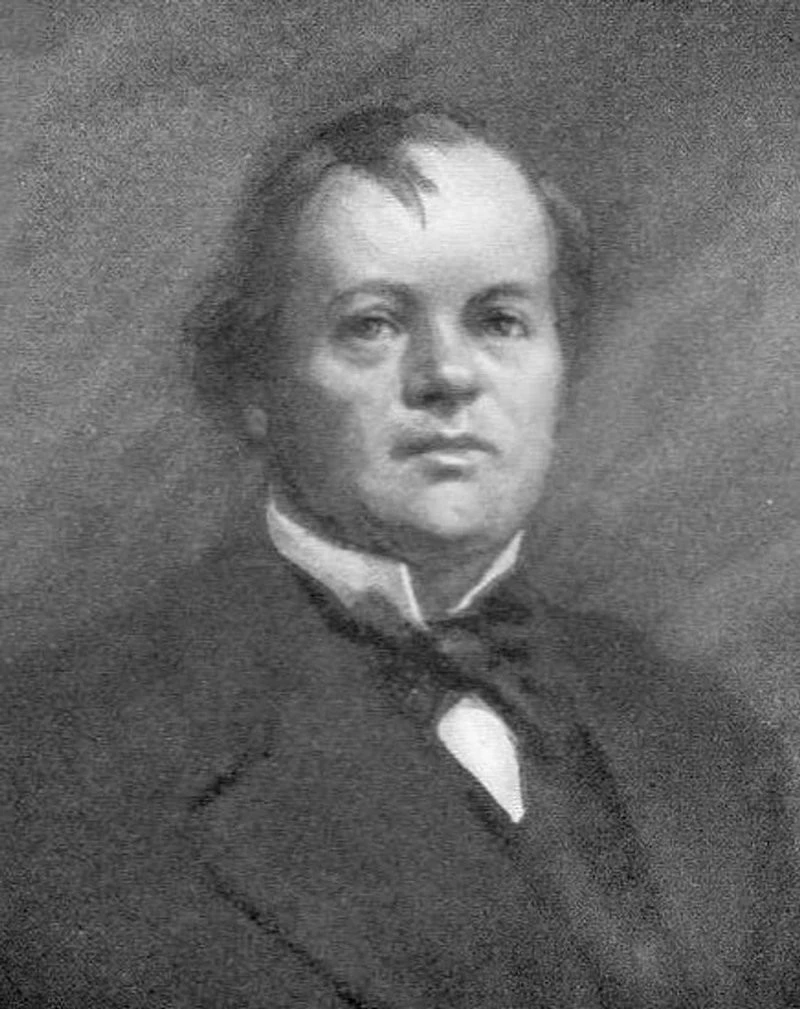
William Palmer (nicknamed "The Palmer Poisoner") was a British serial killer who committed a series of murders by poisoning.
He was also suspected of poisoning his brother, mother-in-law, and four of his own children. He received insurance payments for the deaths of his wife and brother. Charles Dickens called Palmer the greatest villain ever to stand trial at the Old Bailey, London's central criminal court. 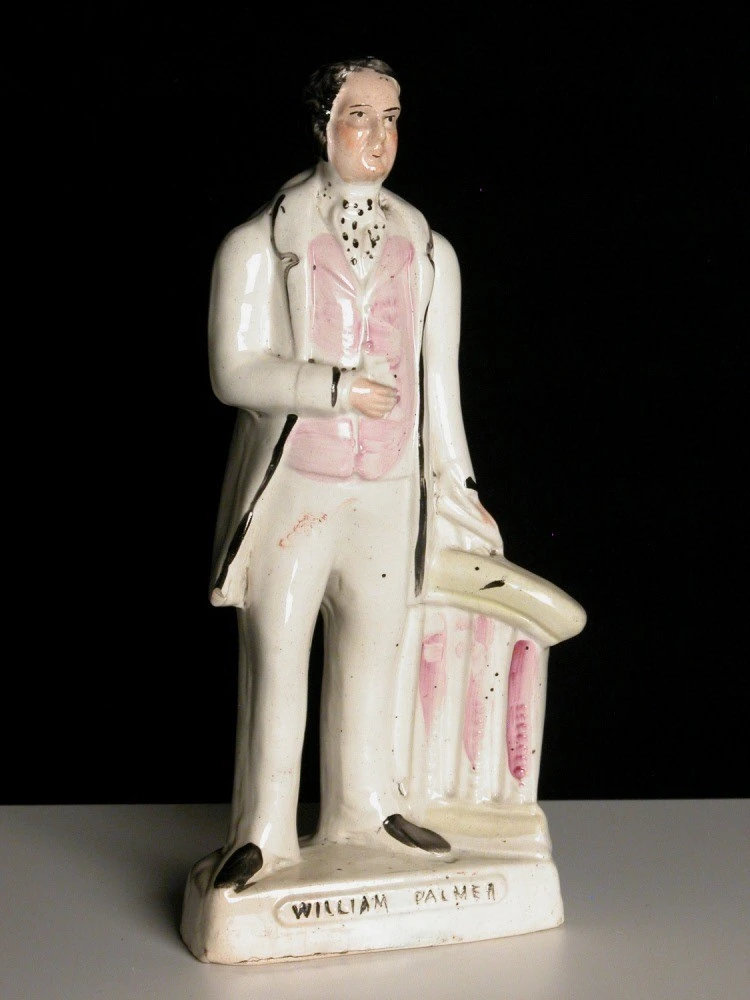
William Palmer (1824–1856)