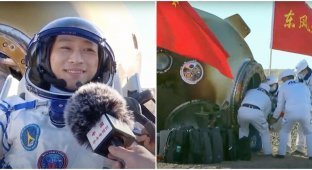
The first Chinese astronaut heard something in space that remains unexplained (3 photos)
October 15, 2003, was a momentous day in Chinese history. China successfully launched its first manned spacecraft, Shenzhou-5, carrying taikonaut Yang Liwei. This 21-hour flight became one of the most mysterious events in space exploration. 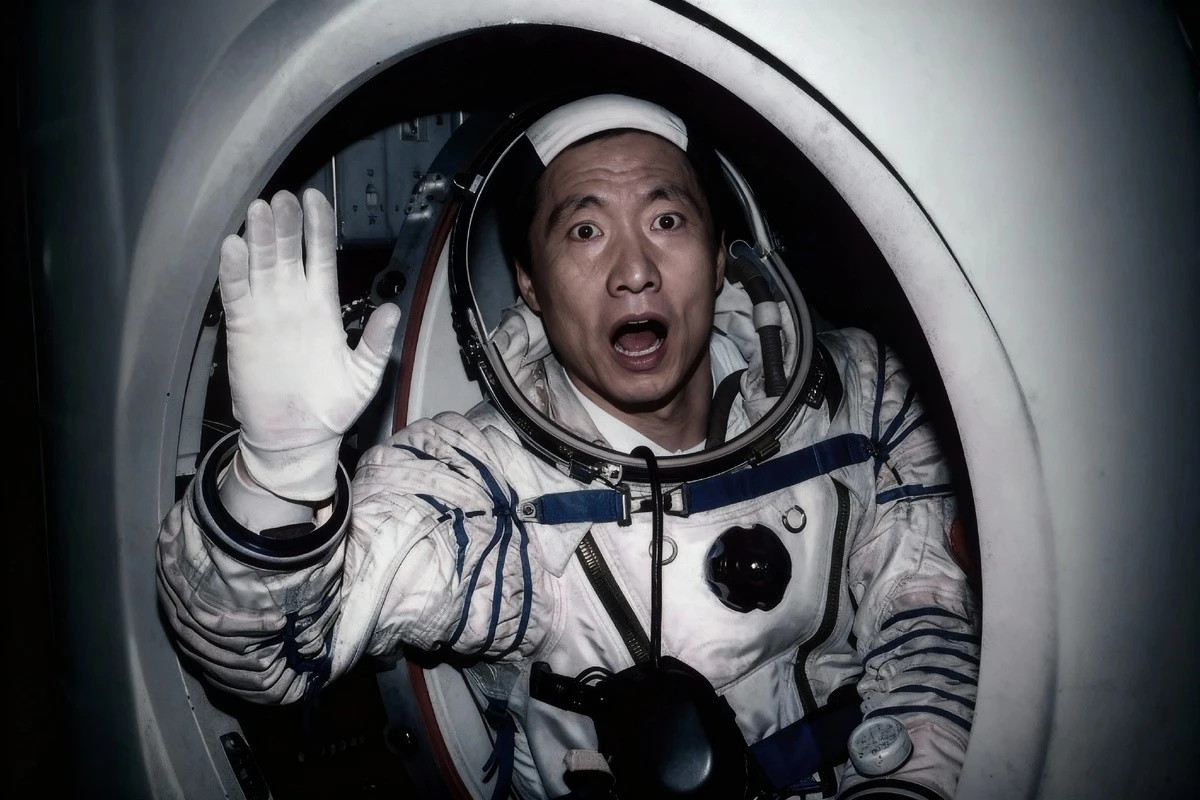
During the flight, Yang Liwei heard a strange knocking sound. More precisely, a series of knocks. He described them as the sound of a wooden hammer striking a metal surface. The sounds appeared and disappeared without any clear pattern. The taikonaut couldn't pinpoint their source, although he was certain the knocking was coming from outside the ship.
Just imagine: alone inside a small spaceship, floating in the vacuum of space. A loud knocking noise is heard outside. Then another, and another. One can only imagine how terrifying those hours of flight must have been.
Space Knocking
This wasn't an isolated incident. Taikonauts on the Shenzhou-6 mission in 2005 and Shenzhou-7 in 2008 witnessed similar sounds coming from outside the spacecraft. And again, no one could explain their origin.
The Chinese astronauts aren't alone in their strange "acoustic experiences." For example, during NASA's Apollo 10 mission in 1969, astronauts heard an eerie whistling sound over the far side of the Moon—it was even recorded by the spacecraft's onboard systems. More recently, astronauts Butch Wilmore and Sunita Williams, stranded in space due to problems with the Boeing Starliner spacecraft, heard a strange pulsating noise coming from their craft. 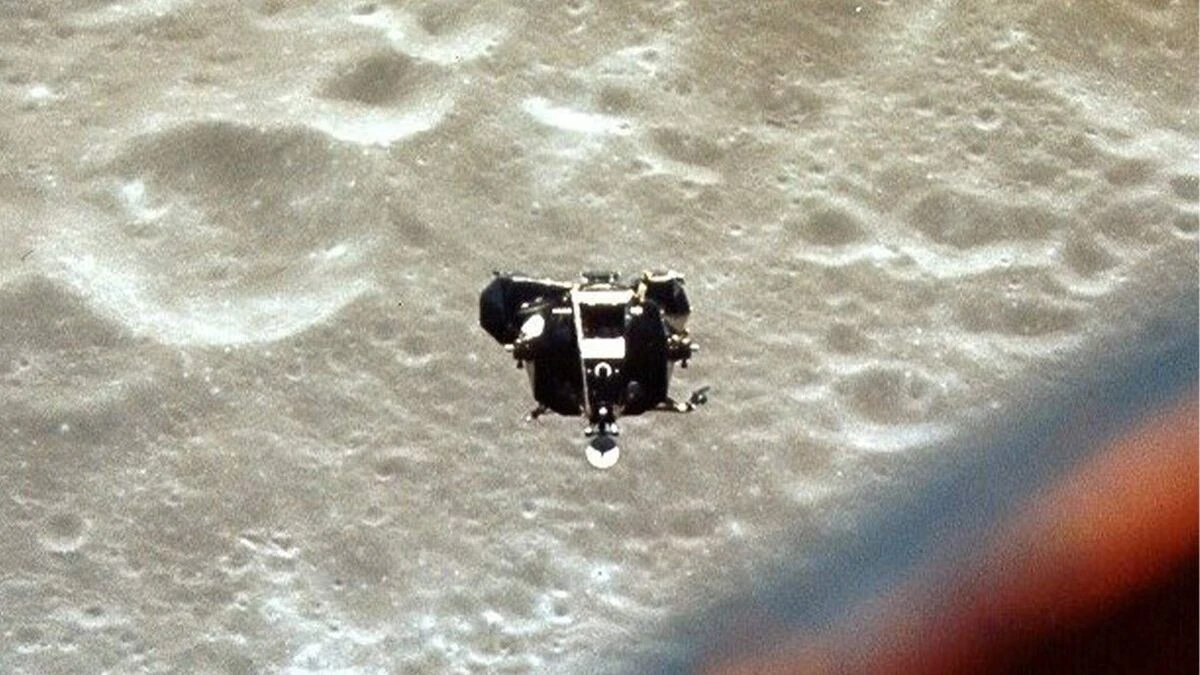
In many cases, scientists have been able to identify the cause of the strange sounds. The Boeing Starliner noise was attributed to acoustic interaction between the spacecraft and the International Space Station. The Apollo 10 whistling sound turned out to be radio interference between the lunar and command modules.
However, the knocking sounds from all three Shenzhou missions remain a mystery to this day.
The most troubling fact is that sound waves require a medium to propagate.
"Sound requires a medium to propagate—be it air particles, water molecules, metals, or atoms of solids," explains Professor Goh Cher Khiang of the National University of Singapore. "If you hear a knocking sound, it could mean something is physically hitting the spacecraft."
Possible Explanations
In an attempt to explain the Shenzhou anomaly, scientists have put forward three hypotheses:
Space Debris
The sound could have been caused by tiny fragments of space debris periodically colliding with the outer skin of the spacecraft.
Thermal Expansion
Sharp temperature changes between the sunlit and shadowed sides of the planet could have caused expansion or contraction of the ship's components, generating audible sounds. 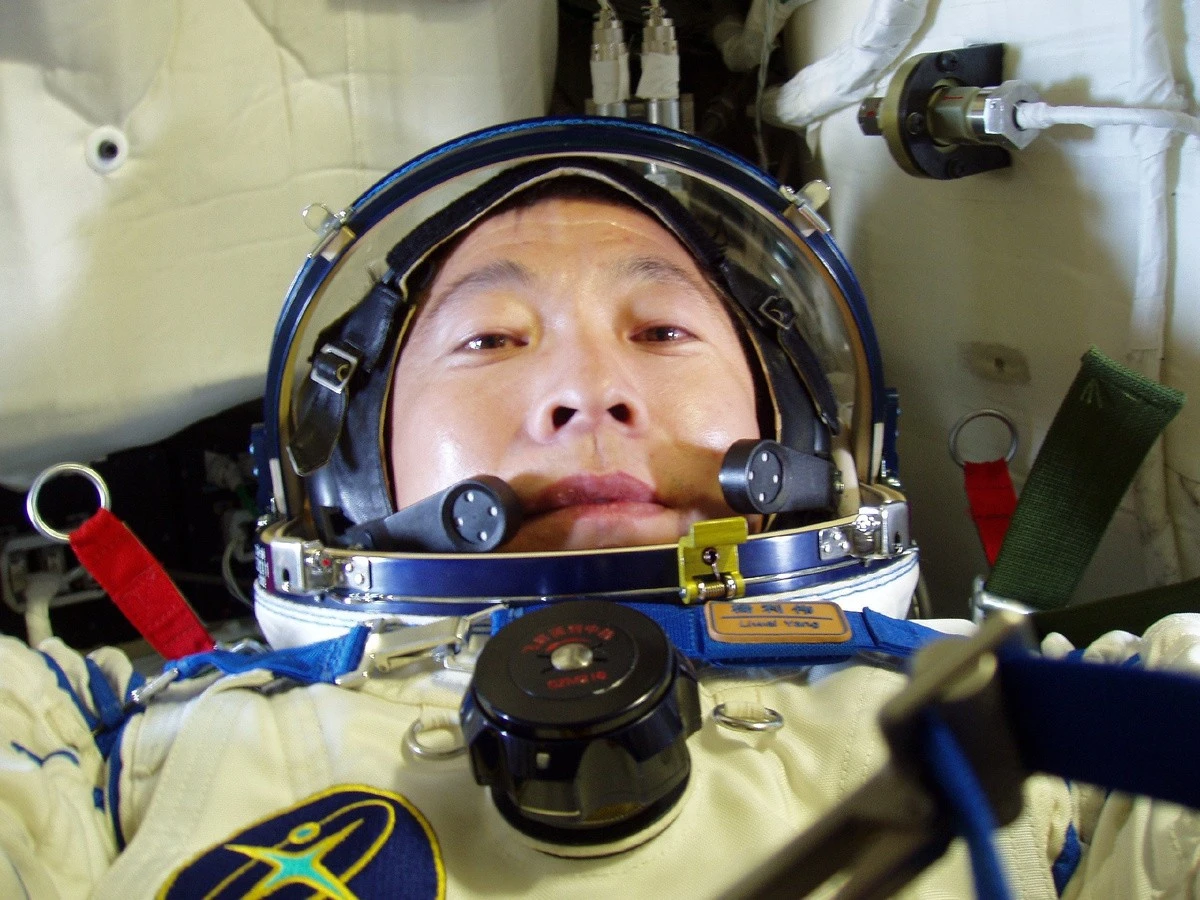
Air Exhaust
The ship's systems could have released air currents that, during flight, caused slight vibrations, developing into a tapping sound.
All three hypotheses are technically sound. It's strange that, after more than two decades, the source of the sound that so frightened Ian Liwei has yet to be accurately determined.