Burying billions underground: the Maginot Bunker (19 photos)
The French amaze me. They were able to anticipate the need for the complex construction of an entire line of bunkers. But they also managed to overlook the Germans, who bypassed this entire, beautiful defensive system. This is all about the greatest military project of the 20th century – the Maginot Line. 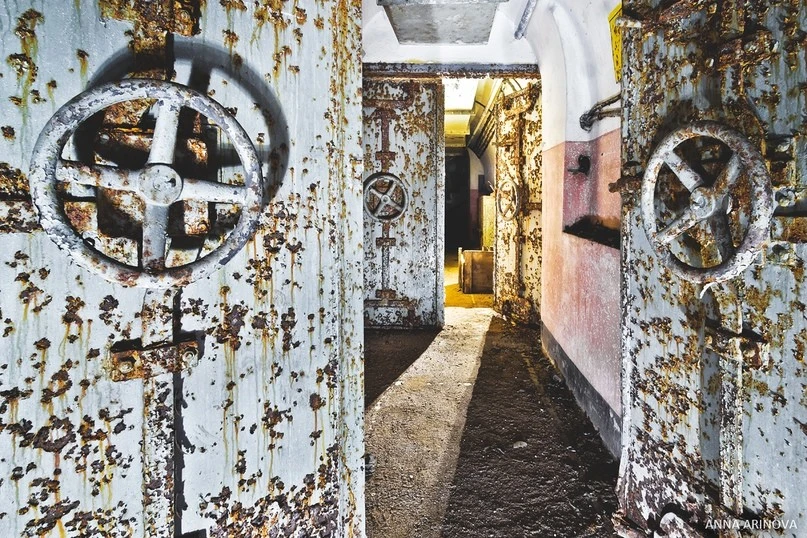
In the 1920s, France decided to build a defensive line of fortifications on its eastern border next to Germany. In 1926, a military commission was convened to prepare a construction plan. André Maginot, the Minister of War, was appointed responsible for construction, after whom the Line would later be named. 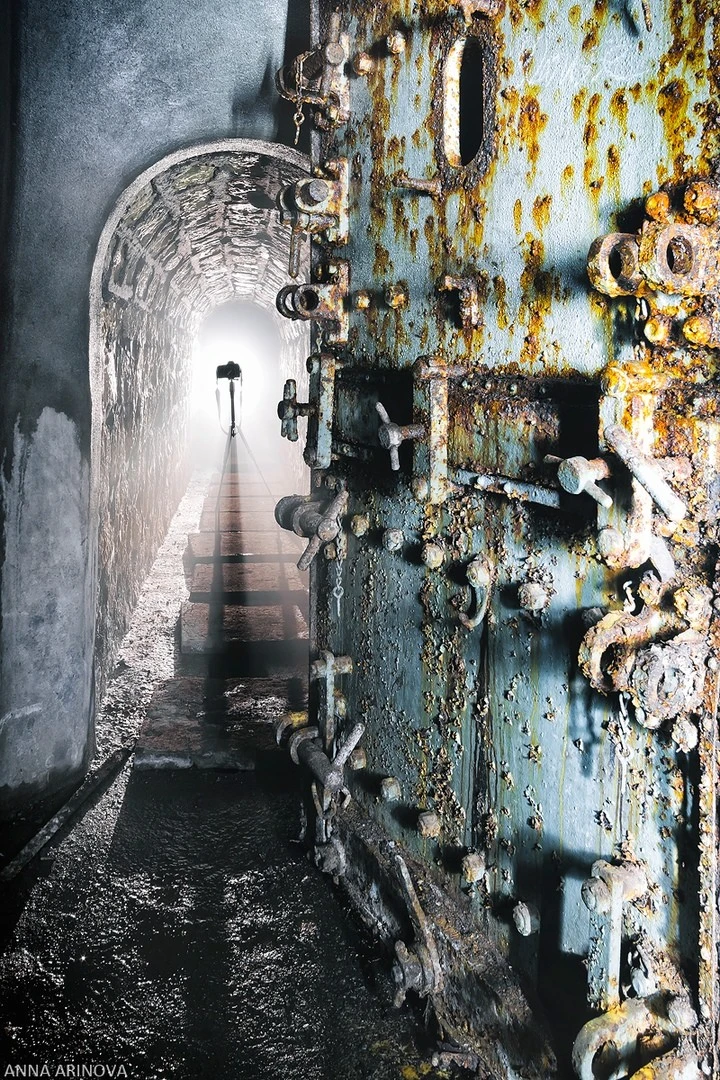
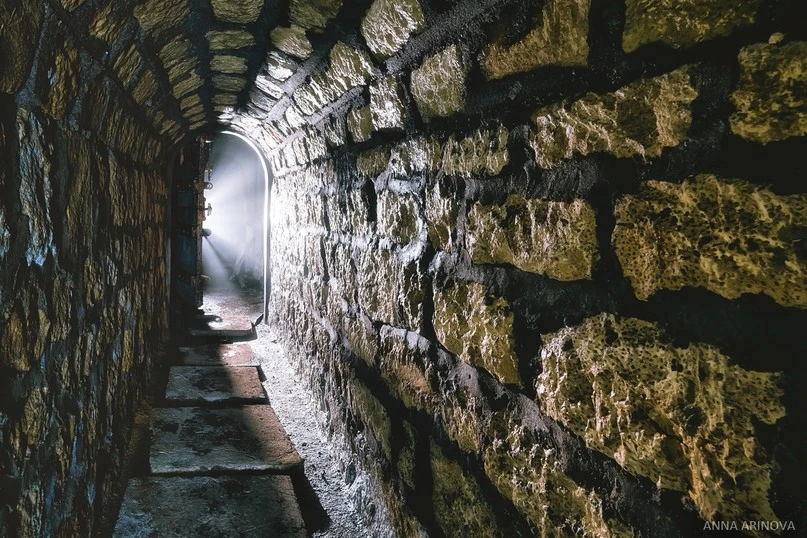
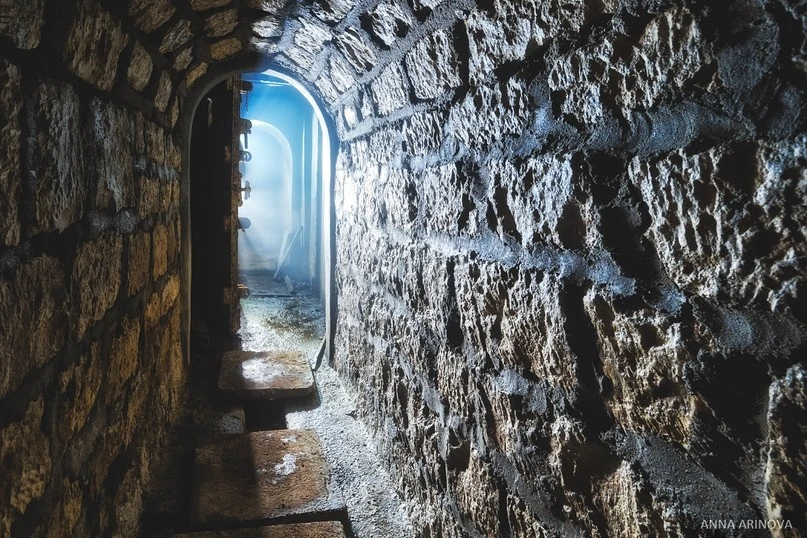
When you read this whole story, a natural question immediately arises... 1920s, Germany. Why build a defensive line and invent anything to protect against a country that's been completely decimated? At the time, $1 billion was spent on the Maginot Line. That's almost half the country's military budget. And by the 1940s, twice that amount had been spent on completing this structure. 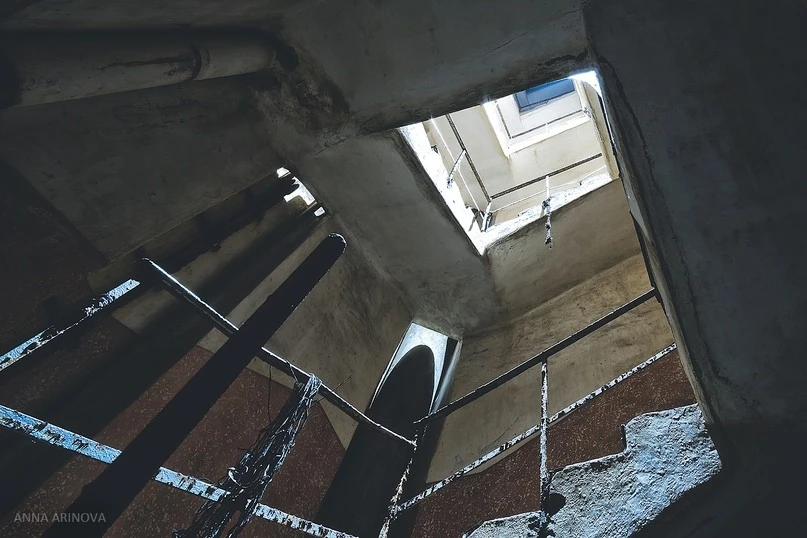
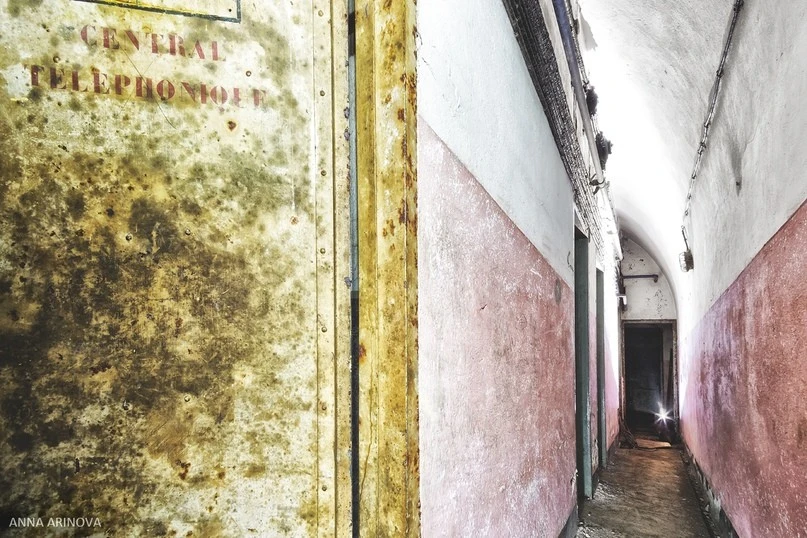
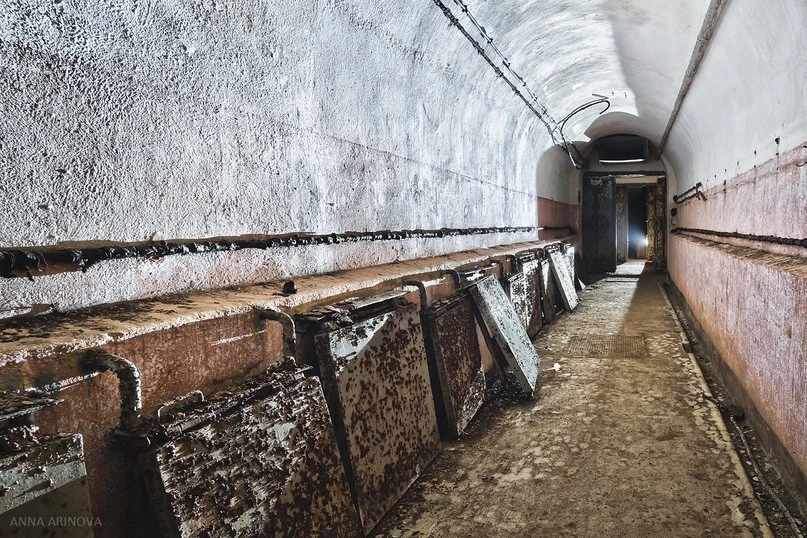
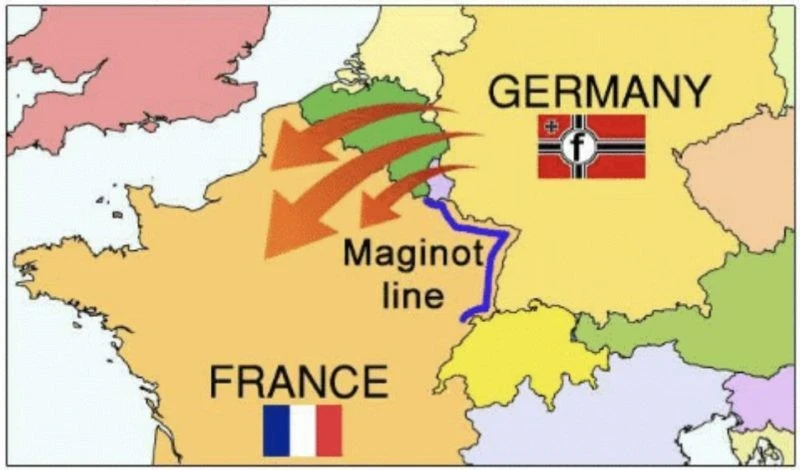
According to France, the Maginot Line was built to protect against a German attack. It was there, on the country's eastern border, that the country's main industrial facilities were located. France wanted to let Germany into Belgium and greet them there "with full honors," according to the military plan. 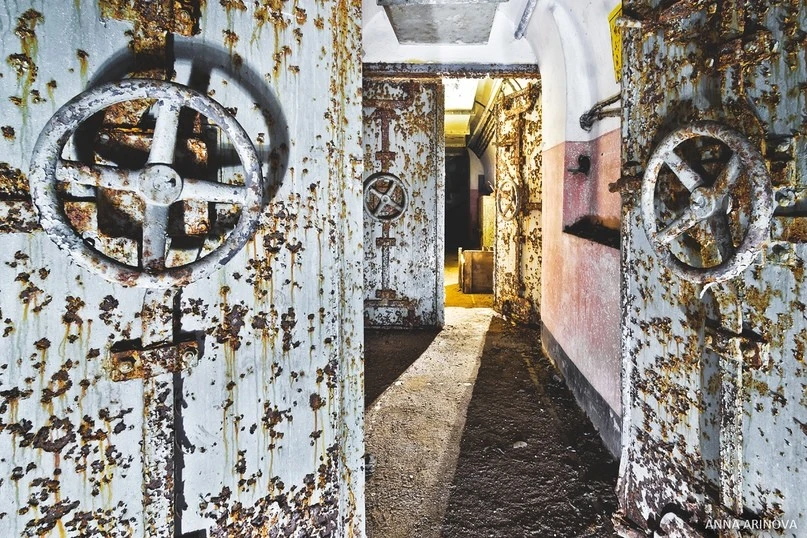
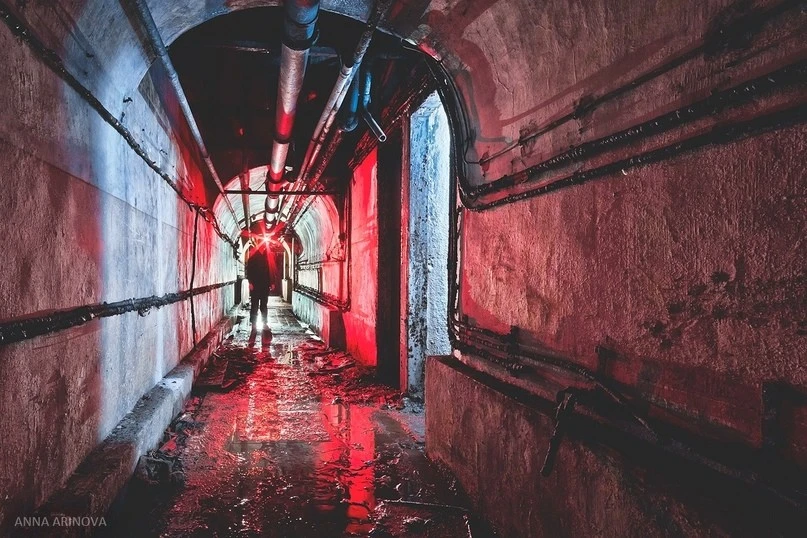
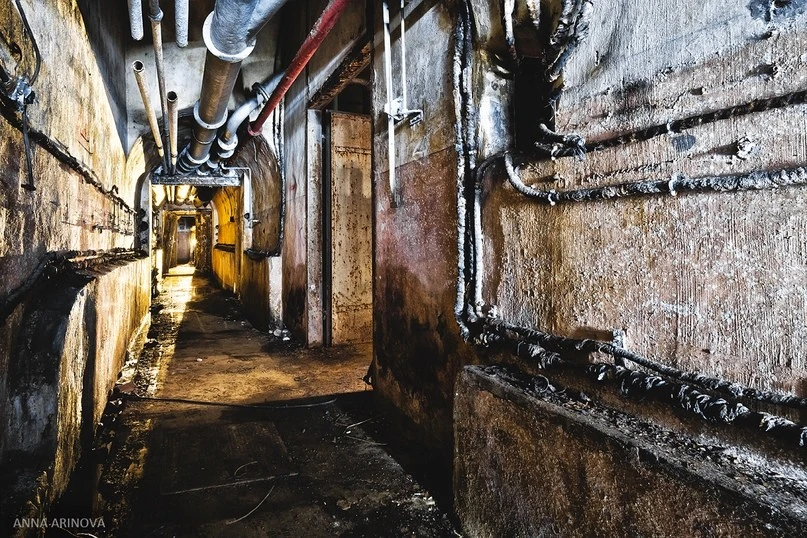
The Maginot Line was completed just before the start of World War II. Amazing! Intuition? Luck? A cunning plan and miscalculation, or perhaps secret information? Who knows; the past is murky. On the other hand, after the First World War, "everyone" began building fortified areas, and France was just one of Germany's many neighbors that kept up. The Mannerheim Line, the Siegfried Line, the Stalin Line… 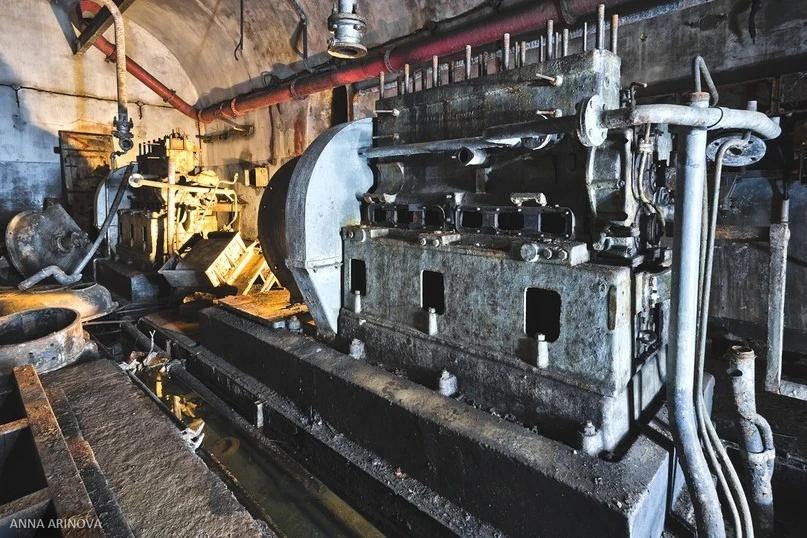
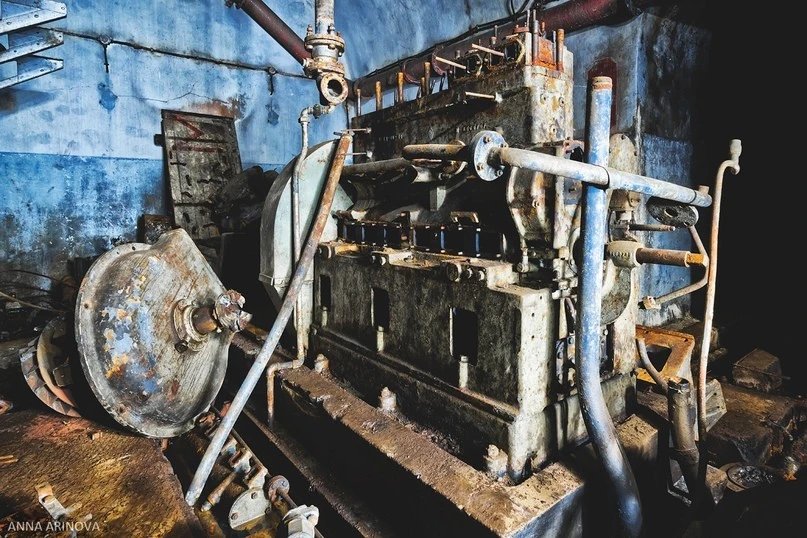
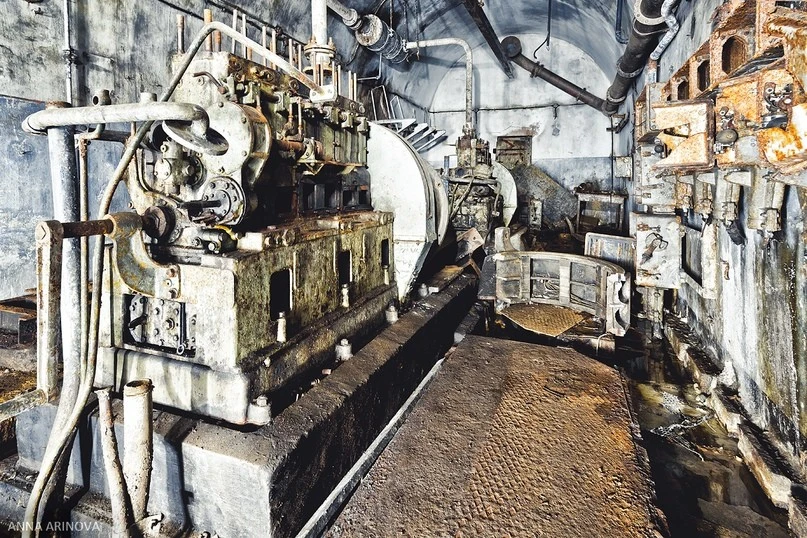
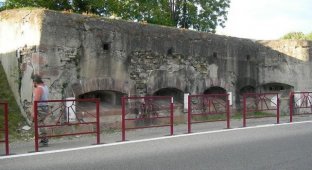
What happened? The line included 39 permanent defensive fortifications, 75 bunkers, 500 artillery and infantry blocks, 500 casemates, as well as dugouts and observation posts. 5,600 permanent firing positions with walls up to 4 meters thick of fortified concrete, connected by a single underground railway system. Power plants, warehouses, hospitals, and communication centers were also present, all up to 50 meters deep. Pillboxes with artillery armored caps could be raised to fire and instantly lowered, making them invulnerable to enemy counterfire. 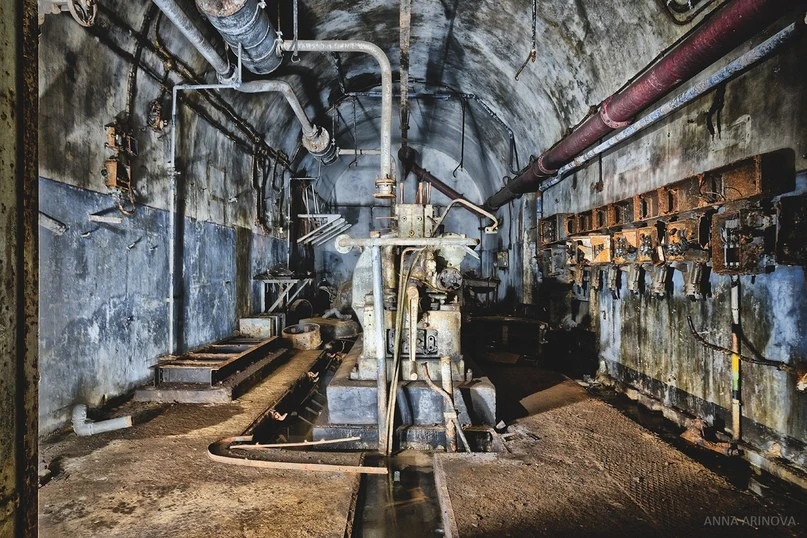
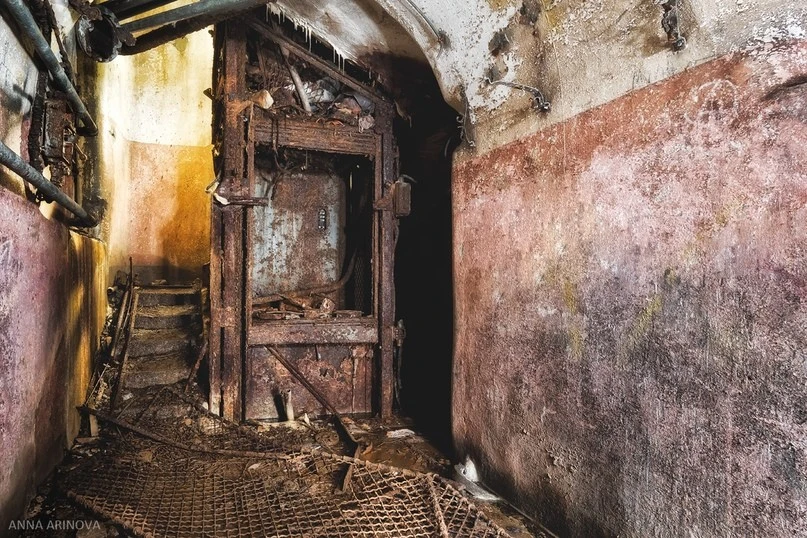
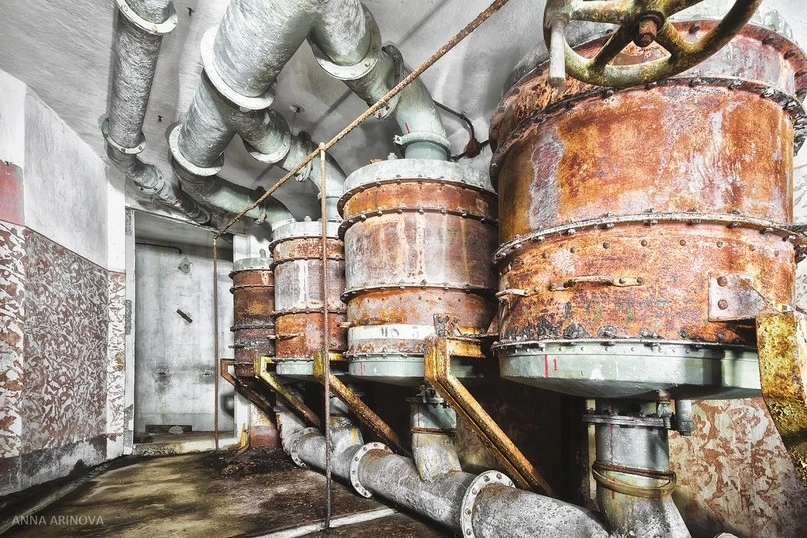
The area we visited had three infantry blocks with barracks, ammunition depots, and utility rooms. It was designed to accommodate 1,500 people. 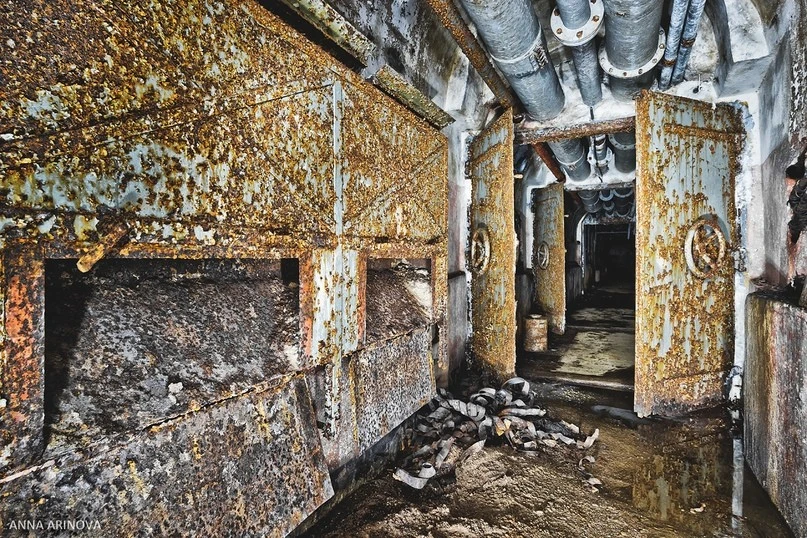
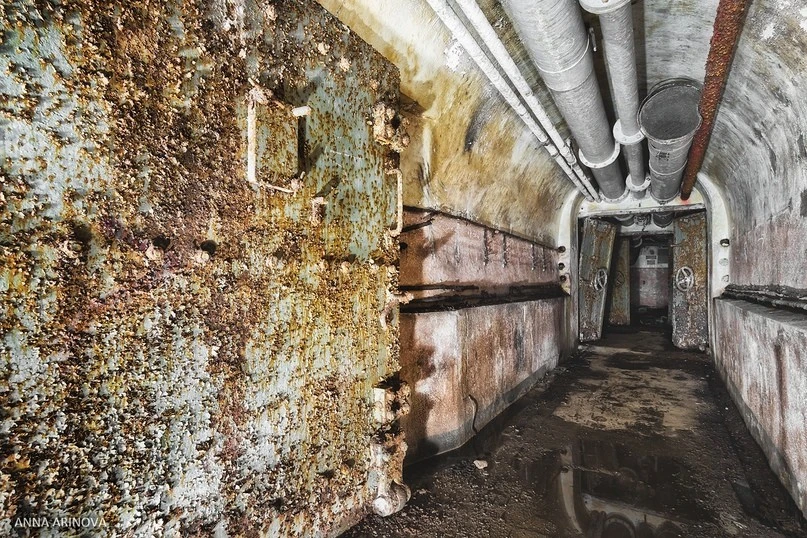
Alas, this miracle of fortification did not help France. In 1940, Germany bypassed the Maginot Line through the Ardennes. Belgium adopted neutrality, and all of France's plans went down the drain. Later, Germany broke through the Maginot Line as well, by which time Paris had already been captured.