From a lottery ticket to the top of the world: 10 facts that will make you look at history differently (11 photos)
History isn't just about great battles, ancient kings, and dry dates. Often, its most astonishing details are hidden on the periphery of textbooks: in everyday objects, incredible coincidences, or curious events that changed the course of history. 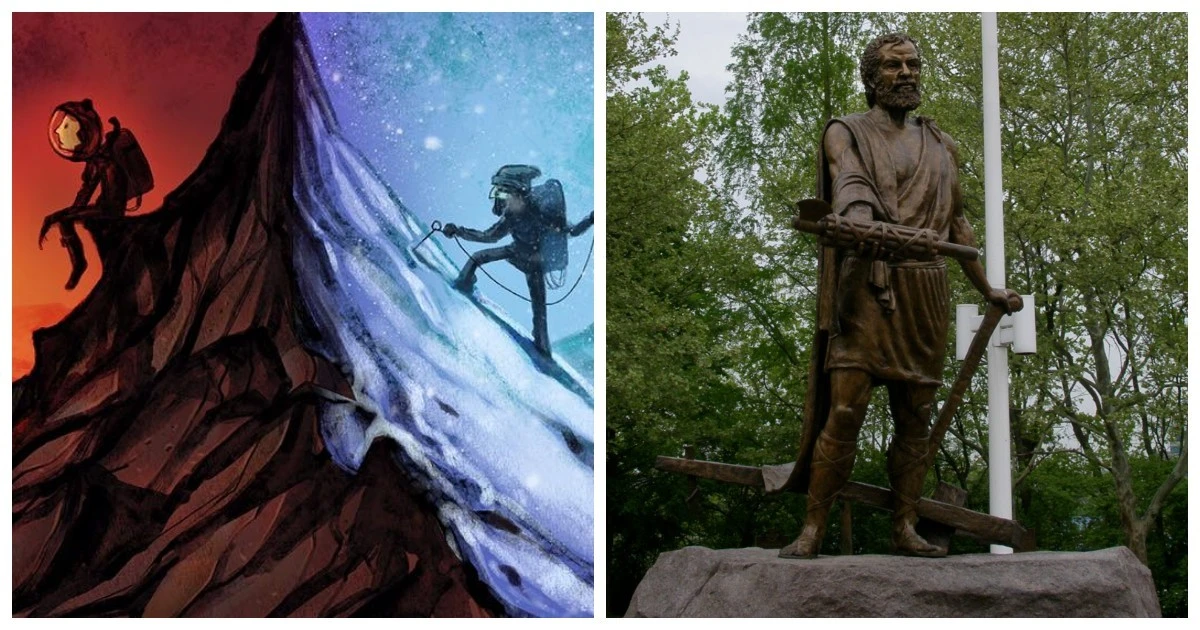
This collection will take you across centuries and continents and serve as a reminder that history consists not only of global processes, but also of amazing human stories, astonishing inventions, and moments where reality proves more captivating than any fiction.
1. The Chinese Ancestor of Lotteries 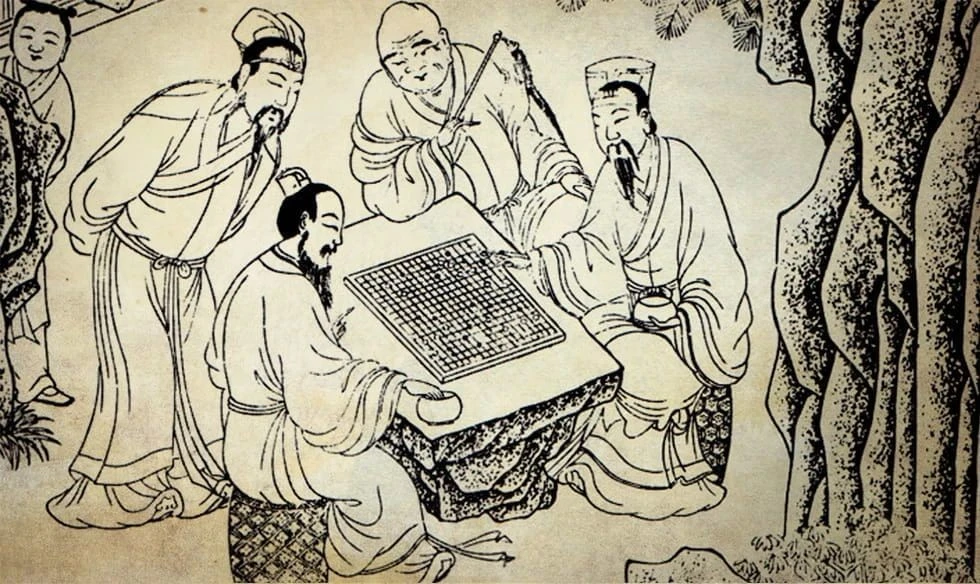
Lottery is an ancient Chinese invention. The first documented use of a lottery dates back to approximately 205 BC during the Han Dynasty. In those early days, the preferred lottery game was Keno, a game still available in some casinos.
2. Death Under the Feet of a Giant 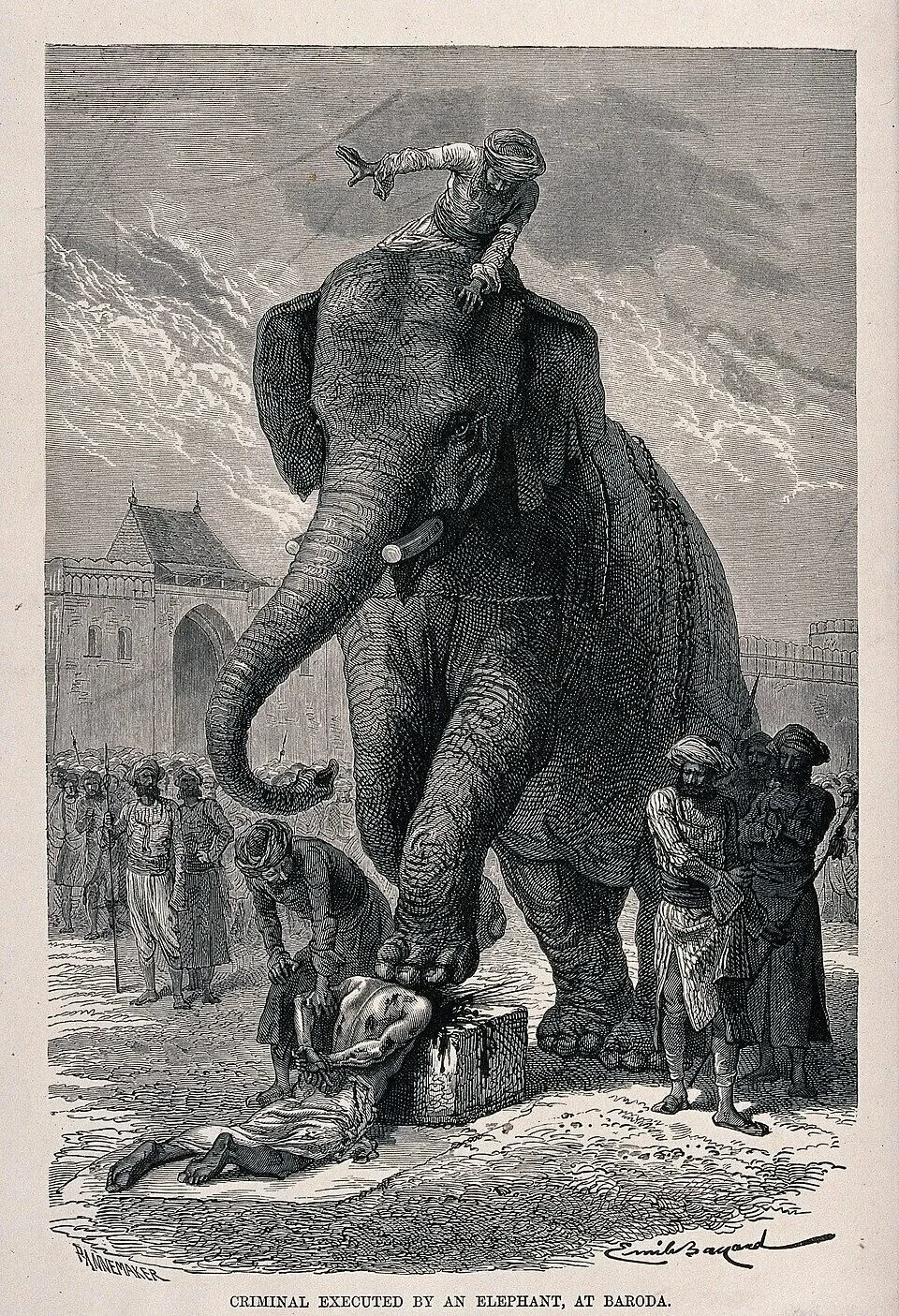
Execution by elephant (known as gungara in India) was once a common form of punishment. This method was widely used in many Asian countries in the past. In India, elephants were used for public torture and the execution of convicted criminals.
3. Forgotten Women Warriors of Rome 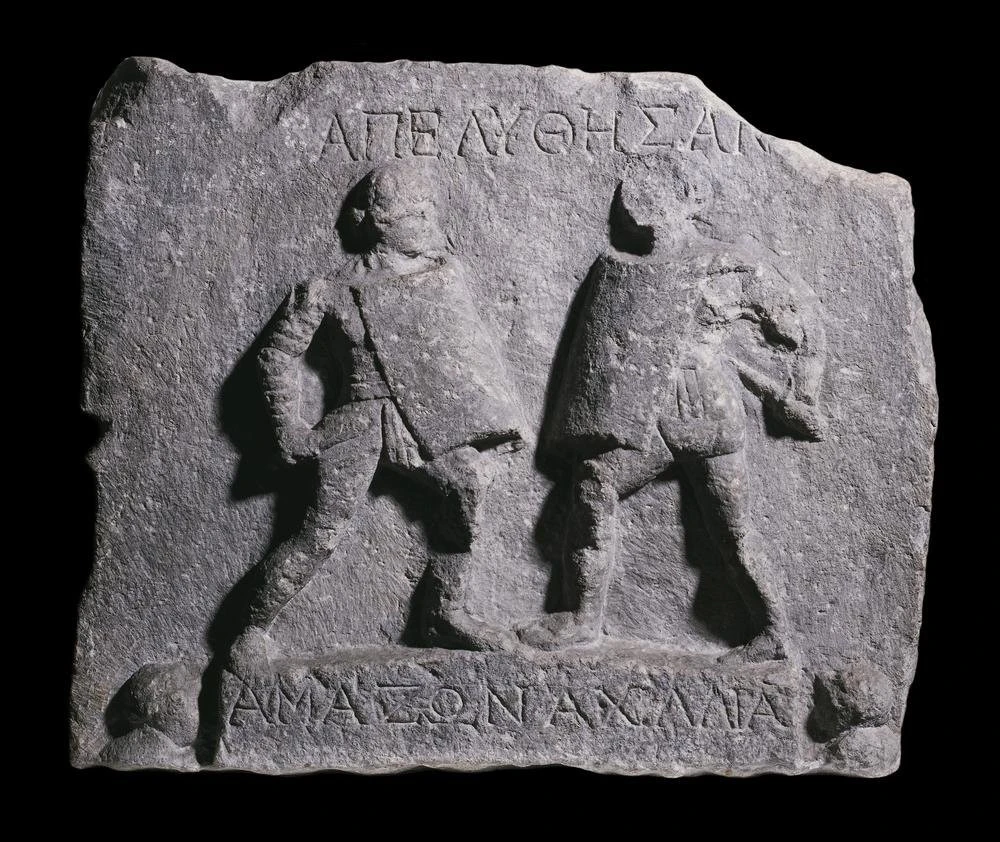
The best-known material evidence is the so-called Halicarnassus relief (British Museum), which depicts two women fighting, named "Amazon" and "Achillea."
Female gladiators also existed. They were called gladiatrixes (Latin: gladiatrix), and like their male counterparts, they fought animals or each other for public entertainment during festivals in ancient Rome. Unfortunately, scholars know very little about them—basically, only the fact that they existed.
4. Ancient Accessibility 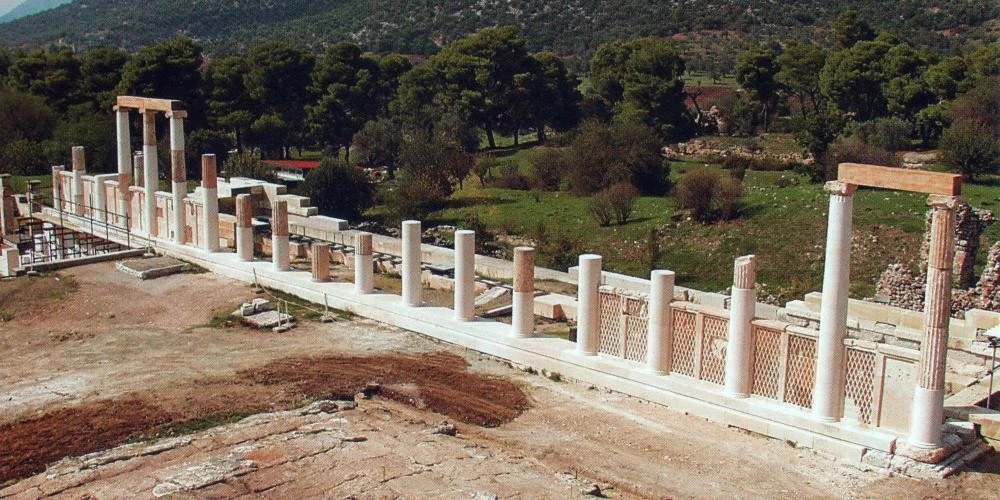
Sanctuary of Asclepius at Epidaurus
Some ancient Greek temples had ramps for people with disabilities. The ancient Greeks were progressive in many ways, and scholars have recently discovered that some of their temples, especially healing sanctuaries, were specifically built with ramps for people with limited mobility, so that everyone could access the sacred space.
5. A Substitute King, a Fatal Mess, and the Birth of a Dynasty 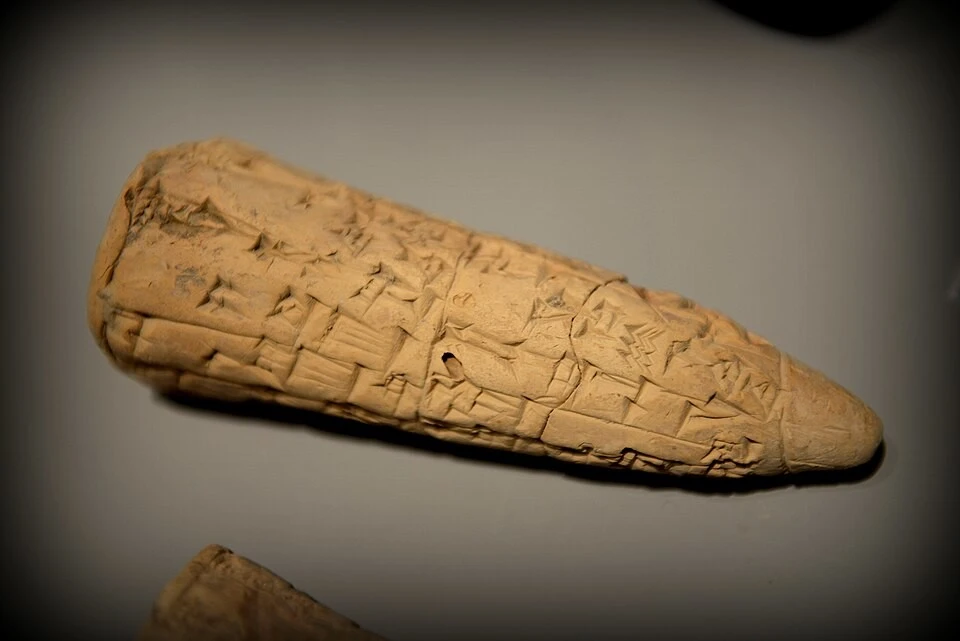
Cuneiform inscription of Enlil-bani on a clay cone about the construction of a temple to the god Numushda in the city of Kiritab
In 1861 BC, King Erra-Imitti ruled the small Sumerian city of Isin in what is now southern Iraq. One day, the priests announced that an upcoming celestial event, a dark omen, foretold the king's imminent death. To deceive the will of the stars, the king went into hiding and crowned a commoner, a gardener named Enlil-bani, as a "substitute king" who was to be executed to deceive the prophecy.
But things didn't go according to plan: while the king was in hiding, he choked on hot porridge and died. The gardener, unexpectedly crowned king, seized the opportunity and refused to reclaim the throne, declaring that his reign was predetermined by the gods. Thus, Enlil-bani became the new king and founded a new dynasty.
6. Myth Became Reality 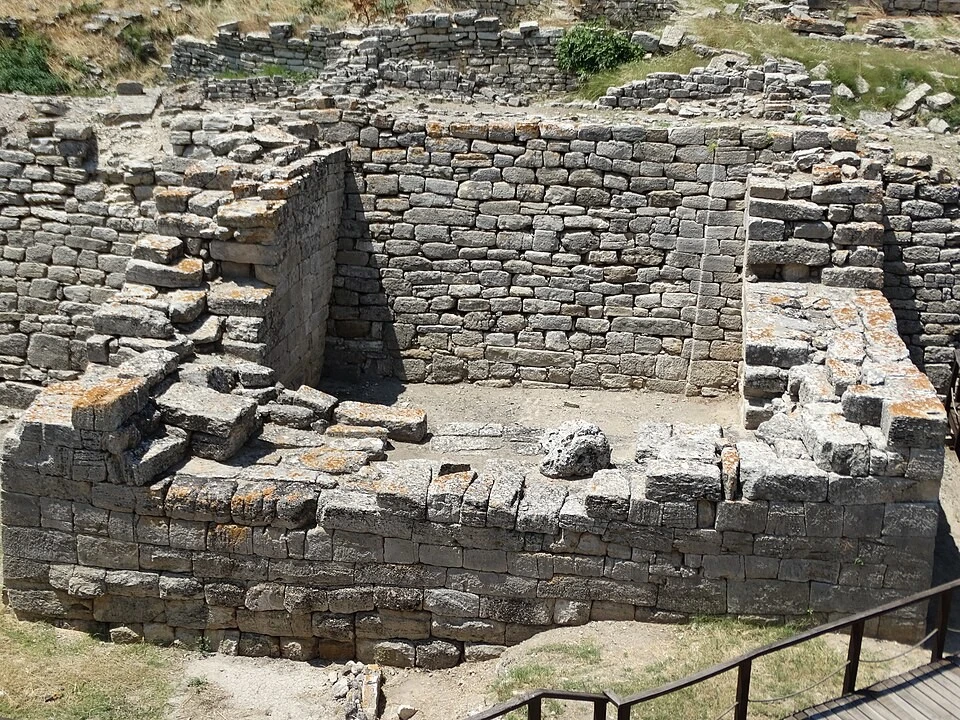
The ruins of the ancient city of Troy (Ilion) are located in northwestern Turkey, in the province of Çanakkale.
The story of the Trojan War is widely known today as historical fact, but this was not always the case. For centuries, European historians considered Homer's Iliad to be pure fiction. Little did they know that the city of Troy had been right under their feet all this time. The ruins of the "mythical" city were rediscovered in 1871 in what is now Turkey. Interestingly, the area where the ancient city stood had been excavated before, but the ruins of Troy lay buried beneath layers of more recent excavations.
7. The Deadly Dance of the Middle Ages 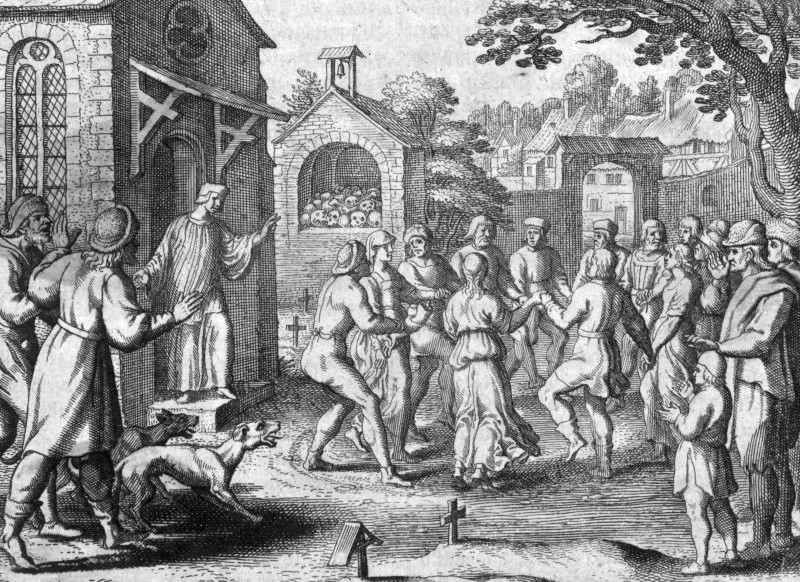
In 1518, the city of Strasbourg, in what is now France, was struck by a mysterious illness. No, it wasn't the plague or any other common affliction of the time. It was a different kind of illness, one that began with a woman who suddenly broke into a dance and continued for several days straight. Soon, up to 400 people joined her. This wasn't a joyful dance, but an obsessive state that prevented the participants from stopping.
Around 50 people died from exhaustion, heart attacks, and food shortages during the so-called Dancing Plague of 1518. It remains unclear whether it was a case of mass hysteria or something else. One theory suggests that the victims may have consumed rye bread contaminated with ergot, a toxic fungus that causes convulsions and hallucinations.
8. The Two-Week Dictator 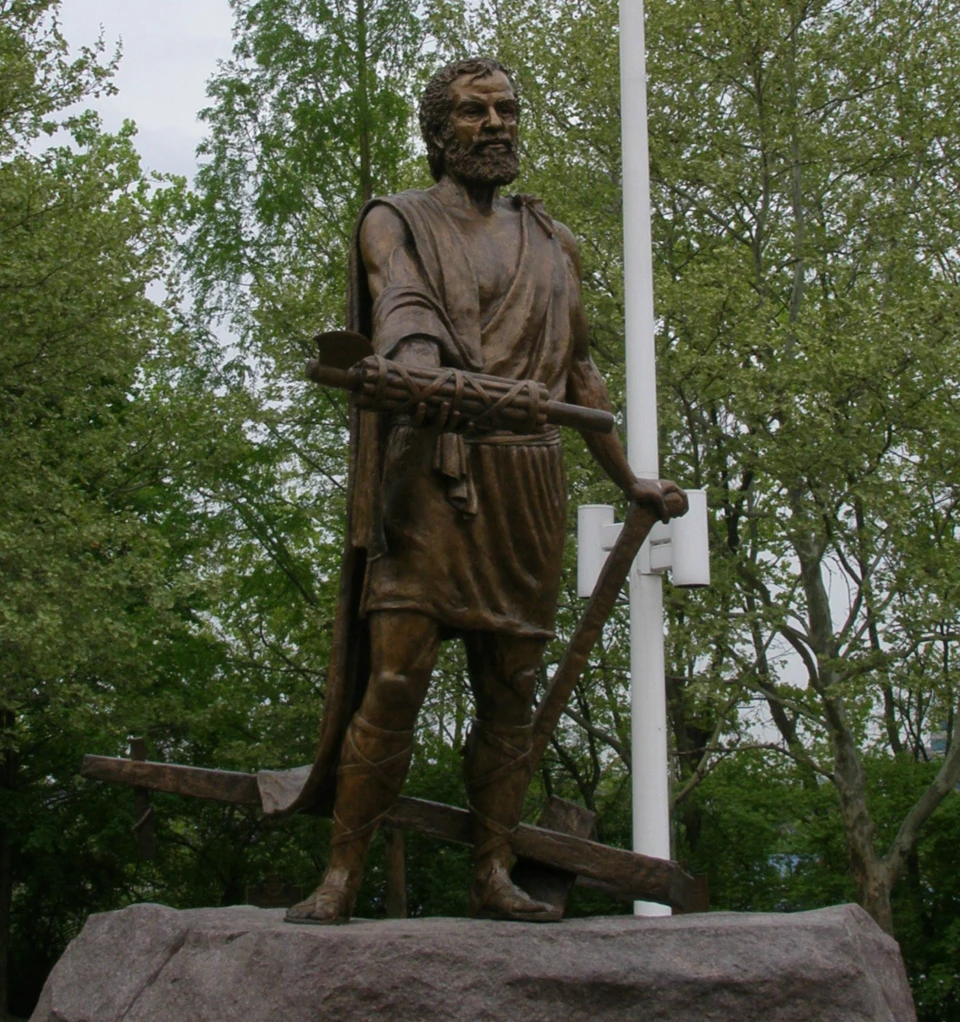
Statue of Cincinnatus at his plow in Cincinnati, Ohio
Lucius Quinctius Cincinnatus (c. 519 – c. 430 BC) was a real historical figure, a Roman patrician who became a symbol of civic virtue, modesty, and the renunciation of power. When the Roman army was surrounded by the Aequi, the Senate sent a delegation to Cincinnatus, who was working on his small plot of land. He was offered the position of dictator for six months—an extraordinary magistracy with unlimited powers.
Cincinnatus assumed power, quickly assembled an army, defeated the Aequi at the Battle of Mount Algidus, and liberated the besieged Romans. According to legend, the entire campaign lasted 15-16 days. Immediately after the triumph, despite the fact that his legal term of office had not yet expired, Cincinnatus voluntarily relinquished his dictatorial powers and returned to the simple life of a farmer.
9. The Last Flash of Consciousness 
Some people with severe dementia or serious brain damage may briefly regain full lucidity shortly before death. This phenomenon is known as terminal (pre-death) lucidity, and it still has no confirmed neurological explanation.
There are several unconfirmed but currently being studied hypotheses attempting to explain the phenomenon:
Neurochemical. Before death, there may be a release of neurotransmitters or hormones (such as endorphins), temporarily improving brain function.
Energetic. The body, ceasing to support basic life functions, may redirect its last resources to brain function.
Structural. When the brain swells or certain areas fail, pathological neural blocks may be temporarily released.
10. A Belated Prediction 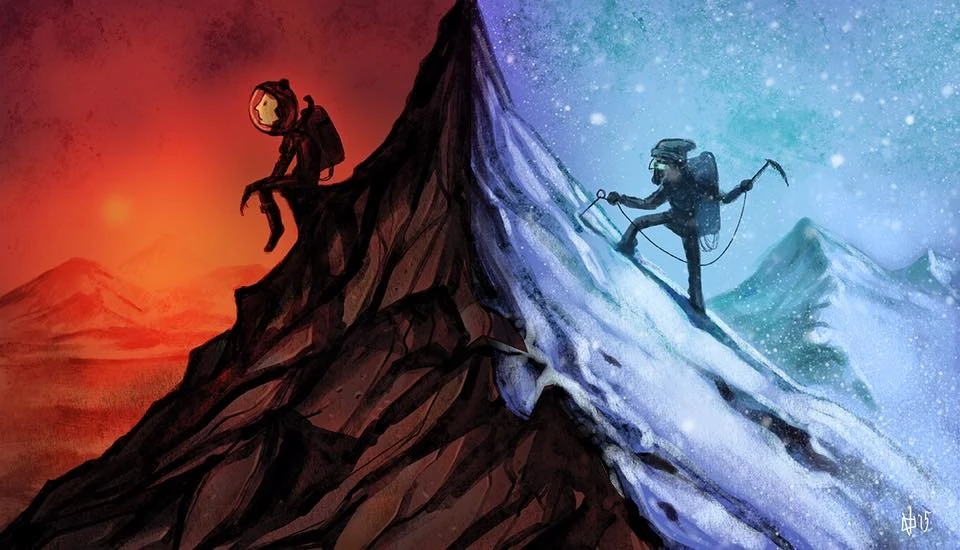
In 1953, Isaac Asimov wrote the short story "Everest" (included in his 1959 collection of short stories, Nine Tomorrows), in which he predicted that climbing Everest was impossible and that the first person to reach its summit would have to parachute. Everest was successfully summited a month after he wrote it and seven months before it was published.