A Tiger's Secret Weapon: Its Roar Can Paralyze Animals or Humans (7 photos)
A tiger's thunderous roar will break out in a cold sweat. But scientists say the predator's voice can not only frighten but also paralyze. One moment, one sound, and you're helpless prey, ready to be consumed. However, all this smacks of mythology. Did the tiger always have a superpower we didn't know about? 
First, let's look at how a tiger hunts. There it is, crouched like a coiled spring. Ahead, near a watering hole, several wild boars are wandering. They're unaware of the predatory cat. Cautious steps downwind bring the hunter closer and closer to his target. The moment of truth: right now the tiger must unleash its superweapon, one more step and... The predator makes several powerful lunges toward the boars, leaps, flies several meters, and a moment later, only the frightened squeal of its captured prey is heard. But there was no roar in sight... Why? 
What a fool! He could have just screamed!
A tiger is an ambush predator. Until the very last second, it's important for him to maintain his incognito status: hide in the tall grass, mask his scent, and make no sound. He won't roar at his prey, which will scamper off into the thicket with its tail raised, losing some of its weight as it goes. Does this mean that paralysis caused by a roar is sheer madness? Yes and no. 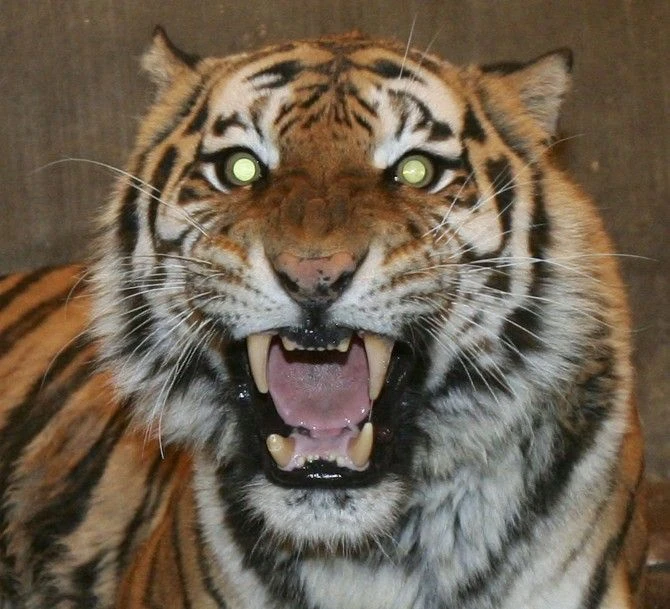
One, two, three, tasty prey, freeze!
Yes, because tigers are focused and keep their mouths shut while hunting. Otherwise, they'll go without dinner. Hunting tactics simply don't tolerate loud statements, but... let's ask another question. Why do tigers roar at all? 
Waaaah, now you won't be able to move!
Big cats are introverts to the core. The territory of a single individual can range from 10 to 100 square kilometers. The striped ones haven't yet invented the telephone, so their only way to communicate with each other is a loud roar that can be heard for several kilometers. And that's the secret. 
Hey, bro, give me a ride! We're several kilometers away from our property line, and we need to mark everything!
Biologists studying tiger communication have noticed that big cats communicate with each other at low frequencies—at the level of infrasound. These waves travel much further than normal, penetrating buildings, dense forests, mountains, and... our bodies. 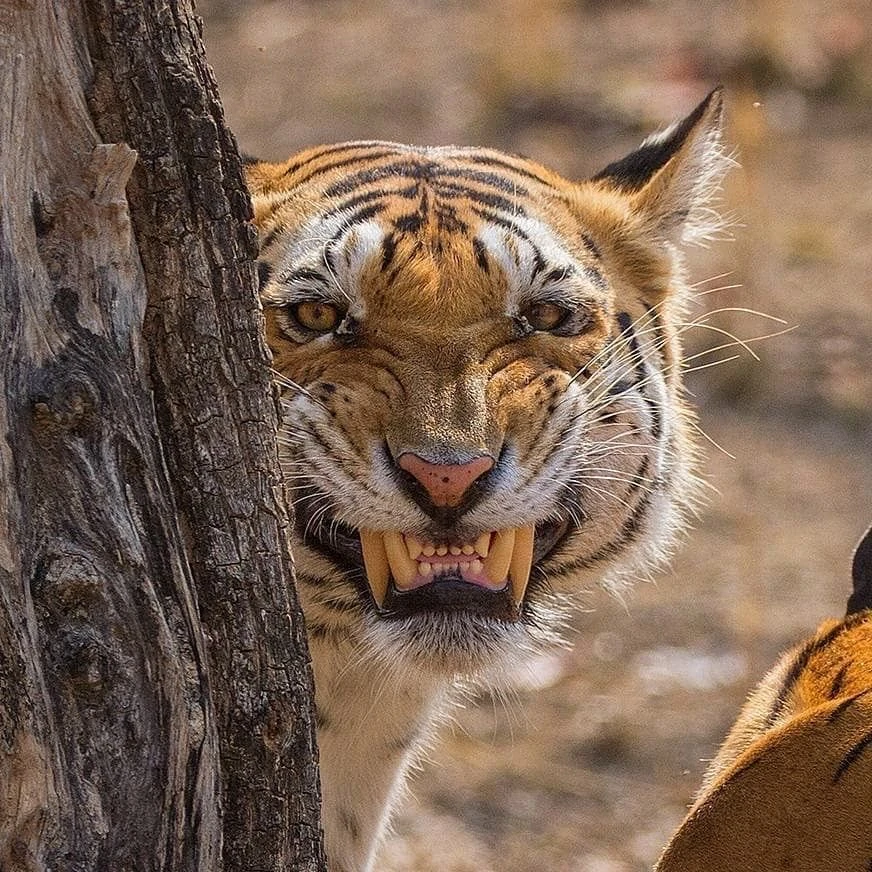
When Mom asked me to go out and greet the guests.
The human ear cannot hear infrasound. Most mammals, including humans, detect frequencies between 20 and 20,000 hertz. Tigers communicate at 18 hertz. However, low-frequency vibrations cause internal organs to resonate and vibrate. Our bodies literally tremble from a tiger's roar. Of course, the vocal cords of a large cat are not strong enough to rupture a heart. But low frequencies trigger anxiety and fear on a physiological level. 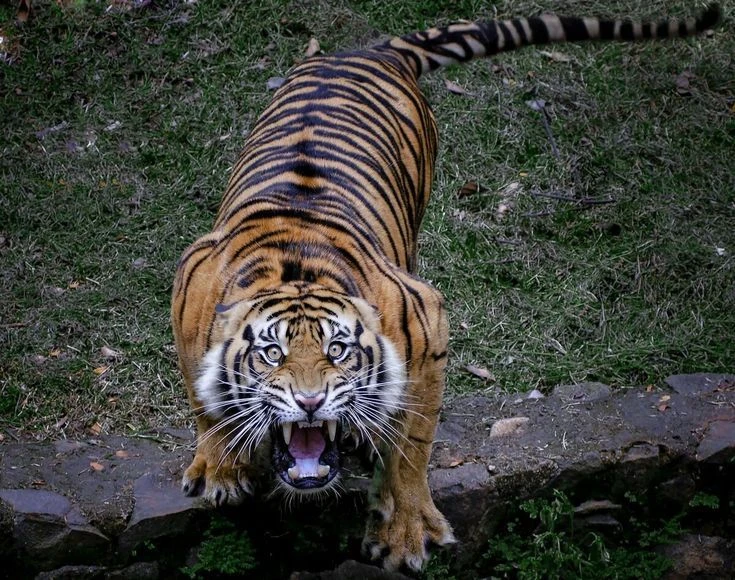
I can't tear your organs apart with my voice. But with my teeth, I can more than do it!
And then follows the classic pattern: fight, flight, or freeze. And if your reaction to intense fear is to imitate a deer frozen in headlights, then a tiger's roar can definitely paralyze. But no magic, mysticism, or superpowers involved. Just the power of physics and biology!