A brave doctor who voluntarily organized A shipwreck and survived 65 days in the ocean on fish and seawater (11 photos)
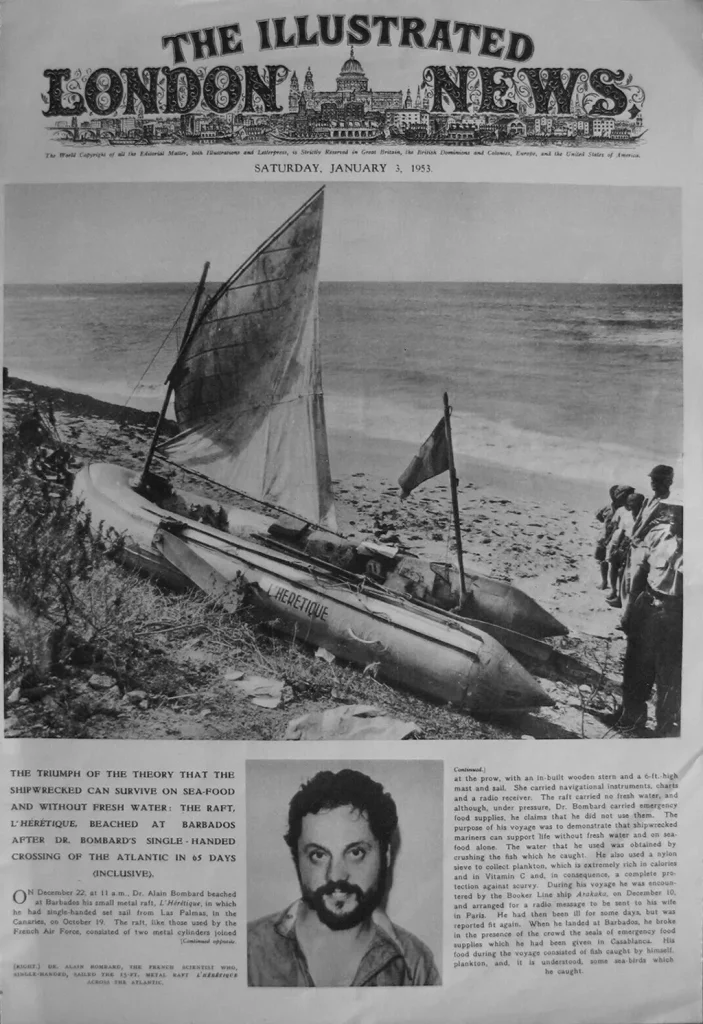
It wasn't an adventure, but a deliberate experiment. In the fall of 1952, a small black inflatable boat, the "Heretic," set out from the Canary Islands into the vast Atlantic. On board was one man—French biologist Alain Bombard. He posed a question: why do thousands of castaways perish within the first few days, despite having an ocean of resources around them? His goal was to prove that humans can survive using only what the sea provides. 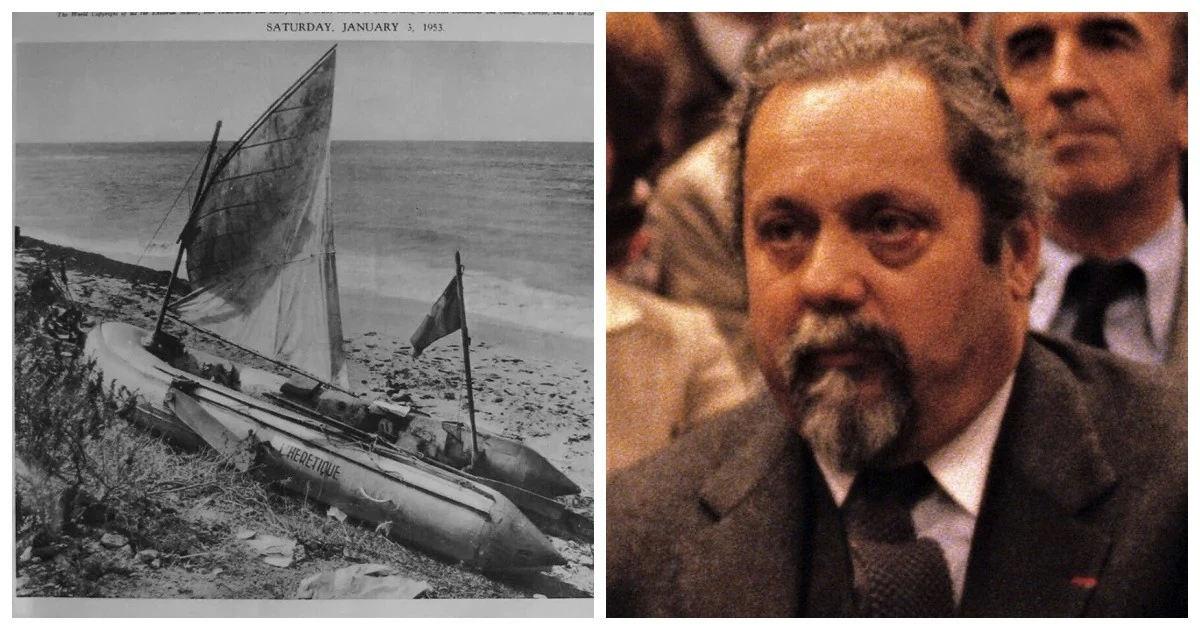
He deliberately turned his voyage into a simulated shipwreck. There was no food or fresh water on board, only books, a sextant, and an unwavering will. His theory was simple and shocking: seawater could be drunk in small doses, fish would provide both food and moisture, and plankton would protect against scurvy. 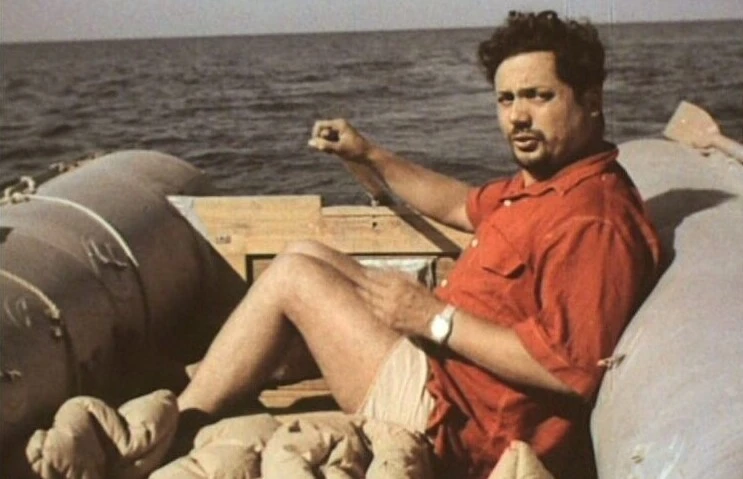
Alain Bombard
He was inspired by a tragic incident in 1951, when, as a young doctor, he was unable to save anyone after a trawler sank in Boulogne. This experience led him to devote himself to research at the Oceanographic Institute of Monaco. 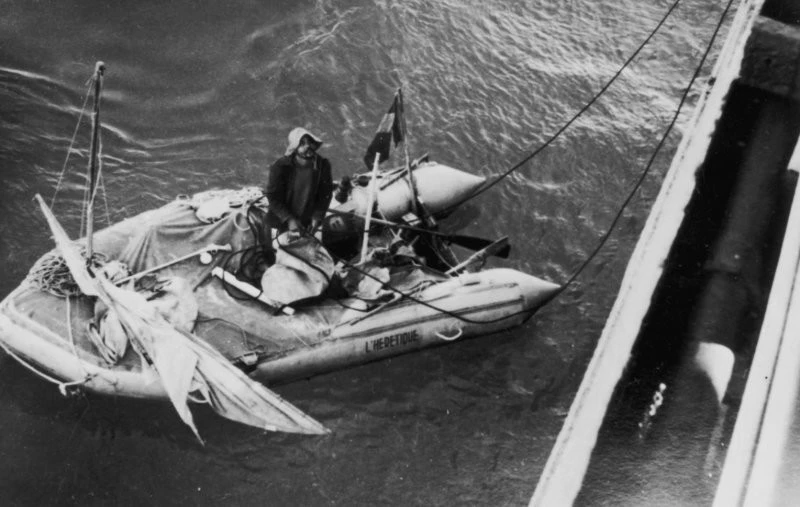
Alain Bombard and his "Heretic"
For sixty-five days, Bombard battled the elements. His diet consisted of raw fish and approximately 700 milliliters of seawater a day, which he mixed with fish juice. A silk net provided him with two spoonfuls of plankton daily—a source of vitamins. This meager ration left him exhausted: he lost 25 kilograms, his body was covered in ulcers, but he survived. 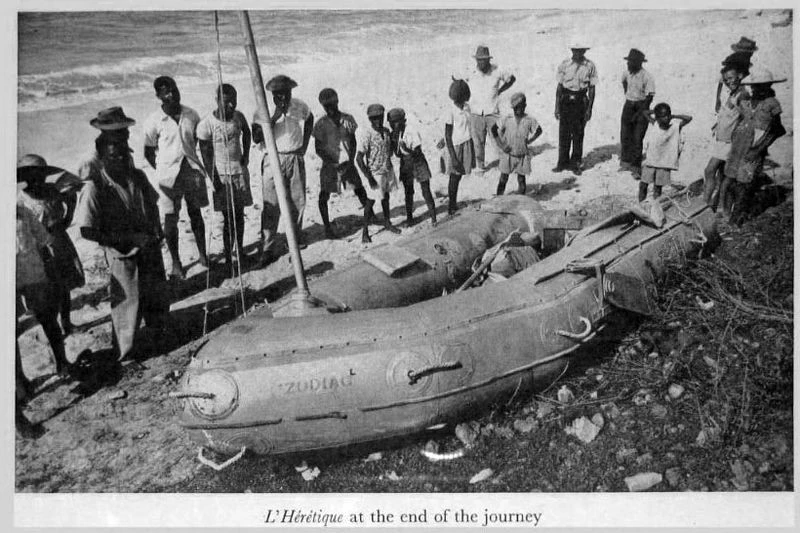
The journey was fraught with constant danger. Early in the voyage, a storm nearly sank the Heretic. One day, diving for a fallen cushion, Bombard saw the boat being rapidly carried away by the current. Only his experience as a swimmer, having crossed the English Channel before, allowed him to catch up with his vessel. 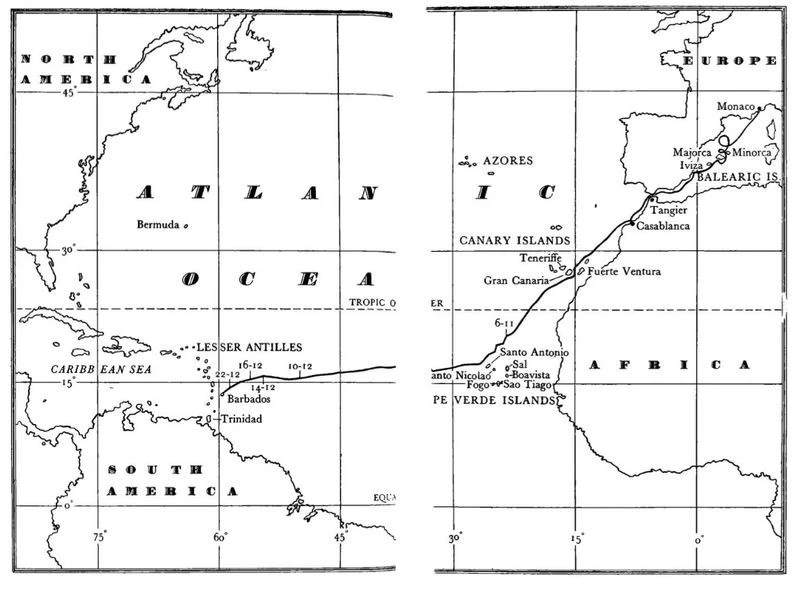
Alain Bombard's Route
On the fifty-third day, he encountered a cargo ship. The sailors reported that he still had over a thousand kilometers to go. After eating a modest portion of the prepared food (scrambled eggs, liver, cabbage), he regretted it: his stomach, unaccustomed to normal food, rebelled. However, this encounter gave him the strength to continue his journey.
On December 23, 1952, having covered 4,345 kilometers, an exhausted Bombard reached Barbados. His feat was met with both admiration and skepticism. 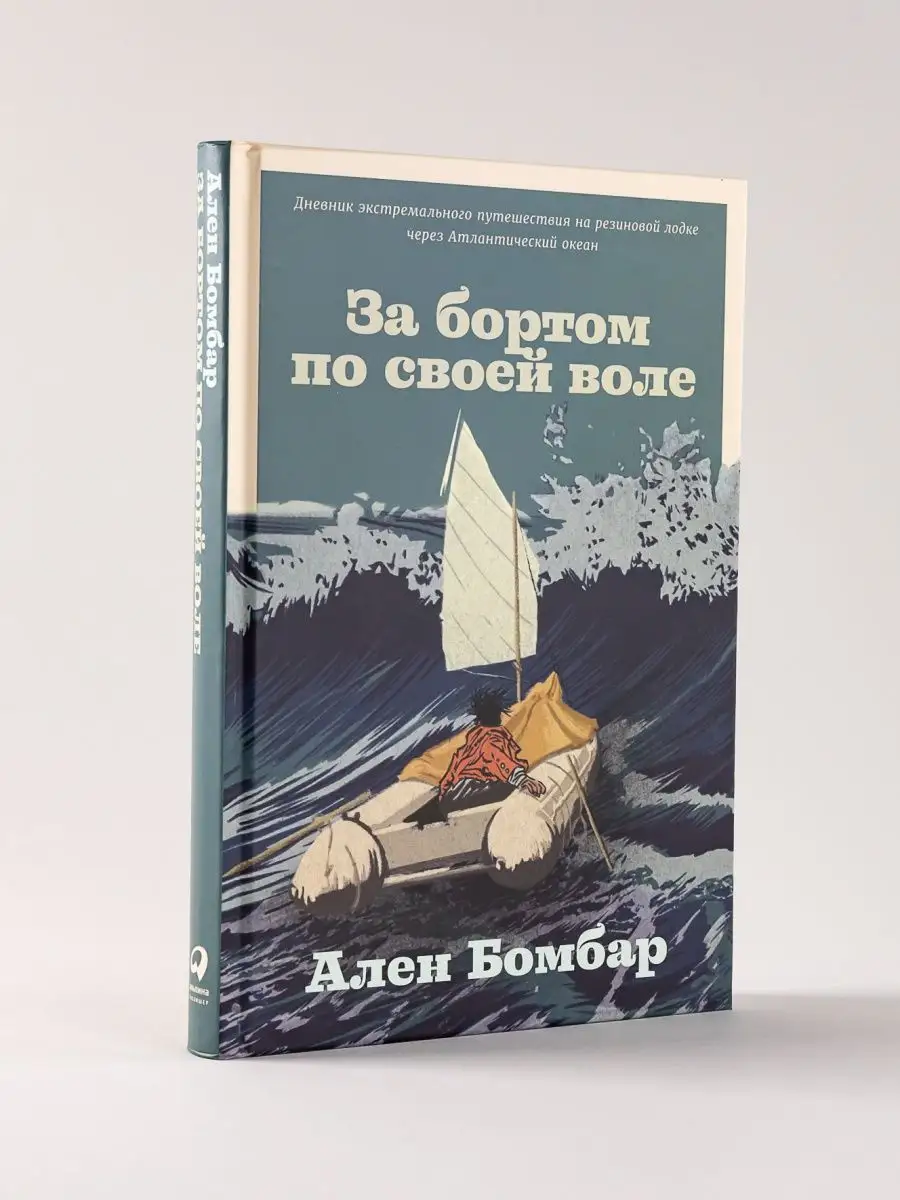
In his book, "Bombard's Story," he describes his joy at seeing the lighthouse beam sparkle on the clouds in the dark sky. Sailing along the rocky northern coast of Barbados, he finally spotted a beach and a group of fishermen who helped the exhausted sailor reach shore and pulled his boat onto the beach. 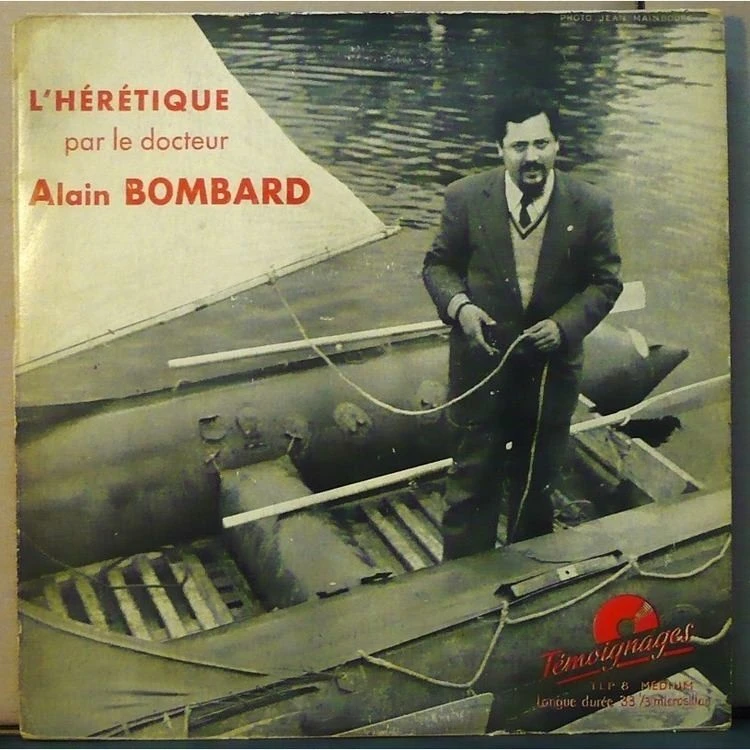
Bombard noted in his notes that the seal on his emergency supplies remained intact, and that he distributed the canned goods to the excited locals. Exhausted, he was taken to the nearest police station:
The chief clearly couldn't decide whether I was a pirate or an exceptionally reckless yachtsman, but with the impeccable directness of a British policeman who also serves as confessor to those under his charge, he sat me down with a cup of tea and some bread and butter. 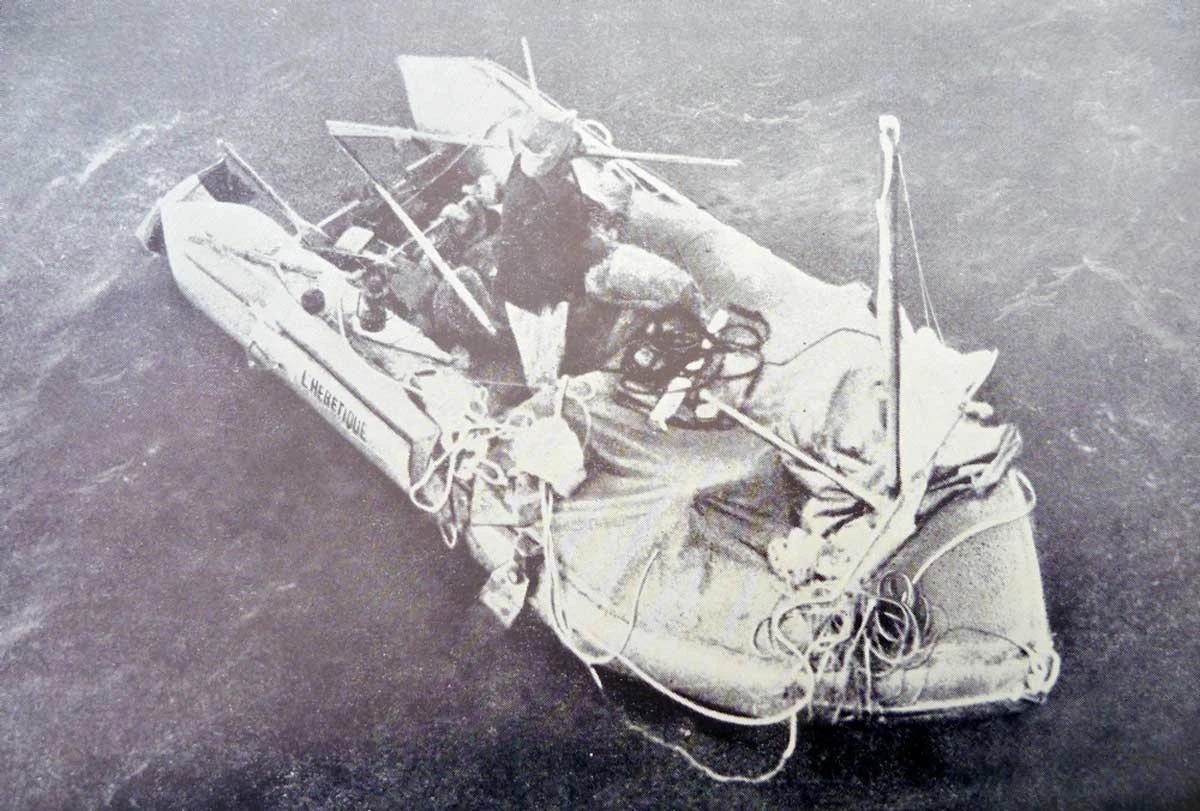
German physician Hannes Lindemann, who repeated the experiment, questioned the methods, accusing Bombard of using secret supplies. However, the French scientist never claimed that seawater alone could sustain survival. His key principle was to drink it sparingly and only in combination with fish fluids, to maintain hydration from the first few days until the fish diet was established. 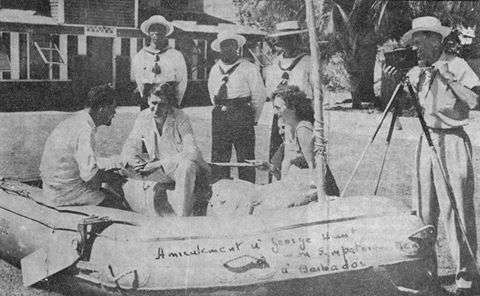
Bombard's later career was equally eventful: from heading an oceanographic institute with the support of magnate Paul Ricard to a brief but illustrious stint as France's Environment Minister in 1981. His uncompromising advocacy for environmental protection, including his campaign against the forced-feeding of geese for foie gras, even prompted death threats. He remained a staunch environmentalist in the European Parliament until the end of his life. 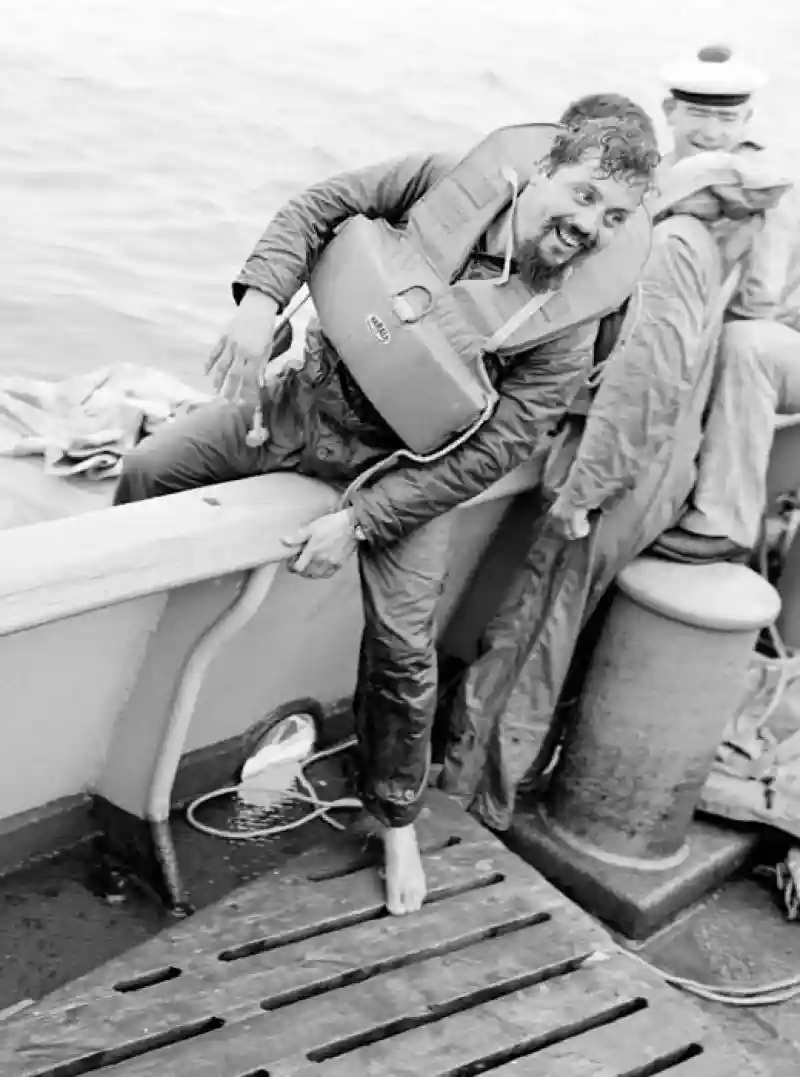
Alain Bombard died in 2005, leaving behind not only the legend of an incredible voyage but also a practical survival guide that may have saved many lives on the high seas.