Without air and logic: how 50,000 people live at the height of Elbrus (17 photos)
This city shouldn't exist. Life expectancy here is only about 30 years. Scientists long believed that permanent human habitation above 5,000 meters was impossible. But the population of La Riconada is between 30,000 and 50,000 people (official figures differ greatly from reality). 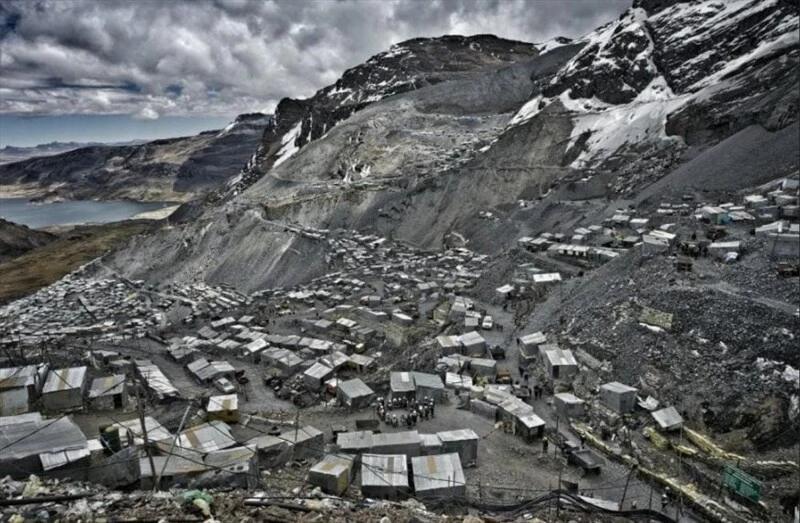
At 5,400 meters above sea level, in the Peruvian Andes, lies a town that defies all notions of where, how, and under what conditions human life can exist.
La Riconada is the highest permanent settlement on Earth, a place where the air contains half as much oxygen as at sea level, and the temperature rarely rises above freezing. 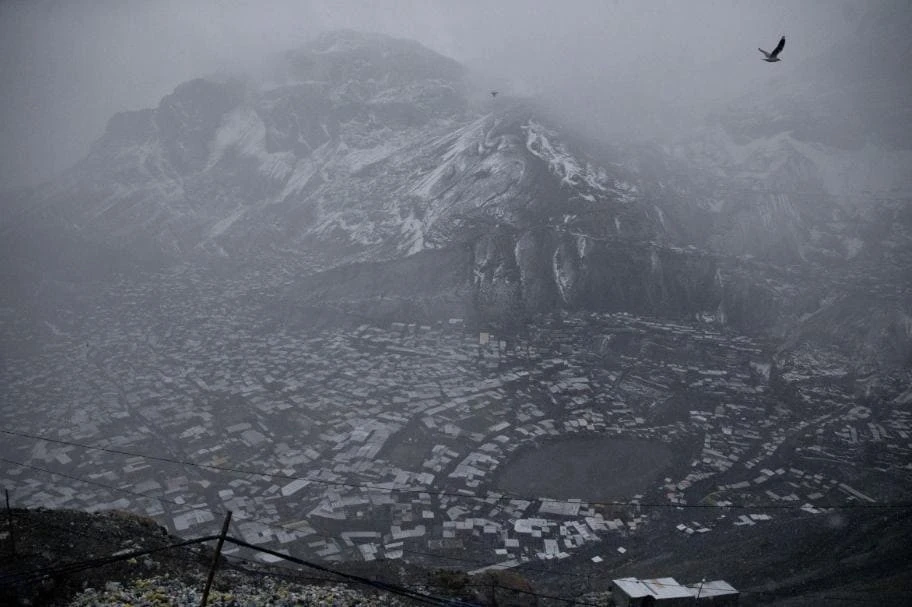
What keeps people in this inhospitable place? The reason is as old as time. But first, let's immerse ourselves in the atmosphere of the "city of hope." Yes, everyone here lives in hope for a brighter future. 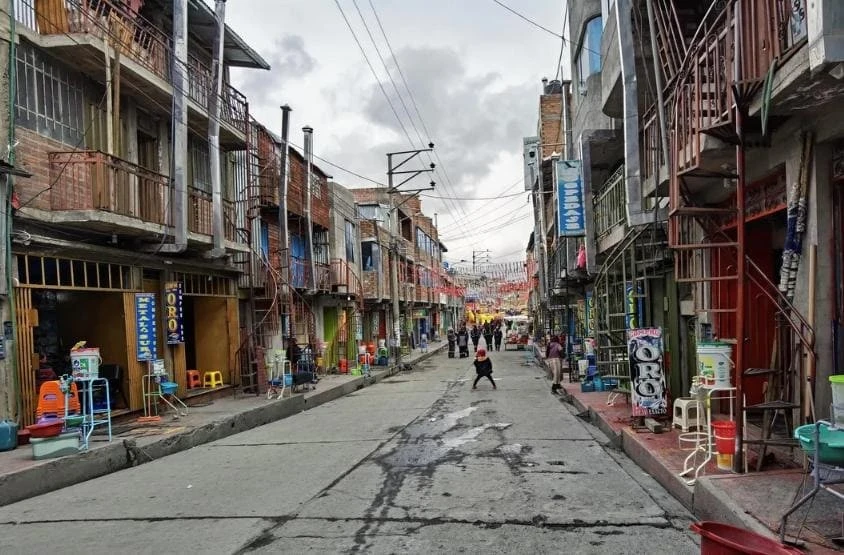
A City Without Rules
La Rinconada is often called the "city without rules" (ciudad sin ley del Perú). Not because chaos reigns here, but because laws work differently than in other places. 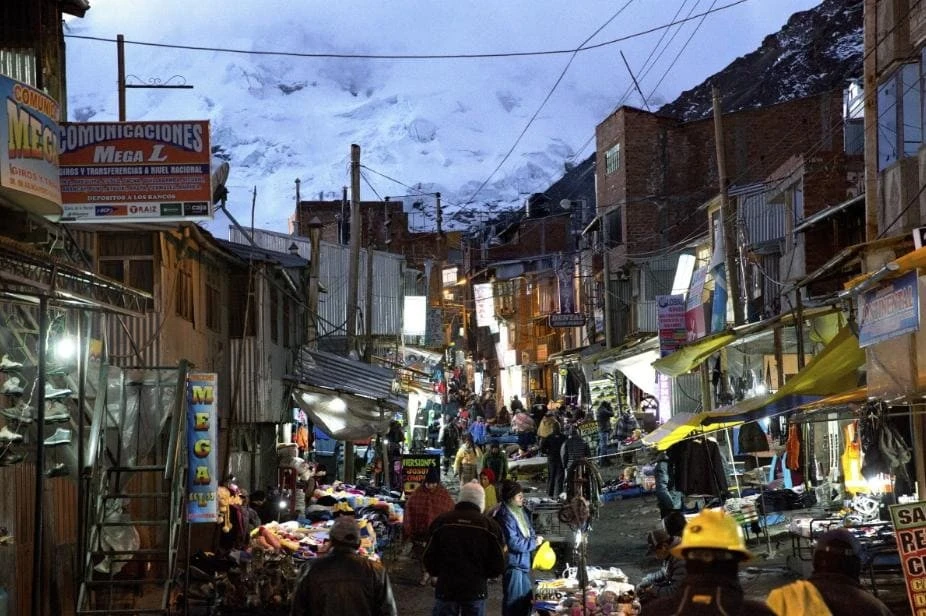
Hundreds of bars and small establishments operate here, where workers gather in the evenings after their shifts. Official restrictions are few, so questionable establishments can exist alongside ordinary cafes. Authorities conduct occasional inspections and raids in an attempt to restore order. For example, several years ago, dozens of women victims of human trafficking were freed in the city. 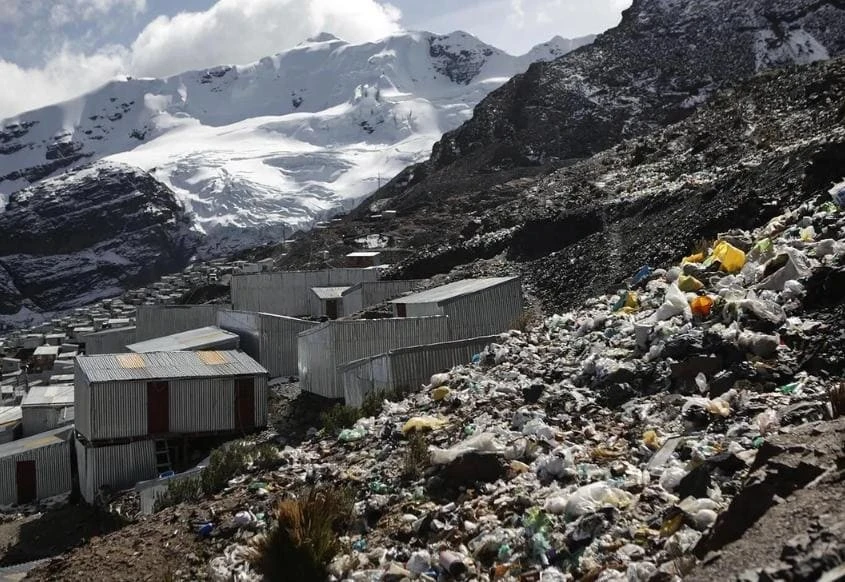
The altitude is 5,100 meters (for an unprepared person, it's not just very difficult, but can be dangerous due to altitude sickness), the roads are almost impassable, and government services rarely reach here. Everything relies on self-organization: neighbors, local communities, and those who know how to survive in the mountains. They negotiate among themselves, resolve disputes, and help each other when troubles arise.
Police officers accompanying an Italian blogger during his visit to the city frankly admitted: "There's everything here: armed robberies, assaults. Disputes over territory and control." 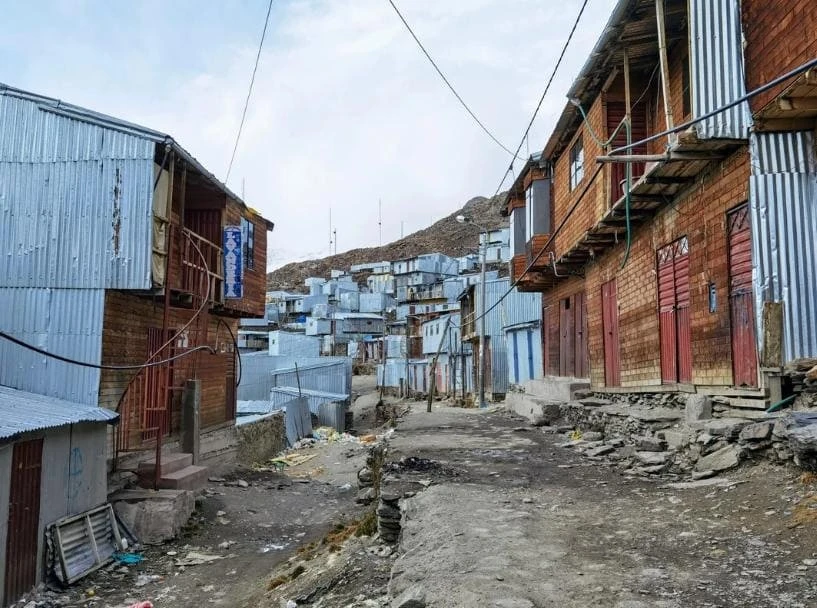
Life is at the limit of survival
La Riconada has no sewer system, running water, or post office. Electricity only appeared in the 2000s, and even then, it's intermittent. There's one small school. Residents throw their trash directly into the streets or burn it. Naturally, no one collects it. Can you imagine the smell? 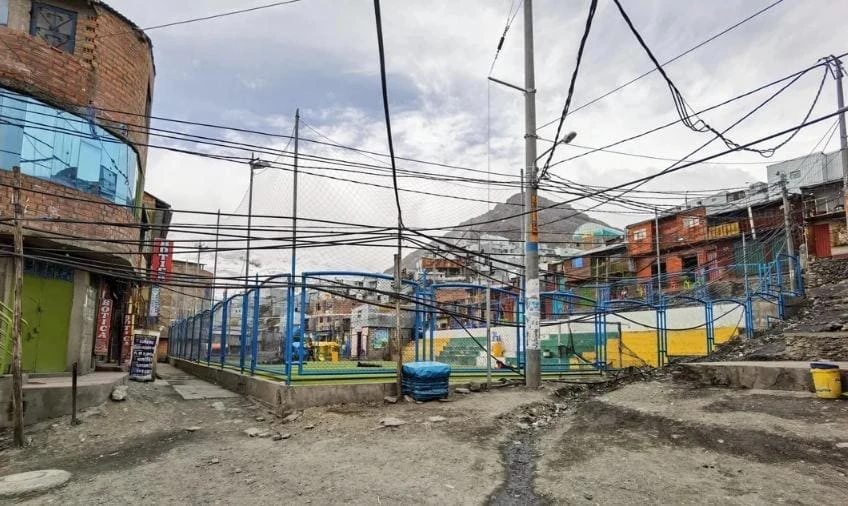
The only source of drinking water is lakes contaminated with mercury. Firewood is also a problem—trees are scarce at this altitude, so people skimp on heating. And essentially, people live in temperatures close to freezing, even indoors.
The average life expectancy here is 30-50 years—half the Peruvian average. 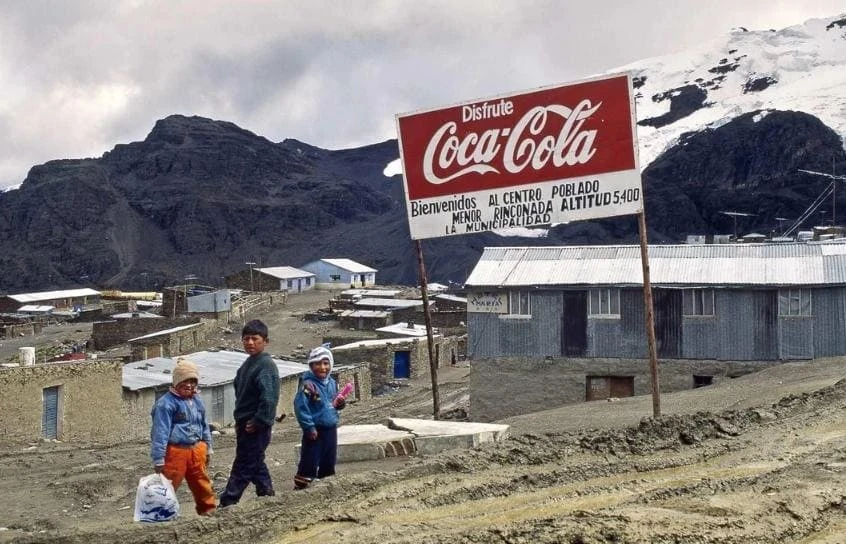
From a village to a "lawless city"
Just twenty years ago, on the slopes of Mount Ananea, at the foot of a glacier locals call "Sleeping Beauty," there was a tiny indigenous village. Gold had been mined here since the time of the Incas, but on a modest scale. 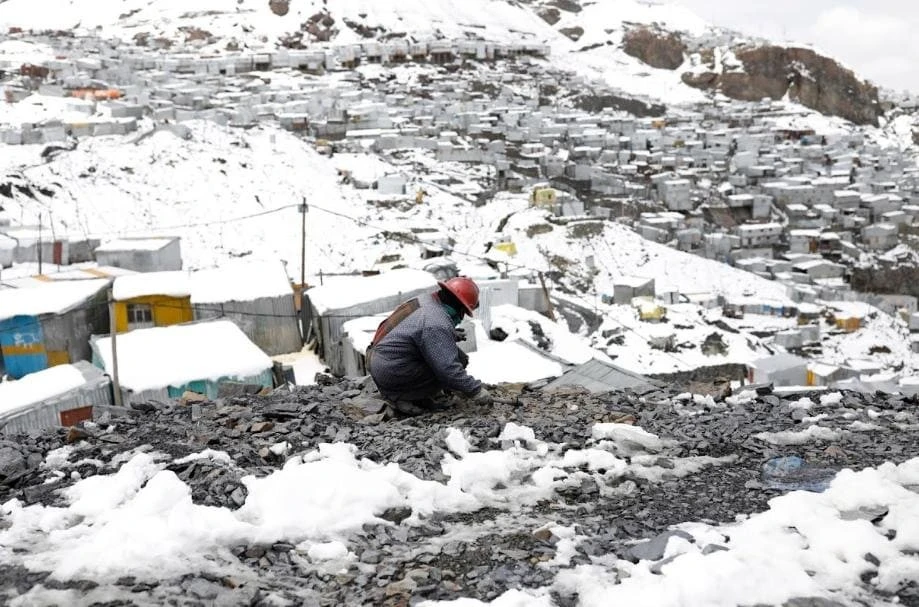
Everything changed in the 1990s, when geologists discovered rich gold veins. And when the price of gold more than tripled between 2001 and 2009, a flood of desperate people from all over Peru flocked to the mountains. In eight years, the population grew from a few thousand to 30,000-50,000. 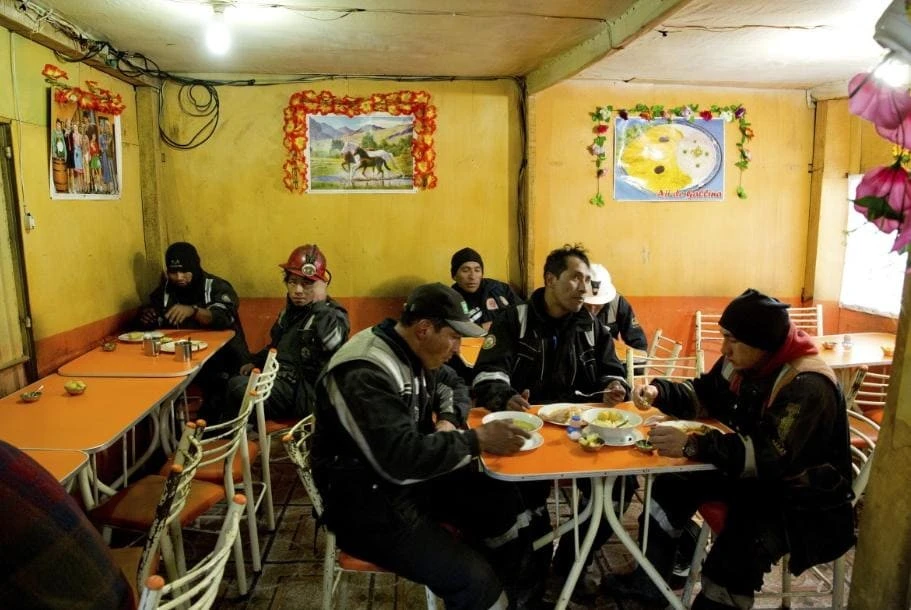
The city grew spontaneously, chaotically, without the slightest planning. Corrugated metal barracks clung to each other around the mine entrances. No one cared about anything but gold; amenities like running water and sewerage were unnecessary for those hoping to find a nugget.
La Riconada was created as a temporary camp for gold prospectors, but it evolved into the highest permanent settlement on the planet. 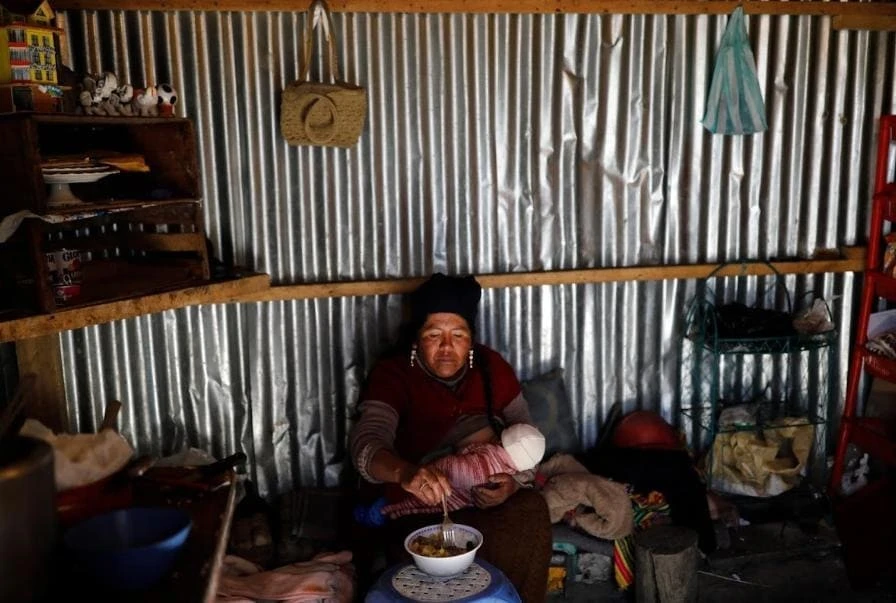
Visitors from all over the country
People come to La Riconada from all over Peru: from the provinces of Puno (Juliaca, Sandia, Asangaro, Ilawe), Arequipa, Cusco, and Madre de Dios. People come here in search of that one lucky break that will change their lives. 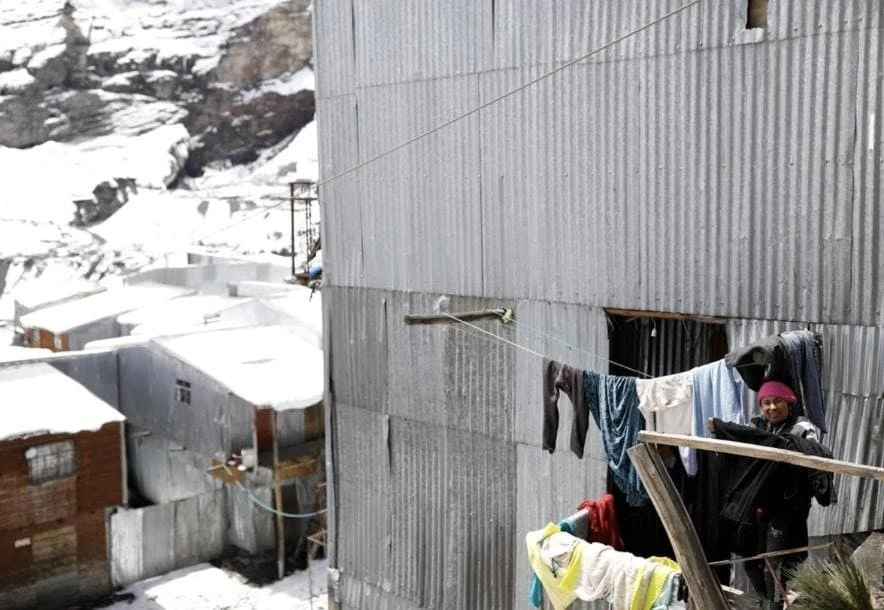
Arpita Uchiri, who has worked in the La Riconada mines for over 10 years, talks about the other side of the gold rush: "The rain in La Riconada is acidic from mercury."
A local farmer explains: "The mine established itself here in 2006, and by 2009, our alpacas started getting sick. I had 80 alpacas and 56 sheep. Today, there are 10 alpacas and 10 sheep left." He adds that "15 kilometers of shoreline along the freshwater lake (where the town gets its water) are polluted with garbage and other waste." 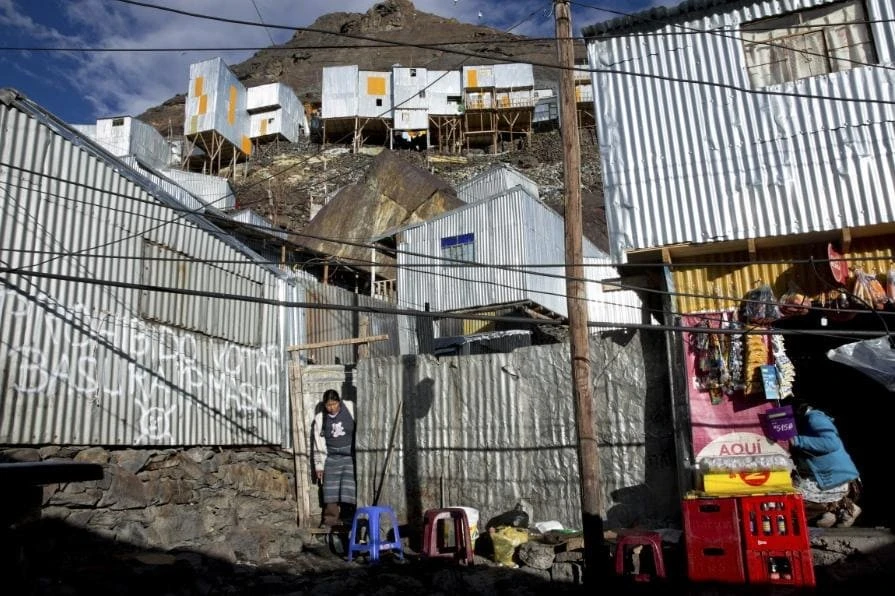
A Month of Work for a Day of Hope
Roberto Salcedo, a local miner, explains the system that brings people to this hell: "Cachorreo is your luck." The idea is simple and brutal: miners work 25-30 days, completely unpaid by the mine owner. On the 30th or 31st day, they are allowed to enter the mine and carry out as much ore as they can carry on their own backs.
If the ore contains gold, they take it for themselves. If not, the month of work is wasted. 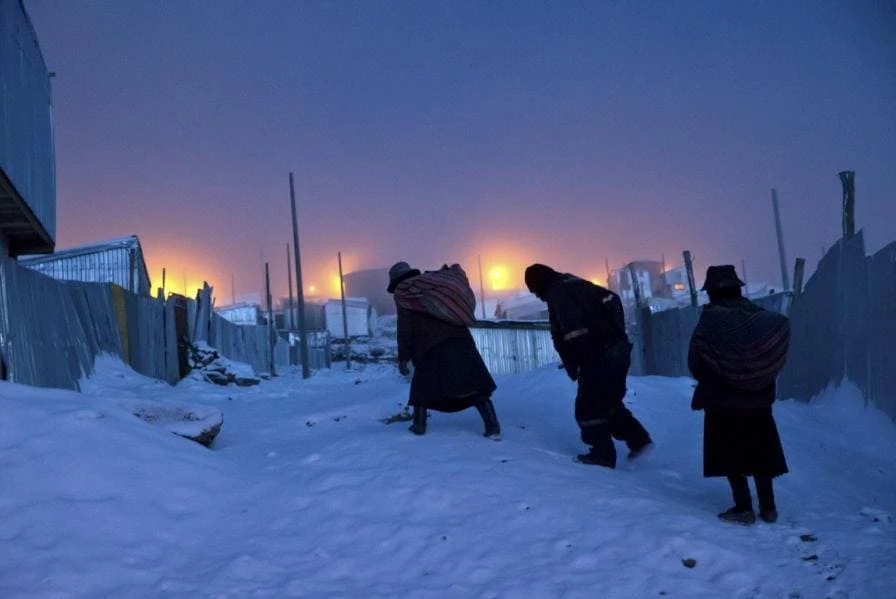
Teófilo Cutimbo, a mine security guard, spent two years in La Riconada working under the cachorreo system. On April 3, 2010, he was seriously injured in a mine collapse. However, during these two years, he received no official salary – only a promise that when gold was discovered, he could take the ore for himself.
The average miner here earns around $170 a month. In a bad month, only $30. If he's very lucky, up to $1,000. Each miner has to feed a family of four or five people. 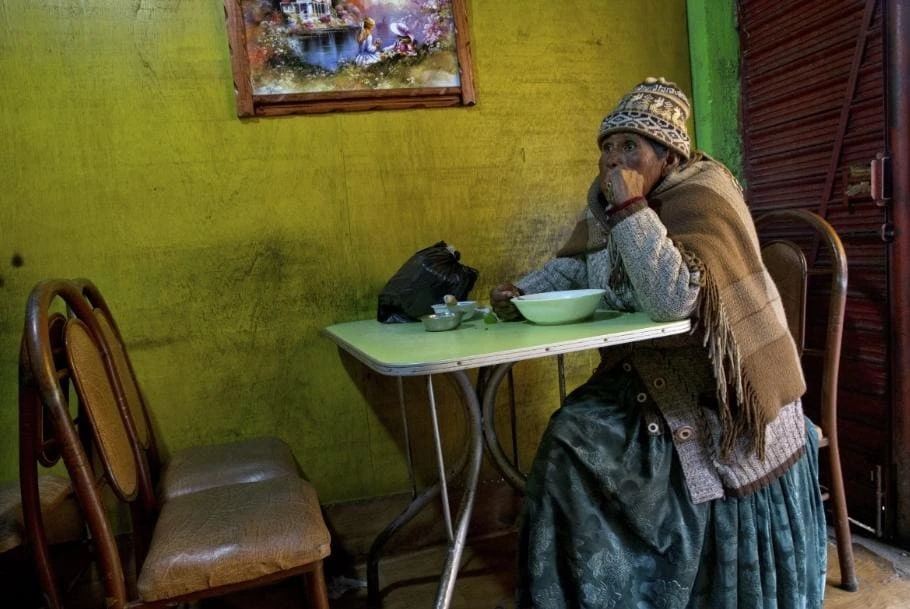
Life in the Central Square
One of the few travelers who has visited the city describes an unexpected scene: in the Plaza de Armas, the central square of La Riconada, on a warm day (when the temperature rose to +5°C!), people were sitting, reading newspapers, and playing with children. A broken window in the police building hadn't been repaired for two years. 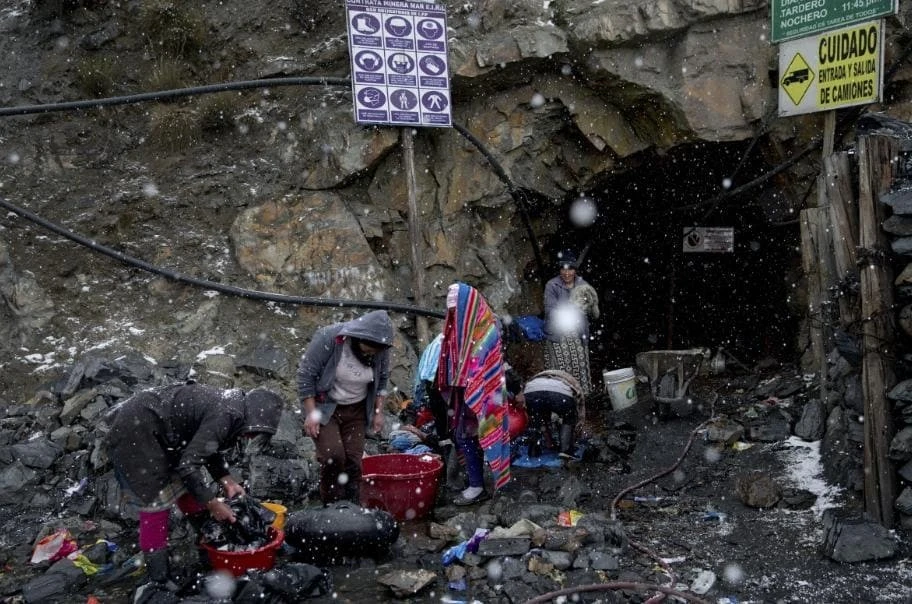
There are at least 50 gold buying stations here. It works like this: Miners bring in ore, mercury is added (the gold binds to it), and then the mercury is evaporated, leaving only the precious metal. This is how the miners earn their living. 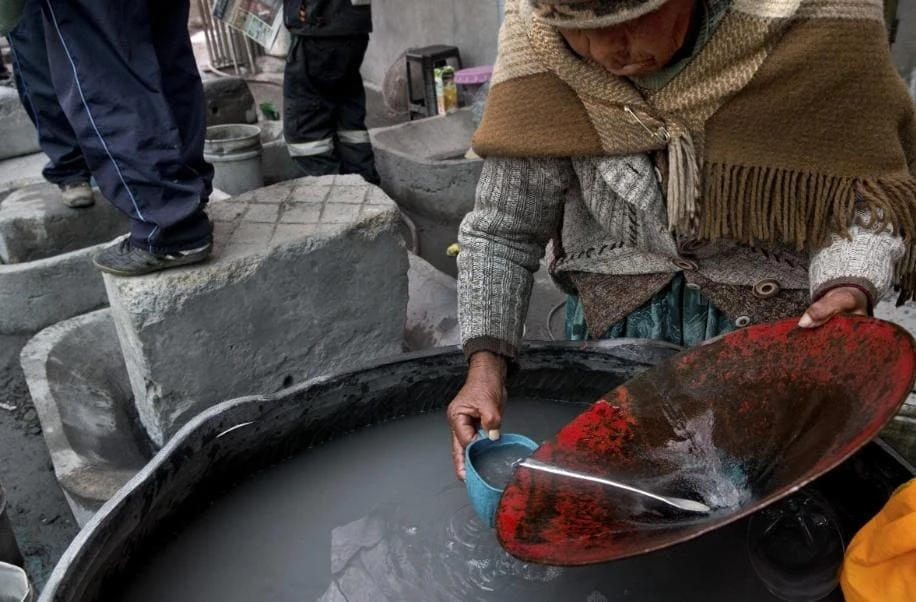
Women who sift through old waste rock piles looking for missed gold dream of finding 2-3 grams – that would bring in about $100. But fortune smiles only on a select few.
Why do they stay?
For many, this town is their last hope. They dream of that one lucky day, when they'll manage to carry a big nugget on their shoulders and everything will change.
Everyone here dreams of finding a big nugget and changing their lives. But when you ask if they know anyone who's truly gotten rich in La Riconada, the stories begin to unravel: 'I heard from a guy...', 'They say five years ago...', 'A friend of a friend...'. No one can name a specific person. Only legends that keep hope alive and keep people returning to the mines again and again.
As one miner said: "No one forced us to work in these conditions of suffering and humiliation. We came voluntarily, hoping to get rich."