10 Birds That Break Records for Ferocity, Smell, and Endurance (13 photos)
Imagine a bird that smells like manure, whose feathers are blacker than space, and whose kick is deadly. 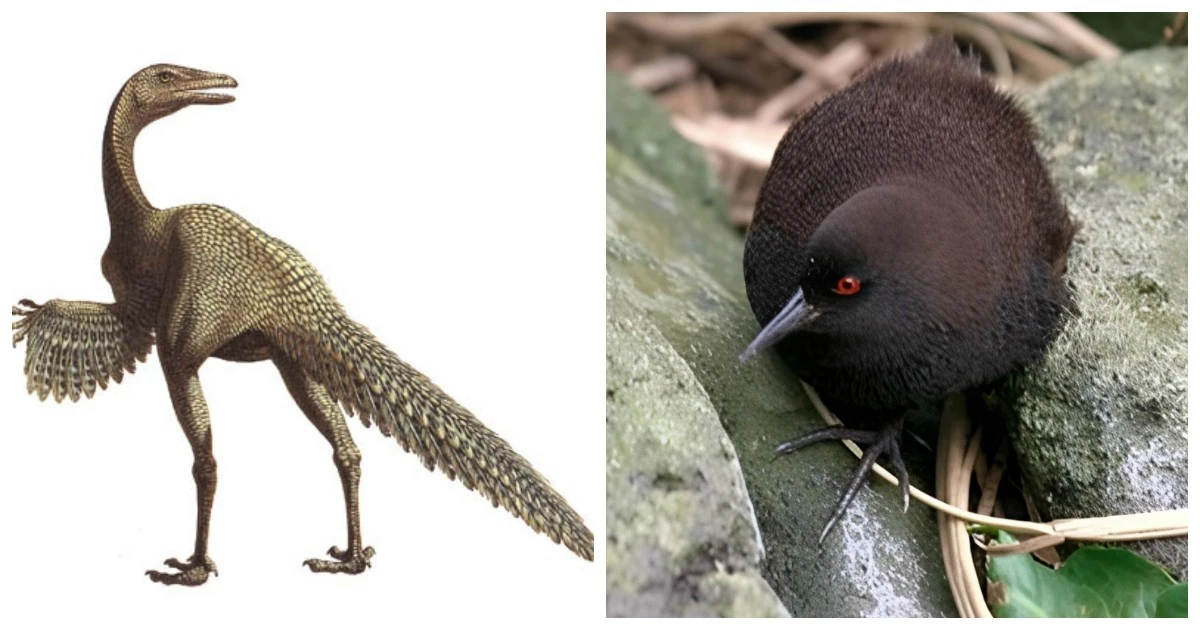
The world of birds isn't just the familiar pigeons, tits, and sparrows. It's a realm of incredible records that rival animals and insects. We've compiled 10 astonishing facts about champion birds that will make you look at the sky in a new way.
1. Oldest Bird 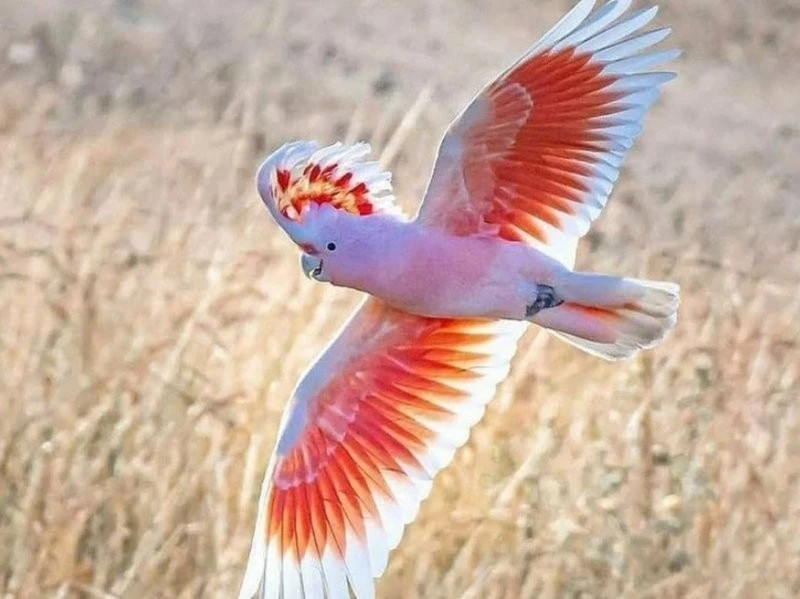
The oldest bird ever recorded was an Inca cockatoo named Cookie. He lived 82 years and 89 days and died on August 27, 2016. Cookie also holds the record for the oldest parrot to ever live.
2. The Oldest Bird 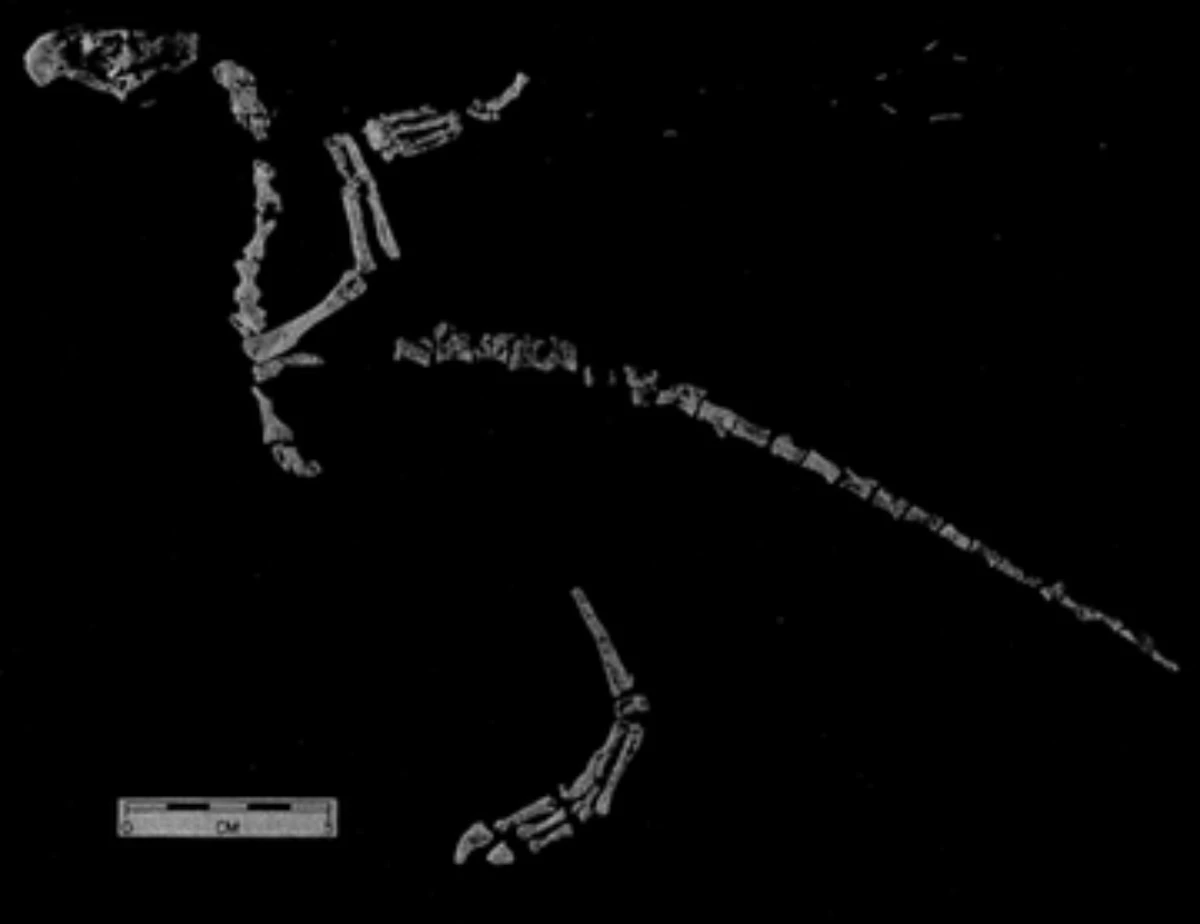
The first bird in the fossil record consists of two partial skeletons found in Texas, USA, in rocks dating back 220 million years. Named Protoavis texensis (Texas first bird) in 1991, this pheasant-sized protoavis sparked much controversy and supported the theory that birds may have originated many millions of years earlier than the previous record holder, the better-known Archaeopteryx (Archaeopteryx lithographica), found in Jurassic deposits in Germany. 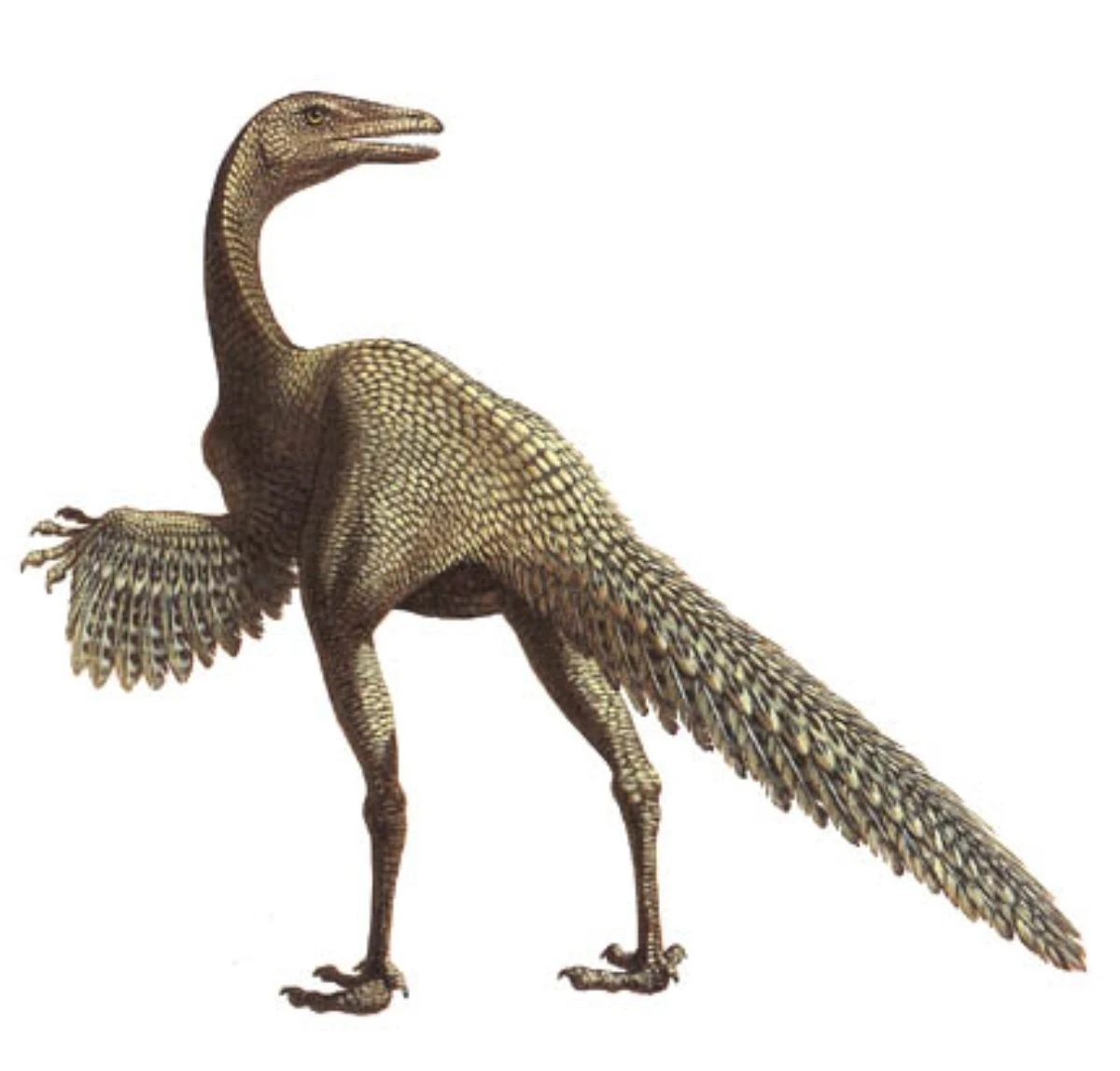
3. Smallest Flightless Bird 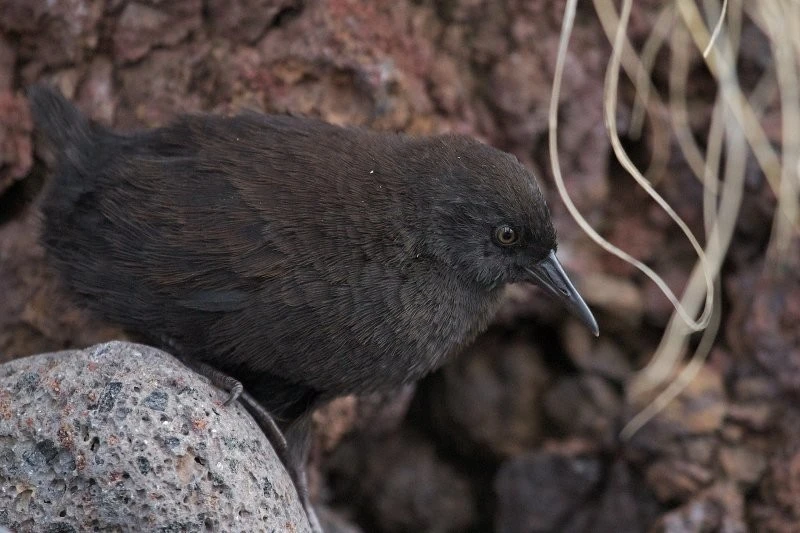
The smallest flightless bird is the Tristan Rail or Inaccessible Island Rail (Atlantisia rogersi), found on the island of the same name in the South Atlantic. Weighing only 40 grams, it was first discovered in 1870 and described as "the size of a three-day-old black chicken." Adult birds are dark chestnut-brown above and gray-brown below.
4. The foulest-smelling bird 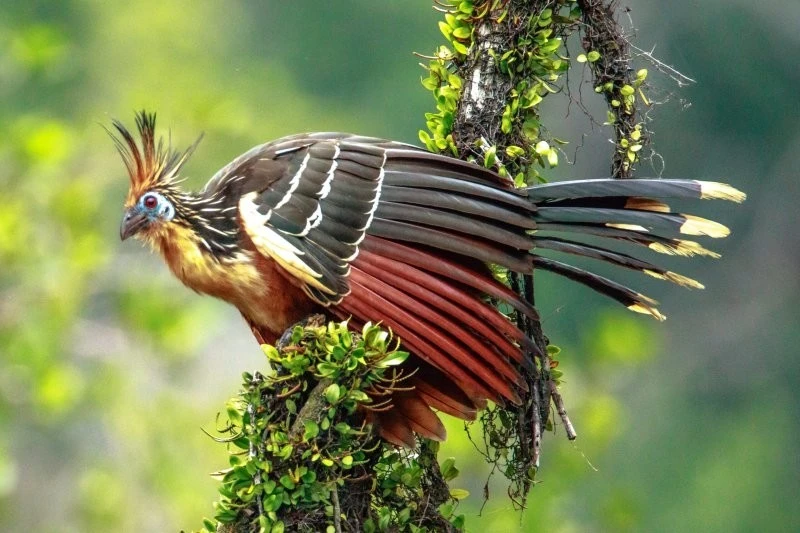
A contender for the title of the world's smelliest bird is rightfully considered the hoatzin (Opisthocomus hoazin), a bird with a bizarre appearance that has been classified variously as a pheasant, a cuckoo, a turacos, and even classified as a separate taxonomic order. It smells like cow dung. Even its local name, pava hedionda, translates as "smelly turkey." This repulsive odor is believed to be a result of the unique combination of an exclusively leafy diet and, unusually for birds, a ruminant-type digestive system based on pregastric fermentation.
5. Largest Nest 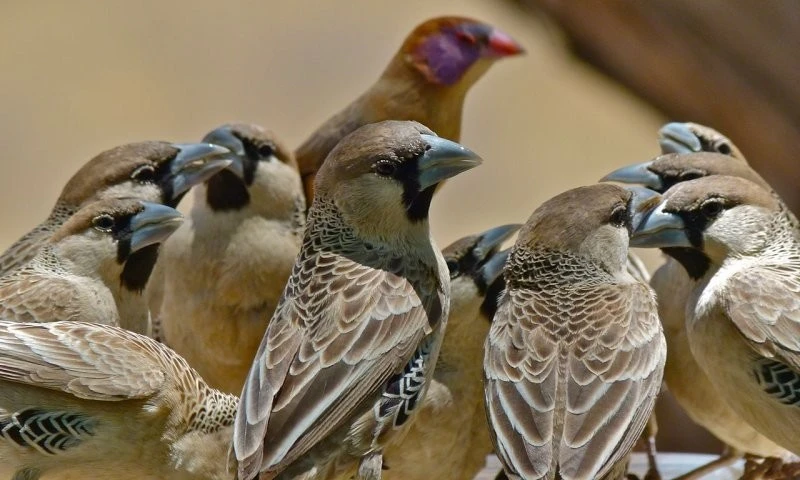
The most densely populated bird nest is built by the common sociable weaver (Philetairus socius), which inhabits the dry savannas of southwest Africa. This bird constructs a massive communal nest, which can reach eight meters in length and two meters in height. Resembling a giant haystack hanging from a tree or pole, it can accommodate up to 300 individual nests. Each "apartment" is home to a pair of weavers and their chicks. It's no surprise that these colossal dormitories sometimes become so heavy that the supporting tree can't support them and breaks under their weight. 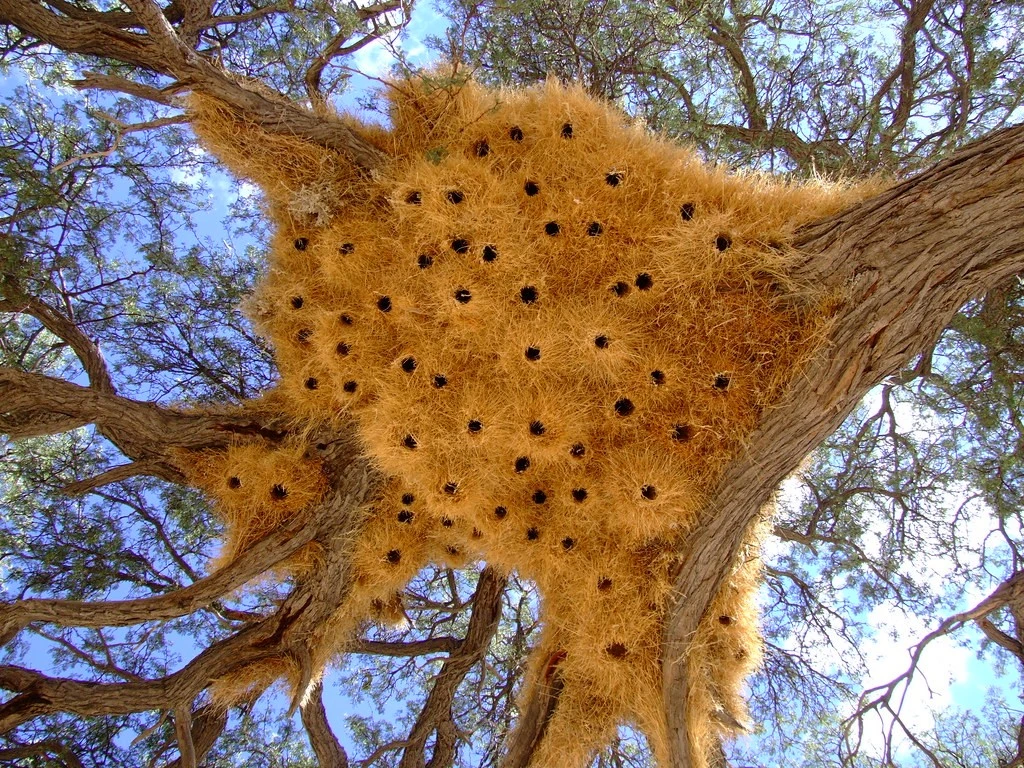
6. Vocal Mimicry Champion 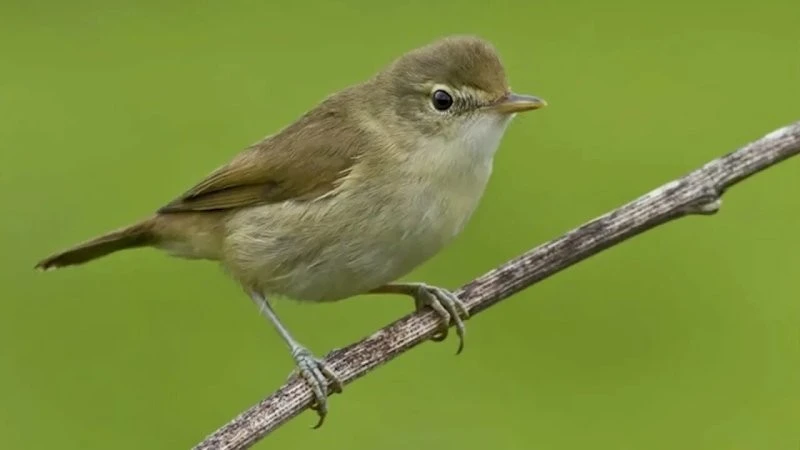
The record for mimicking the calls of other birds belongs to the marsh warbler (Acrocephalus palustris). This songbird can imitate the songs of over 80 other bird species, most of which are African species it has heard on its wintering grounds. A study confirming this was published in October 1979 in the scientific journal IBIS: International Journal of Avian Science.
7. The Blackest Plumage in Nature 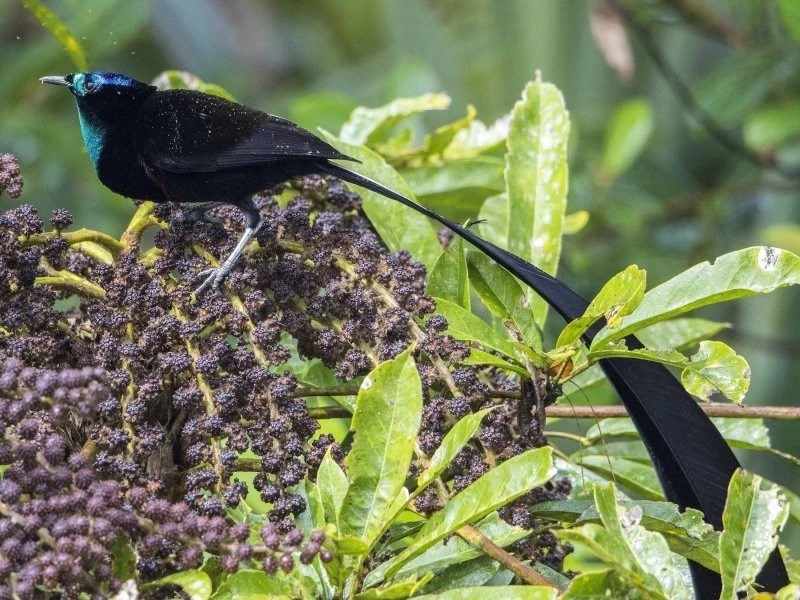
The darkest bird in the world is an adult male Princess Stephanie's Astrapia (Astrapia stephaniae), a long-tailed bird of paradise native to the mountain forests of central and eastern Papua New Guinea. Its long central tail feathers possess a rich, absolutely deep black color, which scientists call superblack or ultrablack due to their negligible light reflection. This effect is created by the feathers' unique microstructure: their grooves are spike-shaped and curved upward, rather than smooth and flat. Four other bird-of-paradise species also possess this superblack plumage, but with a slightly higher reflectivity.
The Bomagai-Angoyang people hunt astrapias for their large black feathers. These feathers are then sold to neighboring tribes, who pay for them with pigs.
8. The Deadliest Bird 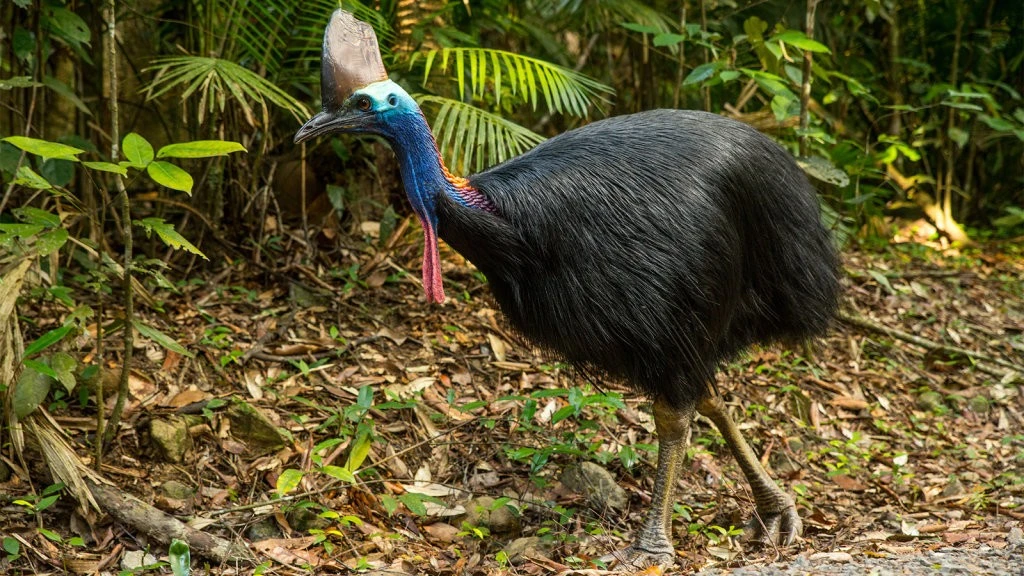
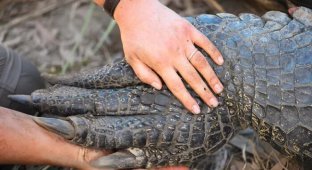
All three species of cassowaries (family Cassowary), found in New Guinea, Indonesia, and northeast Queensland in Australia, are considered the most dangerous birds in the world. They are large, flightless birds, reaching up to two meters in height. Each foot has three toes with powerful claws for traction while running, with the inner toe armed with a dagger-like claw up to 12 cm long, used for defense. When cornered or injured, the bird is extremely dangerous: it can leap high into the air and strike with its foot, damaging vital organs and causing blood loss. Cases have been recorded where cassowary injuries have resulted in death.
The most recent fatality caused by a cassowary occurred in April 2019 in Florida, USA. The 75-year-old owner of the birds allegedly fell in their aviary and was attacked.
9. Longest Flight 
The record for the longest flight among banded birds belongs to a common tern (Sterna hirundo). A chick banded on June 30, 1996, in central Finland was recaptured alive on Rotama Island, Victoria, Australia, in the last week of January 1997. The distance between these points is approximately 26,000 km. It is estimated that to cover this distance in the timeframe specified, the bird would have had to fly an average of approximately 200 km per day.
10. The Most Venomous Bird 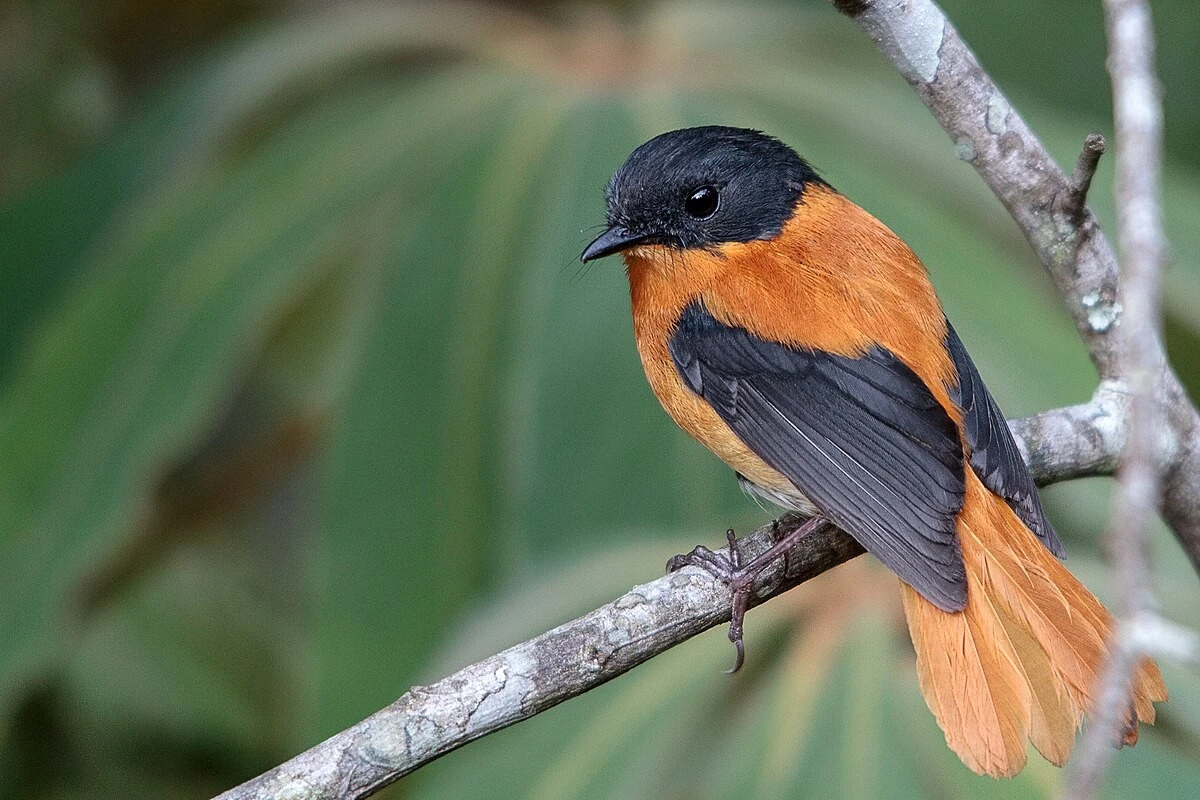
One of the most venomous birds in the world is the black-and-orange flycatcher, or pitohui dichrous, found in the forests of Papua New Guinea. It was discovered in 1990 and puzzled scientists because its feathers and skin contain the powerful toxin homobatrachotoxin—the same toxin secreted by poison dart frogs in South America. Like many other venomous animals, this bird also emits a foul odor and warns of danger with its bright (aposematic) coloration. The poison affects the victim's nervous system, but it is still unknown exactly how the bird acquires it.